The Artificial Intelligence (AI) competency framework for students is the result of a two-year collaboration between the University and Meta Group within the framework of a project applying AI in learning, teaching, and research.
The rapid development of AI is reshaping how we work, learn, and innovate. AI is no longer a concern of the future but has become an urgent requirement in the present. Artificial intelligence is increasingly becoming an integral part of life, requiring educational systems to proactively equip learners with the capacity to use and co-create AI responsibly, effectively, and ethically. Integrating AI learning objectives into formal educational curricula is essential to help students and faculty access AI safely, meaningfully, and to be ready to adapt to a rapidly digitally transforming society. Educational institutions that fail to meet this requirement will struggle to maintain relevance and competitiveness in this new context.
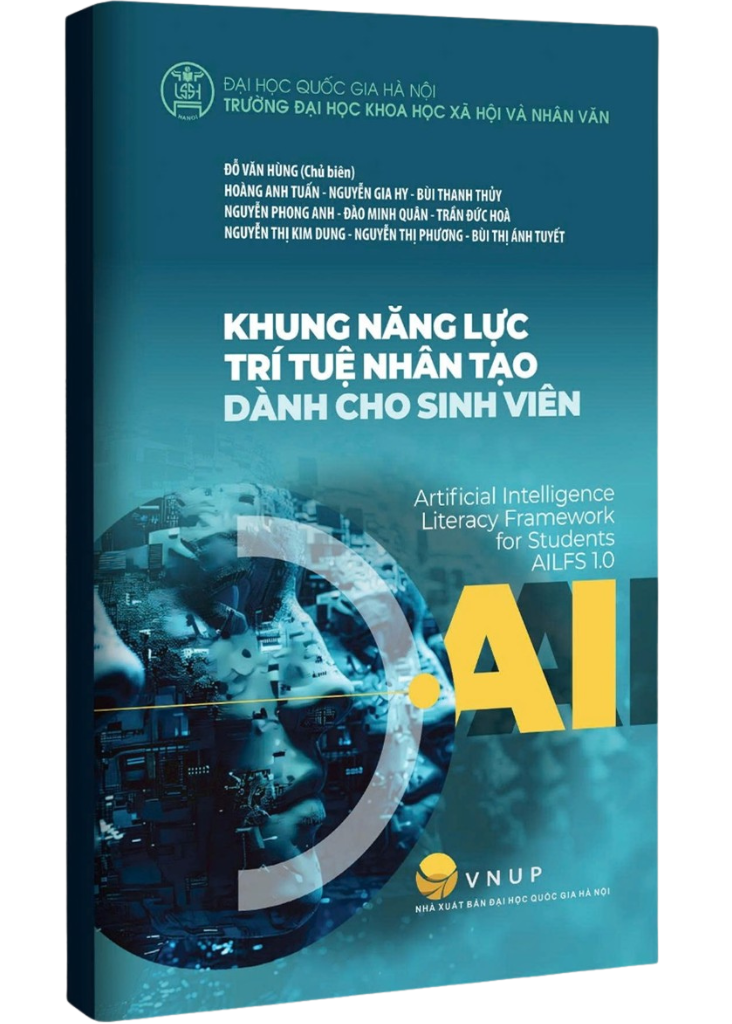
The book "Artificial Intelligence Competency Framework for Students" has been officially published.
The Artificial Intelligence Competency Framework for university students, developed by the University of Social Sciences and Humanities in collaboration with Meta Group, is a timely response to the urgent need for AI to become an indispensable part of academic, professional, and social life. This framework was formed based on consultations with experts, researchers, lecturers, and students, while also referencing widely used international digital and AI competency frameworks and organizing consultations with a wide range of stakeholders, including management units and employers.
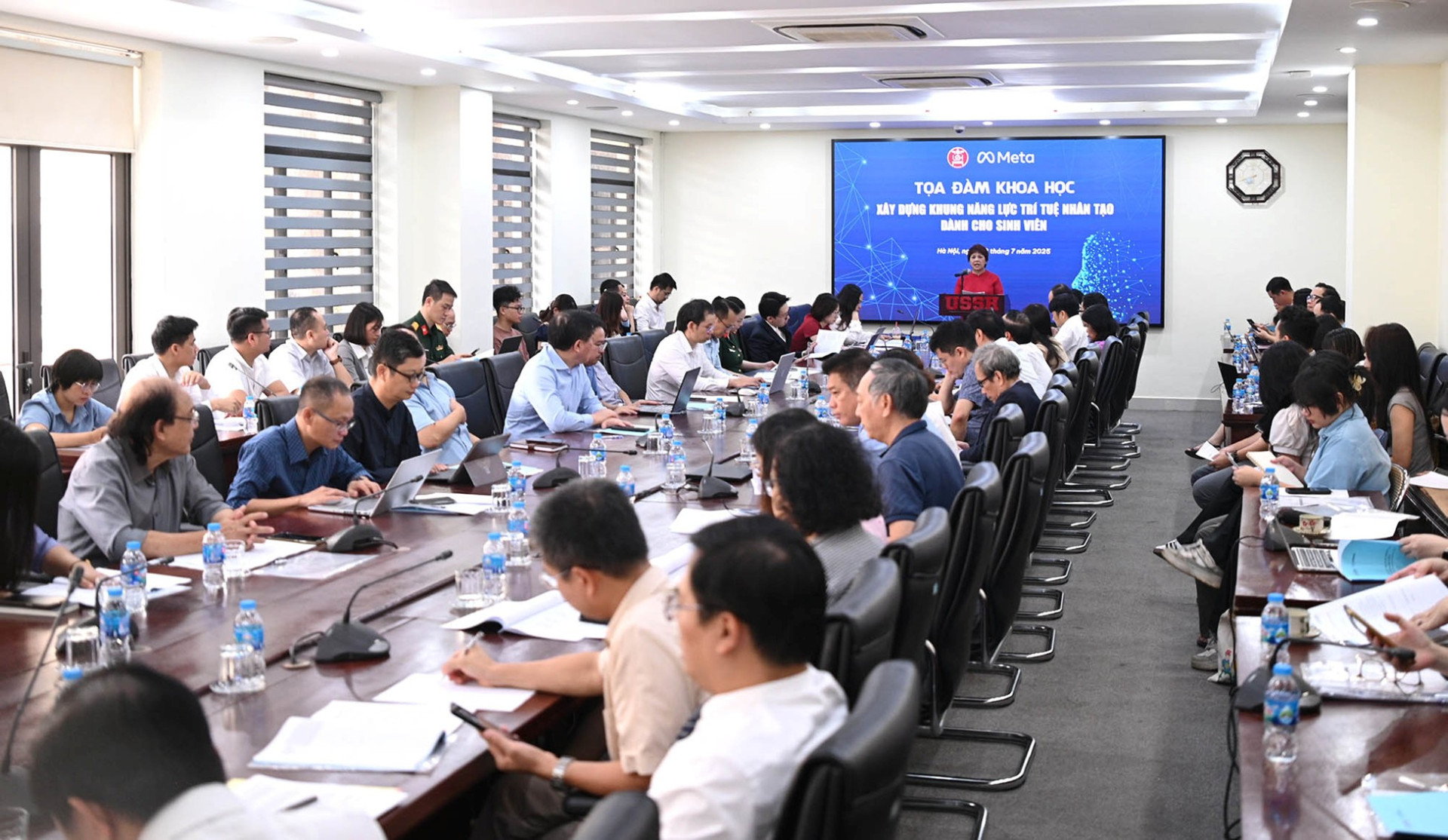
Consultation session to gather feedback on the development of an AI competency framework for students, July 2025.
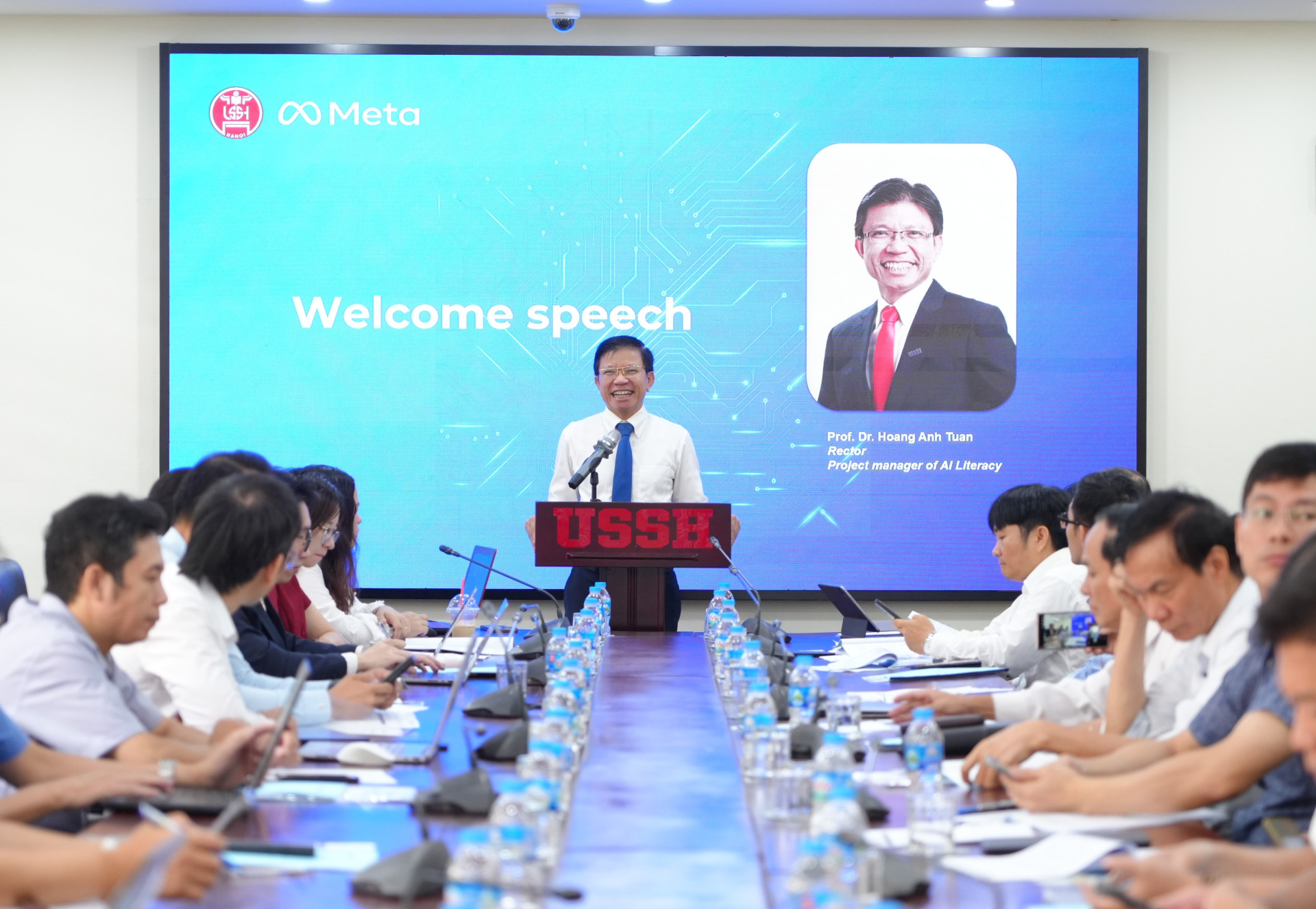
Professor Hoang Anh Tuan, Rector of the University, emphasized: The AI competency framework is built with the goal of providing a foundation for developing training programs, equipping university students with the ability to use, evaluate, create, and responsibly apply AI technology in their studies, research, career development, and entrepreneurship. We aim not only to prepare students and faculty for the application of AI in higher education, but also to consider it a fundamental competency serving labor productivity, prosperity, and sustainable adaptation in the future.
Professor Hoang Anh Tuan, Rector of the University of Social Sciences and Humanities, spoke at the seminar to gather feedback on the AI competency framework for students.
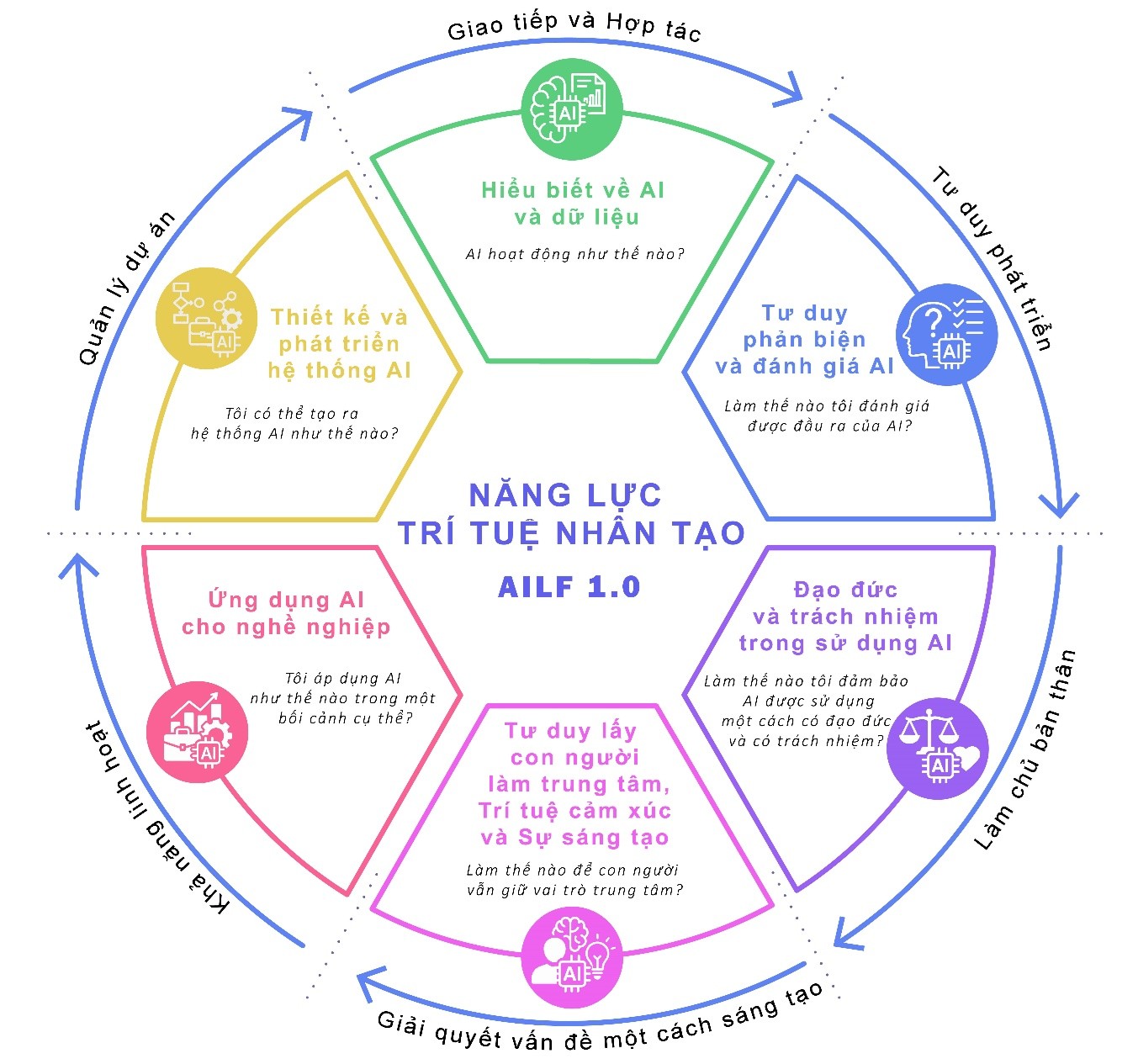
The AI competency framework for students comprises two parts: durable competencies and specific AI competencies. The durable competencies include: Flexibility, Growth Mindset, Personal Agency, Creative Problem Solving, Communication and Collaboration, and Project Management.
There are six specific competency domains, including: Understanding AI and data (How does AI work?), Critical thinking and AI evaluation (How can I evaluate AI output?), Ethics and responsibility in AI use (How can I ensure AI is used ethically and responsibly?), Human-centered thinking, Emotional intelligence and creativity (How can humans remain at the center?), AI applications for careers (How can I apply AI in a specific context?), and AI system design and development (How can I create AI systems?). Each competency domain is implemented in four levels of development: proficiency, mastery, in-depth knowledge, and mastery, corresponding to the students' progress throughout their studies and after graduation.
The AI competency framework for students includes 6 competency domains.
Based on a vision of students as responsible citizens and co-creators of AI, the competency framework emphasizes the role of critically evaluating technological solutions, recognizing social responsibility in the AI age, promoting lifelong learning, and developing inclusive and sustainable AI solutions.
Along with the publication of the book on the AI competency framework, by the end of October 2025, the Project will continue to introduce two more books to support lecturers and students in applying AI, specifically: "Breakthroughs in Teaching and Research with Artificial Intelligence" (for lecturers and researchers) and "Applications of Artificial Intelligence in Learning and Careers" (for students). Thus, these three documents will form a comprehensive guide to strongly promote the application of AI in higher education.
The University of Social Sciences and Humanities believes that AI has the potential to enhance human capabilities, but this can only be realized when students are equipped with a solid foundation in AI skills, including in-depth understanding, effective application, critical thinking, and professional ethics. Therefore, the University calls for the collaboration of educational institutions, the community, and state management agencies to jointly build a generation of students who master technology and use AI for the common good of society and sustainable development.
The press reported:
People's Representatives Newspaper:The University of Social Sciences and Humanities announces the first AI competency framework for students.
Voice of Vietnam Radio:Announcing the Artificial Intelligence Competency Framework for Students
Vietnam National University, Hanoi:"Artificial Intelligence Competency Framework for Students" - A Foundation for Responsible, Creative, and Empowered Digital Citizens