

This page commemorates the 80th anniversary of the school's tradition and 30 years of development.University of Social Sciences and Humanities


According to Dr. Dang Kim Khanh Ly, Head of the Department of Sociology and Social Work at the University of Social Sciences and Humanities, many parents and students think that studying Social Work only leads to volunteer work, charity, and low salaries. However, this notion is incorrect and incomplete.
"This is a common misconception stemming from an incomplete understanding of the social work profession, as people often see images through the media of unpaid charity work or voluntary community assistance activities. However, social work is a professional occupation with systematic training, a stable job system, and a good income, even very good if you have high expertise. It is a profession officially recognized by Vietnamese law since Decision No. 32/2010/QD-TTg on the development of the social work profession," Ms. Ly said.
Therefore, it should be recognized that studying social work is not just about "doing charity work," but a formal, specialized, humane profession with unique skills and a salary commensurate with ability. Those who study this field not only help others but also build a solid career for themselves – in the public, private, and international sectors.
Mr. Nam also stated that, according to the new regulations, social workers will be granted a Certificate of Professional Registration, which is an important step in establishing entry and exit standards for the workforce.
What do social work students learn?
Social work programs at universities typically consist of 127-132 credits over four years. Beyond foundational knowledge, each university's program has its own unique features depending on its strengths and objectives.
At the School of Public Health, students are trained to become professional social workers capable of supporting, intervening in, and connecting services to vulnerable groups, contributing to the promotion of social justice, equality, and development.
The school claims to be the first to offer a Bachelor of Social Work program with a focus on healthcare. Students gain foundational knowledge in medicine, sociology, psychology, and advanced intervention methods in social work.
"Modules on management and communication are also flexibly integrated into the program," Mr. Nam said.
Throughout their studies, students hone their practical professional skills through real-life situations, especially with patients and their families.
At the University of Social Sciences and Humanities, the Social Work program has achieved AUN-QA accreditation, a quality assurance standard for universities in Southeast Asia.
In addition to their specialized studies, students also have access to interdisciplinary analytical thinking in fields such as Sociology, Psychology, Anthropology, and Philosophy. According to Ms. Ly, the program emphasizes innovative, technological, and entrepreneurship-oriented courses.
"This is a new element, reflecting the trends of the times. Students are trained in technological skills in data analysis, gain an understanding of innovation, and develop an entrepreneurial spirit," said Ms. Ly. The lecturer believes this helps students adapt better to the labor market.
In addition, schools focus on developing soft skills for students such as intervention practice, critical thinking, communication, planning, interpersonal skills, listening, teamwork, information analysis and processing, research, and report writing.
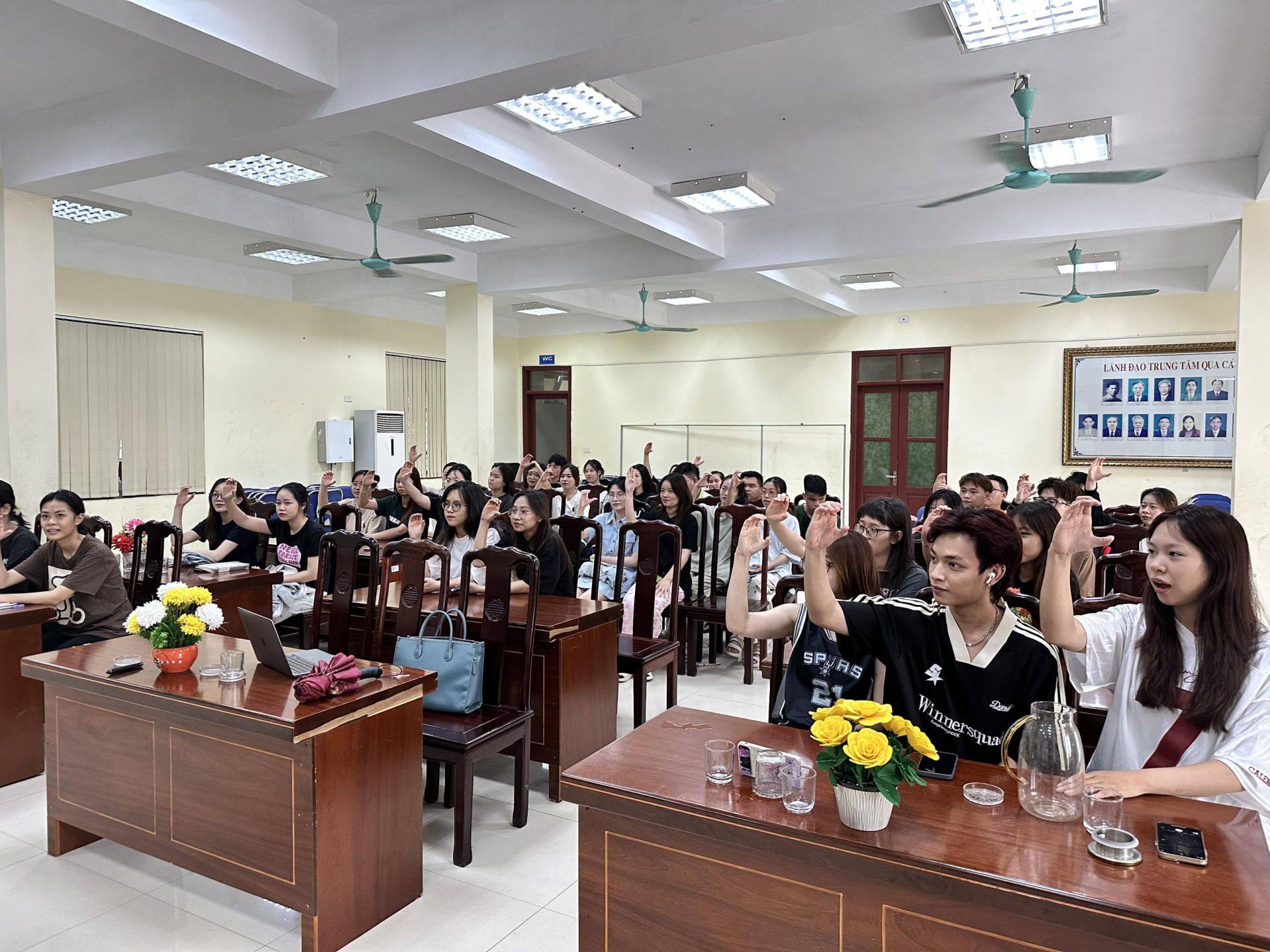
What jobs can you get after graduating with a Social Work degree, and what is the salary range?
According to universities, graduates in Social Work can take on the following jobs:
- Social workers in hospitals, social welfare centers, prisons, etc.
- Staff at the Ministry of Health, Department of Health, Centers for Disease Control and Prevention (CDC), and Centers for Preventive Medicine.
- Project officers, community development specialists, consultants, etc., at businesses and international organizations.
- Recruitment specialist, human resources manager, school counselor, skills development advisor, inspirational MC...
According to Ms. Ly, employers need people with strong expertise, critical thinking, flexible and effective decision-making skills, and good communication and organizational skills. In addition, those with planning and work management skills, technological understanding, and the ability to work in a multicultural environment and with foreign language skills will have an advantage.
According to Associate Professor Pham Tien Nam, the starting salary for graduates in this field at the University of Public Health is around 8-10 million VND per month. At the University of Social Sciences and Humanities, according to Dr. Dang Kim Khanh Ly, for positions such as Recruitment Specialist, Human Resources Manager, School Counselor, Skill Development Advisor, and Inspirational MC, the salary can range from 8-20 million VND per month, and can even reach 30 million VND per month depending on the workplace.
Author:According to VNEpress newspaper.
Newer news
Older news