
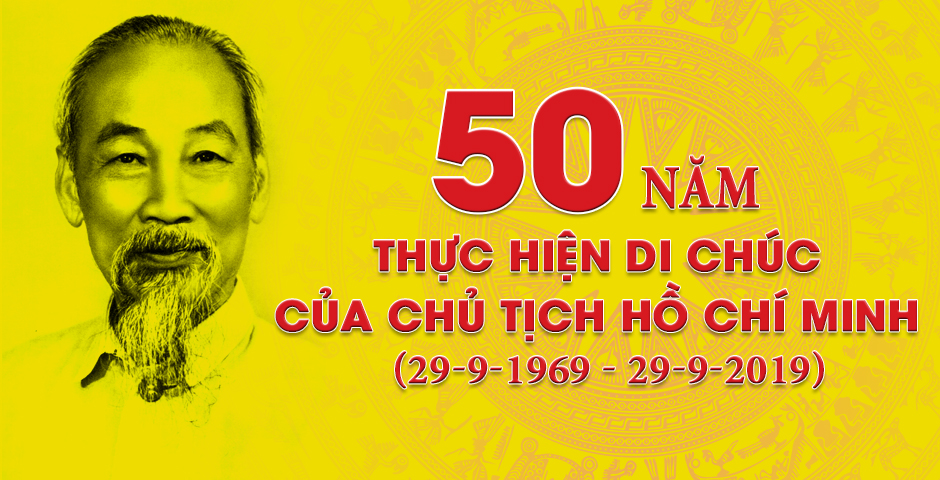
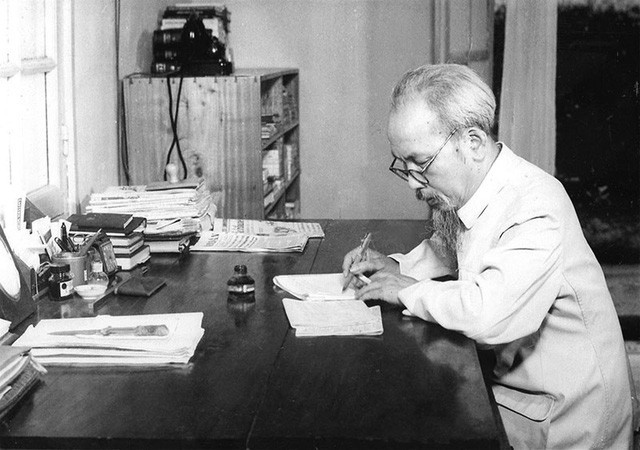
1. Independence for the nation, freedom for the people.
One of the overarching themes, prominently featured in the text.TestamentThis is President Ho Chi Minh's thought on humanity and human values. Ho Chi Minh's humanism was formed early on and was a constant factor throughout his rich revolutionary life. Ho Chi Minh's humanism is expressed first and foremost in his aspiration and will to fight forTo liberate humanity, to liberate the class, and to regain independence and freedom for the Vietnamese people.At the same time, it contributes to the liberation struggle of oppressed peoples around the world.
Throughout thousands of years of history in building and defending the nation, Ho Chi Minh is one of the most outstanding figures, a symbol of Vietnamese humanism. For Ho Chi Minh, human values were expressed through compassion, tolerance, fervent patriotism, and absolute loyalty to the mission entrusted to him by the nation and its people. He dedicated his entire life to the struggle for peace and independence for the Vietnamese people and for all oppressed and enslaved nations. Therefore, Ho Chi Minh was not only a patriot but also a staunch internationalist, rich in compassion.
Ho Chi Minh's love and respect for humanity stemmed deeply from the humanistic character of his family, lineage, homeland, and the Vietnamese nation. Through his revolutionary will and actions, Ho Chi Minh became a symbol of the struggle for self-affirmation, cultural vitality, and the will for independence of a nation. His thoughts and activities also made significant contributions to the heroic struggle of nations that cherish peace, democracy, and social progress.
In President Ho Chi Minh's humanist thought, the concept of "liberation" is the core, the central value. The struggle for liberation was not only aimed at abolishing the chains of slavery but also at liberating the entire society, striving for true freedom and a prosperous and happy life for all people. Throughout his life, wherever he was, whatever his position, he always placed absolute faith in the people, especially the working class who for generations had lived in poverty, backwardness, illiteracy, and were deprived of their freedom and democracy. His thought reflects the age-old aspirations of the Vietnamese people and the people of other oppressed and enslaved countries. General Secretary Nguyen Van Linh once wrote: “President Ho Chi Minh was a great patriot. His patriotism stemmed from boundless love for the oppressed people. It did not stop within the national sphere but extended to the working people of the whole world. He dedicated his entire life to the cause of national liberation; at the same time, he contributed to the common struggle of the world's people for peace, national independence, and social progress. Therefore, not only the Vietnamese people cherished him, but the people of the world also reciprocated his feelings and regarded him as a close friend.”[1].
Ho Chi Minh's humanist thought is not only the crystallized values of Vietnamese cultural tradition, Vietnamese character, and cultural identity, but also a synthesis of the finest elements of Asian and world cultures. Born into a backward agricultural country and a Confucian family, Ho Chi Minh traveled through many countries on his journey to save the nation – "lands of freedom, skies of slavery" – encountering diverse cultures, exploring various political tendencies, and studying different ideologies. Historian and revolutionary Tran Van Giau argues that, using merchant ships as a means of transport, the young patriot Nguyen Ai Quoc crossed both sides of the Atlantic, settling in London and Paris. In America, he studied Washington and Lincoln; in France, he researched the Declaration of Civil and Human Rights, and admired Michelangelo and Jaurès. Modern Western humanism, though limited, opened up a horizon due to its universality.Universalism) encountered the Confucian ideal of universal brotherhood.[2].
During his years abroad, he studied and immersed himself in French culture, Soviet culture, and the new democratic culture of China, reading works by W. Shakespeare, Ch. Dickens, V. Hugo, A. France, L. Tolstoy, Lu Xun, and others in their original texts. With his rich foreign language skills, he translated E. Pottier's *The Internationale* (France), K. Marx and F. Engel's *The Communist Manifesto*, Montesquieu's *The Spirit of the Law*, Frederick's *Secret Provincial Committee* (Russia), Sun Yat-sen's *New Democracy*, and many others into Vietnamese.[3]Due to his rich knowledge base and broad horizons, immediately after returning to Vietnam to prepare for the revolutionary movement in the autumn of 1945, he introduced and disseminated many world cultural and humanistic values to the public. In Ho Chi Minh's legacy, "His poems, essays, and speeches reflect a profound understanding of human history and civilization and a steadfast belief in the cultural identity of each nation and country, including his own and other nations in the world. Therefore, he is loved, admired, and respected throughout the world."[4].
For Ho Chi Minh, patriotism was synonymous with love for the people. His love for the people did not come from a superior being, but from empathy, shared feelings, and the transmission of sacred, ingrained values inherent in those two words: "patriotism and love for the people."compatriots"Understanding the suffering of the people, the humiliation of a nation deprived of its freedom (a nation that had once achieved much glory in the past), he yearned to find a new path for the nation. That path aimed not only at restoring national sovereignty but also at achieving new levels and values in the political thinking of the era, bringing independence, freedom, and democracy to the people."[5].
In his view, loving the people meant, first and foremost, saving them from the shackles of slavery. But to save the country and the people, one had to rely on the people, mobilizing the inherent resources of the nation itself. The people (especially farmers, workers, etc.) were the numerous, leading, powerful, and steadfast force of the revolution.[6]Relying on the strength of the people and the spirit of national unity, the Party leadership can overthrow the colonial regime and the feudal yoke. To accomplish this great feat, Ho Chi Minh sought to enrich his knowledge with the spiritual values and methods of mobilizing the masses and fighting of many revolutionary leaders around the world. Therefore, "The essence of Ho Chi Minh's character is the essence of Vietnam, the essence of revolution, the essence of communism, the essence of humanism, all meeting and blending in one person and elevated by that person's historical mission."[7]In other words, "Ho Chi Minh skillfully applied the timeless principles of Marxism-Leninism to the specific circumstances of Vietnam, and history has proven him right."[8].
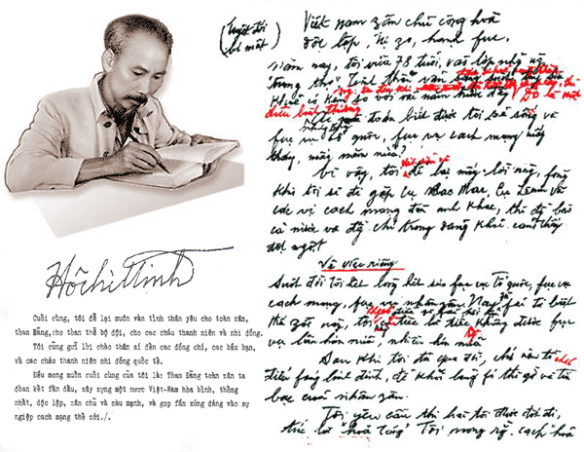
Ho Chi Minh's revolutionary career and humanism are closely linked to important events in the history of the Vietnamese people's heroic struggle to reclaim their right to life, freedom, and happiness. The success of the August Revolution in 1945, the Dien Bien Phu victory in 1954, the victories in the resistance war against the US in the South, and the achievements of building socialism in the North... are compelling evidence of the creative capacity and vitality of a new state model. Therefore, Vietnam's victories serve as inspiration for the liberation struggles of oppressed nations and the movement for peace, democracy, and social progress. In the early decades of the 20th century, Ho Chi Minh was one of the first Asians who, with his intellect, political acumen, and patriotism, absorbed the ideas of VI Lenin on the struggle for the liberation of colonial peoples and transformed those theoretical weapons into material forces for the cause of national liberation.
Under his leadership, the Vietnamese people achieved victory in the August Revolution of 1945, contributing to the collapse of the colonial system of imperialism in Asia.[9]Following his call to arms, and believing in his organizational talent and character, the Vietnamese people resolutely rose up to establish the first democracy and republic in Southeast Asia, and subsequently defended the achievements of the revolution through a persistent resistance against French colonialism.[10]For Ho Chi Minh, words were always linked to actions, and theory always went hand in hand with practice. According to General Vo Nguyen Giap: "He was a brilliant strategist and a great organizer. Nguyen Ai Quoc was the first to write 'The Indictment of the Colonial Regime,' and it was he who, together with the nation, carried out that indictment."[11].
In his interpretation of the origins of Ho Chi Minh's humanism, historian Tran Van Giau argues that Ho Chi Minh was born into a family and a region known for its sacred land, rich in patriotism, cultural traditions, and humanistic values. That region gave birth to a...outstanding individualsBringing glory to the nation. "Nguyen was born and raised immersed in that social and cultural environment. Then he went to the capital with his father. With his inherited studiousness and exceptionally sharp memory, Nguyen absorbed the Vietnamese national scholarship, which had reached its highest level up to that point, encompassing history, philosophy, and literature—both scholarly and folk. It was this age-old wisdom that would enable Nguyen to remain independent in his exile, while simultaneously creating with a distinctly Vietnamese character."[12]. FromThesisInspired by Lenin's ideas, Nguyen Ai Quoc embraced the great ideas of Karl Marx and Friedrich Engels, approaching and pursuing the goals of a humanist struggle and new values: combating colonialism linked to the liberation of the country and the liberation of humanity. Ho Chi Minh's humanism stemmed from these national and international roots and, in reality, reached a high degree of integration with the common, great values of the region and humanity.
As someone who witnessed and experienced many harsh historical challenges, "the outstanding talent of the revolutionary leader, the organizer and promoter of the greatest victories of the Vietnamese people, the profound humanity and simplicity of President Ho Chi Minh have won the boundless love and respect of his people and all progressive humanity."[13]Following the call to action:Nothing is more precious than independence and freedom.", performTestamentIn his sacred faith, for the survival of the nation and their own honor, the Vietnamese people bravely fought against many of the world's most powerful and aggressive enemies. In that noble cause, Ho Chi Minh "is remembered not only as the liberator of the homeland and its people from colonial rule, but also as a modern sage who brought a new vision and hope to those who are relentlessly fighting to eliminate injustice and inequality from this earth."[14].
In the 20th century, the Vietnamese nation had to confront many powerful world empires. The nation's sovereignty and independence were repeatedly and seriously threatened. Never before had Vietnam seen so many foreign invading armies simultaneously appear on its territory, and never before had Vietnam suffered so many sacrifices and losses! But Vietnam stood firm, gradually reviving and developing. This was the great revival of a nation with a strong cultural vitality. As the leader of the Vietnamese people's struggle, Ho Chi Minh became a symbol of faith, embodying the courage, intelligence, and bravery of a nation. His strong aspiration and ultimate desire for a completely independent Vietnam, where the people are completely free, and everyone has enough food, clothing, and education, became the slogan for action, the goal of the struggle, and the embodiment of the unity and strength of the entire nation. That is the political ideology and the lofty humanist ideal that President Ho Chi Minh creatively developed, diligently cultivated, and built.
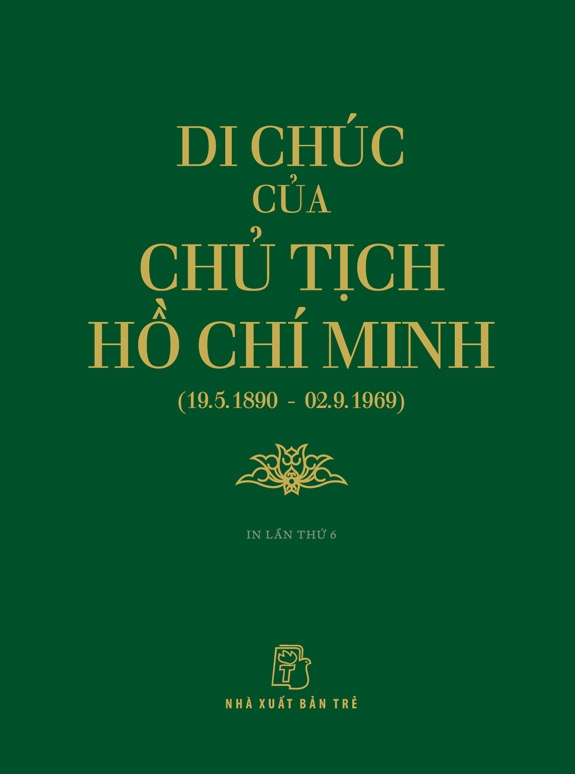
Prime Minister Pham Van Dong wrote: “President Ho Chi Minh succeeded in this great cause because he represented Vietnam and the Vietnamese people. The highest aspiration of the nation, the most heartfelt aspiration of the people, was his aspiration, the meaning of his life and his work. His policies and political principles were aimed at realizing that aspiration: striving for national independence and freedom and happiness for the people. Looking at those policies and principles, the nation had complete trust and confidence. President Ho Chi Minh's prestige fundamentally lay in that. But between President Ho Chi Minh and the Vietnamese people, the relationship was even more intimate and passionate: it was a relationship of affection, mutual love, and compassion between President Ho Chi Minh and the Vietnamese people, and between the Vietnamese people and President Ho Chi Minh.”[15]The lofty humanism of President Ho Chi Minh "was that he led the entire nation in driving out foreign invaders in the new era, reclaiming for the people their human rights and a cultured life. President Ho Chi Minh contributed, along with humanity, to eliminating a great obstacle on the path to a civilized world, erasing a stain on history: the colonial regime."[16].
2. The ideals of equality, fraternity, and faith in humanity.
InDeclaration of IndependenceSeptember 2, 1945, studying and inheriting the great ideas ofDeclaration of Independence1776 in America,Declaration of Civil and Human RightsFollowing the French Revolution of 1791, President Ho Chi Minh declared to the whole world the independence of the Vietnamese nation, the equality of all people, and at the same time affirmed the right to life, liberty, and the pursuit of happiness of the Vietnamese people. This is an immortal truth, a right to life and freedom that no one can deny or infringe upon.[17]However, throughout more than eight decades of colonial rule over Vietnam, the French colonialists sought every means to sow political discord and abolish the people's freedoms and democratic rights. Along with that, economically, the French colonialists "exploited our people to the bone, leaving them impoverished and destitute, our country desolate and impoverished."[18].
Ho Chi Minh's thoughts on humanity were always imbued with Eastern philosophical and humanistic principles. According to him, the inherent goodness and evil in each person are not innate but are determined by society and the educational system. Furthermore, human nature can change over time due to social factors and to adapt to the living environment and social trends. "He respected the compassion of Buddhism as the root of morality... and that sentiment harmonized with patriotism and love for the people."[19]While working abroad and upon returning home, Ho Chi Minh always actively and proactively absorbed the best aspects of various cultures to enrich his knowledge, humanistic spirit, and understanding of humanity. Throughout his life, Ho Chi Minh always cared about the people, the nation, and the country, and he dedicated his entire life to the people and the nation.[20].
For President Ho Chi Minh, love for humanity was the overarching value that permeated all his thoughts, ideas, and actions.TestamentIt is a distillation of Ho Chi Minh's thoughts and ideas about humanity and for the sake of humanity. According to Ho Chi Minh's viewpoint, people are the most valuable asset, the central factor determining all the victories of the Vietnamese revolution. To successfully carry out the cause of resistance and national construction, it is necessary to have well-rounded individuals. These are people who possess both virtue and talent, with virtue being the foundation. He once clearly stated: “Morality can be summarized as: Clearly discerning right from wrong. Maintaining a firm stance. Being utterly loyal to the country. Being utterly devoted to the people.” Ho Chi Minh believed that at any time, in any place, and in any work, cadres and Party members must “be imbued with revolutionary morality.” When the Party became the ruling party, the issue of morality became even more important. Party members and cadres must be both leaders and truly loyal servants of the people. The competence and morality of cadres must be concretely demonstrated in all their thoughts and actions; One must always be at the forefront, ready to take on difficult and arduous tasks, must put the interests of the country and the collective above all else, and must enjoy the benefits last.
Through his practical experience leading the national revolution, Ho Chi Minh's views on humanity developed and became increasingly comprehensive. In many writings, he consistently considered people as both the goal and the driving force of the revolution. Ho Chi Minh's vision of humanity was not only about liberating the people from the shackles of slavery but also about ensuring their well-being, providing them with knowledge and genuine happiness. This is the true value of the independence and freedom that generations of revolutionary fighters and people had sacrificed and shed blood to regain. Ho Chi Minh clearly saw the laws of historical movement and development and led the Vietnamese revolution to follow those laws. Many domestic and international researchers have discussed Ho Chi Minh's serene and composed demeanor. It can be understood that: "Ho Chi Minh's composed demeanor was the demeanor of someone who understood the laws of history, believed in and had the support of the people, a person who knew what he wanted and where he was going, knew how to avoid obstacles, knew how to defeat the enemy, a person who was as still as a mountain, as dynamic as the sea, mastered the art of what is possible and constantly expanded the limits of what is possible."[21].
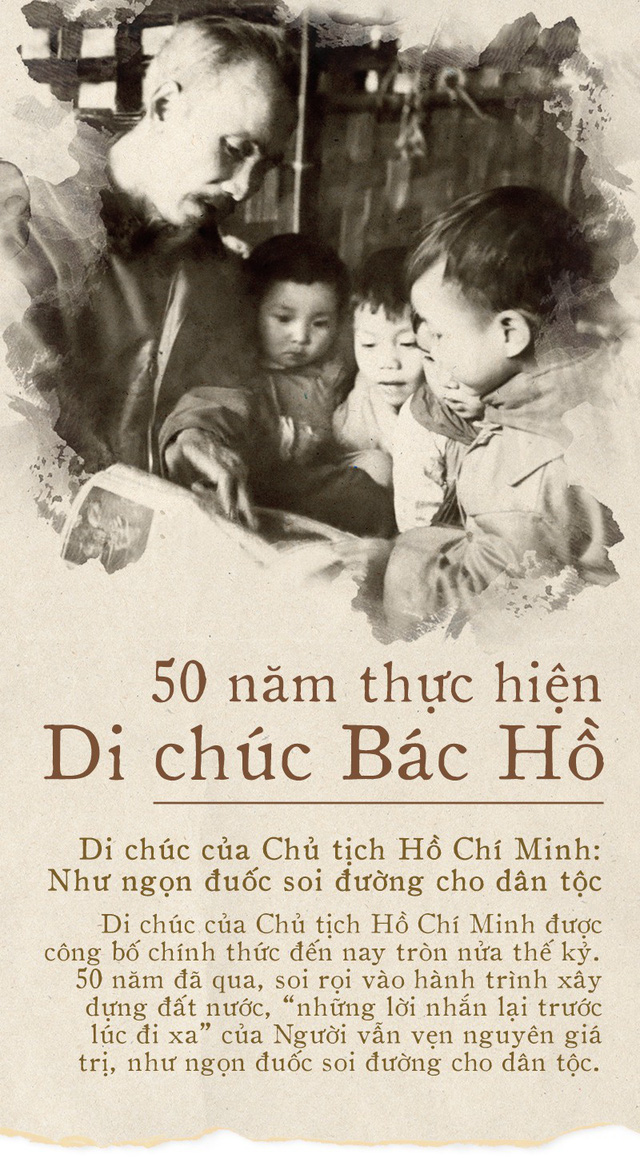
In Ho Chi Minh's thought, in any period of the Vietnamese revolution, people always held a central position. Training people was the central and top priority of all development plans and strategies. According to General Vo Nguyen Giap: “The greatness of President Ho Chi Minh was that he saw in the people the decisive force for revolutionary victory. He said: ‘The nation is founded on the people. The people (workers and peasants) are the foundation of the revolution. With the strength of the people, no matter how great or difficult the task, it can be accomplished.’ Revolutionary ideals, once they have taken root in the hearts of the vast majority of the people, transform into material strength that no airplane or cannon can withstand… With the view that relying on the strength of the entire people, we can defeat any enemy. He led the army and people of the whole country to create the Vietnamese people's war: Using righteousness to defeat injustice, using the small to defeat the large, using few to defeat many, a small country defeating two great imperial powers, France and the United States.”[22]Before his departure, President Ho Chi Minh always deeply missed the South, remembering the cadres, soldiers, and people who had selflessly fought and sacrificed themselves in the impregnable fortress of the Fatherland. He was concerned about not having fully fulfilled his revolutionary responsibility to the people of the South and wished to return to the South soon after the country achieved complete independence.
InTestament,He demonstrated profound faith and affection for humanity through his revolutionary cause, fighting against imperialist aggression, "liberating our compatriots from the shackles of slavery," considering it "the common cause of all the people." All matters, big and small, of the nation must rely on the people; the people are the foundation, the factor that creates all success. Broadly speaking, "Ho Chi Minh was a man with unwavering faith in the future of the nation and humanity, in socialism: This is an unchanging quality that enabled him to flexibly adapt to the myriad changes of a turbulent cause."[23]In many writings, President Ho Chi Minh always paid special attention to the silent contributions and sacrifices of the people. “President Ho Chi Minh not only had boundless love for the people. A prominent characteristic of his was his respect for the people and his absolute faith in the boundless strength of the people. For him, revolution was not a favor bestowed upon the people, but first and foremost, the cause of the people and by the people. He emphasized the spirit of democracy in political life. He tirelessly carried out propaganda and education work to awaken the entire nation to the common cause, maximizing the strength of the intellect, talent, and willpower of millions of people.”[24].
One of the core and most prominent aspects of Ho Chi Minh's humanism is his absolute belief in humanity, in the strength and noble dignity of human beings. Humans, by their very nature, are creative beings, always yearning for beauty, the right to life, and the truth and freedom. Understanding the heavy consequences of colonial rule and the tragedies caused by war, Ho Chi Minh always had absolute faith in the dignity, creativity, and resilience of the Vietnamese people. It is these values that have forged the character of a heroic nation.
Ho Chi Minh's humanist philosophy and love for humanity transcended national boundaries to reach the level and universal humanistic values of mankind. From the time he left to find a way to save the country to his passing, Ho Chi Minh always considered Vietnam a part of the world, and the Vietnamese revolution an organically linked element to the world revolution. Therefore, he always expressed affection and respect for all ethnic communities in the world, regardless of skin color, language, economic status, or social standing. As the organizer of the resistance against French colonialism and American aggression, Ho Chi Minh always valued the French people, the American people, and all those who cherish peace in the world. His political thinking, both detached and clear, and that of the Vietnamese government, made the people of the world recognize the true values and sincerity, thus earning their trust, affection, and strong support for Vietnam's just struggle.
In His teachings as well as inTestamentHo Chi Minh always valued and upheld human dignity, even that of those with flaws and mistakes. He believed that through persuasion, education, and genuine tolerance, these individuals could completely correct their errors and shortcomings to become useful citizens for society. Ho Chi Minh was strict and rigorous with organizations and individual tasks, but also showed tolerance towards subordinates and staff when they made mistakes or had shortcomings.[25]During the resistance against the French, in the bitter cold of winter, the leader of the resistance once took off his warm coat and gave it to a prisoner... Ho Chi Minh's compassion was vast, profound, yet also very simple. According to General Vo Nguyen Giap, every day everyone could see that Uncle Ho loved children, respected the elderly, and valued women. Uncle Ho highly valued women because, in his view, building socialism in Vietnam without women would only be building half of socialism. Vietnam is a country that highly values women.[26].
For people, Ho Chi Minh not only valued the training of cadres and soldiers; he loved and cared for the people in the mountainous regions and ethnic minorities in the Truong Son - Tay Nguyen areas, providing them with every piece of clothing, every bowl of rice, every grain of salt… Ho Chi Minh was also a vivid symbol of exemplary conduct.TestamentHe once wrote: "Throughout my life, I have wholeheartedly and devotedly served the Fatherland, the revolution, and the people." Imbued with ancient and modern philosophies, both Eastern and Western, and understanding the country's economic circumstances, he championed the following ideology:Need,savings,integrity,mainand considered these to be the essential qualities of a revolutionary cadre. Author Viet Phuong wrote: "Nothing even slightly ornate could exist in the living and working space of President Ho Chi Minh. 'His bed always had only a plain mat. Besides the plain mat, at the head of the bed there was a plain pillow without any embroidery, a single blanket and a woolen blanket that he used in the cold season.'"[27]Indian researcher TNKaul shared a similar observation: “When I first visited him in 1957 at his office in Hanoi, I was surprised by his simple attire. He wore a khaki suit and rubber sandals. He took me to see the house where he lived. It was a small, modest wooden house, surrounded by greenery. Despite holding a high position, Ho Chi Minh maintained a simple lifestyle, which allowed him to be close to the people, and the people also sympathized with him.”[28].
Thoughteconomy,integrity,mainThis was consistently and profoundly expressed throughout Ho Chi Minh's revolutionary life and had a powerful influence on many generations of cadres and Party members. Even as he was nearing death, as the leader of the Party and the State, President Ho Chi Minh still wanted to save the people's time and money. He wished to be cremated in the traditional manner so that he could return to the people of the three regions of North, Central, and South Vietnam; to return to nature on cool, breezy hills, to continue contributing to economic development, protecting the natural world and ecosystems, and to be reunited with all strata of the people, including the elderly. Humanity and nature were two close companions, intimately connected to him.
InTestament,Ho Chi Minh's thought on humanity is intertwined with the concepts of the people and the nation; with all social strata, people from the lowlands and highlands; with the elderly, children, youth, and women; with the people of Asia and the world... In this context, each individual is a unique personality and dignity. If we trust them, entrust them with tasks, unite them, encourage their spirit and abilities, then every individual in that national community will wholeheartedly dedicate themselves to leading the cause of resistance and national construction to success.
3. Reflections on the post-war era
InTestamentIn the May 1968 supplement, President Ho Chi Minh had many thoughts and identified many tasks that needed to be done for the country after the war. He advocated that, immediately after the victorious conclusion of the war against the US, the crucial task that the entire Party, army, and people must strive to accomplish is to quickly heal the serious wounds caused by the war. He believed that, "this is a huge, arduous, complex, but also very glorious task. We must have a ready, clear, and thorough plan to avoid being passive, lacking, and making mistakes. In my opinion, the first thing that needs to be done is..."reorganize the Party"This will ensure that every Party member, every Youth Union member, and every Party branch strives to fulfill the tasks assigned by the Party, wholeheartedly serving the people. If we can do that, then no matter how great or difficult the task, we will certainly succeed."[29].
Thus, along with quickly healing the wounds of war, rebuilding cities, constructing villages, developing the economy, and reforming the education system to suit the new circumstances, the special concern and greatest worry of President Ho Chi Minh was the rectification of the Party, clearly defining the goals and tasks of the Party in the new era; affirming the role and mission of the ruling Party and avoiding mistakes.passive, deficient, erroneousTo achieve this, the Party must practice broad democracy, regularly and seriously engage in self-criticism and criticism; this is the best way to consolidate and develop unity and solidarity within the Party. In this process, the key point is "There must be comradely love and affection for one another." This is a fundamental principle because without mutual love and affection, no matter how much criticism and self-criticism there is, it is impossible to maintain unity and solidarity within the Party. Ho Chi Minh always valued revolutionary ethics and the love and affection between comrades, and he clearly stated: "First and foremost, people must have ethics; they must live together with love and righteousness. If you read countless books of Marxism-Leninism but live together without love and righteousness, it is merely dogma and bookish doctrine."[30].
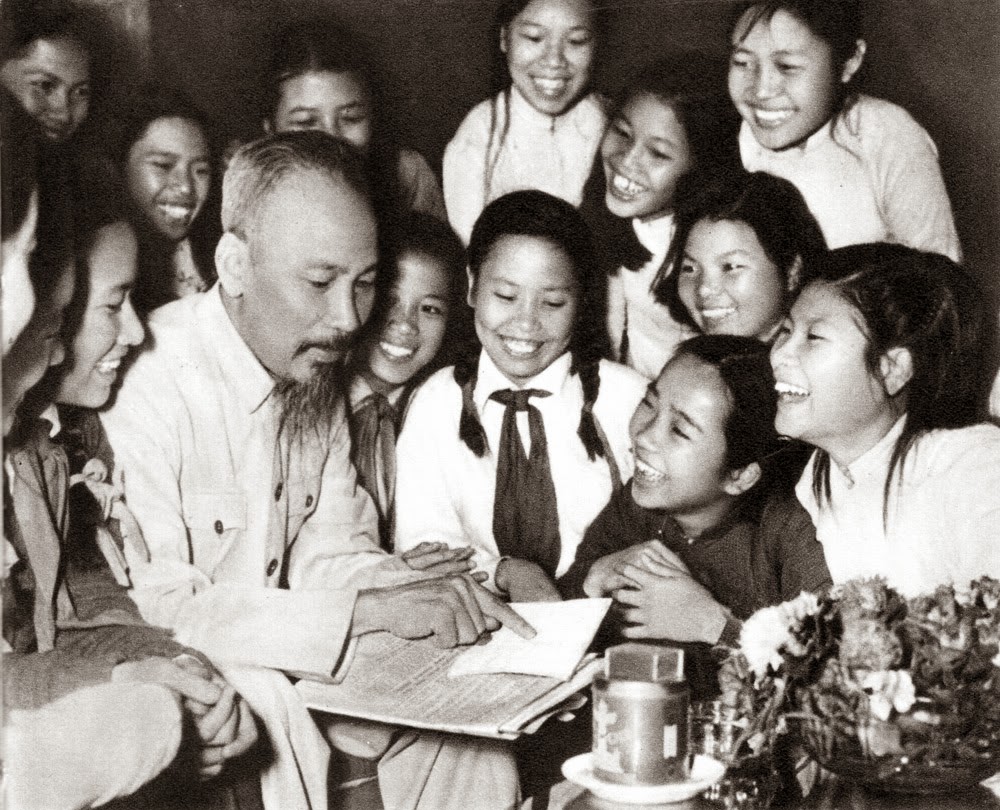
He instructed that cadres and Party members, from the Central Committee to the grassroots branches, must safeguard unity and solidarity within the Party "as carefully as they would protect the pupil of their eye."[31]This is a paramount principle in Party building, encompassing above all responsibility to the Party, strengthening its fighting capacity, and strictly upholding Party discipline. Comradeship, sincerity, and human relationships within a pioneering political organization always hold sacred and noble significance. This ideology is deeply ingrained in...TestamentGeneral Secretary Le Kha Phieu analyzed: “Regarding Party rectification, Uncle Ho did not consider it a temporary measure but an essential and ongoing task to fulfill the Party's leadership role, a self-development of the Party in the process of revolutionary development. When the revolution faces difficulties, Party rectification is necessary to build a calm, clear-sighted attitude, a firm stance, and to prevent wavering and pessimism; when the revolution is on the path to victory, Party rectification is necessary to prevent arrogance, subjectivism, complacency, and naive optimism; when the Party is in power, Party members can easily lose themselves; yesterday's greatness does not necessarily mean they will still be loved by everyone today if they are not upright and fall into individualism. Therefore, Party rectification must be given importance.”[32].
With his profound political insight, Ho Chi Minh quickly recognized the difficulties and challenges facing the ruling Party and the country after the war ended. Historical reality shows that, in the face of new demands and tasks, if the Party is not promptly reformed and if there is no comprehensive and thorough plan, the achievements of the revolution will not be realized, and the cause of national reconstruction will face many obstacles. Ho Chi Minh once instructed cadres and Party members to possess revolutionary ethics and to implement:Core,meaning,intelligence,trust,brave,integrityThey must strictly uphold Party discipline, be pioneers, role models, and be honest with themselves, the organization, and the people.[33]When dealing with matters, one must base decisions on the specific situation, demonstrate decisiveness and courage, and adhere to the principle: "Whatever benefits the people must be done to the utmost; whatever harms the people must be avoided to the utmost."
Along with rectifying the Party, he paid special attention to the social and human changes in the post-war period and identified them asthe first task to do. InTestamentOne always sees a profound emotion emanating from Ho Chi Minh regarding the lives of all classes of people, especially those who were dedicated and sacrificed for the country. These included cadres, soldiers, militia, guerrillas, and youth volunteers... those who were in the most arduous fighting positions, who suffered the most sacrifices and losses. (In response to a reporter's question)GranmaIn Cuba on July 14, 1969, he expressed: "Each person, each family has their own suffering, and when all the individual sufferings of each person and each family are combined, they become my suffering."[34]With Ho Chi Minh, compassion and the ideology of "Easing the burden on the people is the best strategy for building a strong and lasting foundation for the nation." of Hung Dao Dai Vuong Tran Quoc Tuan, "The essence of benevolence lies in ensuring the people's peace.The words of the renowned cultural figure Nguyen Trai... seem to always permeate his thoughts and actions. Acknowledging the sacrifices and contributions of the people, he stated: “Our working people, both in the lowlands and the mountains, have for generations endured hardship, been oppressed and exploited by the feudal and colonial regimes, and have gone through many years of war. Nevertheless, our people are very heroic, courageous, enthusiastic, and hardworking. Since the founding of the Party, our people have always followed the Party and have been very loyal to it. Therefore, the Party must have a very good plan to develop the economy and culture, in order to…”continuously improving the people's living standards.”[35]The responsibility of the Party and the Government is to find every way to care for them, ensure stable lives, and create suitable occupations for them. But the important thing is to constantly rekindle the faith, pride, and will to strive for success in these people who are already full of resilience.
InTestamentHe instructed that the contributions of heroes and martyrs must be remembered forever to instill patriotism in the people. For the parents, wives, and children of wounded soldiers and martyrs who lack the ability to work and are in need, the government must help them find suitable employment, ensuring they do not suffer from hunger or cold. He cared about training and vocational skills for young soldiers and volunteer youth; he paid attention to the lives of the peasant class, as this was the force that had sacrificed and contributed much manpower and resources to the resistance cause. He proposed a one-year exemption from agricultural taxes for agricultural cooperatives "to bring joy and satisfaction to the people, boosting their enthusiasm and production."[36]Here, the humanitarian ideals of our ancestors in political conduct after the storms of war have passed are embodied in Ho Chi Minh's political thinking and humanistic character. It can be seen that: “In his appeals, President Ho remembered everyone: intellectuals, farmers, workers, merchants, soldiers, the elderly, the young, men, women, people from the central and mountainous regions, religious and non-religious people, soldiers on the front lines, and compatriots in the rear. When reviewing the glorious achievements, President Ho did not forget the contributions of anyone; when calling for progress towards new goals and tasks, President Ho clearly assigned responsibilities to everyone.”[37]During his lifetime, "Uncle Ho always cared for people in every aspect, believed in people, and strived for the freedom and happiness of people, people today and people tomorrow, people in Vietnam, people in the Soviet Union, in America, and across the five continents. This is the concentrated expression of Ho Chi Minh's humanism."[38].
Understanding the characteristics of Vietnamese society and constantly guiding and monitoring national movements, Ho Chi Minh always highly valued the role of women in the family and society, in combat and production... Therefore, "The Party and Government need to have practical plans to train, promote, and assist more and more women to take charge of all kinds of work, including leadership positions. Women themselves must strive to rise up. That is the revolution that will lead to true equality for women."[39]He clearly explained and analyzed the dialectical relationship and interaction between the subjects. Along with the care and support of the Party and Government, women themselves also need to strive to meet the new demands and tasks of the country. The views on gender equality; class and status equality; no distinction between "rich and poor," or differences in occupation; and genuine trust, love, and respect for human beings are typical values in Ho Chi Minh's humanism, and at the same time clearly express the core viewpoint: The country belongs to the people, the Party belongs to the people, and the State also belongs to the people.[40].
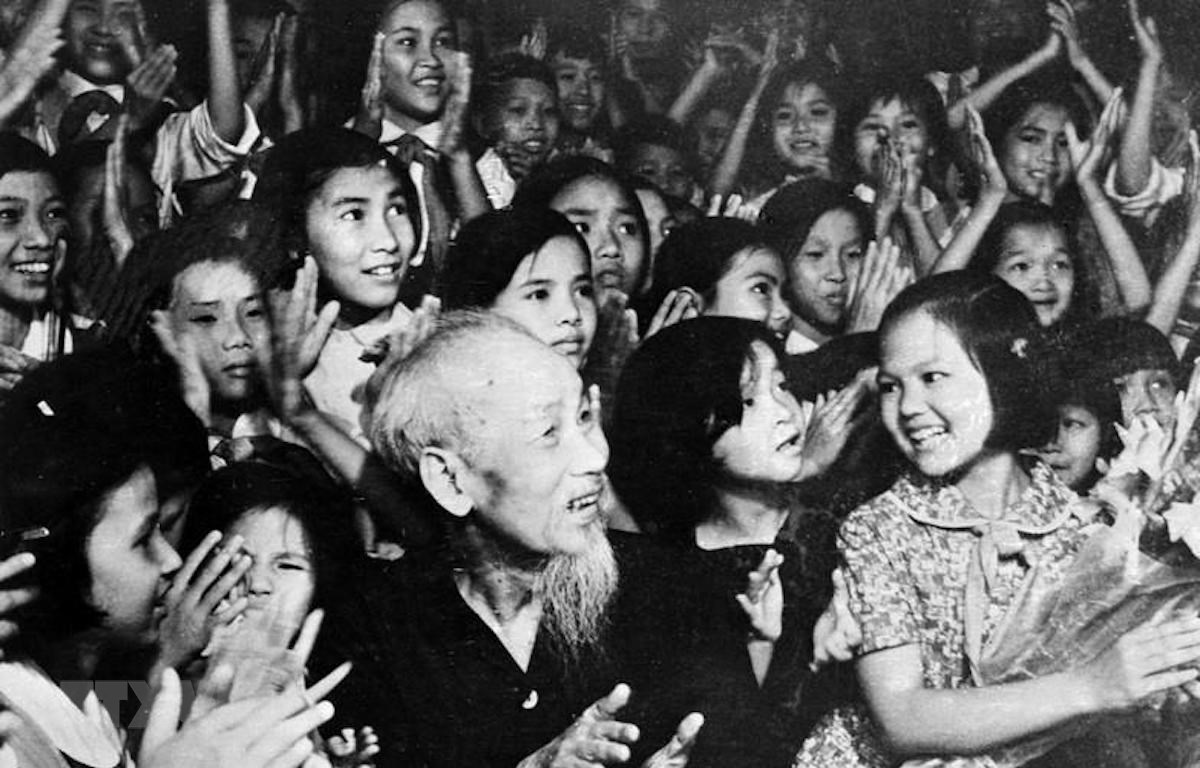
Following the political developments of 1968-1969, President Ho Chi Minh foresaw the immense difficulties and challenges that the entire Party, army, and people would undoubtedly have to overcome to achieve final victory. Ho Chi Minh always demonstrated a strong belief in the nation's ultimate triumph. Regarding the reconstruction of the country, he clearly stated: “This work is enormous, arduous, and complex, but also very glorious. This is a struggle against what is old and rotten to create something new and better.”[41]He considered it a "gigantic battle," therefore it was necessary to mobilize the entire population and rely on the great strength of the people to achieve victory.
In his strategy for building human resources, along with encouraging the younger generation to continuously study politics and cultivate morality, he also paid great attention to training them in culture, professional skills, and technology. The cause of national construction requires talented people. Although our country does not yet have a large number of talented people, if we are skillful in selecting, distributing, and utilizing them, the number of talented people will continue to grow. In the new context of the country, talent, educational level, and scientific and technical capabilities must be simultaneously valued. The younger generation "is the main force in the successful construction of socialism in our country."[42]As the saying goes, an ignorant nation is a weak nation, while a nation rich in material wealth and strong in spirit is a civilized and progressive nation. Therefore, "Cultivating a revolutionary generation for future generations is a very important and necessary task."[43].
According to Ho Chi Minh, everyone must have new knowledge to participate in the nation-building process. The desired social model depends on the people who can develop and master that model. He always valued culture, raising the cultural level of the people, and considered culture and society as fundamental elements in the strategy of "cultivating people" for the benefit of the next century and for the longevity of the nation. The culture he advocated was a combination of traditional cultural elements, developed and enhanced, with the finest aspects of human culture. Cultural values must permeate the national psyche and become part of modern life. Culture must correct corruption, laziness, and extravagance. Culture must ensure that all Vietnamese people, from young to old, understand their responsibilities and know how to enjoy the happiness they are entitled to.[44].
Concluding remarks
ButTestamentPresident Ho Chi Minh's document is a unique and valuable revolutionary manifesto, conceived, pondered over, and perfected by him over a period of five years (1965-1969).TestamentIt has immense historical significance, helping us to better understand the country, its people, the era, and the political and social context of Vietnam from the time the Party was founded (1930), the Democratic Republic of Vietnam was established (1945) to September 2, 1969.TestamentIt is a historical summary, thought-provoking, and outlines the major tasks and work that the Party and State must focus on leading and resolving, both during wartime and after the successful reunification of the country.TestamentNot only did he clearly state Vietnam's historical mission and future path, but he also delved into analyzing several key political issues and central themes in international relations. He expressed profound affection for the people and the country, and a strong belief in the ultimate victory and future development of Vietnam, its people, and its culture after the war ended. Many profound revolutionary thoughts and viewpoints can be found in his simple words. For, "Every word and deed of Ho Chi Minh was practical and concrete; he spoke and acted, often doing more than he spoke, sometimes acting without speaking, his thoughts manifesting in his actions."[45].
- VersionTestamentIt has demonstrated the vision of a national liberation hero and an outstanding cultural figure regarding the humanistic values and people of Vietnam; it has profoundly portrayed the cultural personality of Ho Chi Minh – a special, profound, warm, and simple personality. That personality is a synthesis of the cultural values and aspirations of the Vietnamese nation, while also expressing the liberation aspirations of oppressed peoples rising up to fight for the right to life, freedom, and equality. It is precisely this broad political vision and cultural stature that has made President Ho Chi Minh loved and respected by people around the world. He is a symbol of the courage, unwavering will, and heroism of the Vietnamese people, a vivid embodiment of the unity between theory and practice, between thought and action. His perspective and approach to people and culture reflect the inheritance and depth of Vietnamese and East Asian intellectual traditions, while also containing many great thoughts and philosophies of development of the era.
- Written half a century ago, the historical context both domestically and internationally has changed considerably, but it is still readable.TestamentReflecting on his teachings, one always finds President Ho Chi Minh's thoughts and heart regarding humanity truly compassionate and radiant. His thoughts on humanity permeated his thinking, actions, policies, and revolutionary tasks in every period. He fought to elevate human rights to the level of national interests. The ideal of human beings that Ho Chi Minh always educated and aimed for was "loyal to the Party, devoted to the people," humble, honest, living with ideals and morality, a person of action, and always open to learning. His profound feelings, pure humanistic values, and forward-thinking ideas about the country, its people, and its culture remain etched in the memories of millions of Vietnamese people, representing the cultural essence of the Vietnamese nation and symbolizing the indomitable will of the Vietnamese people.[46], and at the same time, it is a symbol of a future culture for humanity.[47]President Ho Chi Minh "left us a vast legacy, an extremely precious heritage: Ho Chi Minh thought, Ho Chi Minh morality, Ho Chi Minh style, and the Ho Chi Minh era."[48]Studying these sacred legacies and values helps us to better understand the lives and contributions of those who were "exceptionally noble and rich, exceptionally pure and beautiful."[49]President Ho Chi Minh's contributions to the struggle for independence, resistance, and nation-building in the past, as well as to the current task of building and protecting the Fatherland and integrating into the international community.
[1]Nguyen Van Linh:Welcome address to the International Conference: President Ho Chi Minh - Hero of National Liberation,great cultural center, UNESCO and the Vietnam Social Sciences Committee, Social Sciences Publishing House, Hanoi, 1990, p. 10.
[2]Tran Van Giau:Ho Chi Minh's humanism – Characteristics and origins, in President Ho Chi Minh - Hero of National Liberation, Great Cultural Figure, op. cit., p. 241.
[3]Song Thanh:Ho Chi Minh - An outstanding cultural figure, National Political Publishing House, Hanoi, 2015, p. 38.
[4]TN Kaul:President Ho Chi Minh - the great Vietnamese patriot, a great friend of the Indian people and all of humanity., in President Ho Chi Minh - Hero of National Liberation, Great Cultural Figure, op. cit., pp. 26-27.
[5]See essays in the Vietnam Historical Science Association - Vietnam Publishers AssociationHo Chi Minh - The man who brought light, Publishing House of the Era - Past & Present Magazine, Hanoi, 2011.
[6]Le Mau Han:The national strength of the Vietnamese revolution under the light of Ho Chi Minh's ideology., National Political Publishing House, Hanoi, 2017, pp. 33-36.
[7]Pham Van Dong:Ho Chi Minh - The ManIn Pham Van Dong: A Man, a Nation, an Era, a Career, Truth Publishing House, 1990, pp. 62-63.
[8]Speech by Fidel Castro delivered in Hanoi in September 1973. See Miguel de Stéphano:Ho Chi Minh - A man of humanity, in President Ho Chi Minh - Hero of National Liberation, Great Cultural Figure, op. cit., p. 52.
[9]Vu Duong Ninh:The Vietnamese Revolution on the International Chessboard - History and Issues, National Political Publishing House, Hanoi, 2016, pp. 39-48; Multiple authors:Ho Chi Minh - An Asian figure of all time, National Political Publishing House, Hanoi, 2010.
[10]Dinh Xuan Lam:The anti-colonial movement in Vietnam, Education Publishing House, Hanoi, 2015, pp. 204-217.
[11]Vo Nguyen Giap:President Ho Chi Minh - Hero of national liberation, great cultural figure, in President Ho Chi Minh - Hero of National Liberation, Great Cultural Figure, p. 14. See The Condemnation of the French Colonial Regime,Complete Works of Ho Chi Minh, Volume 2 (1924-1929), op. cit., pp. 213-38.
[12]Tran Van Giau:Ho Chi Minh's humanism – Characteristics and origins, Ibid., p. 240.
[13]Statement of the International ConferenceVietnam and the world, commemorating the 90th anniversary of President Ho Chi Minh's birth, in Multiple Authors:Ho Chi Minh - An Asian figure of all time, Ibid, 2010, p. 20.
[14]Remarks by Dr. Modagat Ahned, Director of UNESCO's Asia-Pacific Region, Special Representative of the Director-General of UNESCO, at the opening session of the international conference "President Ho Chi Minh - Hero of National Liberation, Great Cultural Figure of Vietnam" commemorating the 100th anniversary of President Ho Chi Minh's birth (May 19, 1890 - May 19, 1990).
[15]Pham Van Dong:President Ho Chi Minh - The image of the nation, in Our Prime Minister Pham Van Dong, Ho Chi Minh City General Publishing House, 2006, p. 333.
[16]Vo Nguyen Giap:President Ho Chi Minh - Hero of national liberation, great cultural figure, Ibid, p.16.
[17] Complete Works of Ho Chi Minh, Volume 4 (1945-1946), National Political Publishing House, Hanoi, 2011, p.1.
[18] Complete Works of Ho Chi Minh, Volume 4 (1945-1946), op. cit., p. 2.
[19]Ha Minh Duc:Ho Chi Minh – A national hero and his enduring significance., National Political Publishing House, Hanoi, 2018, p. 271.
[20]In an interview with Cuban journalist Martha Rohát on July 14, 1969, he said: "I have dedicated my whole life to my nation."Complete Works of Ho Chi Minh, Volume 15 (1966-1969), op. cit., pp. 674-677.
[21]Pham Van Dong:Ho Chi Minh - The Man, Ibid, p. 65.
[22]Vo Nguyen Giap:President Ho Chi Minh - Hero of national liberation, great cultural figure, Ibid, p.15.
[23]Pham Van Dong:Ho Chi Minh - The Man, Ibid, p. 64.
[24]Nguyen Van Linh:Welcome address at the International Conference: President Ho Chi Minh - Hero of National Liberation,great cultural center, Ibid, p.10.
[25]Vu Ky:Uncle Ho wrote his will.(The Century Records), National Political Publishing House, Hanoi, 1999, p. 65.
[26]General Vo Nguyen Giap argued that respecting women is one of the fundamental criteria reflecting a new and different way of thinking in Ho Chi Minh's ideology compared to traditional Confucianism.Concluding remarks at the International Conference: President Ho Chi Minh – Hero of National Liberation, Great Cultural Figure, Ibid, pp. 244-245.
[27]Viet Phuong:Some stories about President Ho Chi Minh's daily life., National University of Hanoi Publishing House, Hanoi, 2000, pp. 18-19.
[28]TN Kaul:President Ho Chi Minh - the great Vietnamese patriot, a great friend of the Indian people and all of humanity., in President Ho Chi Minh - Hero of National Liberation, Great Cultural Figure, op. cit., p. 24.
[29] Complete Works of Ho Chi Minh, Volume 15 (1966-1969), op. cit., p. 616.
[30]Quoted from Vu Ky:Uncle Ho wrote his will.(The Century Records), National Political Publishing House, Hanoi, 1999, p. 66.
[31] Complete Works of Ho Chi Minh, Volume 15 (1966-1969), op. cit., p. 611
[32]Le Kha Phieu:Speech at the ceremony commemorating the 109th anniversary of President Ho Chi Minh's birth and the 30th anniversary of the implementation of his Last Will and Testament., in: The Testament of President Ho Chi Minh, National Political Publishing House, Hanoi, 1999, p. 57.
[33]Inheriting the ideology of President Ho Chi Minh, General Secretary Nguyen Phu Trong affirmed:A truly revolutionary party with the right line, a tight organization, and a clean, exemplary, dedicated, and closely connected cadre and party members who enjoy the people's support, possesses invincible strength that no force can stop on the path of leading the nation forward.. Nguyen Phu Trong:A strong Party leads to a developed country and an enduring nation., Communist Magazine, No. 916 (2-2019), p.8.
[34] Complete Works of Ho Chi Minh, Volume 15 (1966-1969), op. cit., p. 674.
[35] Complete Works of Ho Chi Minh, Volume 15 (1966-1969), op. cit., p. 612.
[36] Complete Works of Ho Chi Minh, Volume 15 (1966-1969), op. cit., p. 617.
[37]Pham Van Dong:President Ho Chi Minh - The image of the nation, Ibid, p. 340.
[38]Vo Nguyen Giap:Concluding remarks at the International Conference: President Ho Chi Minh – Hero of National Liberation, Great Cultural Figure, Ibid, p. 243.
[39] Complete Works of Ho Chi Minh, Volume 15 (1966-1969), op. cit., p. 617.
[40]InLetter to the Executive Committee of the Vietnam Labor Party Committee of Nghe An ProvinceOn July 21, 1969, President Ho Chi Minh clearly stated: “Our people love our Party very much. We must encourage the people to contribute to building the Party, such as offering suggestions to Party branches on selecting Party members and selecting leading cadres. By doing so, the relationship between the Party and the people will become even closer.”Complete Works of Ho Chi Minh, Volume 15 (1966-1969), op. cit., p. 595.
[41] Complete Works of Ho Chi Minh, Volume 15 (1966-1969), op. cit., p. 617.
[42] Complete Works of Ho Chi Minh, Volume 15 (1966-1969), op. cit., p. 617.
[43] Complete Works of Ho Chi Minh, Volume 15 (1966-1969), op. cit., p. 622.
[44]Vo Nguyen Giap:President Ho Chi Minh - Hero of national liberation, great cultural figure, Ibid, p.16.
[45]Pham Van Dong:Ho Chi Minh - The Man, Ibid, p. 454.
[46]Eulogy delivered by Comrade Le Duan, First Secretary of the Central Committee of the Vietnam Workers' Party, at the memorial service for President Ho Chi Minh on the morning of September 9, 1969. SeeThe Testament of President Ho Chi Minh, Ibid, p. 42.
[47]Osip Mandelstam:Visiting a Communist International fighter - Nguyen Ai Quoc, The Little Flame Magazine (Soviet Union), No. 39, December 23, 1923.
[48]Remarks by General Secretary Nguyen Phu Trong at the conference summarizing one year of implementing Directive 03-CT/TW, organized by the Central Secretariat on May 16, 2012.
[49]Eulogy by the Central Committee of the Vietnam Workers' Party -The Testament of President Ho Chi Minh, Ibid, p. 41.
Author:Prof. Dr. Nguyen Van Kim
Newer news
Older news

