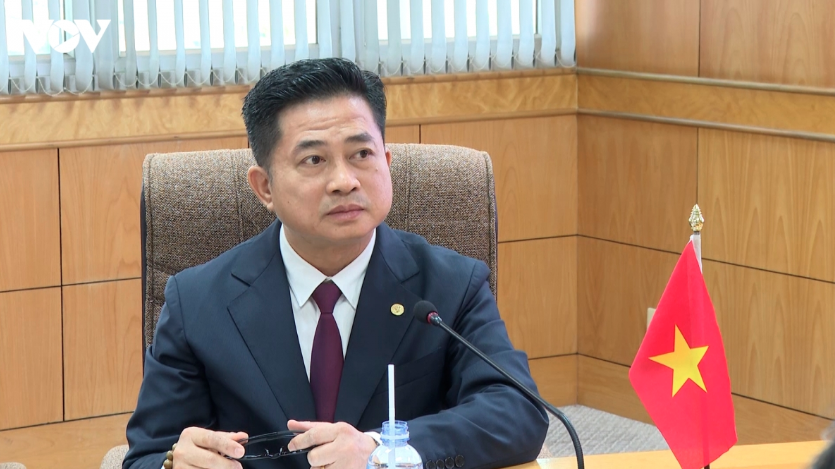
Consul General of Vietnam in Khon Kaen, Dinh Hoang Linh, affirmed that promoting the proactive role of Vietnamese expatriates in Thailand is a practical contribution to building and strengthening the bridge of friendship between the people of the two countries, making it even better and more enduring.
The seminar is one of the activities implementing Resolution No. 23 of the Politburo on the work related to Vietnamese people abroad, and also an opportunity for researchers and community representatives to share experiences in preserving the Vietnamese language and culture in Thailand.
The discussions affirmed the role of the Vietnamese and Thai communities of Vietnamese descent in preserving, teaching, and spreading the Vietnamese language across generations. Notably, the application of digital technology is expanding opportunities for overseas Vietnamese to learn Vietnamese, overcoming limitations of geographical distance and time.
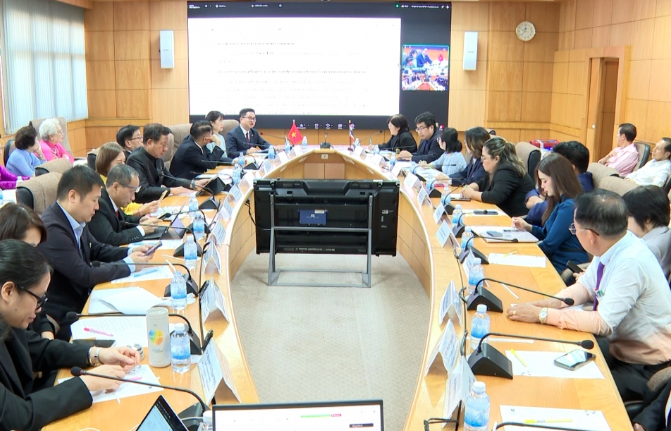
Overview of the scientific seminar "The Role of Thai People of Vietnamese Origin in Spreading and Developing the Vietnamese Language and Culture in Thailand," held on November 2nd in Udon Thani Province, Northeast Thailand.
Associate Professor Bui Thanh Nam, Vice Rector of the University of Social Sciences and Humanities, Vietnam National University, Hanoi, shared: "We have also witnessed economic development, especially in trade relations and tourism. This creates a good foundation for expanding people-to-people exchanges. When the economy develops, the need to learn Vietnamese and preserve the identity of the Vietnamese language will be greater."
Based on practical community activities, many believe that preserving the Vietnamese language requires the joint efforts of families, schools, associations, and cultural institutions.
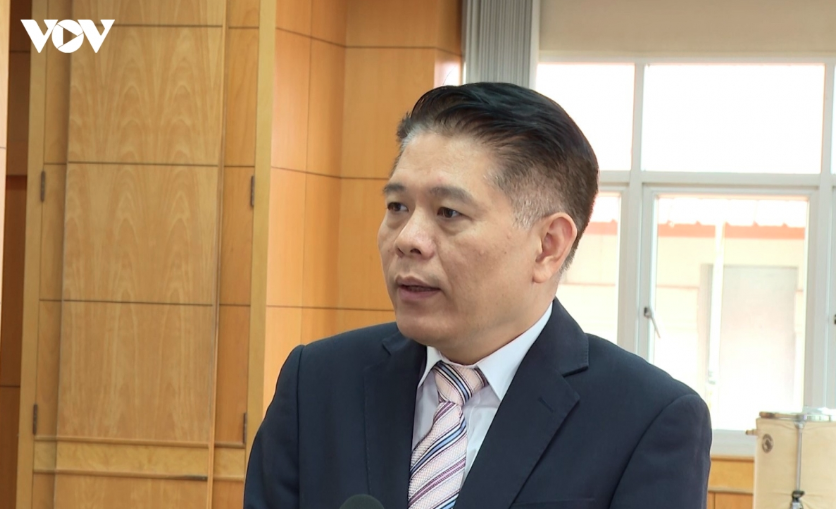
Assoc. Prof. Dr. Bui Thanh Nam, Vice Rector of the University of Social Sciences and Humanities, Vietnam National University, Hanoi
Mr. Ho Van Lam, President of the Association of Vietnamese Thais in Thailand, said: "The General Association has encouraged local Vietnamese associations to encourage people to give their children Vietnamese names to preserve their national identity. The Vietnamese Thai community also hopes to have more representation and a voice in Thai society. They also hope for more opportunities for their children to learn Vietnamese systematically in higher education institutions, thereby expanding their educational and employment opportunities in the future."
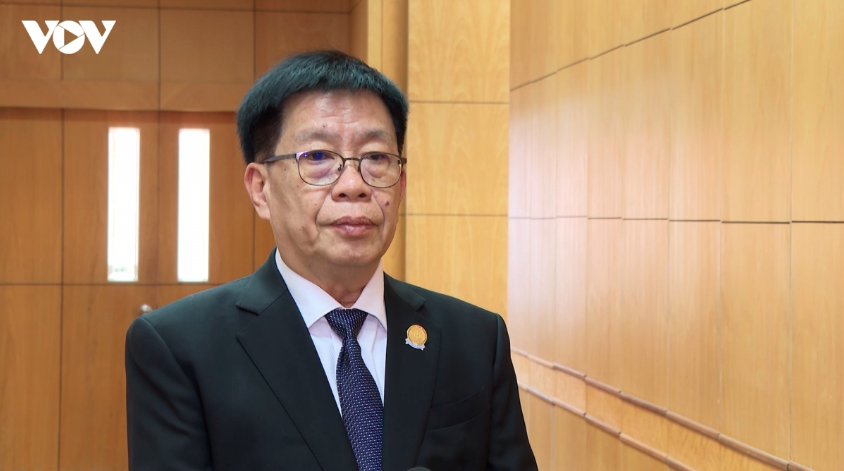
Mr. Ho Van Lam, President of the Association of Vietnamese Thais in Thailand.
From an educational perspective, many delegates suggested the need to develop more learning materials suitable for learners in Thailand. Assistant Professor, Dr. Dao Le Quynh Phan, a Thai scholar of Vietnamese origin and lecturer at Rajabhat Ubon Ratchathani University, proposed: "In my opinion, what is needed now is to develop bilingual Vietnamese-Thai learning materials, not only for language learning but also to introduce Vietnamese culture, economy, education, and unique aspects of life. Such accessible and relatable materials will give learners more opportunities to interact with and use Vietnamese more frequently."
The consensus at the seminar was that the vitality of the Vietnamese language and culture abroad depends greatly on the continuation by the younger generation. Therefore, it is necessary to continue promoting the role of the community in connecting resources, expanding opportunities for learning, cultural exchange, entrepreneurship, and career development for young people of Vietnamese origin.
Preserving and effectively utilizing historical relics, cultural spaces, and documents about the Vietnamese community in Thailand will contribute to traditional education, foster love for the homeland, and spread the image of Vietnam to the Thai public and international friends.
Author:According to VOV
Newer news
Older news

