
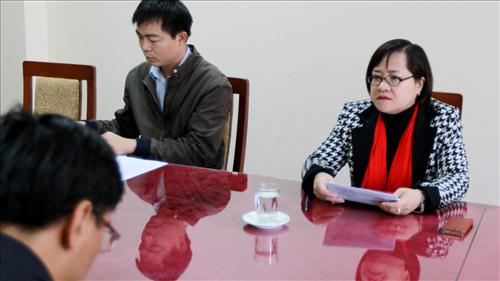
This is the result of the exchange and working session this morning (January 7, 2016) between Assoc. Prof. Dr. Tran Thi Minh Hoa, Vice Rector of the University, and representatives from the leadership of the Departments of Philosophy, Psychology, Sociology, Literature & Television, and History.
The basis for implementation
To provide faculty leaders with a comprehensive overview for making decisions regarding future accreditation selections, Associate Professor Tran Thi Minh Hoa provided crucial data for proposing the selection of accreditation programs.
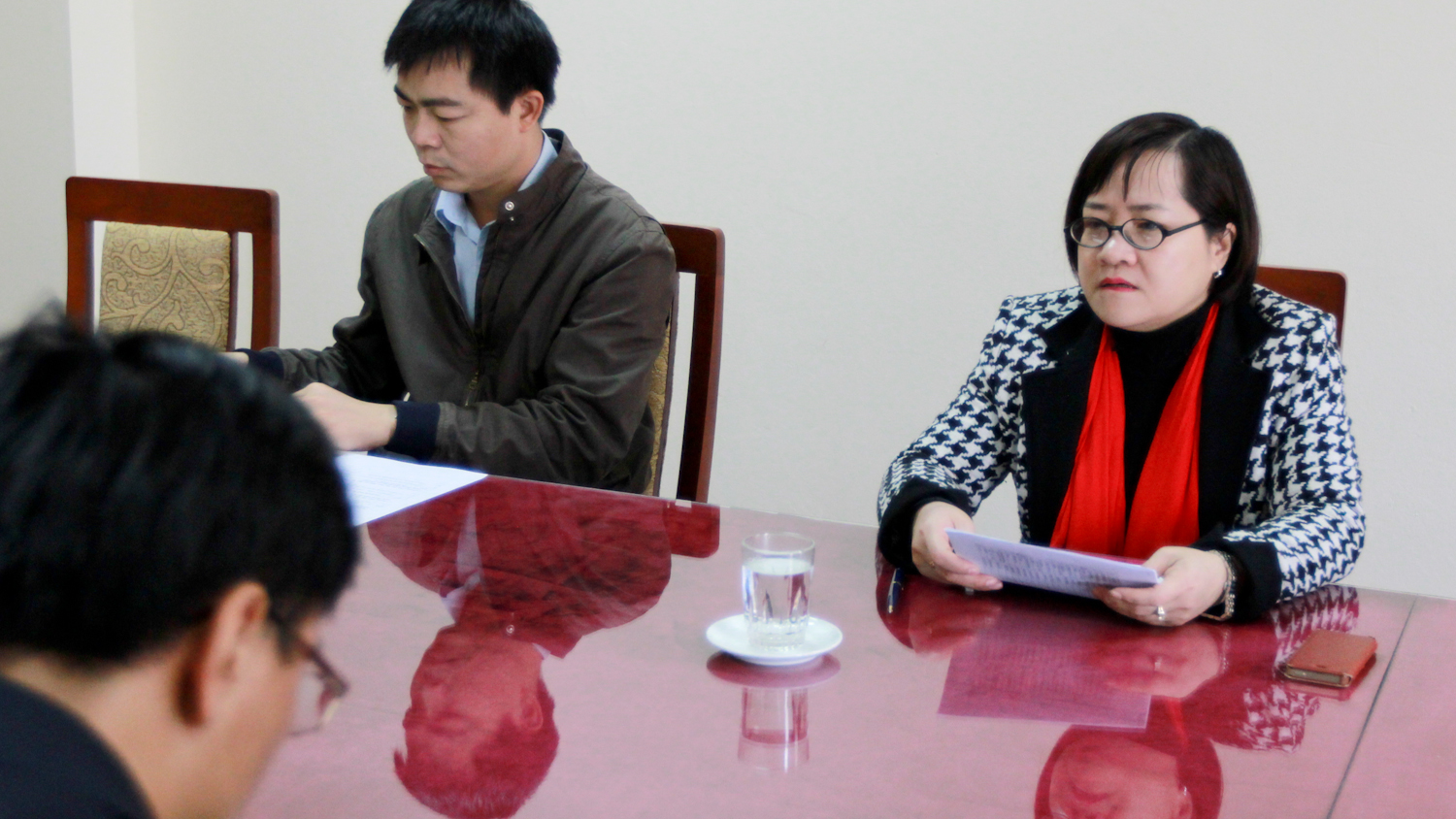
Associate Professor Tran Thi Minh Hoa, Vice Rector of the University, delivered a speech during the working session.
Regarding the AUN accreditation process, the selection criteria are units that have undergone peer accreditation or external evaluation according to the standards of the Ministry of Education and Training. In addition, the AUN standards focus on evaluating the human resources, so it is necessary to select faculties with high-quality human resources, said Associate Professor Dr. Tran Thi Minh Hoa.
With nearly 60 years of research and training tradition, a large and highly qualified staff (39 staff members, including 13 Associate Professors), the Faculty of Philosophy has all the necessary foundations to participate in the AUN accreditation process.
Furthermore, the Faculty of Philosophy achieved good results in the evaluation process based on the standards of Vietnam National University, Hanoi, with many positive aspects. The Faculty received high praise due to positive feedback from students and employers. Combined with the spirit of unity and high determination spread throughout the Faculty, this created very important prerequisites for the accreditation and evaluation process.
The Faculty of Psychology and the Faculty of Vietnamese Studies and Television are both faculties with a substantial number of experienced staff. Currently, the Faculty of Psychology has 2 professors, 5 associate professors, and 12 out of 17 staff members hold PhDs; these are leading experts in psychology nationwide. The Faculty of Vietnamese Studies and Television has a good workforce, but the field of Vietnamese Studies is still new, so there will be difficulties in building a foundational database for external evaluation according to the criteria set by the Ministry of Education and Training.
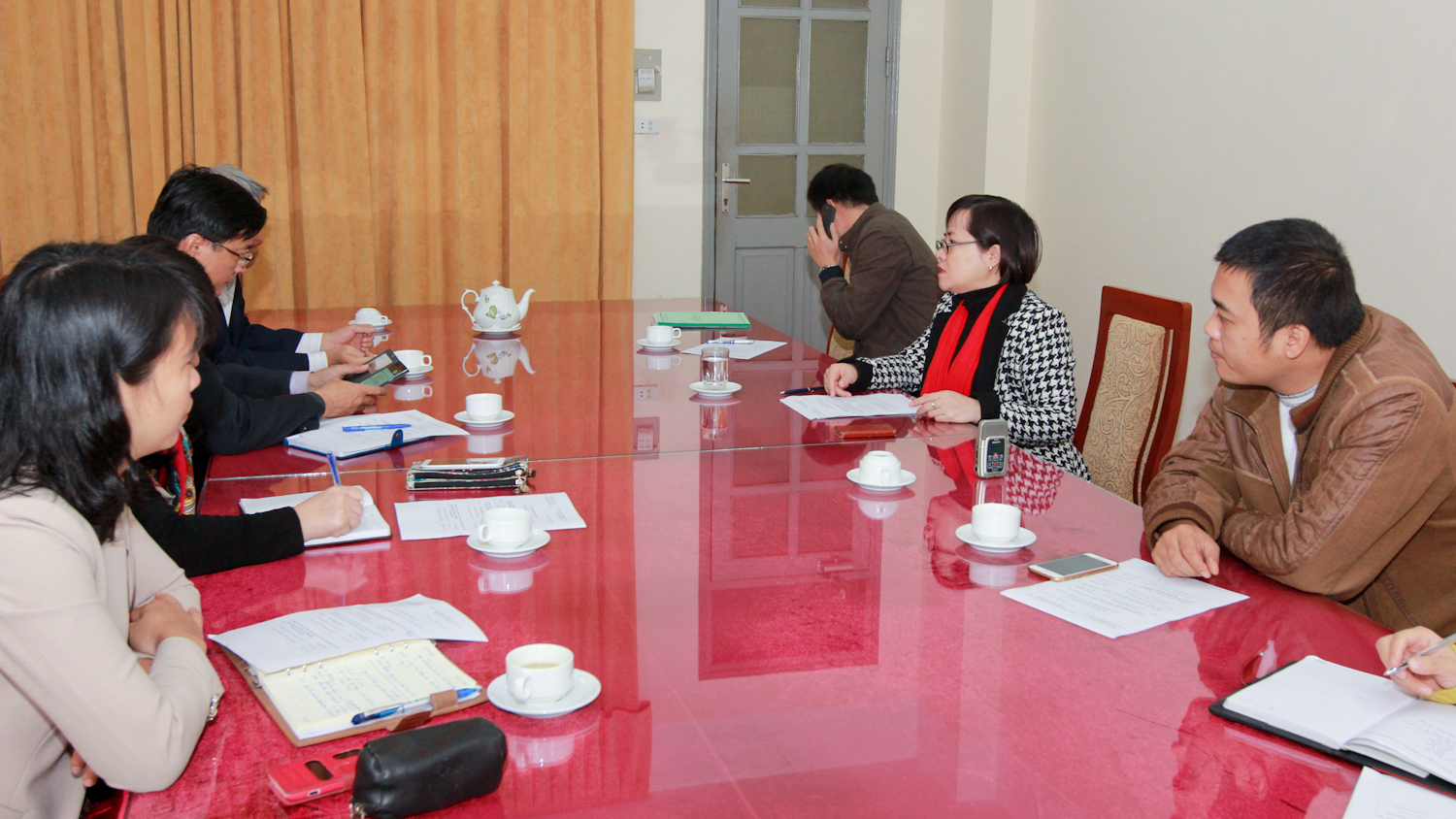
Overview of the working session
The peer review program is expected to be applied to the high-quality Bachelor's program in History, as according to VNU regulations, high-quality training programs must undergo accreditation after 5 years. The Faculty of Sociology also has many strengths in terms of its staff, lecturers, and students, so it can also implement peer accreditation in the near future.
Preparing for the inspection
As someone who has directly overseen many accreditation programs, Associate Professor Dr. Tran Thi Minh Hoa also shared many experiences with the Faculties that will be undergoing accreditation in the near future.
The Faculties need to define the perspective that "Accreditation is a routine health check-up" before undertaking this activity. This is a crucial activity in building and developing the units in particular and the entire Faculty of Social Sciences and Humanities, Vietnam National University, Hanoi in general. With this spirit, all staff, lecturers, students, and trainees of the Faculties need to demonstrate a spirit of unity, determination, and high resolve to complete the work on schedule.
Sharing some of the common difficulties faced by the University, Associate Professor Dr. Tran Thi Minh Hoa said: “One of the common difficulties of the University is the English proficiency of the faculty and students. This problem stems from the fact that the University is a social science institution, and most of the staff studied in socialist countries, so their English skills are limited.”
Specifically for the AUN accreditation program, the accreditation timeline is usually fixed and difficult to change, so faculties need to have appropriate plans and objectives to avoid rushing the process and affecting quality.
According to Associate Professor Tran Thi Minh Hoa, the criteria regarding physical facilities cannot be met immediately, so the Faculties also need to pay attention and make appropriate calculations in the accreditation process. To prepare early, the Faculties should study the accreditation criteria early to make suitable adjustments in the future.
A common characteristic is that currently, most faculty training assistants are working on a part-time basis, resulting in limited capacity for archiving and managing supporting documents. This significantly impacts the accreditation process. Experience shows that, due to this specific situation, many units spend considerable time searching for supporting documents during implementation. Therefore, faculties need to implement digitization or effective document management as soon as possible.
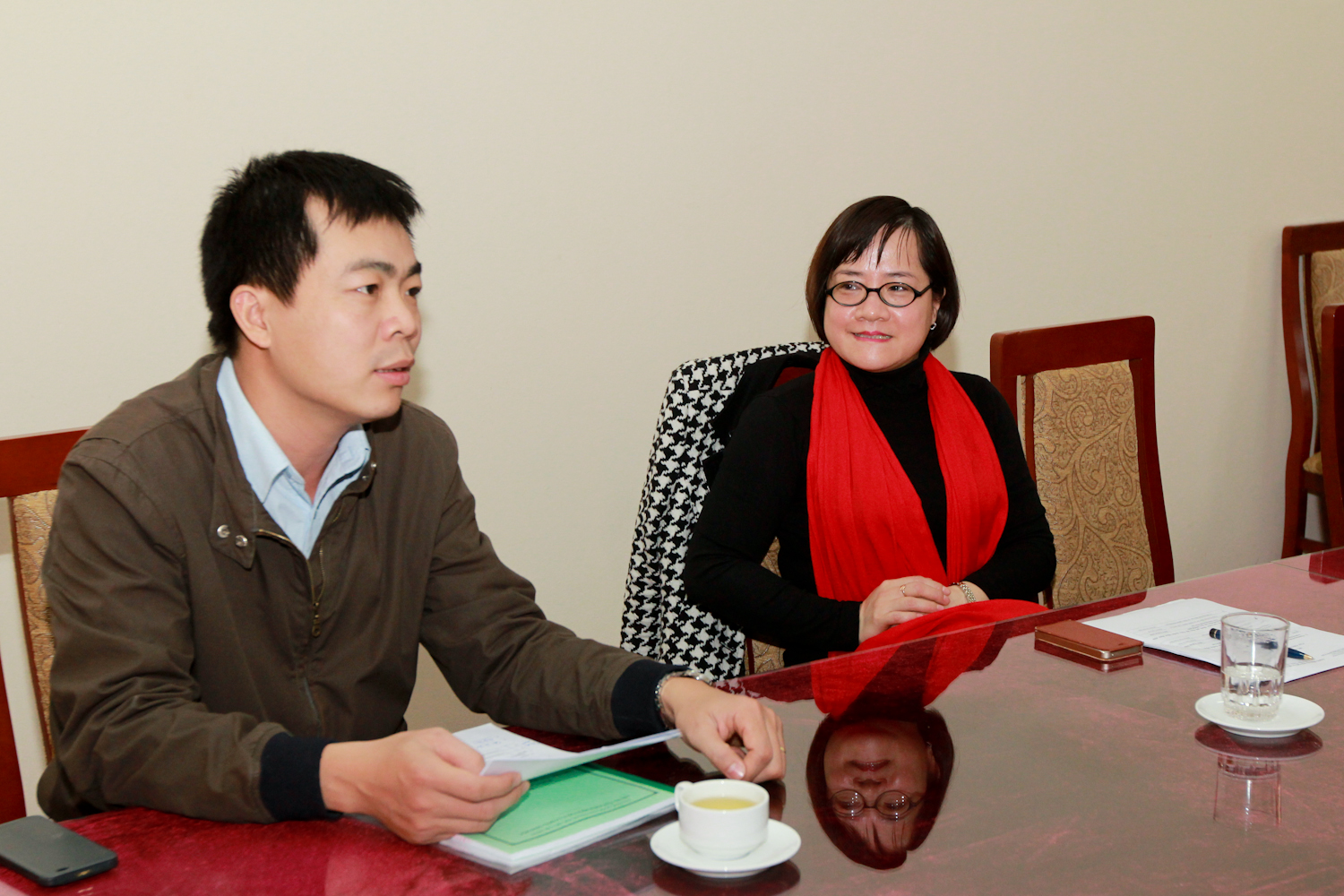
Dr. Nguyen Van Chieu, Deputy Director of the University's Training Quality Assurance Center, is sharing some advice with the Faculties.
Following the speech and directives from the Vice Rector, Dr. Nguyen Van Chieu, Deputy Director of the University's Center for Quality Assurance in Education, also provided some advice to the Faculties before proceeding with the accreditation process.
Departments should communicate the accreditation process to all faculty members, students, trainees, employers, etc., as this process will involve and connect with all of these stakeholders.
At the same time, departments should consistently adhere to the guidelines of the criteria they are being accredited under, avoiding unnecessary complexity when accessing multiple documents that are close to the original document.
Following up on the Vice Rector's remarks regarding facilities, Dr. Nguyen Van Chieu also noted that the Faculties should consider the efficiency of facility utilization, through evidence demonstrating their use and exploitation.
All units are united in their determination to carry out the task.
Speaking at the meeting, representatives from the five faculties all expressed their solidarity, readiness, and determination to implement the accreditation programs in the near future.
"The experience gained from the recent peer review process has provided the Faculty with a great deal of important information for its direction and development," shared Dr. Pham Hoang Giang, Deputy Dean of the Faculty of Philosophy.
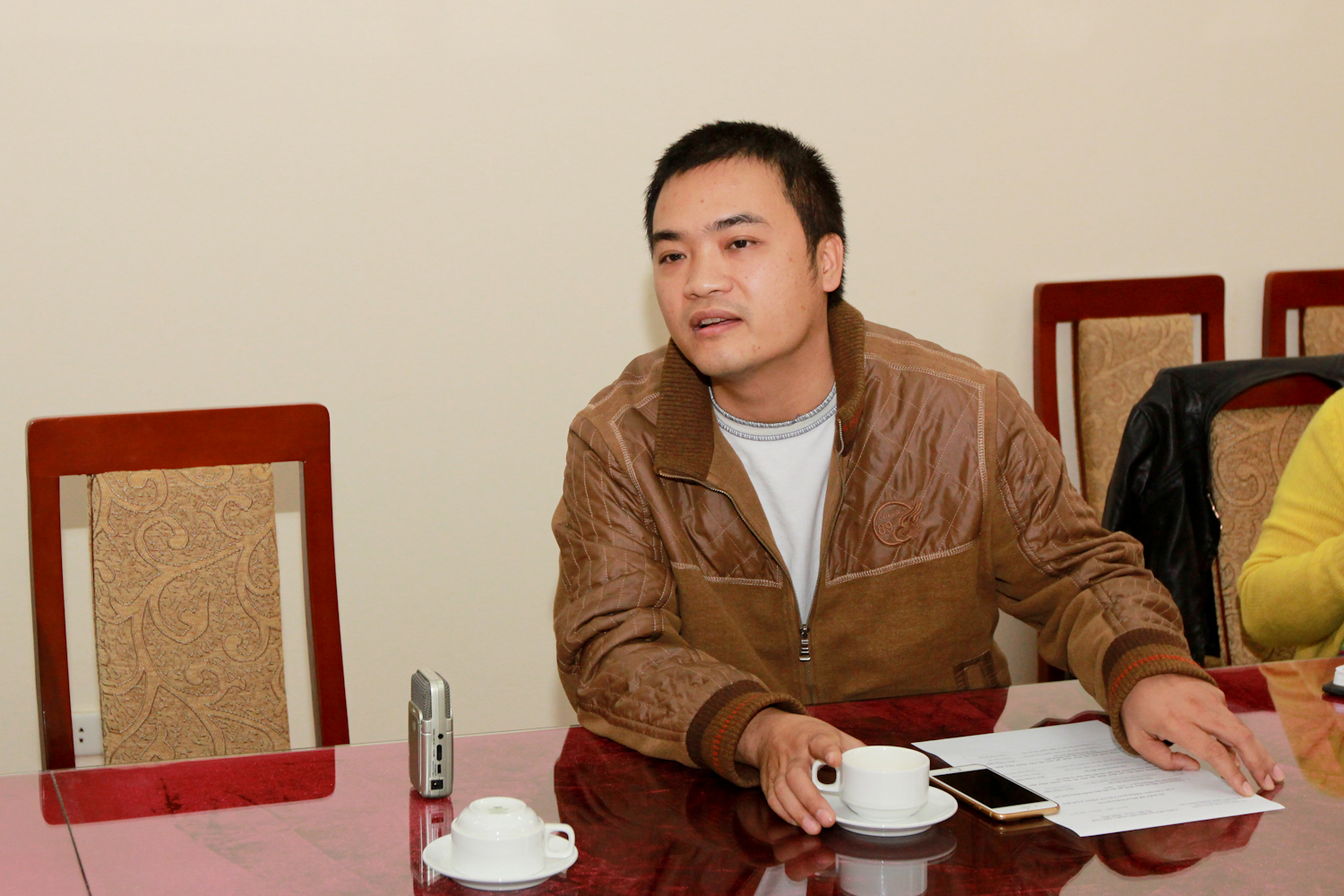
Dr. Pham Hoang Giang, Deputy Head of the Philosophy Department, shared:
Although still in the planning stages, at a recent meeting, the Dean's Office of the Faculty of Philosophy proactively mentioned and briefed all faculty members on the plan to implement the AUN evaluation criteria in the near future.
Dr. Pham Hoang Giang said: “The Faculty has also proactively developed plans and solutions to address the Faculty's difficulties in various aspects, such as encouraging young staff to implement a three-step registration process for lecturers in foreign languages (from English reference to English discussion and gradually moving towards teaching English); building elite groups in report writing and mobilizing the entire Faculty in building evidence.”
"The accreditation process is also an important condition for the Faculty to reflect on itself, overcome weaknesses in document archiving, and survey employers," shared Associate Professor Dr. Trinh Van Tung, Vice Dean of the Faculty of Sociology.
Associate Professor Dr. Trinh Van Tung said: "The Faculty of Sociology has a staff that has participated in many evaluation programs, so they have a certain level of experience. Therefore, in the coming time, the Faculty will strive to implement accreditation plans according to schedule."
Author:Dinh Hau
Newer news
Older news

