The program, conducted in Vietnamese and Chinese with translation services, included an opening ceremony, a plenary session, and two parallel subcommittees on economic development and national governance. Attendees included representatives from the Vietnam National University, Hanoi, Fudan University, the Chinese Embassy in Vietnam, as well as educational institutions, research institutes, organizations, and businesses from both countries.

Strengthening dialogue and expanding cooperation between the two universities.
In his opening remarks at the Forum, Assoc. Prof. Dr. Pham Bao Son – Vice Director of Vietnam National University, Hanoi, emphasized that in the context of a rapidly changing world, higher education institutions need to proactively transform high-level cooperation orientations into specific programs on human resource development, scientific research, innovation, business networking, and people-to-people exchanges.

According to the Vice Rector of Vietnam National University, Hanoi, universities should not only be places for training and research but also serve as bridges between knowledge and practice, between scientists and policymakers, between technology and businesses, and between the younger generations of the two countries. Building on the cooperative relationship between Vietnam National University, Hanoi and Fudan University, the Forum is expected to open up practical and in-depth cooperation programs in research, training, policy consulting, and innovation.
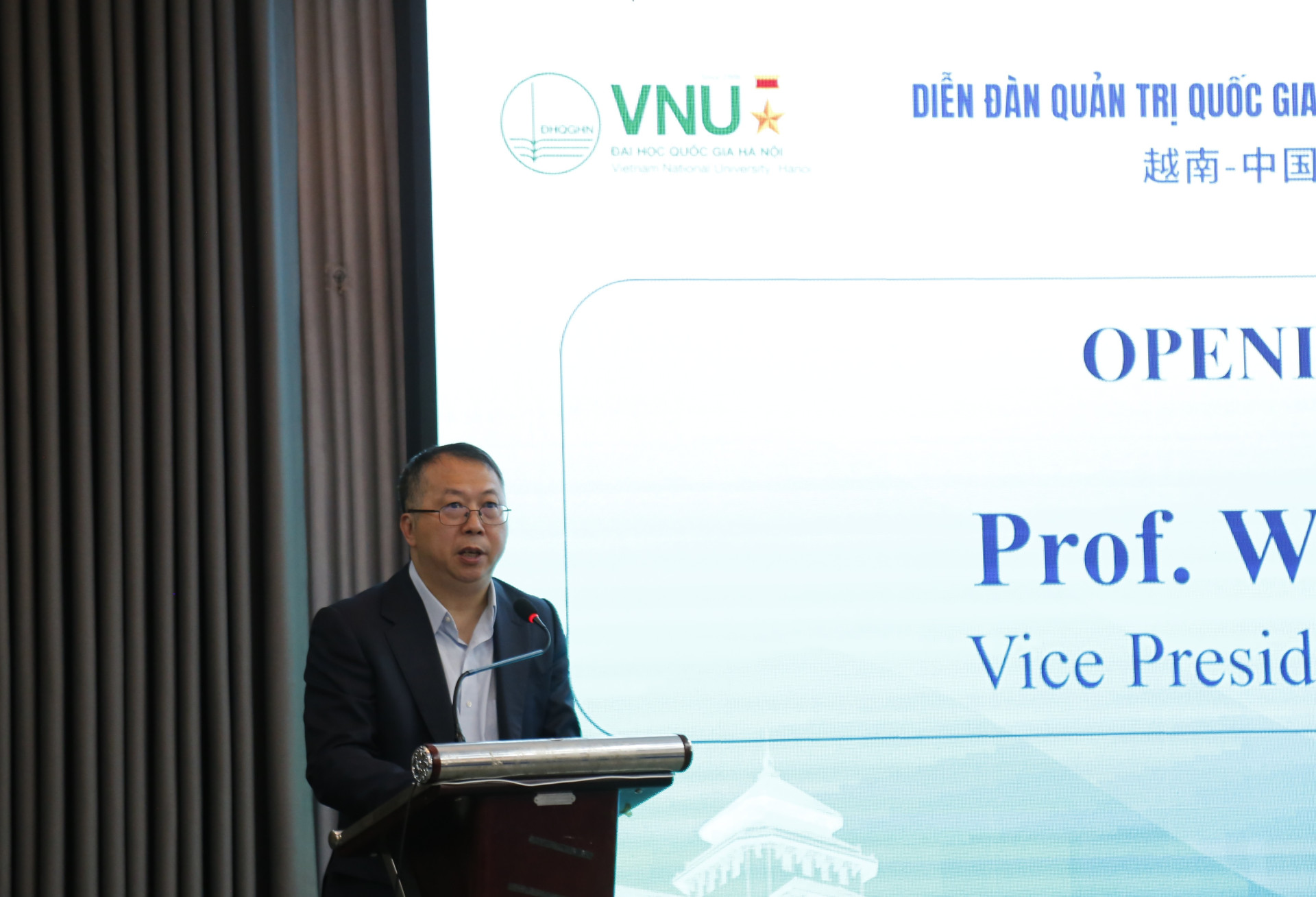
Speaking at the event, Mr. Wang Yuan Yuan, Vice President of Fudan University, stated that, in the context of Vietnam and China celebrating the 76th anniversary of the establishment of diplomatic relations and both facing the need to modernize their national governance systems, strengthening exchanges, coordination, and sharing experiences is of particular importance. He affirmed that universities need to play a bridging role between knowledge, policy, and the business community, contributing to the modernization of national governance and economic development. The Vice President of Fudan University expressed his hope that the two universities would collaborate to build the Forum into an annual dialogue mechanism, promoting long-term cooperation in training, research, innovation, and policy consultation.
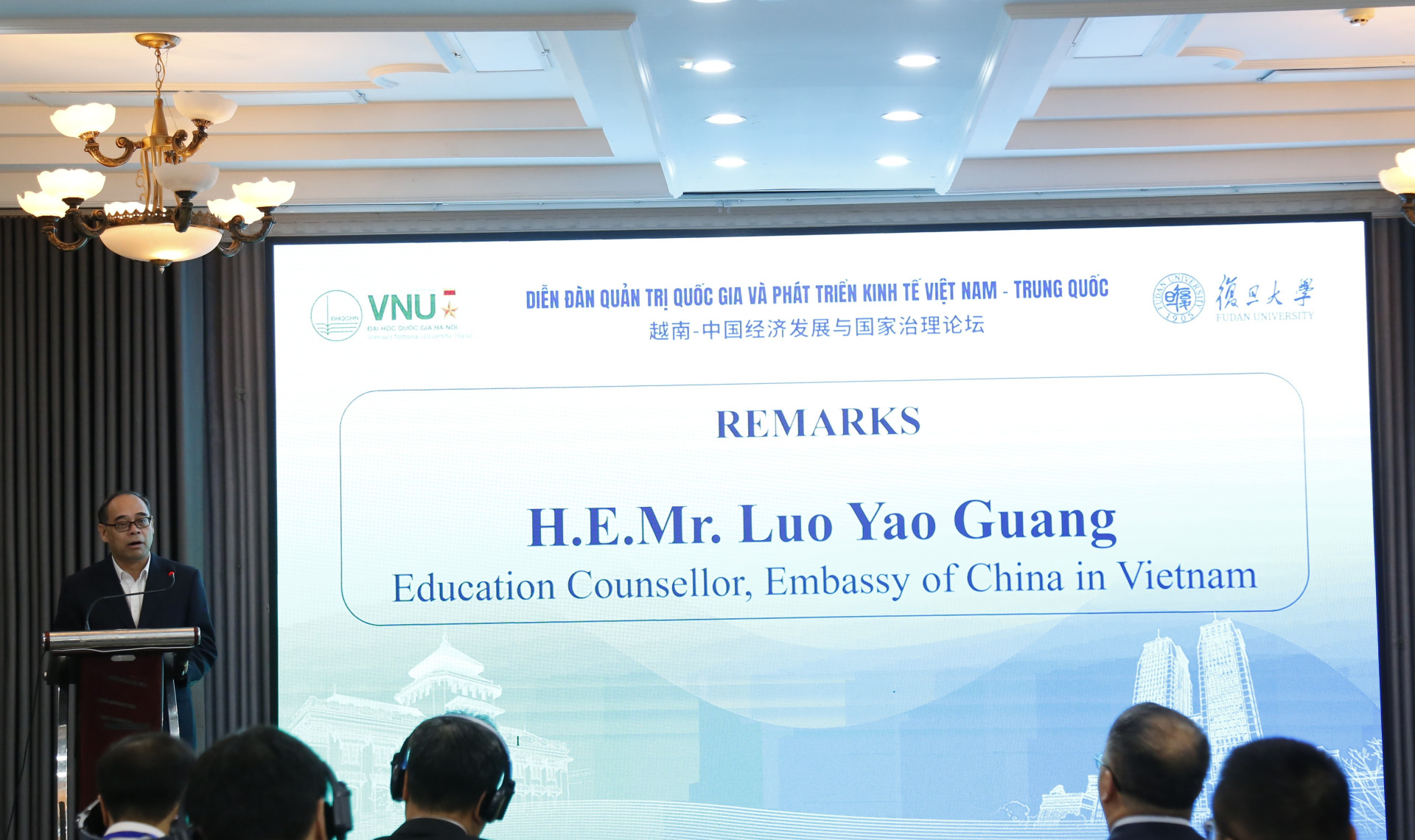
Highly appreciating the initiative to organize the Forum, Mr. La Dieu Quang – Education Counselor, Chinese Embassy in Vietnam, said that this is a practical activity that contributes to strengthening the exchange of national governance experience and opening up new spaces for cooperation between universities, research institutes and business communities of the two countries. He affirmed that the Chinese Embassy in Vietnam will continue to accompany and support the cooperation agreements between Hanoi National University and Fudan University to be realized soon with concrete programs and results, thereby contributing to promoting educational cooperation, cultural exchange and enhancing understanding between the people of the two countries.
During the opening ceremony, representatives from the participating institutions exchanged three cooperation documents: a Memorandum of Understanding on Comprehensive Cooperation between Vietnam National University, Hanoi and Fudan University; a Memorandum of Understanding on Cooperation between the School of Economics, Vietnam National University, Hanoi and the School of International Relations and Public Administration, Fudan University; and an agreement on Fudan University's joining the Alliance to Support and Promote Training, Research, and the Provision of High-Quality Human Resources for the Semiconductor Industry, initiated by Vietnam National University, Hanoi. The exchange of these documents contributes to concretizing the cooperation orientation between the two sides in training, research, innovation, and networking; and also creates a basis for implementing practical cooperation programs in the future.
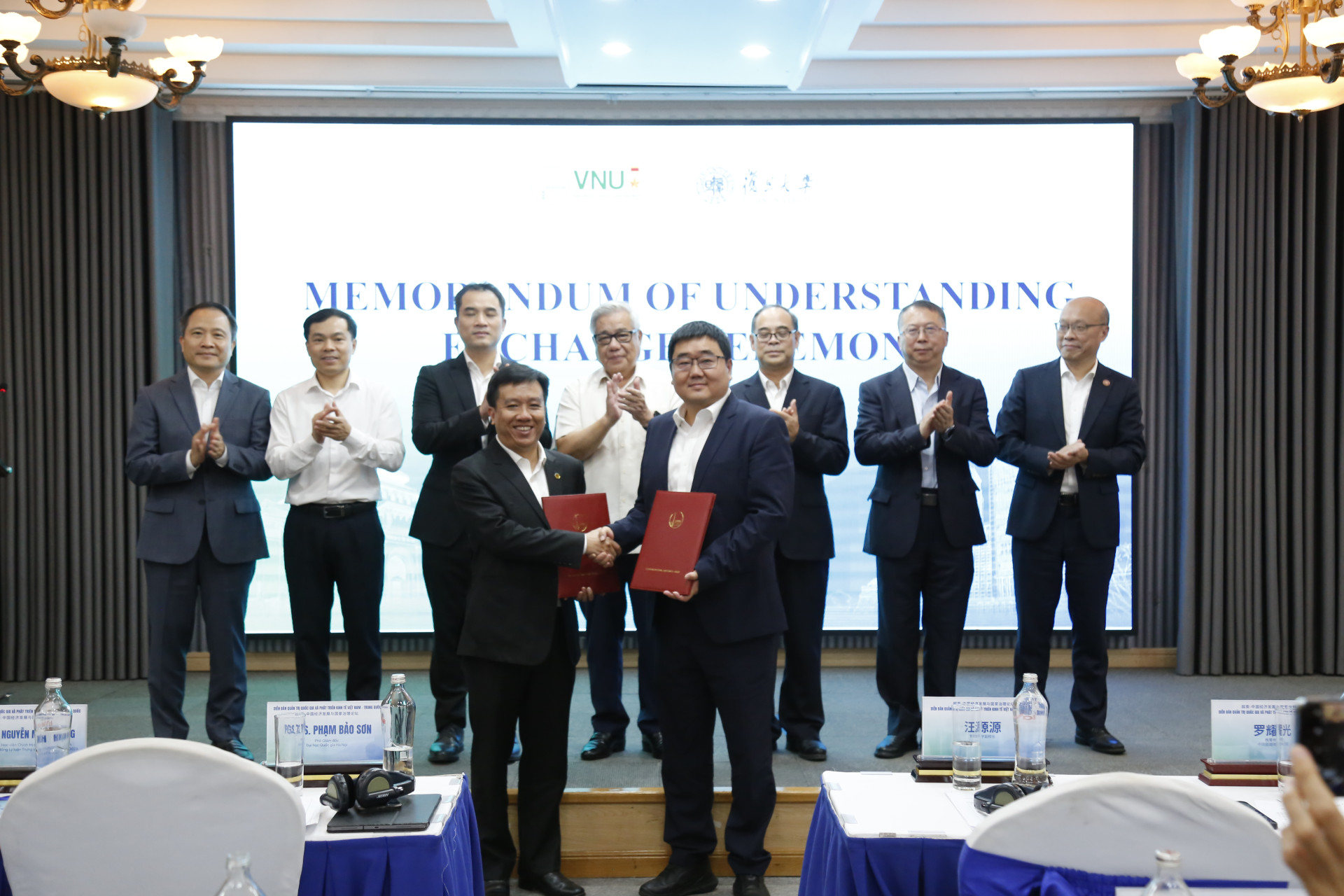
Representatives from various organizations exchanged cooperation agreements at the Forum.
At the plenary session, five reports focused on major issues of modern national governance, socialist modernization, international cooperation, Lancang-Mekong cooperation, and economic development.
At the plenary session, Vietnamese and Chinese experts exchanged views on the need for national governance reform towards a modern and efficient approach, shifting from a managerial mindset to a development-oriented one. The presentations also analyzed China's socialist modernization model from a comparative perspective, the role of international cooperation in economic development, the prospects for Lancang-Mekong cooperation, and the participation of the business community. Through this, the discussion contributed to clarifying the relationship between governance capacity, institutional quality, and growth drivers, while also suggesting avenues for cooperation between the two countries in research, training, policy advice, and innovation.
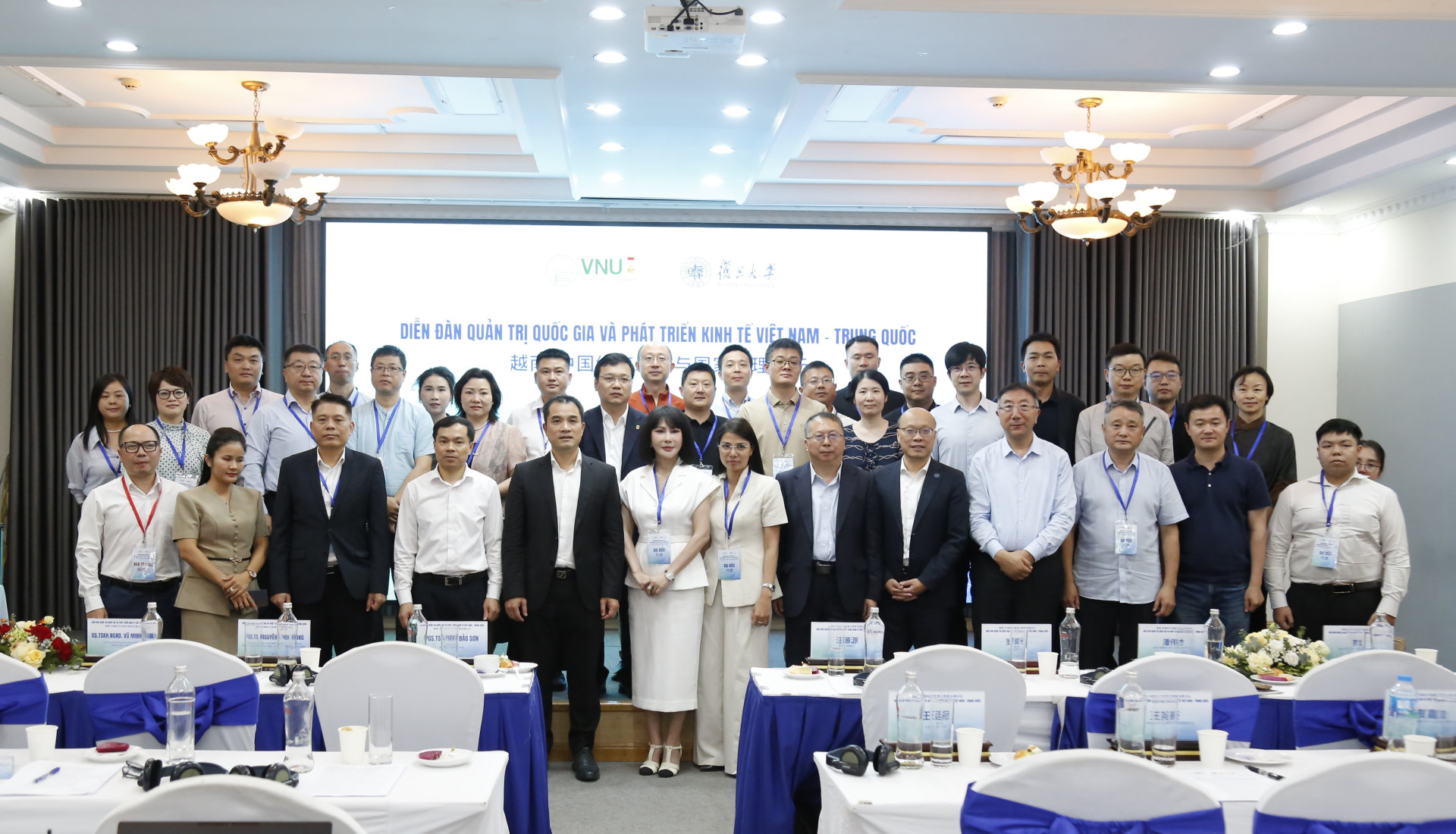
In-depth discussions in the two subcommittees.
In the afternoon, delegates continued their discussions in two parallel subcommittees on economic development and national governance.
The Economic Development Subcommittee, chaired by Ms. Do Hoang Nhat Mai from the Department of Political Economy, School of Economics, Vietnam National University, Hanoi, focused on discussing cooperation in building the "Digital Silk Road," upgrading Vietnam-China industrial and supply chains within the framework of the "Two Corridors, One Belt" initiative, as well as investment opportunities and expanding bilateral markets.
Speakers simultaneously analyzed the role of educational and training institutions in the process of business globalization, new drivers for regional supply chains, and the potential for digital economic cooperation between the two countries. In addition to academic presentations, the subcommittee also facilitated opportunities for representatives of Vietnamese and Chinese businesses to showcase their capabilities, exchange needs, and explore cooperation opportunities.
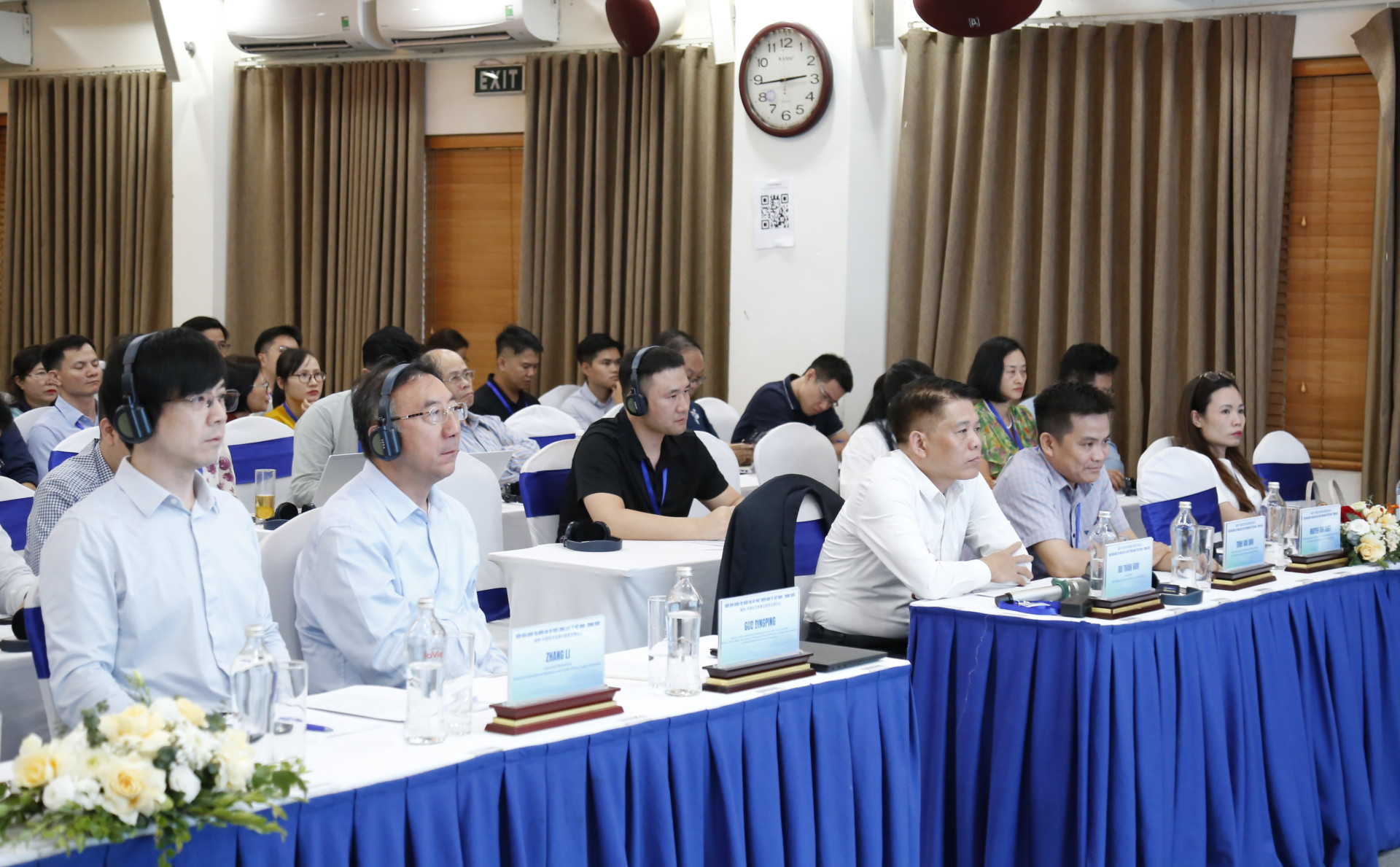
At the National Governance Subcommittee, chaired by Assoc. Prof. Dr. Bui Thanh Nam – Vice Rector of the University of Social Sciences and Humanities, Vietnam National University, Hanoi, Vietnamese and Chinese scholars discussed the transformation of national governance models, building governance and leadership capacity within the Party, Mekong-Lancang cooperation from a Southern Hemisphere perspective, and the role of civilized dialogue in building a community of shared future.
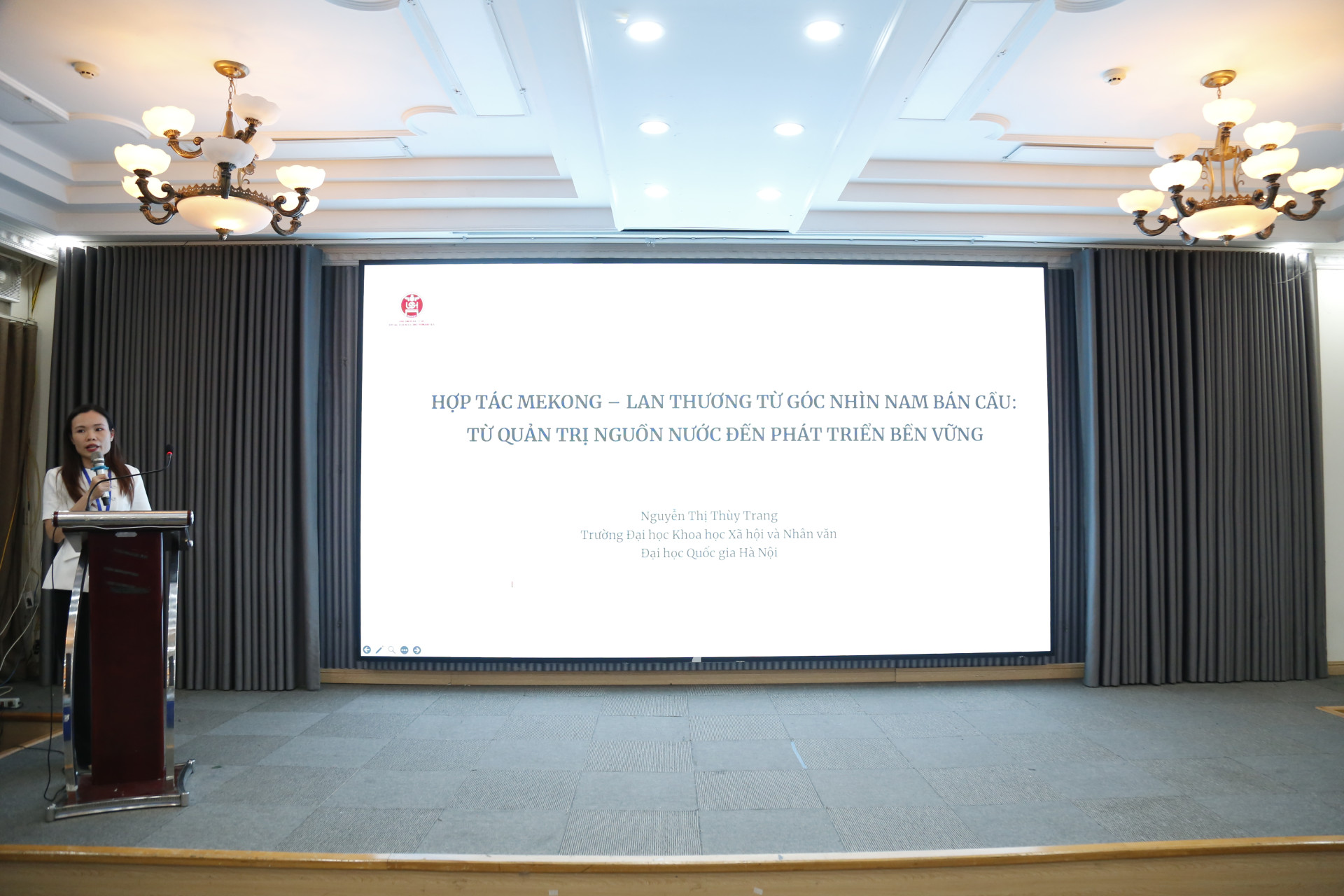
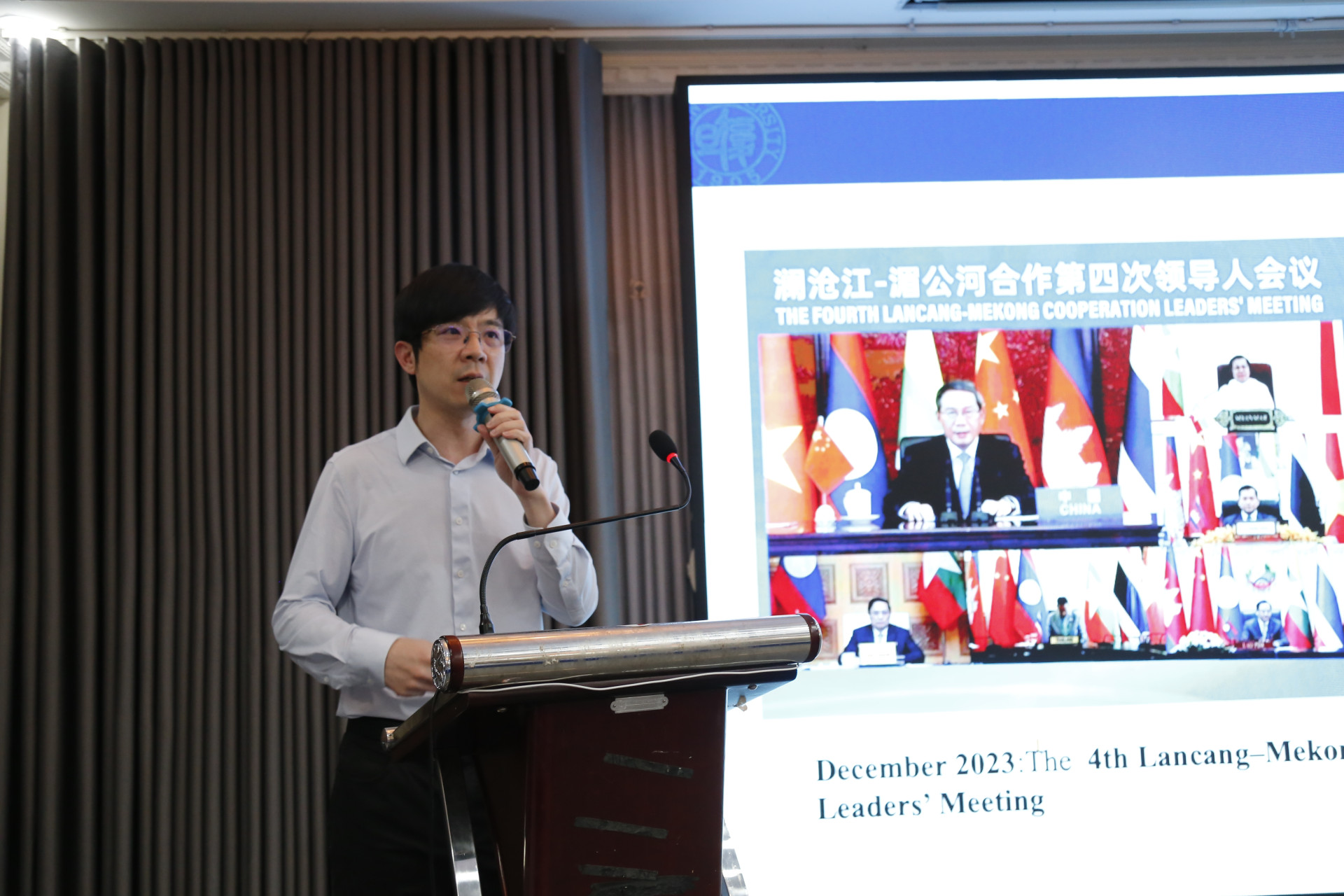
The five reports presented at the subcommittee approached the issue from both theoretical and practical perspectives. The discussions covered the Vietnamese Communist Party's views on the transformation of the national governance model; the centralized Party governance system in China; Mekong-Lancang cooperation from water resource management to sustainable development; new directions for regionalization in Lancang-Mekong cooperation; and values-based diplomacy practices in civilized dialogue. The presentations contributed to clarifying the similarities, differences, and potential for complementary experiences between the two countries; and suggested strengthening comparative research, academic exchange, and policy cooperation in the fields of governance, sustainable development, and values-based diplomacy.
Author:Department of Science and Foreign Affairs
Newer news
Older news

