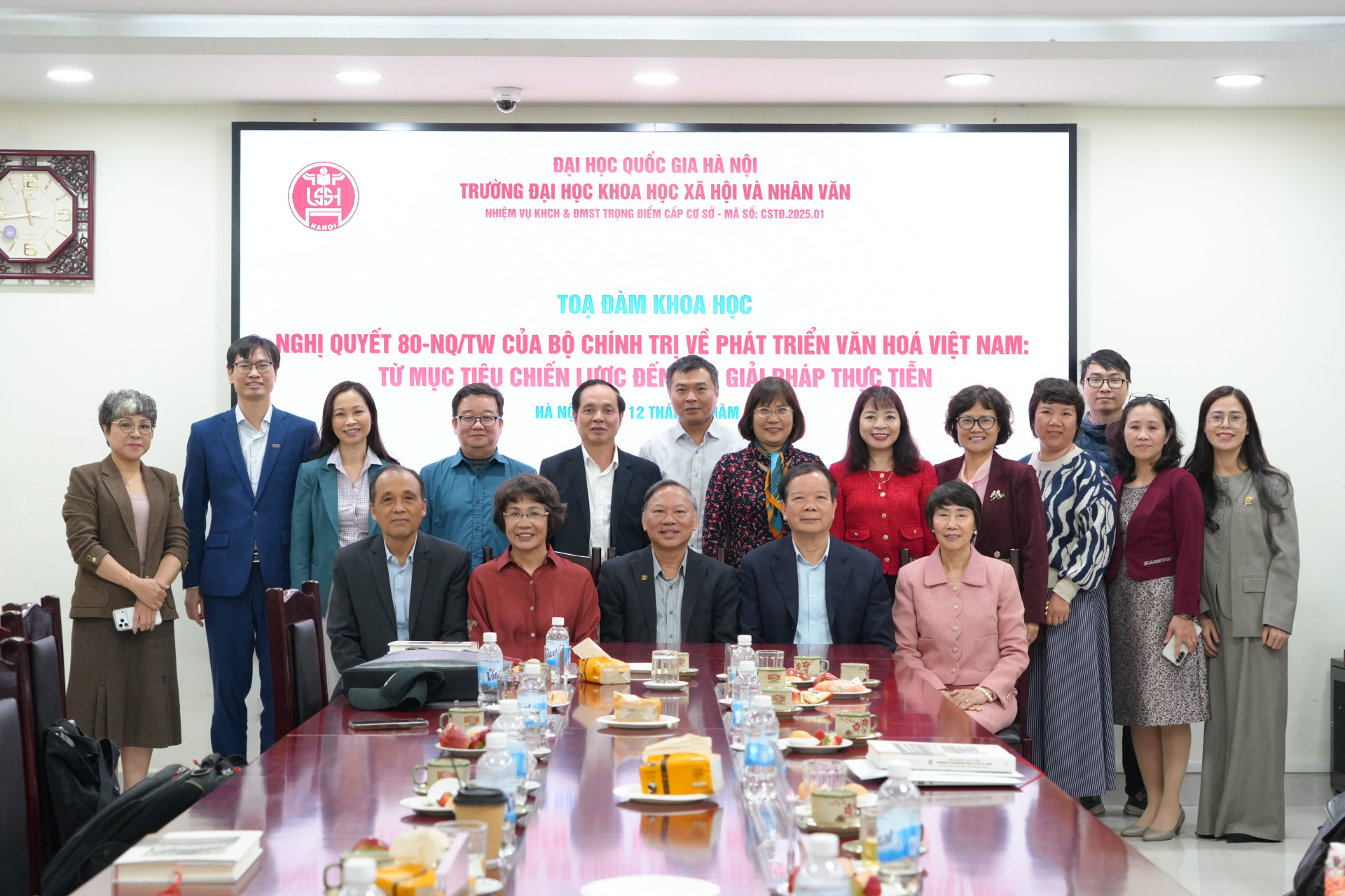
At the seminar, scientists emphasized that Resolution No. 80-NQ/TW of the Politburo on the development of Vietnamese culture has affirmed a significant step forward in theoretical and practical thinking regarding the role and position of culture in the new era. The resolution sets forth the urgent need to improve the institutional and policy system and clearly establish investment resources for culture, while affirming that culture must become an important driving force contributing to the country's rapid and sustainable growth.
In his opening remarks at the seminar, Professor Hoang Anh Tuan, Rector of the University of Social Sciences and Humanities, emphasized the university's role as a leading research and training institution in social sciences and humanities in contributing scientific intellect to the planning and implementation of national cultural development policies. According to Professor Hoang Anh Tuan, the seminar aimed not only to clarify the core contents of Resolution 80-NQ/TW but also to unify understanding and action within the research community, while promoting the connection between academic research and practical management and cultural development.
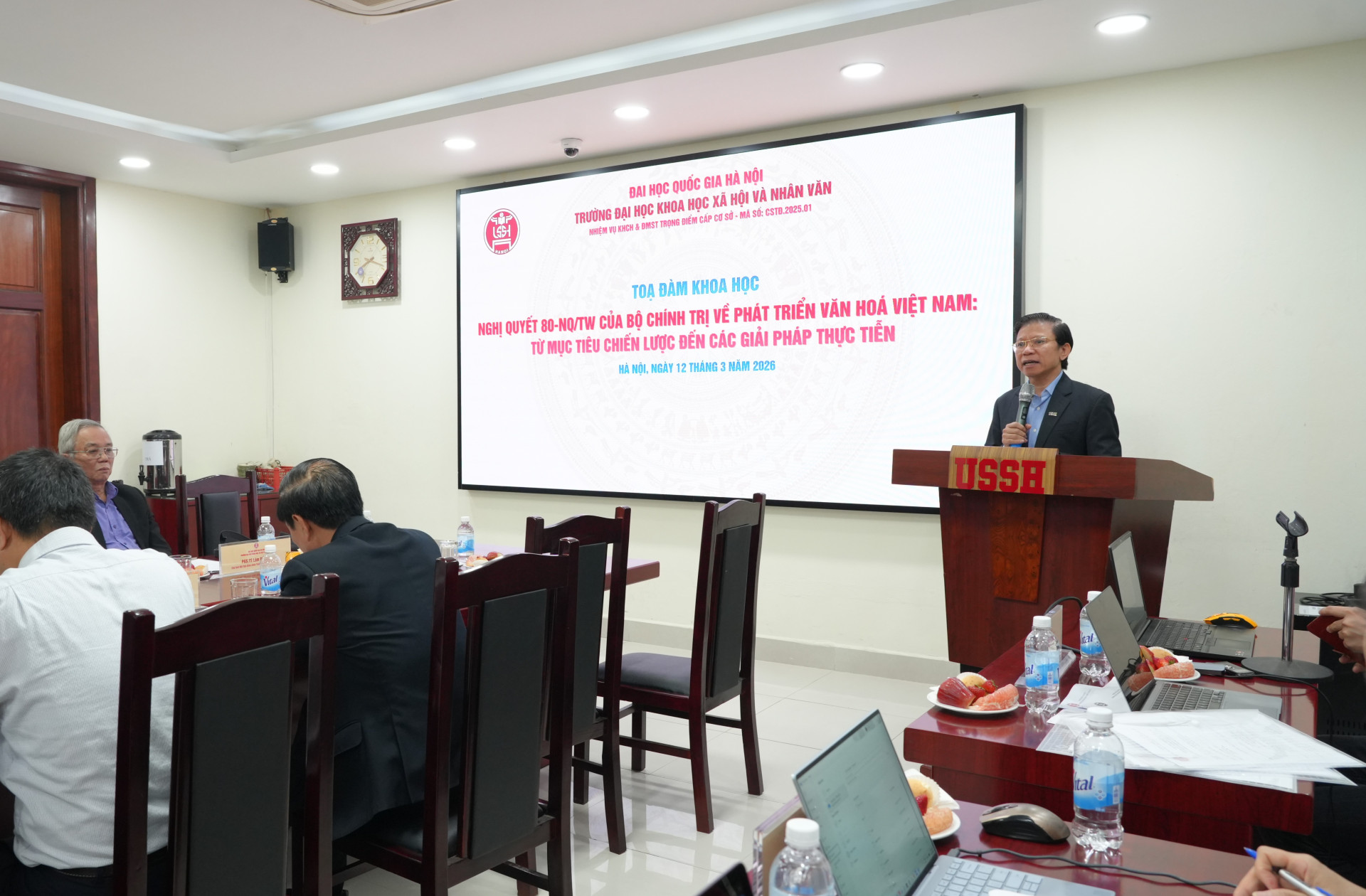
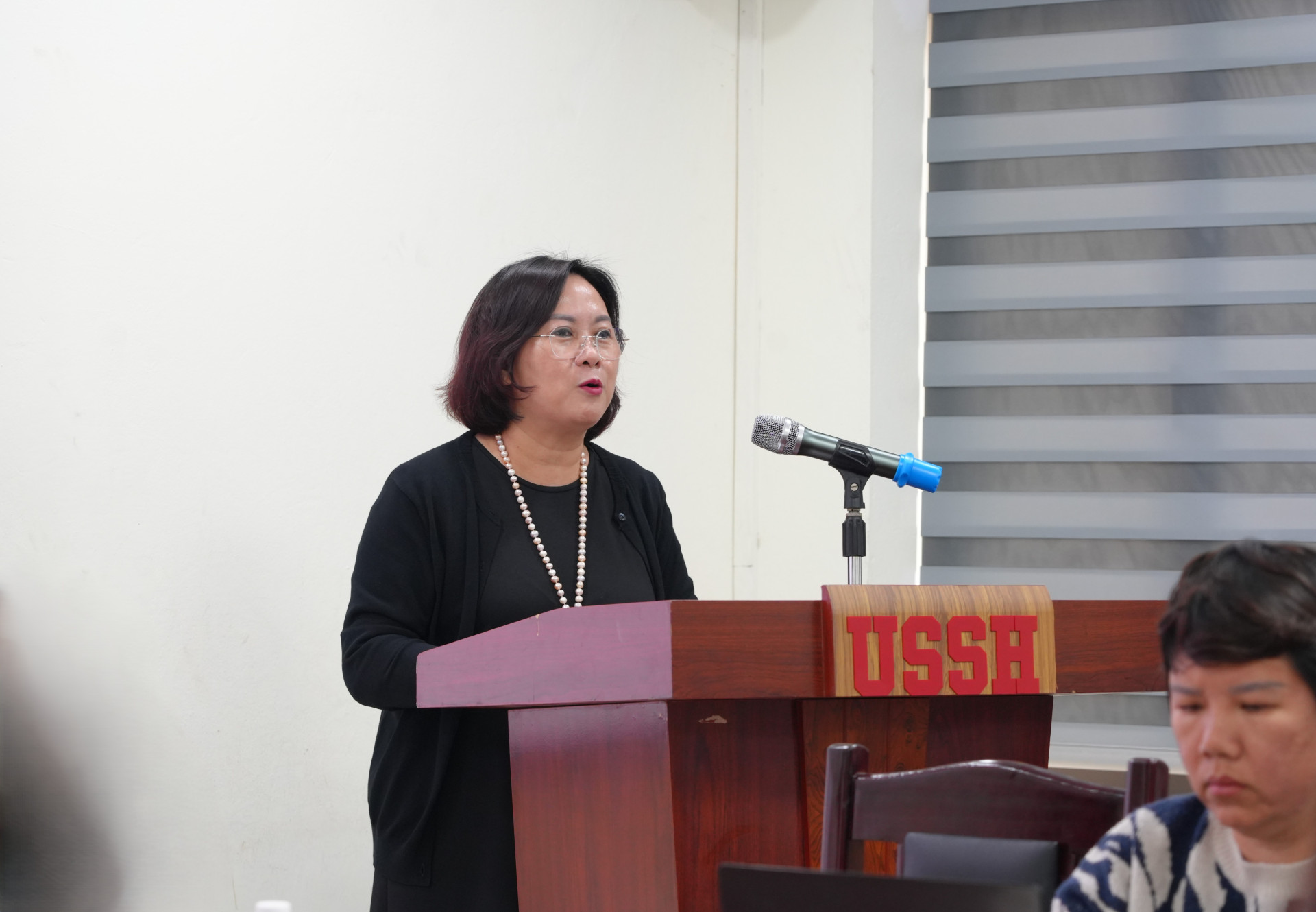
Professor Hoang Anh Tuan, Rector of the University of Social Sciences and Humanities, delivered the opening remarks at the seminar.
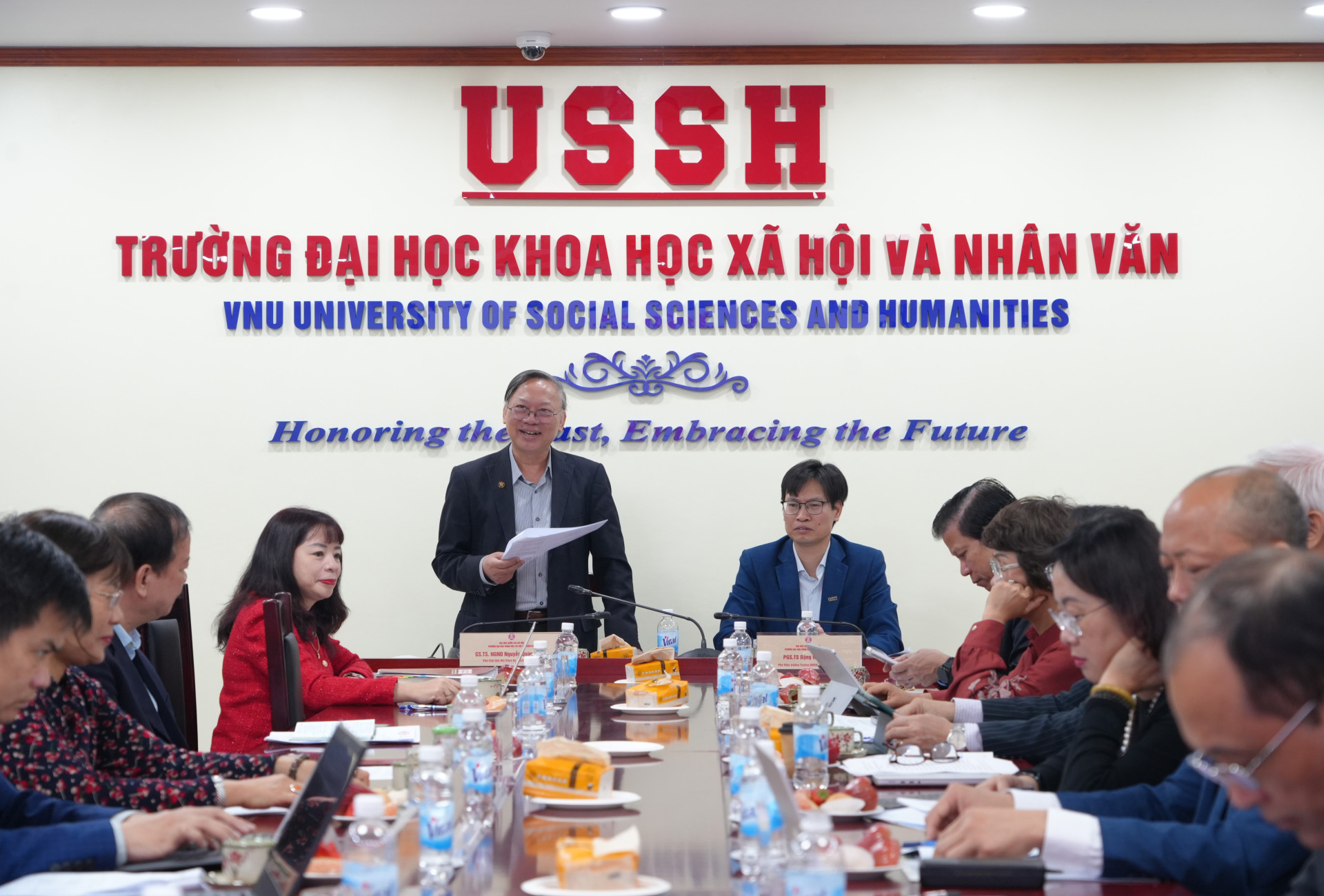
Professor, Doctor, People's Teacher Nguyen Quang Ngoc - Vice President of the Vietnam Historical Science Association and Associate Professor, Doctor Dang Hong Son - Vice Rector of the University of Social Sciences and Humanities co-chaired the seminar.
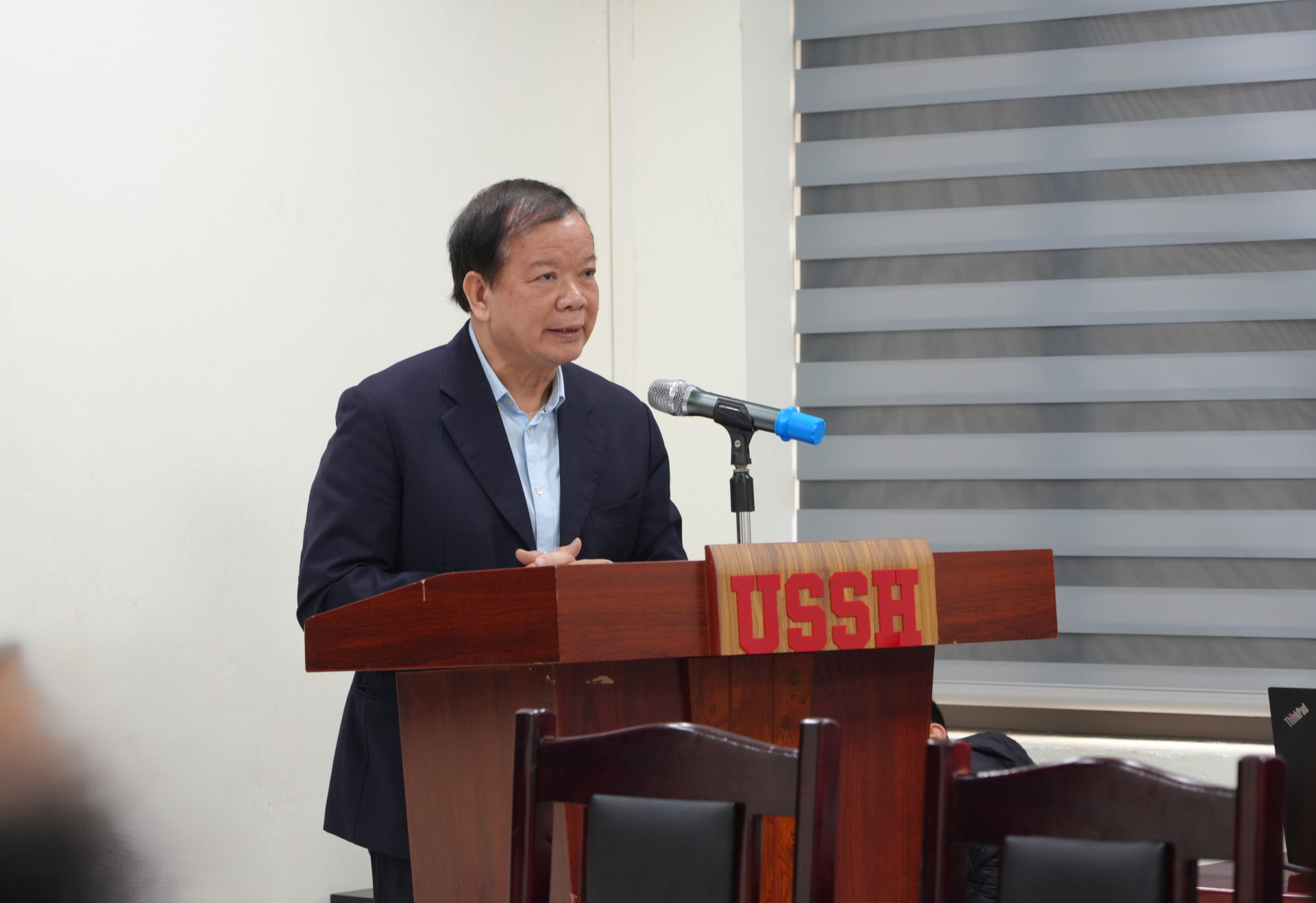
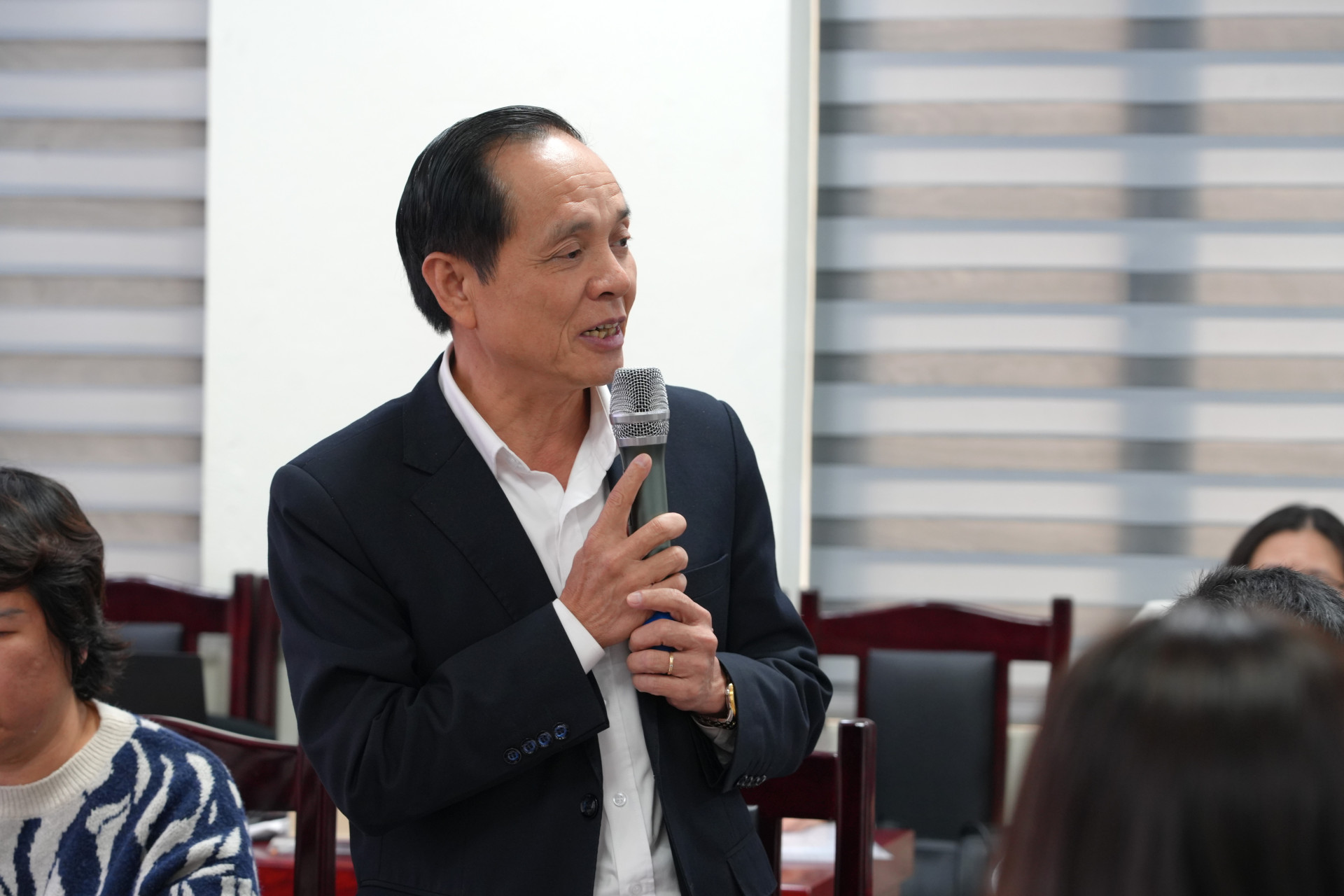
Professor Nguyen Van Kim, Vice Chairman of the National Cultural Heritage Council and former Vice Rector of the University of Social Sciences and Humanities, presented a paper entitled "Positioning Culture as a 'Development Regulator': Solutions to Unblock Institutional Bottlenecks in the New Era."”
With a responsible and expeditious approach, the seminar presented nine scientific papers along with numerous exchanges and discussions, focusing on five major issues related to the development of Vietnamese culture in the new era.
Firstly, the discussions clarified the Party's views on culture through its various Congresses and the role of culture in the Politburo's Resolution on cultural development. Many scientists affirmed the need to continue to uphold the understanding that culture is not only the spiritual foundation of society but also an important resource for sustainable development in the context of international integration and digital transformation.
Secondly, the seminar focused on discussing the removal of institutional bottlenecks and shifting culture from a "target" to a "regulatory system for development." According to the scientists, for culture to truly become a driving force for development, it is necessary to build appropriate mechanisms, policies, and governance tools, including assessing the cultural impact in socio-economic development programs and projects.
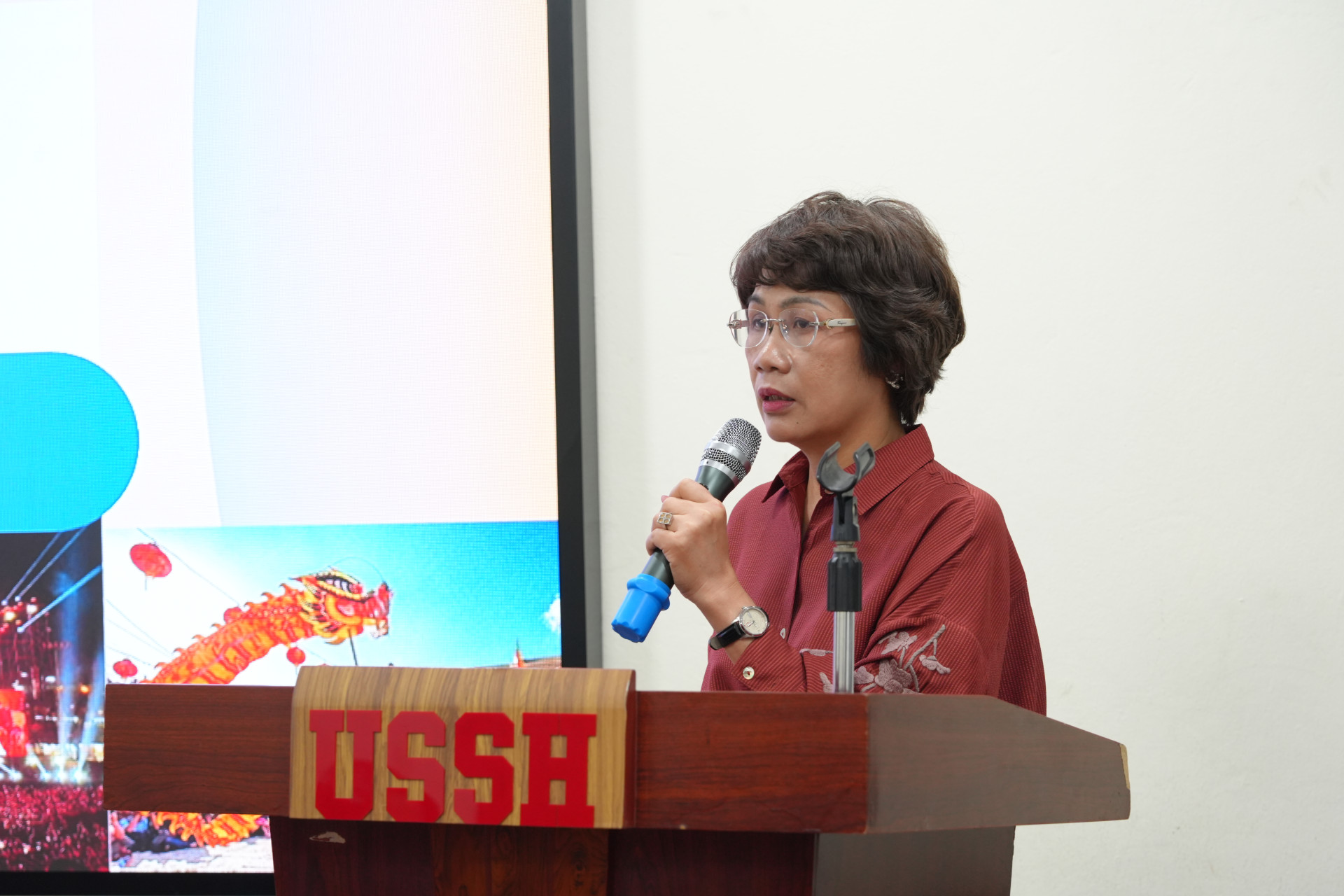
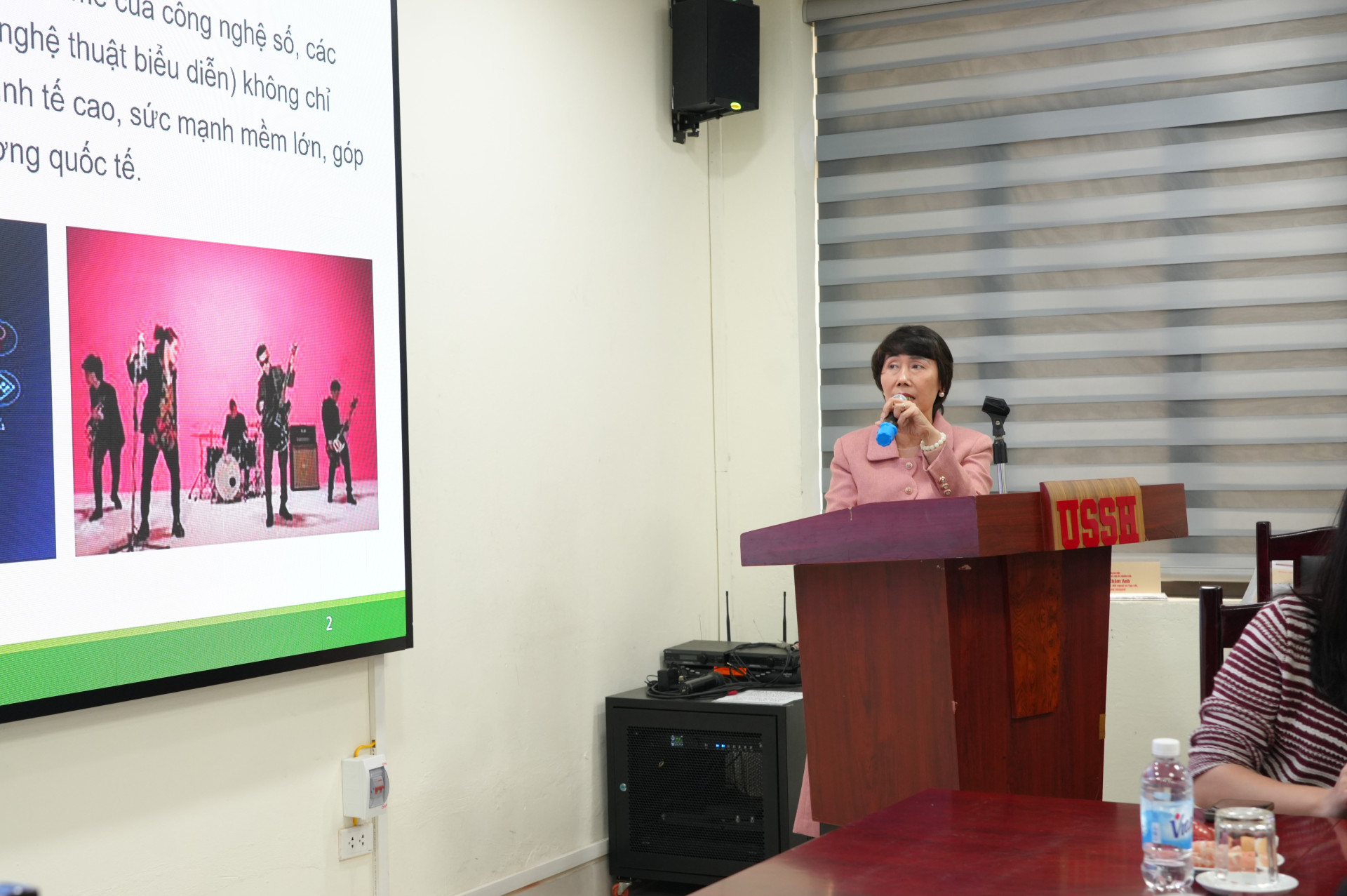
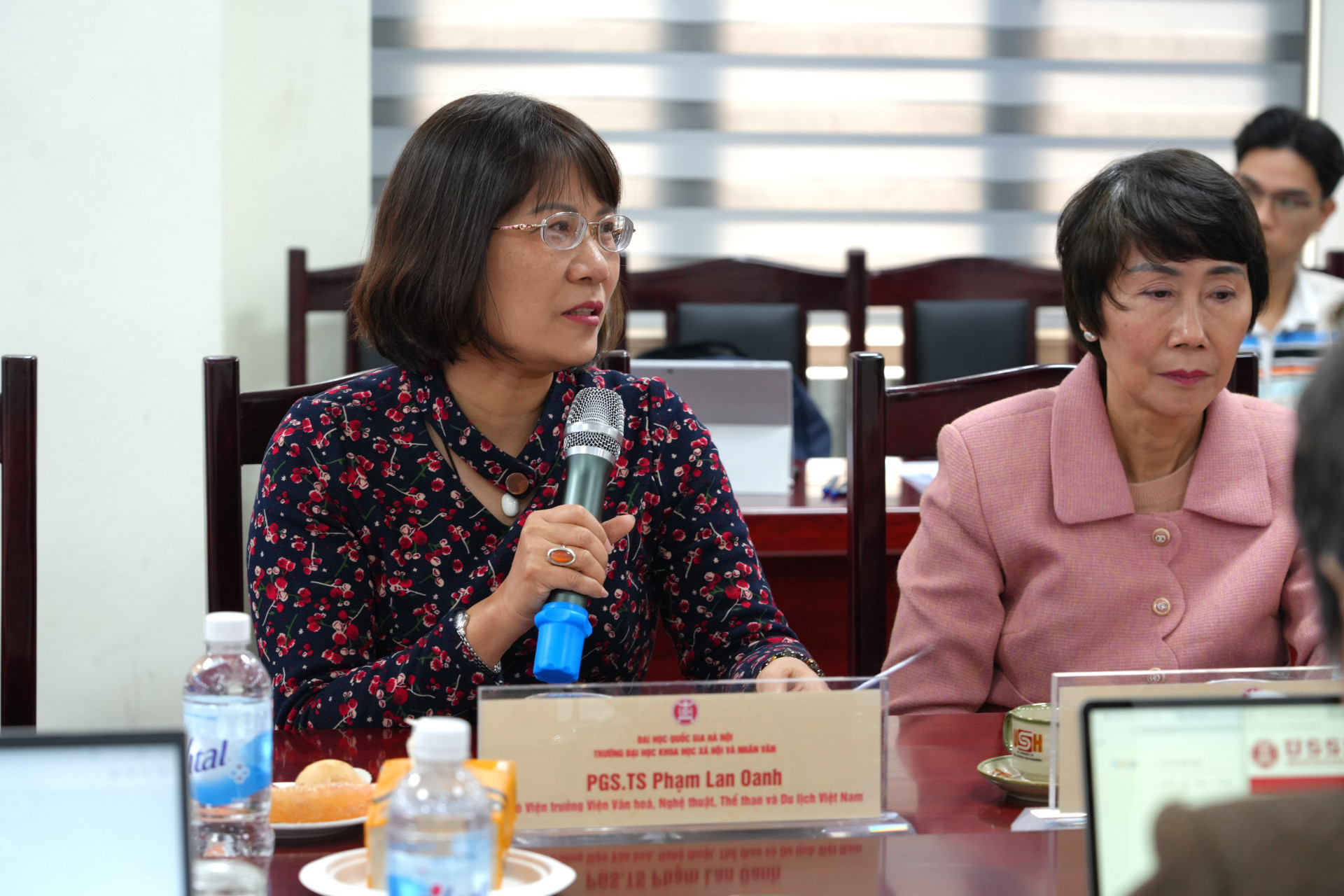
Associate Professor Dr. Nguyen Thi Thu Phuong - Director of the Vietnam Institute of Culture, Arts, Sports and Tourism, presented a paper entitled "Resolution 80-NQ/TW of the Politburo on the Development of Vietnamese Culture: From Strategic Goals to Tasks and Solutions for Developing Cultural Industries".
Thirdly, many presentations addressed the development of cultural industries and the creative economy as an important direction for transforming cultural values into economic resources. Experts believe that in the context of globalization and digital transformation, cultural industries can become one of the key sectors contributing to economic growth and enhancing national standing.
Fourth, the seminar emphasized soft power and the positioning of Vietnamese culture in the digital age. Scientists argued that it is necessary to build a creative ecosystem based on cultural foundations and national identity, combining art, technology, and the market to create new values, contributing to promoting the image of a creative and modern Vietnam on the international stage.
Fifth, many opinions focused on the issue of cultural governance and restructuring the human resource ecosystem, placing the people at the center of the cultural development process. According to experts, cultural development needs to be linked to improving the spiritual life of the community, while creating conditions for people to directly participate in the process of preserving and promoting cultural values.
Besides theoretical presentations, the seminar also introduced many practical experiences from localities and organizations in implementing cultural development policies. Models of heritage development linked to tourism, urban creative spaces, or the application of technology in promoting cultural values were assessed as potential directions in transforming cultural resources into drivers of socio-economic development.
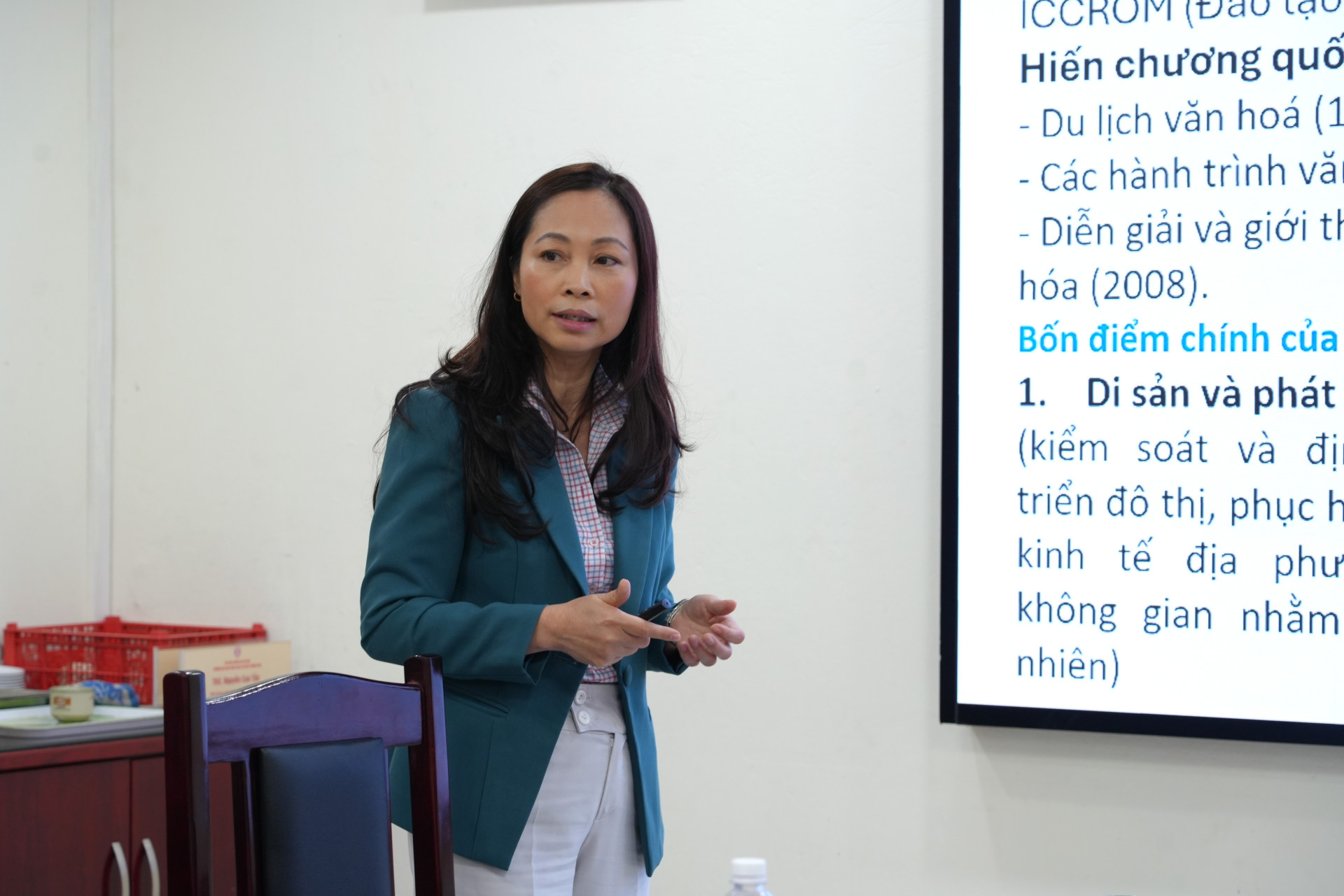
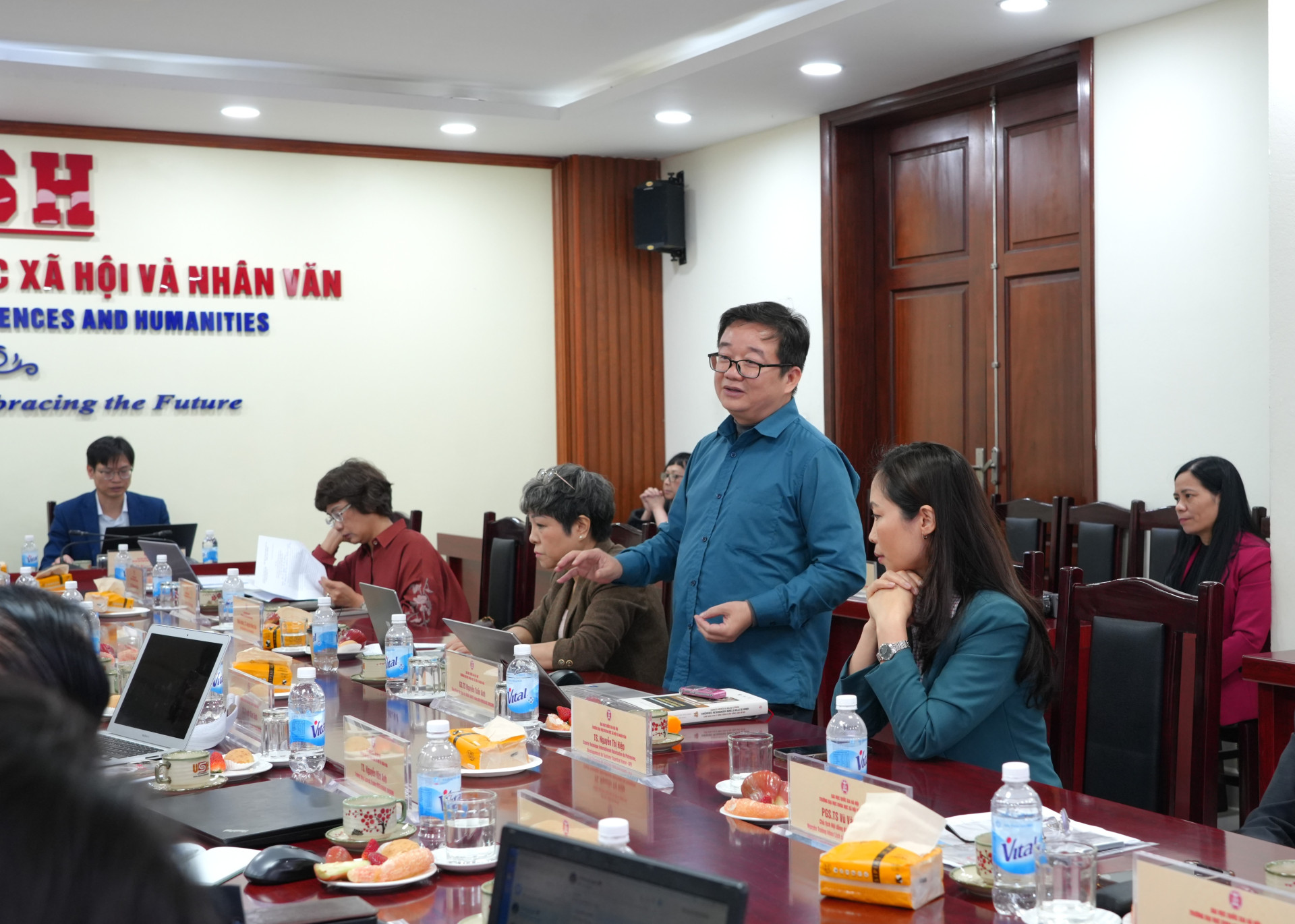
Ms. Nguyen Thi Hiep - International technical expert from Expertise France, the French International Technical Cooperation Agency - provided information on the application of multi-functional and multilingual technology for cultural heritage tourism itineraries in Hanoi.
Comrade Nguyen Thi Mai Huong - Deputy Director of the Hanoi Department of Culture and Sports - presented a paper entitled "Implementing Resolution 80 of the Politburo on the Development of Vietnamese Culture in Hanoi City".
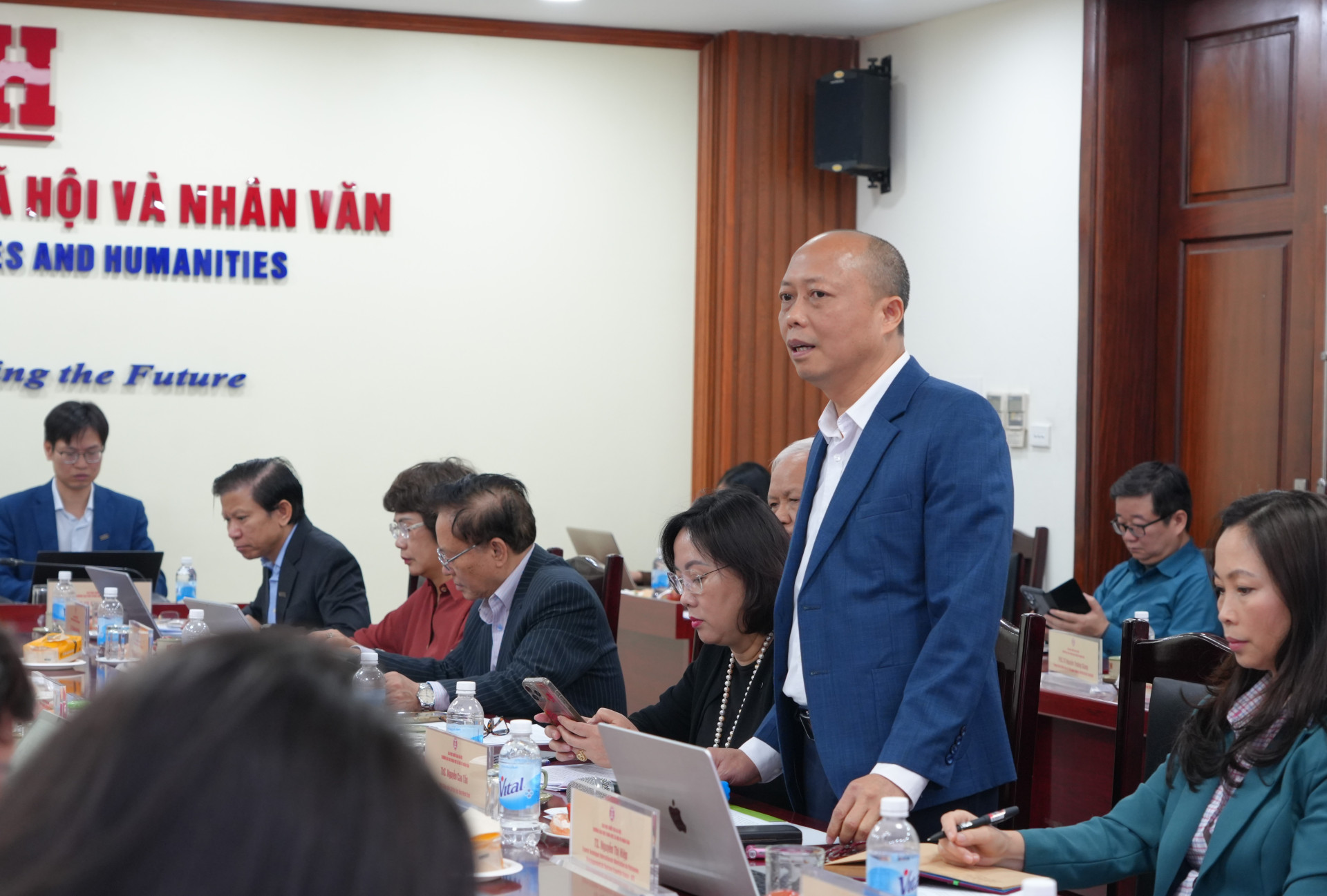
Mr. Nguyen Cao Tan, Deputy Director of the Ninh Binh Provincial Department of Tourism, shared insights on the implementation of the goal of developing cultural and tourism industries into key economic sectors in Ninh Binh. In concluding the seminar, the scientists agreed that cultural development in the new era requires a comprehensive approach, from mindset and institutions to practical implementation. This includes adhering to the perspective that culture is a regulator of development, continuing to address bottlenecks in policies and resources, and strongly promoting the cultural industry and innovative cultural development models in the context of digital transformation.
The organizers stated that all presentations and contributions at the seminar will be compiled to form official recommendations and action programs of the University of Social Sciences and Humanities, Vietnam National University, Hanoi, to be submitted to relevant authorities in order to contribute to the swift implementation of the Resolution of the 14th National Congress and Resolution 80-NQ/TW. This will also serve as an important basis for the university to continue contributing its scientific expertise to the planning and implementation of national cultural development policies in the future.
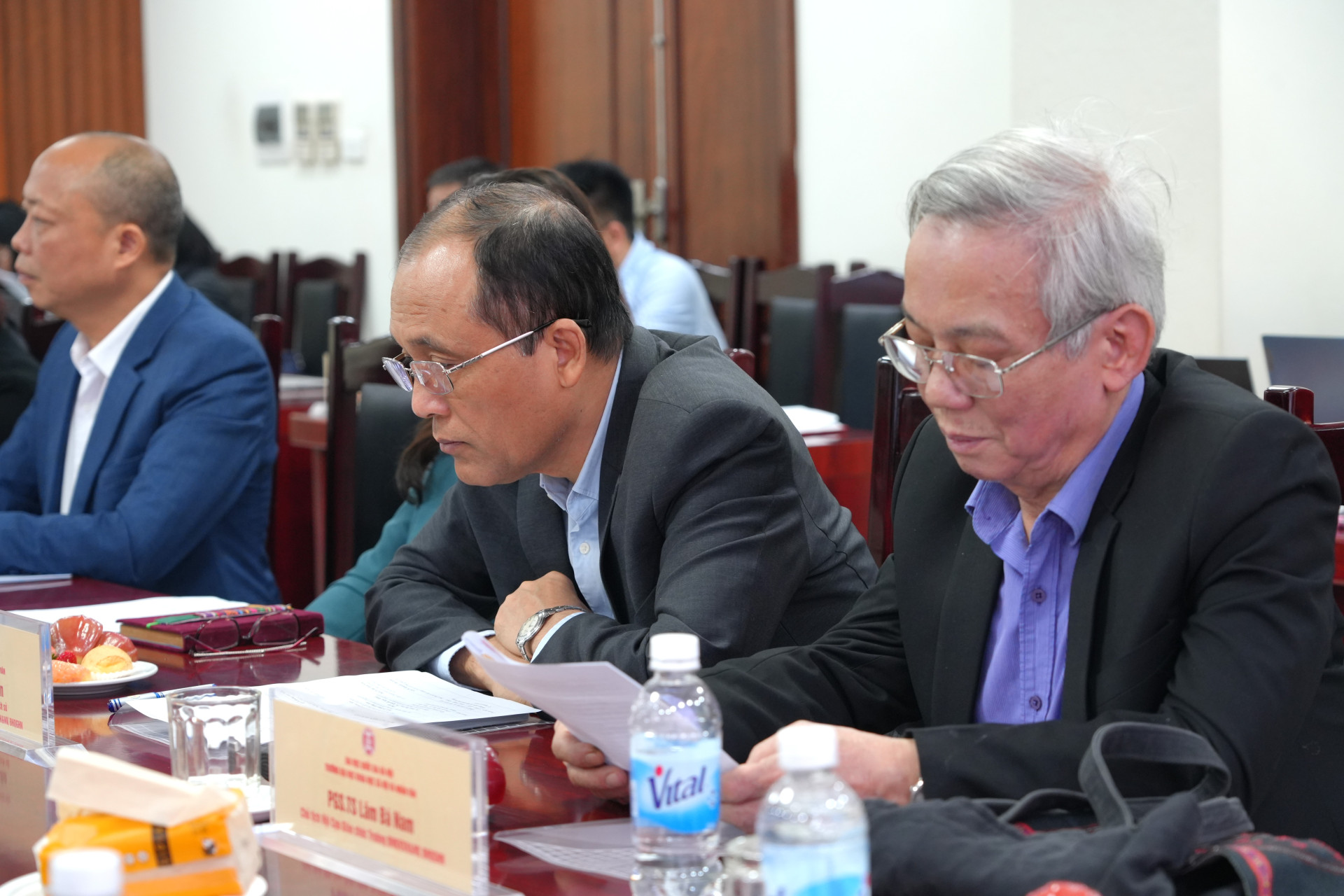
Here are some photos from the seminar:
Related articles:
Nhan Dan Newspaper:Scientific seminar on Resolution 80-NQ/TW: From strategic goals to solutions for developing Vietnamese culture.
Great Unity:Scientists offer suggestions for implementing Resolution 80-NQ/TW on cultural development.
Labor Newspaper:Cultural revival must begin with reforming the education system.
Thanh Nien Newspaper:Boosting digital immunity and school cultural competence
Vietnam.vn: Scientific seminar on Resolution 80-NQ/TW: From strategic goals to solutions for developing Vietnamese culture.
Hanoi Department of Culture and Sports:Contributing to bringing the Politburo's Resolution No. 80-NQ/TW on the development of Vietnamese culture into life.
Series of Scientific Seminars on Understanding and Implementing the Resolution of the 14th National Congress of the Party
Scientific seminar on implementing the Resolution of the 14th National Congress of the Party: "Vietnamese Politics and National Governance in the Context of Restructuring and International Integration"