
Overview of the Conference
Don't let cultural capital remain just potential.
Vietnam possesses rich heritage resources, a long history, and a wealth of indigenous knowledge. However, these values will remain merely potential if there is a lack of capable individuals to research, interpret, digitize, and transform them into valuable assets. Meanwhile, the development of the cultural industry is placing increasingly high demands on creative human resources, especially those with interdisciplinary thinking skills and the ability to connect culture, economics, technology, management, and intellectual property.
Based on this reality, Professor Hoang Anh Tuan argues that higher education cannot continue to be limited to a closed, academic knowledge transmission model that is detached from the needs of life. Universities must become research centers, providing reliable source data, training high-quality human resources, and directly participating in the innovation ecosystem.
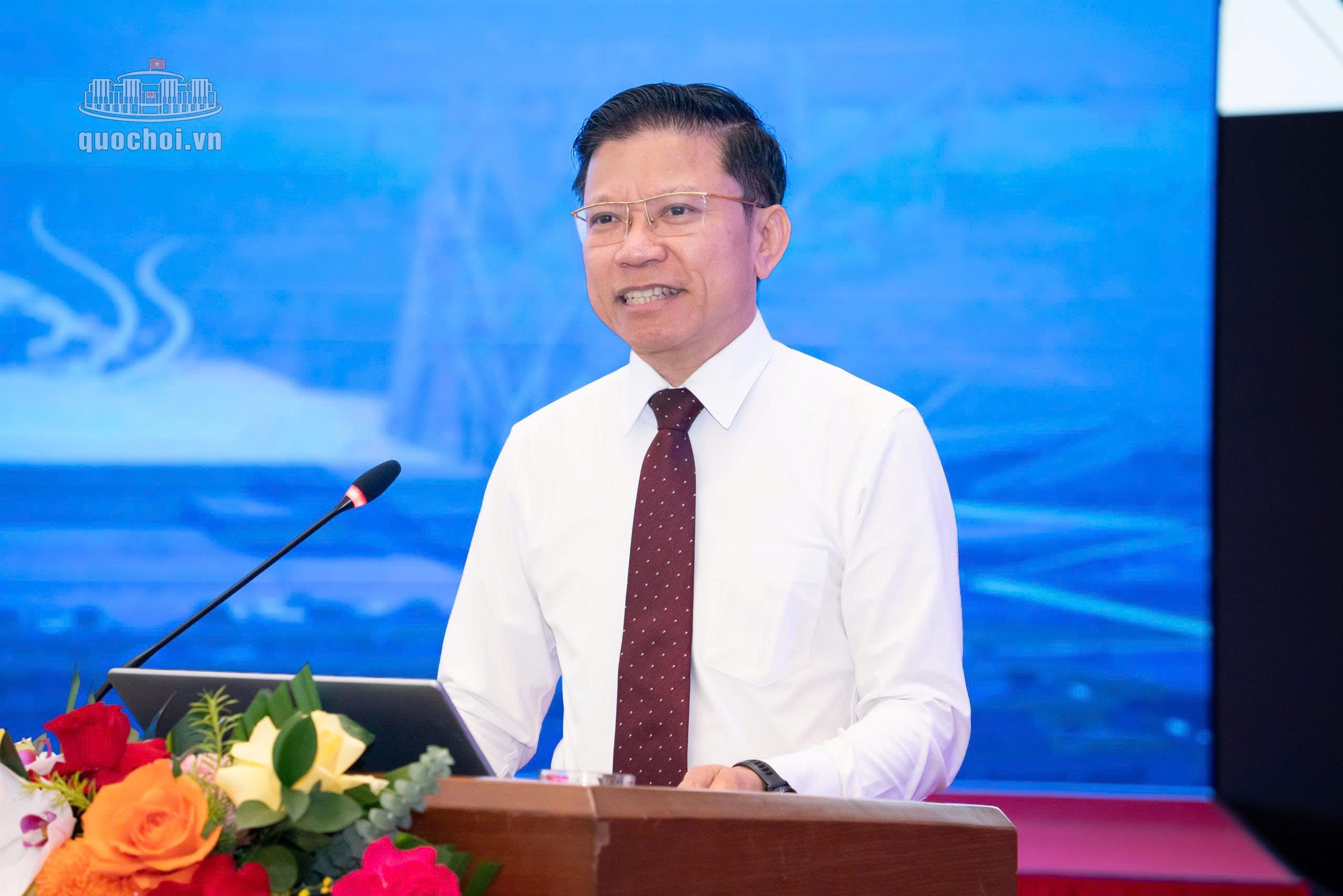
Professor Hoang Anh Tuan, Rector of the University of Social Sciences and Humanities, Vietnam National University, Hanoi, presented a paper entitled "Transforming Cultural Capital into a Creative Economic Driver: The Role of Higher Education in the State-University-Enterprise Linkage Model".
Students and researchers, in addition to understanding Vietnamese history and culture, need to be equipped with knowledge of management, technology, intellectual property law, design thinking, and creativity. This is the foundation for research ideas to be modeled into projects, cultural products, or solutions serving the community before being transferred to businesses and the market.
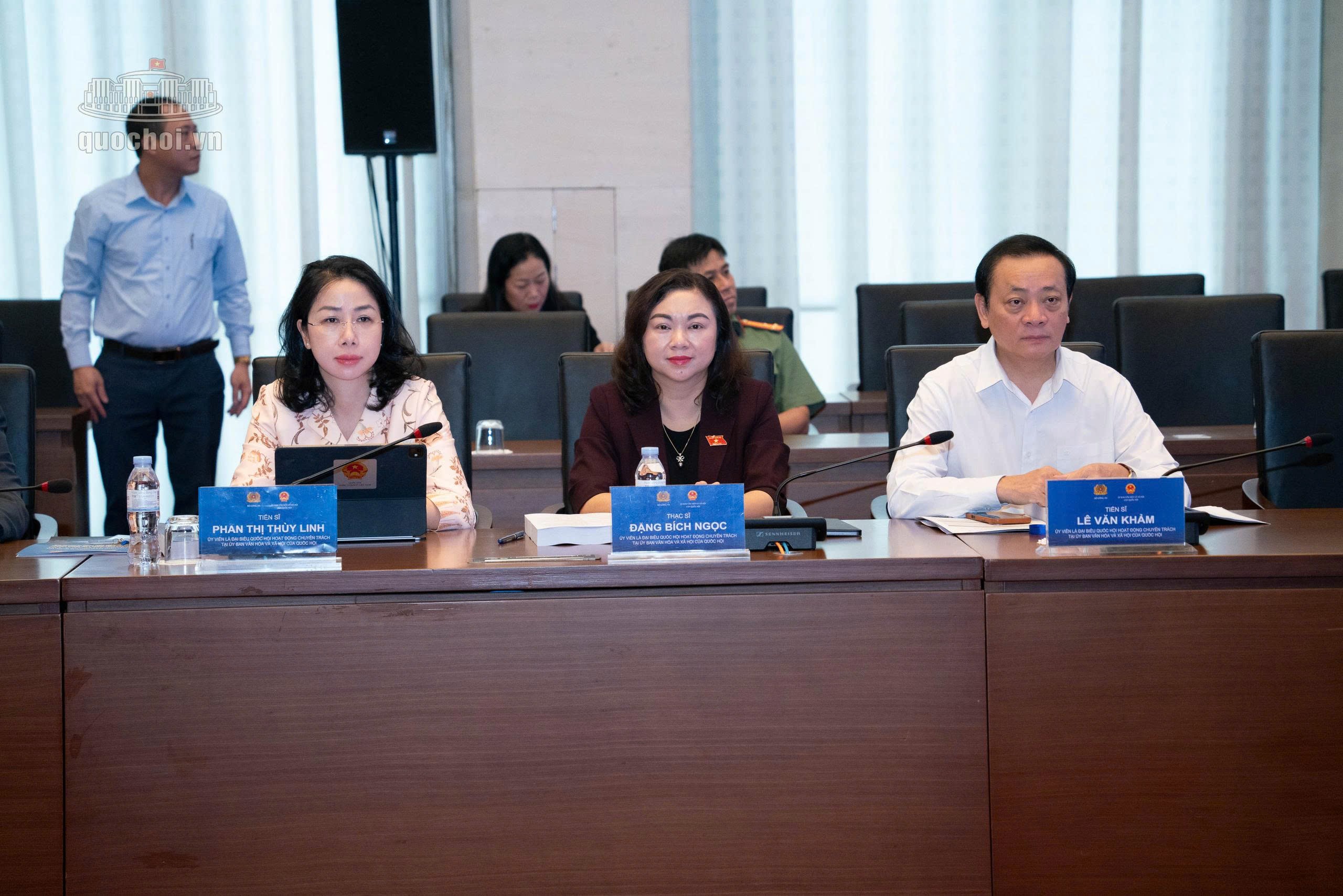
Delegates attending the Workshop
Three entities participate together in a creative process.
Professor Hoang Anh Tuan proposed applying the "three-spiral" model, comprising the State - Schools - Enterprises, to establish a closed-loop linkage cycle for the exploitation, regeneration, and continuous enhancement of cultural resources. In this model, schools are centers for interdisciplinary knowledge training, providing cultural and human capital; enterprises are the launching pad for technology application and product commercialization; and the State plays the role of creating institutions, policies, and infrastructure for the creative ecosystem.
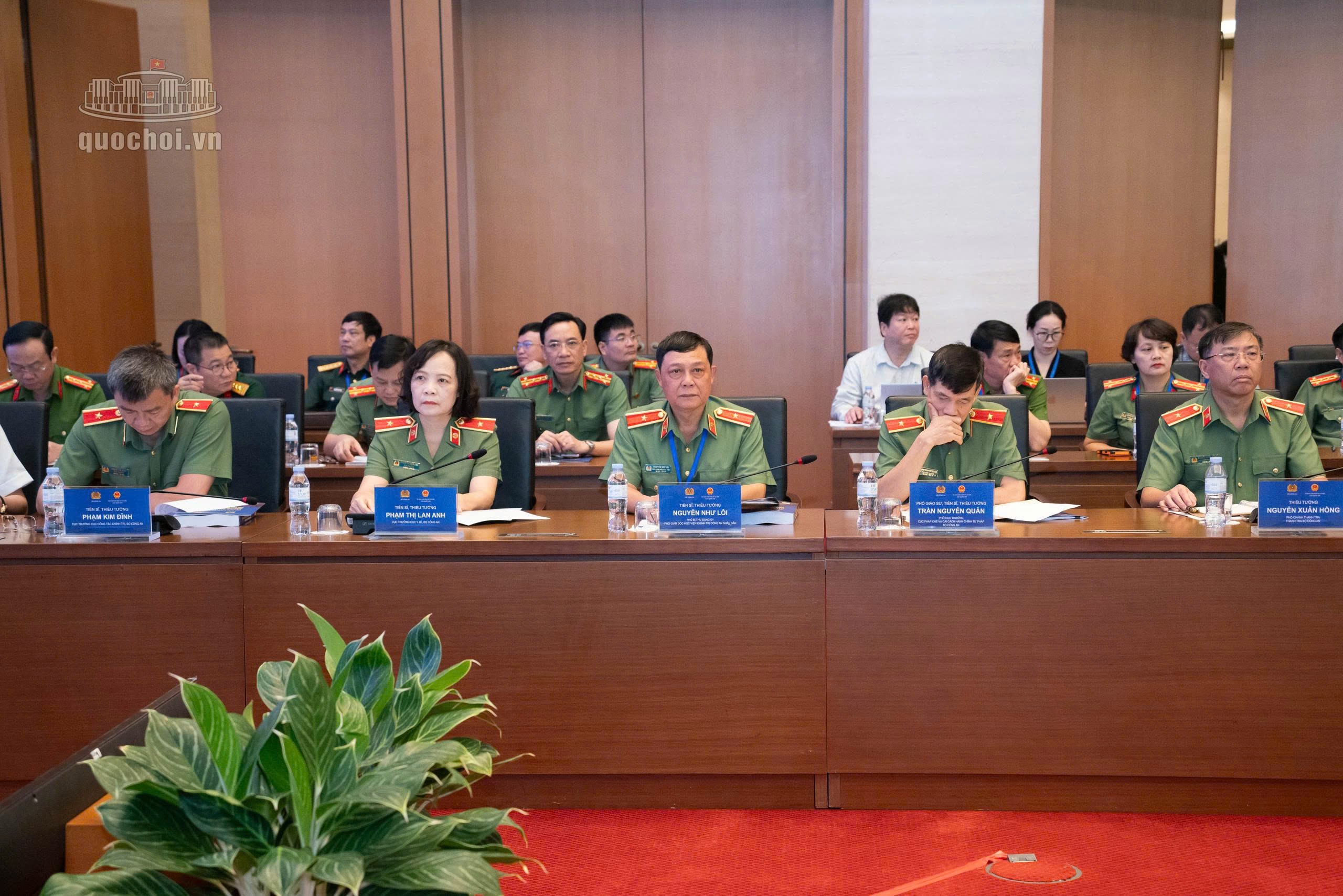
Delegates attending the Workshop
The intersection of these three entities will create a collaborative space where government agencies, businesses, and researchers can work together to solve development problems at the local and national levels. Historical, cultural, and social knowledge will not only be present in research but can also become a valuable resource for application, contributing to economic value.
Professor Hoang Anh Tuan stated that the practical experience at the University of Social Sciences and Humanities has shown positive signs. By the end of 2025, revenue from science, technology, innovation, and knowledge transfer will account for approximately 26% of the university's total revenue; this percentage is expected to continue increasing in the first nine months of 2026. Notably, more than half of the revenue from science and technology activities comes from the field of culture and heritage.
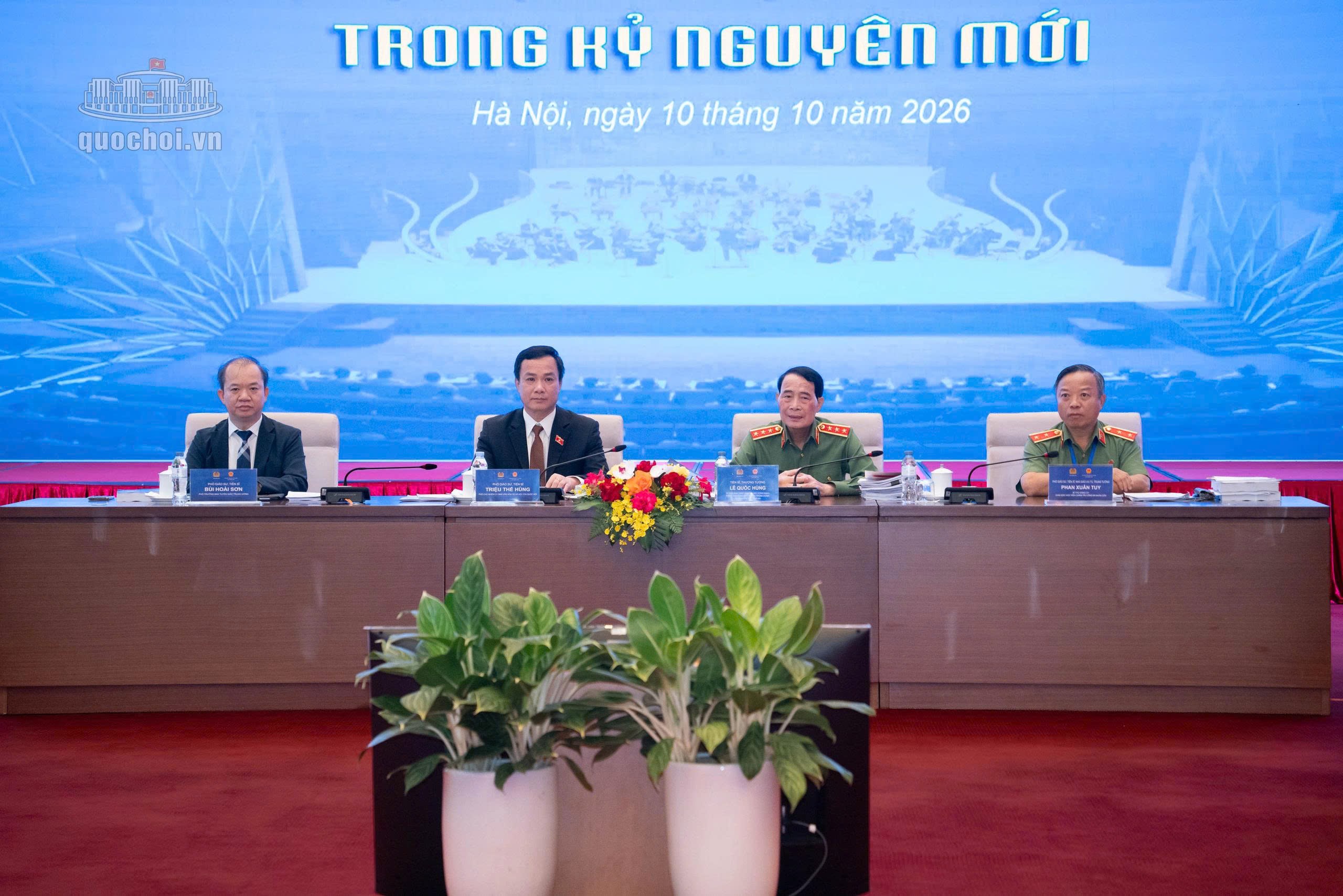
The Presiding Committee chaired and conducted the workshop.
According to Professor Hoang Anh Tuan, this result shows that the potential for transforming cultural knowledge into a resource for development is enormous if there is a suitable cooperation mechanism and the participating entities act proactively.
Shifting from budget allocation to knowledge ordering.
For the State and local governments, Professor Hoang Anh Tuan suggested strengthening mechanisms for policy testing and knowledge acquisition. The legal framework for public-private partnerships has long been designed primarily for sectors such as transportation and energy, while culture, education, and the arts still lack sufficiently flexible mechanisms. This makes many businesses hesitant to invest in contemporary art museums, digital theaters, or provide long-term funding for projects producing cultural products linked to heritage.
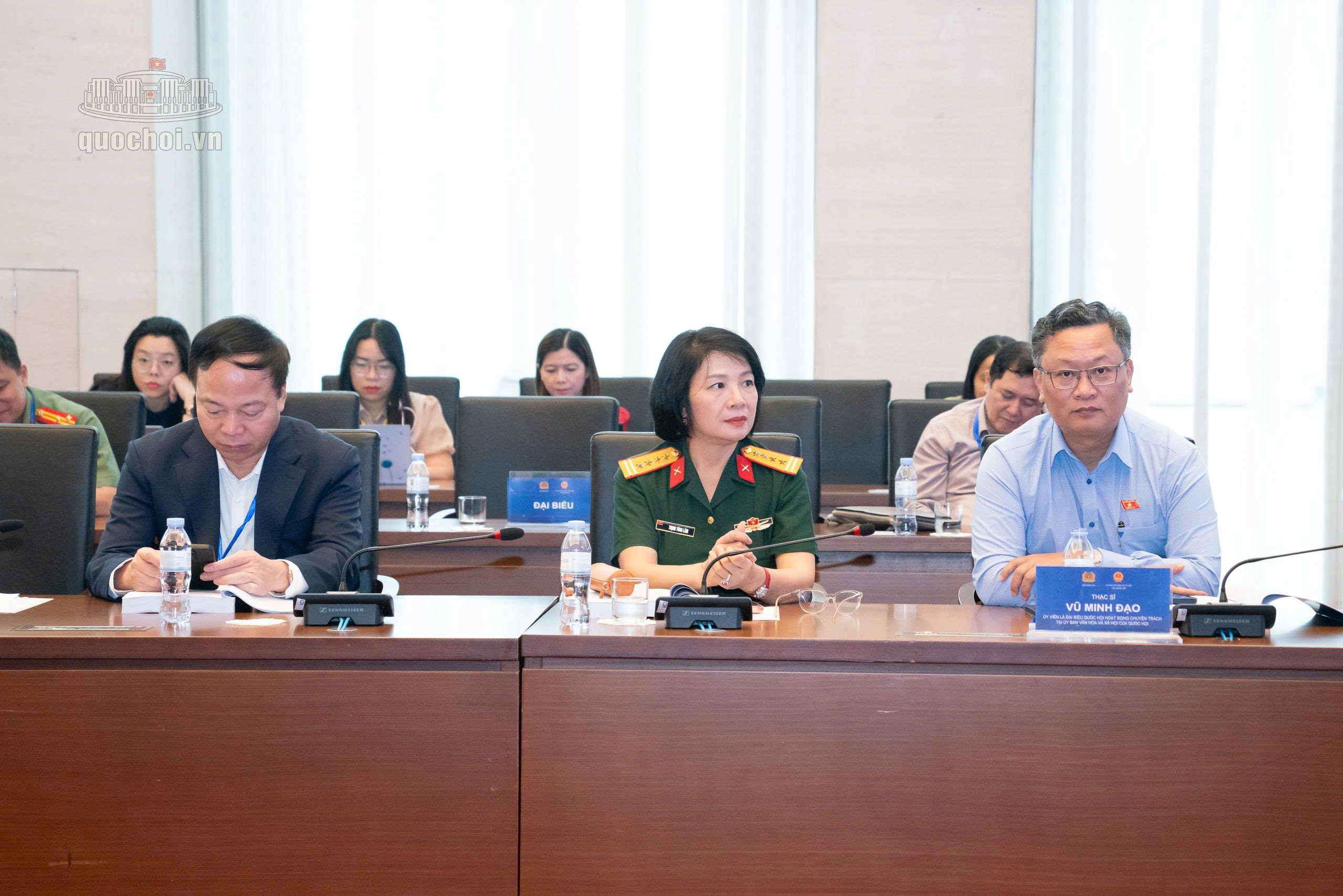
Delegates attending the Workshop
Therefore, the State needs to study the establishment of policy pilot zones in a number of key localities, creating conditions for universities and businesses to flexibly exploit heritage spaces on the basis of openness, transparency, and reasonable benefit sharing.
Furthermore, there is a need to shift from a scattered budget allocation mindset to one focused on key tasks. Ministries, departments, and localities can commission universities and research institutes to carry out fundamental socio-cultural research projects, digitize heritage, and measure cultural indicators. This mechanism both leverages the in-depth research capabilities of higher education institutions and provides a reliable scientific foundation for businesses to develop products, limiting the risk of inaccuracies regarding national history and culture.
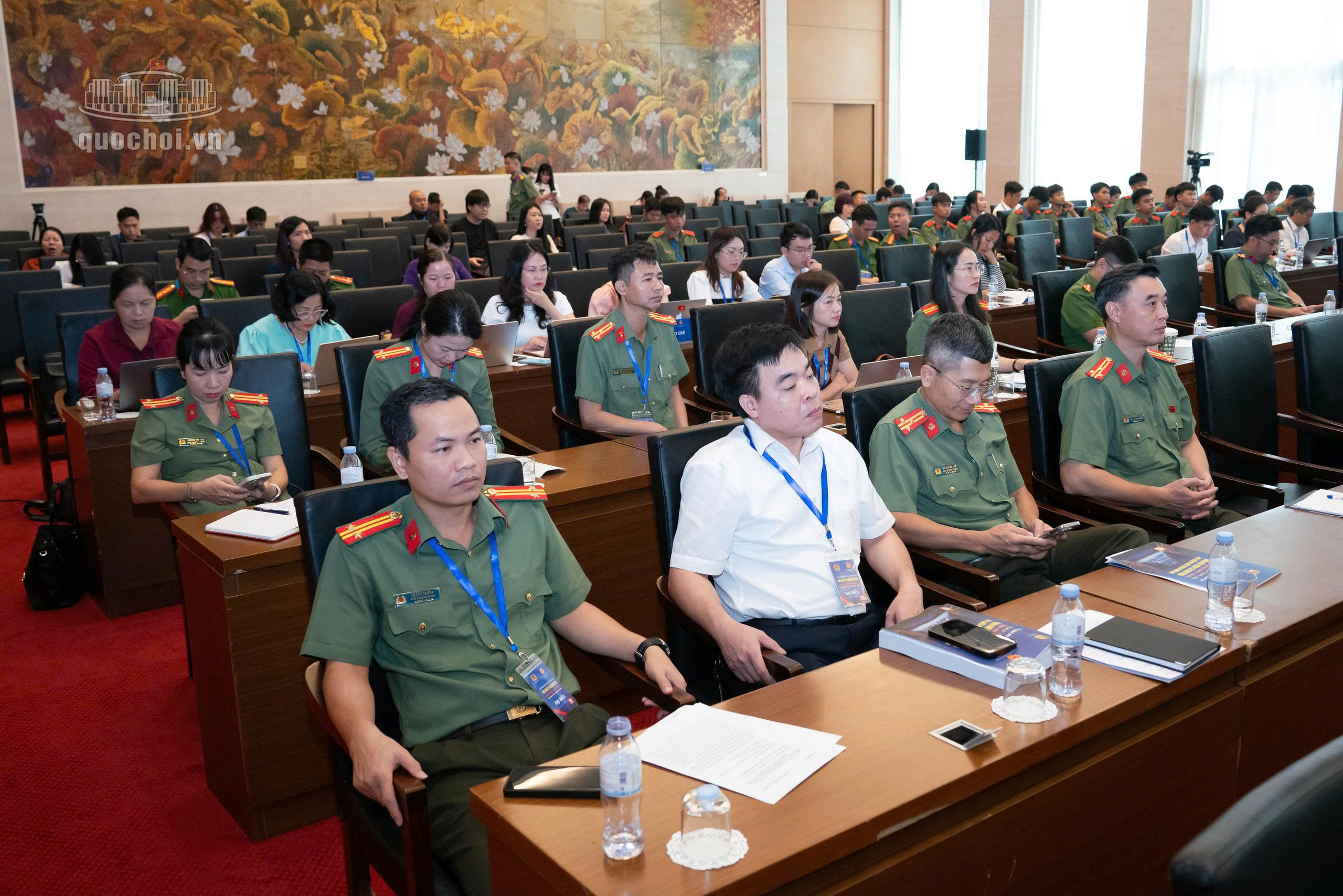
Delegates attending the Workshop
Businesses need to be involved right from the idea generation stage.
For higher education institutions, Professor Hoang Anh Tuan suggested proactively transforming academic knowledge into projects that serve real life; participating in strategic consulting for localities, designing livelihood models based on community and heritage, building history and culture education content on digital platforms, and developing creative spaces. Universities also need mechanisms to support lecturers, trainees, and students in implementing applied projects, thereby further affirming the capacity of higher education to serve social development.
For businesses, Professor Hoang Anh Tuan emphasized the need to consider culture and history as important resources, and to proactively cooperate with researchers and experts right from the idea stage for products such as films, video games, fashion design, or live performance programs.
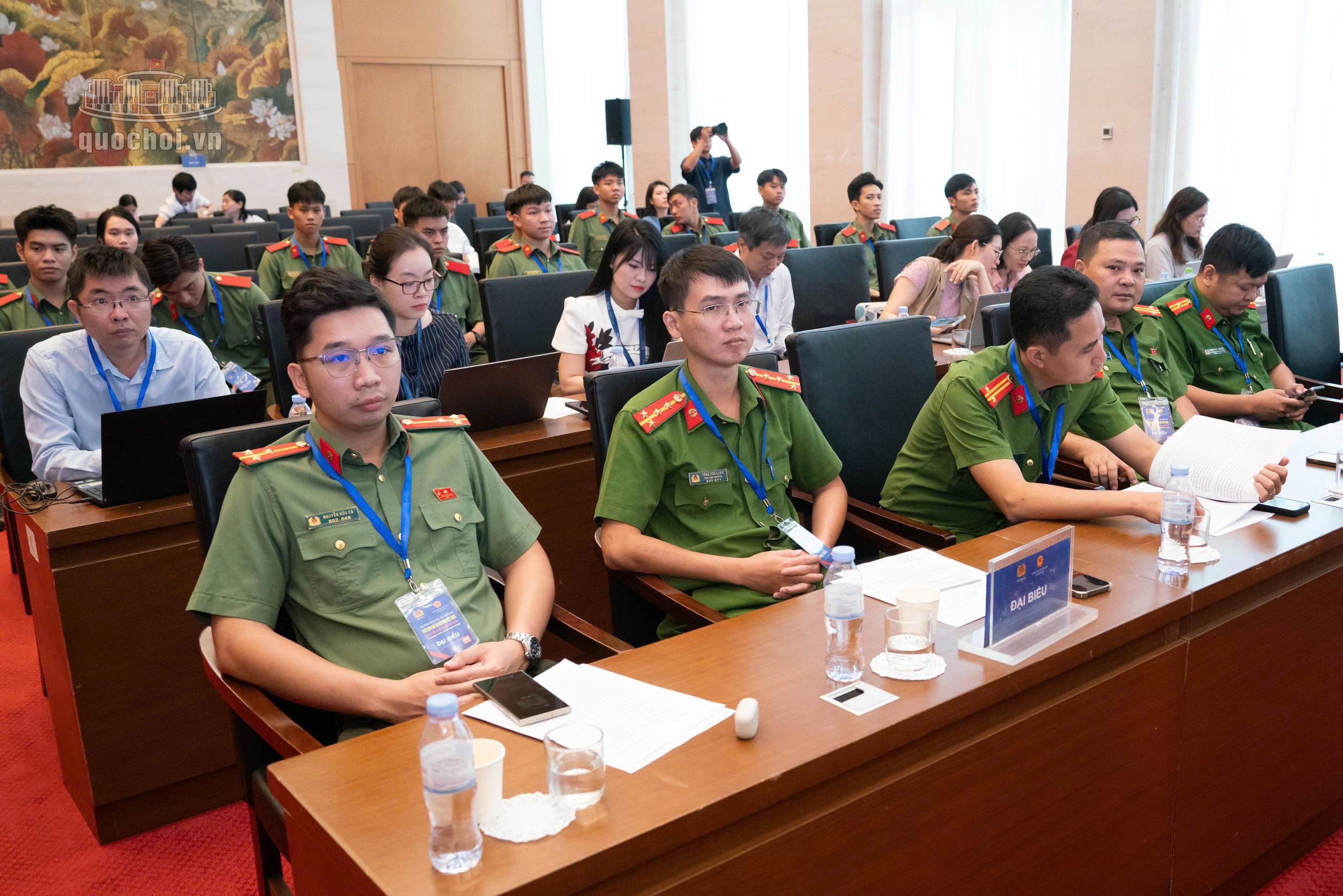
Delegates attending the Workshop
Early involvement from researchers will help ensure that the product is both appealing and possesses depth and accuracy in terms of history and culture. The commercialization process must also be linked to the responsibility of sharing benefits, reinvesting in heritage preservation, and improving the livelihoods of the communities that possess and practice the heritage.
According to Professor Hoang Anh Tuan, the strength of a nation in the digital age increasingly depends on the intelligence and creativity of its people. Therefore, transforming cultural capital into economic driving force cannot be the sole task of the cultural sector or research institutions, but requires genuine synergy between the State, schools, and businesses on a foundation of transparency, respect for identity, and sustainable development.
Related articles:
National Assembly's online portal:Transforming cultural potential into a driving force for development.
People's Representatives Newspaper: A bridge to transform cultural capital into a driving force for development.
People's Public Security Political Academy: The national-level scientific conference was a great success: Initiating new momentum and leveraging cultural values as a driving force for development in the digital age.
Vietnam.vn:A bridge to transform cultural capital into a driving force for development.
Author:National Assembly Electronic Portal
Newer news
Older news

