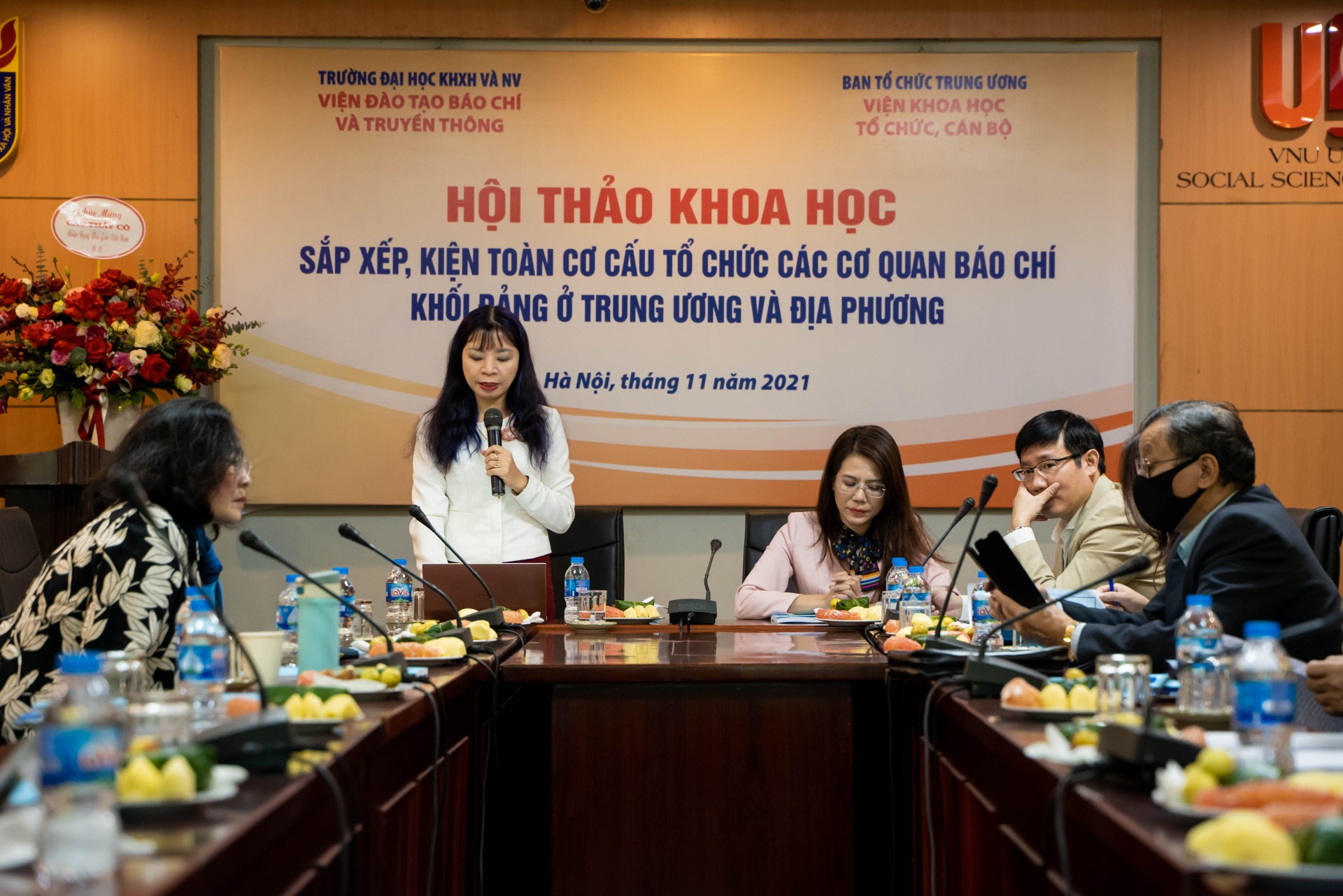
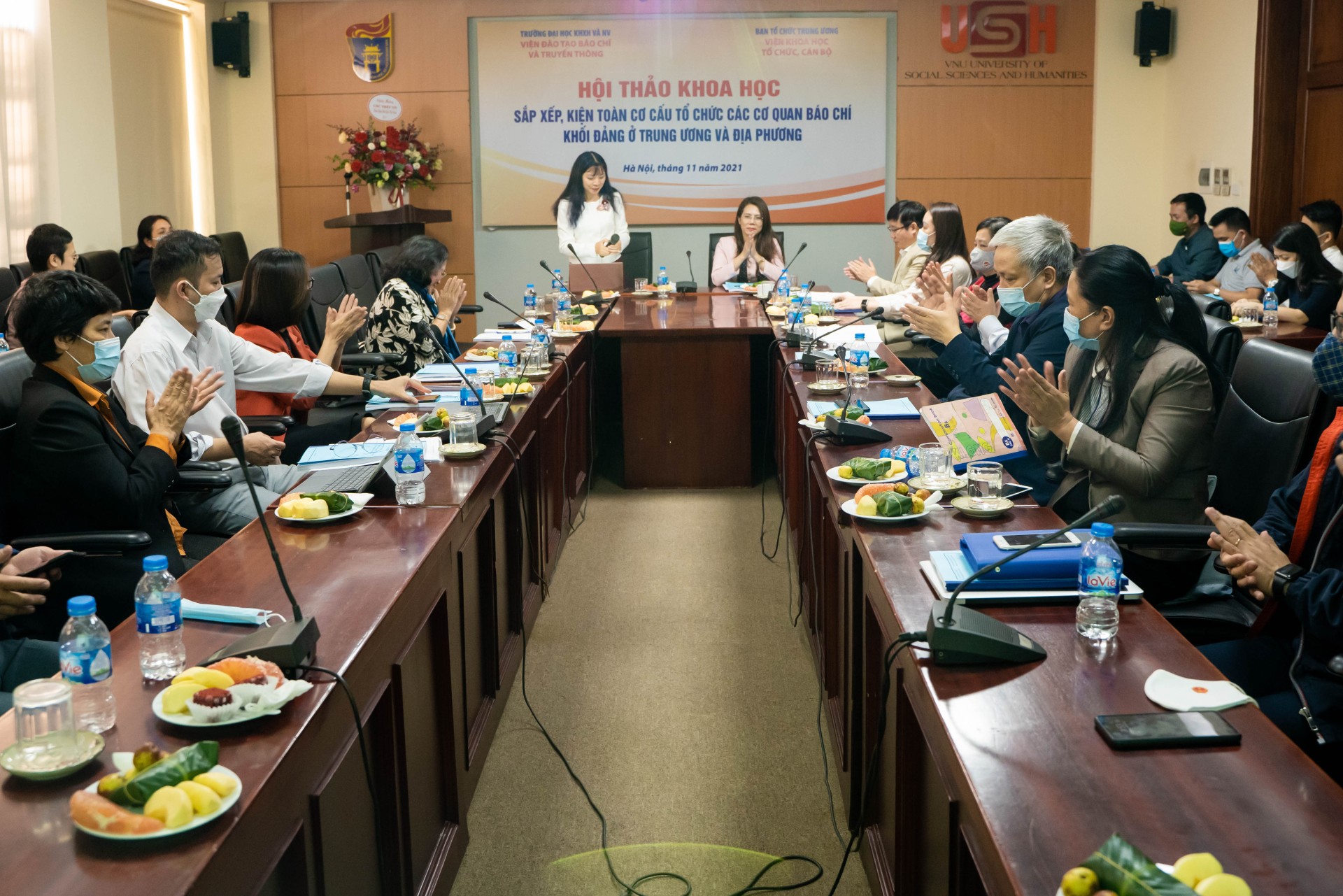
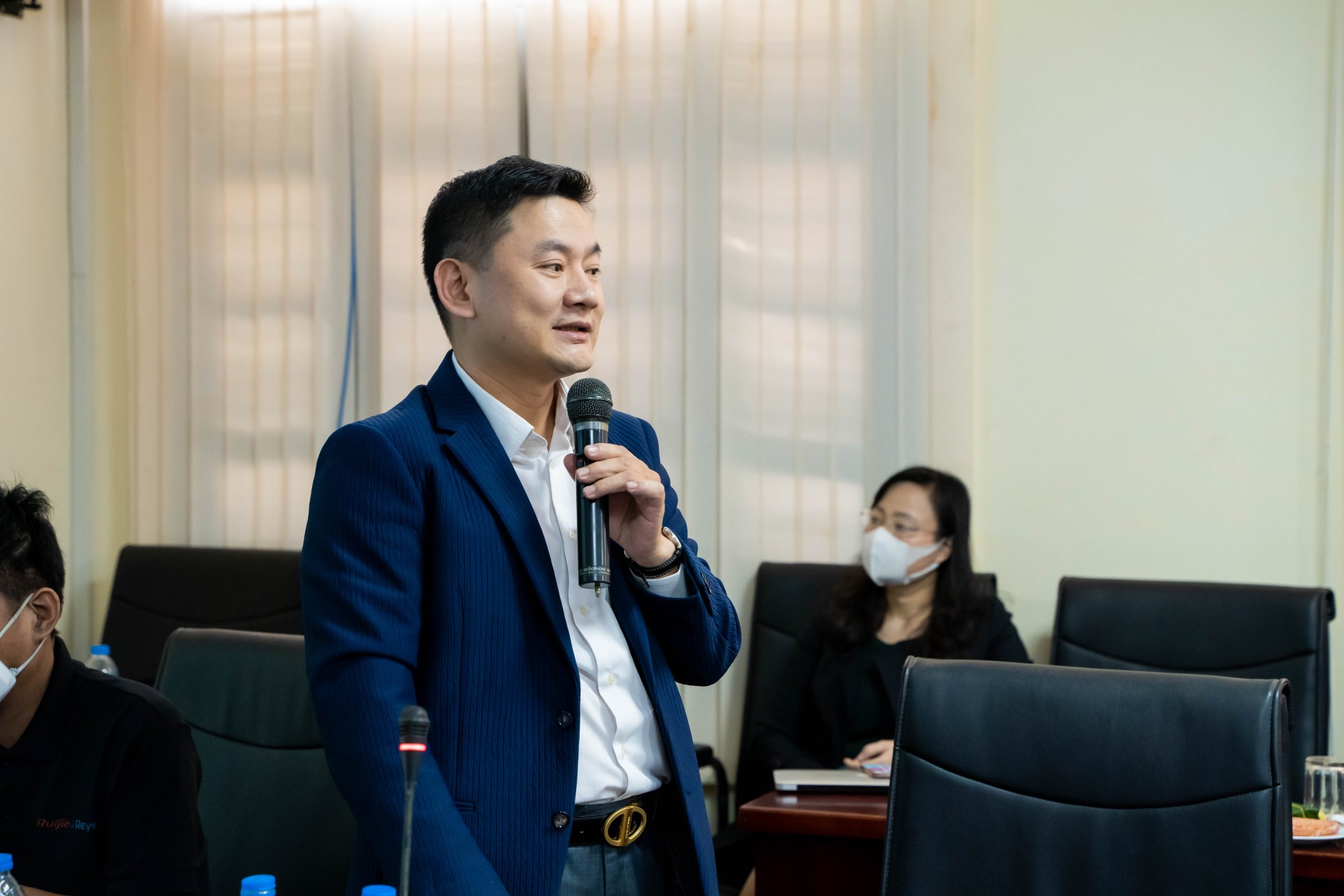
Assoc. Prof. Dr. Dang Thi Thu Huong - Director of the Institute of Journalism and Communication Training
According to Associate Professor Dr. Dang Thi Thu Huong (Director of the Institute of Journalism and Communication Training), Decision 362/QD/TTg of the Prime Minister marks a significant turning point in the country's journalism development plan, both in terms of its impact and management philosophy. This planning and restructuring is taking place at a pivotal stage, when media and communication agencies face the challenge of innovating to better access the market, adapt to the development of science and technology, and meet the needs of the new journalistic audience.
The policy of restructuring the press reflects a shift in management thinking, from management that accompanies development to management that promotes development; addressing the commercialization of the press, deviations from its stated purpose, and deviations from the Party's guidelines... In addition, the restructuring of press agencies aims to streamline the apparatus, increase the efficiency of press operations, gradually shift towards a financially autonomous mechanism, so that the press can reach the public in the most practical way, helping Vietnamese press agencies position themselves and develop at the regional and global level.
However, after nearly three years of implementing the plan, alongside the results and achievements, many scientific and practical issues have been raised for press management agencies and newsrooms: clarifying the concepts and models of modern journalism, addressing challenges in merging and reforming press agencies, and developing solutions for building operational processes based on a multimedia newsroom model...
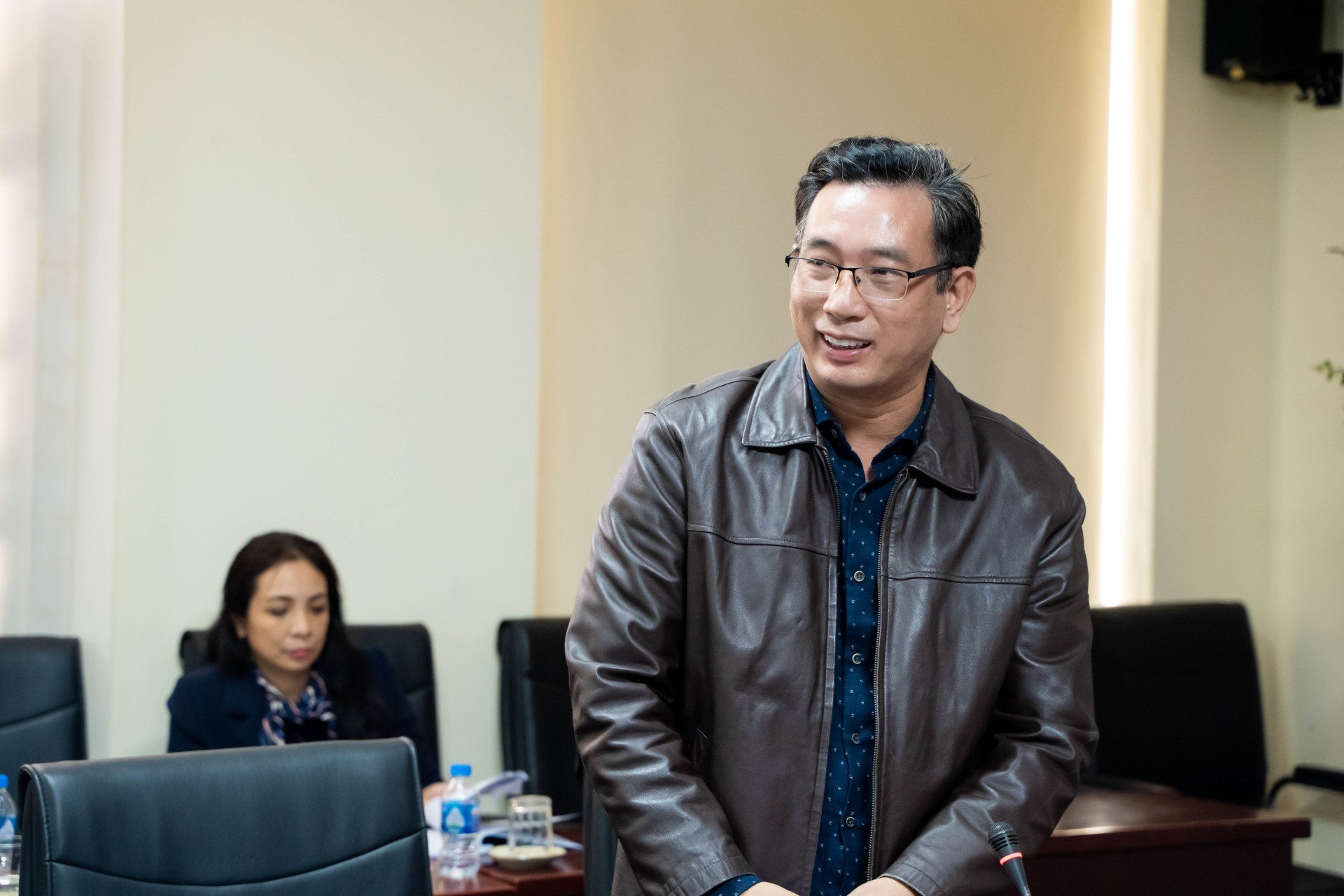
Assoc. Prof. Dr. Dinh Van Huong - Vietnam National University, Hanoi
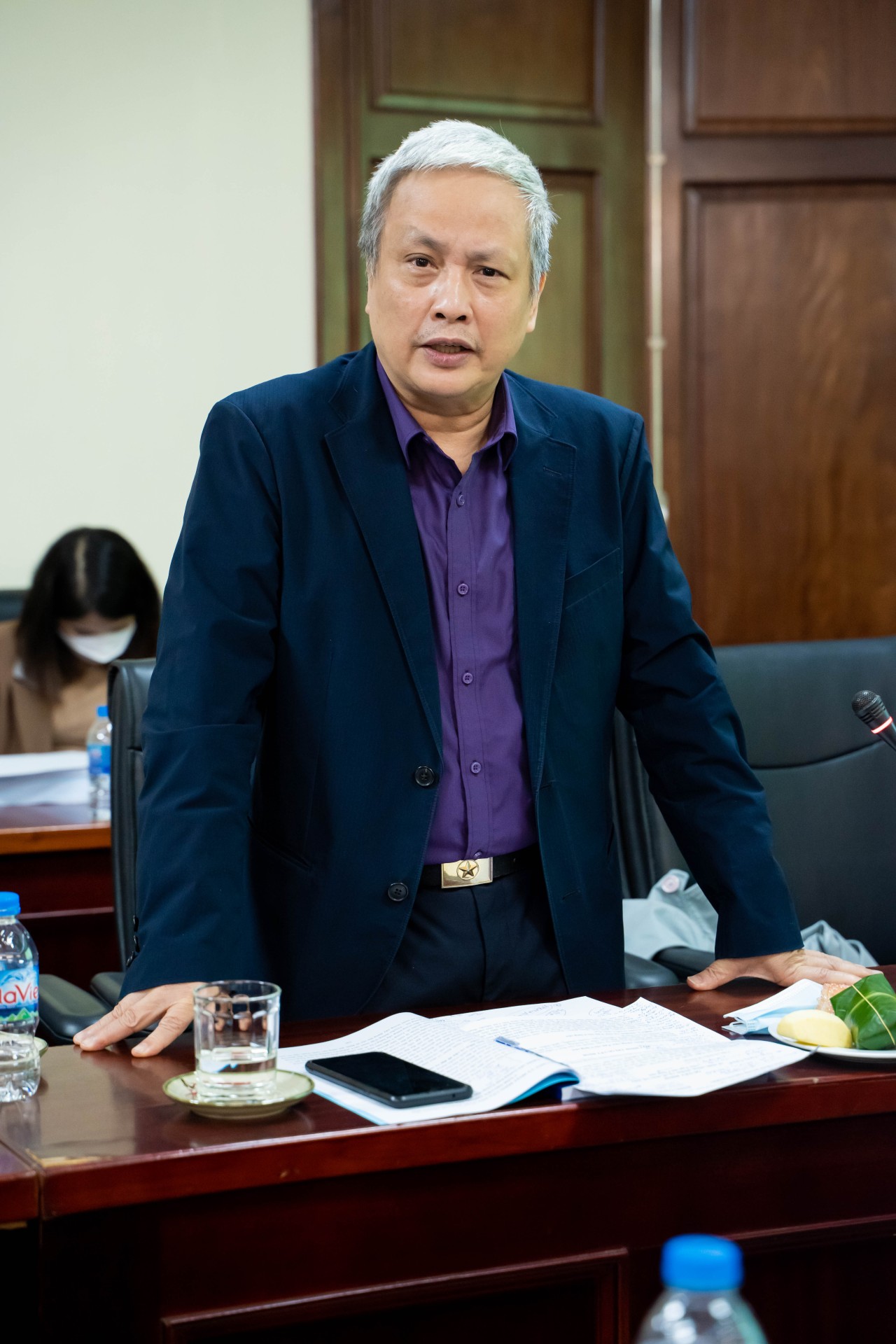
Associate Professor Dr. Dinh Van Huong (Vietnam National University, Hanoi) posed the question: "After a long period of subsidies and still heavily influenced by this mindset, what will happen to the Party's press agencies at the central and local levels as they gradually transition to financial autonomy?" Many issues need to be addressed in the process of implementing the press planning, such as: assessing the impact and influence of the plan on the ideology, interests, and aspirations of the target audience and the scope of regulation; how to innovate thinking and awareness regarding the management and governance of press agencies, from single-type to multi-type; and ensuring the necessary conditions regarding human resources, infrastructure, finance, and policy mechanisms for implementation.
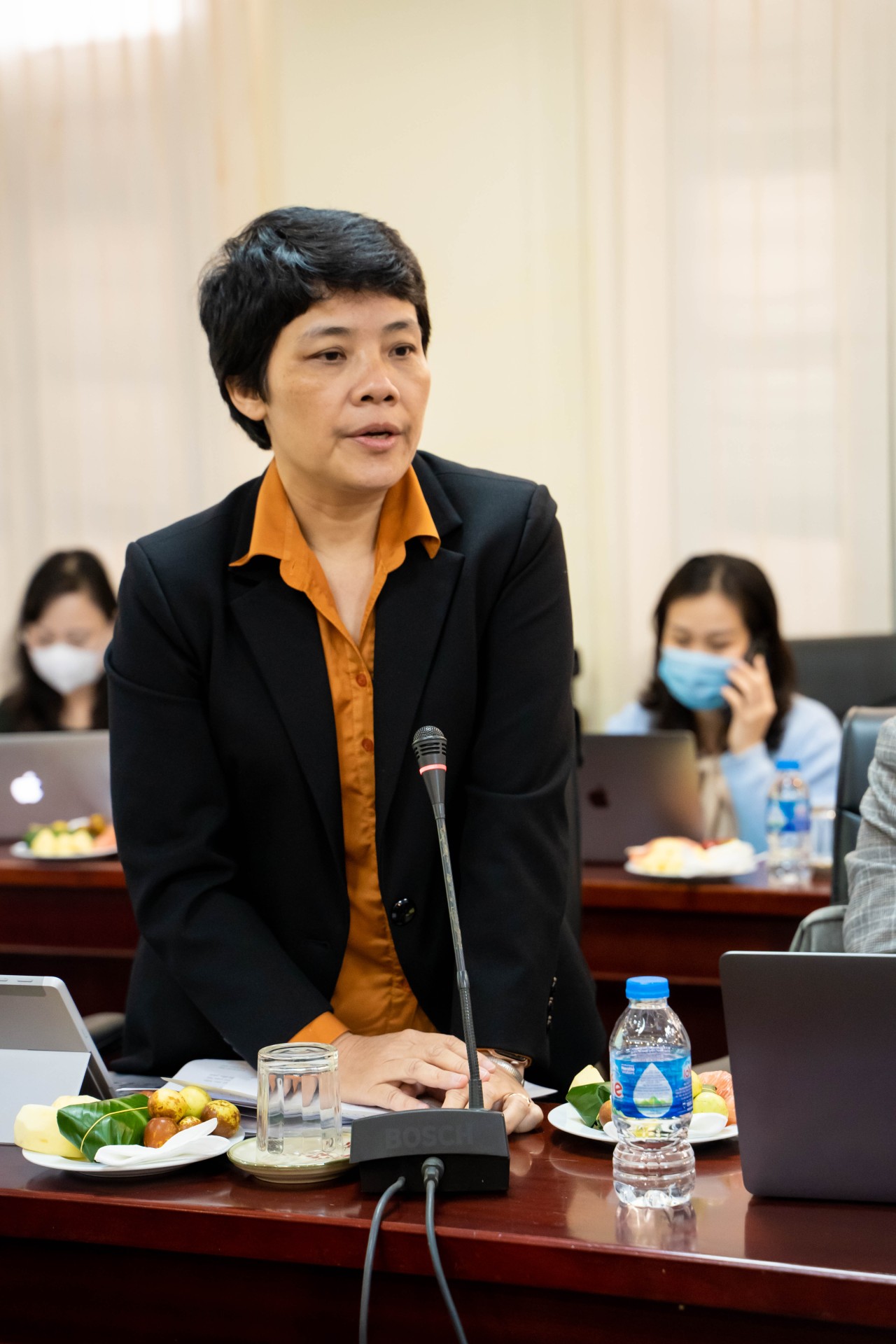
Ms. Nguyen Thi Thanh Thuy - Head of Press Management Department, Ministry of Information and Communications
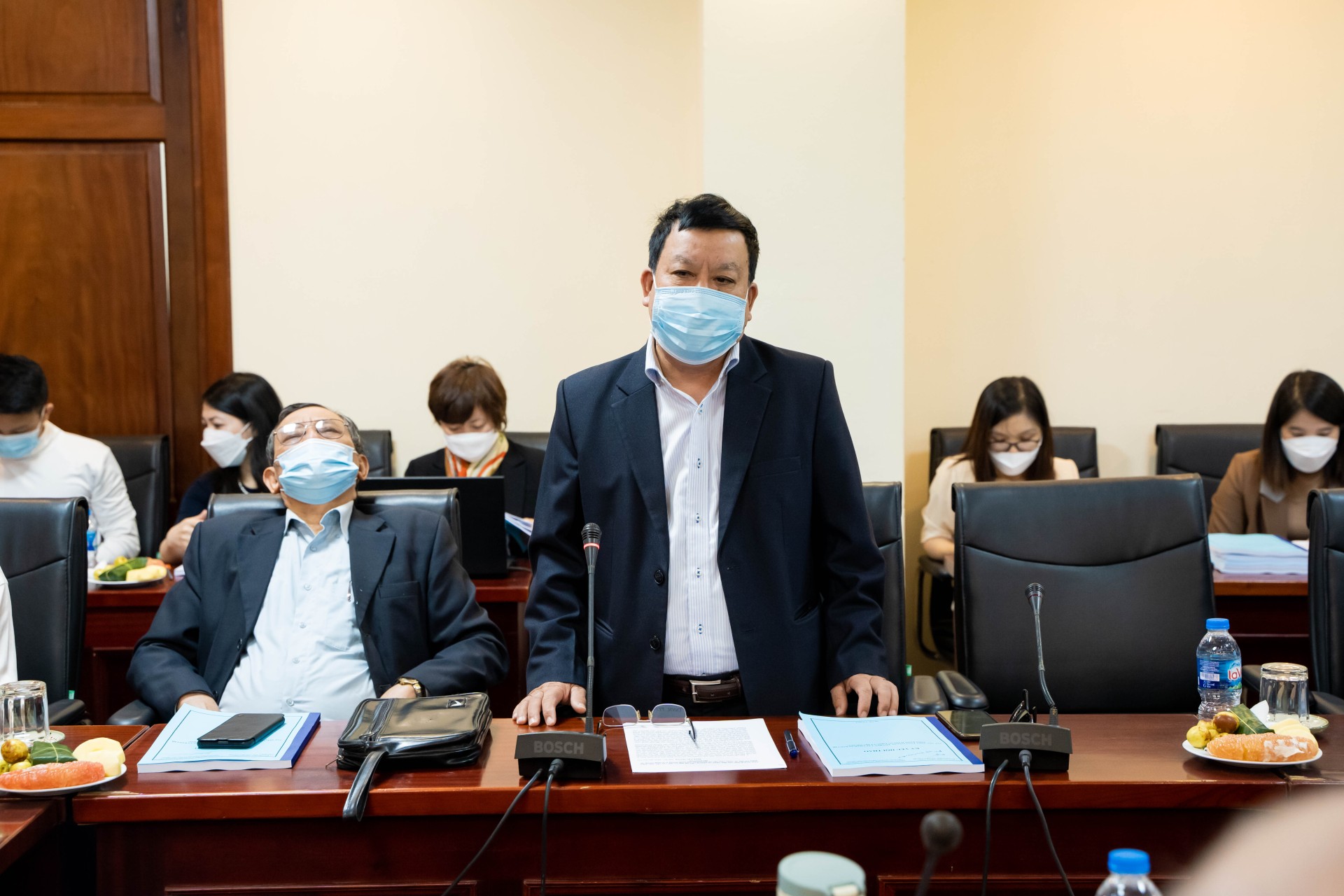
Ms. Nguyen Thi Thanh Thuy (Head of the Press Management Department, Ministry of Information and Communications) emphasized that, during the planning process, wherever the governing body of the press closely monitors the newspaper's operations and there is unity and consensus among the staff, the implementation proceeds quite smoothly. Furthermore, the biggest benefit is that the restructuring of the newspaper's editorial office has revealed many fundamental issues, helping the governing body to understand and find solutions.
Assoc. Prof. Dr. Vu Van Ha - Deputy Editor-in-Chief of the Communist Magazine
Associate Professor Vu Van Ha (Deputy Editor-in-Chief of the Communist Magazine) stated that after the decision on press planning was made, the Communist Magazine actively implemented it and has now completed the restructuring and consolidation in four aspects: personnel; organizational structure of products and publications; distribution; and finance. Regarding personnel, the Magazine faced the problem of streamlining departments and reducing staff while simultaneously increasing tasks and facing higher demands for quality. The solution implemented was to focus on ideological work, combining "hard" and "soft" principles, and concentrating on training human resources to meet job requirements.
Assoc. Prof. Dr. Bui Chi Trung - Institute of Journalism and Communication Training
Associate Professor Bui Chi Trung (Institute of Journalism and Communication Training) proposed building newsrooms based on the cross-media model already applied at the Vietnam News Agency and Nhan Dan Newspaper: using shared technological infrastructure, common operational processes, and shared data. In addition, the restructuring of the organization is a human resources issue, but it must also be accompanied by a content strategy that is appropriate to that organizational structure.
Dr. Do Anh Duc - Institute of Journalism and Communication Training
Dr. Do Anh Duc (Institute of Journalism and Communication Training) shared lessons learned about restructuring newsrooms in Western media. Accordingly, people are considered both the driving force and the goal of digital transformation; aiming to reduce manpower, downsize newsrooms, and produce more content with fewer people; maximizing benefits and fostering engagement with users.
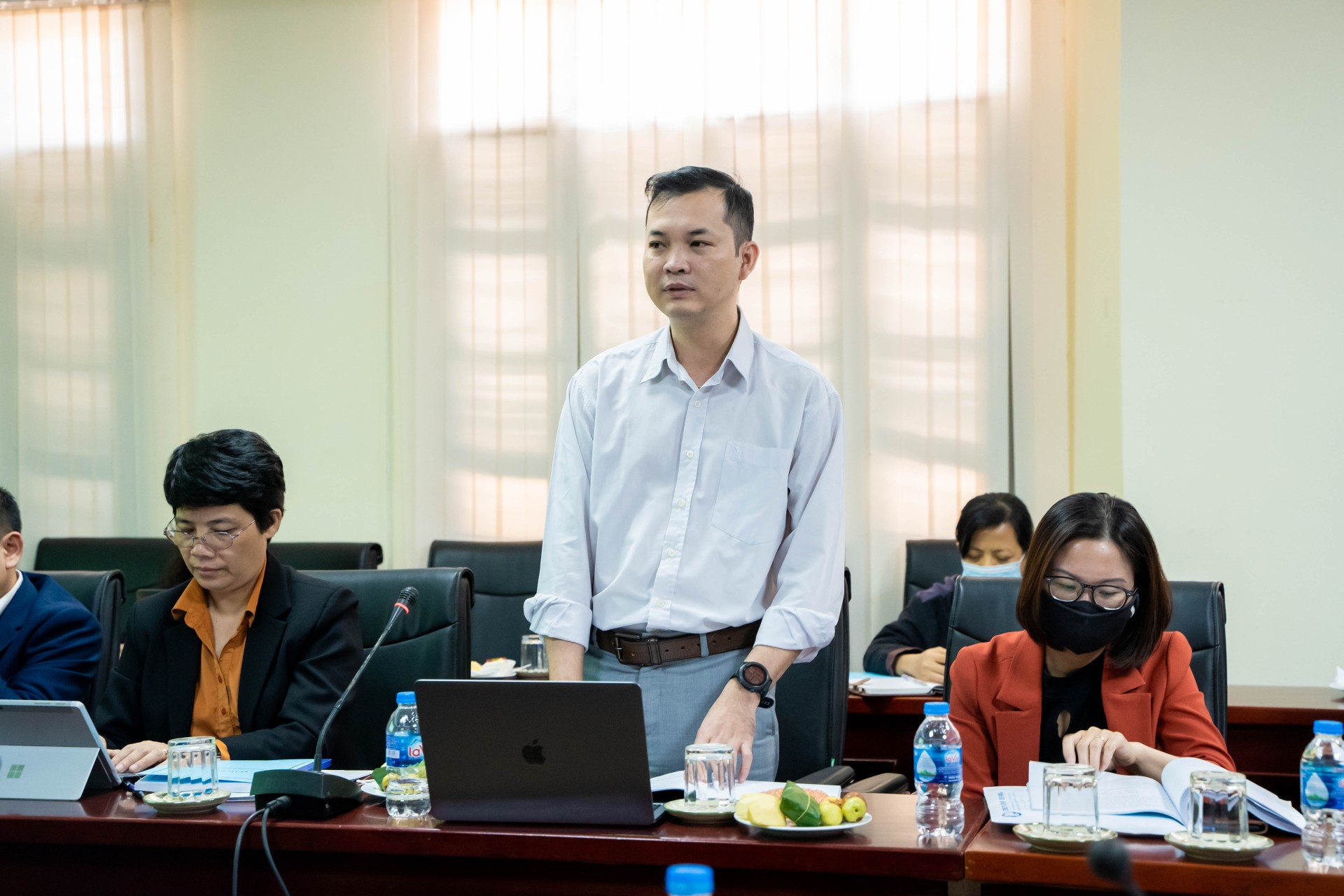
Dr. Nguyen Tuan Anh (Diplomatic Academy of Vietnam)
Dr. Nguyen Tuan Anh (Diplomatic Academy of Vietnam) discussed three development trends in contemporary global journalism that Vietnam cannot ignore: digital transformation, diversification, and paid content. This requires newsrooms to transform their digital models accordingly, both in terms of synchronized news production models and newsmaking processes; for example, supporting big data, cloud computing, and the Internet of Things to serve reporters' work... In addition, it is necessary to change and supplement the types of journalism on social media, along with legal regulations to regulate media activities on these platforms. Newspapers can also collaborate with media channels such as Netflix and TikTok; use Facebook to broadcast live online programs... Paid content journalism needs to be developed with suggestions such as: a data-driven fee model with information aggregated from many different sources; an ad-free news reading model; a single-member model...
|
Master of Journalism and Media Management
- This is the first time a Master's degree in Journalism and Media Management has been awarded in Vietnam.
- The interdisciplinary program features many modern and engaging modules: Science and Art of Leadership and Management; Digital Media Management Policy and Strategy, Political Communication, Cybersecurity, Media Industry, Building and Managing Media Brands, Corporate Communication, Media Crisis Management and Handling, Data Journalism, Media Audience and Media Market, etc.
- With a credit-based training system, students can earn a degree in 18 months.
- Contact: Ms. Le Thu Ha: 0904926768, Institute of Journalism and Communication Training, Faculty of Social Sciences and Humanities (Vietnam National University, Hanoi)
|