The Museum of History and Culture, affiliated with the Faculty of Social Sciences and Humanities, Vietnam National University, Hanoi, is the first university museum in the field of social sciences and humanities in the country.
The museum's mission is to research, preserve, and promote heritage, culture, and historical cultural resources to serve the country's development, while also contributing to the training of high-quality human resources in the fields of social sciences and humanities. The museum directly participates in and supports training and scientific research through its unique activities, such as special lecture halls that combine theory with practice to effectively utilize the abundant knowledge and rich experience of leading researchers and a large number of young intellectuals; and to maximize the use of the physical facilities and scientific materials accumulated over decades.
Board of Directors
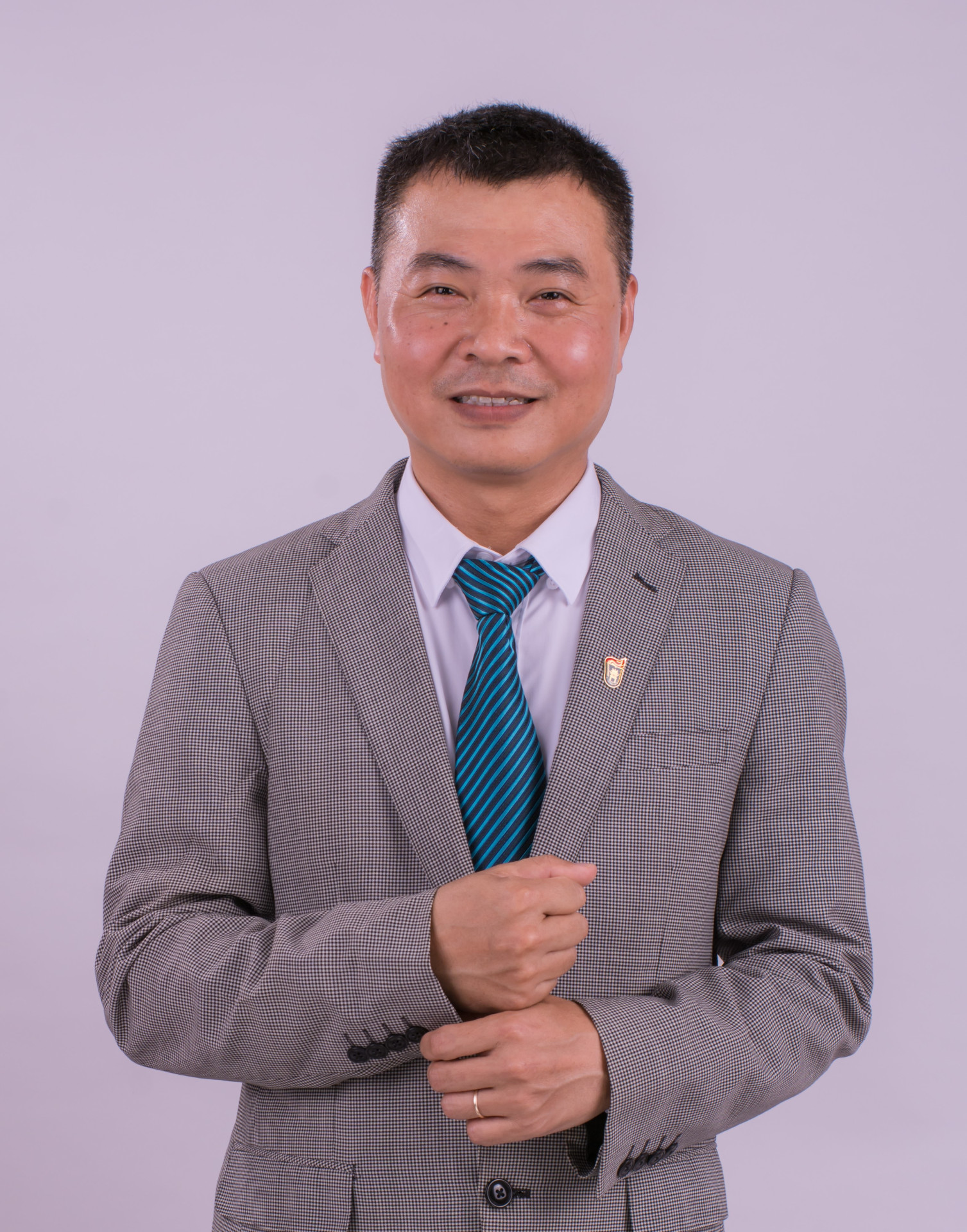
President
Dr. Nguyen Van Anh
Display
The museum organizes various forms of exhibitions that apply traditional methods combined with the application of modern technology:
Artifact collection
The museum was built upon a number of artifacts from the French School of Far Eastern Studies (Republic of France) and several collections of archaeological artifacts collected over many years by lecturers and students of the Archaeology Department, Faculty of History, from the Pre-, Early, and Historical periods. Besides archaeological collections, for more than ten years, the museum has focused on collecting artifacts related to ethnology, Sino-Vietnamese studies, and Vietnamese culture...
Through various collection methods including donations, trade exchanges, exchanges, or field research, the museum's collection has continuously increased in both quantity and quality.
Experimentation, post-field treatment, scientific research
At the Museum, artifacts from archaeological excavations, field trips, ethnographic collections, and Vietnamese cultural studies have been systematically and scientifically processed. After processing, the artifacts have been returned to local museums in accordance with the Law on Cultural Heritage, and some fragments and collected artifacts have been added to the Museum's sample collections. In addition, the Museum actively facilitates learning and living opportunities for students and researchers.
Contact information
Floors 3-4, Building D, University of Social Sciences and Humanities - VNU Hanoi
336 Nguyen Trai Street, Thanh Xuan District, Hanoi
Phone: (024) 3558 9744
E-mail:btnhxhnv@gmail.com
Author:Hanh Quynh - USSH
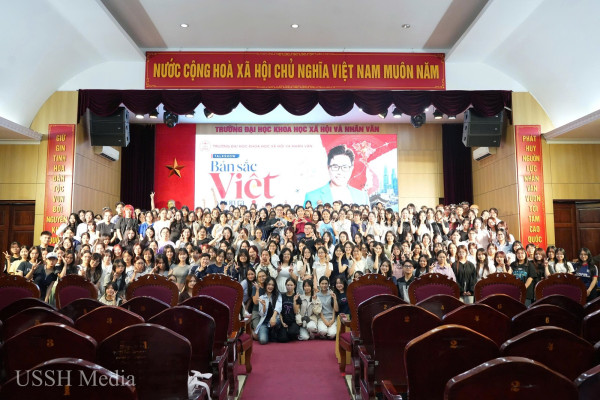 New students of cohort K71 begin their journey of growth at the Faculty of Humanities.
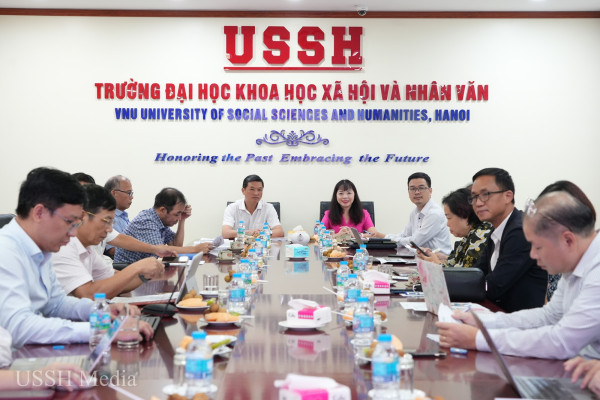 Finding solutions to the problem of intellectual property management in the cultural industry.
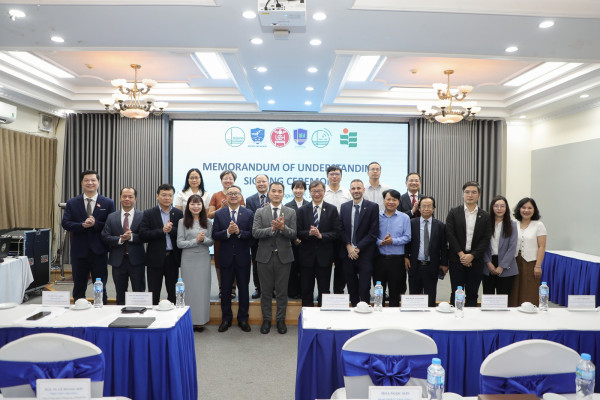 VNU-USSH and the University of Hong Kong Education are promoting cooperation in training, research, and student exchange.
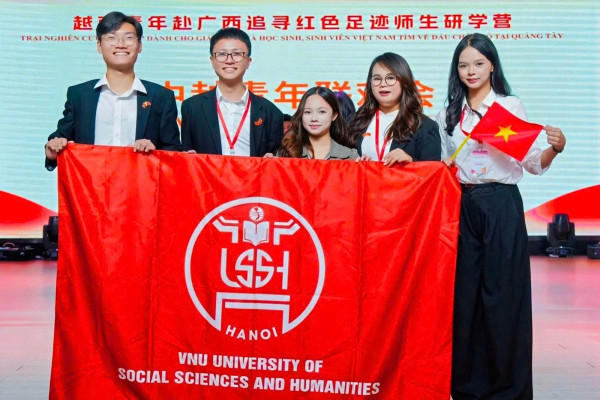 Young people from the humanities will participate in the "Red Journey for Research and Study" in China in 2026.
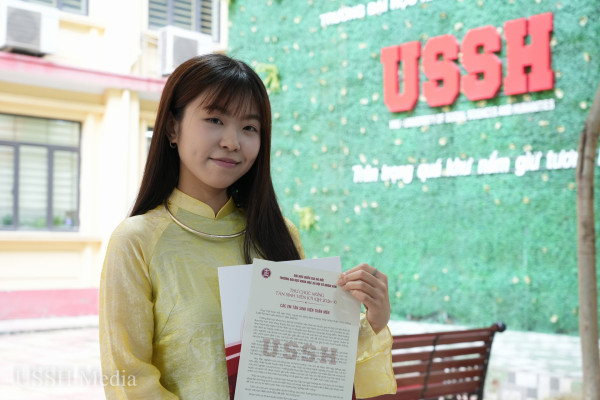 The youthful journey of K71 freshmen at the Faculty of Humanities.
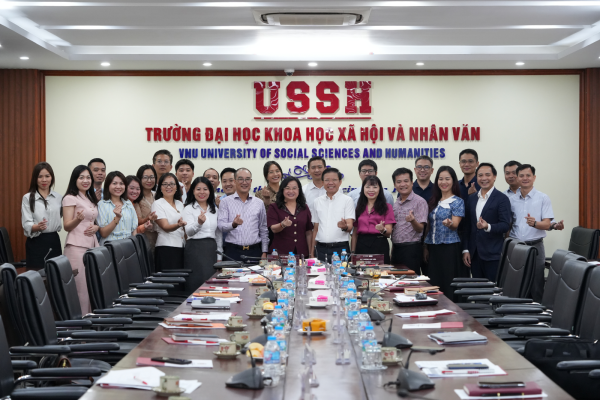 VNU-USSH and SHB expand their cooperation and aim for practical values for the community.
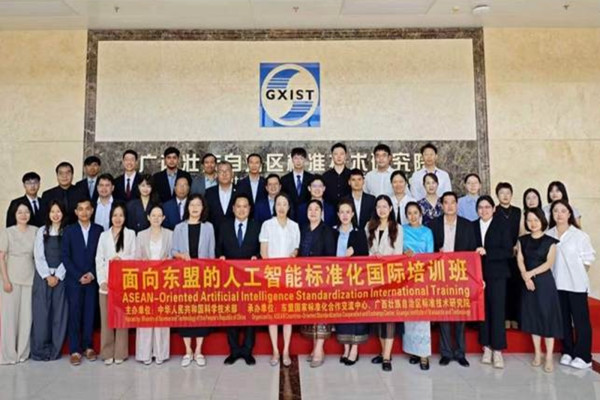 VNU-USSH staff participate in the International Training Course on Artificial Intelligence Standardization towards ASEAN.
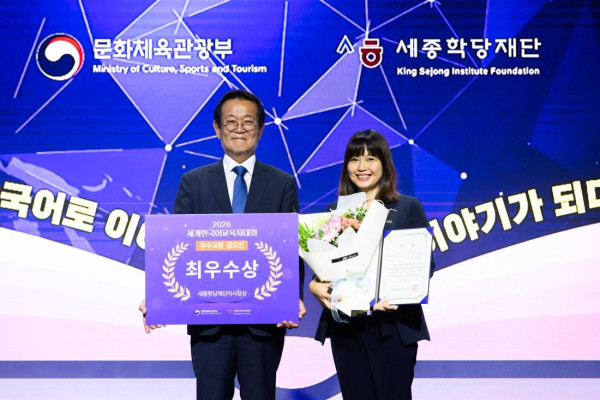 VNU-USSH lecturers honored at the Global Korean Language Education Conference.
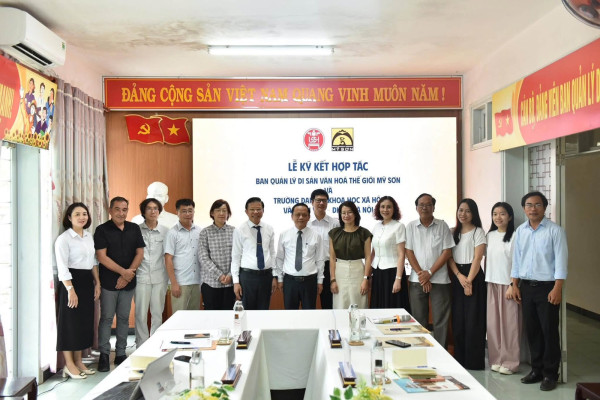 The University of Social Sciences and Humanities collaborates in research, excavation, and assessment of the historical and cultural value of My Son.
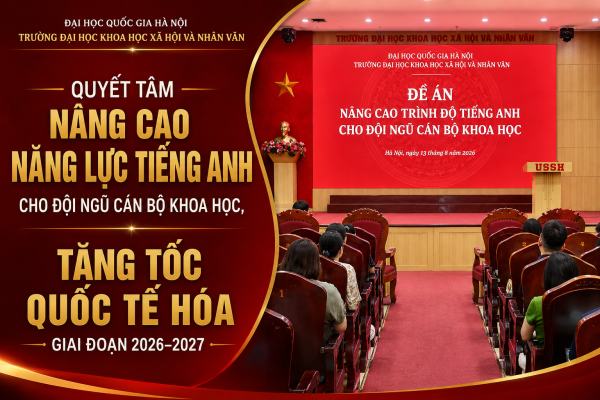 Determined to improve English proficiency for scientific staff and accelerate internationalization in the 2026-2027 period.

