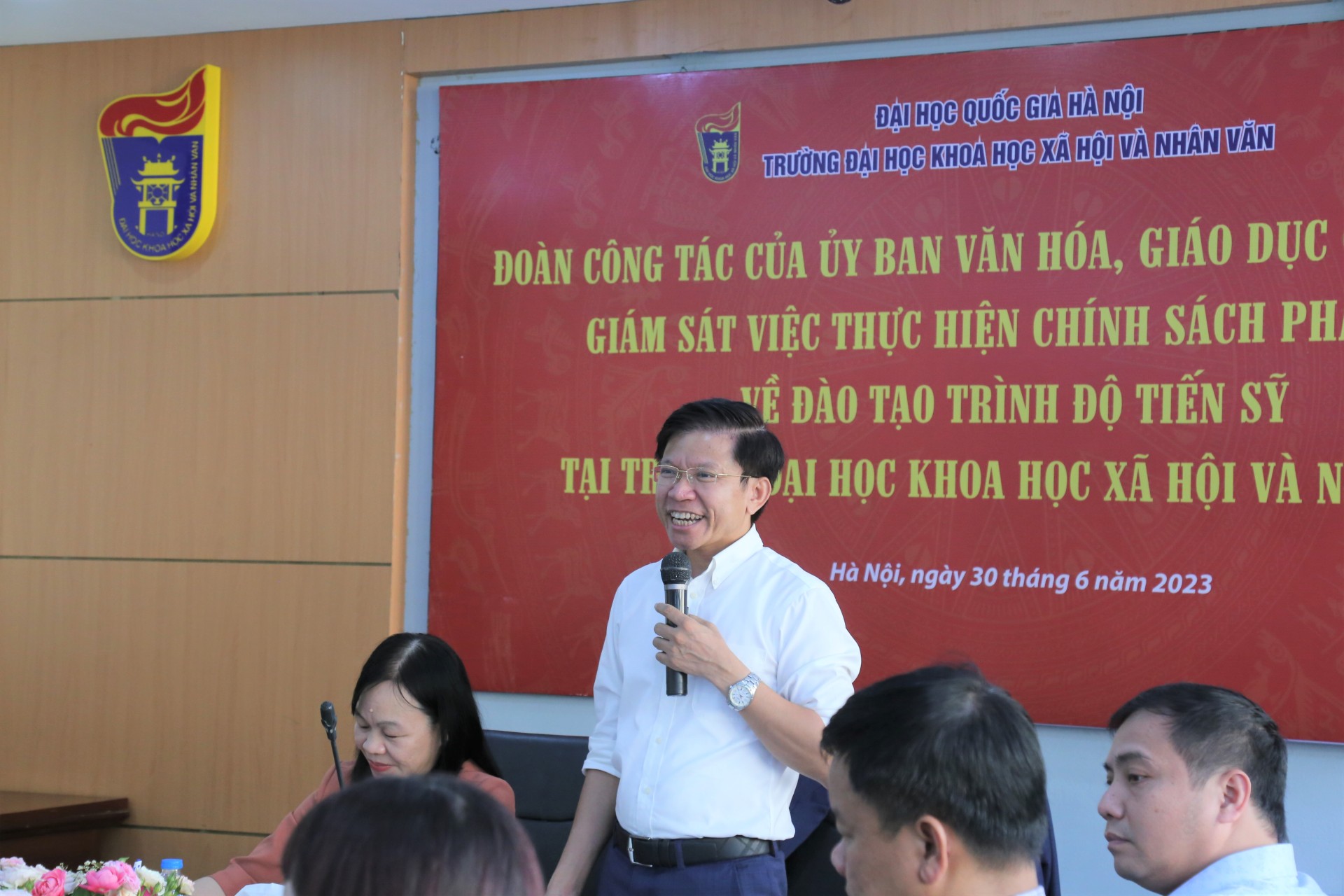
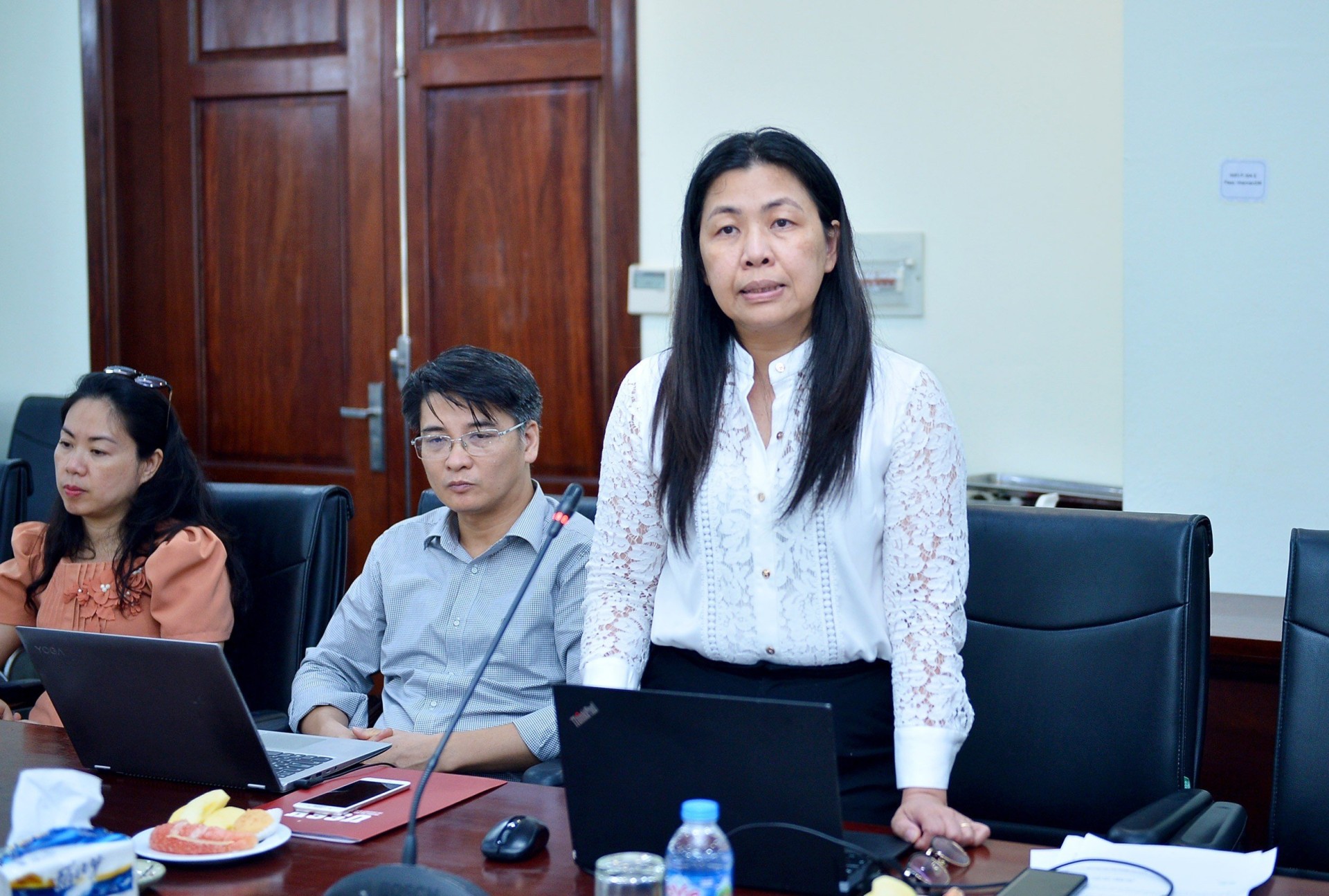
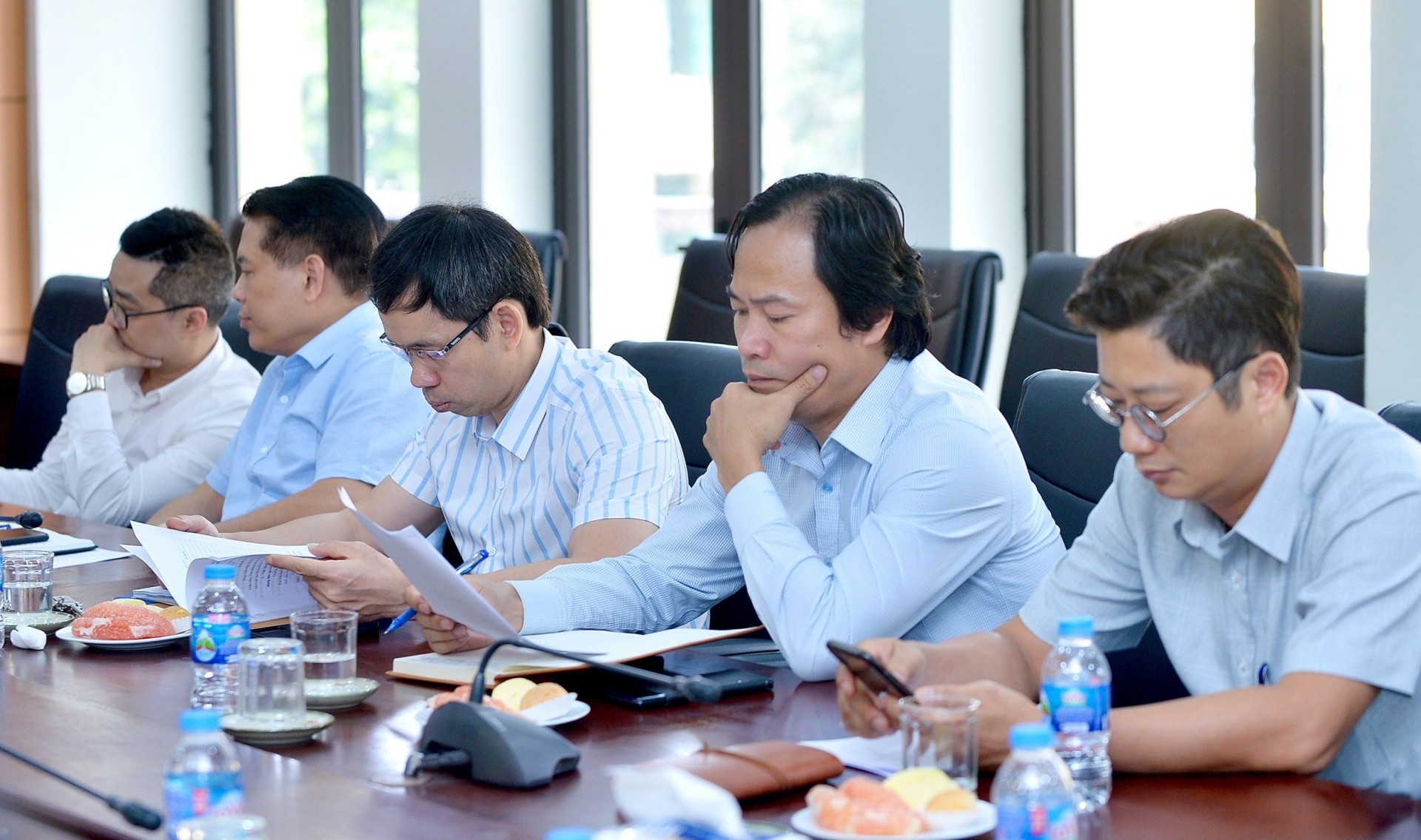
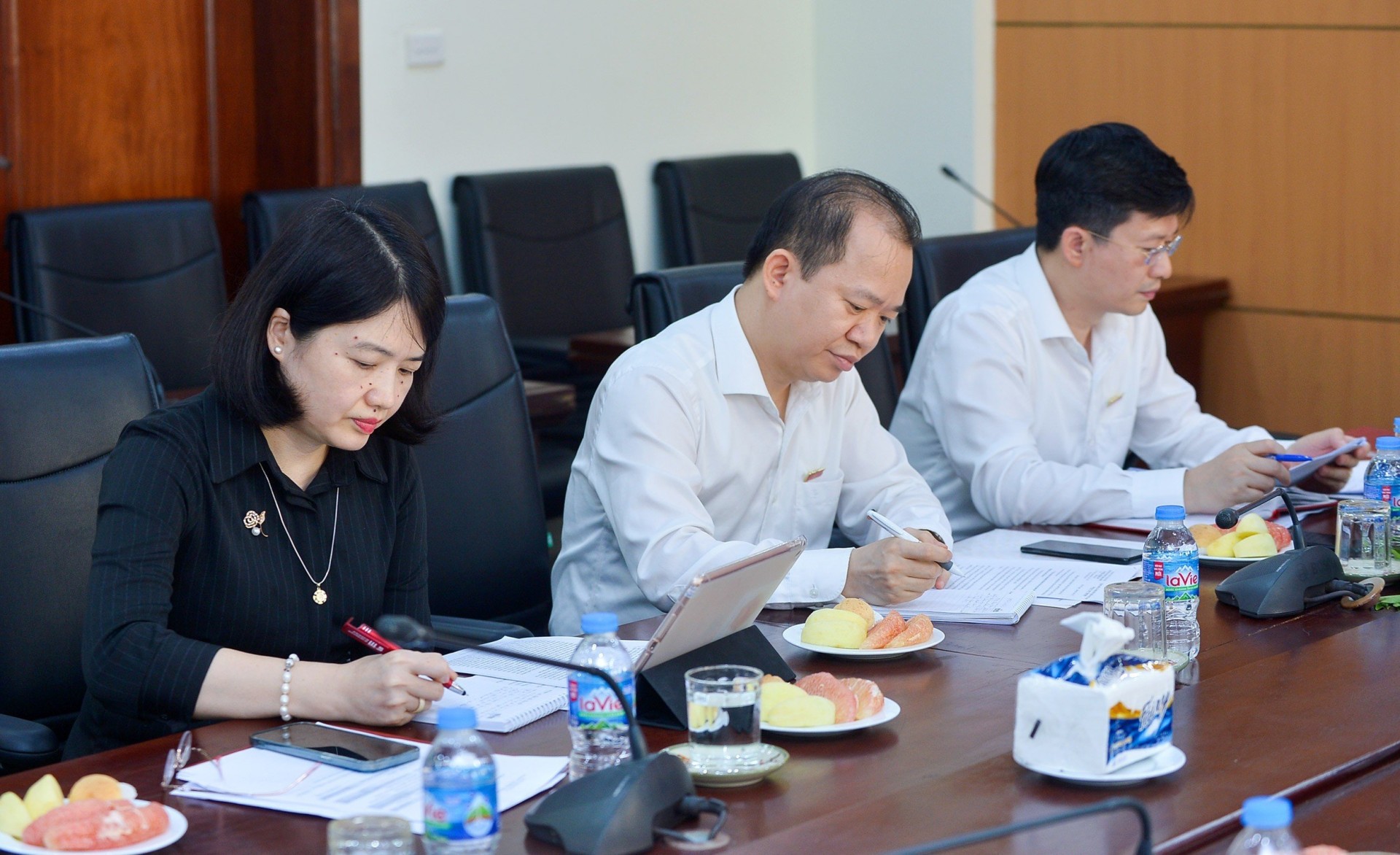
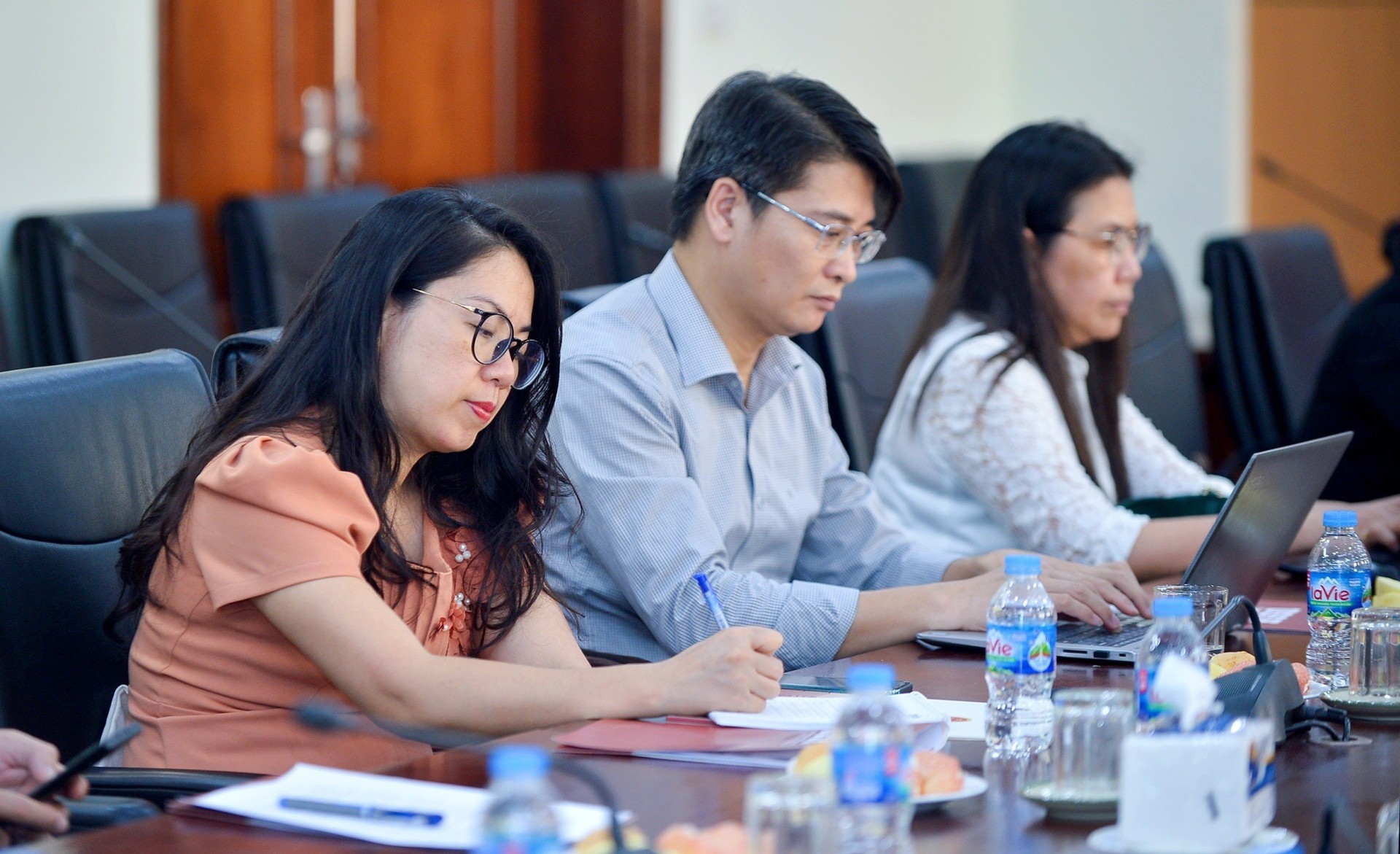
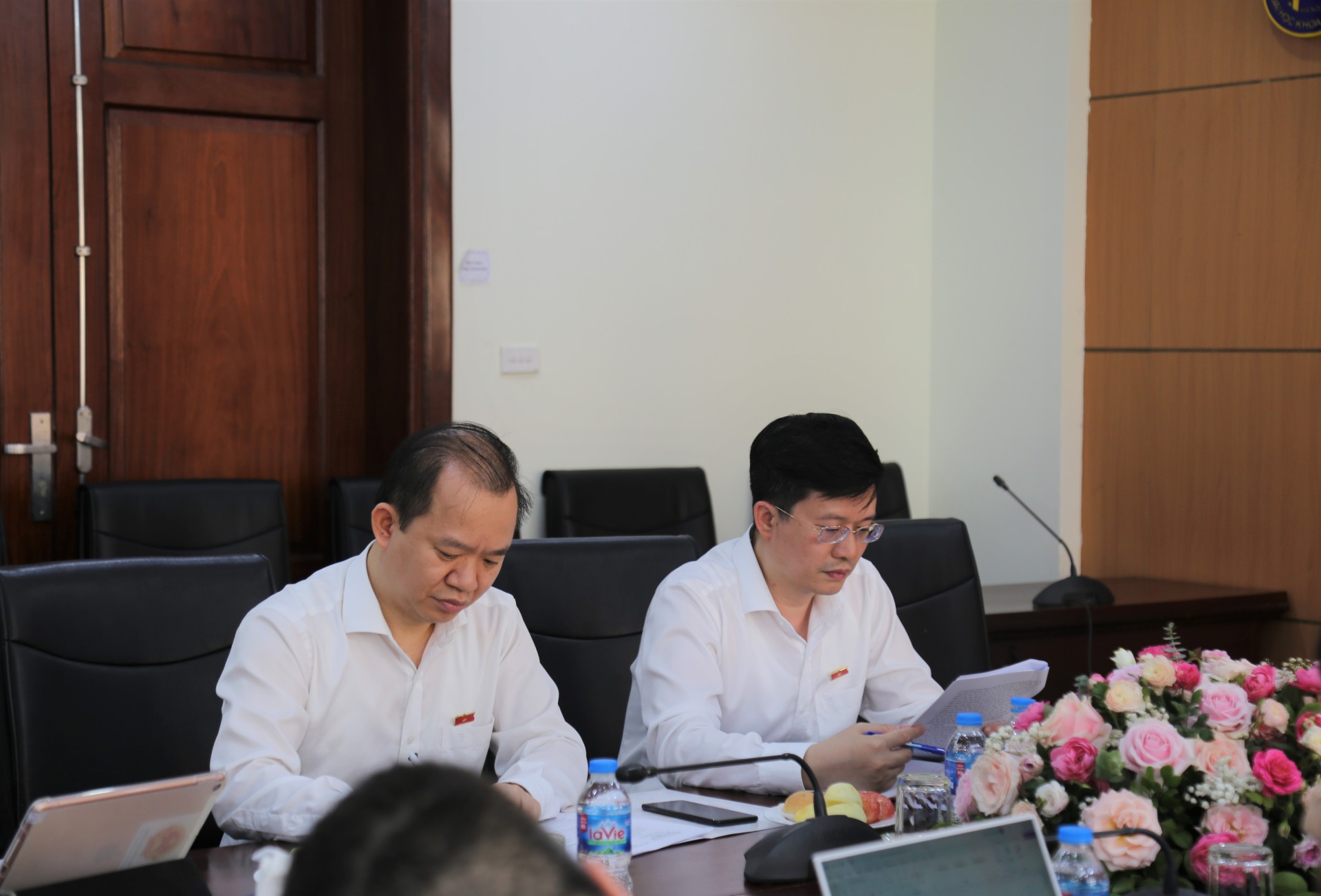
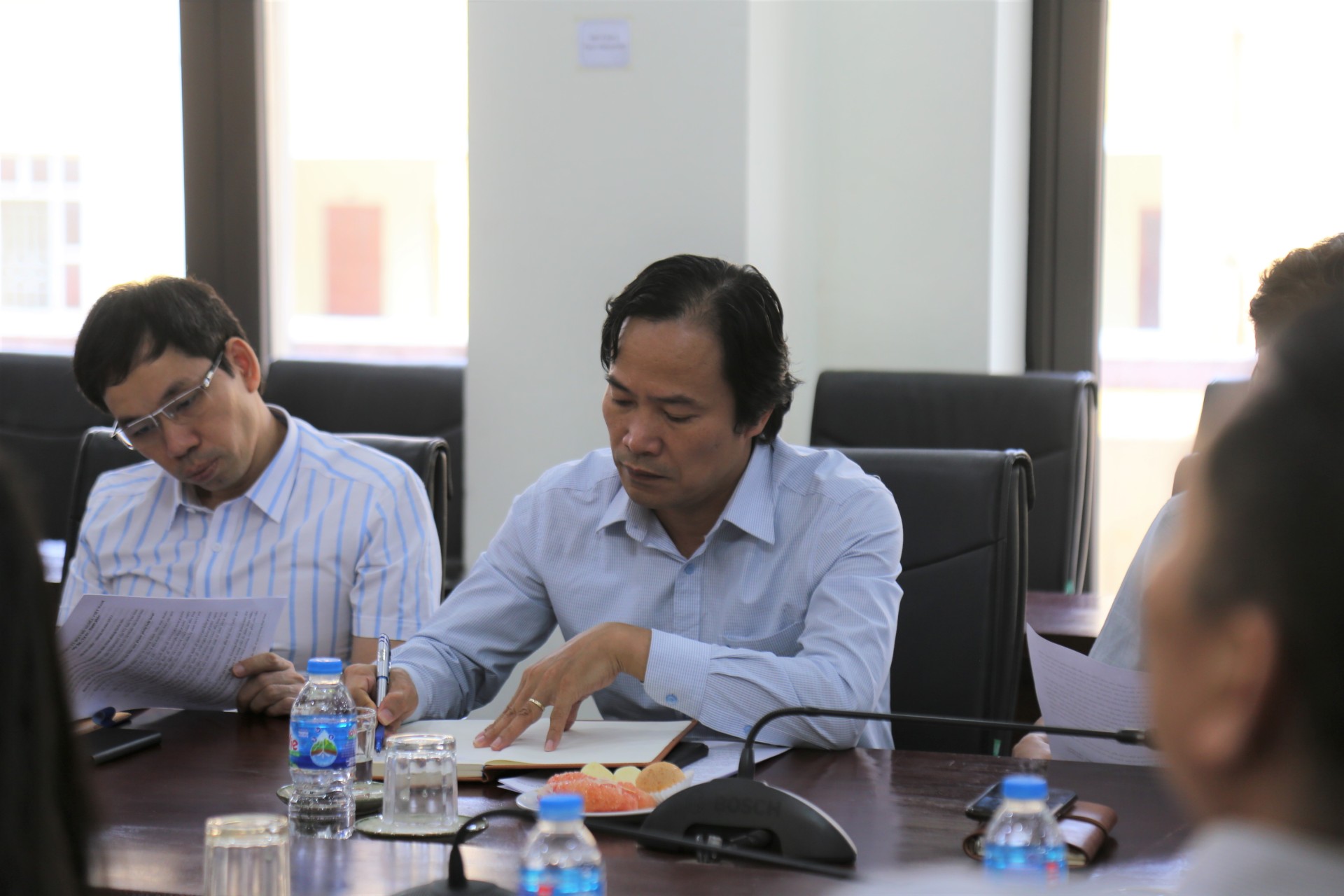
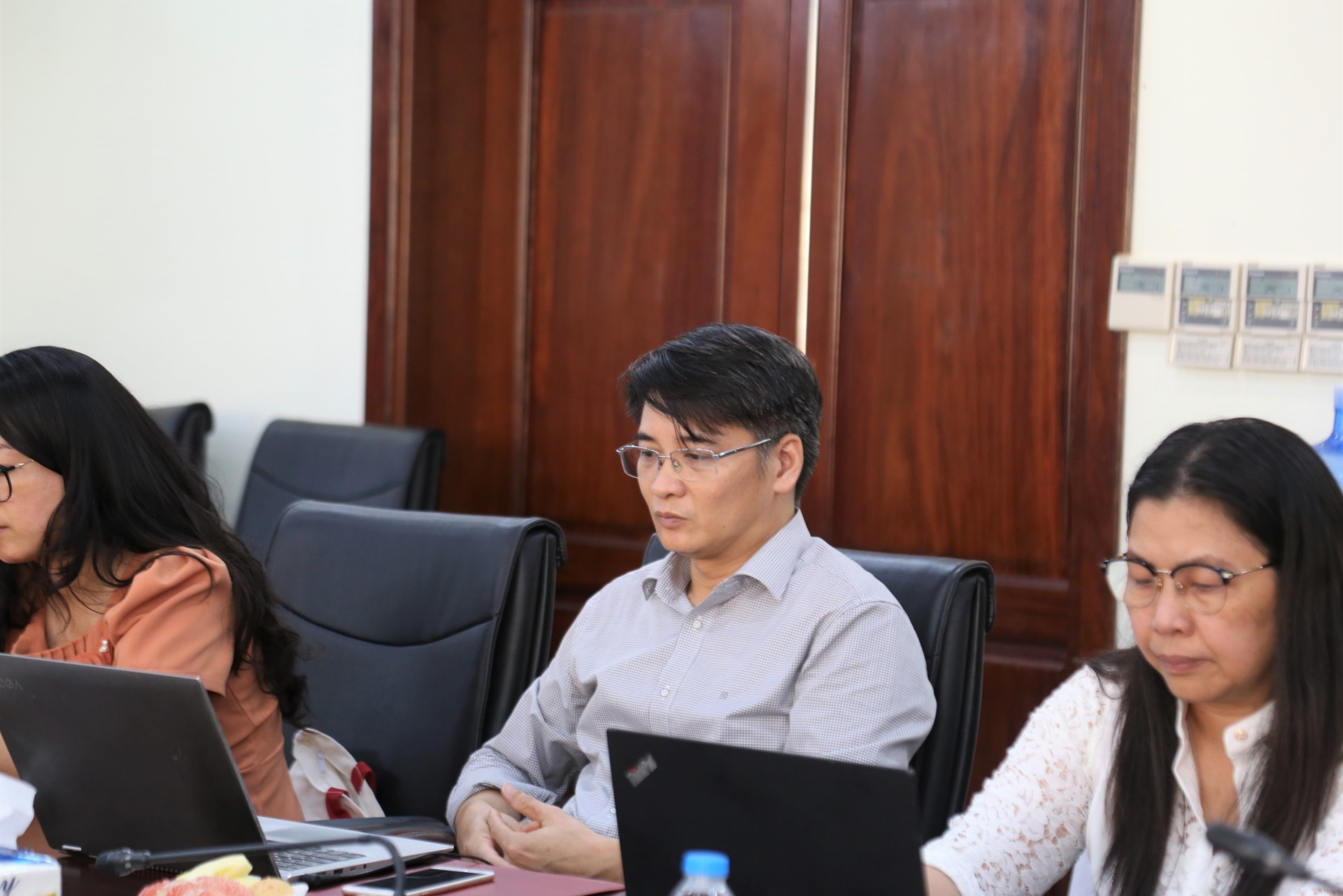
On the afternoon of June 30, 2023, the University of Social Sciences and Humanities, Vietnam National University, Hanoi, held a working session with a delegation from the Committee on Culture and Education, Office of the National Assembly, regarding the implementation of policies and laws in doctoral training at VNU-USSH. The Committee on Culture and Education's monitoring program on doctoral training aims to record practical experiences and listen to suggestions and proposals for supplementing and amending appropriate policies and laws to improve the quality of doctoral training nationwide.
At the meeting, on the side of the Committee on Culture and Education, National Assembly Office, were Dr. Nguyen Thi Mai Hoa - Vice Chair of the Committee on Culture and Education, along with the Standing Committee members: Assoc. Prof. Dr. Do Chi Nghia, Assoc. Prof. Dr. Bui Hoai Son, and Dr. Nguyen Thi Mai Thoa.
Representing the Ministry of Education and Training was Ms. Nguyen Thi Thuy, Deputy Director of the Department of Higher Education.
Representing the University of Social Sciences and Humanities, VNU Hanoi, were Prof. Dr. Hoang Anh Tuan - Rector of the university, the Vice Rectors: Assoc. Prof. Dr. Lai Quoc Khanh, Assoc. Prof. Dr. Dang Thi Thu Huong, Assoc. Prof. Dr. Dao Thanh Truong, along with all the leaders of the Faculties/Institutes/Centers and functional departments of the university.
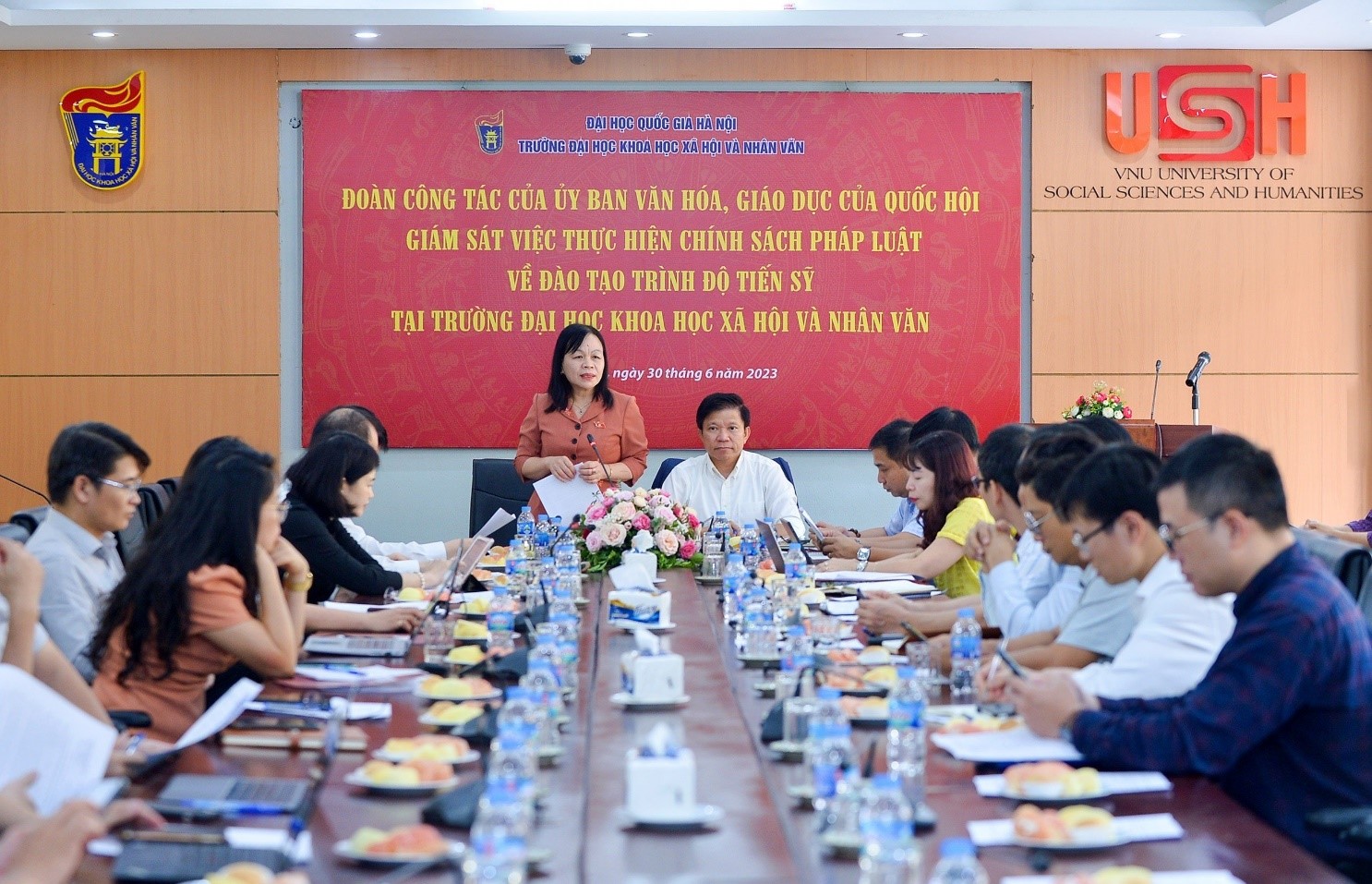
Strictly and scientifically implement policies and laws in doctoral training at VNU-USSH.
In the current educational context, the quality of doctoral training remains a hot topic, always attracting public attention, especially during this period when the entire education system is actively promoting international integration. Currently, there are many opinions that assess the quality of doctoral training in Vietnam as still low. The university has implemented many solutions to ensure the quality of doctoral training, guaranteeing the provision of truly talented individuals to society, meeting quality requirements, and contributing to the acceleration of socio-economic development.
With the goal of developing the University to become a leading university in social sciences and humanities in the country by 2025, on par with prestigious universities in the region, and effectively serving the cause of industrialization and modernization of the country, along with organizing doctoral training according to established procedures, strict inspection and supervision by functional units, support for scientific research activities for doctoral candidates, and a dedicated and highly qualified faculty, these are the prerequisites for ensuring the quality of doctoral training at the University of Social Sciences and Humanities.

Reporting on the implementation of policies and laws regarding doctoral training at VNU-USSH, Vice Rector Dang Thi Thu Huong stated that the University of Social Sciences and Humanities, as a member institution of the Vietnam National University, Hanoi, conducts all doctoral training activities in accordance with the regulations, rules, and guidelines of VNU. Based on the regulations of the Vietnam National University, Hanoi, the University of Social Sciences and Humanities issues specific guidelines on the organization and implementation, and the decentralization of management between faculties/departments within the University and the University. All guidelines are publicly available on the University's website to ensure transparency and facilitate access for students.
The opening of doctoral training programs and specializations (implementation process, inspection, and assessment of quality assurance conditions, etc.) is implemented synchronously and consistently in accordance with the current regulations of Hanoi National University.
Based on the admission guidelines of the Vietnam National University, Hanoi, the University of Social Sciences and Humanities establishes enrollment quotas for each training major. Annually (twice a year), the University of Social Sciences and Humanities announces admissions on its official admissions website; and conducts application review and professional evaluation of candidates in accordance with regulations.
31 doctoral training programs.According to the school's regulations, applicants must meet all criteria regarding health, experience, work seniority, foreign language proficiency, professional expertise, etc.; some majors have attracted more applicants in recent years than others, such as International Relations, Political Science, Tourism Studies, Journalism, Psychology, etc. On the other hand, some majors are not as attractive to applicants, such as Sino-Vietnamese Studies, Archaeology, Anthropology, History, and Historical Sources Studies.
The process of evaluating, assessing, and verifying the quality of training activities and dissertations, as well as the recognition of doctoral degrees and the awarding of doctoral diplomas at VNU-USSH, has been implemented very rigorously. The University of Social Sciences and Humanities is responsible for inspecting and auditing the organization of doctoral training activities of its affiliated specialized training units; and is subject to inspection, auditing, and supervision by the Vietnam National University, Hanoi and other competent authorities in accordance with current regulations. The quality assessment of doctoral dissertations is conducted by the Vietnam National University, Hanoi every two months (approximately 15% of the total number of successfully defended dissertations per year). The assessment process is based on the principle of random, probabilistic assessment or assessment upon receiving complaints or denunciations. The assessment process and handling of assessment results are carried out according to the current postgraduate training regulations at the Vietnam National University, Hanoi.
The University of Social Sciences and Humanities, Vietnam National University, Hanoi, has many policies to support and invest in doctoral students.At the meeting, Professor Hoang Anh Tuan affirmed that the University of Social Sciences and Humanities, Vietnam National University, Hanoi, always places students in general and doctoral candidates in particular at the center of its training and scientific research activities. The university does not set revenue targets for doctoral programs but uses all tuition fees to invest in the learning and research activities of its doctoral candidates.
Rector, Professor Hoang Anh Tuan, affirmed that the University of Social Sciences and Humanities, Vietnam National University, Hanoi, always places students in general and doctoral candidates in particular at the center of its training and scientific research activities.
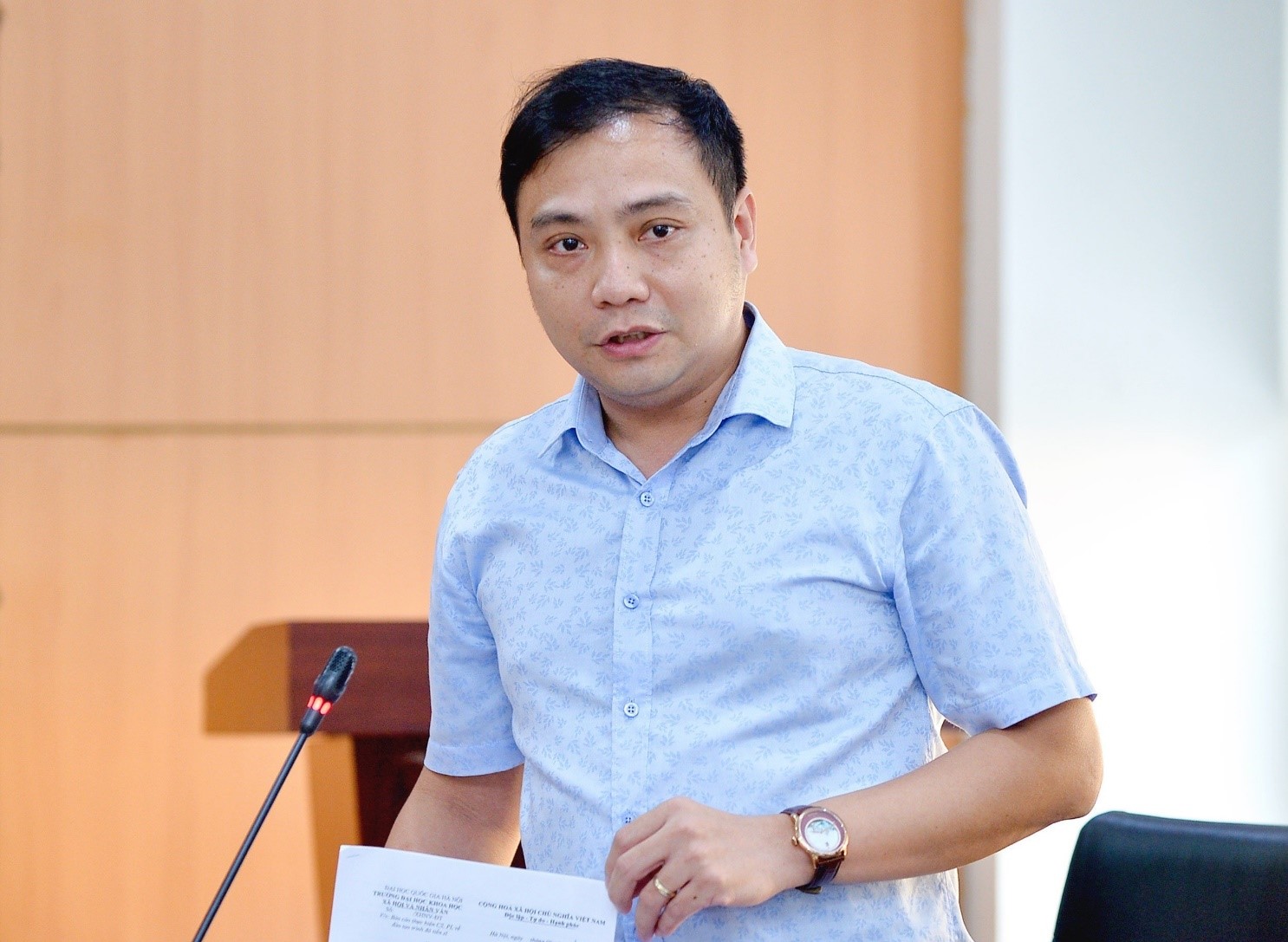
Sharing about the policies supporting doctoral students, Assoc. Prof. Dr. Dao Thanh Truong emphasized that VNU-USSH has implemented many practical support and investment policies for doctoral students to promote the internationalization of their scientific research activities. The university has implemented financial investment programs for international publications, research groups of doctoral students and undergraduates, internationalized publishing activities with English-language scientific journals, and organized annual scientific conferences attracting hundreds of research papers from doctoral students.
Associate Professor Dr. Dao Thanh Truong – Vice Rector of the University of Social Sciences and Humanities, Vietnam National University, Hanoi, emphasized the many support and investment policies of the university for doctoral students linked to international research.
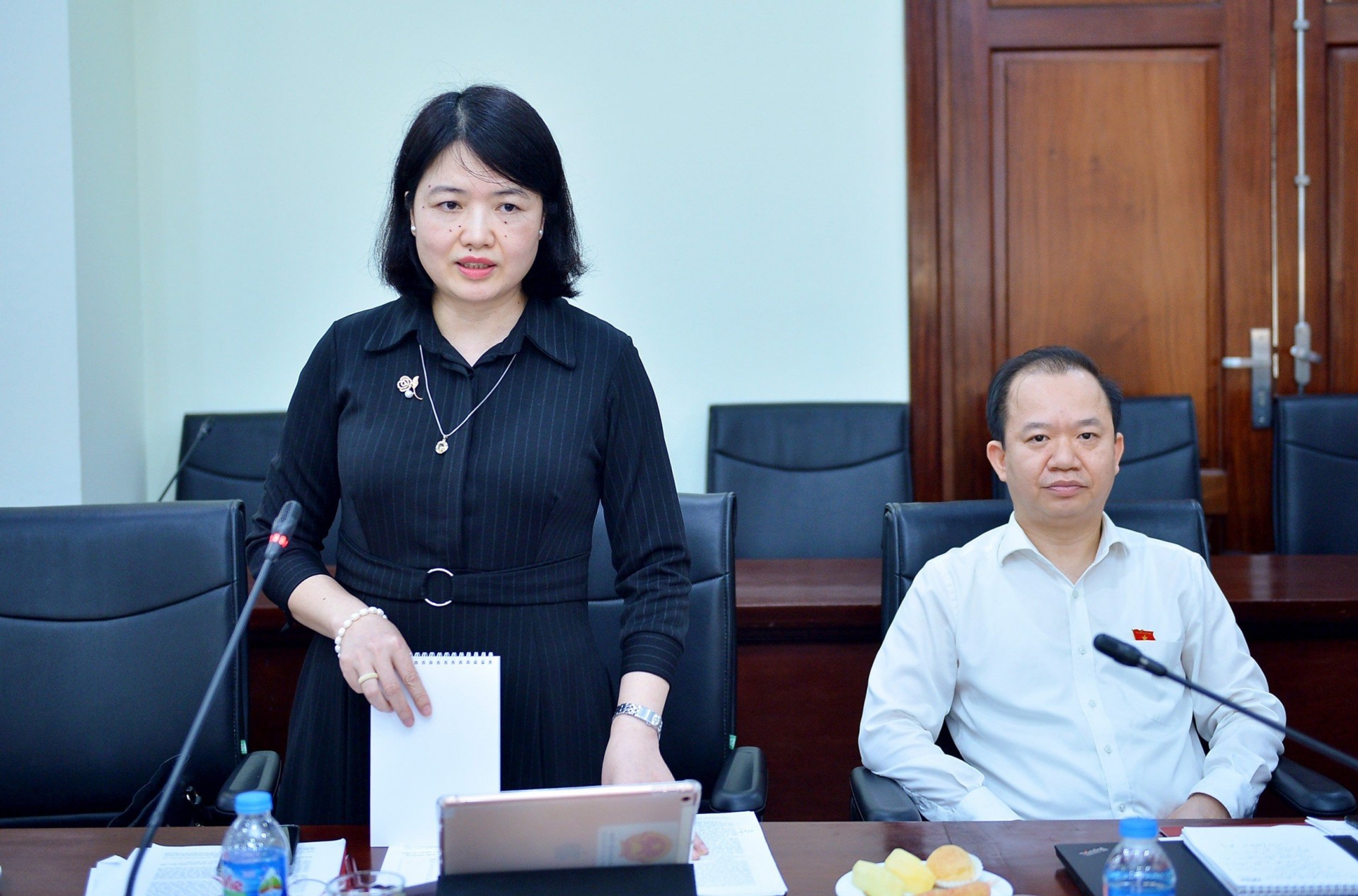
Also at the meeting, Associate Professor Dr. Dang Thi Thu Huong stated that each doctoral training program at VNU-USSH is built on different specific characteristics to ensure high-quality output standards. In particular, doctoral training is closely linked to scientific research. Therefore, in addition to organizing coursework and evaluating dissertation outlines and topics related to doctoral candidates, the specialized training units under the University are also responsible for creating conditions for doctoral candidates to complete many activities that best serve their learning process. Doctoral candidates are allowed to participate in professional activities, attend domestic and international scientific conferences and seminars; assist in teaching at the undergraduate and master's levels; or supervise practical work, internships, and graduation theses. In addition to participating in training support, PhD candidates also participate in the university's scientific research projects, receive guidance in developing research plans, organizing implementation, and publishing research related to their dissertation in specialized journals under the supervision of their supervisors.
In recent years, the number of doctoral students admitted to VNU-USSH has consistently ranked first among member universities under the Vietnam National University, Hanoi. It can be said that the University of Social Sciences and Humanities is a destination for a large number of candidates applying for doctoral programs in social sciences and humanities from all over the country and abroad, attracting those aspiring to become genuine, serious, systematic, and highly qualified scientific researchers.
Contributing solutions and recommendations on policies and laws to improve the quality of doctoral training.
Representatives from the University of Social Sciences and Humanities proposed several recommendations stemming from the university's practical experience in doctoral training. One of these was the need for a stable training management policy. Over the past five years, the Ministry of Education and Training has twice adjusted regulations on doctoral training through Circulars 08/2017/TT-BGDĐT dated April 4, 2017, on the promulgation of the Regulations on Admission and Training of Doctoral Degrees by the Minister of Education and Training, and Circular 18/2021/TT-BGDĐT dated June 28, 2021, on the promulgation of the Regulations on Admission and Training of Doctoral Degrees by the Minister of Education and Training. These two circulars have different regulations regarding the output standards for doctoral candidates. This has led to certain difficulties in the training process as well as public opinion, which is quite sensitive to the topic of training quality. Based on this, the University of Social Sciences and Humanities recommends that the Ministry of Education and Training's new regulations on doctoral training should be based on continuity and development, with a roadmap appropriate to the social context.
The university also recommends tightening quality assurance in doctoral training. This is the highest level of education in the country's education system, and ensuring quality at this level is extremely necessary, especially in the context of deep international integration. However, in reality, according to reports from the press, media, and public opinion, some training institutions still do not meet this requirement. To create a serious academic environment, to ensure the true value of the highest level of education, and to guarantee healthy competition among doctoral training institutions in the context of increasing autonomy, the Ministry of Education and Training needs a more substantive and effective quality control policy.
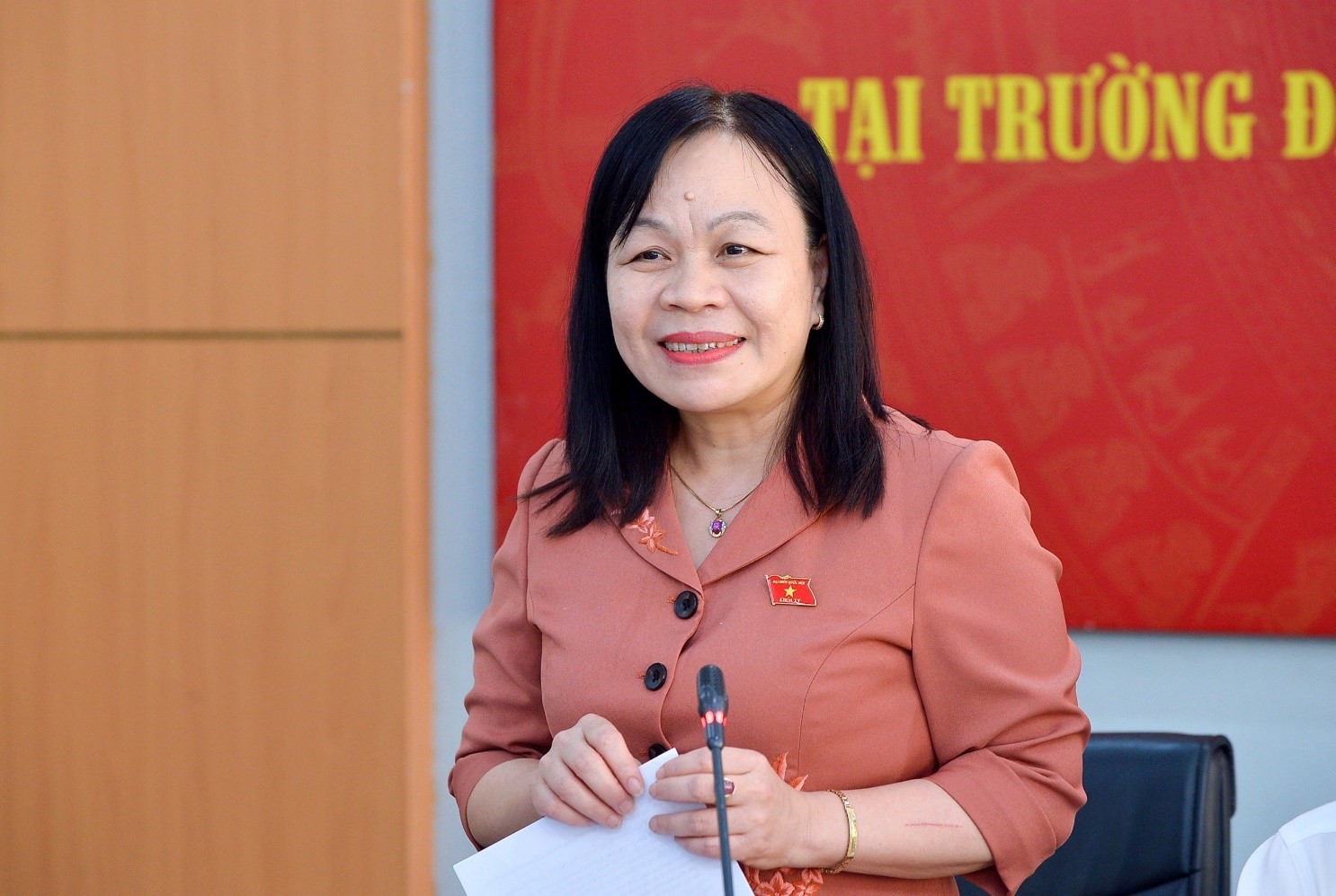
Dr. Nguyen Thi Mai Hoa - Vice Chair of the Committee on Culture and Education, National Assembly Office, highly appreciated the scientific policy recommendations of the University of Social Sciences and Humanities, Vietnam National University, Hanoi.
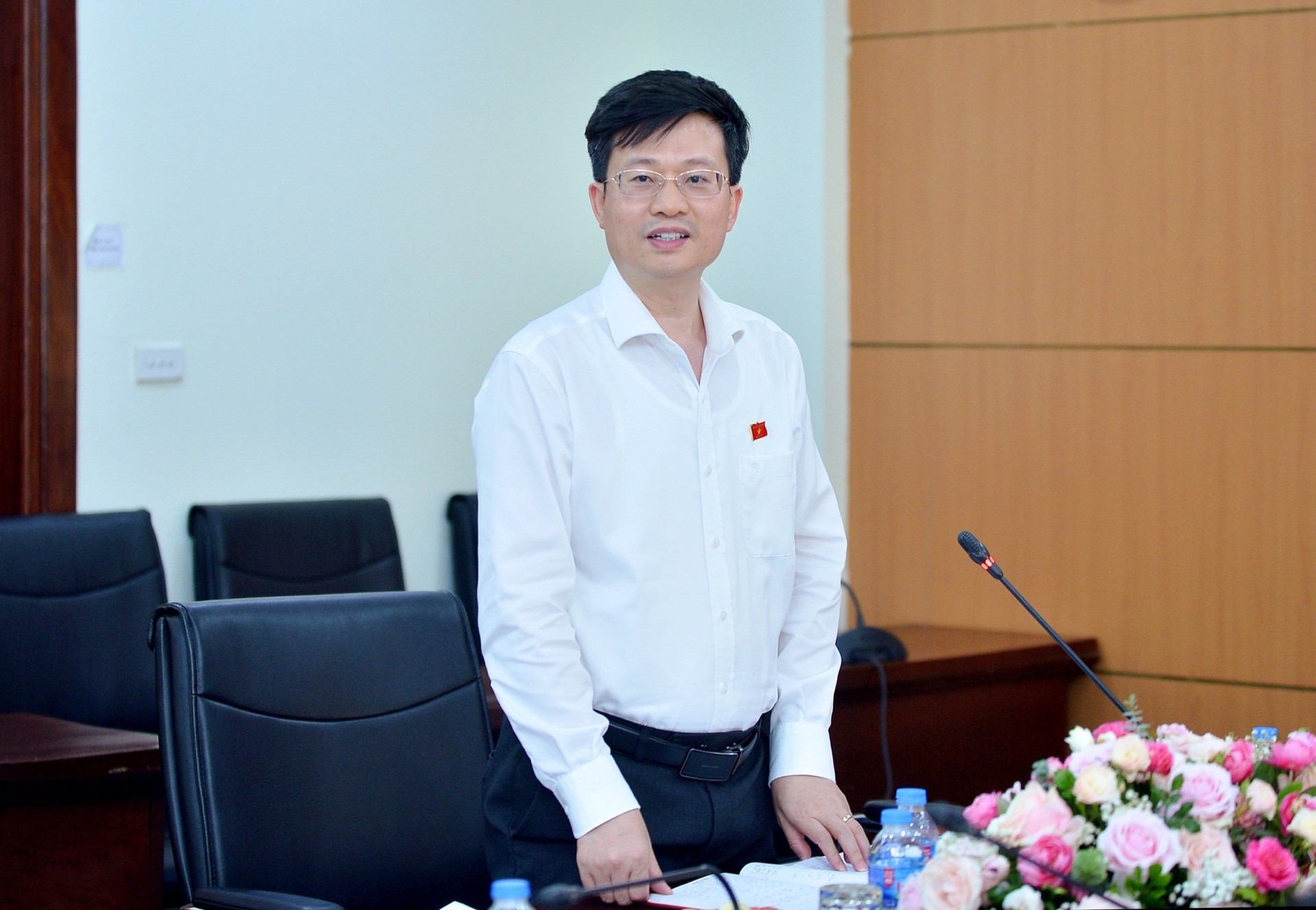
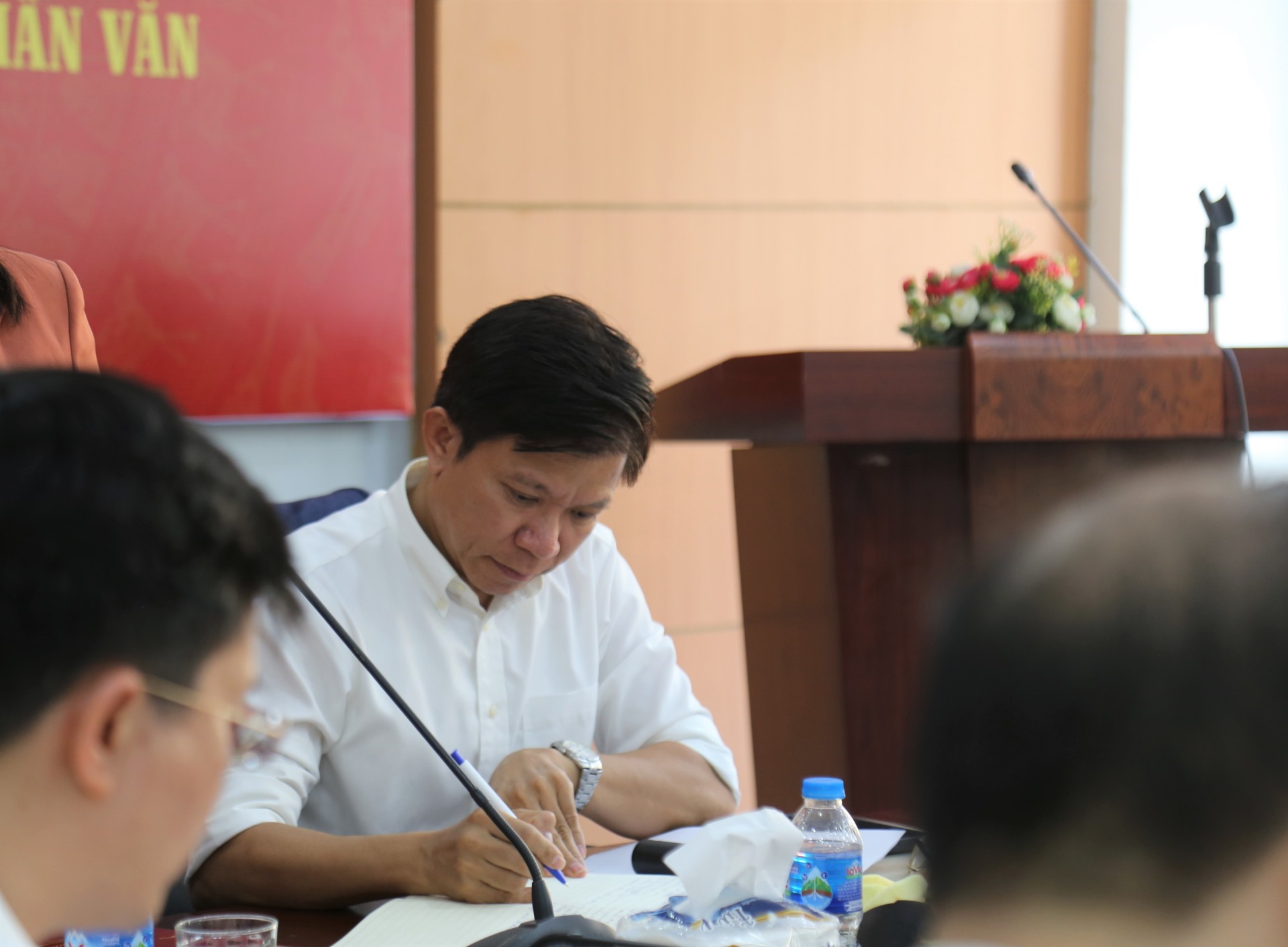
Associate Professor Dr. Do Chi Nghia - Standing Member of the Committee on Culture and Education, National Assembly Office, contributed his opinions to the discussion at the working session.
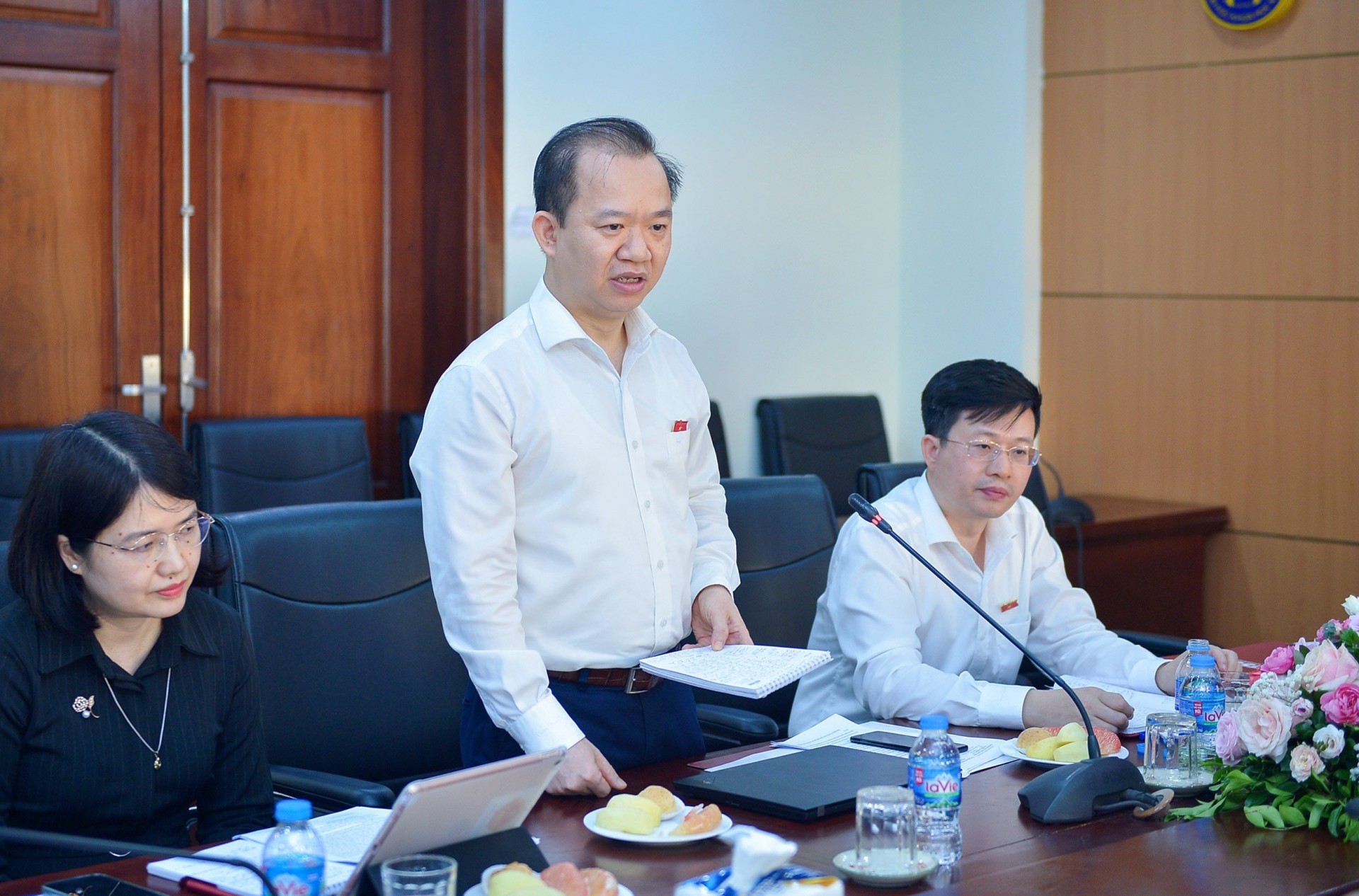
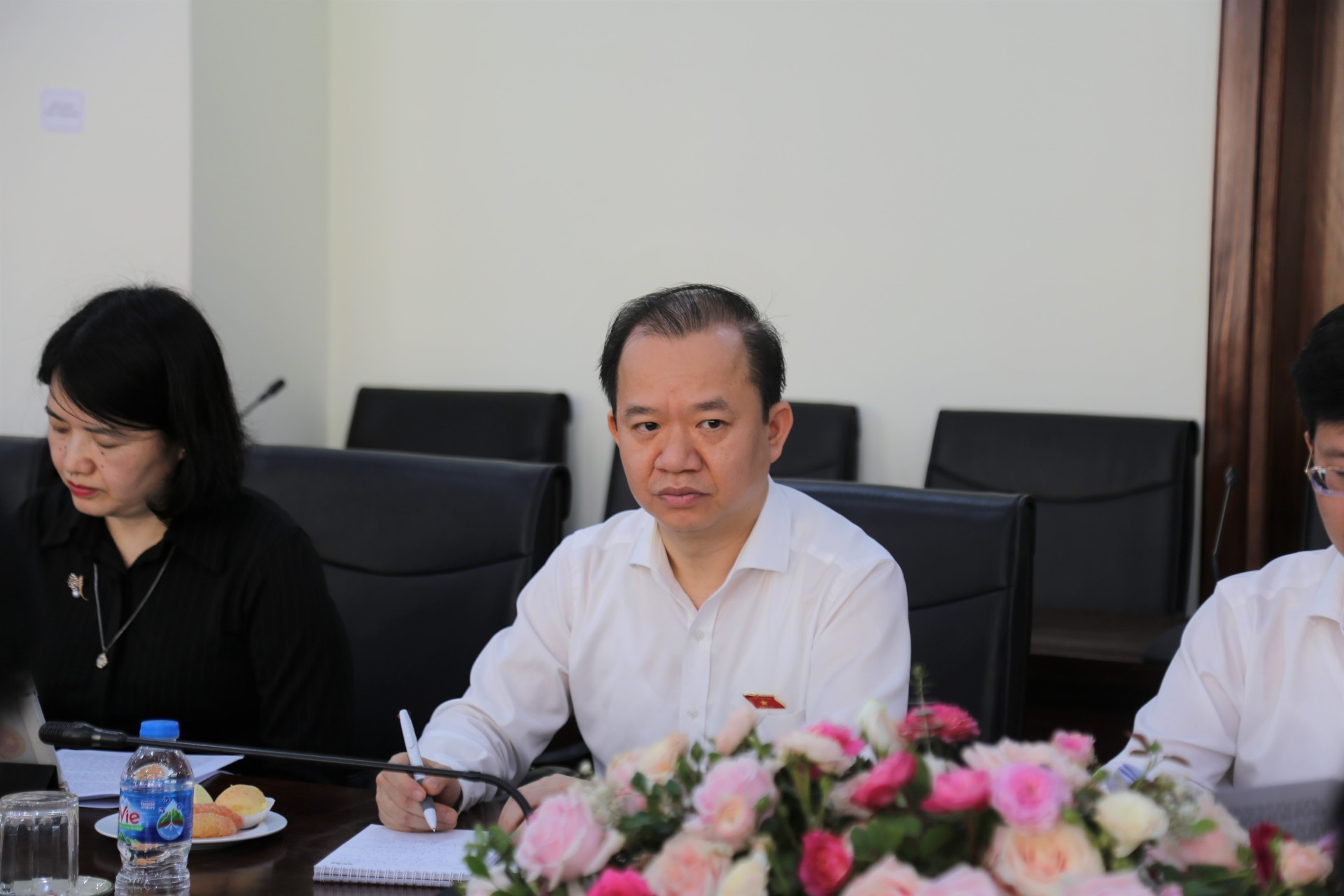
Associate Professor Bui Hoai Son, Standing Member of the Committee on Culture and Education, National Assembly Office, emphasized the need for schools to innovate rapidly to adapt to the era of Industry 4.0.
Highly appreciating the achievements of the University of Social Sciences and Humanities, VNU Hanoi, as well as its academic and training prestige over nearly 80 years of development from the University of General Studies, Dr. Nguyen Thi Mai Hoa - Vice Chair of the Committee on Culture and Education, National Assembly Office, stated that VNU-USSH has always been a "top destination" for many students, trainees, and doctoral candidates. The brand of the University of Social Sciences and Humanities, VNU Hanoi, is a source of pride for many generations of learners. The University's contributions and recommendations are highly scientific and practical in supplementing and amending appropriate policies and laws to improve the quality of doctoral training nationwide.
Here are some photos from the working session between the University of Social Sciences and Humanities, VNU Hanoi, and the Committee on Culture and Education, Office of the National Assembly: