
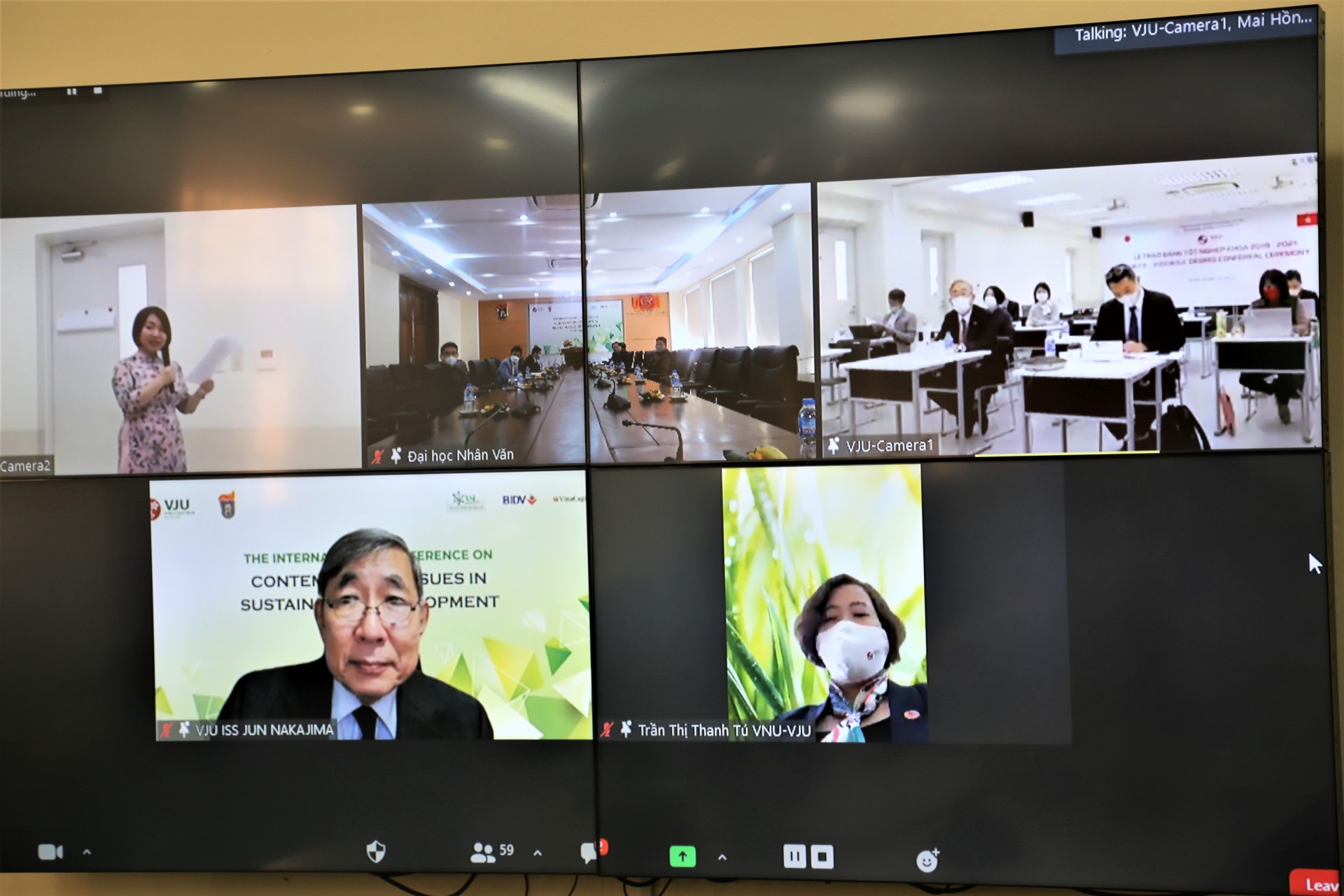
The opening session was held online via Zoom.
Sustainable development is increasingly becoming an inevitable trend in all fields of development as the world enters the 21st century, when humanity faces numerous challenges from both nature and society, especially during the current and future impacts of the COVID-19 pandemic. Research on sustainable development, from the perspective of applied sciences, has only addressed the issues superficially and approached them from a single-discipline perspective (economics, environment, society, etc.).
In response to the need for a scientific understanding of sustainable development and the factors that can enhance or undermine its current state, the International Scientific Conference “Contemporary Issues in Sustainable Development 2021” was organized to share research findings on sustainable development in Vietnam and around the world, to raise awareness and deepen understanding of the nature of sustainable development, to identify risks, and to find feasible solutions to address issues threatening the world's sustainable development. The conference is expected to provide insights from various perspectives and offer solutions to the challenges facing sustainable development in national, regional, and global practice.
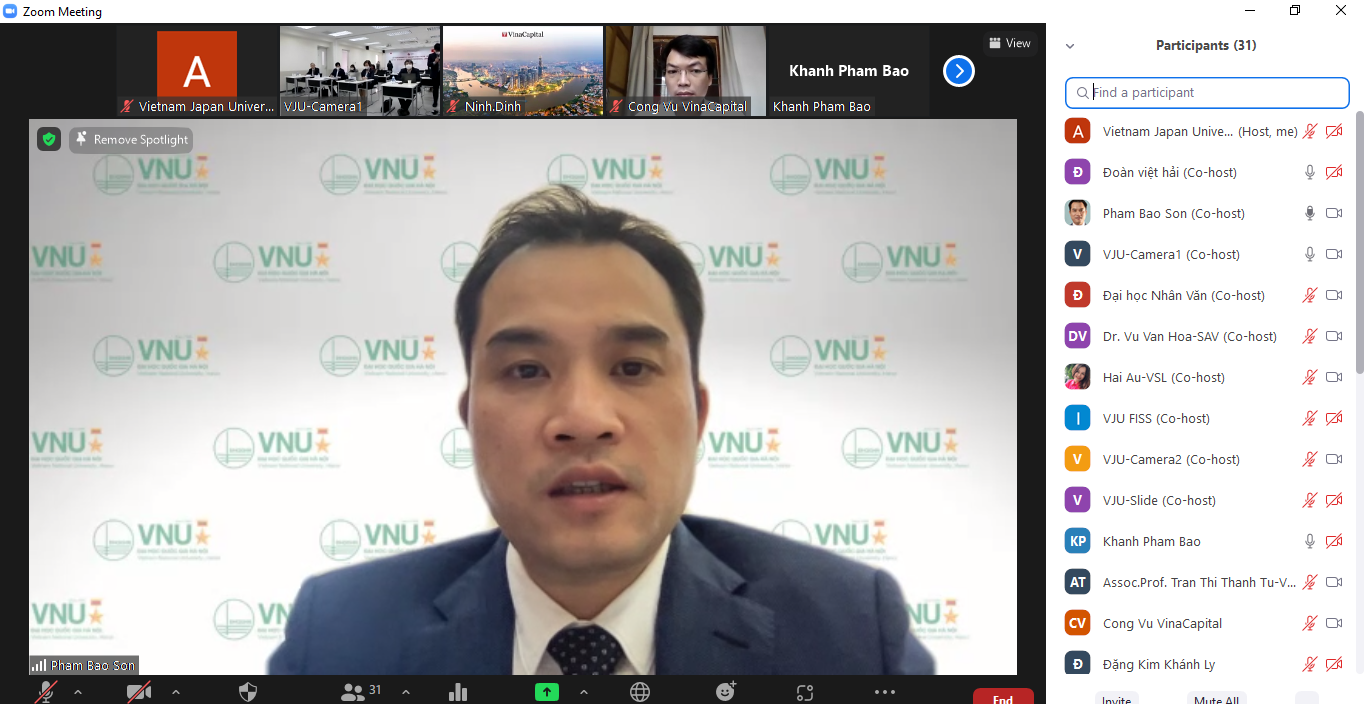
Associate Professor Pham Bao Son (Vice Director of Vietnam National University, Hanoi) speaking at the opening session via Zoom, noted that CISD2021 creates a valuable forum for all scientists, researchers, and experts in Vietnam and internationally to discuss various aspects of sustainable development.
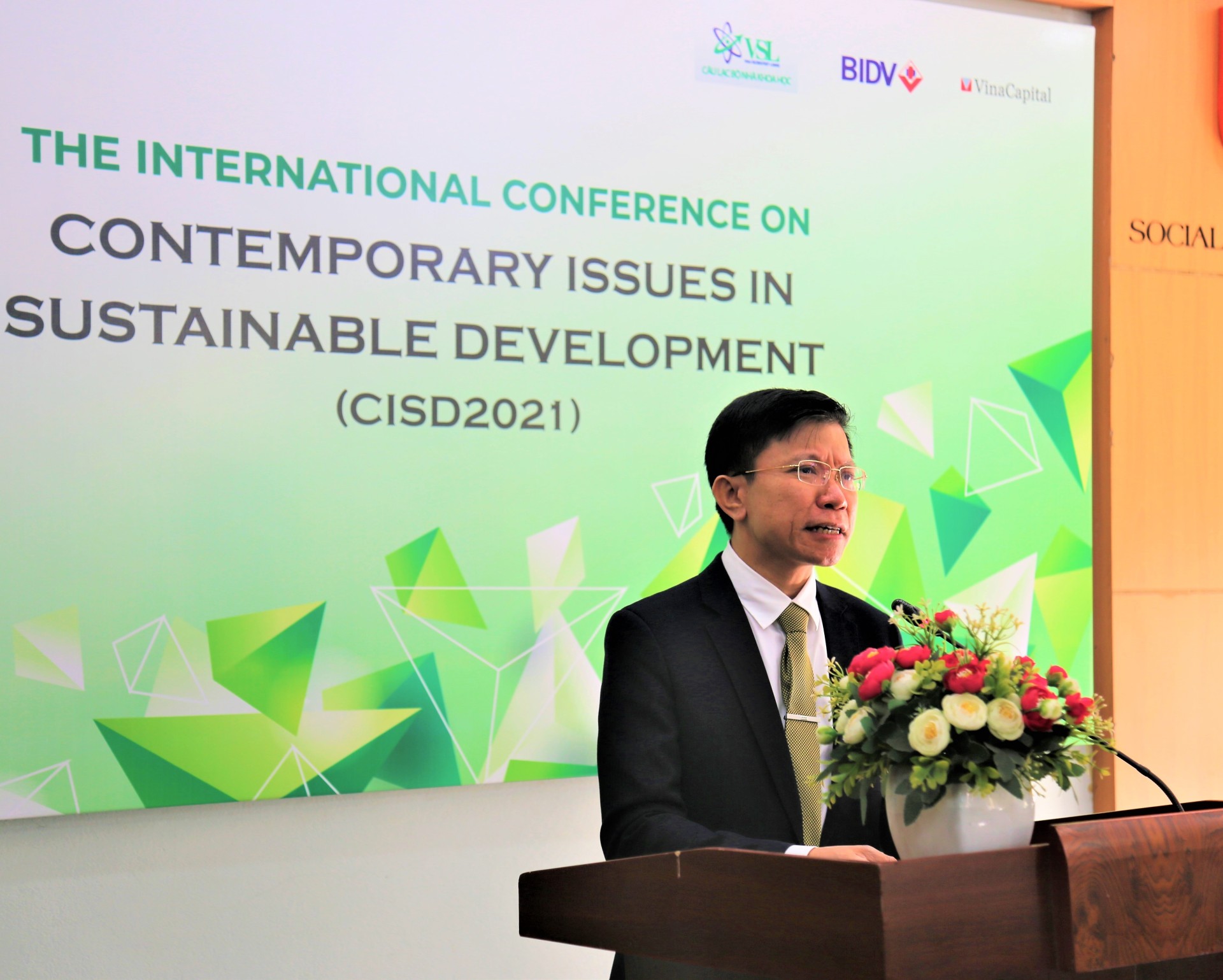
Professor Hoang Anh Tuan (Rector of the University of Social Sciences and Humanities) spoke at the opening session, emphasizing that the University always considers contributing to the United Nations' sustainable development goals as one of its priorities in its development strategy and improving its ranking.
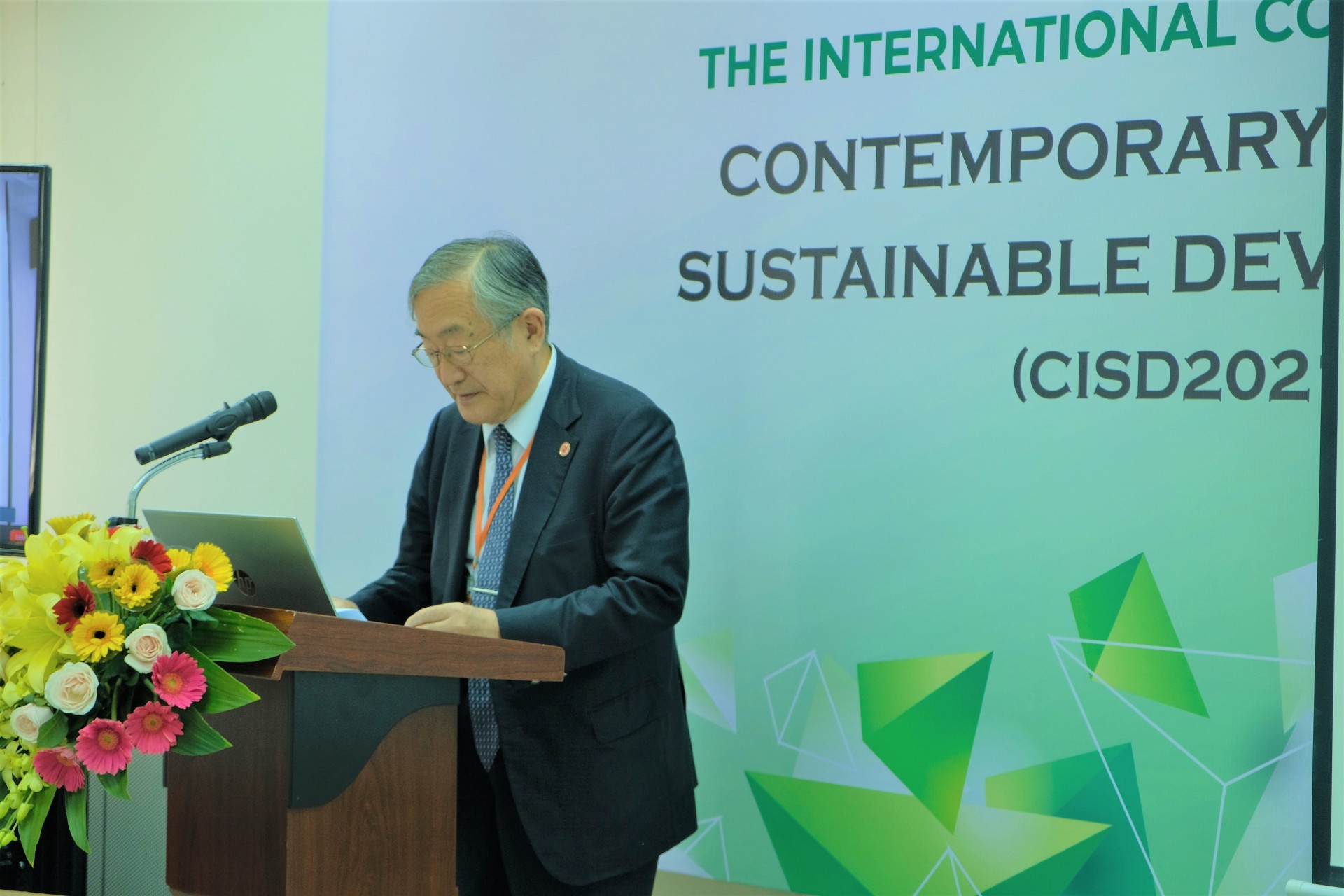
Professor Furuta Motoo (Rector of the Vietnam-Japan University) spoke at the opening session, expressing his belief that the speakers and scientists would present compelling and constructive ideas with high hopes, such as solutions based on nature combined with technology, as well as the integration and synergy between major actions towards sustainable development.
At the opening session, representatives from the organizing committee highly appreciated the significance of the conference in providing a multidisciplinary forum for exchanging research and academic ideas on a globally important issue that impacts diverse aspects of social life, especially in the context of the world dealing with the Covid-19 pandemic. The conference also served as an opportunity to promote close cooperation between researchers and scholars within VNU, with international scientists, particularly Japanese experts. Academic events like this conference provide practical opportunities to promote science and technology, contributing to the fulfillment of national responsibilities in the overall development strategy and enhancing the academic standing of VNU.
Following the Opening Session, the Conference was held with one Plenary Session and eleven thematic Sessions, focusing on the following issues: Social Sciences and Humanities in Sustainable Development; Sustainable Development Accounting and Environmental Auditing; Green Finance & Banking; Green Growth and Circular Economy; Human Resource Policy and Sustainable Development Strategy; Environmental Management and Engineering; Climate Change Mitigation and Adaptation; Sustainable Agriculture and Food Safety; Sustainable Materials and Green Processing for Energy Transition; Health Sciences and Healthcare; and Sustainable Trends in the Impact of the Covid-19 Pandemic.
In the opening presentation of the plenary session "Energy for Sustainable Development in the Human Age," Professor Kensuke Fukushi of the University of Tokyo pointed out the limitations of fossil fuels and the advantages of renewable energy. He argued that the development of various technologies is necessary to accelerate the deployment of renewable energy. A compelling case study, accurately researched in Japan, was presented to create a scenario of an "energy-independent island" where renewable energy fosters new business opportunities.
In his presentation, "Integrating Mitigation and Adaptation Towards Climate-Resilient Development," Professor Mimura from Ibaraki University affirmed that both mitigation and adaptation are crucial for climate change mitigation measures. Furthermore, their integration will yield more effective results in establishing a new development model: "Climate-Resilient Development." He began with the latest insights from the ICPP and introduced the 2021 Nobel Prize in Physics winner, Dr. Shukuro Manabe. He highlighted the two pillars of climate change response measures—mitigation and adaptation—the integration of these two, and the importance of climate-resilient societies in a sustainable world.
.jpg)
Speakers participating in the Conference Plenary Session via Zoom.
In his presentation, "Integrating Mitigation and Adaptation Towards Climate-Resilient Development," Professor Mimura from Ibaraki University affirmed that both mitigation and adaptation are crucial for climate change mitigation measures. Furthermore, their integration will yield more effective results in establishing a new development model: "Climate-Resilient Development." He began with the latest insights from the ICPP and introduced the 2021 Nobel Prize in Physics winner, Dr. Shukuro Manabe. He highlighted the two pillars of climate change response measures—mitigation and adaptation—the integration of these two, and the importance of climate-resilient societies in a sustainable world.
Professor Mai Trong Nhuan, Director of the Master's Program in Climate Change and Sustainable Development at the Vietnam-Japan University, highlighted the importance of challenges in building a resilient and low-carbon society (LCRS) alongside climate change adaptation (CCR) and sustainable development (SD) in his presentation on "Building a Resilient and Low-Carbon Society for Better Climate Change Adaptation and Sustainable Development". Along with presenting opportunities for building LCRS by introducing interesting processes such as circular thinking, balancing and harmonizing social, biological, and technological fields, Professor Mai Trong Nhuan explained the effectiveness of creating synergy between the three pillars of EP (environmental protection), CCR, and SD, as recognized in Vietnamese policy and law.
Opening the afternoon session on December 7th was a presentation on the topic "Developing Green Investment Funds - International Experiences and Policy Implications for Vietnam" by Mr. Nguyen Hai Nam, Standing Member of the National Assembly's Economic Committee. Mr. Nguyen Hai Nam's presentation emphasized the role of green finance, green banking, and green investment funds in promoting green investment and the green economy in Vietnam, as well as the strong commitment from the highest levels of the Vietnamese Government and National Assembly to sustainable development and adaptation to climate change.

Next was a presentation on “Experiences in Auditing the Implementation of Sustainable Development Goals in Vietnam” by Dr. Vu Van Hoa, Deputy Auditor General of the State Audit Office of Vietnam. In his presentation, the Deputy Auditor General particularly emphasized the solutions for achieving the sustainable development goals of the State Audit Office of Vietnam, including strengthening international cooperation activities, both bilateral and multilateral, and promoting research and application of science and technology to develop new methods of collecting audit evidence to achieve the sustainable development goals.
In the final session, Professor Le Ngoc Hung, from the University of Education, Vietnam National University, Hanoi, presented on the topic of "Education in Vietnam: Practical Issues and Policy Reforms." After analyzing the limitations of the Vietnamese education system, Professor Hung pointed out the inequality of educational opportunities and the larger proportion of the workforce lacking higher education and qualifications. The speaker proposed recommendations to balance attention to and investment in educational quality, prioritize addressing inequality of educational opportunities in the education policy reform agenda, expand access to higher education, and implement fundamental and comprehensive reforms to ensure no one is left behind.
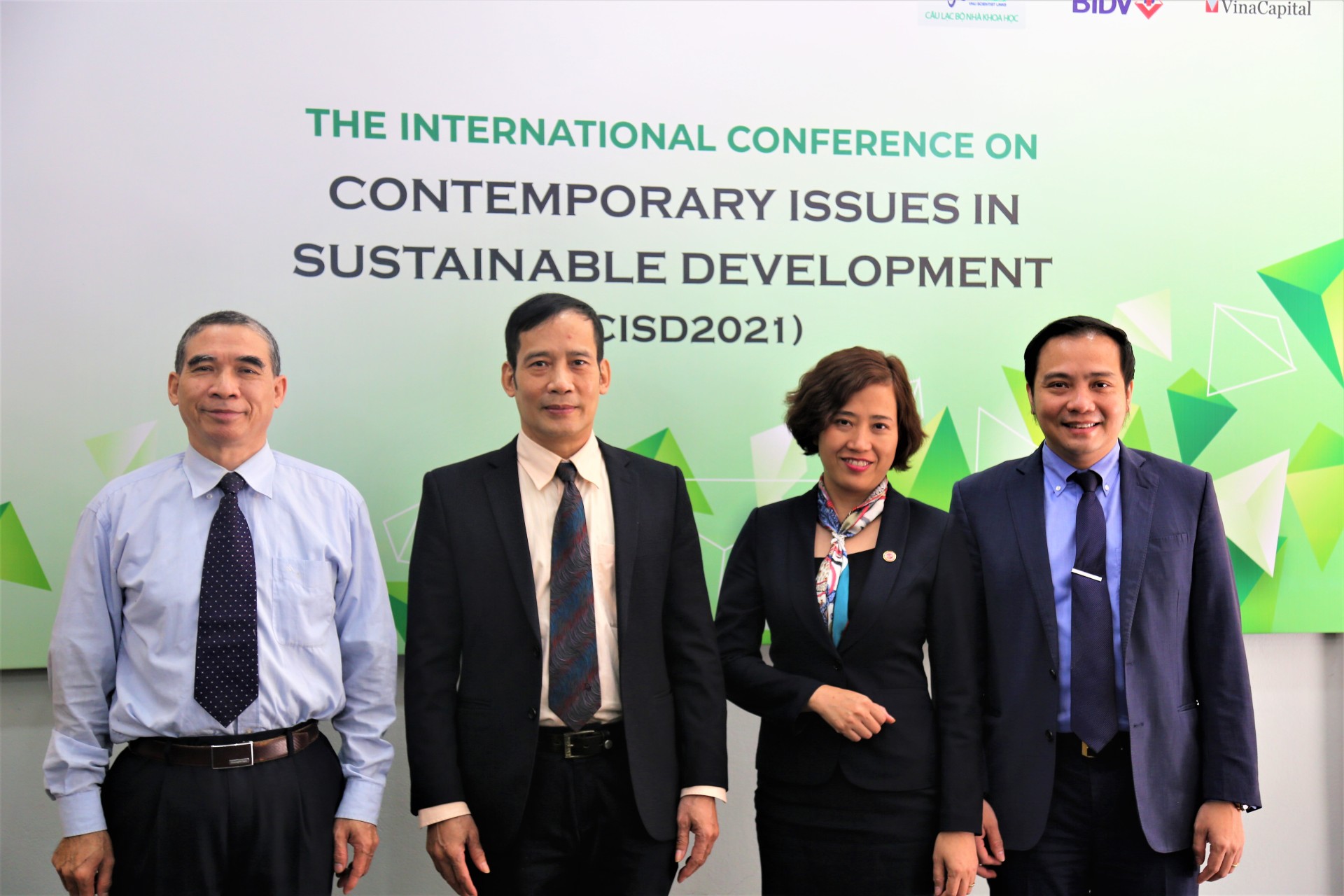
Representatives of the Organizing Committee pose for a photo at the University of Social Sciences and Humanities' venue.
At the Conference, the University of Social Sciences and Humanities chaired the thematic session "Social Sciences and Humanities in Sustainable Development" consisting of 3 parallel subcommittees: (i) Political, religious and international issues; (ii) Historical and cultural issues; (iii) Educational issues.
Author:USSH-VNU
Newer news
Older news

