After 10 years of implementing policies to promote international publications, the University's achievements in international publications have continuously improved in various aspects: the number of internationally published articles has increased, and their quality has deepened; a culture of international publication has gradually formed among the staff; many scientific disciplines within the university have established a strong position in international publications; the international relations network has expanded; many high-quality scientific products resulting from international cooperation have been launched; and international conferences in the field of social sciences and humanities have become a hallmark of the University...
However, in the context of increasing demands for international integration in science, training units are investing heavily in international publications to enhance the scientific capacity of their staff, improve rankings, and increase competitiveness in student and recruitment. The University has identified one of its key strategic tasks as sustainably improving its international publication capacity, aiming for top-tier scientific output; focusing on building a culture of academic ethics and integrity, and forming an ecosystem for international publications. Currently, there is a lack of sufficiently strong policies to create breakthroughs, guide, and direct the University's international publications in the future to meet these requirements.
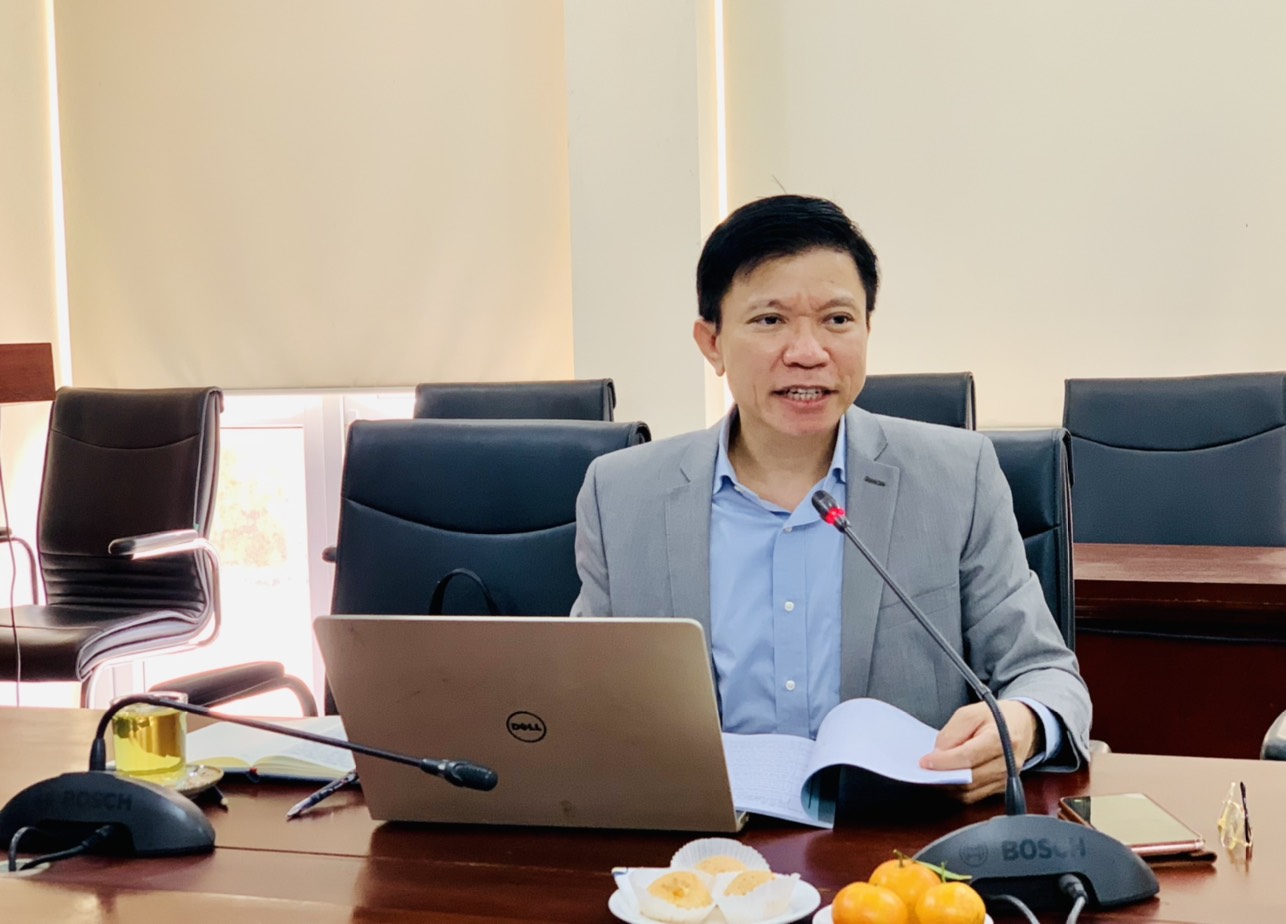
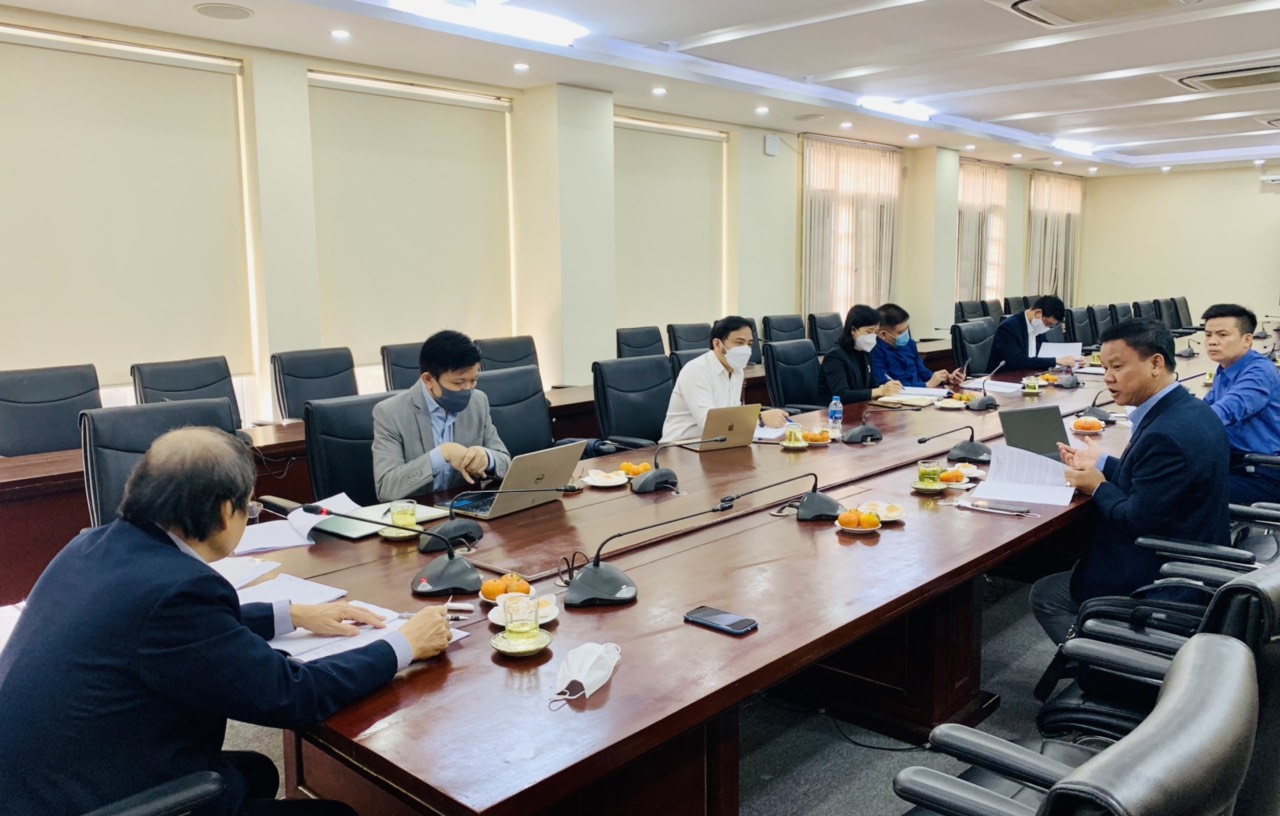
With those implications in mind, the Draft Decision on adjusting, supplementing, and amending the Program for promoting international publications and supporting doctoral training proposes several new points such as: projected direct investment for journal articles in ISI and Scopus Q1 indexes up to 70 million VND; increased support for international books/conference proceedings to a higher level... The Draft Decision on promulgating regulations on managing university-level research projects proposes increasing funding for each project; prioritizing staff with master's degrees and doctoral candidates who are in the process of standardizing their academic titles and degrees; and encouraging project leaders to register for international publications. In addition, basic-level projects prioritize proposals for upgrading and improving processes and tasks for functional departments. Regarding scientific seminars/workshops, members of the Standing Committee of the University's Science and Training Council suggest focusing investment on international or national-scale seminars; in particular, there should be specific requirements for the scientific output of each seminar.
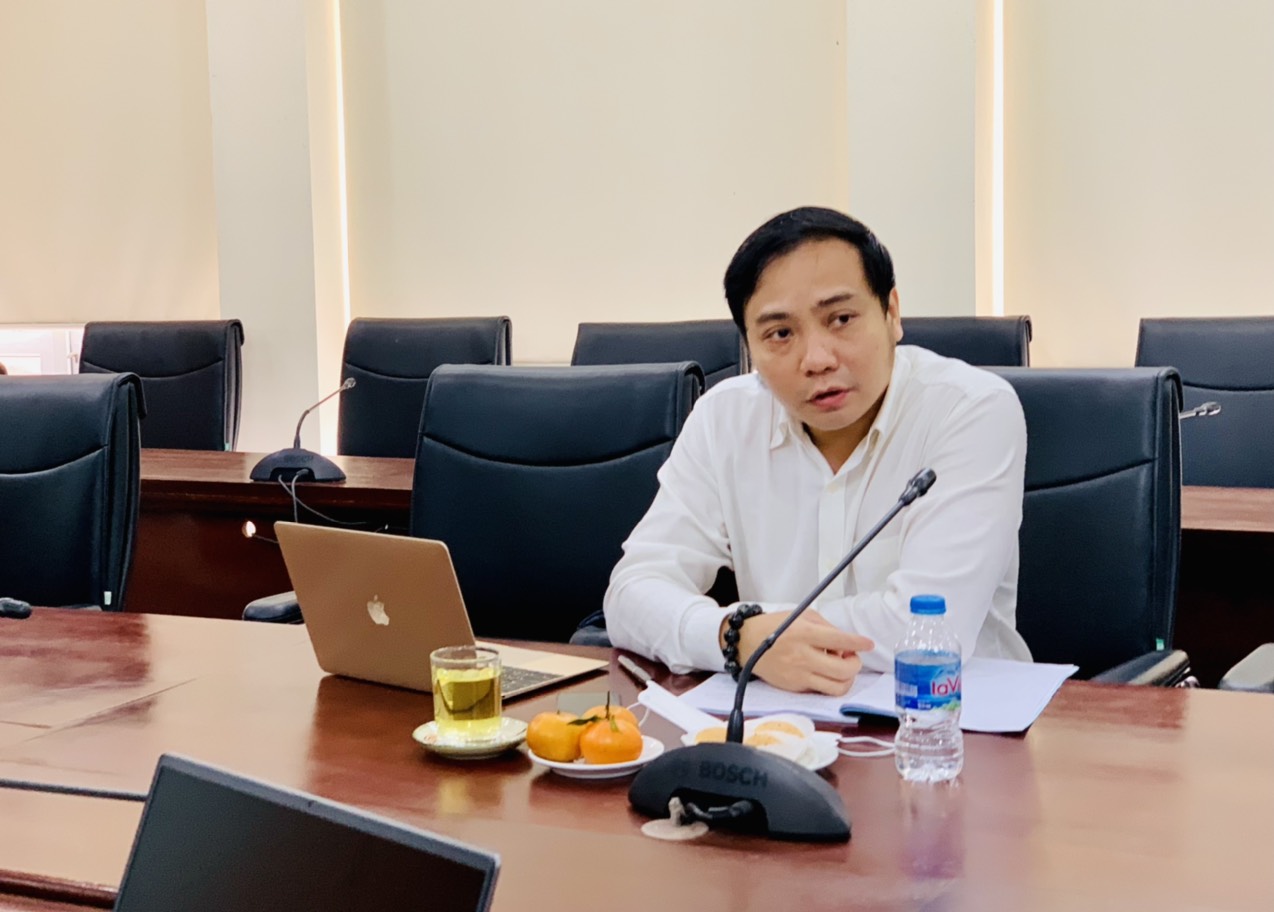
Based on the opinions of the Standing Committee of the Council for Science and Training, the two documents on supporting international publications and adjusting regulations on basic-level scientific research projects will continue to be revised by the relevant units and submitted to the Board of Directors for approval, with official promulgation expected in 2022. The proposed list of scientific conferences/seminars and basic-level science and technology tasks will also be revised to closely align with the University's major scientific orientations and update on new scientific issues and trends worldwide.