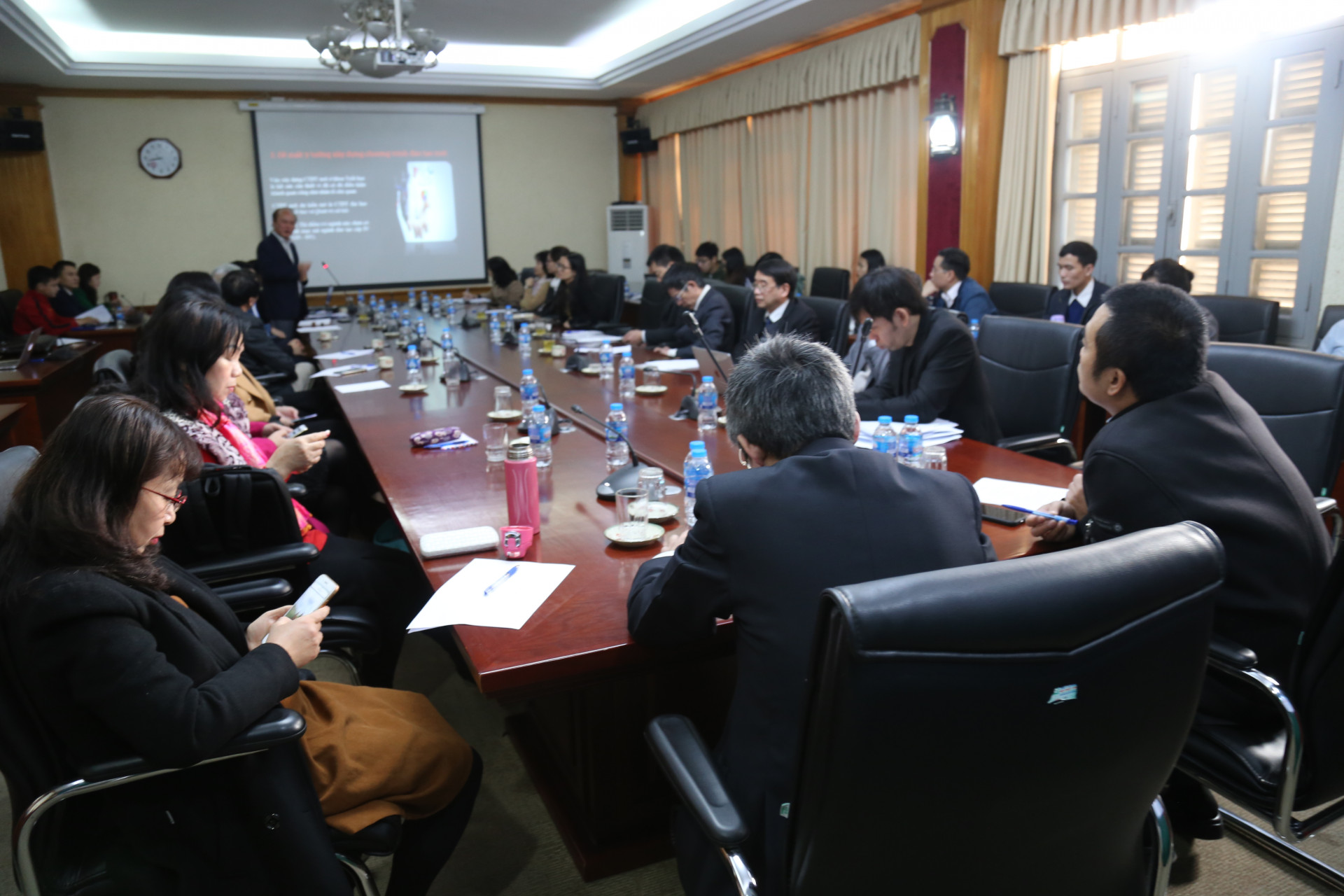
The workshop was organized to fulfill the task of improving the quality of philosophy training and to implement Resolution No. 20/TrH on the implementation of the Basic Science Research Project. The workshop aimed to gather information, research results, and exchange and summarize practical experiences related to issues concerning curriculum development, content, and conditions for improving the quality of philosophy training and teaching at Vietnam National University, Hanoi and other universities and academies.
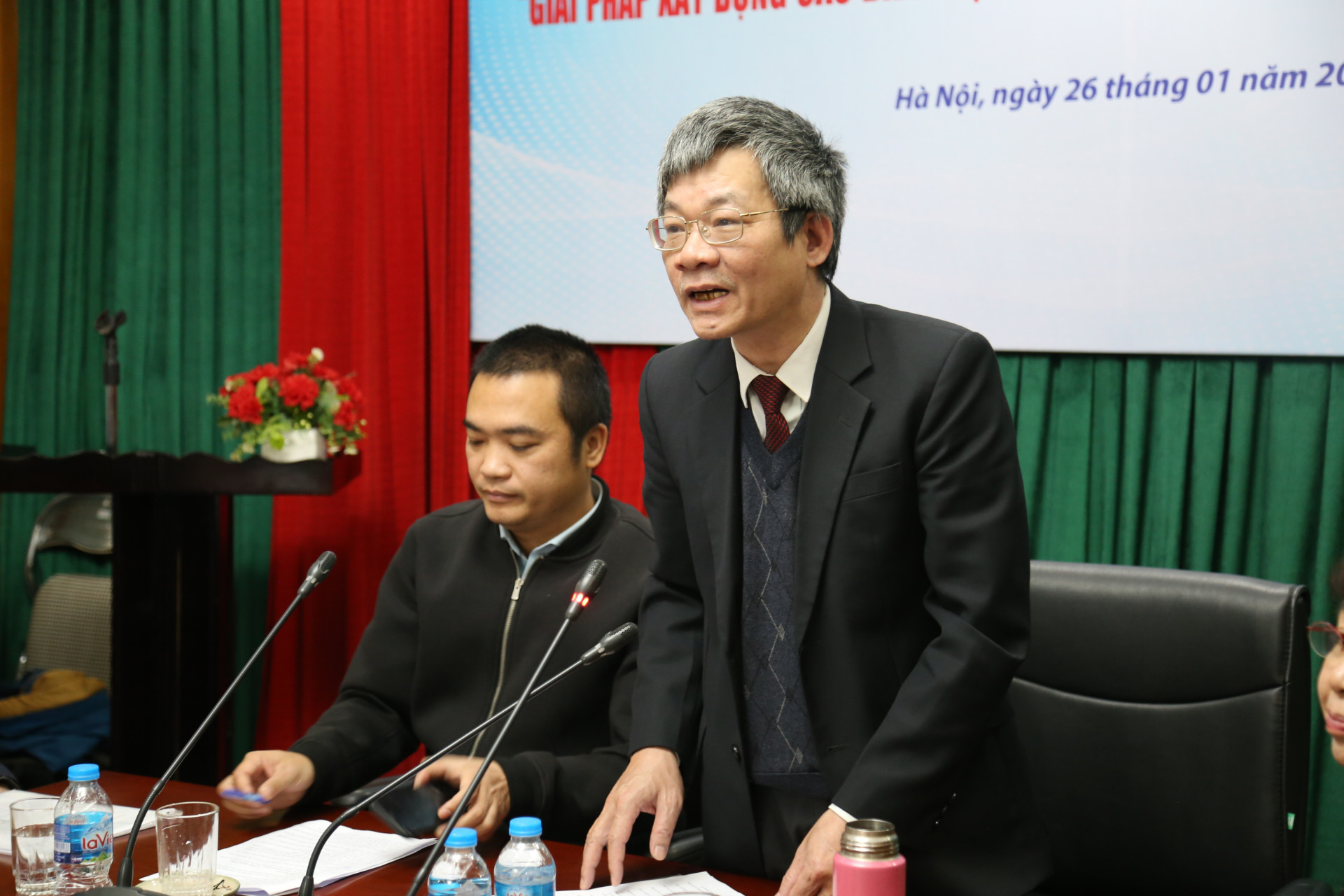 Assoc. Prof. Dr. Nguyen Anh Tuan delivered the opening remarks at the conference.
In his opening remarks at the workshop, Associate Professor Dr. Nguyen Anh Tuan emphasized the importance of philosophy as a useful tool to help students develop their knowledge and abilities in professional activities, serving society and contributing to national development. This necessitates that philosophy teachers approach the subject with caution, utilizing their full potential, dedication, and responsibility. Furthermore, given the ever-changing landscape of philosophy education both domestically and internationally, training institutions must constantly update their curricula, teaching content, and assessment methods to keep pace with these changes. Through this workshop, the Faculty of Philosophy hopes to find solutions to improve the quality of philosophy education for students in the field, and more broadly, for students in other disciplines.
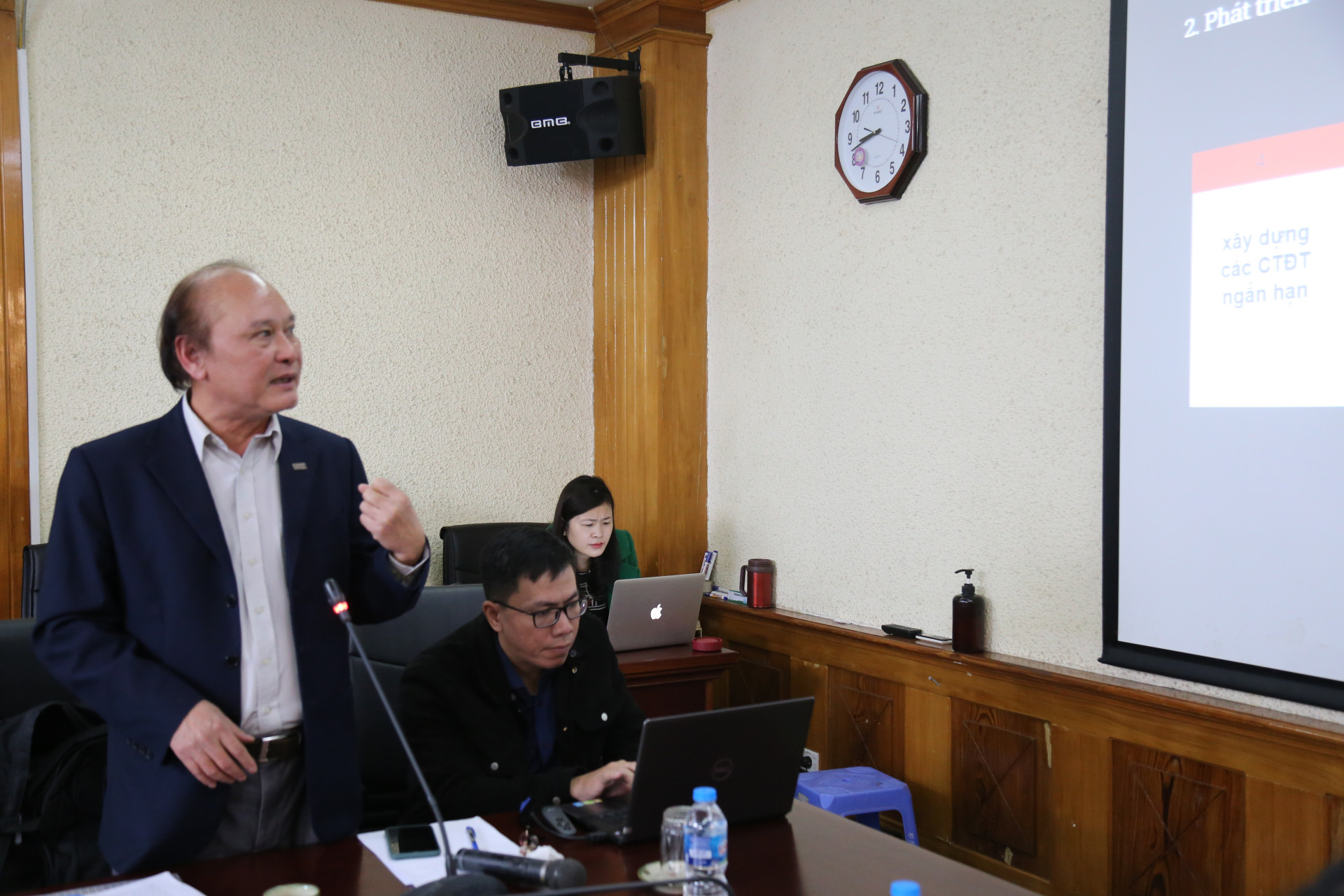 Associate Professor Tran Ngoc Lieu presented a paper titled "Some opinions on adjusting, developing, and building the training program at the Faculty of Philosophy, University of Social Sciences and Humanities today".
The workshop was organized into two sessions with the following specific contents:
- Innovating teaching methods (applying information technology in creating video lectures, teaching via course websites, etc.); developing curricula based on learning outcomes.
- Improving the quality of foreign language learning for students; career guidance for students; enhancing the quality of scientific research by undergraduate and postgraduate students; and experiences in helping doctoral students write scientific papers for international publication.
- Methods of examination and evaluation at the undergraduate level; undergraduate and postgraduate admissions.
- The specialized content is linked to the subjects/topics in the undergraduate and postgraduate training programs.
In addition, the presentations also addressed subjects/topics in the training programs at various levels, such as issues of Marxist-Leninist philosophy; scientific socialism; economic philosophy, history of philosophy, Eastern and Western thought; logic, professional ethics, ecology, ethics in the study of Marxism-Leninism, history of aesthetics, religious studies, etc.