

This page commemorates the 80th anniversary of the school's tradition and 30 years of development.University of Social Sciences and Humanities

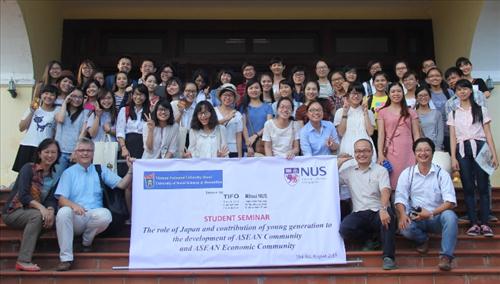
From August 3rd to 10th, 33 members of the Department of Japanese Studies, Faculty of Oriental Studies, University of Social Sciences and Humanities, Vietnam National University, Hanoi, participated in the program.Student exchange program for Japanese Studies majors in Hoi An., in the string5 Years of Student Exchange Program in Japanese Studies in Southeast AsiaSponsored by the Toshiba Foundation. This year, the Hoi An exchange program also included students from the Japanese Studies Department (National University of Singapore) and the Vietnamese Studies Department (Phan Chau Trinh University). Members of the Japanese Studies Department had a wonderful 10-day experience in Hoi An and Da Nang.
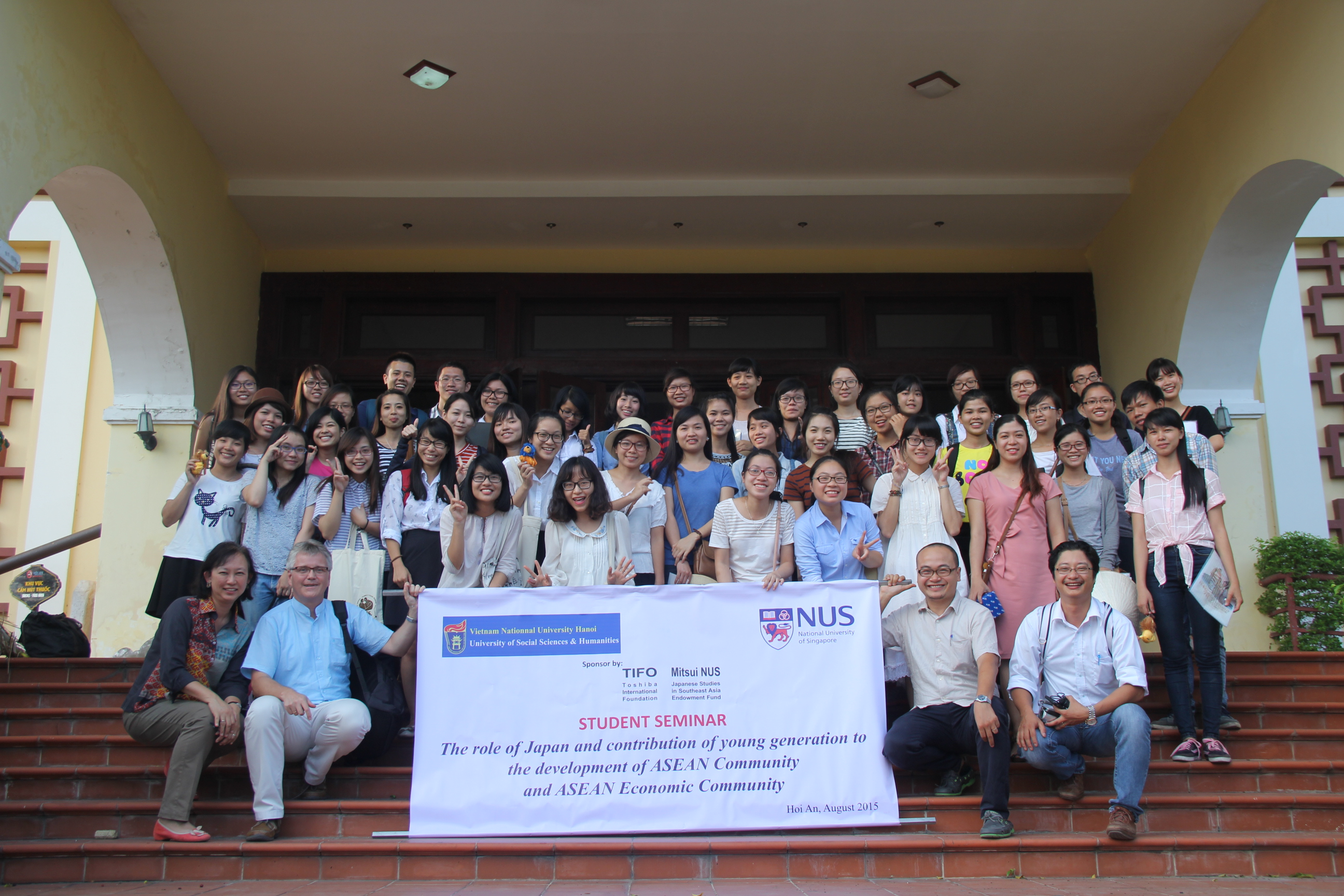
Delegates attending the scientific research seminar/Photo: Le Kieu Anh
The exchange program included two main components: a scientific research seminar and extracurricular activities. In Hoi An – a historical international trade hub of Vietnam – we had the opportunity to share our understanding and passion for issues surrounding the relationship between Vietnam and ASEAN and Japan, both historically and currently. Interwoven within this larger theme were many current and practical issues relevant to the lives and concerns of today's youth. One of the topics that garnered the most interest from young people was Japanese youth culture and its influence in Vietnam and Singapore.
When presenting on the results of Japan's heritage conservation cooperation in Vietnam, students from Vietnam National University, Hanoi (VNU) introduced a student volunteer model at the Imperial Citadel in Hanoi. Students from Phan Chau Trinh University also shared experiences on similar models in tourism development in Hoi An. In addition, a presentation by a representative from the National University of Singapore on reconstruction efforts after the earthquake and tsunami disaster in Okachi town, northeastern Japan, provided a multifaceted perspective from the experience of someone who had lived there for a long time.
The remaining days of the program were dedicated to hands-on experiences exploring fascinating locations in Hoi An, Da Nang, and Hue, such as Hoi An Ancient Town, Thanh Ha Pottery Village, My Son Sanctuary, Cham Island, Lang Co, My Khe Beach, Ba Na Hill, Marble Mountains, and Son Tra Peninsula… These were wonderful trips, not only allowing us to admire the beautiful scenery of these landmarks but also providing us with valuable knowledge and understanding of the culture, history, and religion of these places.
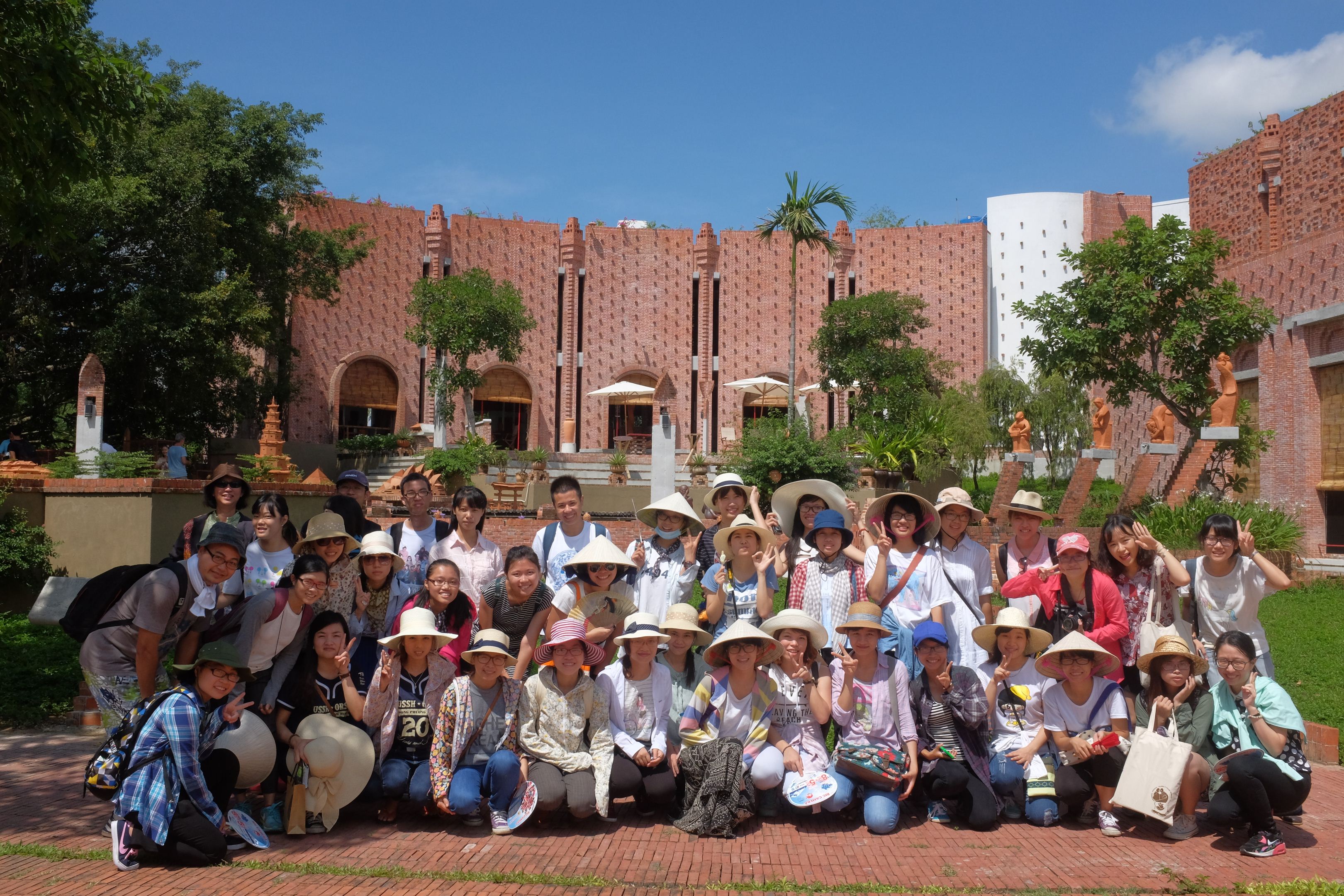
Visiting villages including Thanh Ha, Hoi An/Photo: Pham Hoang Hung
Those experiences led us to ponder: what can we do to contribute to the development of Vietnam's tourism industry, given the unique and promising tourism conditions and potential in each region? Above all, drawing from the development experiences of historical trading ports like Hoi An and Pho Hien, we realize that, given our geopolitical advantages, it is time for our country to truly "set sail," integrating with regional and global development, especially in this new phase with the establishment of the ASEAN Economic Community.
Finally, on behalf of the students in the delegation, I would like to express my sincere gratitude to the teachers and students of the National University of Singapore, as well as the students of Phan Chau Trinh University in Hoi An city, for their participation and contributions to the success of this scientific research session. I would also like to express my thanks for the valuable contributions, both in terms of expertise and facilities, from the staff of the Hoi An Cultural Heritage Conservation Management Center. Above all, I would like to sincerely thank the Toshiba Foundation for sponsoring this opportunity, which allowed us to connect with friends, exchange knowledge, and discover new things in this hospitable Central Vietnam.
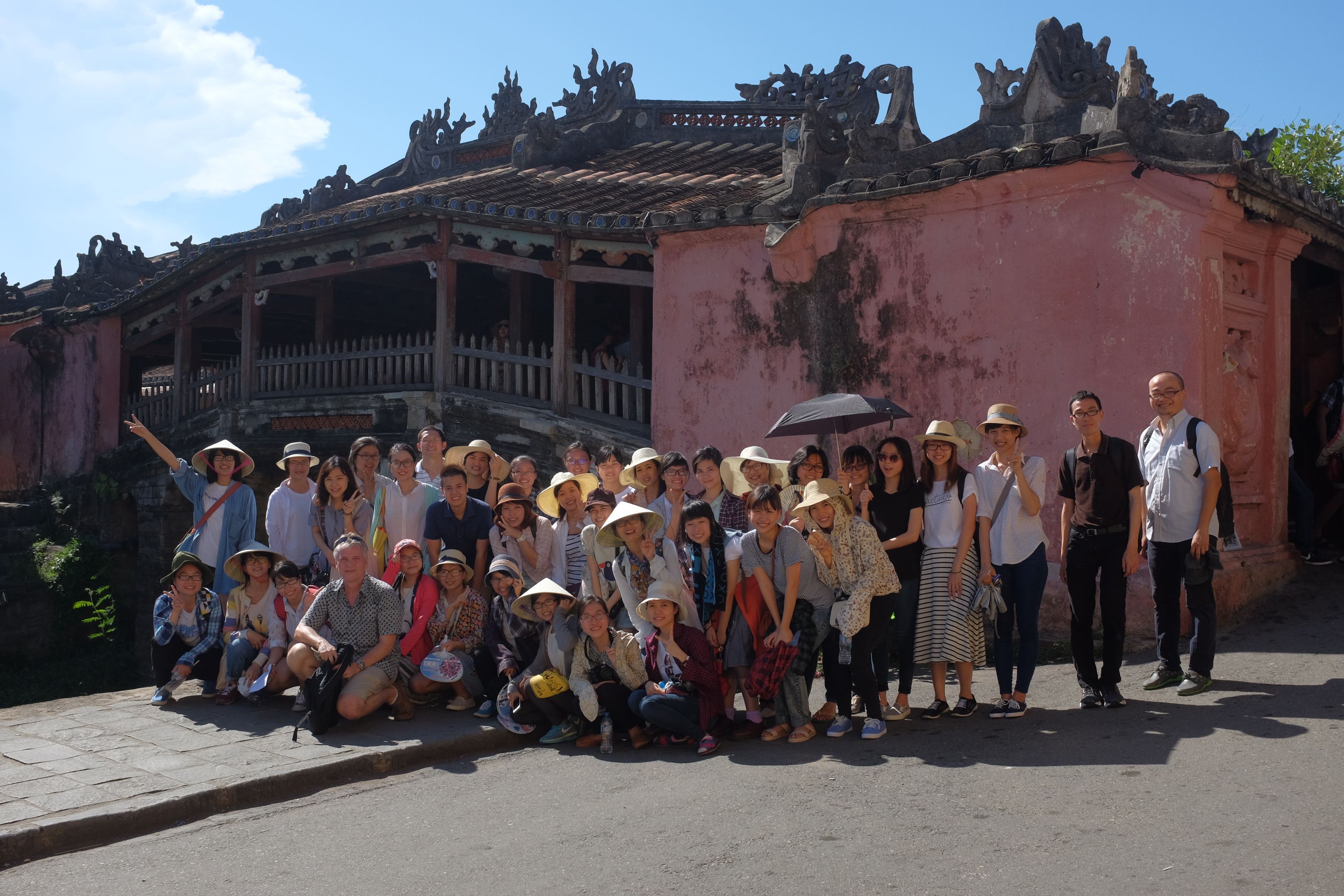
Visiting Hoi An Ancient Town / Photo: Pham Hoang Hung
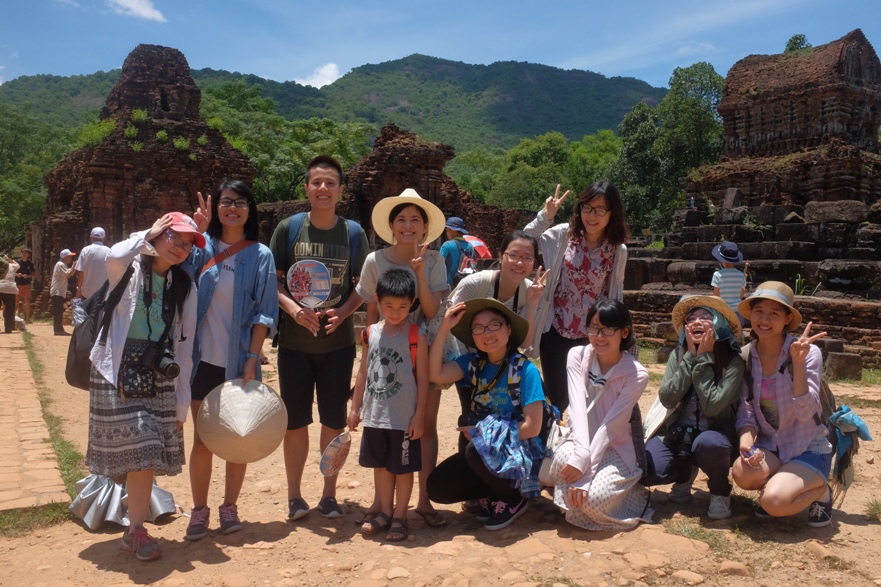
Visiting My Son Sanctuary/Photo: Pham Hoang Hung
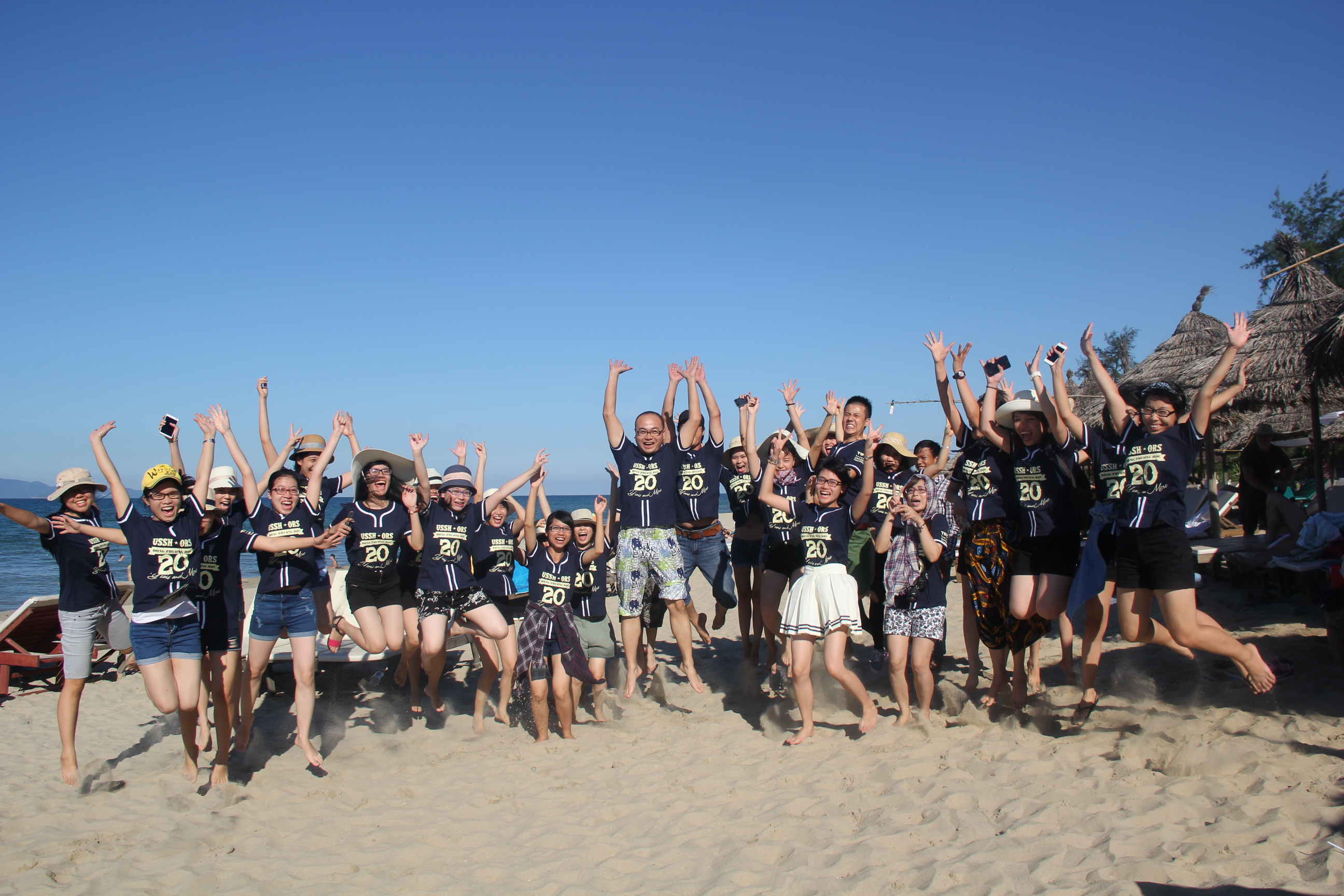
Extracurricular activities at My Khe beach/Photo: Le Kieu Anh
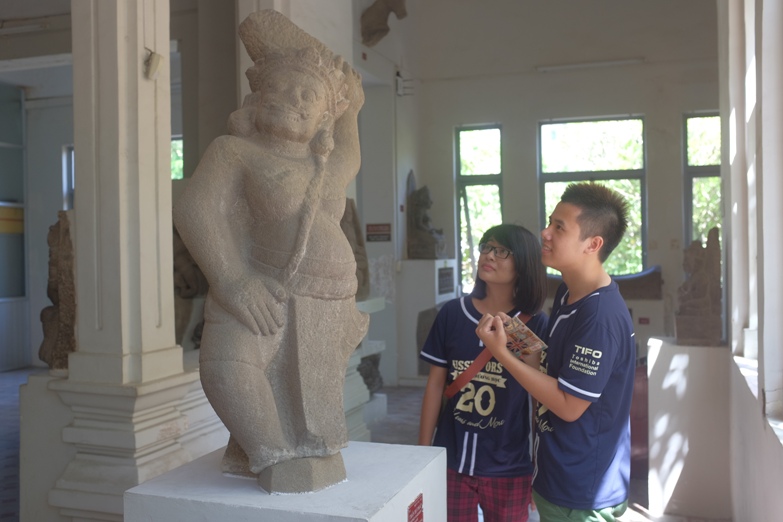
Visiting the Cham Sculpture Museum (Da Nang)/Photo: Pham Hoang Hung
Author:Nguyen Mai Huong
Newer news