
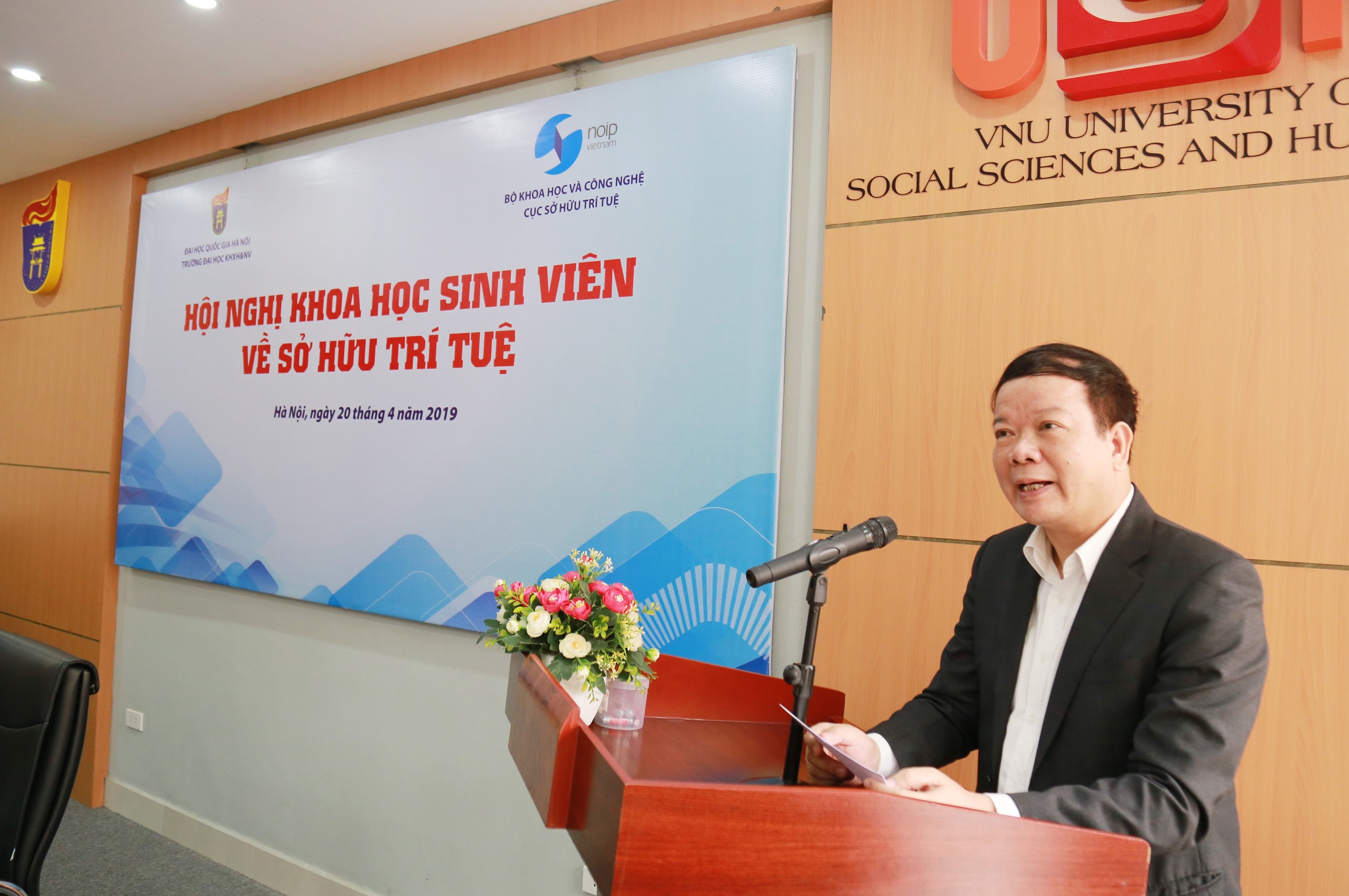
Prof. Dr. Nguyen Van Kim (Vice Rector of the University of Social Sciences and Humanities)
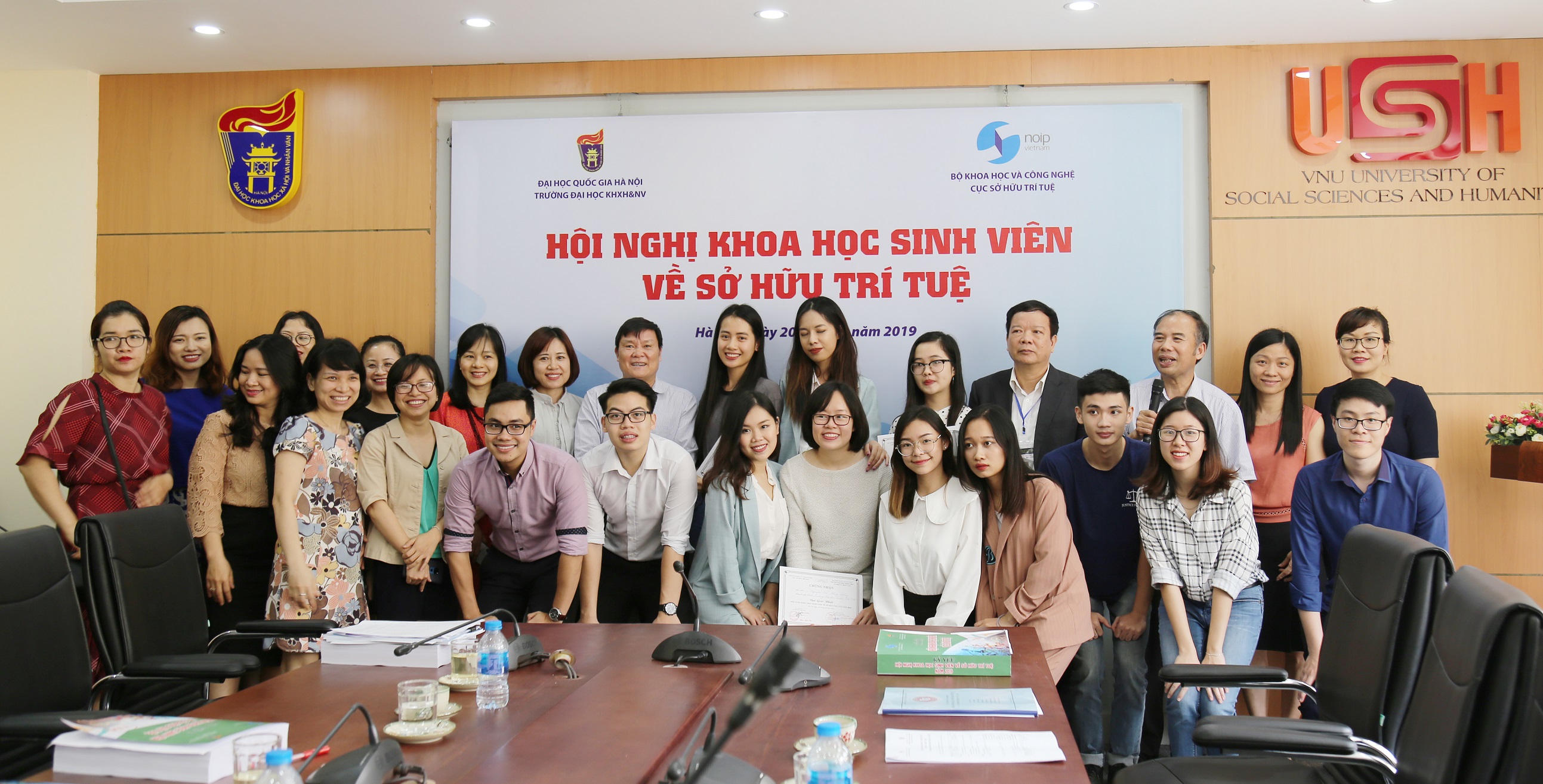
The conference was attended by Prof. Dr. Nguyen Van Kim (Vice Rector of the University of Social Sciences and Humanities), and Mr. Le Tat Chien (Deputy Director of the Center for Research, Training and Support, Consulting, Intellectual Property Office).
This year's conference attracted more than 30 scientific papers from students representing 6 institutions: the University of Social Sciences and Humanities (VNU), Hanoi Law University, National Economics University, Foreign Trade University, Law University (Hue University), and the new member, the Vietnam Women's Academy.
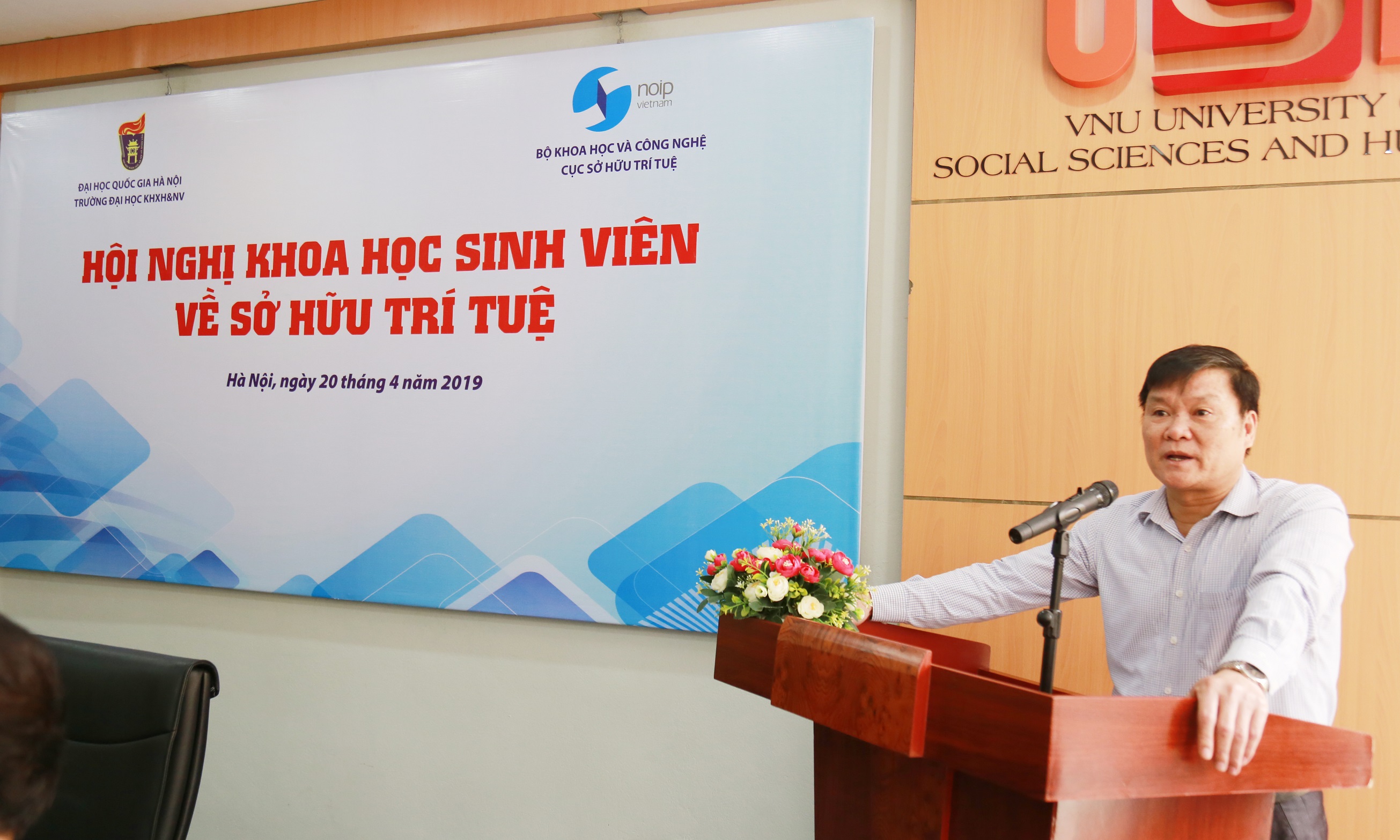
Mr. Le Tat Chien (Deputy Director of the Center for Research, Training and Support, Consulting, Intellectual Property Office)
The students participating in the scientific research presentations were assessed as having demonstrated good competence, confidence, understanding of their research content, and presenting their findings clearly and coherently. Following the principle of "students are the masters," each presentation was followed by a Q&A session among the students. The research results showed the students' ability to think independently, work diligently, and invest seriously in their research topics.
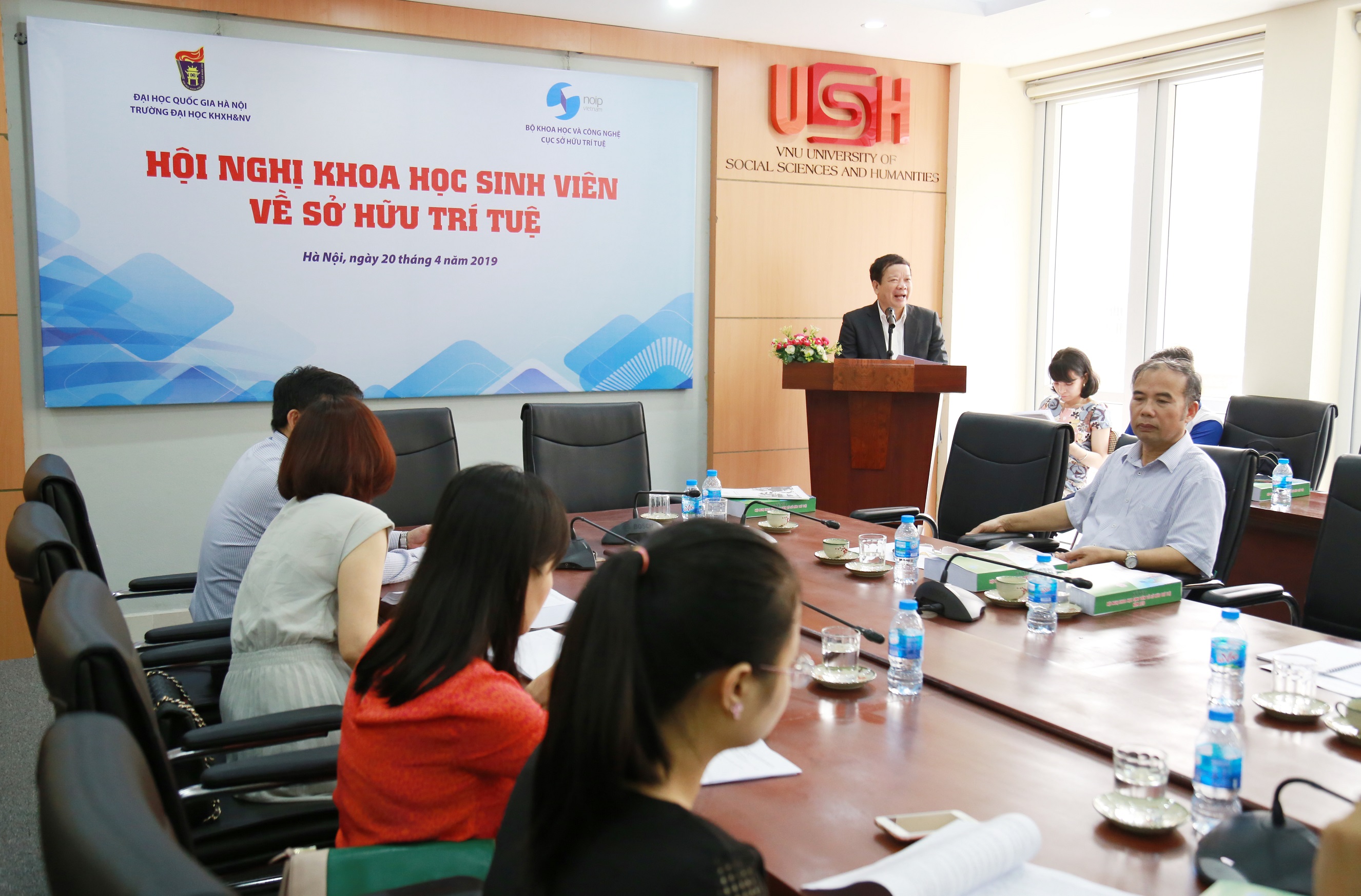
The conference demonstrates the close connection between research and training activities; through it, it not only encourages the creativity and learning ability of students but also positively impacts the effectiveness of training, especially in the field of Intellectual Property (IP) - a topical area in Vietnam today. The conference also provides an opportunity to connect scientists, students, lecturers, and businesses interested in IP, aiming to improve the effectiveness of IP protection and enforcement in Vietnam in the context of international economic integration.
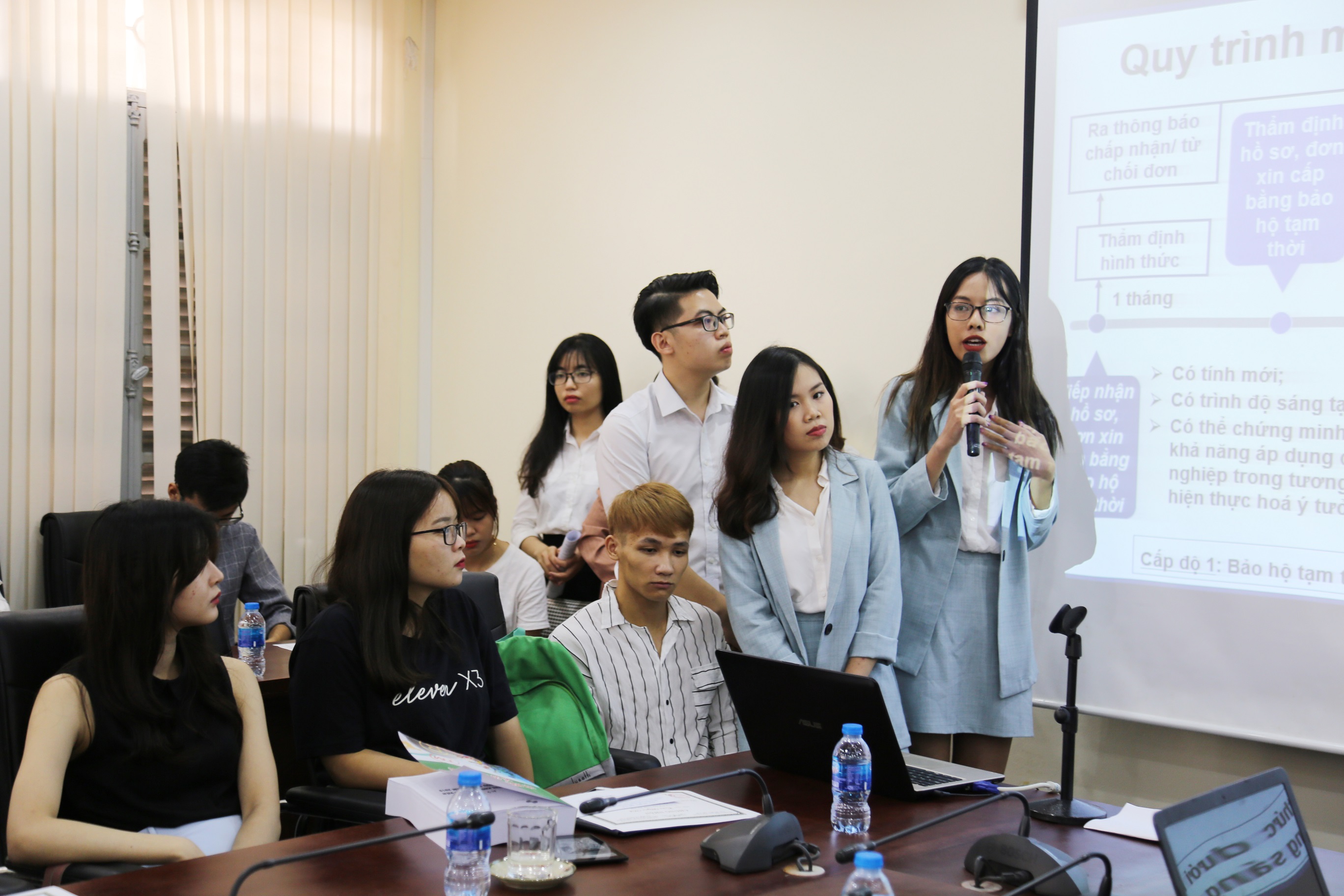
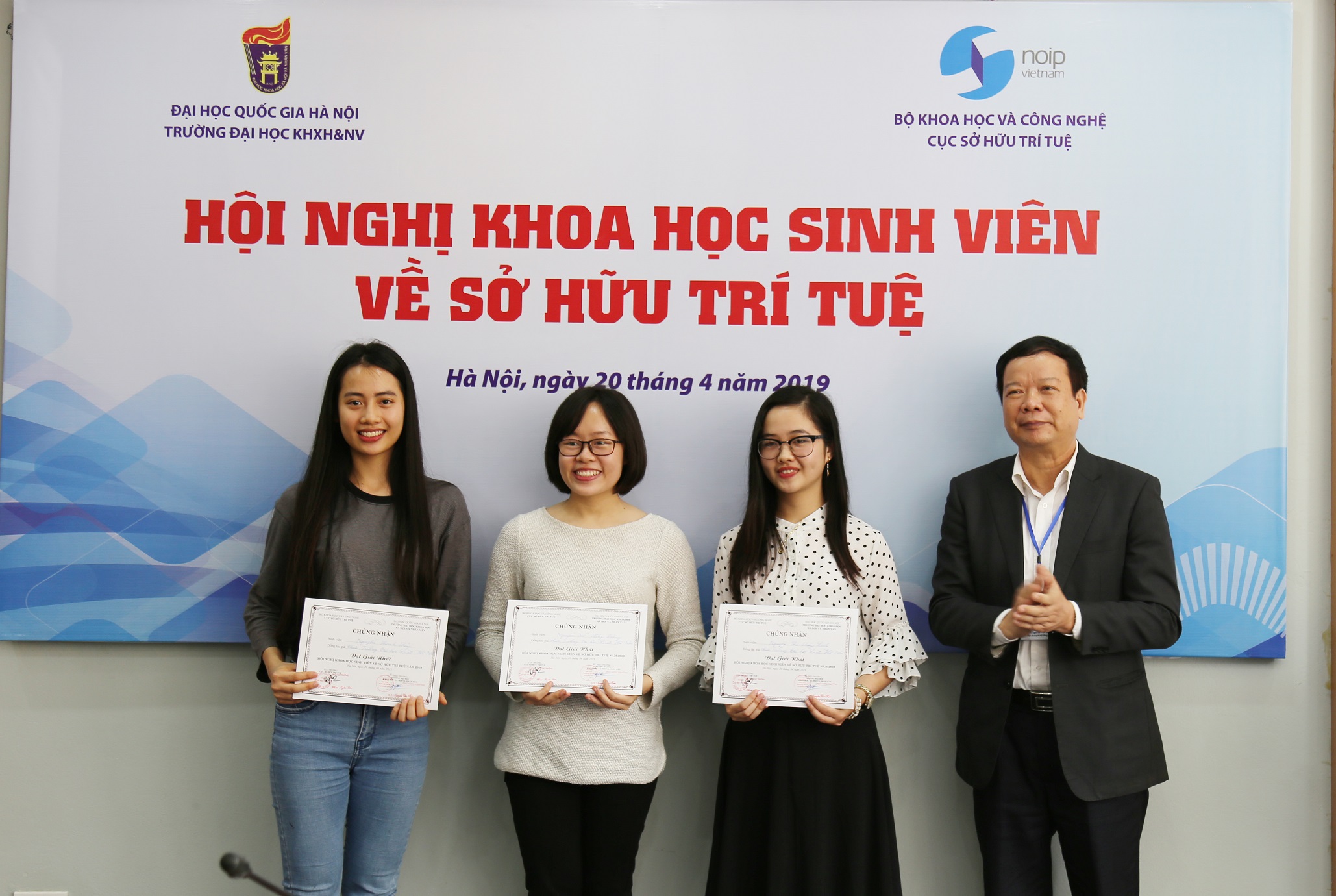
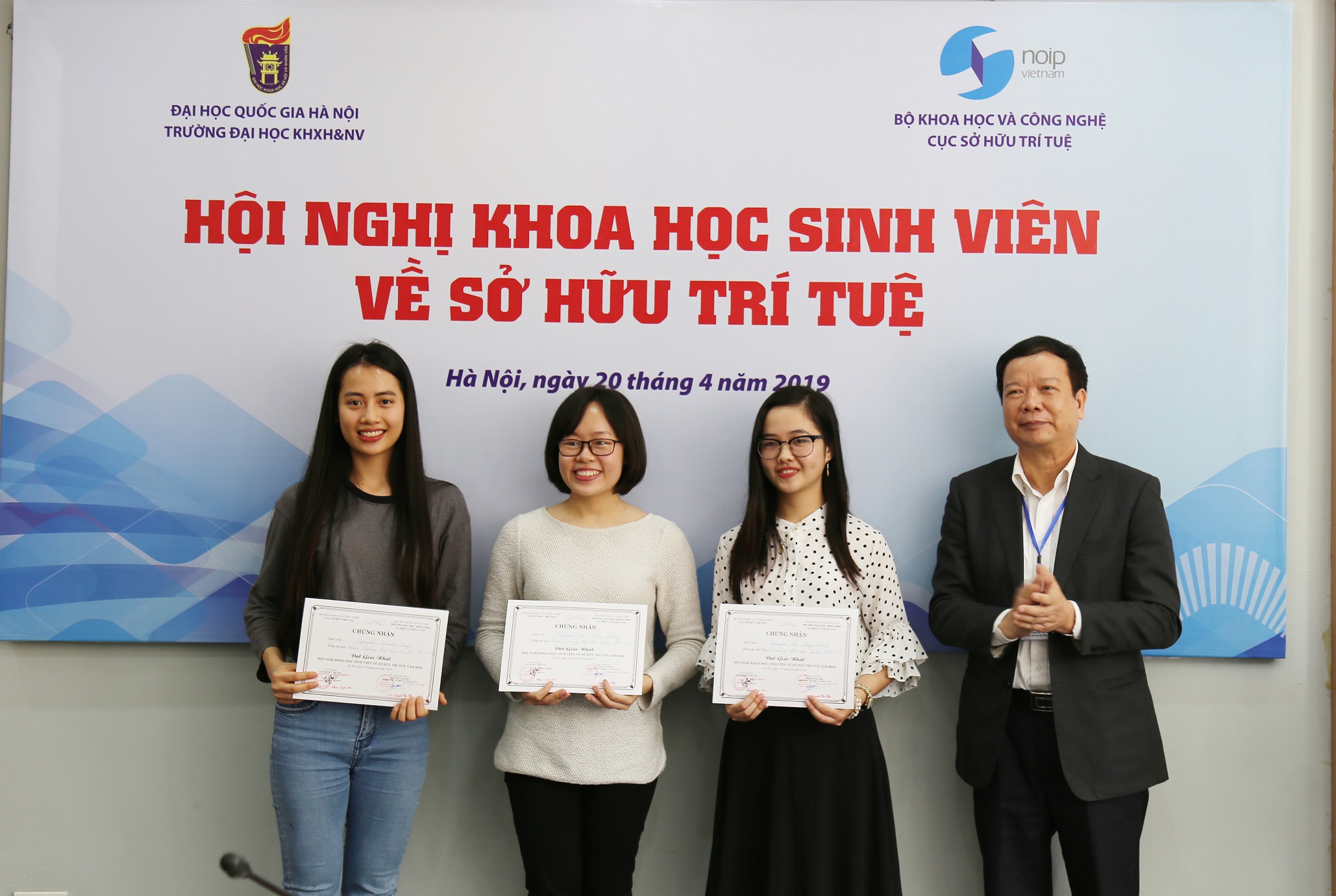
The conference awarded one first prize, two second prizes, three third prizes, and three consolation prizes to the participating groups of authors.
- First Prize: “Improving the legal framework for controlling the business activities of goods infringing trademark rights on e-commerce platforms - Experiences of some countries around the world and lessons for Vietnam”, by authors Nguyen Thanh Thuy, Nguyen Nu Hong Duong, Nguyen Thi Thuy Linh (Hanoi Law University).
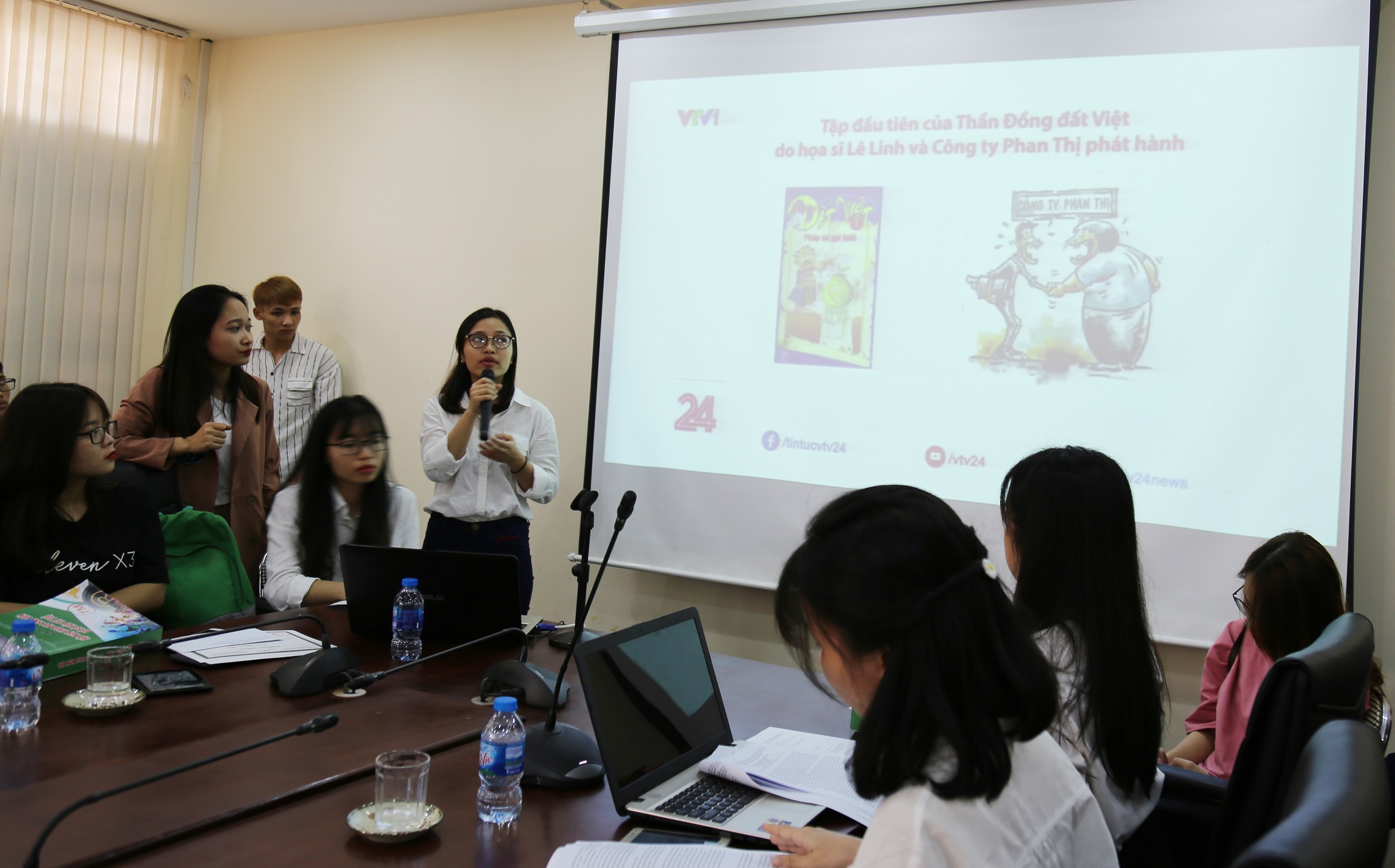
- Second Prize:
+ “Protection of innovative startup ideas – Challenges and solutions for improving the legal framework”, by authors Vu Hoang Anh, Bui Ha Phuong, Dang Ngoc Linh (Hanoi Law University).
+ “Intellectual Property Management Activities of Enterprises in Vietnam”, by authors Tran Van Nhat, Nguyen Thi Thu Ha, Nguyen Phuong Thao, Tran My Hanh, Le Thi Phuong Lan (Foreign Trade University).
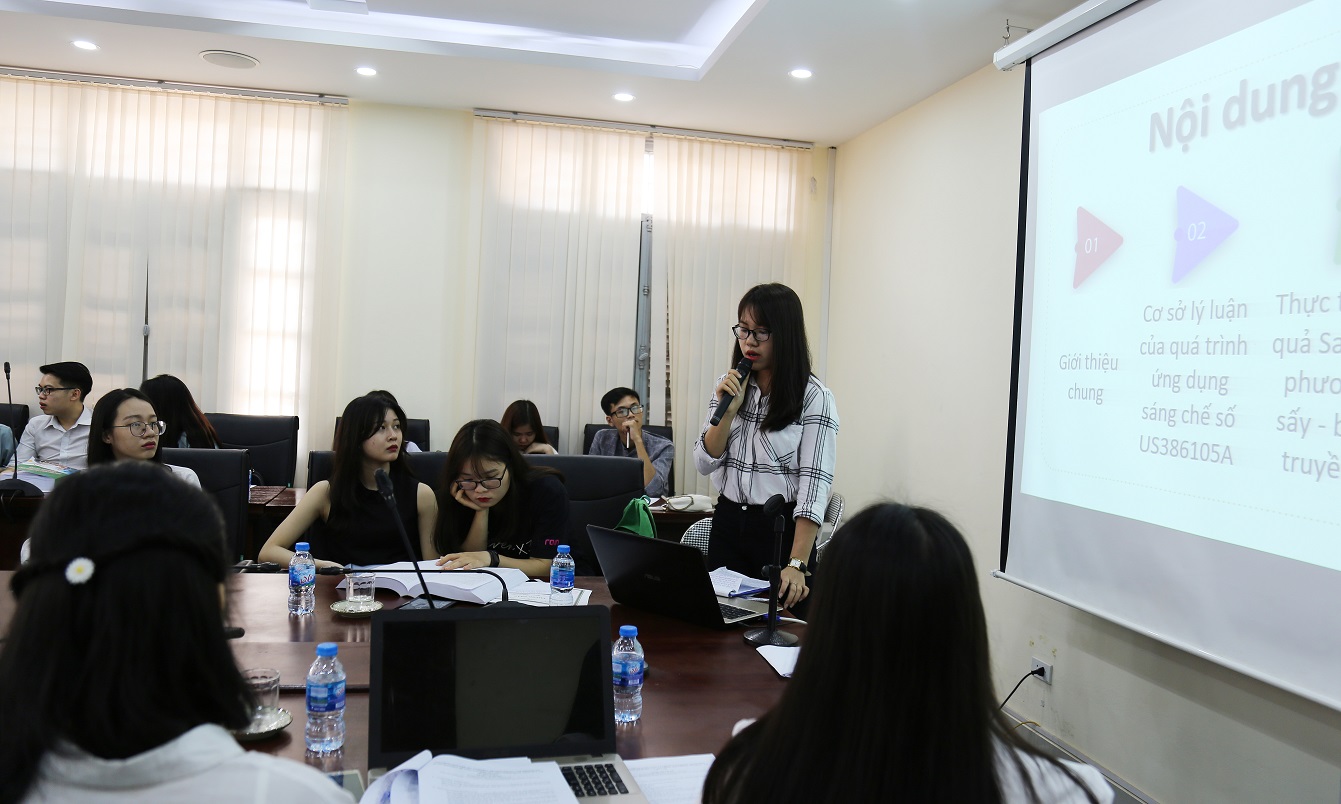
- Third Prize:
+ “Application of invention number “US3861053A METHOD FOR DRYING AND PRESERVING PLANT MATERIAL” to improve the efficiency of drying and preserving cardamom after harvest in Sa Pa district”, Vu Thi Nga (University of Social Sciences and Humanities, VNU Hanoi).
+ “Promoting the role of Internet service providers to enhance the effectiveness of copyright protection in the Internet environment in Vietnam”, Mai Thi Anh (Faculty of Social Sciences and Humanities, VNU Hanoi).
+ “Law on copyright and co-authorship - practical application to disputes in Vietnam”, by authors Nguyen Thi Thu Hang, Nguyen Thi Duyen, Lu Thi Oanh, Do Mai Phuong Trinh, Vanessa Sphabmixay (National Economics University).
- Honorable Mention:
+ “The invention CN103947747A COMPOUND PRESERVTIVE FOR CITRUS AND PREPARATION METHOD THEREOF,” by authors Phan Thi Suong, Le Thi Bich Thuy, Nguyen Thi Thuong, Nguyen Thi Ha (Faculty of Law, Hue University).
+ “Copyright over broadcast programs viewed from the copyright dispute over the work “FIGHTER OF THE HEAVENLY KING”, author group Pham Thi Hong Diep, Nguyen Dai Dung, Nguyen Tung Duong, Vu Thi Dao, Nguyen Thi Thuy Dung (National Economics University).
+ “Criteria for evaluating well-known trademarks under Vietnamese Intellectual Property Law: Current situation and recommendations for improvement”, Tran Thi Tra My (K3 Law C, Faculty of Law, Vietnam Women's Academy).
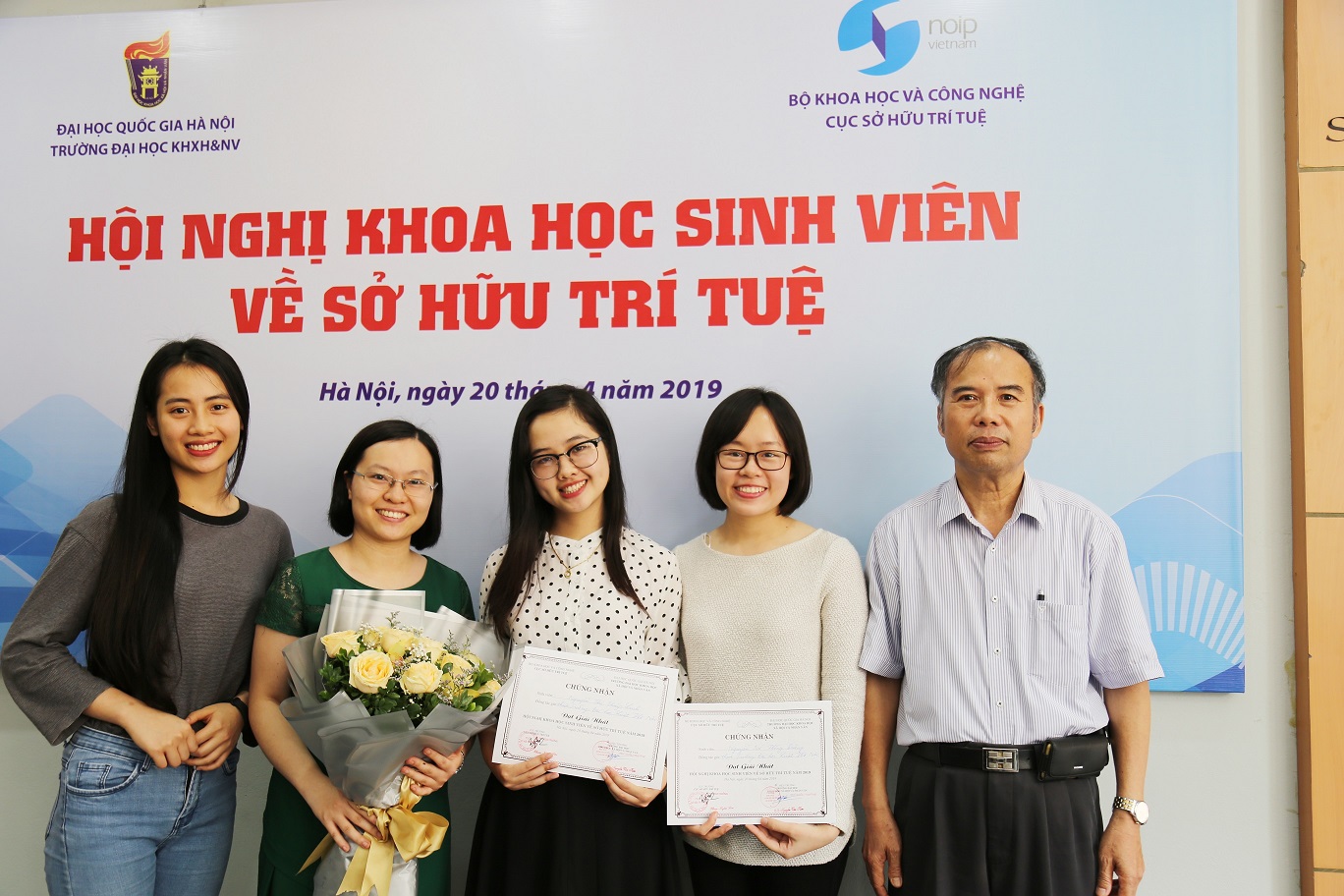
This year, the two sponsors, Link & Partners Law Firm and Advacas Law Office, also awarded two additional Application Prizes for highly practical projects. These are:
+ “Application of invention number “US3861053A METHOD FOR DRYING AND PRESERVING PLANT MATERIAL” to improve the efficiency of drying and preserving cardamom after harvest in Sa Pa district” by Vu Thi Nga (University of Social Sciences and Humanities, VNU Hanoi).
+ The invention "Compound Preservative for Citrus and Preparation Method Thereof" by authors Phan Thi Suong, Le Thi Bich Thuy, Nguyen Thi Thuong, Nguyen Thi Ha (Faculty of Law, Hue University) has no protection effect in Vietnam.
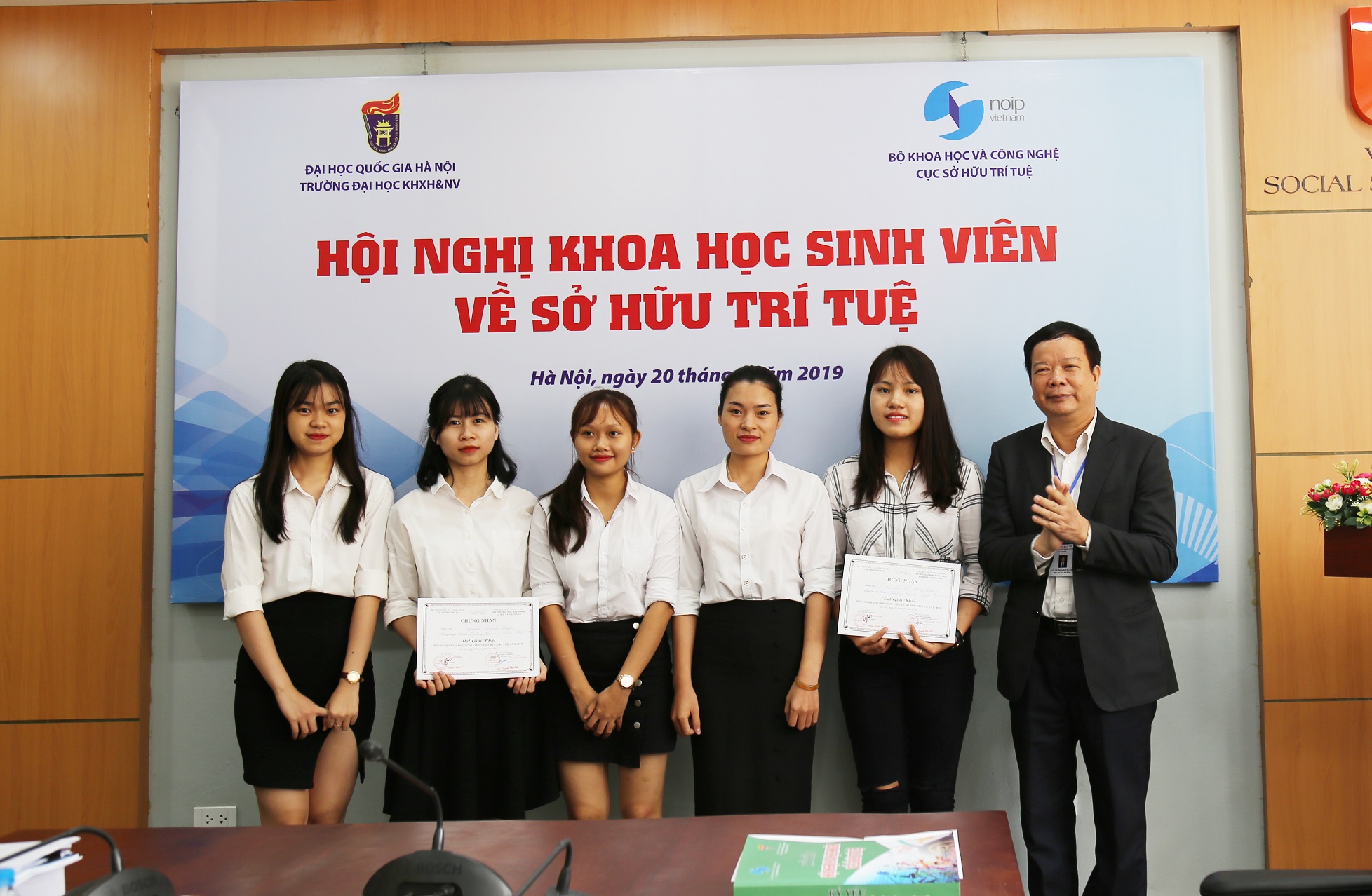
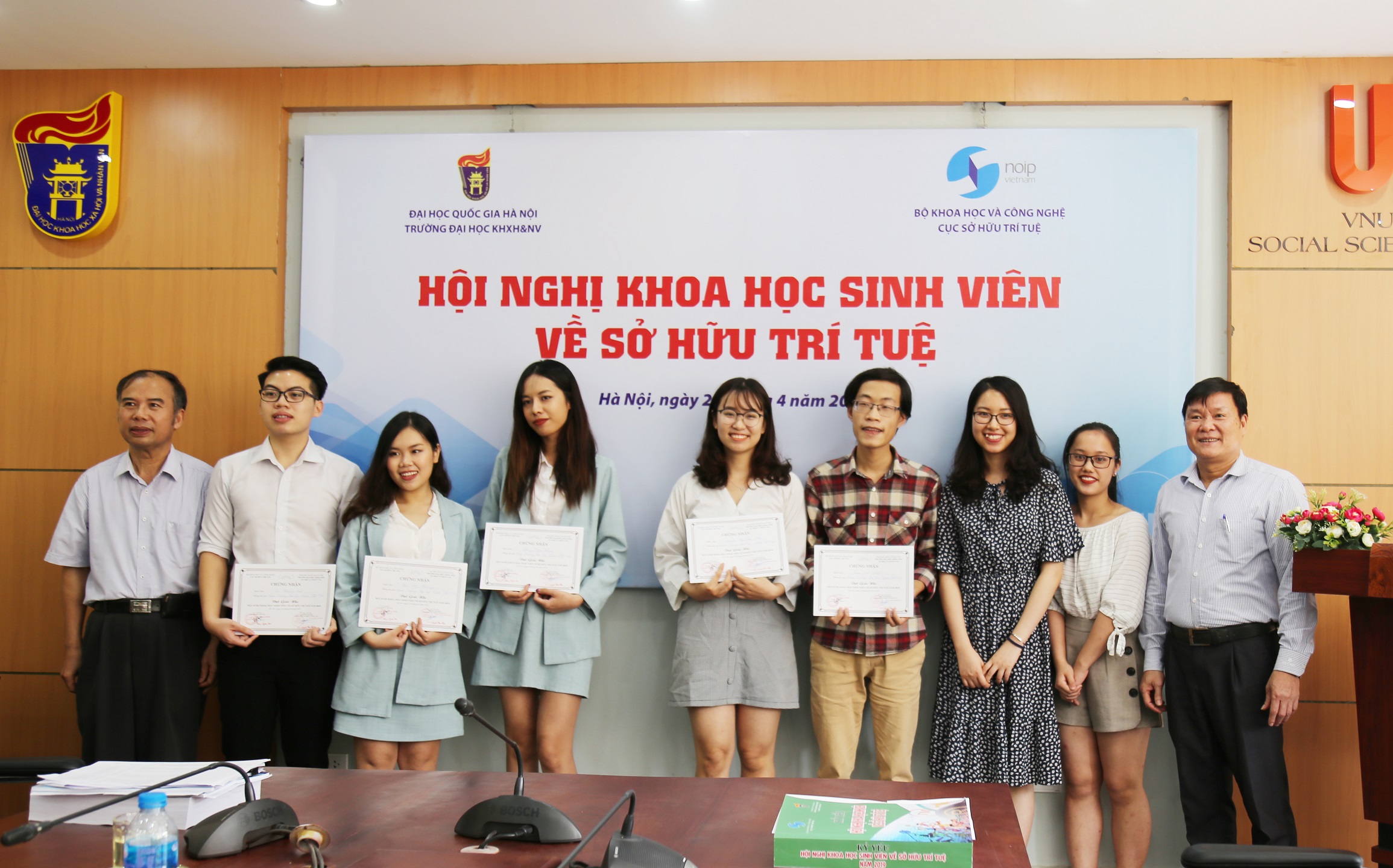

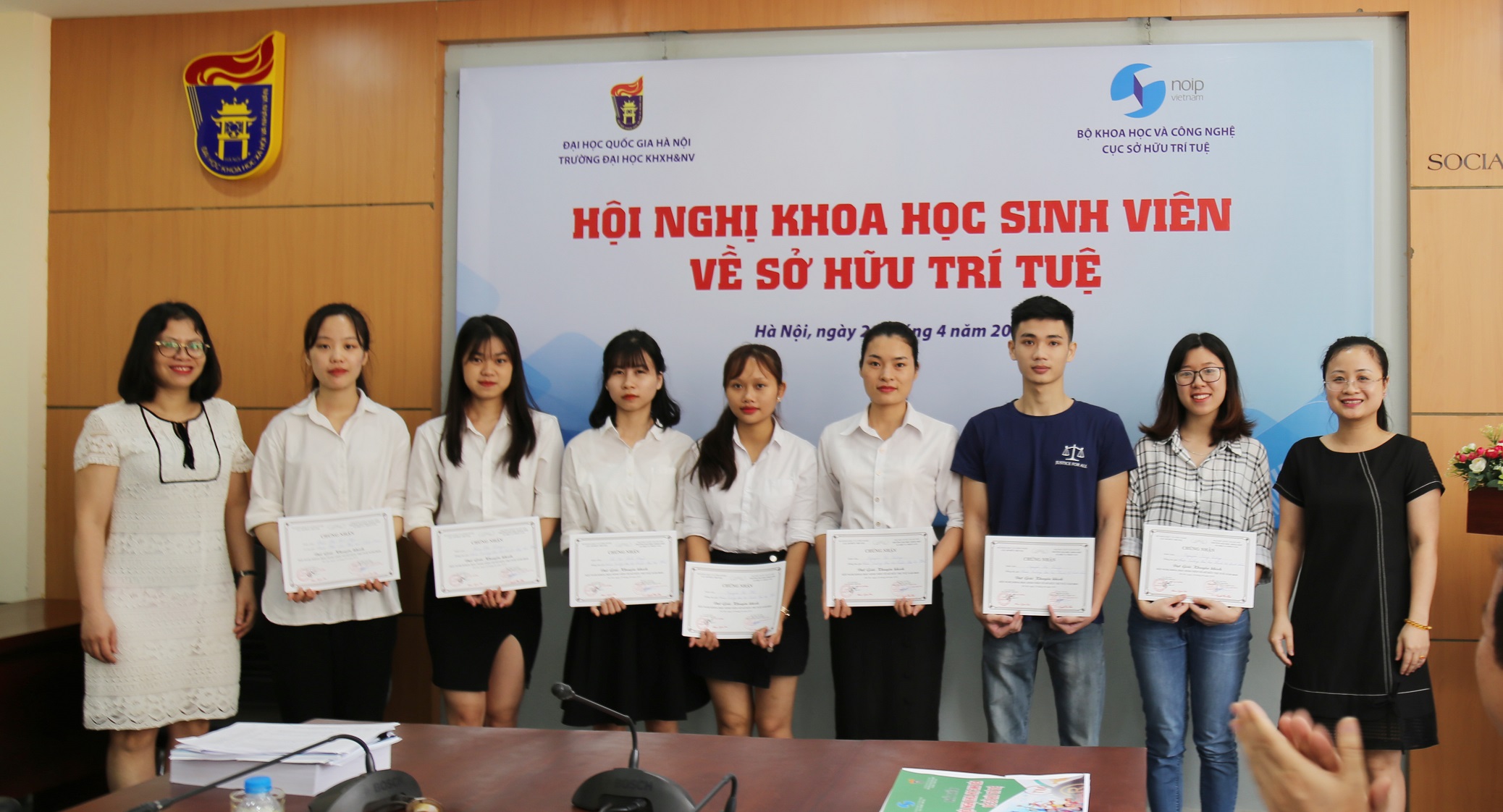
Here are some comments from teachers and students after the conference:
Prof. Dr. Nguyen Van Kim (Vice Rector of the University of Social Sciences and Humanities): The workshop is an opportunity for young people interested in intellectual property to connect with each other.
This year's Intellectual Property Research Conference addresses many issues with diverse approaches in the field of intellectual property, particularly focusing on applied research and the exploitation of patent information to serve business needs, and intellectual property issues related to international economic integration. The young people here are the core elements for the future of Vietnam's intellectual property sector. They bring the spirit of youth, academic excellence, and intellect to address and solve a major problem that our country has been and is currently facing in this era of deep integration.
The conference is not only an opportunity for students to share their views, knowledge, and understanding of intellectual property rights (IPR), but it is also an academic forum connecting students in the community interested in IPR and potentially leading to collaboration and the implementation of IPR projects in the future.
Assoc. Prof. Dr. Tran Van Hai (Head of the Intellectual Property Department, Faculty of Management Science, University of Social Sciences and Humanities): Internet and entrepreneurship are the highlights of this year's conference.
The theme related to the Internet and entrepreneurship was the highlight of this year's conference. The students grasped the "hot" issues in current society and reflected them, incorporating them into their studies and research. It is evident that they have applied their academic knowledge to real-world situations and used theoretical knowledge to explain societal problems.
Nguyen Thi Thuy Linh (Hanoi Law University), First Prize winner of the 2019 Student Scientific Research Competition on Intellectual Property: Finding the answer to the research problem is the best thing.
Introduced to the conference by our teacher at school, our group registered to participate and chose to research the rapidly developing field of e-commerce. The emergence of e-commerce has revolutionized business operations and consumer habits. Not only young people but also middle-aged individuals are starting to shop online. This has led to the need for appropriate adjustments to the legal framework for this activity. However, e-commerce also faces many obstacles in its development. Many individuals have exploited loopholes in control, using this space to infringe on trademark rights, causing direct damage to intellectual property owners and consumers. Seeing friends and relatives repeatedly deceived due to trademark infringement is the driving force behind our choice of this topic.
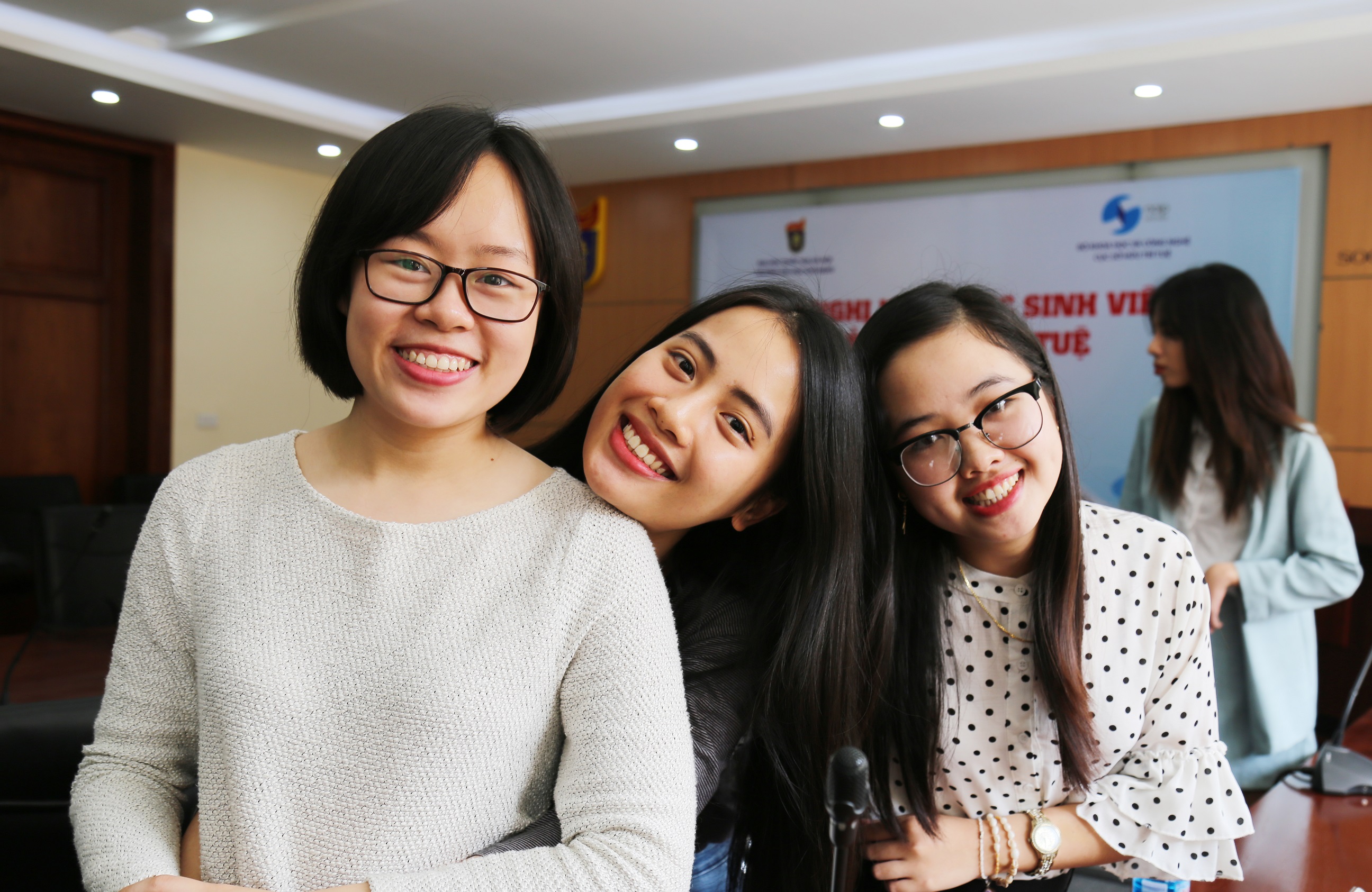
Student Nguyen Thi Thuy Linh (far right)
It was also very challenging for the team because this was a very new topic. Scientific research on e-commerce, especially trademark infringement on e-commerce platforms, is still very limited, so the team didn't have many reference materials. Completing the research, the process of searching for answers to the questions we posed, was the most wonderful thing for the team. Attending the conference gave us the opportunity to meet and interact with students from other universities who shared an interest in this topic. The comments and questions from our peers and the judging panel opened up many new perspectives on intellectual property rights for us.
Vu Thi Nga (University of Social Sciences and Humanities), Applied Science Prize and Third Prize in the 2019 Student Scientific Research Competition on Intellectual Property: Research combined with charitable activities.
To conduct the survey, I had to travel to Den Thang village (Seo My Ty - Sa Pa - Lao Cai) and Ta Phin village (Ta Phin - Sa Pa - Lao Cai). Although it was very difficult, this was also the most interesting experience in the process of pursuing my research topic.
The journey was extremely difficult, with jagged rocks and located deep in the valley. There was no phone signal or Wi-Fi, which was very unfamiliar to a student like me. However, the local people were very enthusiastic and welcoming, even cooking salmon and local vegetables for me. My survey trip to Sa Pa was also a personal charity trip to help the ethnic minority children there. I brought sandals, old clothes, and candy from Sa Pa town to Den Thang village – the most remote and difficult village in Sa Pa district – for the children.
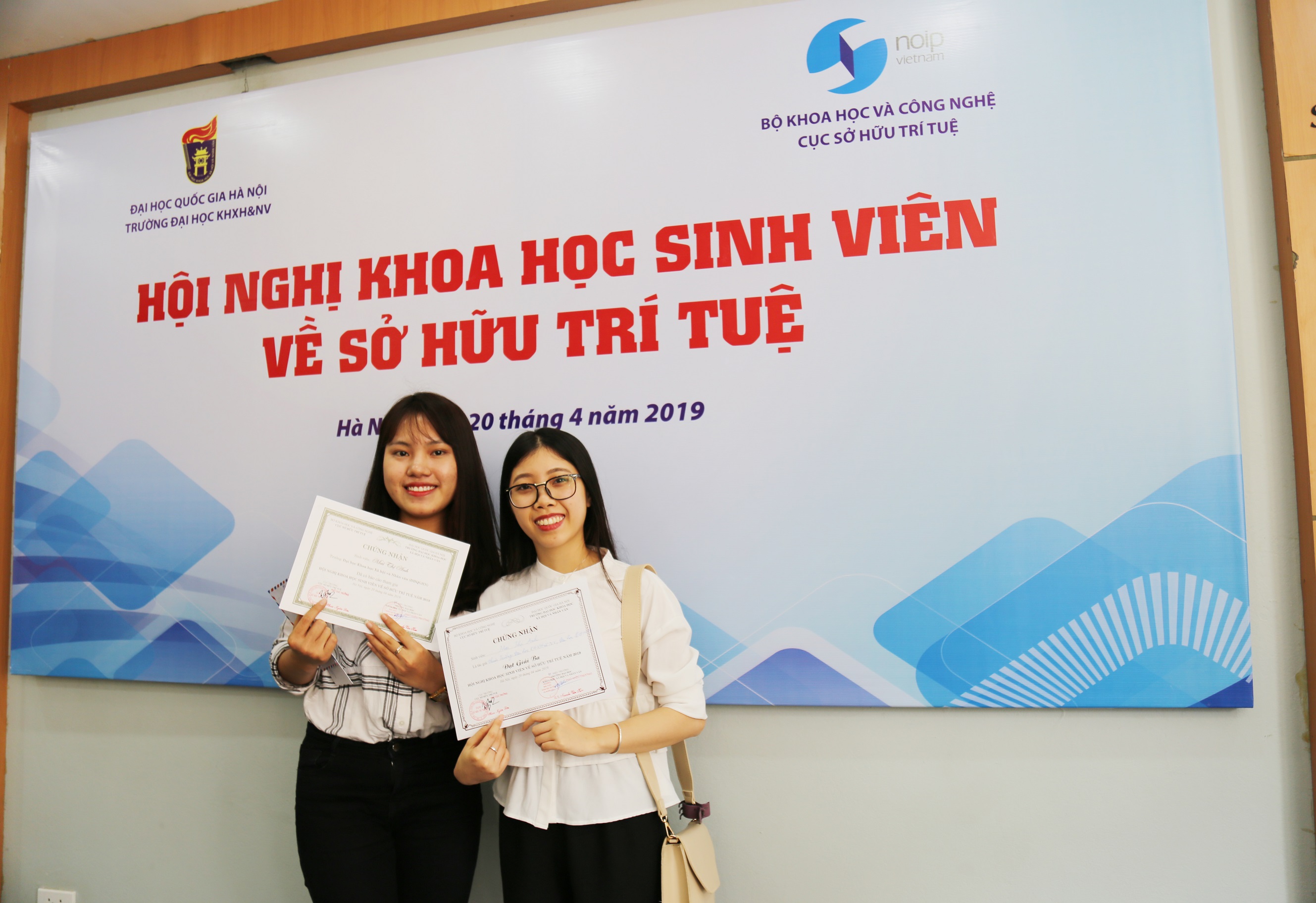
Student Vu Thi Nga (on the left)
While in Sa Pa, I learned about cardamom – a medicinal and food plant that brings great economic value to the people of the mountainous region. The potential of cardamom is enormous. However, the cultivation methods, drying processes, and preservation techniques used by the local people still reveal many limitations. Most people only sun-dry the cardamom. Some households use drying methods to accelerate the water removal process by building sheds and burning firewood directly in the fields. However, this consumes a large amount of firewood. To produce 100 kg of dried cardamom, at least 2 cubic meters of wood are needed. After drying, the cardamom is brittle, but its color and flavor are diminished, and the pods are easily broken. After drying, the people pack it in bags and store it in the attic above the kitchen to utilize the kitchen smoke to deter termites and insects. However, if stored for a long time, termite infestation will still occur. That is the reason, a relatively large barrier hindering the export of cardamom to other countries in the region and around the world, causing damage to the economy of the local people.
My research has provided a solution to increase the shelf life of cardamom, reduce weight loss, and preserve its original color and flavor. This involves applying an invention whose intellectual property registration has expired and which has become a shared asset of society.
Nguyen Thi Thuong (Faculty of Law, Hue University), Applied Science Award and Encouragement Award for Student Scientific Research on Intellectual Property: Research on preserving Vinh oranges is a memorable experience.
The conference gave us many interesting memories. To find the perfect formula for preserving mandarin oranges, the group collaborated with the Institute of Science and Technology, under Hue University, to conduct experiments. Researching fruit trees with the Institute is usually only done by students of Agriculture and Forestry, but now it was law students as well – a truly exciting new experience.
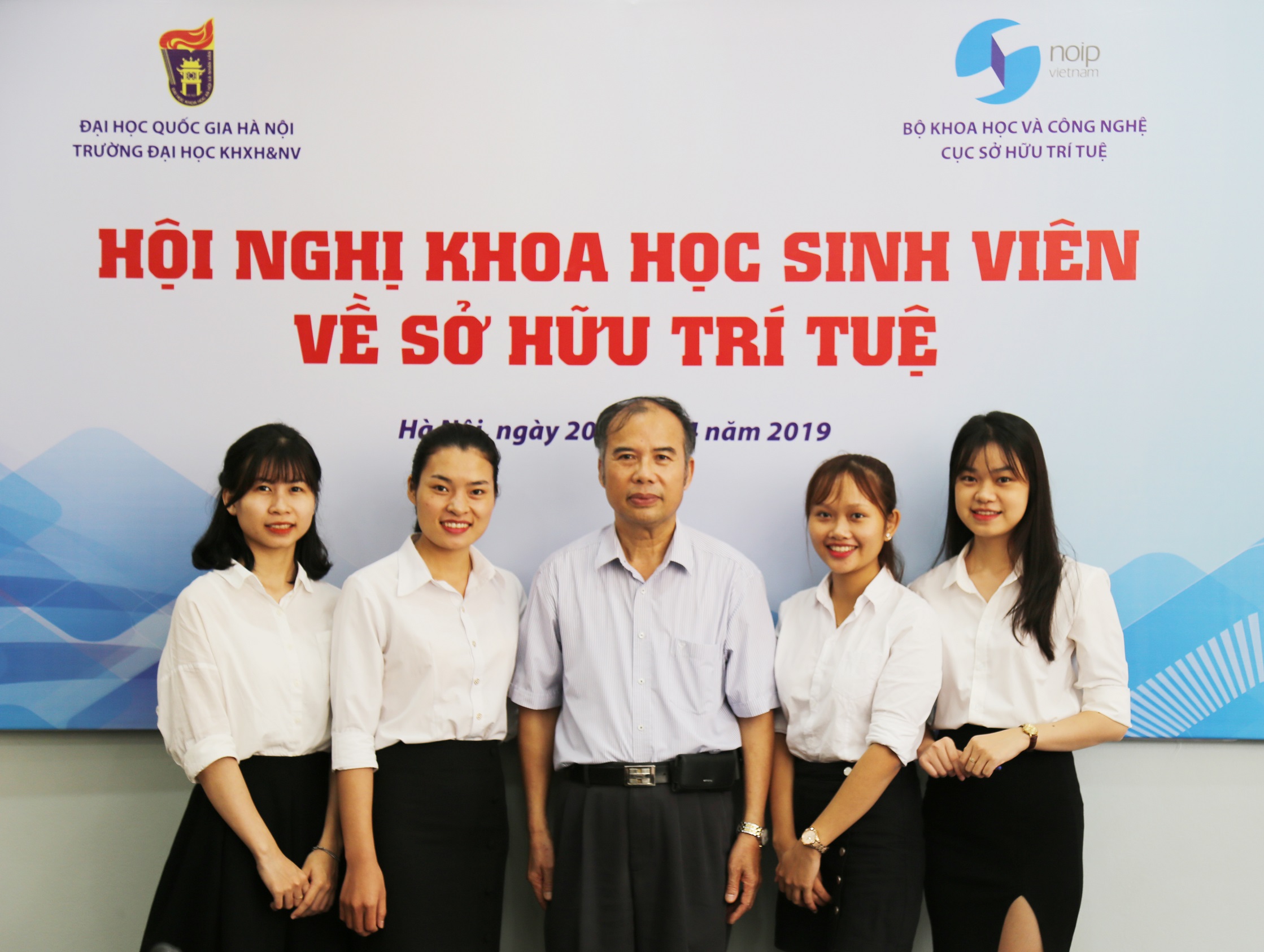
Student Nguyen Thi Thuong (second from the left)
Vinh oranges are a highly profitable crop for farmers in regions such as Ha Giang, Hoa Binh, and especially Nghe An province – one of the cradles of high-quality orange production in the country. Vinh oranges have a lemon-yellow color mixed with green, not orange-yellow, and are round, juicy, and plump. However, after harvesting, traditional preservation methods such as covering with tarpaulins or burying in sand cause rapid spoilage, rotting, uneven ripening, and difficulty in controlling quality and yield. Families, businesses, and farms all need a preservation solution that overcomes these drawbacks.
The solution proposed by the research team is to use an expired intellectual property patent in Vietnam to preserve oranges. With the support of the Institute of Science and Technology, the team conducted numerous experiments to find the optimal formula specifically for Vinh oranges. They hope that this research, presented at the conference, will receive attention from organizations and businesses, supporting its practical application and bringing economic benefits to farmers and businesses.
Author:Nguyen Nga
Newer news
Older news

