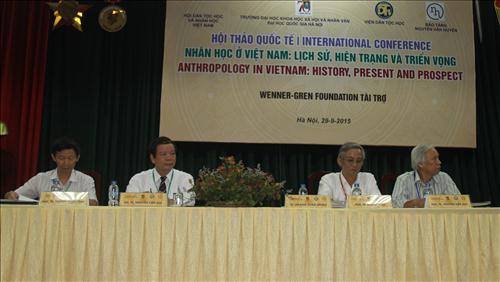
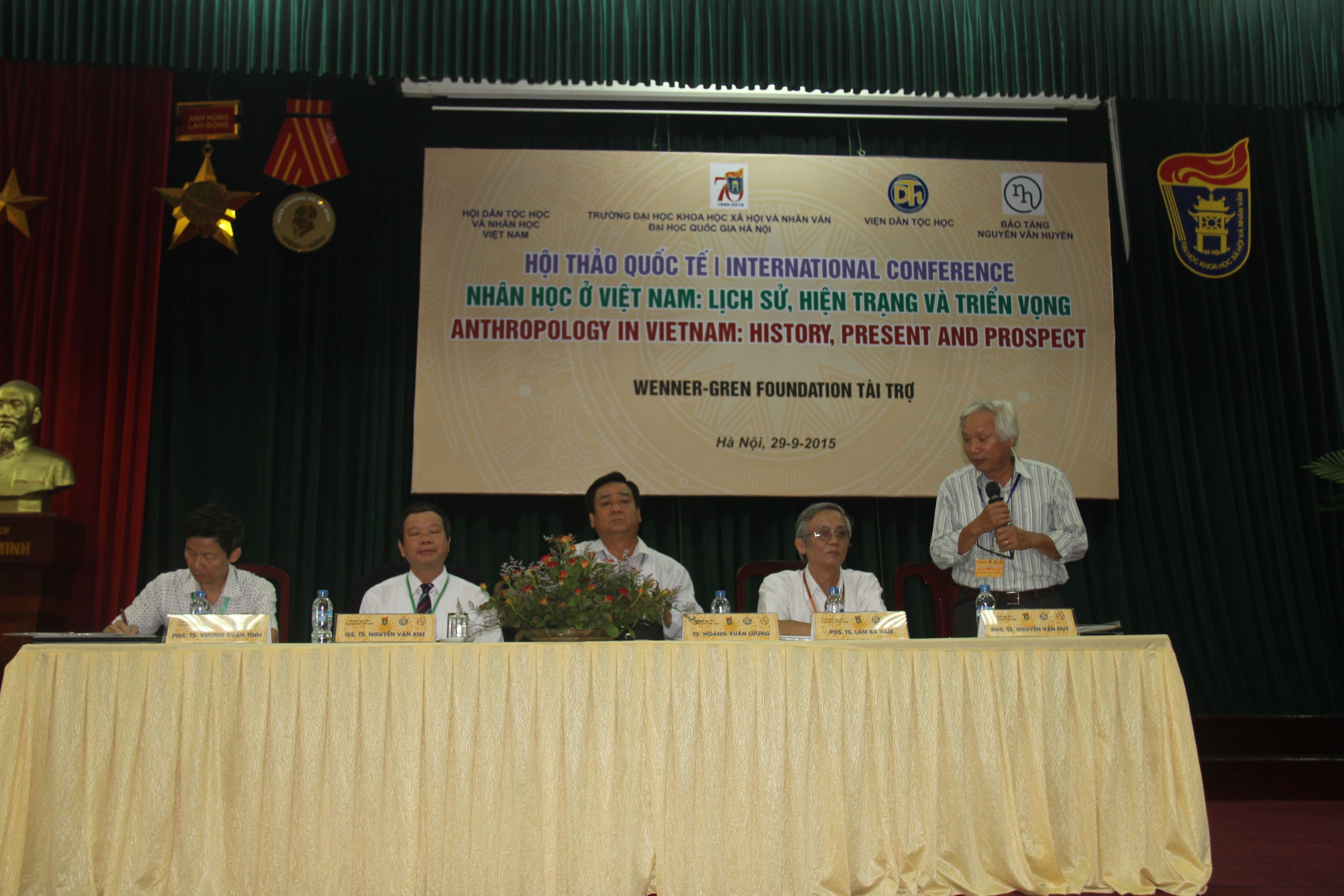
In his opening remarks at the conference, Deputy Minister Hoang Xuan Luong highly appreciated the significance of this academic activity in the context of anthropology increasingly asserting its important role in the development of a multi-ethnic nation with a unique and rich culture like Vietnam. Research and understanding of the culture, economy, and society of the nation in general and of individual ethnic groups in particular has been the goal and task of the field of ethnology for the past few decades. With their scientific skills and dedication, ethnologists have actively participated in and effectively contributed to the development and implementation of development policies in general and ethnic development policies in particular at each historical stage.
In line with the trend of shifting the field of Ethnology towards Anthropology, aiming to expand research areas, improve training quality, and integrate internationally, Deputy Minister Hoang Xuan Luong suggested that scientists should pay attention to several issues during their research:
Firstly, we must continue to consider ethnic minority issues as an important topic and subject of research, and view mountainous regions as areas requiring attention, research, and exploration.
Secondly, it is necessary to continue promoting the training of human resources in Anthropology, with in-depth knowledge of ethnic groups and ethnic cultures in mountainous and island areas, in order to serve the nation-building process more actively and effectively.
Thirdly, we must continue to innovate and apply knowledge, methods, and approaches from anthropology to the conservation, exploitation, and promotion of ethnic cultural values.

Deputy Minister Hoang Xuan Luong delivered the opening remarks at the workshop.
Deputy Minister Hoang Xuan Luong affirmed: The Party and the State always value the contributions of scientists, including ethnologists and anthropologists, both domestically and internationally. In particular, the Department of Anthropology, University of Social Sciences and Humanities, has always been a reputable and reliable advisory body on ethnic affairs and policies of the Government's Committee for Ethnic Minorities.
At the plenary session, delegates heard two reports: “Diversity and Unity, Unity in Diversity - The Intrinsic Strength of the Culture of Vietnamese Ethnic Communities” presented by Assoc. Prof. Dr. Lam Ba Nam - President of the Vietnam Association of Ethnology and Anthropology; and the report “Innovation in Organization, Training and Research of the Institute of Ethnology under the Influence of Anthropology (2000-2015)” presented by Assoc. Prof. Dr. Vuong Xuan Tinh - Director of the Institute of Ethnology.
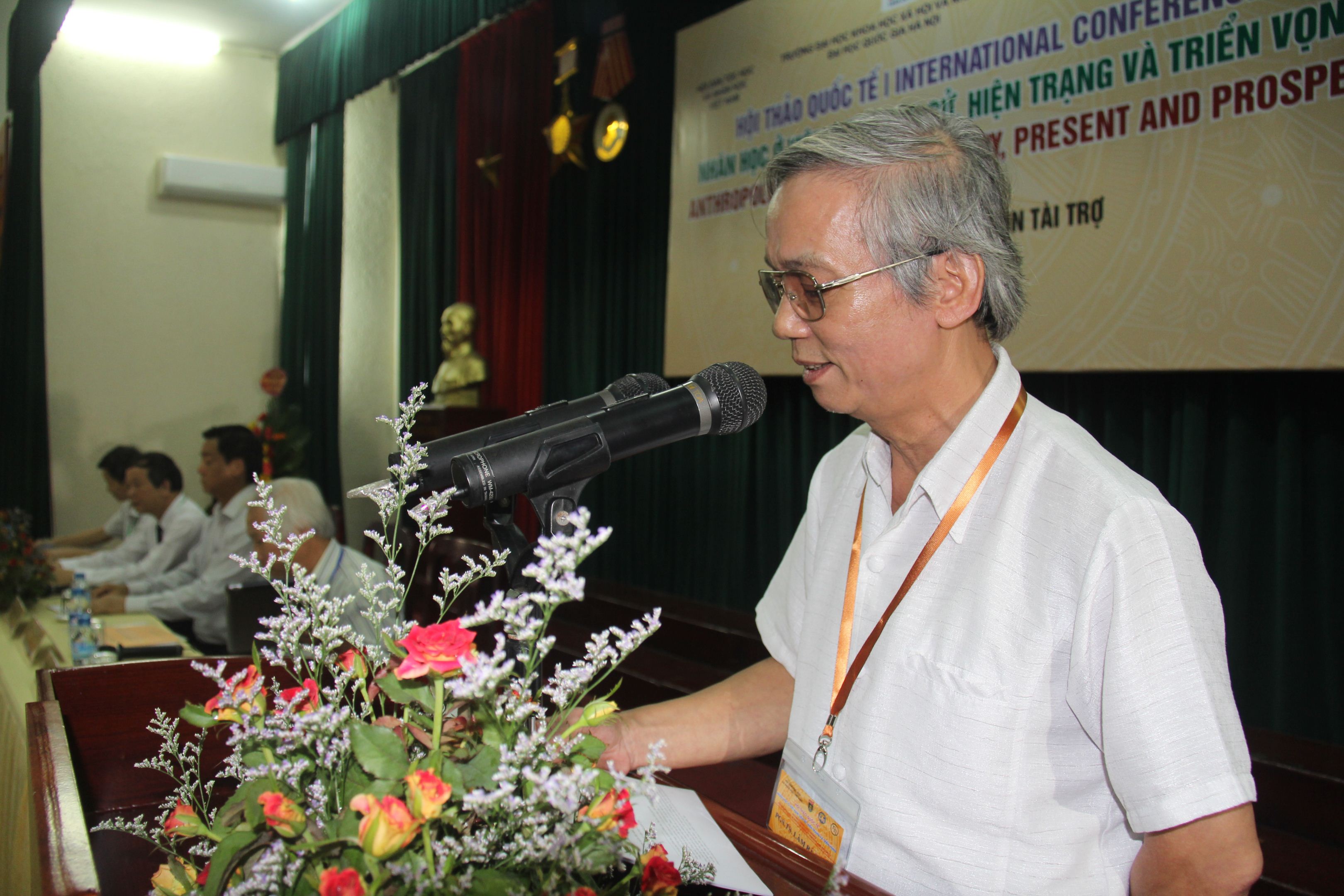
Associate Professor Dr. Lam Ba Nam - President of the Vietnam Association of Ethnology and Anthropology, presented the introductory report at the conference.


Delegates at the Conference
Next, the workshop proceeded to subcommittees focusing on the following main topics:
Author:Thanh Ha
Newer news
Older news

