
As part of module 2 of the project, the University of Social Sciences and Humanities has been allocated investment for 9 laboratory practice rooms with the following managed and beneficiary entities: Center for Gender, Population, Environment and Social Issues Research; Center for Research and Application of Culture and Arts; laboratory for Archival Studies and Office Management (serving Archival Studies and Office Management); laboratory for Information Science and Library Science; Center for Contemporary Religion Studies (serving Philosophy and History); Center for Chinese Studies (serving Oriental Studies and International Studies); Center for Asia-Pacific and International Studies (serving International Studies, Oriental Studies, and Political Science); Museum of Anthropology (serving Archaeology, Anthropology, History, Culture, and Tourism); and Social Work and Community Development Practice Room (serving Sociology and Social Work).
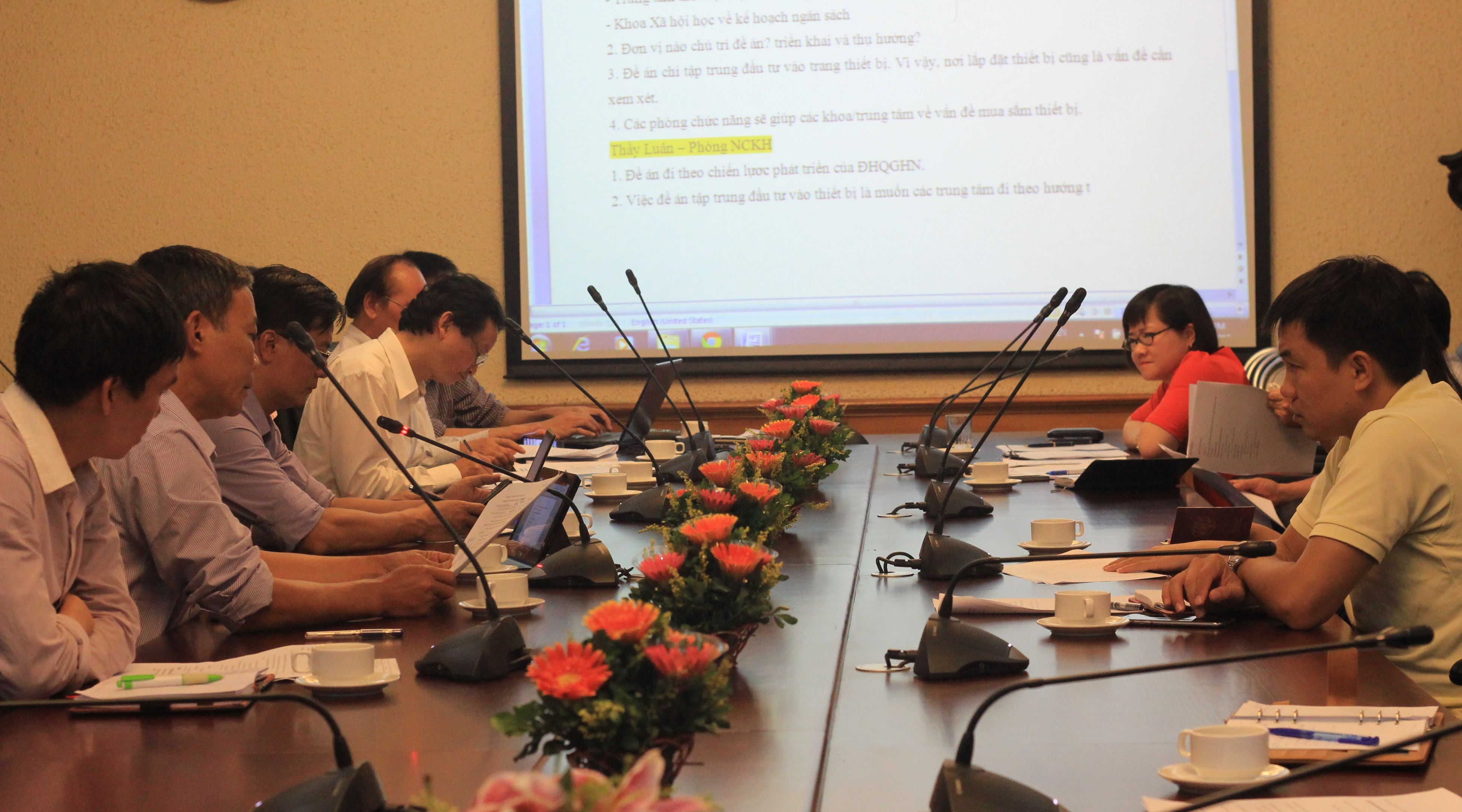
During the meeting, Assoc. Prof. Dr. Tran Ngoc Lieu (Head of Training Department) clearly outlined the objectives, content, and expected products; assessed the effectiveness and sustainability; projected the plan and progress of investment implementation; and addressed issues related to the project to upgrade and supplement the training equipment system of Hanoi National University. He also answered questions regarding the beneficiaries of the project and the investment proposals from the faculties, departments, and research centers that are beneficiaries of the University of Social Sciences and Humanities.
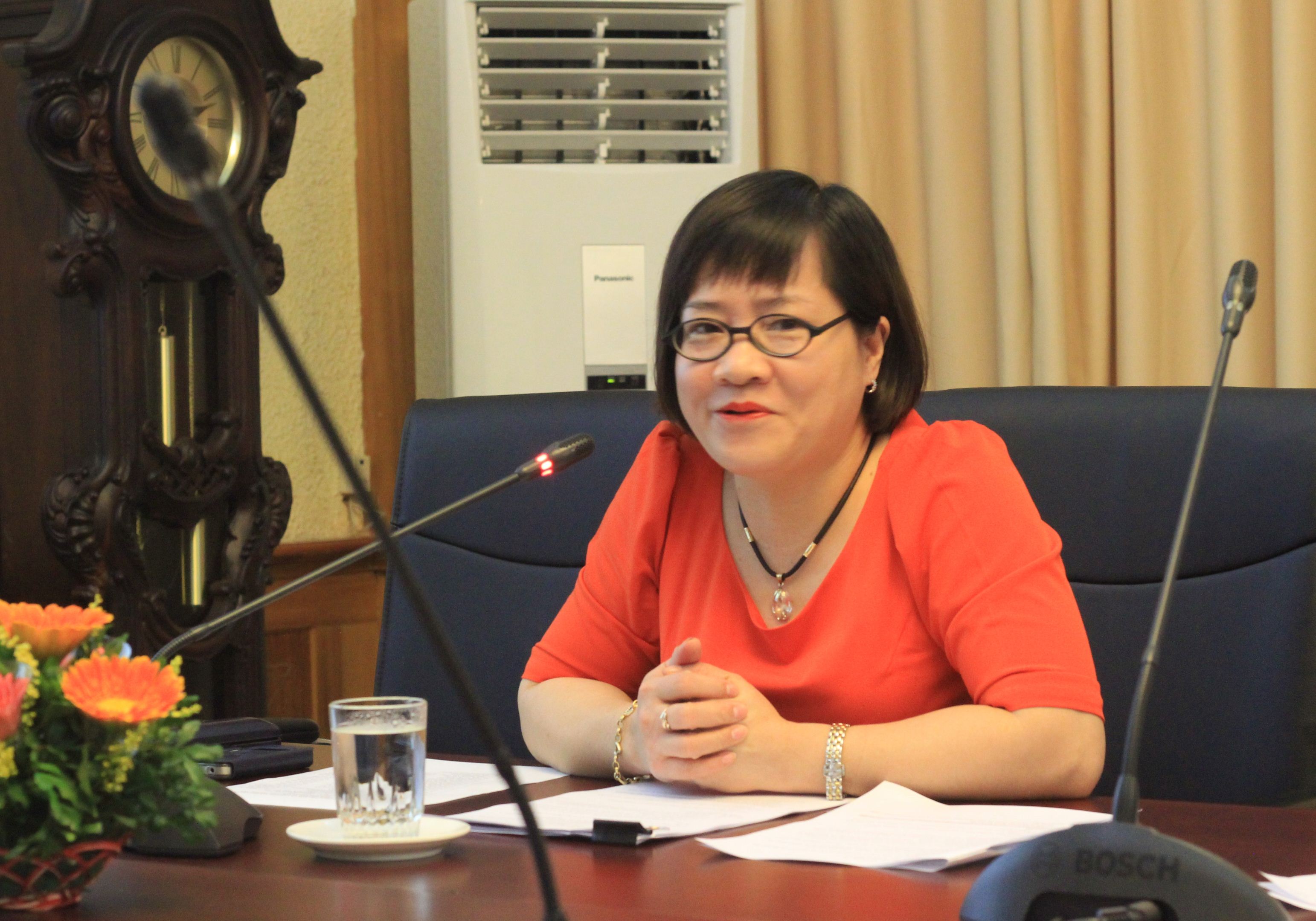
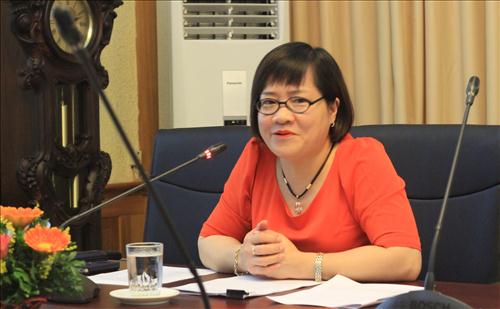
Presiding over the meeting, Associate Professor Dr. Tran Thi Minh Hoa, Vice Rector of the University, emphasized: This project is crucial to the future training of the University of Social Sciences and Humanities and the entire Vietnam National University, Hanoi. The development of sub-projects must be firmly rooted in the Vietnam National University, Hanoi's project. To implement it, the University needs to identify the units that will participate in and benefit from the project. The project content should include all three components: equipment, learning materials, and capacity building for management staff, but the allocation must be reasonable, with the highest priority still being investment in equipment.
In her concluding remarks at the meeting, Associate Professor Dr. Tran Thi Minh Hoa also emphasized: First and foremost, it is necessary to prepare the necessary conditions and resources regarding infrastructure, with a focus on the location for equipment installation. Units should strive to submit proposals on time, completing the nine sub-projects to finalize the overall project of the university within the stipulated timeframe, with support from the Training Department, the Administration and General Affairs Department, and the Scientific Research Management Department.
Author:Huyen Pham
Newer news
Older news

