
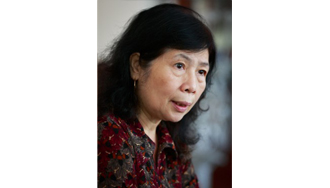
In Vietnam, Professor Le Thi Quy is also a leading scientist in the fields of research and teaching on Gender Studies, Feminist Theory, Family Studies, and Family Sociology..She played a significant role in the development of the 2007 Law on Prevention and Control of Domestic Violence and other gender-related laws such as the Law on Gender Equality and the Law on Marriage and Family. In the context of relatively new research on family in our country, her work...Family learning(Political Theory Publishing House, 2007; reprinted in 2009) - authored by Professor Le Thi Quy and Professor Dang Canh Khanh - is the first book to introduce the concept of Family Studies as a specialized science in Vietnam. The book is considered a meticulous scientific work, systematically organizing research on Family Studies.Family learningThis work covers the world and Vietnam, presenting and analyzing valuable documents on the reality of Vietnamese families from feudal society to modern times, which the authors have diligently researched for over 10 years. Approaching from the perspectives of Sociology, History, Ethnology, and Culture, both theoretically and practically, the work addresses many issues of contemporary Vietnamese families: the structure, size, and characteristics of modern families; the relationship between individuals, families, and society; family and education; gender and family issues in ethnic minorities; children in poor families; mother-in-law and daughter-in-law relationships; the distortion of family values; domestic violence; divorce; and promoting the role of the family in the community and society…
Meeting Professor Le Thi Quy in person, everyone is surprised by the agility, youthfulness, decisiveness, and enthusiasm of a female scientist at the age of 65. When asked about her research on Gender and Feminism, she can talk for hours without getting tired or bored. Particularly when discussing models for preventing domestic violence in Thai Binh and Nam Dinh – which have received attention and support from the community and society for their humanistic nature and effectiveness – the professor's voice always carries a sense of regret and sadness at the fact that this situation remains uncontrolled in many localities. Empathizing with those of the same gender who suffer many disadvantages in life, she shares her feelings of indignation and heartbreak at the crimes of violence against women that she has witnessed firsthand in some places, especially in rural areas. Thanks to her deep sensitivity and empathy, Professor Le Thi Quy, originally a student and later a PhD in History, and a former reporter for the Vietnam News Agency, found her calling in teaching and research in Sociology, especially in specialized fields related to Gender, which requires her to confront and deal with thorny issues in life such as violence against women, prostitution, and trafficking of women and children…
Scientific research is arduous work that demands passion, perseverance, and even sacrifice to achieve results, and this is absolutely true of Professor Le Thi Quy's life. With her decisive, energetic, and active personality, born into a Confucian-educated family and raised during wartime, she developed an early sense of independence, acceptance of adversity, and a constant drive to overcome difficulties. From a young age, she was eager to learn, especially excelling in Literature and History. Upon becoming a student at Hanoi University, she chose to major in History – a choice she still considers correct. Studying History at one of the country's leading scientific institutions, under renowned professors, provided her with a solid foundation, a sound worldview, and an objective, multifaceted, and insightful perspective on life's events and phenomena. These are crucial elements for success in any profession.
Professor Le Thi Quy's journey as a sociologist, dedicated to her work with passion and responsibility, is filled with many memorable experiences. She recounts that in 1972, while working as a correspondent for the Vietnam News Agency in Hai Phong, she cycled through a small, bustling market early in the morning while gathering information in Thuy Nguyen district. That evening, after crossing the river and returning, she passed by the same market and was horrified. The small market was devastated by American bombs. Before her eyes was a field littered with the corpses of innocent market-goers. Temporary mats covered the bodies, surrounded by the smoke of incense. The sounds of mournful weeping filled the air. Hatred overwhelmed her, preventing her from crying; her throat tightened, and she was unable to eat for hours afterward.
Years later, she remains haunted by the brutal images of the war. Her heart aches, a sharp pain, yet she cannot cry. The sense of national solidarity and these haunting memories ignite within her a burning desire to fight for equality and justice through her writing. At such a young age, having experienced the boundary between life and death, she felt a much deeper range of emotions. She said: "Life has taught a woman like me to always be strong and find ways to overcome difficulties, but it has also taught me to love and feel compassion for those who are less fortunate."
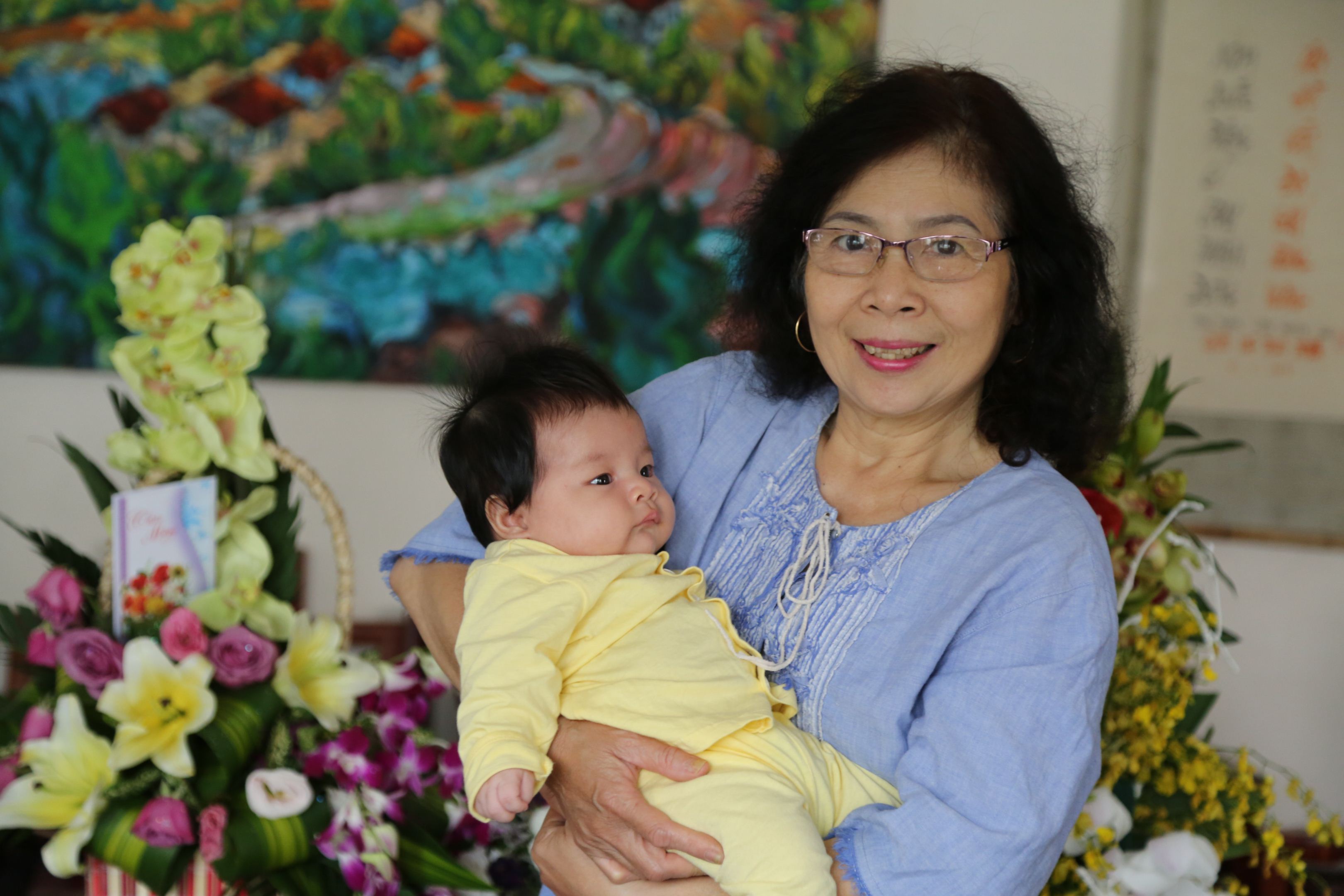
Professor Le Thi Quy is a prominent scientist who strongly advocates for the enactment of laws protecting women; she also encourages and supports women in overcoming difficulties and finding happiness for themselves and their families.
A turning point came in Professor Le Thi Quy's life and career in 1975. After the liberation of South Vietnam, she and her family moved to Ho Chi Minh City, where she took up a position in the History Department of the Institute of Social Sciences. During this time, she not only studied history but also began to engage with sociology through her life partner, Professor Dang Canh Khanh (former Director of the Institute for Youth Research).
The period from 1977 to 1981 was a difficult time for the whole country, especially for intellectual families. Despite material hardships, she persevered, enduring and remaining dedicated to her scientific pursuits. The combined salaries of the couple barely covered meager meals of vegetables and rice. Her husband gave extra tutoring, and she wrote library vouchers to make ends meet. There were days when they had no food at all. She would sit in the library from morning till night with a very hungry stomach. But it was during these years that she began her first research on prostitution in Saigon.
Overcoming life's hardships with unwavering determination, at the cost of years away from family, husband, and children, she went to the Soviet Union as a postgraduate student and received her PhD from the Academy of Sciences in 1989. Upon returning to Hanoi, she was assigned to work as the Editorial Secretary.Science and Women MagazineShe worked at the Center for Women's Studies (Vietnam Social Science Committee). It was during this time that she was surprised to find that in a socialist country like Vietnam, many women were still brutally beaten by their husbands, silently enduring the abuse; many women were trafficked and forced into prostitution. She refused to believe this was their fate. She delved deeper into prostitution, trafficking of women and children, and domestic violence—issues then considered "sensitive" and unwanted—and discovered the vicious cycle linking these problems to the lives of many women. In the 1990s, these were not easily accessible or explored issues. At that time, pursuing this research, she faced many difficulties, including resistance from various parties and a lack of cooperation from the victims themselves. During this time, she frequently cycled to the Loc Ha rehabilitation center in Dong Anh, directly visiting areas considered hotspots for prostitution in Hanoi to interview and gather information about research subjects – a spirit of self-sacrifice and perseverance that not every scientist would dare to undertake. This self-sacrificing spirit led to her initial successes in bringing prostitution into the realm of scientific research and contributing many solutions to the National AIDS Prevention Committee and the Ministry of Labour, Invalids and Social Affairs at that time. Following this, she conducted research on preventing domestic violence in Hanoi, Phu Tho, Thai Binh, Nam Dinh, Thua Thien Hue, and other provinces. These community-based models, leveraging the power of the community to combat domestic violence, were later replicated in several other localities…
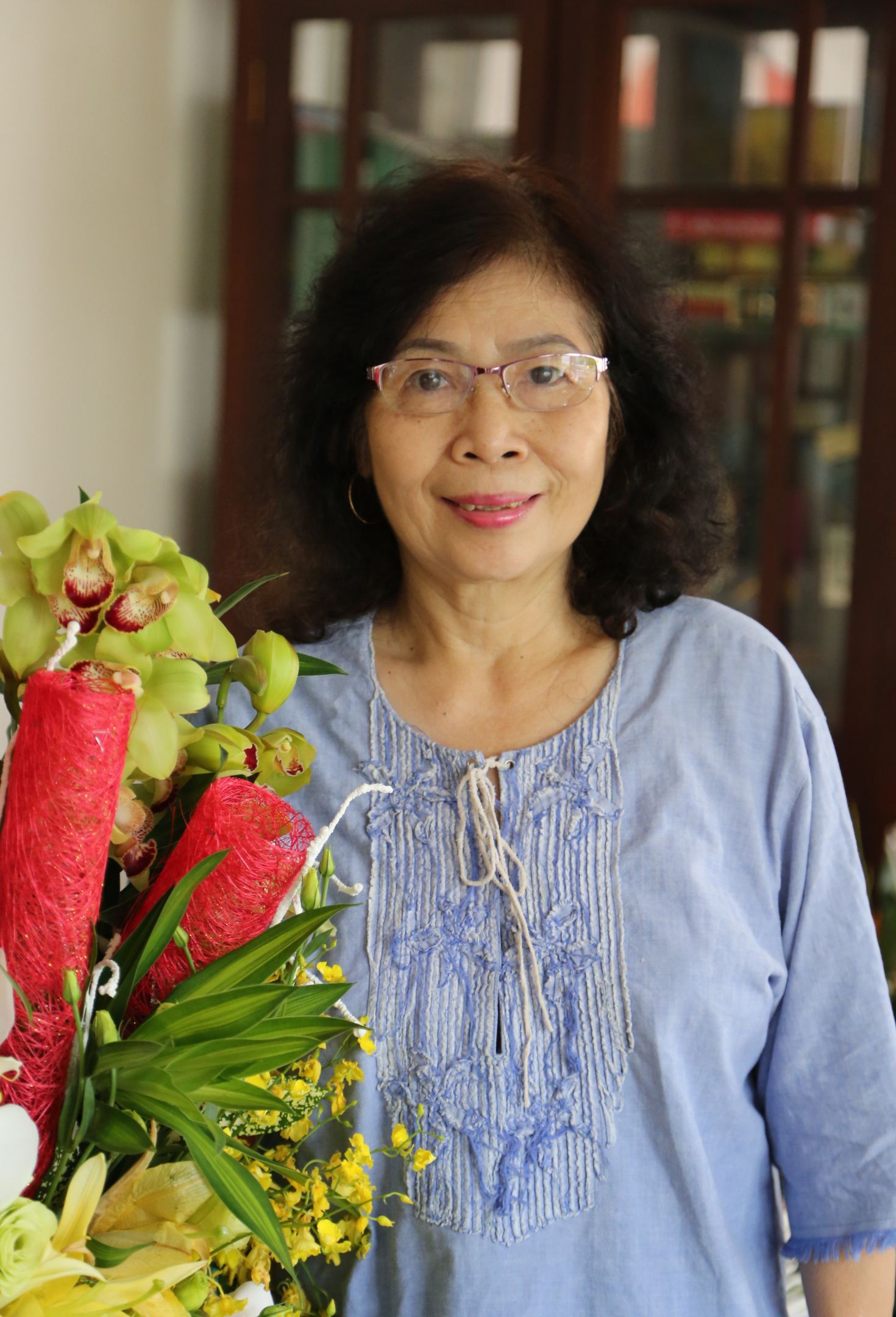
Her life and her dedication to scientific work are a source of inspiration for many women.
In 1996, along with several researchers from the Netherlands, Cambodia, and Thailand, Professor Le Thi Quy was the first to implement a project onPreventing cross-border trafficking of women.in Vietnam. The result of the project is the construction.Issues related to the trafficking of women and children across borders.Published in 2000, the issue of human trafficking was soon brought up for discussion at numerous official national and international conferences. Simultaneously, plans to protect and assist victims of human trafficking in reintegrating into the community and stabilizing their lives began to be implemented throughout society.
Thanks to her pioneering and impactful research on gender equality in Vietnam, since 1992, she has been invited by UNESCO, UNIFEM, and many countries to participate in conferences, research, and presentations. She was also invited by the Fulbright Foundation to lecture at Clark University (Massachusetts, USA). In 2005, she was one of 1000 women worldwide nominated for the Nobel Peace Prize. To date, she is a respected and familiar Vietnamese scholar at many international scientific forums and events on topics such as Gender, Feminism, and Social Work. In 2010, she became the first female professor in Sociology. But perhaps few people know that she only began learning her first English words at the age of 40. Before achieving success, she also experienced setbacks and struggles with self-discourage after several failed presentations due to insufficient English to express herself. Late nights spent drinking strong tea to fight off sleepiness and continue writing; journeys to the Viet Bac, Tay Bac, and Central Highlands regions for research and presentations; times of exhaustion but still striving to attend lectures… These are not always easy hurdles for Vietnamese scientists seeking to improve their capabilities and integrate internationally. But it is precisely her perseverance, her willingness to overcome difficulties and hardships, and her readiness to confront challenging scientific problems that have helped her succeed despite the hardships she has faced throughout her life.
Besides her remarkable scientific career and social activities, Professor Le Thi Quy also has a truly happy family. It's a family where many generations have been involved in scientific research, each leaving behind significant achievements. Perhaps this is what helped empower a woman who might seem "weak" on the surface to dedicate her life to the struggle for gender equality.
|
PROFESSOR, DR. LE THI QUY
+ Workplace: Department of Sociology, University of Social Sciences and Humanities. Center for Gender and Development Studies, University of Social Sciences and Humanities. + Management position: Director of the Center for Gender and Development Studies (2002 - 2013). Director of the Institute for Gender and Development Studies, Vietnam Union of Science and Technology Associations (2013 - 2015).
The issue of preventing trafficking of women in Vietnam., Labor and Social Publishing House, 2000. Domestic violence - A value distortion(co-authored), Social Sciences Publishing House, 2007. Prostitution: Perspectives and Solutions(Editor-in-chief), published by the Ministry of Labour, Invalids and Social Affairs, 2000. Family learning(co-authored), Political Theory Publishing House, 2007. Sociology of Gender Textbook, Vietnam Education Publishing House, 2010. Sociology of the Family textbook, Political and Administrative Publishing House, 2011. |
Author:Thanh Ha

