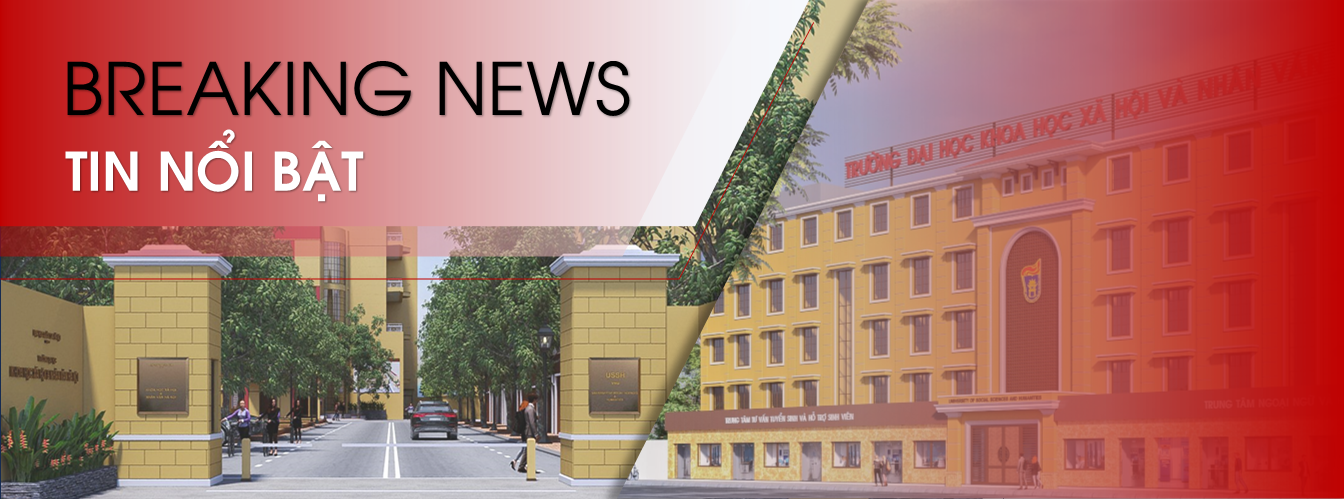
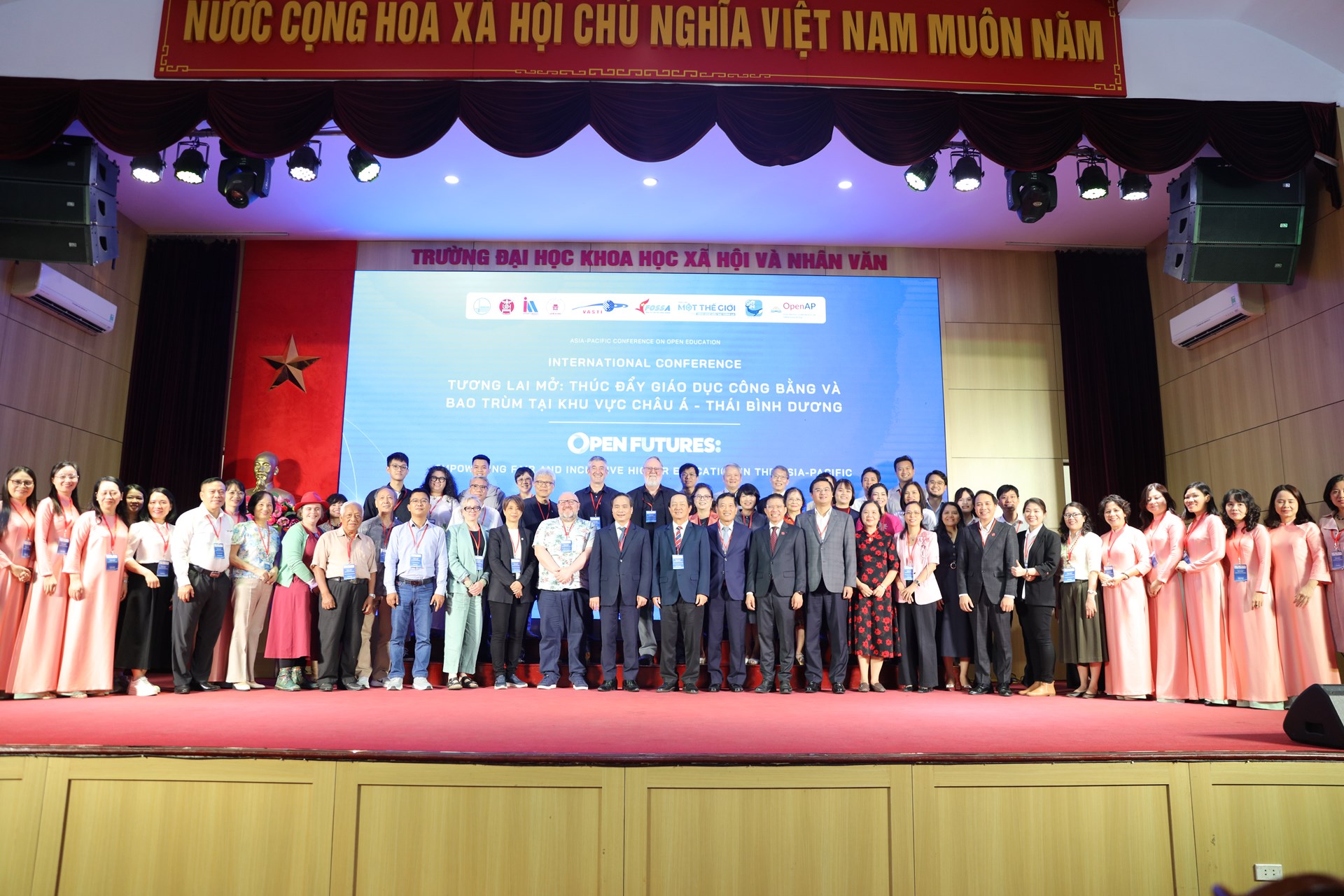
On October 23rd, in Hanoi, the University of Social Sciences and Humanities, Vietnam National University, Hanoi, in collaboration with the Vietnam Association for Scientific and Technological Information and the magazine "One World," organized the Asia-Pacific Open Education Conference 2026 (OpenAP 2026) with the theme "Open Future: Promoting Equitable and Inclusive Higher Education in the Region."Asia-Pacific"...creating a forum for academic exchange, sharing experiences, and promoting international cooperation in the field of open education."
The conference attracted the participation of numerous scientists, education experts, administrators, lecturers, researchers, representatives of academic organizations, and students. It provided an opportunity for the domestic and international academic community to exchange ideas on new trends, identify challenges, and seek solutions to promote open, equitable, and inclusive higher education in the Asia-Pacific region.
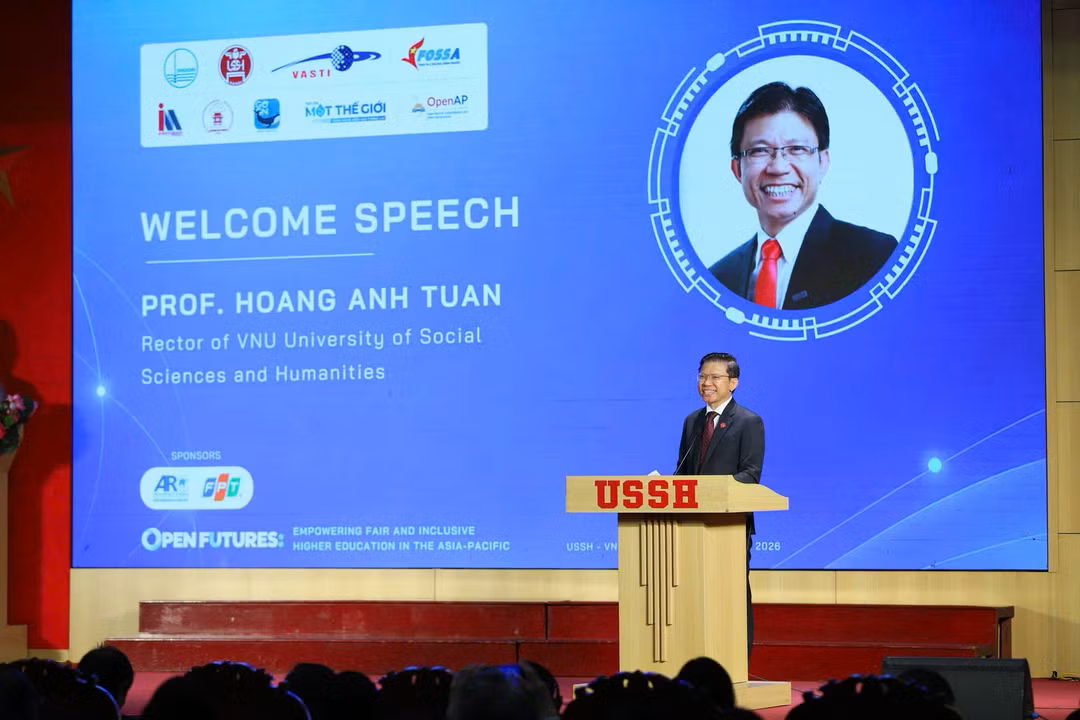
Professor, Dr. Hoang Anh Tuan, Rector of the University of Social Sciences and Humanities, Vietnam National University, Hanoi, delivered the opening speech. (Photo: HA TUAN)
In his opening remarks, Professor Hoang Anh Tuan, Rector of the University of Social Sciences and Humanities, stated that higher education is undergoing profound transformation as digital technology, artificial intelligence, and new forms of knowledge sharing change the way we teach, learn, research, and collaborate. Knowledge is more accessible than ever, but not all students have equal access to technology, quality learning materials, and opportunities for skill development.
According to Professor and Doctor Hoang Anh Tuan, the future of higher education is not only linked to digitalization and technological modernization, but also must ensure fairness, inclusiveness, promote cooperation, and be people-centered.
As an educational institution in the social sciences and humanities, the school believes that education should not only focus on imparting knowledge and honing professional skills, but also on fostering critical thinking, creativity, ethical responsibility, cultural understanding, and the ability to contribute to society. These values are even more significant in the age of AI.
He emphasized that technology can help overcome barriers but cannot guarantee fairness on its own. Open educational resources contribute to expanding access to knowledge, but to ensure inclusiveness, it is necessary to create conditions for learners to have sufficient skills and opportunities to effectively use these resources, develop critical thinking, and create new knowledge.
Hosting Open AP 2026 demonstrates the University of Social Sciences and Humanities' commitment to educational innovation, international academic collaboration, and broader knowledge sharing. Universities should not work in isolation but should be active members of the global academic community. The Asia-Pacific region is diverse in culture, language, educational systems, and technological levels, but shares a common aspiration to make quality education more accessible, equitable, and inclusive.
The message emphasized by Professor, Doctor Hoang Anh Tuan is that the future of open education lies not only in expanding opportunities to access knowledge, but also in creating conditions for everyone to learn, collaborate, innovate, and contribute to a better world.
Speaking at the conference, Dr. Tran Van Tung, President of the Vietnam Association for Scientific and Technological Information, emphasized that OpenAP 2026 is a forum of practical significance in the context of science, technology, digital transformation, and especially artificial intelligence, which are creating profound shifts in education, scientific research, and the way knowledge is accessed and shared.
Analyzing the current context, Dr. Tran Van Tung argues that knowledge is becoming an increasingly important resource, determining the competitiveness, innovation, and sustainable development of each nation. The rapid development of digital technology and AI opens up unprecedented opportunities to expand access to knowledge and connect academic communities across spatial, temporal, and border limitations.
However, alongside the opportunities are challenges related to the digital divide, inequality in access to knowledge, information quality, and issues concerning ethics, copyright, and responsibility in the use of technology.
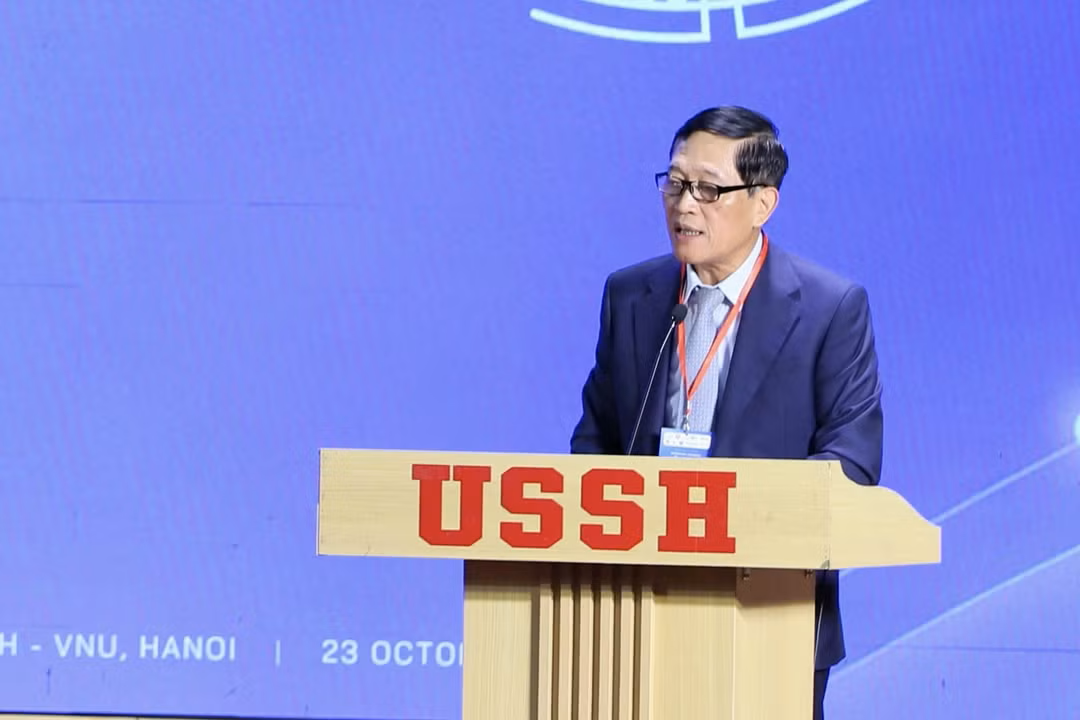
"The spirit of open education lies not only in facilitating wider access to knowledge, but also in ensuring that everyone has the opportunity to use, create, and contribute knowledge to the community," affirmed Dr. Tran Van Tung.
He argued that this is also the profound meaning of the 2026 conference theme: towards a more equitable and inclusive future of education, where scientific and technological achievements truly serve humanity and the development of society.
Meanwhile, Associate Professor, Dr. Huynh Thanh Dat, Deputy Head of the Central Propaganda Department, emphasized that in the context of knowledge and technology spreading at an unprecedented speed, society still faces challenges such as the gap between rich and poor, inequality in access to knowledge, and the increasing risk of "digital disruption" in education.
Accordingly, "open future" is not merely a slogan or academic trend, but a strategic commitment to a barrier-free education. In this future, knowledge resources are freely shared, and advanced technologies such as artificial intelligence (AI) and digital education are applied to bridge the gap in access to knowledge, rather than deepening the disparities between learners.
Associate Professor, Dr. Huynh Thanh Dat argues that higher education is only truly open when it ensures fairness and inclusiveness, creating opportunities for everyone, regardless of economic background, gender, or geography, to access and succeed at the university level; while simultaneously building an academic environment that respects diversity and leaves no one behind.
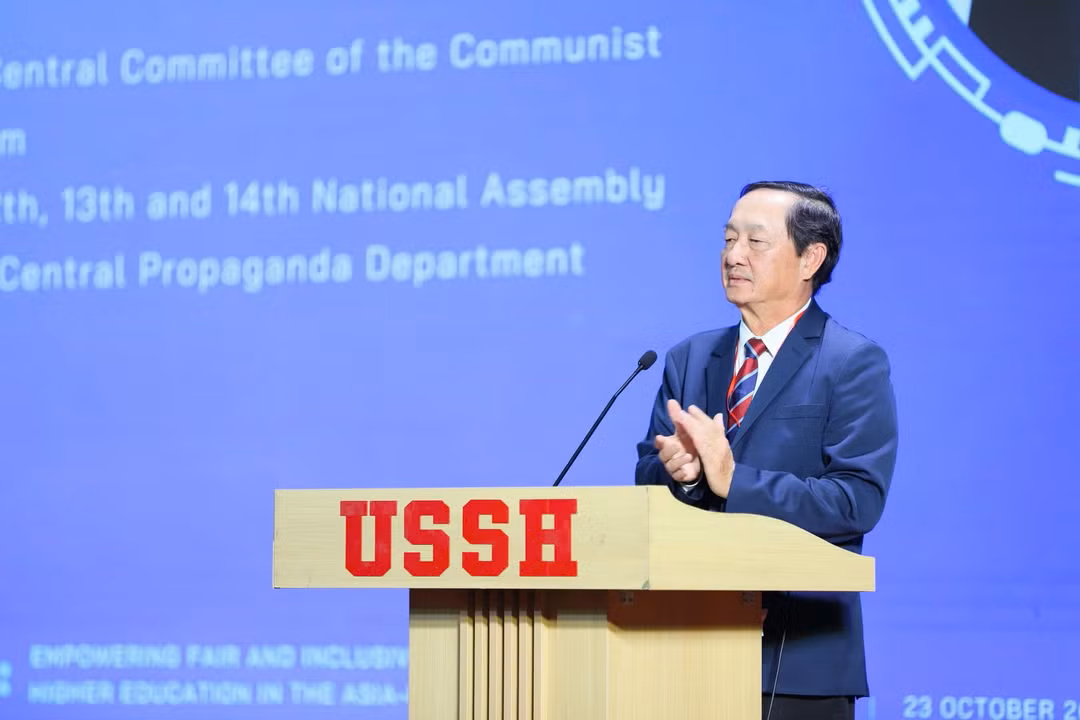
Drawing from the Vietnamese context, he raised concerns about students in remote areas and ethnic minority communities' access to quality learning resources; the risk of education costs becoming a burden for learners; and the need to apply digital technology in a humane way, ensuring opportunities for disadvantaged groups.
According to Associate Professor, Dr. Huynh Thanh Dat, addressing these issues requires coordination among the State, educational institutions, social organizations, the business community, and international partners. He expects the workshop to contribute to identifying institutional, financial, and technological barriers to equitable and inclusive higher education; sharing open education models and open learning resources; and proposing practical policy recommendations for Vietnam and other countries in the region.
In addition to specialized presentations, the conference program includes parallel discussion sessions, allowing delegates to delve deeper into specific issues, share research findings, and exchange practical solutions.
Topics related to open educational resources, open pedagogical methods, access to knowledge, supporting infrastructure, responsible AI, policies, and governance are expected to contribute to expanding dialogue among scientists, administrators, and those directly involved in education.
The press reported on the event:
Nhan Dan Newspaper:Connecting knowledge and bridging the digital divide in higher education.
Vietnam National University, Hanoi: OPENAP 2026: An Open Future, Promoting Equitable and Inclusive Higher Education in Asia-Pacific
Author:According to Nhan Dan Newspaper
Newer news
Older news

