Attending the program were Assoc. Prof. Dr. Bui Hoai Son, Deputy Head of the Central Propaganda Department; Prof. Dr. Nguyen Van Kim, President of the Vietnam Historical Science Association, along with scientists, experts, lecturers, and students…
Enhancing the role of culture
In her opening remarks, Associate Professor Dr. Dang Thi Thu Huong, Vice Rector of the University of Social Sciences and Humanities, emphasized: "This workshop is of special significance, marking the beginning of a series of activities for the Hanoi Autumn Humanities Forum 2026, taking place from October 21-28. This is an opportunity to exchange ideas, identify new issues, and seek solutions to better promote the role of culture in the development of the country."
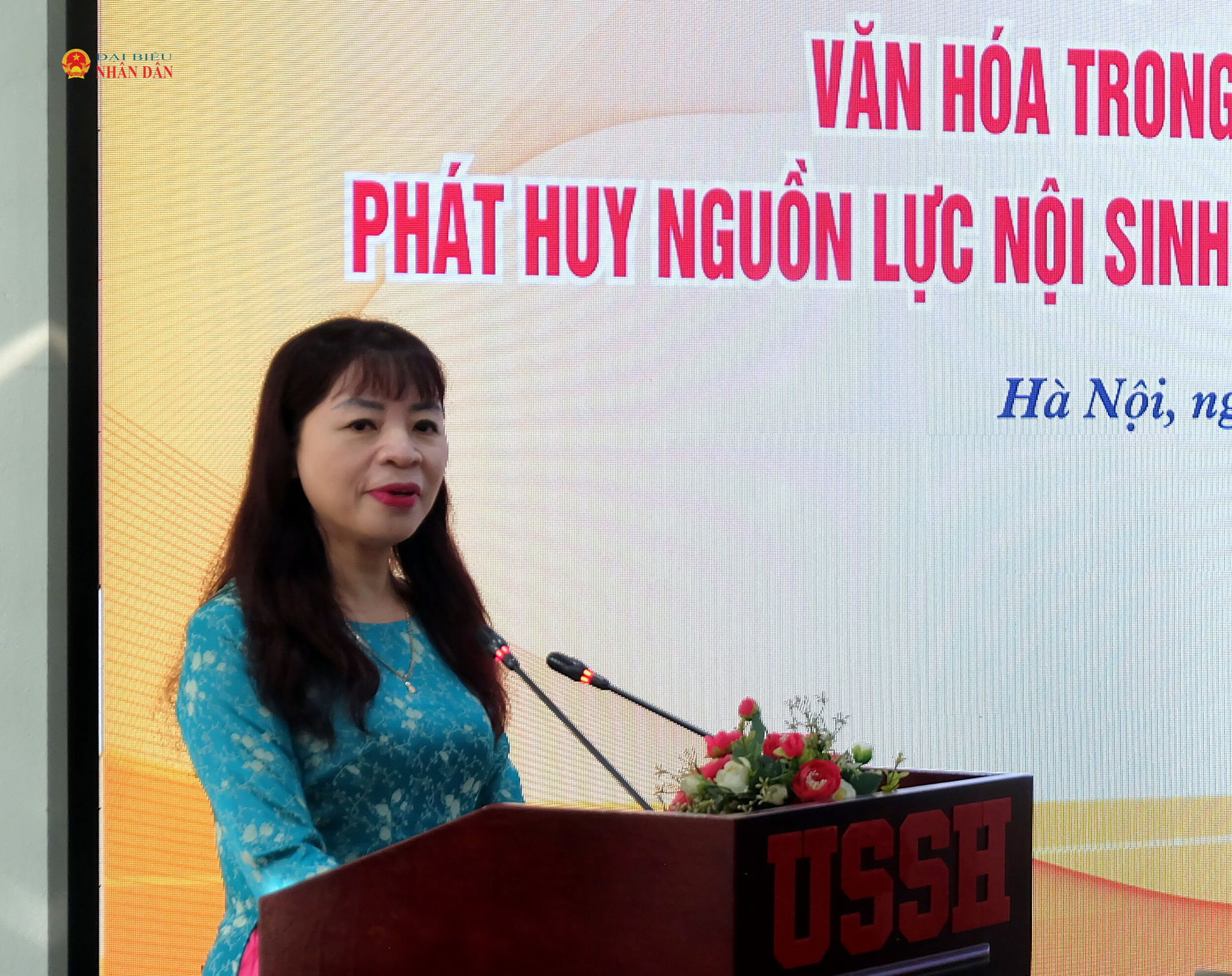
Associate Professor Dr. Dang Thi Thu Huong, Vice Rector of the University of Social Sciences and Humanities, Vietnam National University, Hanoi, delivered the opening remarks.
According to Associate Professor Dr. Dang Thi Thu Huong, in the context of the country aiming for new development goals, the requirements are not only faster economic growth, increased labor productivity, or accelerated innovation. More importantly, it is necessary to build a solid foundation of values, creative capacity, and spiritual strength to ensure the long-term development of the nation.
Resolution No. 80-NQ/TW on the development of Vietnamese culture affirmed the role of culture and people as the foundation, important endogenous resources, great driving force, and pillar of the country's rapid and sustainable development. Culture does not stand outside the development process, nor is it merely a result of economic development. Culture needs to be present in the development process itself, contributing to guiding policy decisions, stimulating human creativity, and creating lasting values.
This spirit was further emphasized in the directive speech of General Secretary and President To Lam at the second session of the Central Steering Committee on the Development of Vietnamese Culture, with the call to shift strongly from cultural management to development-oriented thinking.
Associate Professor Dr. Dang Thi Thu Huong argues that culture can only truly become a driving force for growth when it simultaneously creates economic value, enriches spiritual life, improves human quality, and strengthens national power. For these orientations to be implemented effectively, the issue of perfecting institutions is of particular importance.
Legal adjustments should aim not only to improve the effectiveness and efficiency of state management but also to unlock resources, promote innovation, and create a healthy environment for cultural entities and businesses to develop together.
From a nation rich in heritage to a nation strong thanks to its culture.
The discussions at the workshop focused on clarifying the following topics: digital transformation of culture and development of national cultural data; building national standards for the digitization of heritage; from the digitization of heritage to the cultural industry; promoting the cultural heritage resources of ethnic groups in conjunction with the cultural industry…
Through this, important arguments and valuable proposals are contributed, helping to put the directions of Resolution No. 80 into practice, so that culture truly permeates life, spreads throughout society, and becomes a driving force for sustainable national development.
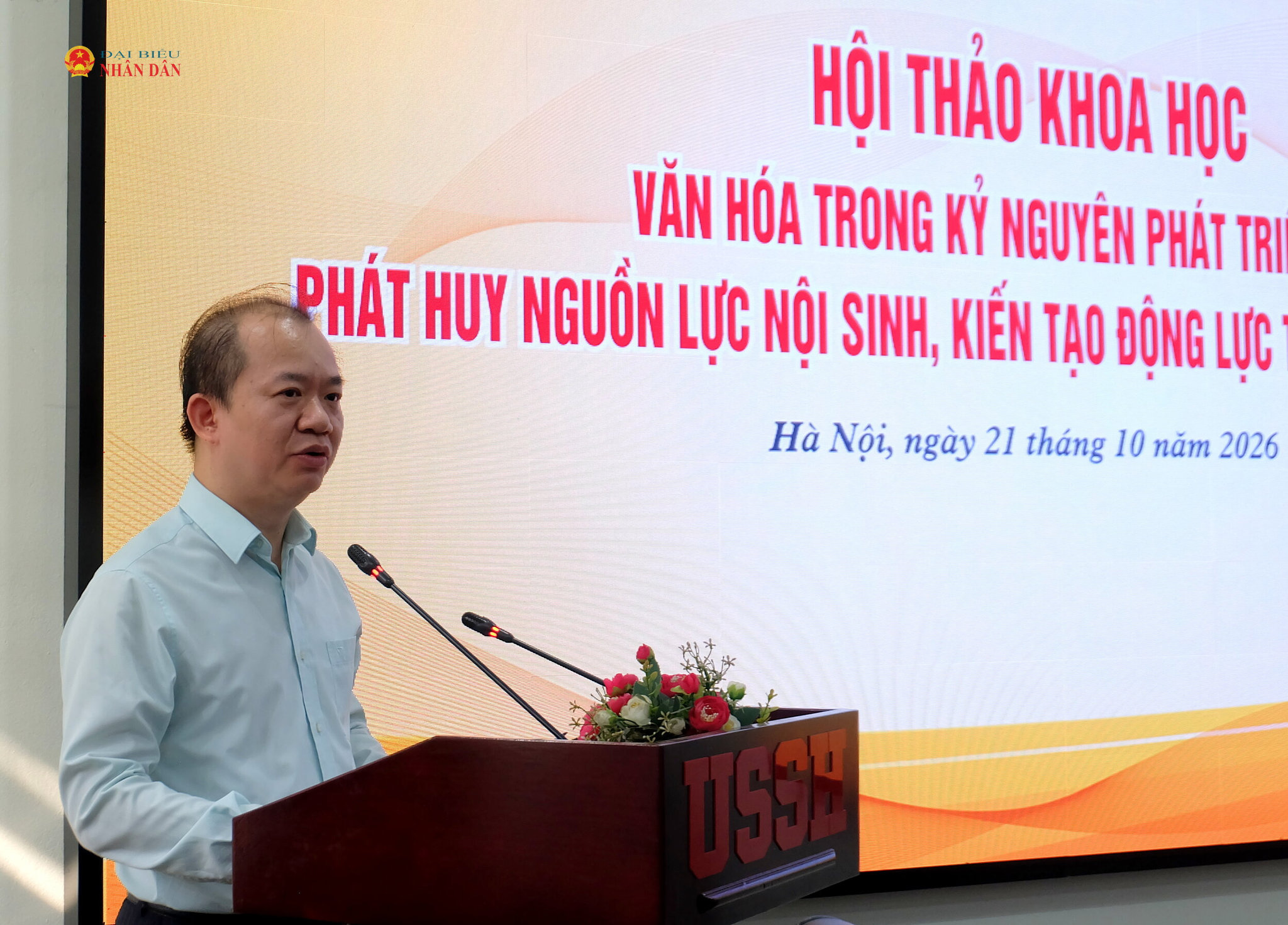
Associate Professor Bui Hoai Son, Deputy Head of the Central Propaganda Department, believes that digital transformation opens up historical opportunities: helping to preserve national memory more sustainably, helping Vietnamese identity to be more deeply present in the digital space, and creating new resources for development.
Presenting his paper on "Digital Transformation of Culture: From Preserving Memories to Shaping the Future," Associate Professor Bui Hoai Son, Deputy Head of the Central Propaganda Department, shared five key messages: Digital transformation of culture is first and foremost a transformation of development thinking, not simply a technological transformation; Cultural data must be viewed as a strategic resource and a part of the national development infrastructure; Open data to unleash creativity, but must protect copyright, community rights, and digital cultural sovereignty; Cultural data must be transformed into a driving force for creativity, into new products and development opportunities; Breakthroughs are decisive in implementation, in people, and in how results are evaluated.
Based on the above analysis, Associate Professor Bui Hoai Son proposed several immediate actions. First, it is necessary to quickly finalize the architecture and standards for national cultural data, establish a unified identification mechanism, clearly define administrative responsibilities, and establish clear criteria for what constitutes high-quality digitization.
Secondly, training human resources in cultural data management should be considered an urgent task. Technologists need to understand cultural context and community rights; cultural workers must have the capacity to use, verify, and manage data.
Third, we need to innovate our investment methods. Funding should not only be allocated to machinery and software, but also adequately cover the collection, verification, standardization, long-term preservation, security, updating, and reuse of data. Simultaneously, mechanisms are needed to encourage public-private partnerships and the participation of schools, museums, research institutes, innovative businesses, and the community.
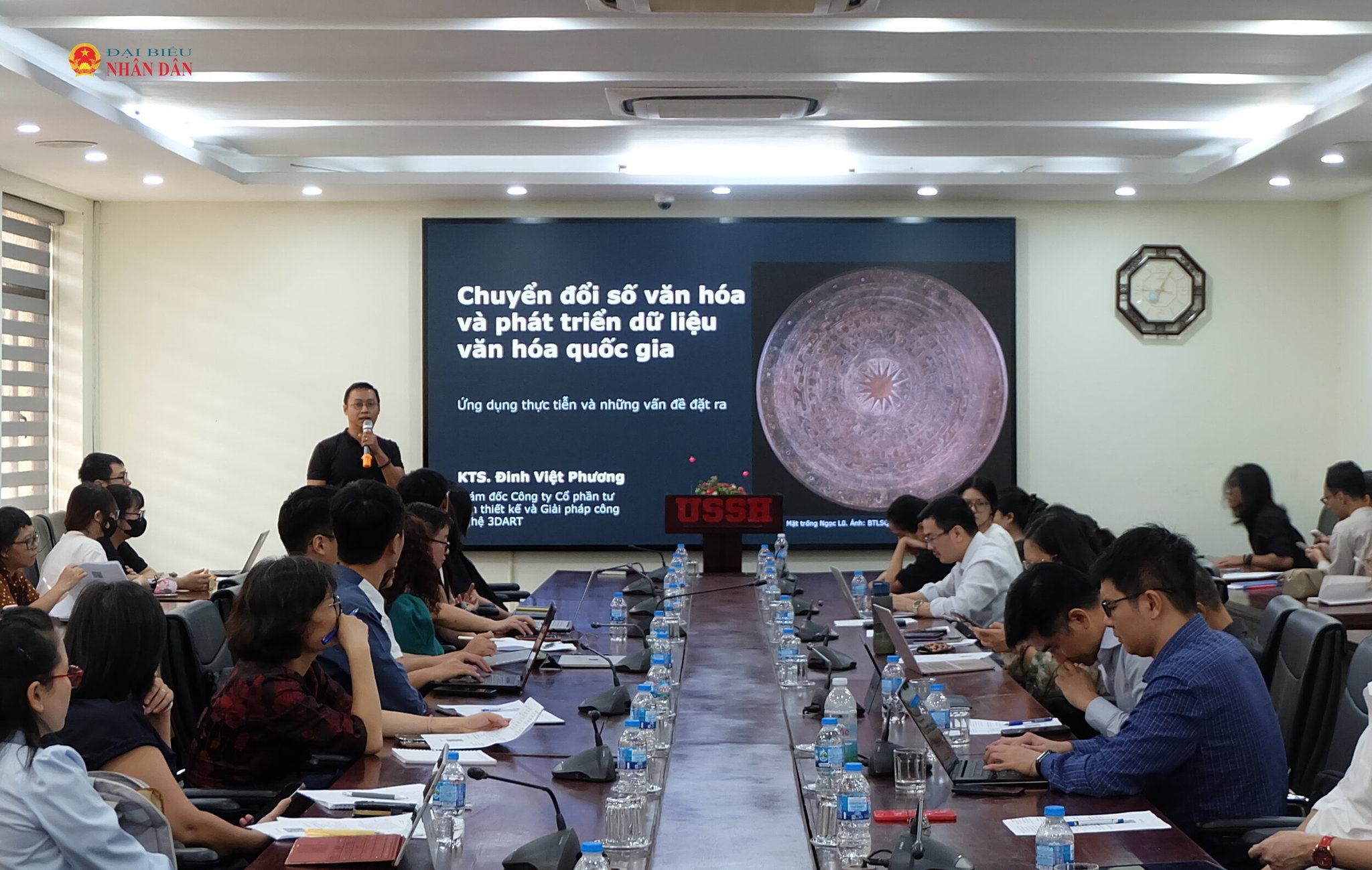
Conference scene
Fourth, follow the roadmap and measure results. In the immediate future, focus on data standardization and the quality of digitized heritage; then on interoperability, sharing, and exploitation; and further on, on developing truly viable applications in education, tourism, cultural industries, and artificial intelligence.
According to Associate Professor Bui Hoai Son, when each heritage site has a reliable address in the digital space, each cultural entity is respected, each data is connectable, and each generation has more opportunities to access and create, then digital transformation truly becomes a driving force for the development of Vietnamese culture and people. This is also the way for us to move from a nation rich in heritage to a nation strong through culture in the new era.
Author:According to the People's Representatives Newspaper
Newer news
Older news

