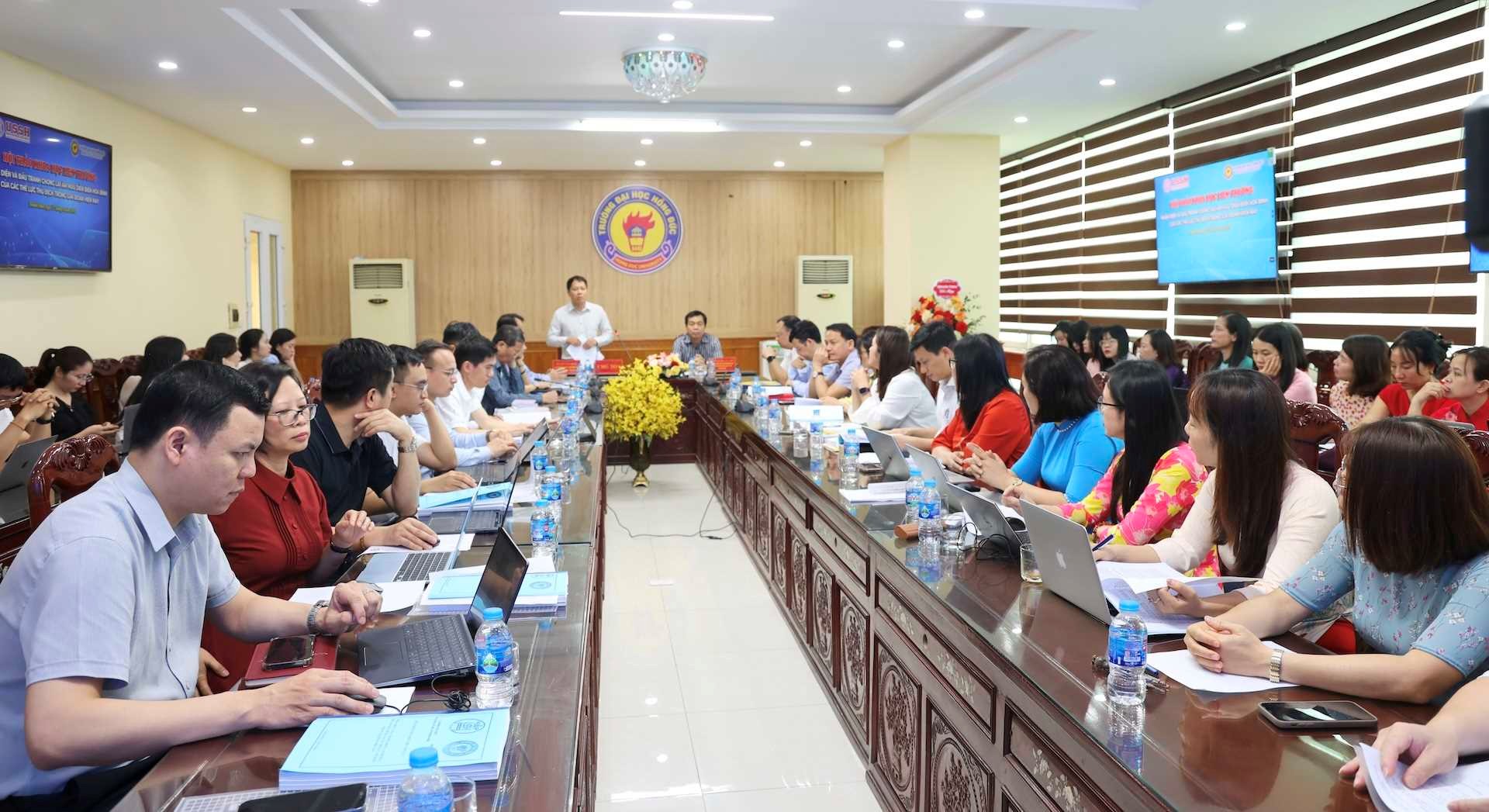
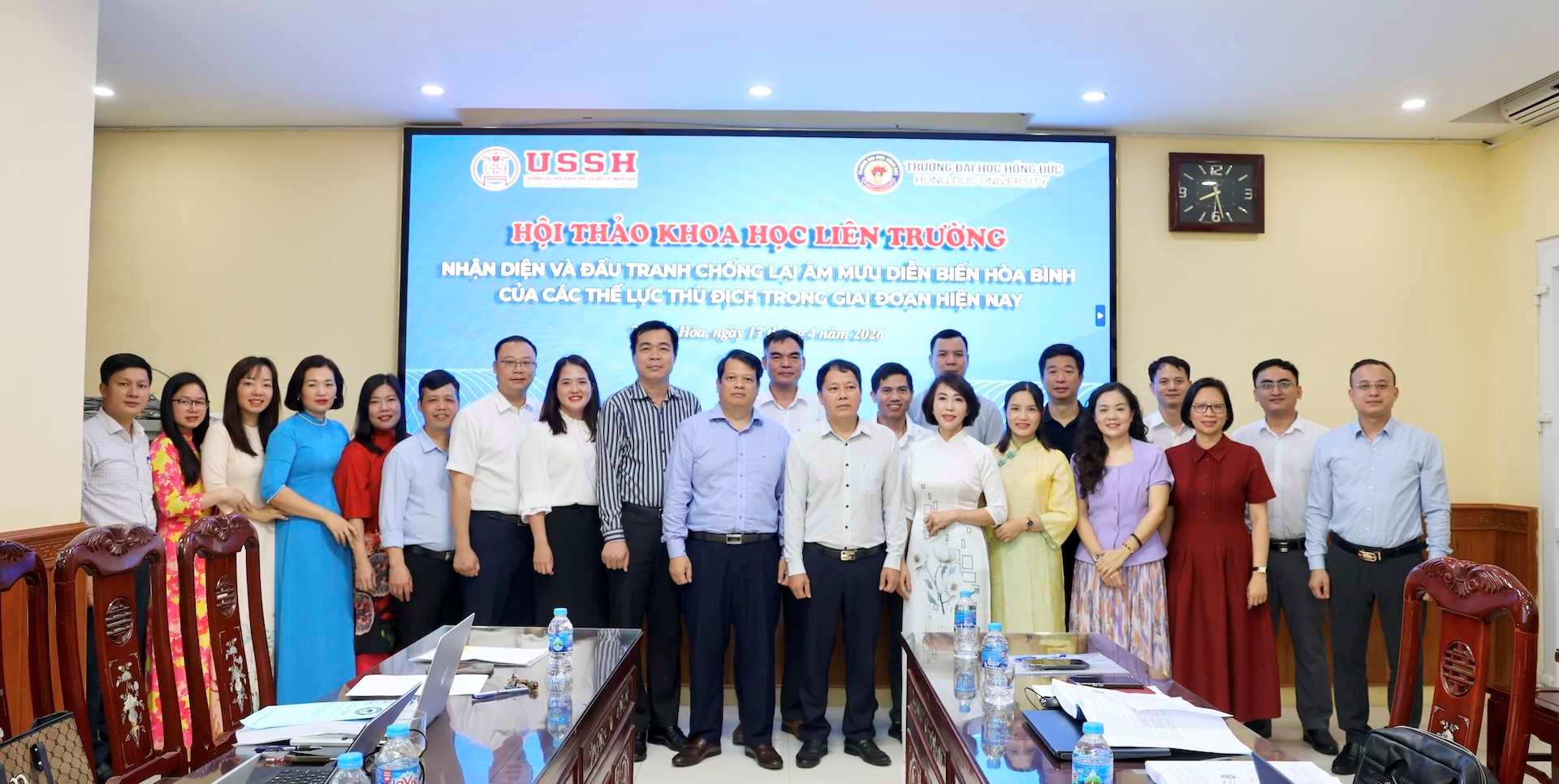
Attending the workshop, on behalf of Hong Duc University were Assoc. Prof. Dr. Ngo Chi Thanh, Member of the Standing Committee of the Party Committee, Vice Rector of the University; Dr. Le Van Minh, Head of the Faculty of Political Theory and Law; Dr. Nguyen Huu Quyet, Director of the International Education Center; and Dr. Nguyen Thi Viet Hung, Deputy Head of the Department of Science, Technology and International Cooperation. On behalf of the Hanoi University of Social Sciences and Humanities were: Assoc. Prof. Dr. Nguyen Van Chieu, Head of the Faculty of Politics and International Studies; Assoc. Prof. Dr. Nguyen Anh Cuong, Deputy Head of the Faculty of Politics and International Studies, along with lecturers, scientists, and administrative staff from universities and academies.
In his opening remarks, Dr. Le Van Minh, Head of the Faculty of Political Theory and Law at Hong Duc University, emphasized: In the context of globalization and digital transformation, hostile forces are increasing their subversive activities with increasingly sophisticated and difficult-to-identify methods. "Peaceful evolution" is not limited to the political sphere but has spread to education, culture, media, and cyberspace. In particular, these groups frequently exploit sensitive issues such as democracy, human rights, and religion to distort and influence public perception.
The introductory report affirms that correctly identifying the nature, methods, and tactics of these activities is an urgent requirement, aiming to create a scientific basis for developing effective prevention and combat solutions, contributing to maintaining political and social stability and a healthy educational environment. Based on this orientation, the presentations approached the issue comprehensively, combining theoretical and practical analysis.
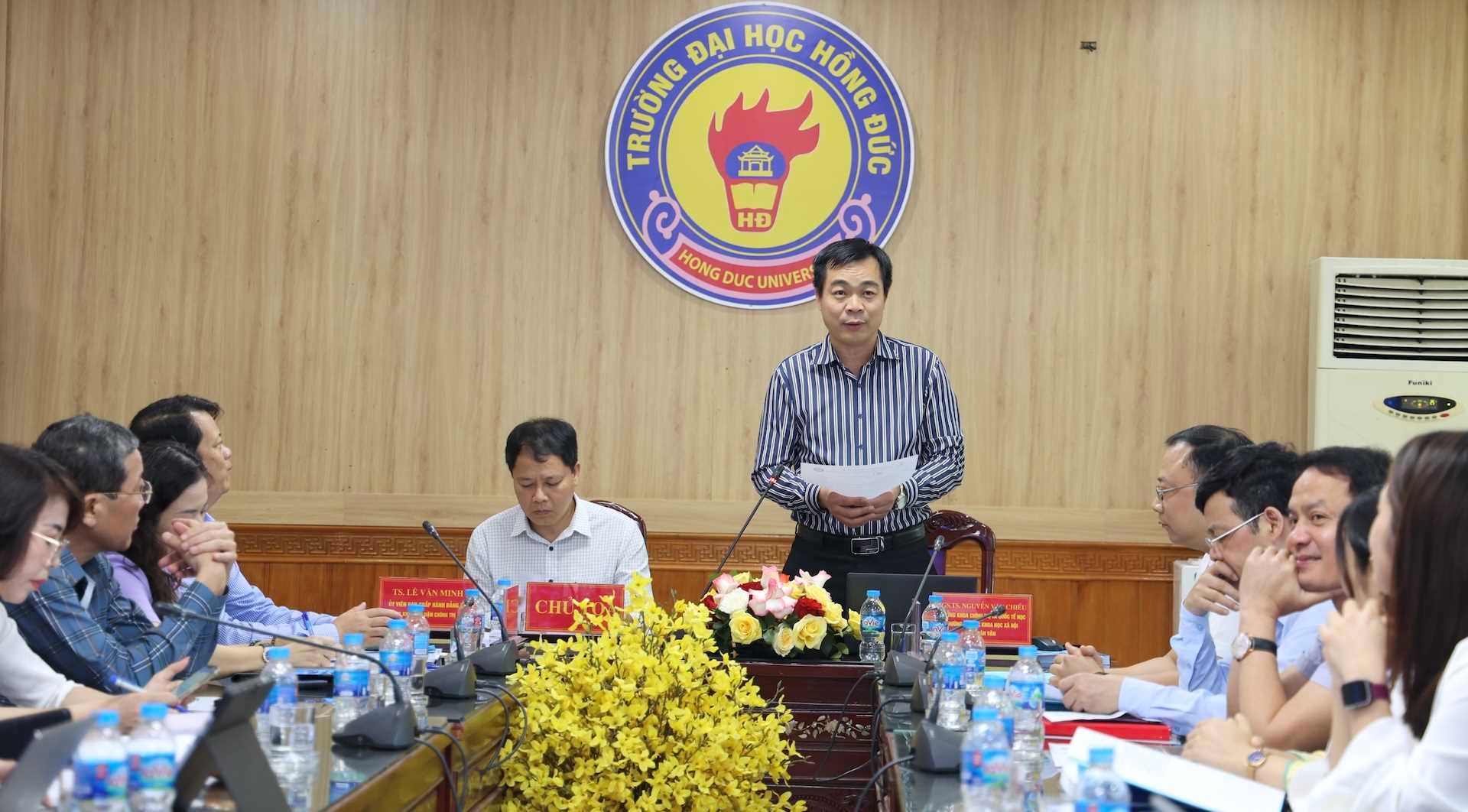
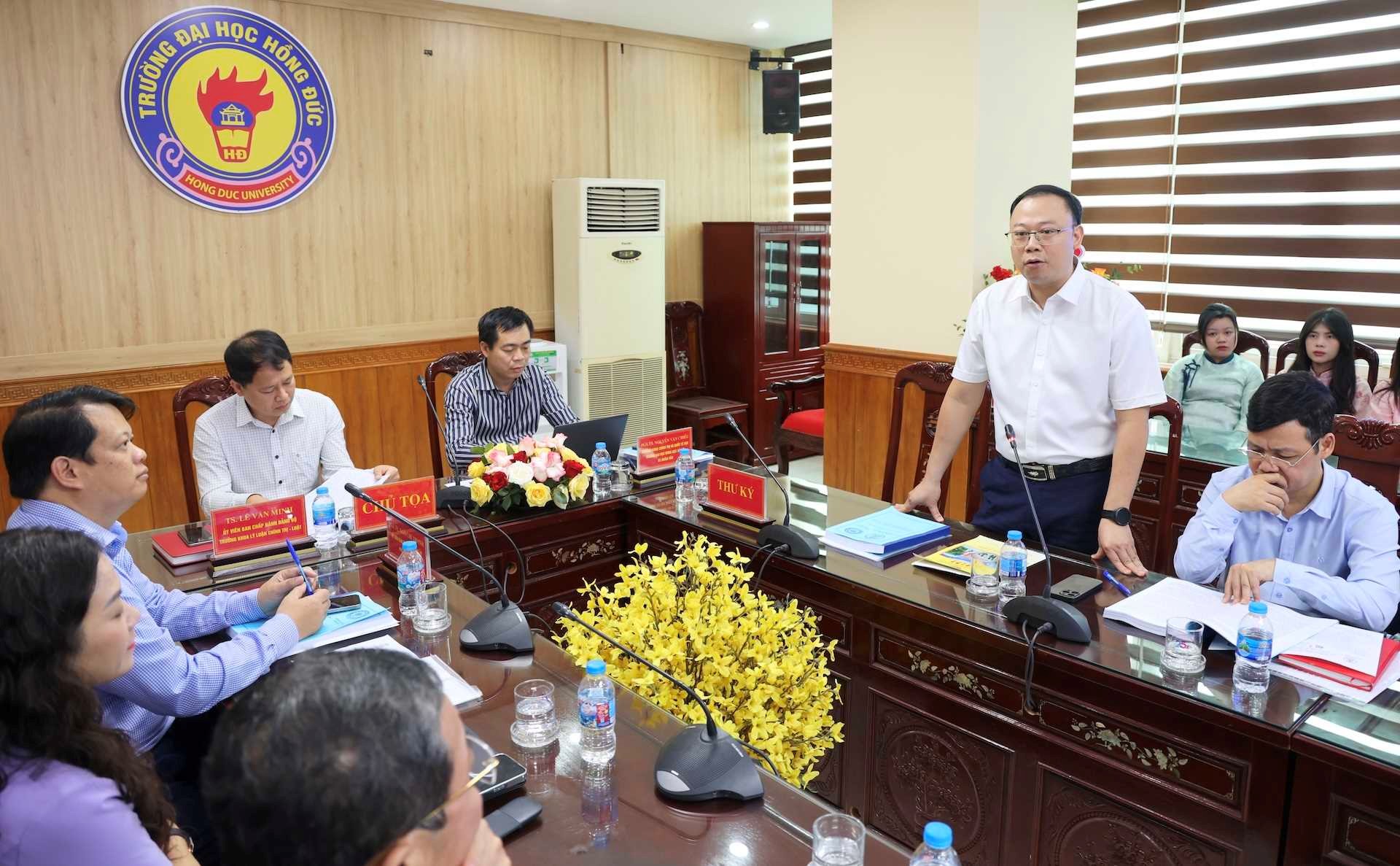
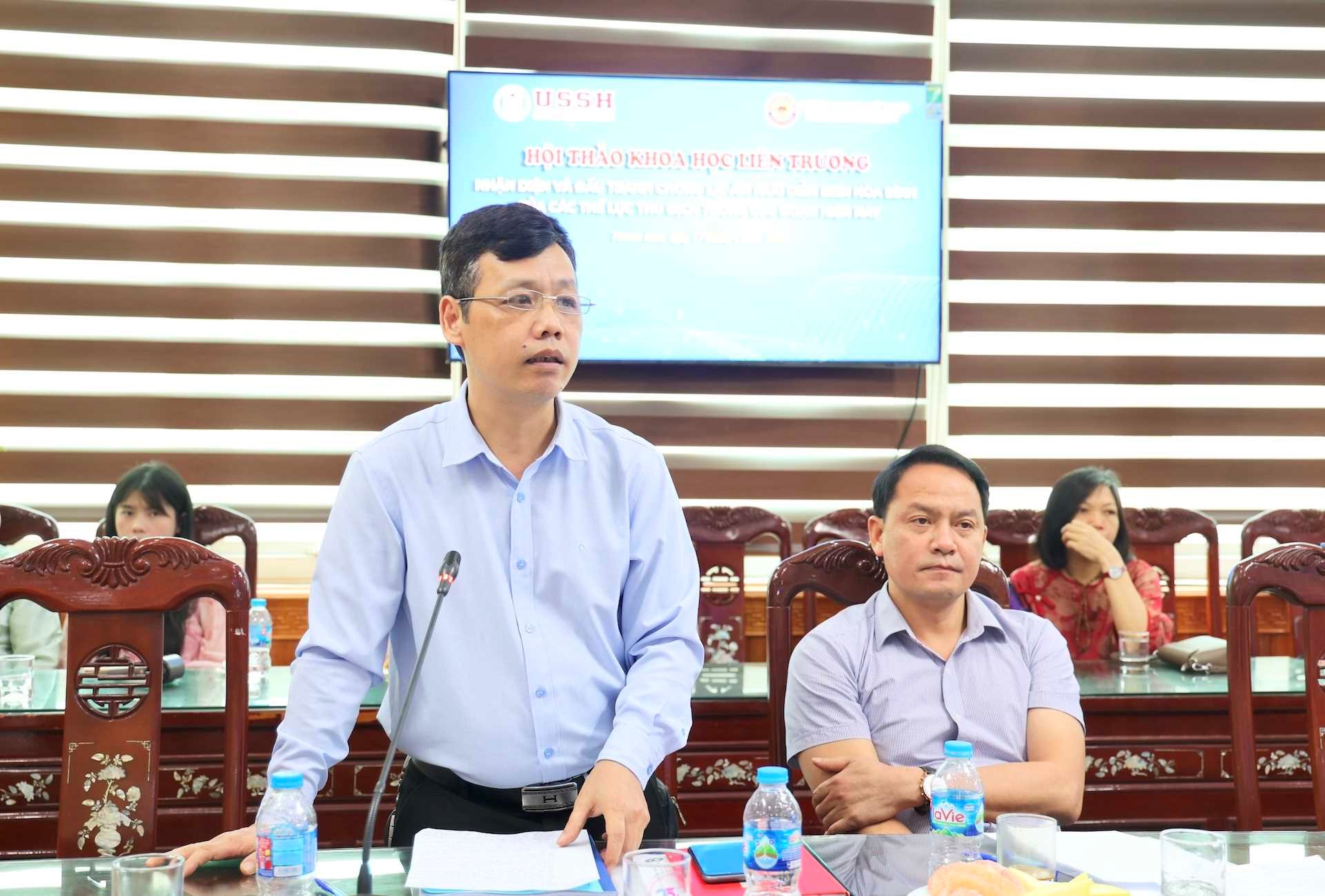
Associate Professor Dr. Nguyen Van Chieu, Head of the Department of Politics and International Studies, Hanoi University of Social Sciences and Humanities, co-chaired the workshop.
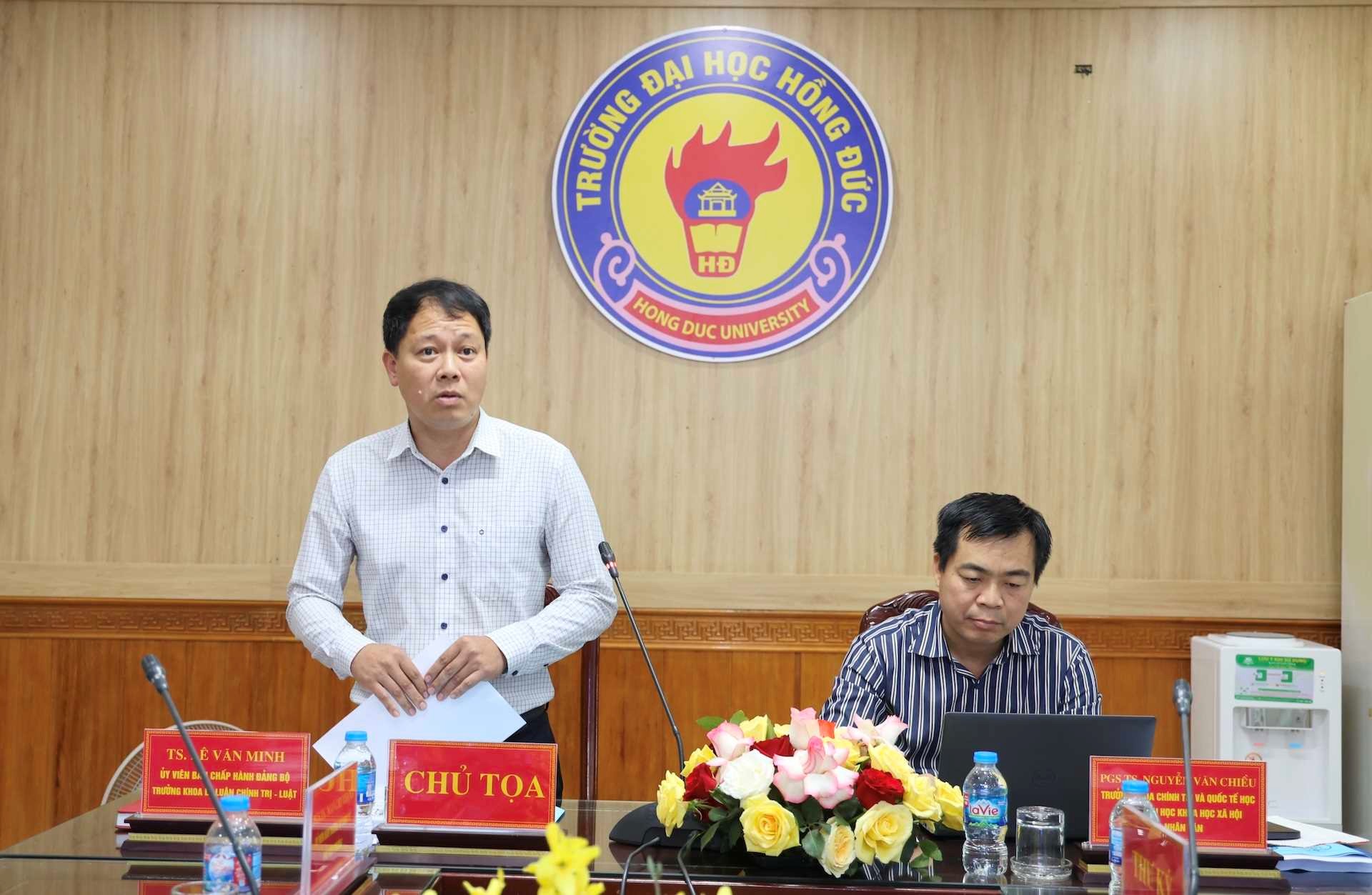
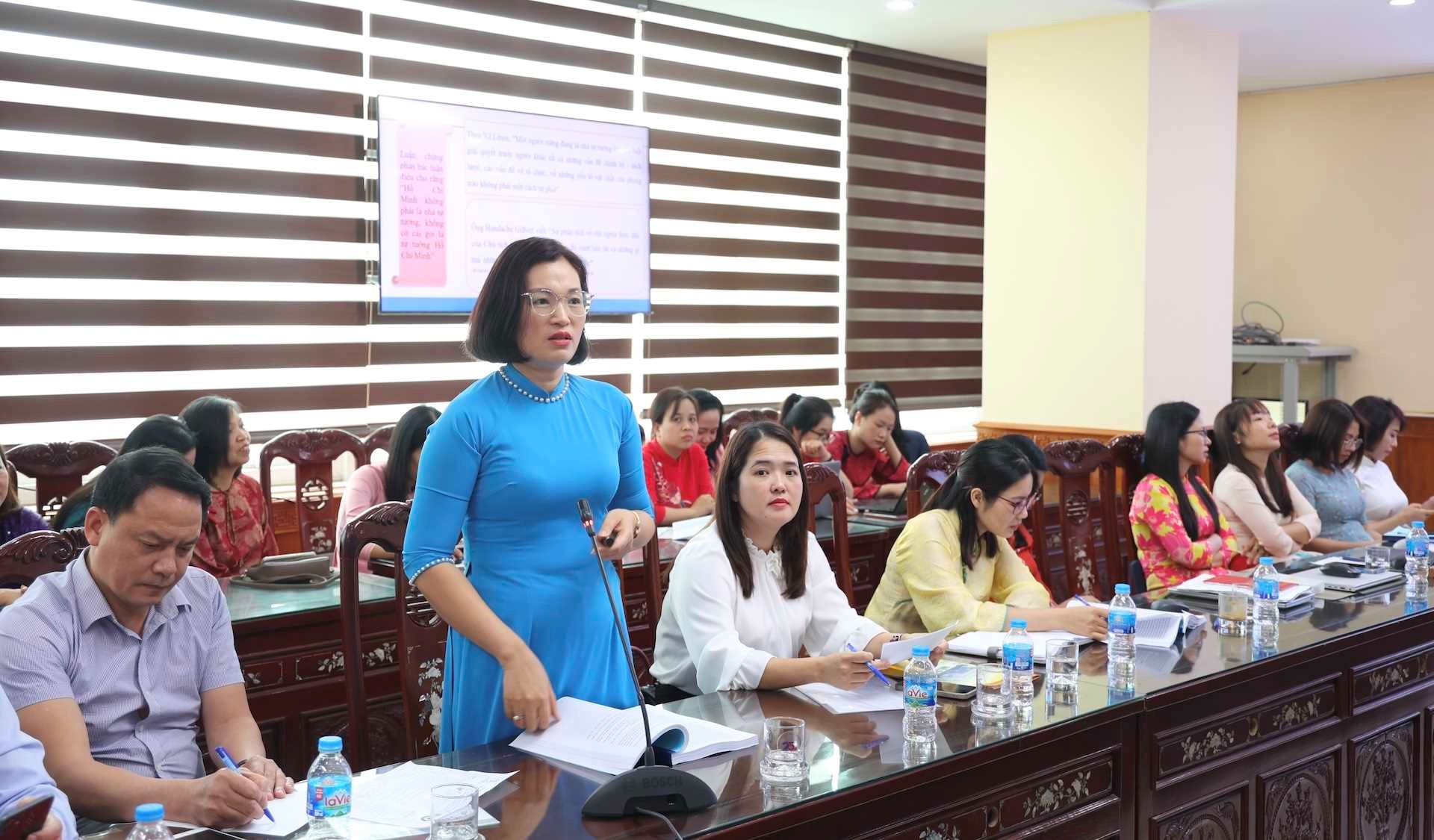
Dr. Le Van Minh, Head of the Department of Political Theory and Law, Hong Duc University, co-chaired the workshop and presented the introductory report.
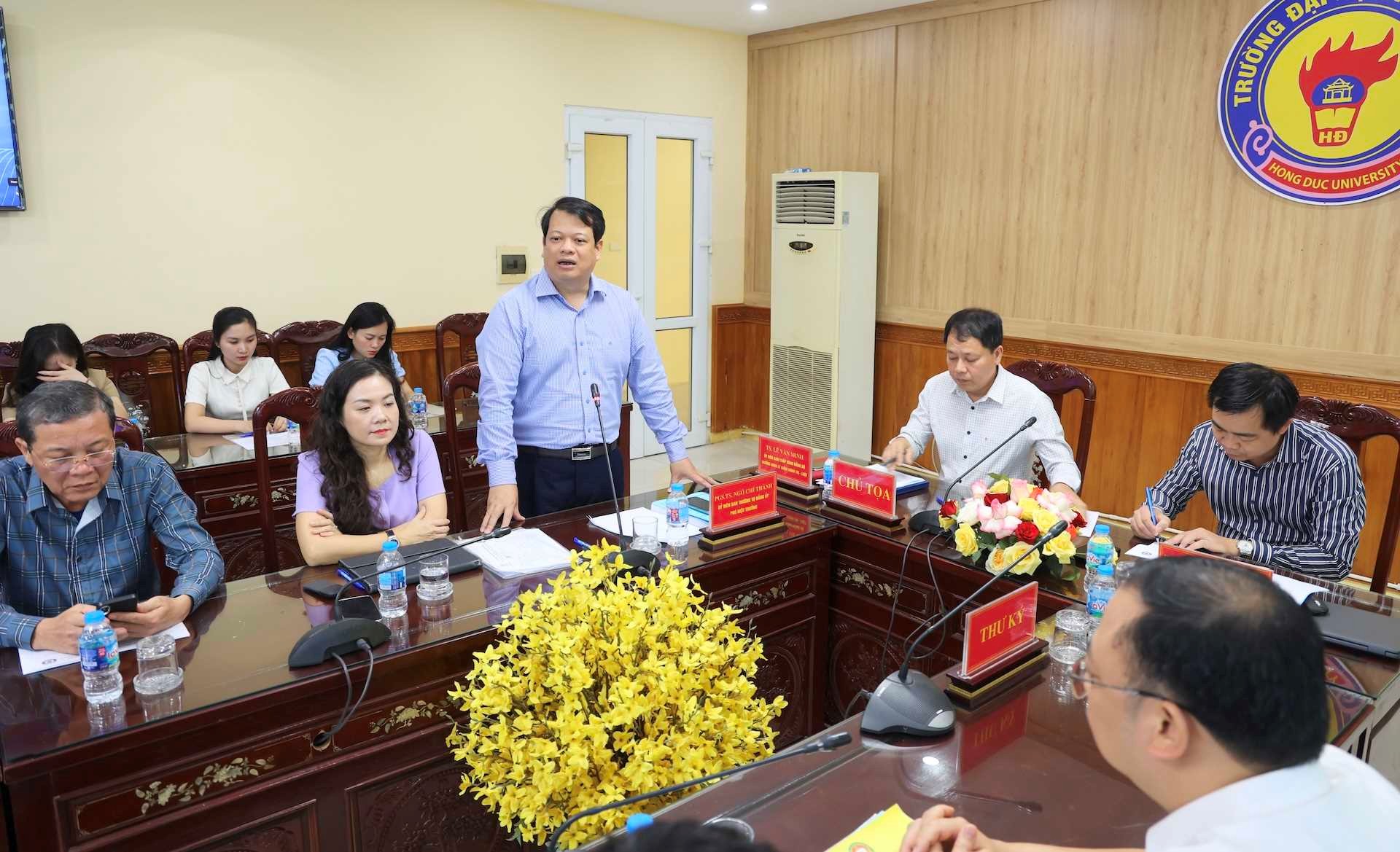
In his opening remarks at the workshop, Associate Professor Dr. Ngo Chi Thanh, Member of the Standing Committee of the Party Committee and Vice Rector of Hong Duc University, emphasized that in the current context, hostile forces are increasing their subversive activities with many sophisticated methods and tactics, especially in cyberspace and in the fields of ideology, culture, and education. This poses an urgent need for higher education institutions to improve the quality of political and ideological education and strengthen the "self-resistance" capacity of staff, lecturers, and students against harmful and toxic information.
Associate Professor Dr. Ngo Chi Thanh, Member of the Standing Committee of the Party Committee and Vice Rector of Hong Duc University, delivered the opening remarks at the workshop.
Associate Professor Ngo Chi Thanh affirmed that organizing this inter-university scientific conference is not only significant academically but also serves as an important forum for scientists and managers to exchange and clarify theoretical and practical issues related to the fight against "peaceful evolution." At the same time, it is also an opportunity to strengthen coordination between training institutions in research, teaching, and ideological orientation, contributing to firmly protecting the Party's ideological foundation in the new situation. In addition, the Vice Rector of Hong Duc University also requested that scientists focus on clarifying the new manifestations of "peaceful evolution," proposing feasible solutions linked to the practice of higher education; thereby contributing to improving the effectiveness of political and ideological education, building a healthy, safe, and well-oriented learning environment.
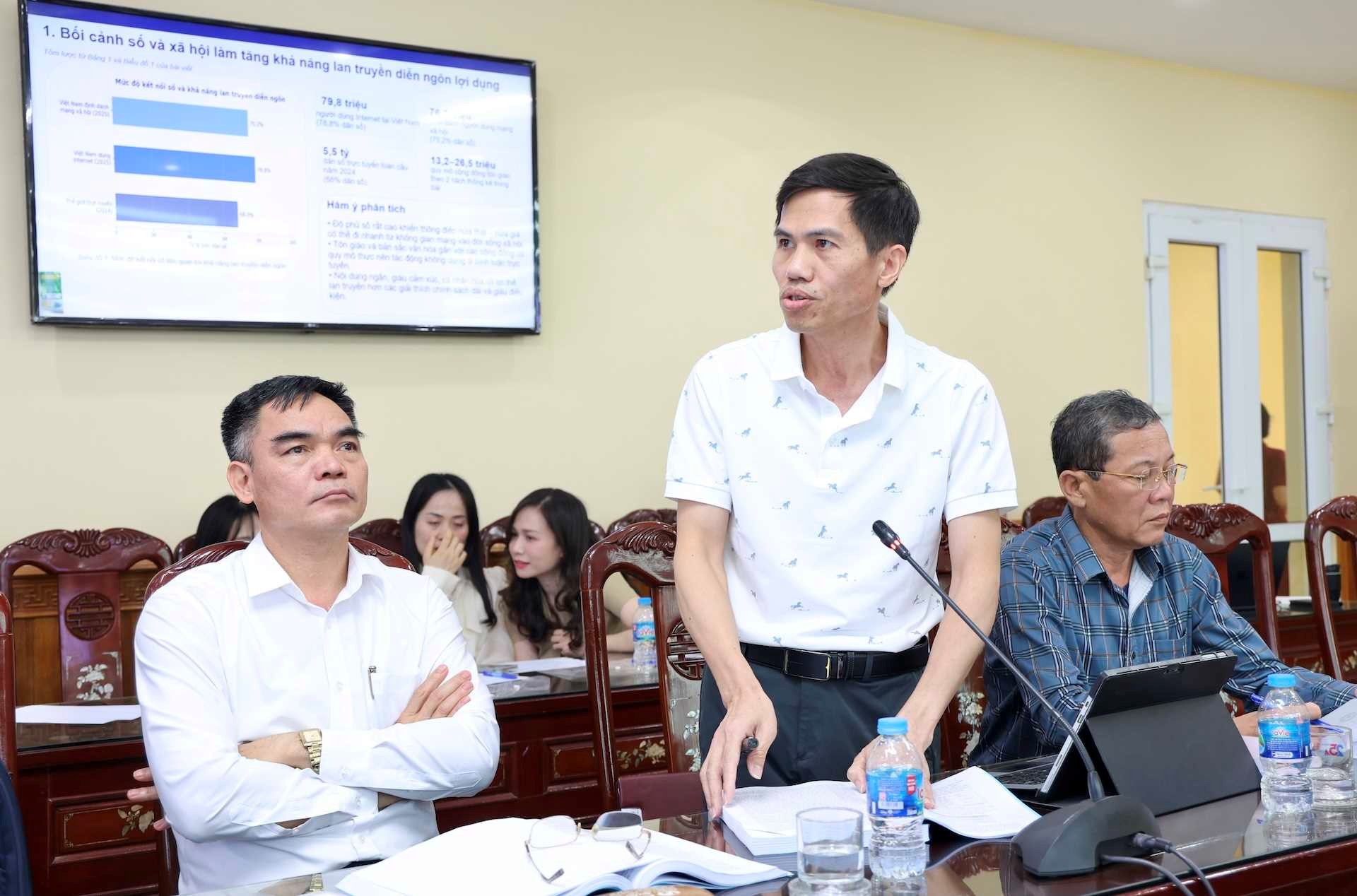
At the seminar, Dr. Nguyen Van Ngoc's presentation (People's Security Academy) focused on identifying manifestations of "peaceful evolution" in the field of education and training. The author pointed out that hostile forces tend to exploit the academic environment and academic freedom to plant misleading content and influence students' perceptions. The report also emphasized the role of state management and proposed improving mechanisms for controlling content and strengthening political orientation in education.
Dr. Nguyen Van Ngoc, from the People's Security Academy, presented his paper at the conference.
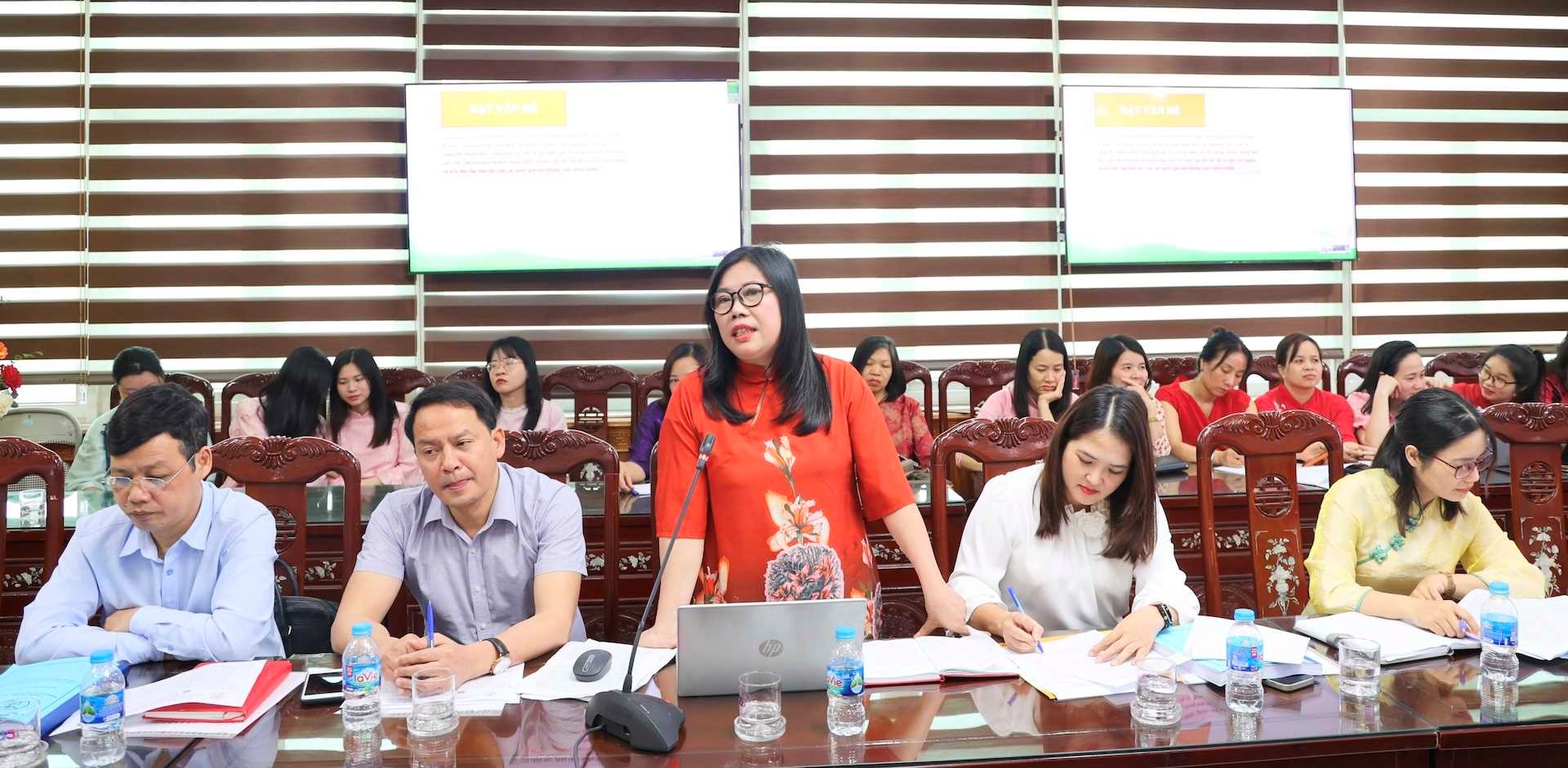
Dr. Le Thi Tham's presentation (Hong Duc University) provides an in-depth analysis of the distorted narratives about the Party's ideological foundation on the internet. The author points out the transformation of subversive propaganda methods, shifting from direct to "softened" approaches, disguised as academic discourse or social commentary. Based on this, the report proposes improving the ability to identify misinformation and critical thinking skills for lecturers and students.
Dr. Le Thi Tham, Hong Duc University, presented her paper at the conference.
Associate Professor Dr. Nguyen Anh Cuong (University of Social Sciences and Humanities) approached the issue from a socio-political perspective, clarifying how hostile forces exploit universal values such as democracy, human rights, and religion to interfere with and disrupt information. His presentation emphasized the need for a flexible approach, combining resolute struggle with enhanced official media coverage to guide public opinion.
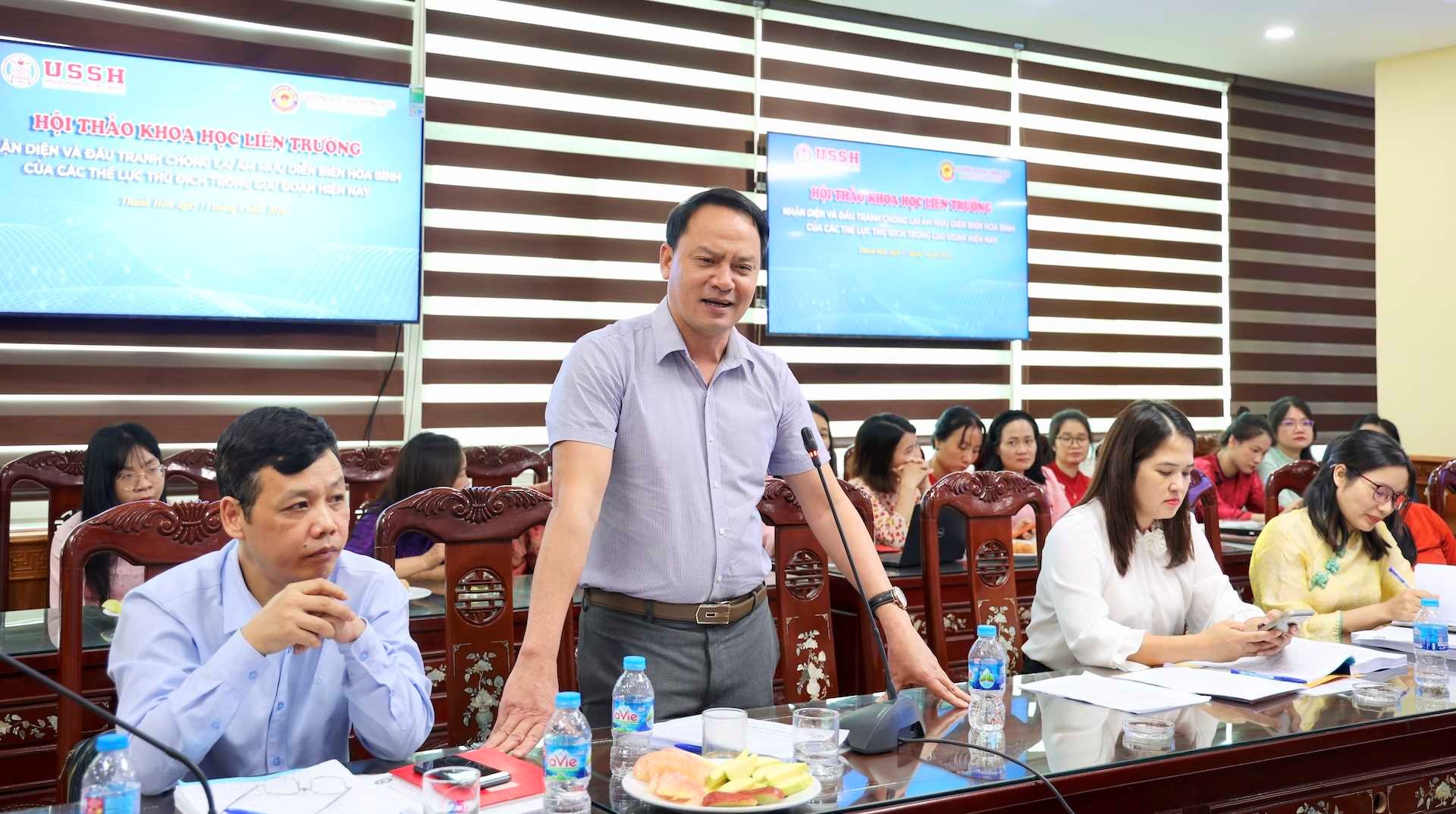
Assoc. Prof. Dr. Nguyen Anh Cuong, University of Social Sciences and Humanities, presented a paper at the conference.
Dr. Nguyen Thi Tinh's presentation (Thanh Hoa University of Culture, Sports and Tourism) focused on students, considering them a vulnerable group but also an important subject in the ideological struggle. The author proposed reforming political education methods to be more practical, enhancing digital skills and information selection skills for students.
Dr. Nguyen Thi Tinh, Thanh Hoa University of Culture, Sports and Tourism, presented her paper at the conference.
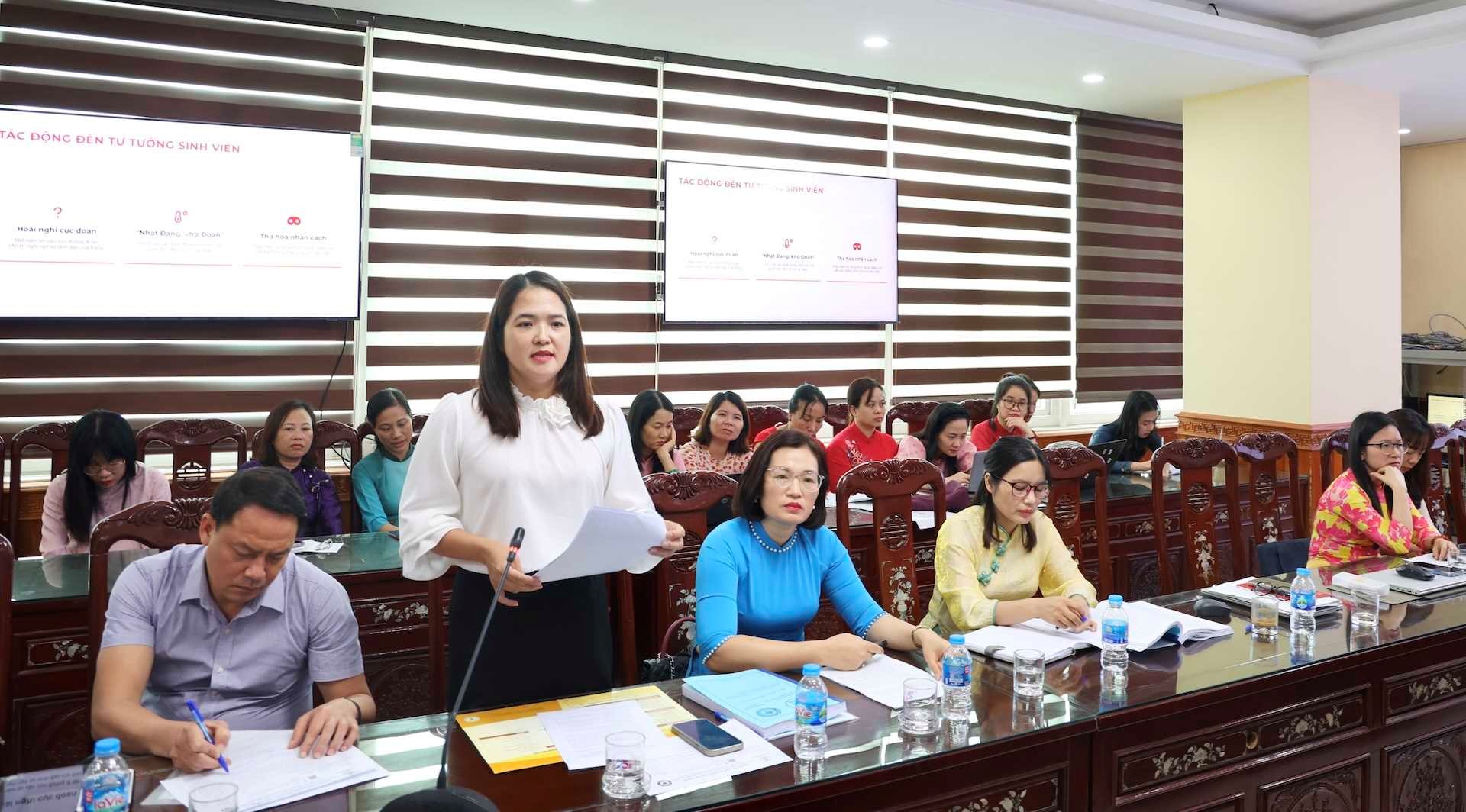
Dr. Nguyen Thi Tam's presentation (Hong Duc University) delves into an analysis of erroneous viewpoints related to Ho Chi Minh Thought. By identifying distorted arguments, the presentation affirms the enduring value of Ho Chi Minh Thought within the Party's theoretical framework, while also proposing solutions to improve the effectiveness of teaching and dissemination in schools.
Dr. Nguyen Thi Tam (Hong Duc University)
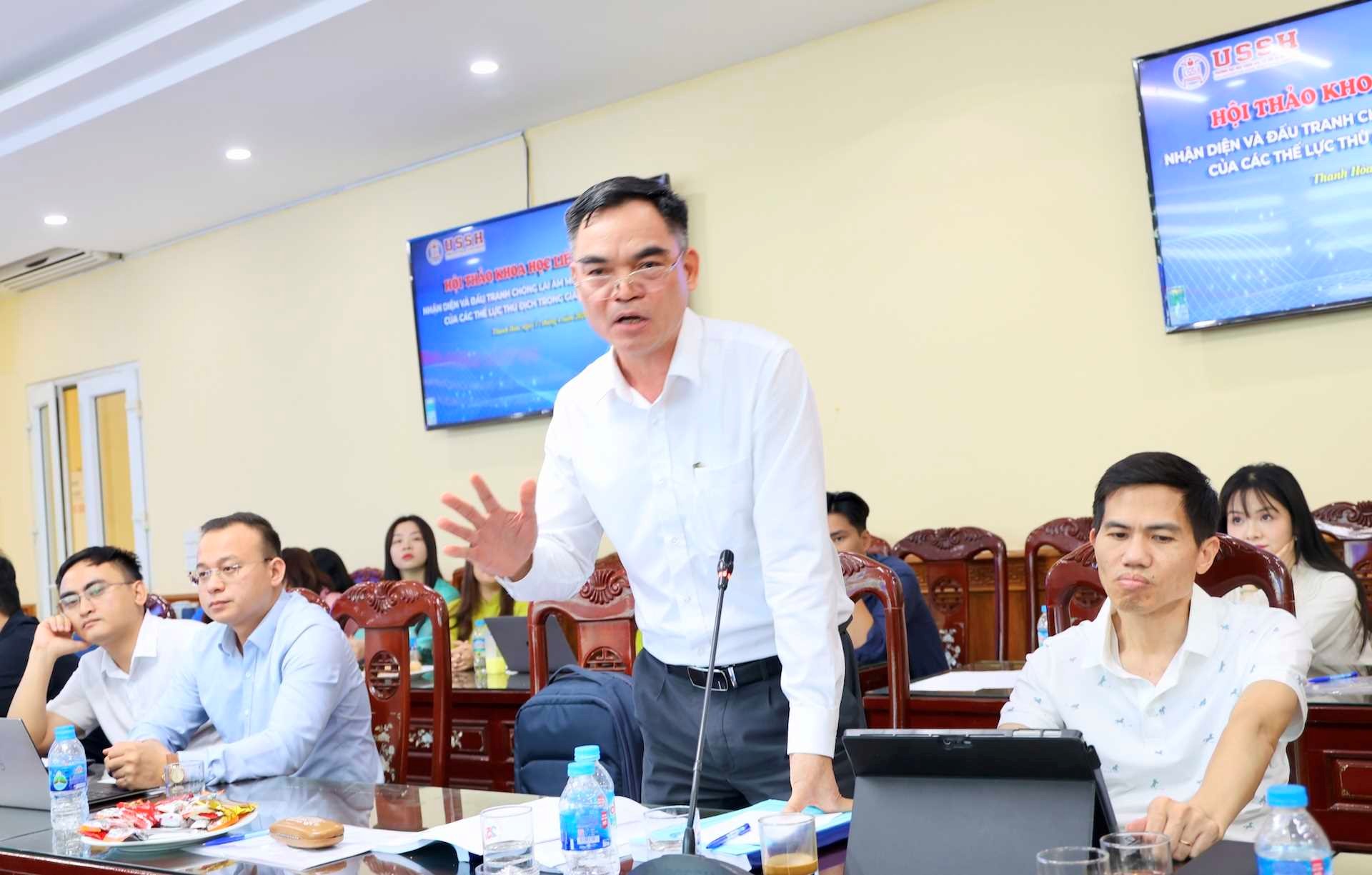
The discussion was lively, with many insightful exchanges, clearly demonstrating the interdisciplinary nature and the connection between theory and practice.
The delegates unanimously agreed that, in the context of today's information explosion, "peaceful evolution" is no longer direct but has shifted to sophisticated forms, hidden within media, academic products, or social networks.
Many opinions emphasize the role of higher education institutions in building students' "resistance" to harmful and toxic information. Accordingly, it is necessary to innovate the content and methods of teaching political theory subjects; strengthen the integration of ideological education into specialized courses; and promote the role of youth organizations in guiding awareness and building a healthy school environment.
Delegates also proposed promoting the application of technology in educational communication, proactively developing authentic, engaging media products that align with the information consumption trends of young people. In addition, they emphasized the need to strengthen coordination between schools and relevant agencies, especially security forces, to promptly detect and prevent subversive activities. At the workshop, delegates provided further practical examples from security work, clarified subversive tactics in cyberspace, and stressed the need for increased vigilance and proactive prevention from an early stage.
At the conclusion of the conference, the organizing committee affirmed that the presentations and discussions had contributed to clarifying many important theoretical and practical issues, while also providing a scientific basis for innovating the content and methods of political and ideological education in schools. The conference not only had academic significance but also contributed to strengthening coordination among training institutions, aiming towards the common goal of firmly safeguarding the Party's ideological foundation in the current period.