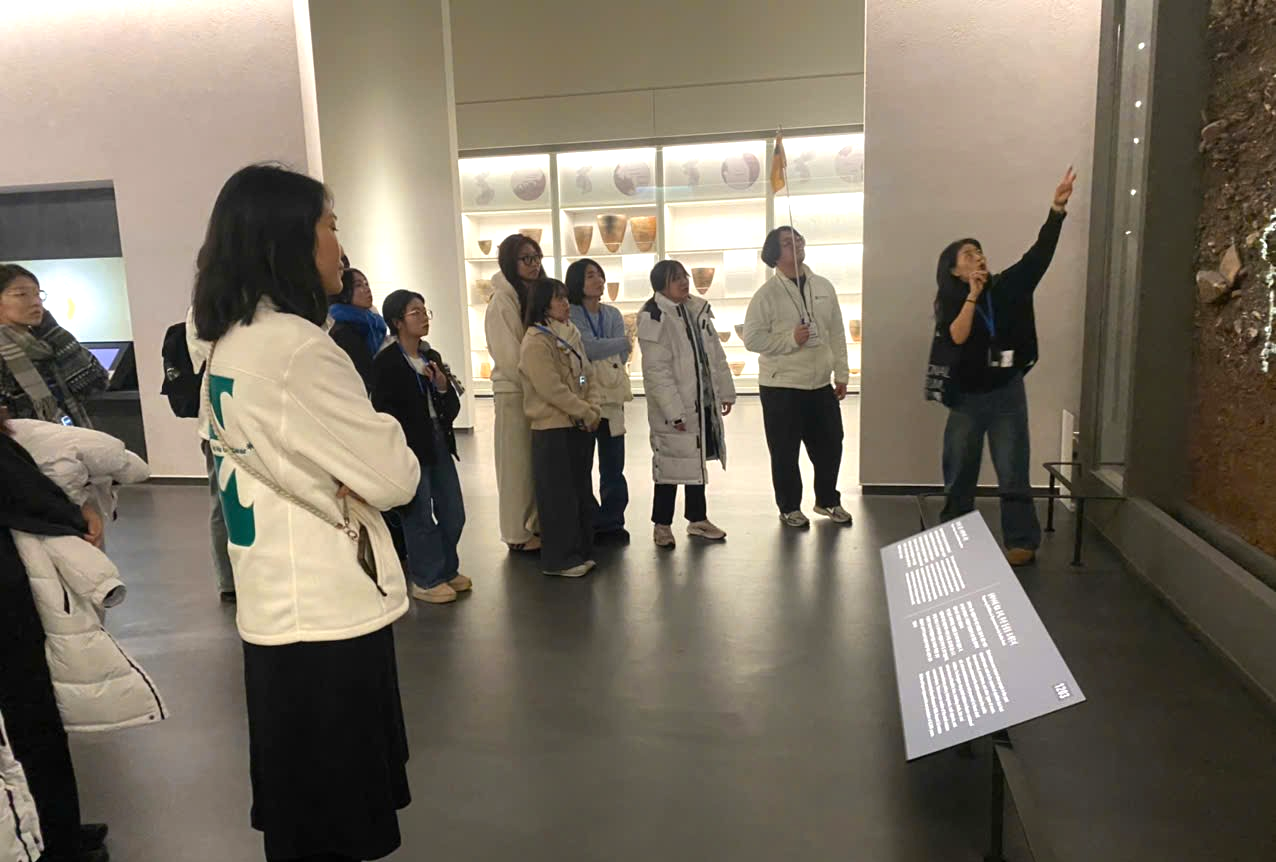
The museum space is divided into two floors, with thousands of square meters dedicated to displaying paintings, documents, and artifacts related to Buddhism, specifically the temple and Korean Buddhism in general. These include documents and artifacts about the temple's Zen masters, scriptures used by the temple and other temples in Korea for chanting, and many historical images of the temple recreated within the museum space. Through the application of digital technology, many artifacts and images are vividly conveyed to the public.
Visiting the Woljeongsa Temple Museum, tourists can learn about the local Buddhist history and important treasures of the temple such as ancient drums, bells, and statues that are significant in the history of Korean Buddhism.
Although it only displays representative artifacts from 60 temples, the museum space offers a glimpse into the history and culture of Buddhism. The museum helps preserve important documents and artifacts of Korean Buddhism.
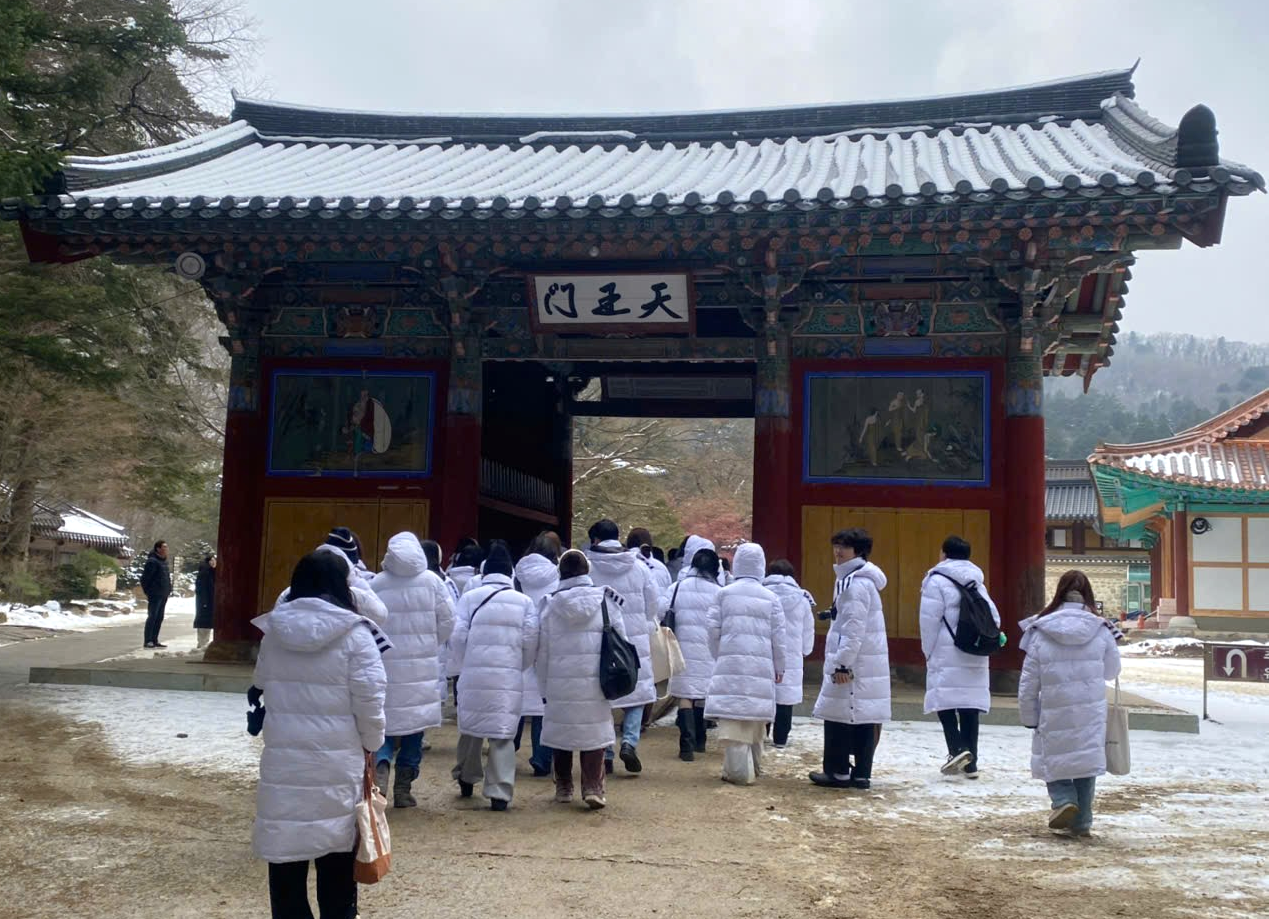
During the recent East Asian Student Exchange Program 2025, students from the University of Social Sciences and Humanities had the opportunity to study and experience Korean Buddhist culture.
The history of Vietnamese Buddhism spans thousands of years, giving rise to tens of thousands of temples throughout the country. Many sects and Zen schools have emerged from these temples, resulting in a wealth of Buddhist documentary heritage. The diverse system of temples, ranging from royal temples and mandarin temples to village temples, has left behind numerous Buddhist documents and artifacts. Among these, 87 artifacts have been recognized as national treasures. Furthermore, Buddhism has left behind a treasure trove of scriptures, couplets, bells, statues, inscriptions, and historical records of Buddhist masters. All of these are important documentary artifacts that need to be studied, collected, preserved, and their value promoted.
However, currently in Vietnam, there is no Buddhist museum; these artifacts and documents are scattered throughout temples or other museums. To gather the necessary materials and artifacts about Vietnamese Buddhism, it is essential to build a museum worthy of the history of Buddhism. This would also serve as a place to display and introduce the Vietnamese Buddhist heritage to the international community. In the process of international integration, especially after Vietnam has hosted the Vesak festival three times, the role of Vietnamese Buddhism in the international arena has been further enhanced. With a Buddhist museum, the achievements of our ancestors, both past and present, could be known to the world.
To establish a museum dedicated to Vietnamese Buddhism, tasked with collecting, preserving, and exhibiting the heritage, artifacts, and documents of temples throughout history, truly requires the collaboration of many levels of government, departments, and organizations. Hopefully, in the not-too-distant future, Vietnam will have a Buddhist Heritage Museum worthy of the history of Vietnamese Buddhism.
Related articles:
Faculty and students from the University of Social Sciences and Humanities participated in the East Asian Youth Festival in South Korea.