
Attending the workshop were Assoc. Prof. Dr. Tran Thi Minh Hoa, Vice Rector of the University; Dr. Nguyen Van Chieu, Deputy Director of the Center for Training Quality Assurance, Head of the Ministry-level research project of the Committee for Ethnic Minorities; and many scientists and researchers from Tra Vinh University, the Institute of Social Sciences, the Institute of Ethnology, etc.
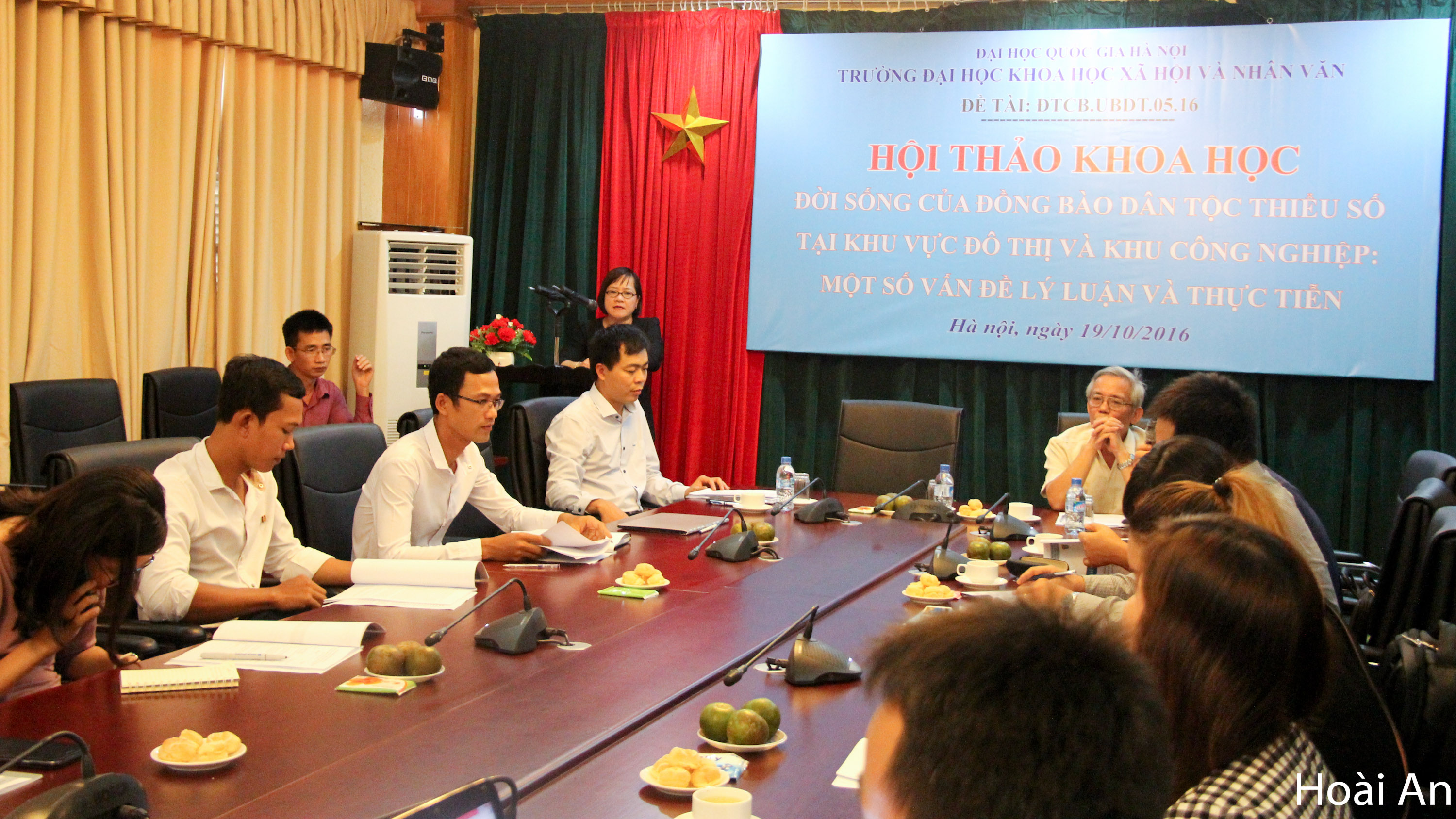
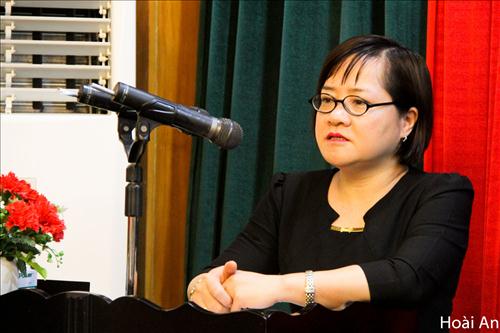
Associate Professor Tran Thi Minh Hoa, Vice Rector of the University, delivered the opening remarks at the workshop.
In her opening remarks at the workshop, Associate Professor Tran Thi Minh Hoa, Vice Rector of the University, emphasized that the University of Social Sciences and Humanities is a renowned institution for high-quality training and scientific research. Many research projects in basic sciences, humanities, history, culture, and philosophy have been registered and implemented by the University's staff.
The reality of the country's economic development has, to some extent, impacted the lives of ethnic minorities, and studying the impact of economic development on the lives of these communities, especially ethnic minorities, is essential. Research from the perspective of ethnic minorities in Vietnamese urban areas has raised many pressing issues, both theoretically and practically.
Vietnam is a multi-ethnic country, comprising 53 ethnic minority groups. The majority of our ethnic minorities reside primarily in mountainous, highland, remote, and border regions, areas of particular importance for the economy, security, national defense, and ecological environment.
Due to historical factors as well as the impact of urbanization and industrialization, approximately 1.5 million people from ethnic minority groups (accounting for 11% of the total ethnic minority population nationwide) are currently living in urban areas across the country.
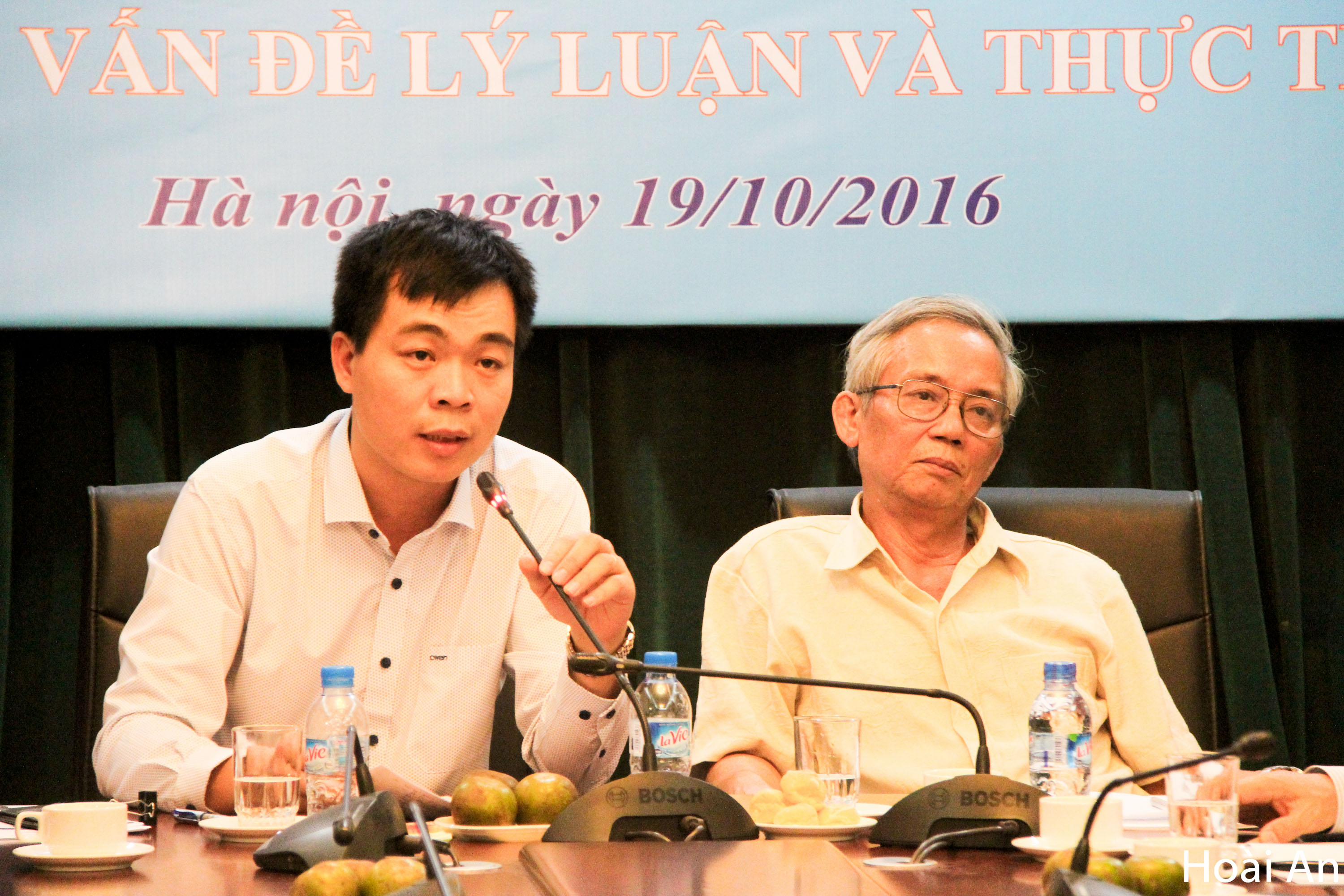
Dr. Nguyen Van Chieu, the project leader, is currently moderating the workshop.
Under the impact of urbanization and the market economy, the livelihoods and lives of ethnic minorities in urban areas are also greatly affected by the changes and degradation of the natural environment, such as deforestation, soil weathering and erosion, a sharp decline in biodiversity, shrinking and polluted habitats, and frequent floods and droughts.
Although urban areas have more favorable conditions for economic development compared to mountainous, border, and island regions, due to customs, traditions, and limited human resources, the living standards and access to basic social services of ethnic minorities remain lower than those of other developed population groups in urban areas. The percentage of poor and near-poor ethnic minority households in urban areas remains high compared to other regions and the country as a whole.
The quality of life for ethnic minorities in urban areas is still not commensurate with urban living standards. The vast majority of ethnic minorities live in suburban areas, where essential urban socio-economic infrastructure such as electricity, transportation, social and cultural services, and healthcare are often underdeveloped or lacking.
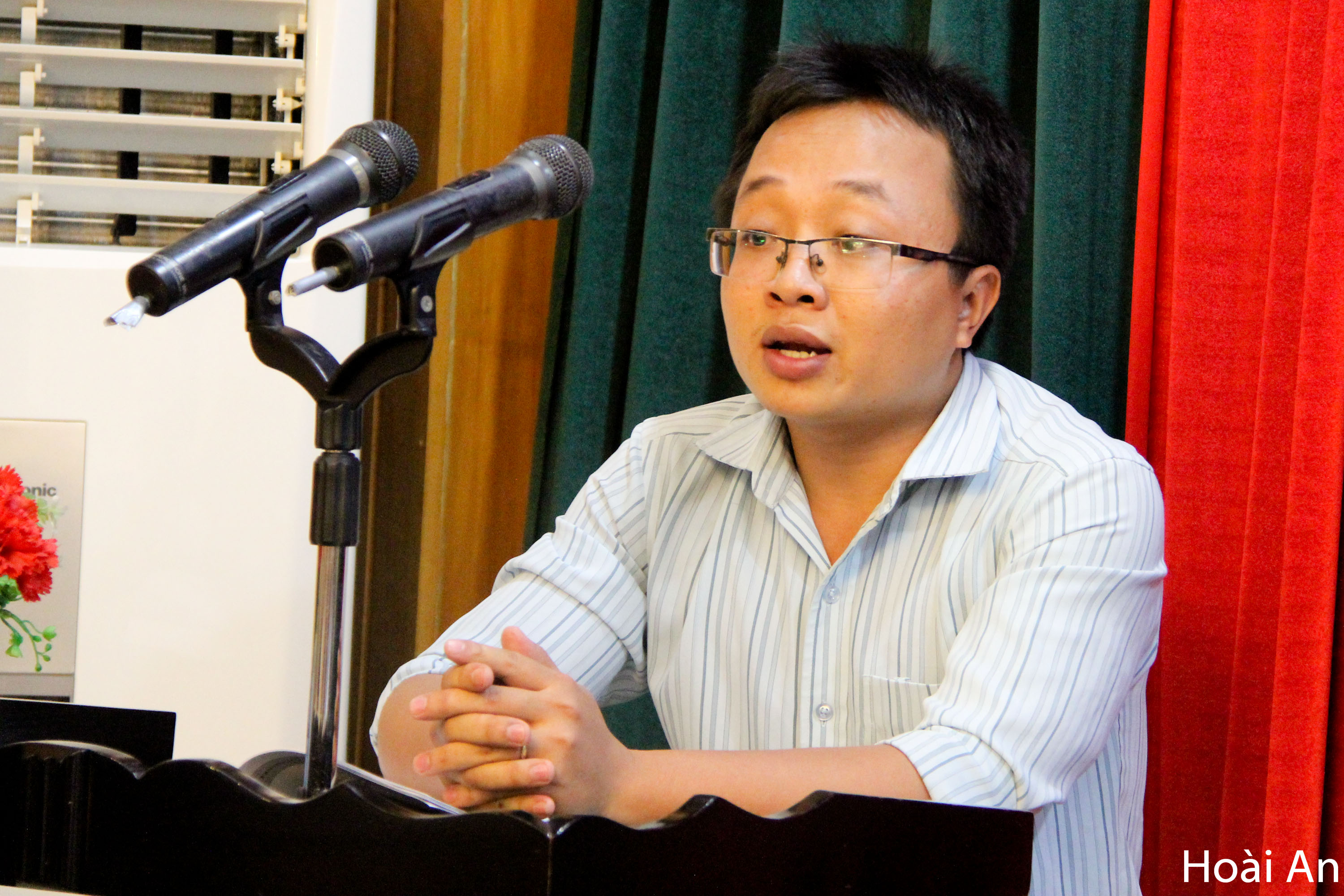
MSc. Vu Tien Duc, Institute of Social Sciences of the Central Highlands region, presented his paper at the conference.
Due to the negative impacts of urbanization and the market economy, the cultural and spiritual life of ethnic minorities in urban areas is at risk of decline, the level of cultural enjoyment among the people remains low, and social evils are becoming more complex and tend to increase in ethnic minority areas...
These realities necessitate a comprehensive reform of support policies by management agencies, tailored to the specific characteristics and lifestyles of ethnic minority communities living in urban areas.
The workshop attracted 15 papers and abstracts from scientists. These are elaborate scientific works with significant scientific and practical value for the research topic.
The workshop focused on exchanging and discussing three fundamental issues: clarifying the theoretical basis of the lives of ethnic minorities in urban areas; clarifying the current living conditions of ethnic minorities in urban areas and industrial zones in Vietnam; and proposing recommendations and solutions to ensure and improve the living standards of ethnic minorities in urban areas and industrial zones in Vietnam today.
Author:Hoai An
Newer news
Older news

