The Faculty of Oriental Studies, University of Social Sciences and Humanities, Vietnam National University, Hanoi, was officially established in 1995, according to Decision No. 436/TCCB of the Director of Vietnam National University, Hanoi, dated October 21, 1995. In fact, the Faculty began its activities in 1993, providing training and research in regional studies and country studies in a multidisciplinary and interdisciplinary manner.
After nearly 30 years of establishment and development, the Faculty's position in society has been increasingly affirmed. To date, the Faculty of Oriental Studies has trained more than 2,000 undergraduate students and over 200 master's students. 90% of the Faculty's graduates find employment in their field of study.
At the undergraduate level, the Faculty has developed four training programs: Oriental Studies (including Chinese Studies, Indian Studies, and Thai Studies), Japanese Studies, Korean Studies, and Southeast Asian Studies. Each year, the Faculty of Oriental Studies admits 280 students. At the postgraduate level, the Faculty currently offers Master's programs in Japanese Studies, specializing in Asian Studies; and Doctoral programs in Japanese Studies, specializing in Southeast Asian Studies, and specializing in Chinese Studies.
The current curriculum for Oriental Studies is modern, up-to-date, and systematic. Following a multidisciplinary and interdisciplinary approach, students acquire comprehensive knowledge encompassing the history, culture, geography, economics, literature, politics, and diplomacy of Asian countries. Furthermore, students learn specialized foreign languages such as English, Thai, Japanese, Korean, and Chinese, and participate in various experiential activities.
The Department of Oriental Studies has set itself the following mission:
Continuing to leverage internal strengths and collective power, expanding the development of disciplines while simultaneously integrating them in regional studies and country studies training and research; building and developing a highly qualified staff; constantly updating and improving the curriculum system, developing new training programs, and perfecting the Faculty's training program structure at all levels; developing and seeking new models in external relations and scientific research; striving to become a training and research institution that approaches the standards of top-tier universities in the region and the world.
Author:USSH Media
Newer news
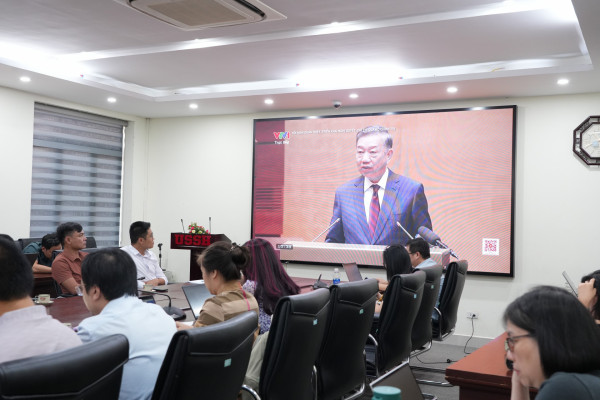 The Party Committee of the University of Social Sciences and Humanities organized a live broadcast of the National Conference on the Dissemination and Implementation of Resolutions and Directives of the Politburo.
 Scientists from VNU-USSH co-edit a book on Thai-Vietnamese diplomacy.
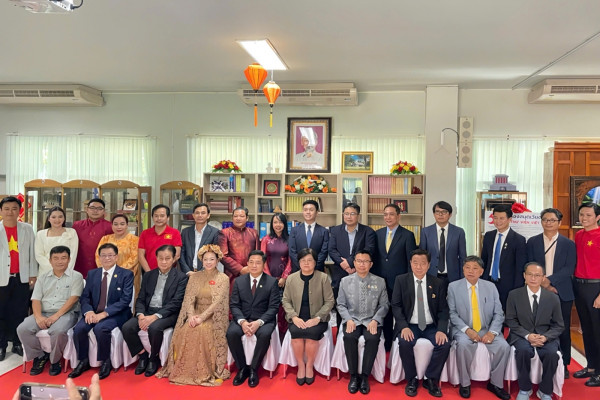 Numerous cultural and educational cooperation activities between Vietnam and Thailand.
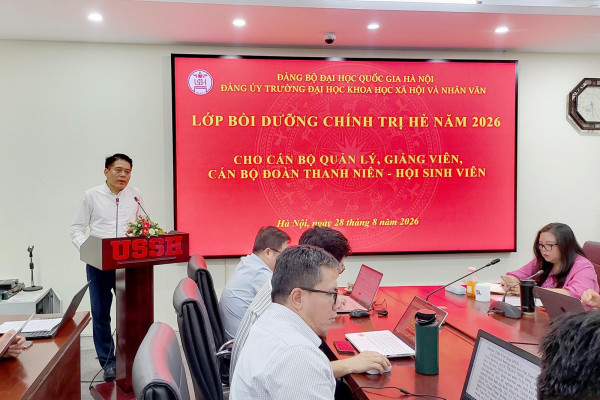 Organizing the 2026 Summer Political Theory Training Course: Enhancing fortitude, unifying understanding and action in the new era.
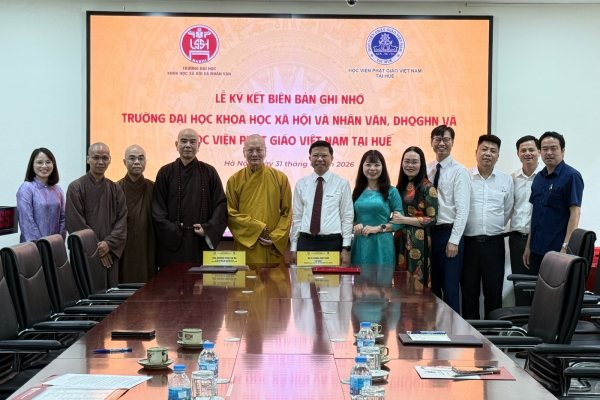 VNU-USSH implements comprehensive cooperation with the Vietnam Buddhist Academy in Hue.
 Professor Dao Duy Anh - A great historian and cultural figure.
 Some memories of Professor Tran Van Giau
 We respectfully congratulate the two lecturers from the University of Social Sciences and Humanities who have been honored as "Vietnam National University, Hanoi Lecturer of the Year 2025".
 From Students to "Cultural Ambassadors": International Students Preserve and Spread Vietnamese Identity
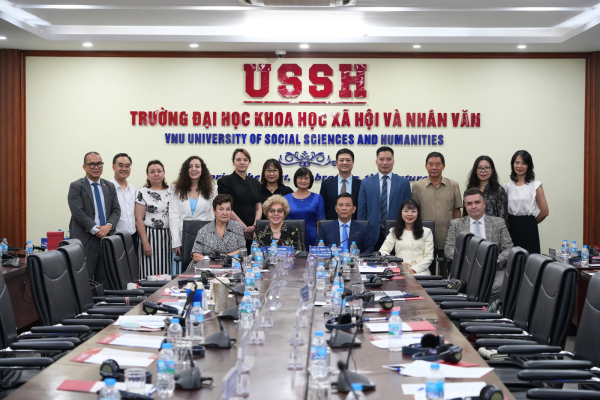 The University of Social Sciences and Humanities promotes people-to-people exchanges through an international seminar on tourism and economic development.

