University of Social Sciences and Humanities - VNU Hanoihttps://ussh.vnu.edu.vn/uploads/ussh/logo-ussh-2_100_100.png
Thursday - December 4, 2025 23:31
Vietnam National University, Hanoi (VNU) affirms its role as a center of innovation, contributing to strengthening Hanoi's soft power. At the 18th Congress of the Hanoi Party Committee, for the 2025-2030 term, General Secretary To Lam proposed that, among the requirements and tasks for the Hanoi Party Committee in the new term, Hanoi must be built as a "A city of culture, identity, and creativity.", towards a ""A civilized, modern, and sustainable capital city"With contemporary wisdom and global stature: where culture is the root, crystallizing national intellect, nurturing faith, aspirations, and resilience, creating a unique appeal that no other city can replicate; identity is the foundation, the core competitive advantage, helping Hanoi not only preserve its historical soul but also create an attraction to lead innovation, develop a knowledge-based economy, and attract talent; creativity is the driving force for development, transforming heritage into living values, simultaneously preserving, developing, and expanding the city's stature, from planning, architecture, and art to education, science, and governance.
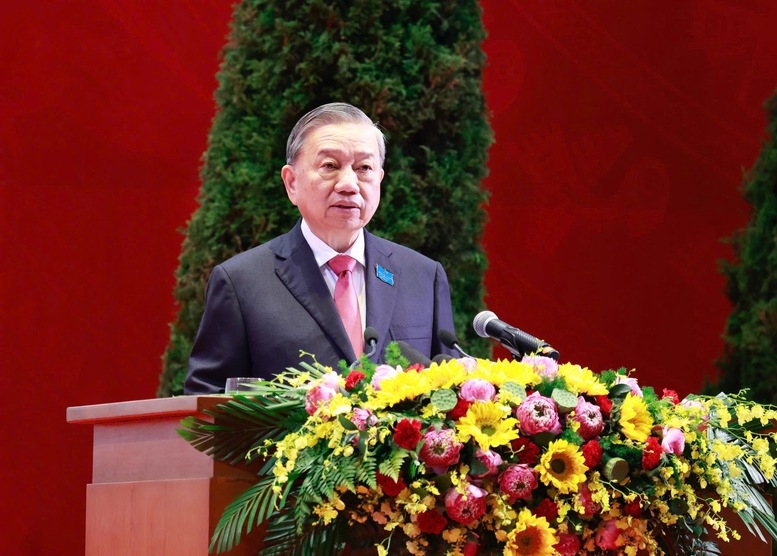
General Secretary To Lam delivers a directive speech at the opening session of the 18th Congress of the Hanoi City Party Committee - Photo: VGP/Nhat Bac
Based on that, the "three creative poles" are formed, including:Heritage – the historical inner city center and the Red River waterfront area – Co Loa Citadel; Knowledge – the National University and training and research centers; and Technology with Hoa Lac High-Tech Park and innovation zones.This will be the driving force behind the creativity of the entire capital city, maximizing the value of history, knowledge, and technology, transforming Hanoi into a city that embodies the past, present, and future. Throughout the development of Hanoi – the political, cultural, scientific, and educational center of the country – Vietnam National University, Hanoi (VNU) has consistently affirmed its role as a leading knowledge center, a hub of intellect and creativity, making strong contributions to the building and development of a civilized, modern, and sustainable capital city. Vietnam National University, Hanoi (VNU) is not only a key national university but also a strategic resource for Hanoi in education, science, technology, and innovation. Tens of thousands of graduates, masters, and doctoral degree holders trained at VNU have made and continue to make positive contributions to the capital's workforce of officials, experts, managers, entrepreneurs, and intellectuals.
Director of Vietnam National University, Hanoi, Hoang Minh Son, introduces the cutting-edge science and technology products of Vietnam National University, Hanoi to General Secretary To Lam. Photo: VNU Media/Quoc Toan
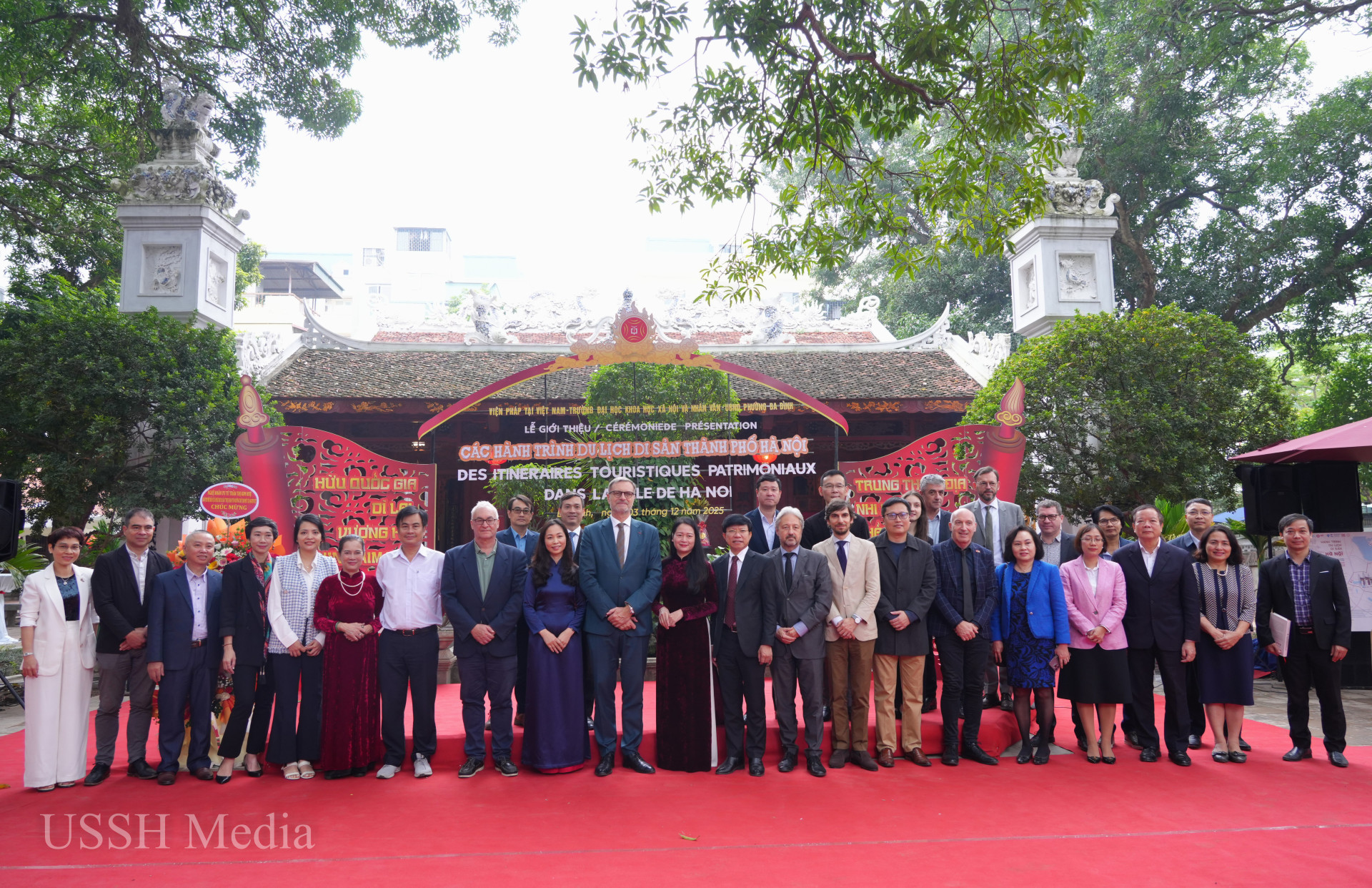
Vietnam National University, Hanoi (VNU) has proactively researched major issues facing the capital city and developed a list of key tasks, focusing on four major areas of particular concern to the city: Environment and sustainable development; Economy and public health; Preservation and promotion of cultural values and digital heritage; and Digital platforms to support data-driven decision-making. These proposals clearly demonstrate VNU's vision and superior capabilities in addressing the interdisciplinary and complex challenges of a major metropolis like Hanoi. In its journey of developing Hanoi into a cultured, distinctive, and creative capital city, Vietnam National University, Hanoi (VNU) has consistently affirmed its role as a leading intellectual hub and innovation center, contributing to strengthening Hanoi's soft power. Entering a new stage of national development, VNU has even more favorable conditions to leverage its pioneering position in training, research, knowledge transfer, and policy consulting, while also partnering with the capital city in building a knowledge ecosystem, fostering innovation, and promoting sustainable development. Heritage Tourism Itineraries in Hanoi: Preserving Heritage with Digital Technology On December 3rd, 2025, at Quan Thanh Temple in Hanoi, the Hanoi Heritage Tourism Routes were launched. This is a significant outcome of the FEF-R Patrimoine project, funded by the French Ministry for Europe and Foreign Affairs (through the French Embassy and the French Institute in Vietnam), in collaboration with the University of Social Sciences and Humanities, Vietnam National University, Hanoi, the French School of Far Eastern Studies, and the Francophone University Organization.
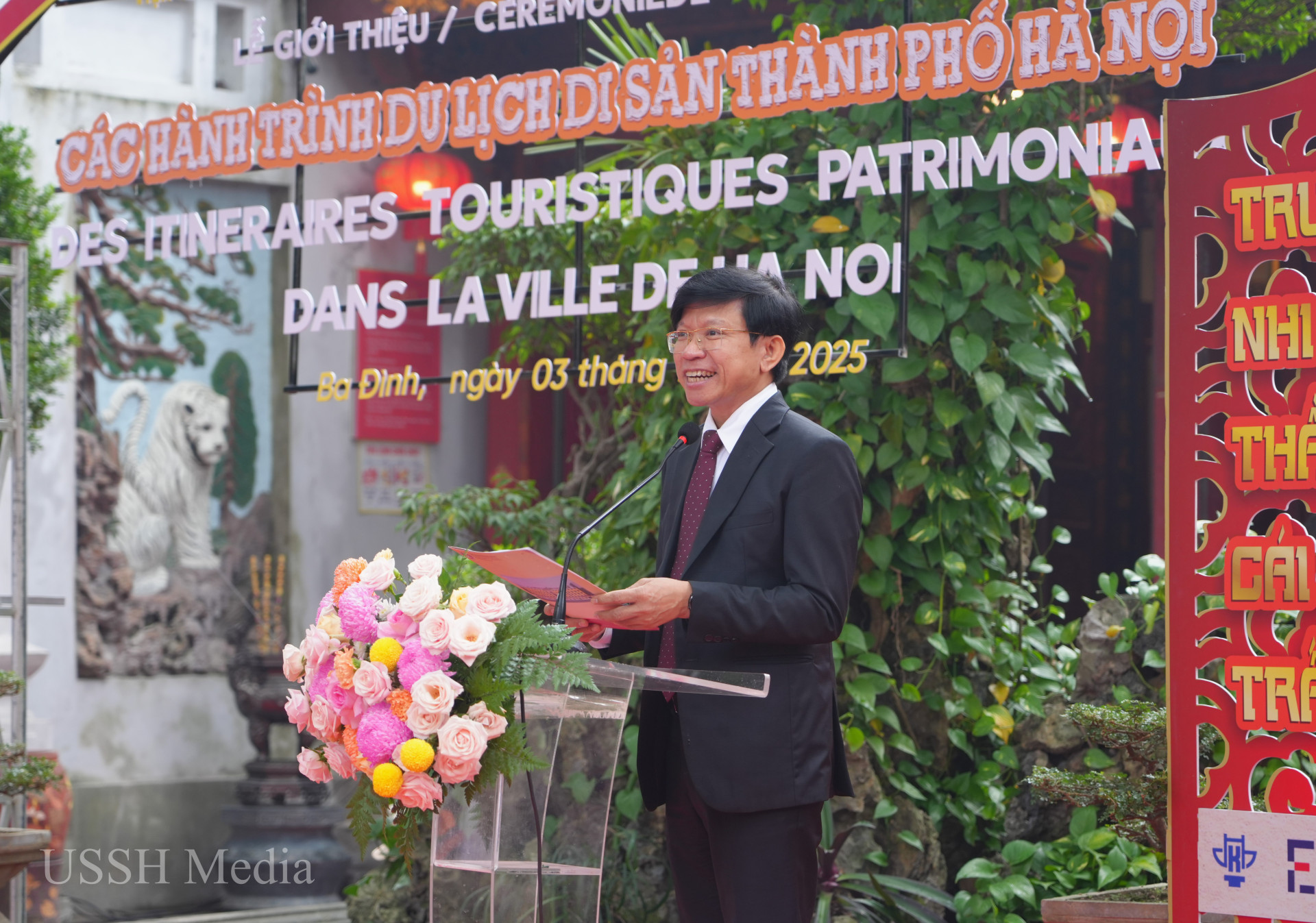
Professor Hoang Anh Tuan, Rector of the University of Social Sciences and Humanities, delivered a speech at the opening ceremony. Photo: USSH media/Thuy Dzung
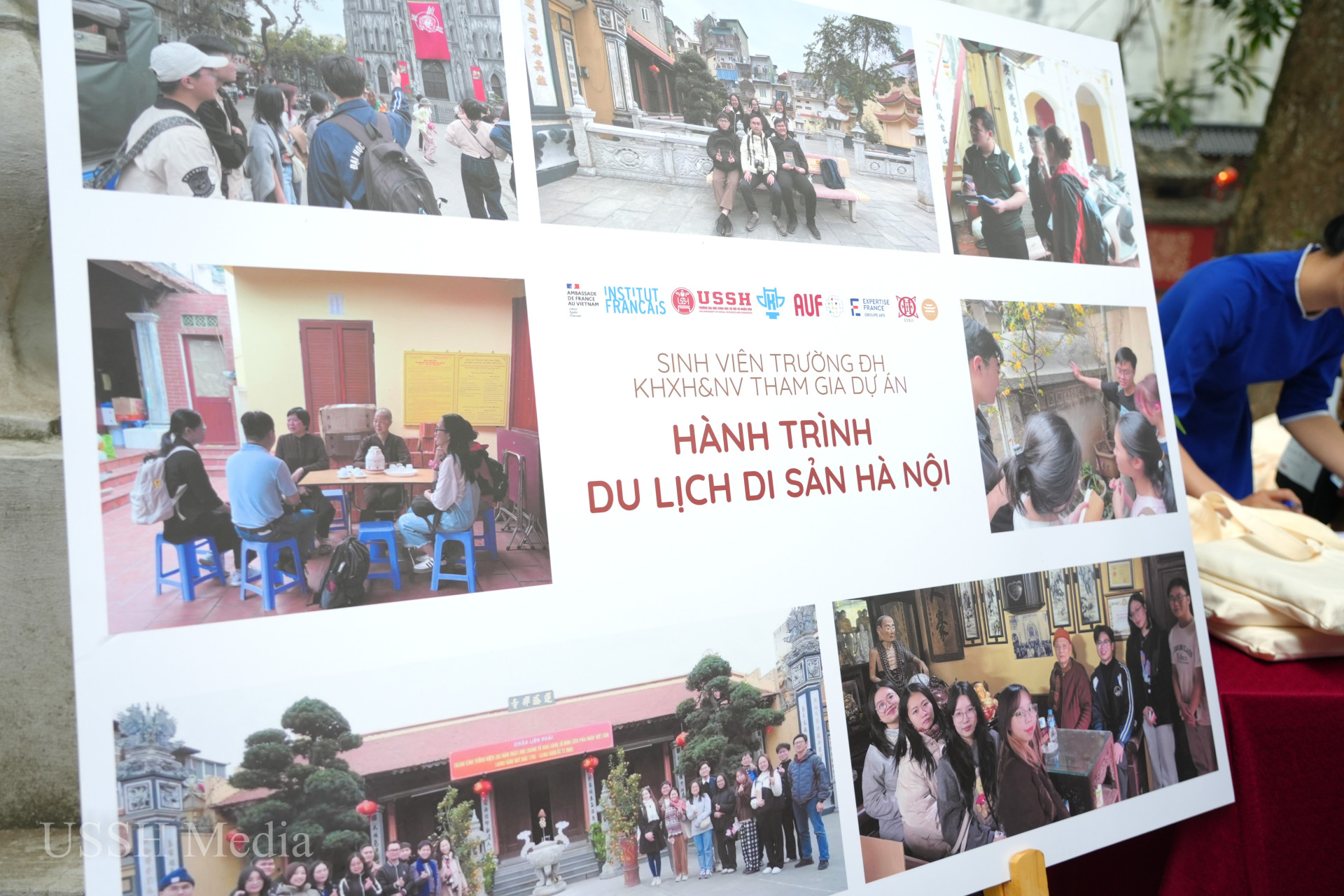
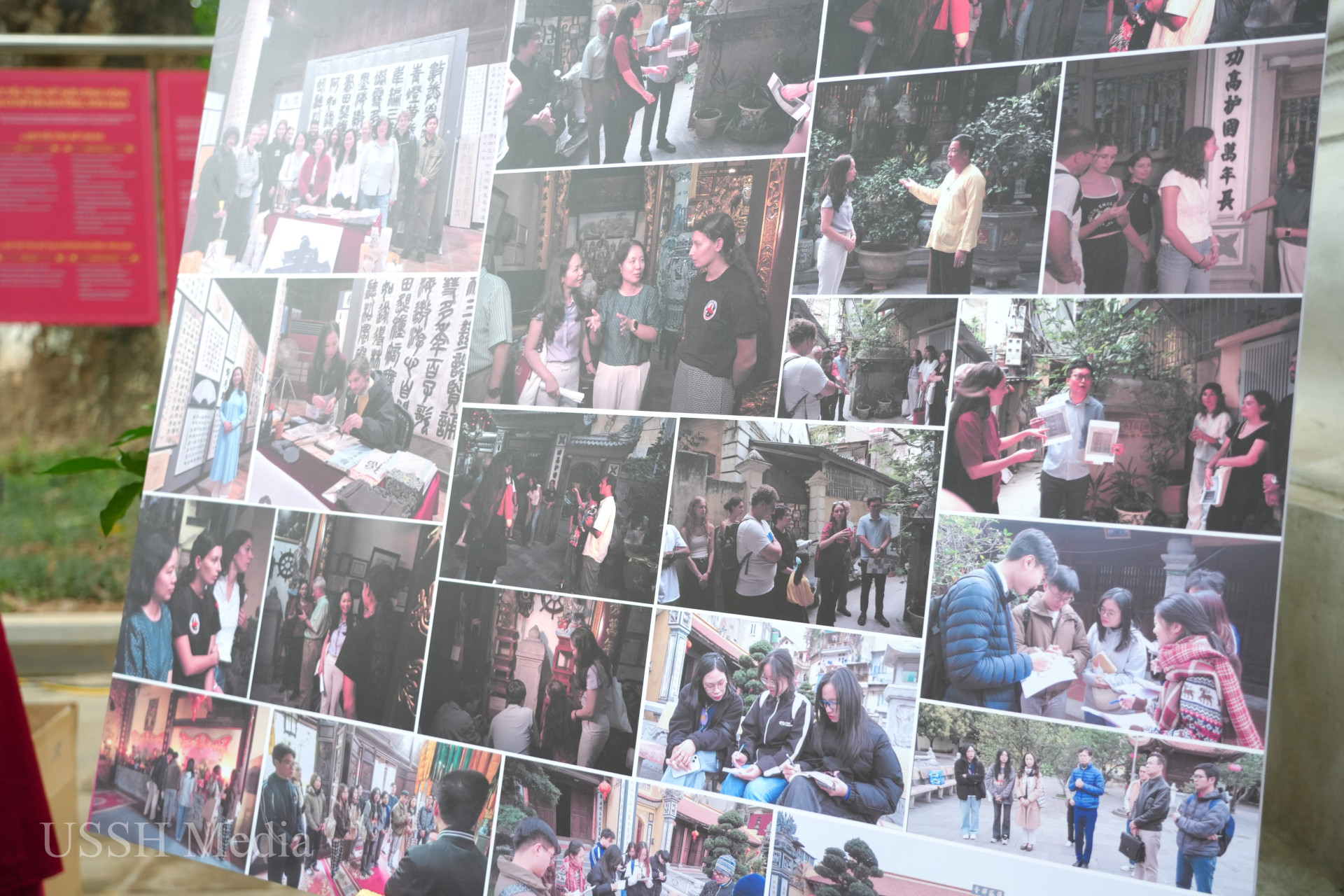
Speaking at the launch event, Professor Hoang Anh Tuan, Rector of the University of Social Sciences and Humanities, said that Hanoi is a city of thousands of layers of cultural sediment, where every relic and every street preserves stories, memories, and long-standing traditions. However, to bring these values closer to the public, especially young people and international tourists, new, modern, and more accessible approaches are needed. It was from this practical need that the "Hanoi Heritage Tourism Routes" project was formed. The project involved many French and Vietnamese experts, including scientists and students from the University of Social Sciences and Humanities. After more than a year of implementation, the project team conducted field surveys, collected documents, built heritage dossiers, digital maps, QR code applications, and the H-Heritage platform for the public. Based on this, four experimental heritage routes, combining scientific research with digital technology, were launched to the Vietnamese and international public, providing a visual, vivid, and accessible way to explore heritage.
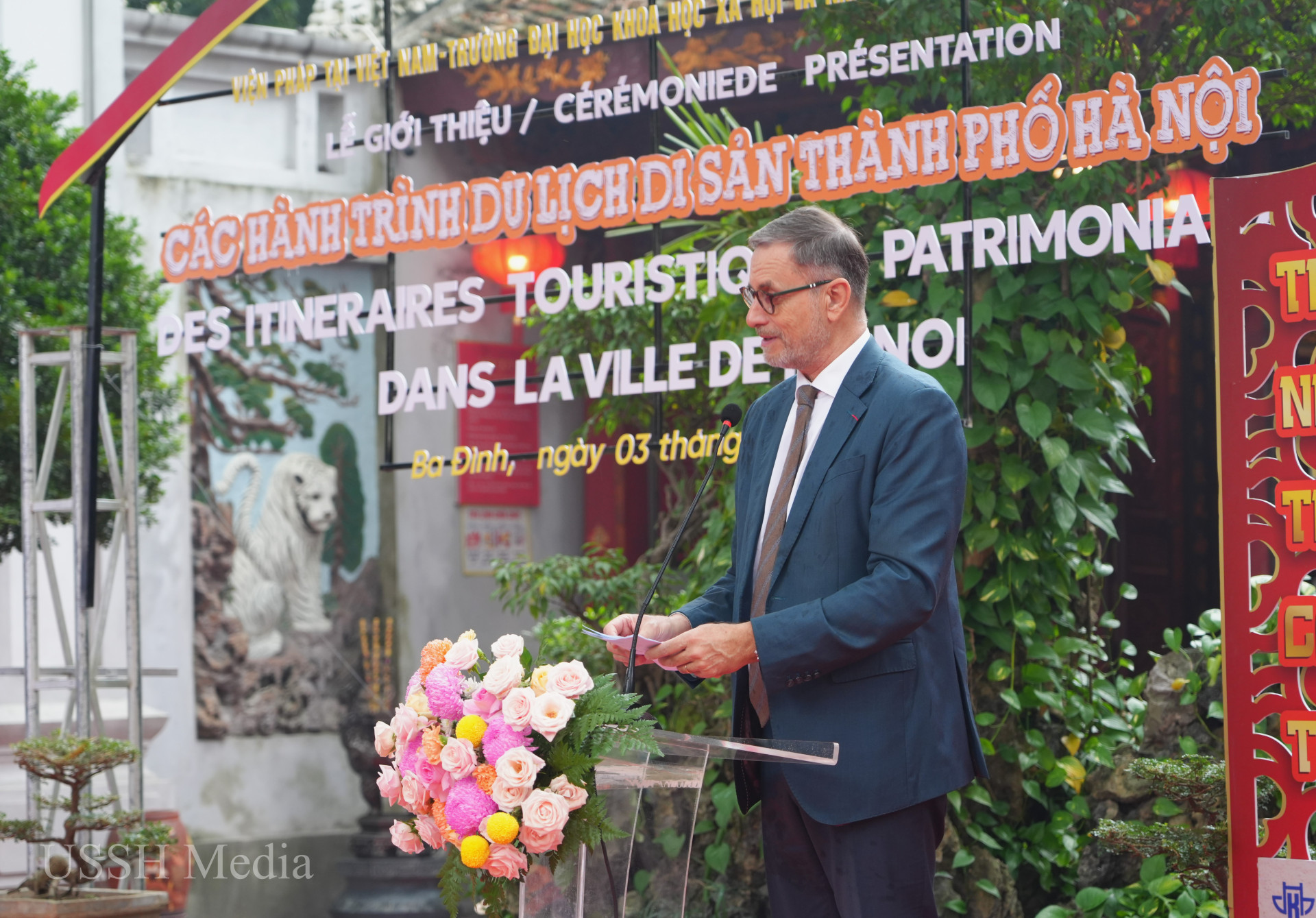
French Ambassador to Vietnam, Olivier Brochet, speaks at the launch ceremony of Heritage Tourism Routes in Hanoi. Photo: USSH media/Thuy Dzung
The French Ambassador to Vietnam, Olivier Brochet, emphasized that these itineraries are not only for tourists. They are also effective educational tools for schools, high schools, and universities; cultural communication tools for tour guides, museums, and local communities; and valuable methodological models for researchers. These itineraries will help everyone see Hanoi from a new perspective – a historical yet vibrant capital, where tradition is interwoven with the challenges of modernity. The selection of the University of Social Sciences and Humanities as the lead institution for the project "Heritage Tourism Routes in Hanoi" not only demonstrates the trust of the French partner but also significantly contributes to affirming the mission of Vietnam National University, Hanoi in general and the University of Social Sciences and Humanities in particular in researching and preserving cultural values and digital heritage; and training young generations associated with promoting the cultural heritage of Thang Long - Hanoi.
The "Hanoi Heritage Tourism Routes" project was launched in the solemn and sacred space of Quan Thanh Temple with the participation of numerous domestic and international guests. Photo: USSH media/Thuy Dzung
"Heritage Tourism Itineraries in Hanoi" include: Journey 1: "The Four Fortresses of Thang Long"(The Four Guardian Deities of the Capital City), visitors will explore four sacred temples: Bach Ma, Voi Phuc, Quan Thanh, and Kim Lien, guarding the four cardinal directions (East, West, South, and North) of Thang Long capital city. This tour honors the sacred cultural identity and unique spiritual structure of Hanoi, a place that needs not only human protection but also divine safeguarding. Journey 2: “Temples of the Mother Goddess”The tour will connect eight temples and shrines dedicated to Mother Lieu Hanh and other Holy Mothers, representing the Tam Phu belief system – an intangible cultural heritage recognized by UNESCO. The journey will explore the temples of Dong Ha, Vu Thach, Ba Kieu, Xuan Yen, Den Dau, Vong Tien, Phu Tay Ho, and the incense tree at Long Bien train station. This unique Vietnamese belief system blends rituals, music, dance, and the spirit of honoring the Mother. Journey 3: "Shrines dedicated to the patron saint of the craft"This tour will take visitors to explore the ancestral temples of Hanoi's traditional crafts, such as: Kim Ngan (ancestral temple of goldsmithing), Dong Lac (ancestral temple of traditional Vietnamese blouses), Pha Truc Lam (ancestral temple of leather and footwear making), Ha Vi Temple (ancestral temple of lacquerware), Phuc Hau Temple (ancestral temple of mirror making), Tu Thi Temple (ancestral temple of embroidery), Lo Ren Temple (ancestral temple of blacksmithing), and Ngu Xa Temple (ancestral temple of bronze casting). Journey 4: "Hanoi Temples"These are temples associated with the name of the monk An Thien (Phuc Dien) - one of the most prominent patriarchs of Vietnamese Buddhism. From Bao Thien Temple, now only a memory, to Lien Tri, Ham Long, and Lien Phai... The journey recreates the historical and spiritual flow of Thang Long, where memory, technology, and faith meet, telling the story of loss, preservation, reconstruction, and conservation of heritage.
Scientists and students from the University of Social Sciences and Humanities and their journey participating in the project. Photo: USSH media/Thuy Dzung