
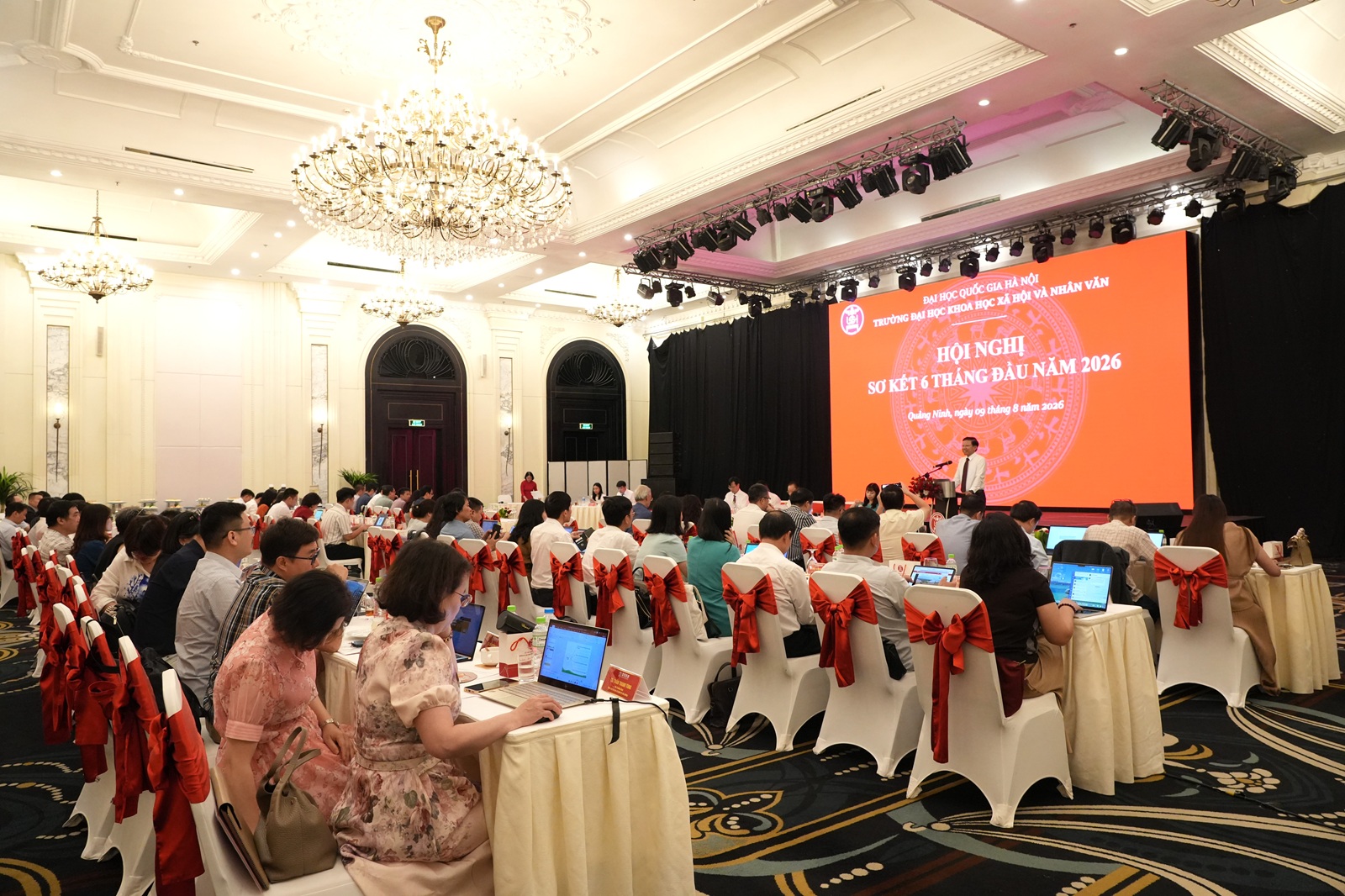
From traditional foundations to the requirement of positioning VNU-USSH at a new level.
In his opening remarks at the conference, Professor Hoang Anh Tuan, Rector of the University of Social Sciences and Humanities, emphasized that after more than four years of vigorously implementing many innovative policies, the University has made significant progress in its positioning, student recruitment, organizational structure, scientific research, and its presence in the higher education community.
According to the Rector, the important thing at this stage is not only to maintain the achievements already made but also to continue to clearly establish the identity and position of the university in a rapidly changing higher education system. VNU-USSH cannot be content with an average position but needs to leverage the strengths of its tradition, academic capacity, and faculty to build a higher development segment and increase its reputation domestically and internationally.
This spirit was also clearly reflected in the presentation on the position and development orientation of the University of Social Sciences and Humanities by Assoc. Prof. Dr. Bui Thanh Nam – Permanent Vice Rector. In the landscape of social sciences and humanities in Vietnam and Southeast Asia, VNU-USSH possesses outstanding advantages with its 80-year tradition, national prestige and high position within the Vietnam National University, Hanoi, a multi-level training system, a wide international cooperation network, and several fields already ranked internationally. However, the university still faces gaps in the number of high-quality publications, the size of strong research groups is not yet large enough, financial resources, digital data and AI infrastructure are insufficient, and the ability to bring Vietnamese knowledge to the world is limited.
Based on that analysis, the paper proposed six groups of solutions: improving research quality; reforming financial and incentive mechanisms; promoting digital transformation and AI; strengthening research linked to policy; international integration based on national identity; and improving the quality of postgraduate admissions, digital skills, and interdisciplinary skills. VNU-USSH currently holds a leading position domestically but needs a breakthrough to assert its position in the region.
This also forms the basis for the university's requirement to shift from a mindset of "maintaining its current position" to proactively creating a new position, using academic quality, the ability to solve major national problems, and the level of contribution to the community as important measures of the university's reputation.
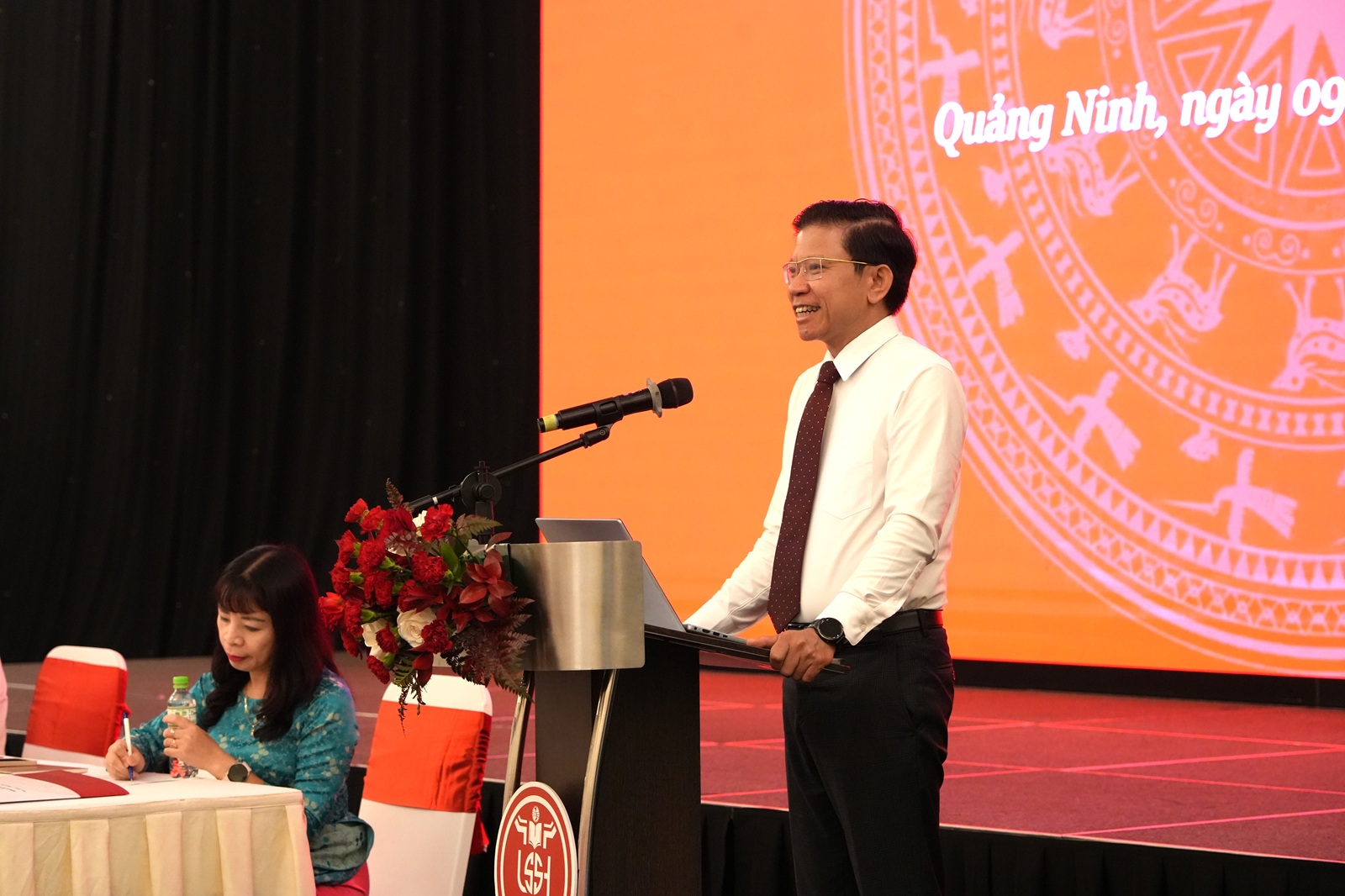
Rector Hoang Anh Tuan presented the report summarizing the first six months of 2026 for the University of Social Sciences and Humanities.
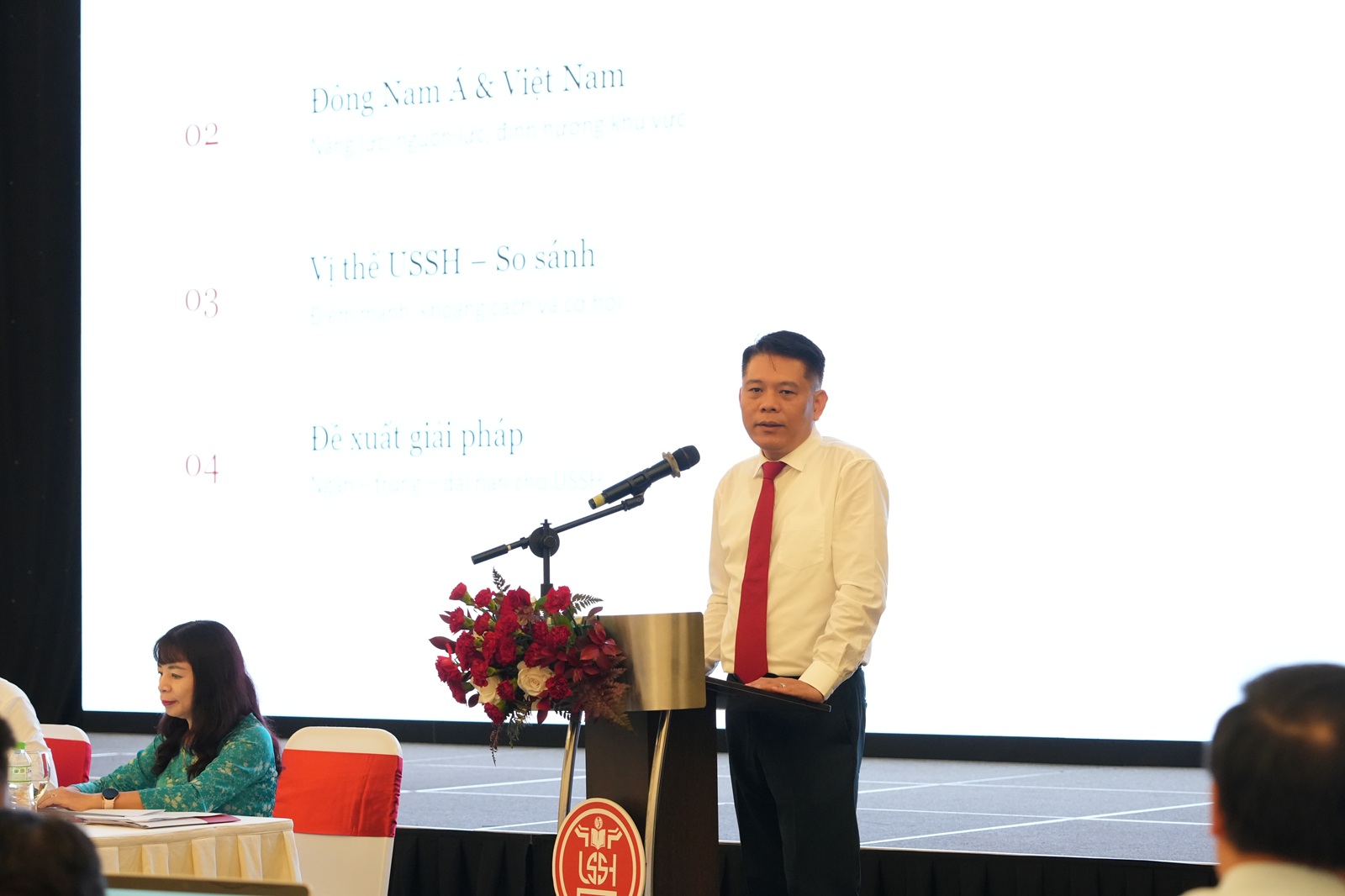
Vice Rector Bui Thanh Nam presented his paper at the conference.
Innovating training to adapt to a rapidly changing labor market.
Training is another pillar placed within the fundamental innovation requirements of the university. In his presentation on key issues of training in the new phase, Vice Rector Dang Hong Son emphasized the development philosophy in the new era, in which the strategic mission of the University of Social Sciences and Humanities is to train elites in the fields of social sciences and humanities; conduct excellent scientific research closely linked to social and human issues, aiming to provide top-level policy advice; cultivate national culture, promote traditional cultural values, spread Vietnamese essence, and promote international integration. The central development orientation is basic, applied, and interdisciplinary science in the fields of social sciences and humanities, existing in parallel as the pillar of development in all aspects of the university's activities. This includes focusing on research, management, preservation, and promotion of national cultural identity, cultural economic development, shaping political ideology, and national governance.
Associate Professor Dr. Dang Hong Son outlined eight key tasks, including: Internationalizing training; developing new curricula; building competency frameworks in various fields (ideology, theory, national culture and civilization, integration of Vietnamese students, artificial intelligence, digital skills); adjusting training organization; connecting organizations, businesses, and localities; innovating student affairs; and raising the quality of training in Social Sciences and Humanities.
From a labor market perspective, the presentation by Assoc. Prof. Dr. Do Van Hung – Head of the Information Management Department – further clarified the pressure to innovate training programs in the AI era. As technology can rapidly change the content of many job positions, the value of higher education needs to shift more strongly from knowledge transmission to the development of learning abilities, adaptability, critical thinking, creativity, ethics, communication, and problem-solving skills. This particularly presents opportunities for social sciences and humanities, because the more AI develops, the more important "human" competencies become.
Therefore, educational innovation must begin with the actual needs of society and the labor market to design learning outcomes, learning experiences, modules, and teaching methods; while considering data and AI as integrated competencies, not just supplementary skills.
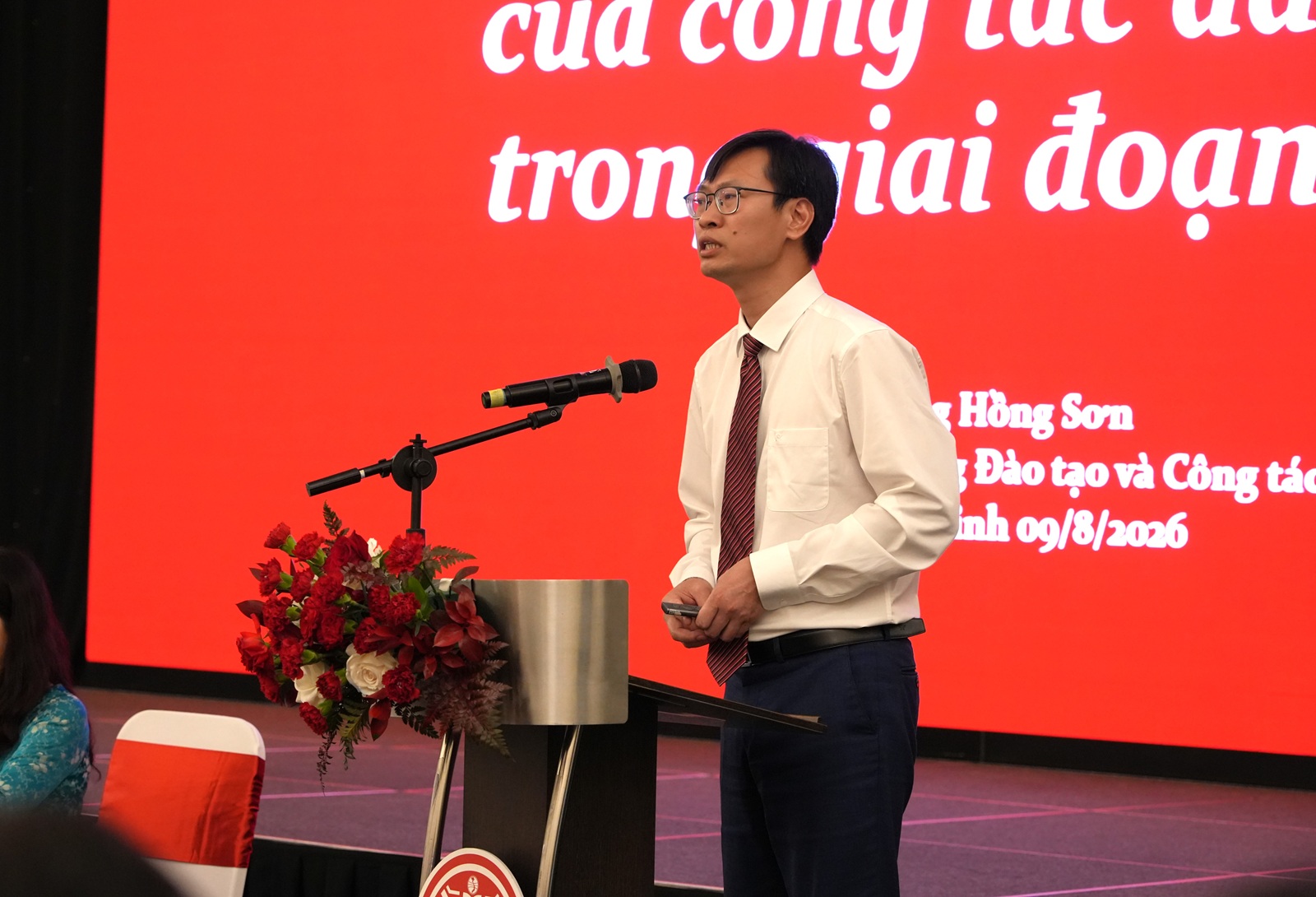
Vice Rector Dang Hong Son presented his paper.
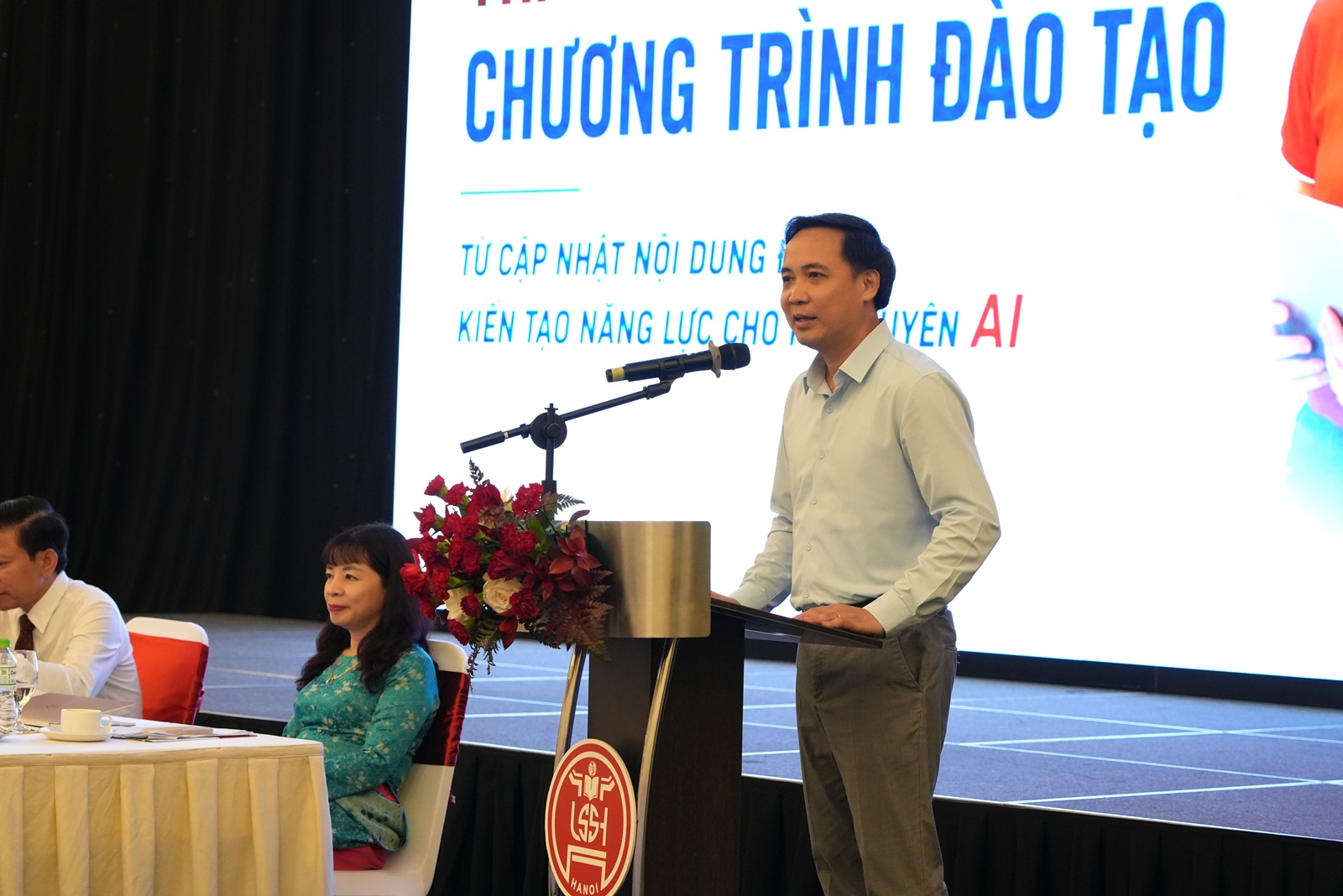
Assoc. Prof. Dr. Do Van Hung – Head of the Department of Information Management
Scientific research should become a driving force for building reputation and transferring knowledge.
One of the topics that the Conference devoted considerable time to discussing was science, technology, innovation, and knowledge transfer.
According to the report by Associate Professor Dr. Dang Thi Thu Huong – Vice Rector, in the first six months of 2026, the university's scientific activities continued to yield remarkable results. The university had 73 international ISI/Scopus publications, with 67% of them being Q1 and Q2 level; 116 works in the series were approved and contracted for compilation, 73 works have been reviewed, and 16 books have been published. Simultaneously, 62 textbooks are currently being developed; 9 policy advisory reports have been sent to receiving units; and revenue from science and technology accounts for approximately 10% of the university's total revenue.
These figures show that the research and knowledge transfer capacity of VNU-USSH continues to expand, but the gap with the set goals remains large. The report points out the need to accelerate international publications, especially high-quality articles; promote the publication of series of books and textbooks; and expedite the signing of consulting and technology transfer contracts with localities and businesses to increase the proportion of revenue from science and technology. In addition, it is necessary to develop a list of proposals to be submitted to businesses and international funds, linked to the 10 existing tripartite cooperation tasks, to open up sources of research and development (R&D) revenue outside the state budget.
From a different perspective, Dr. Nguyen Huu Manh's presentation, Deputy Head of the Faculty of History and Culture, on expanding local cooperation, raised the issue of more strongly transforming academic capacity into products that serve practical purposes. Drawing on the experience of the Faculty of History and Culture in implementing local history projects, heritage research, archaeology, and consulting for many provinces and cities, the presentation argued that a strong scientific foundation with sufficient capacity is not enough; it needs to package exactly what the market needs, prepare thoroughly, but then implement extremely quickly when opportunities arise. There is a need to shift from a collaborative model of individual scientists to a systemic mechanism within the University, connecting data, creating resources to support the project preparation phase, and building a mechanism for recognizing and converting applied research results. The ultimate goal is to create a value chain: cutting-edge research – practical training – knowledge transfer – development resources, gradually affirming the role of VNU-USSH as a reputable academic center, policy consultant, and think tank in the fields of social sciences and humanities.
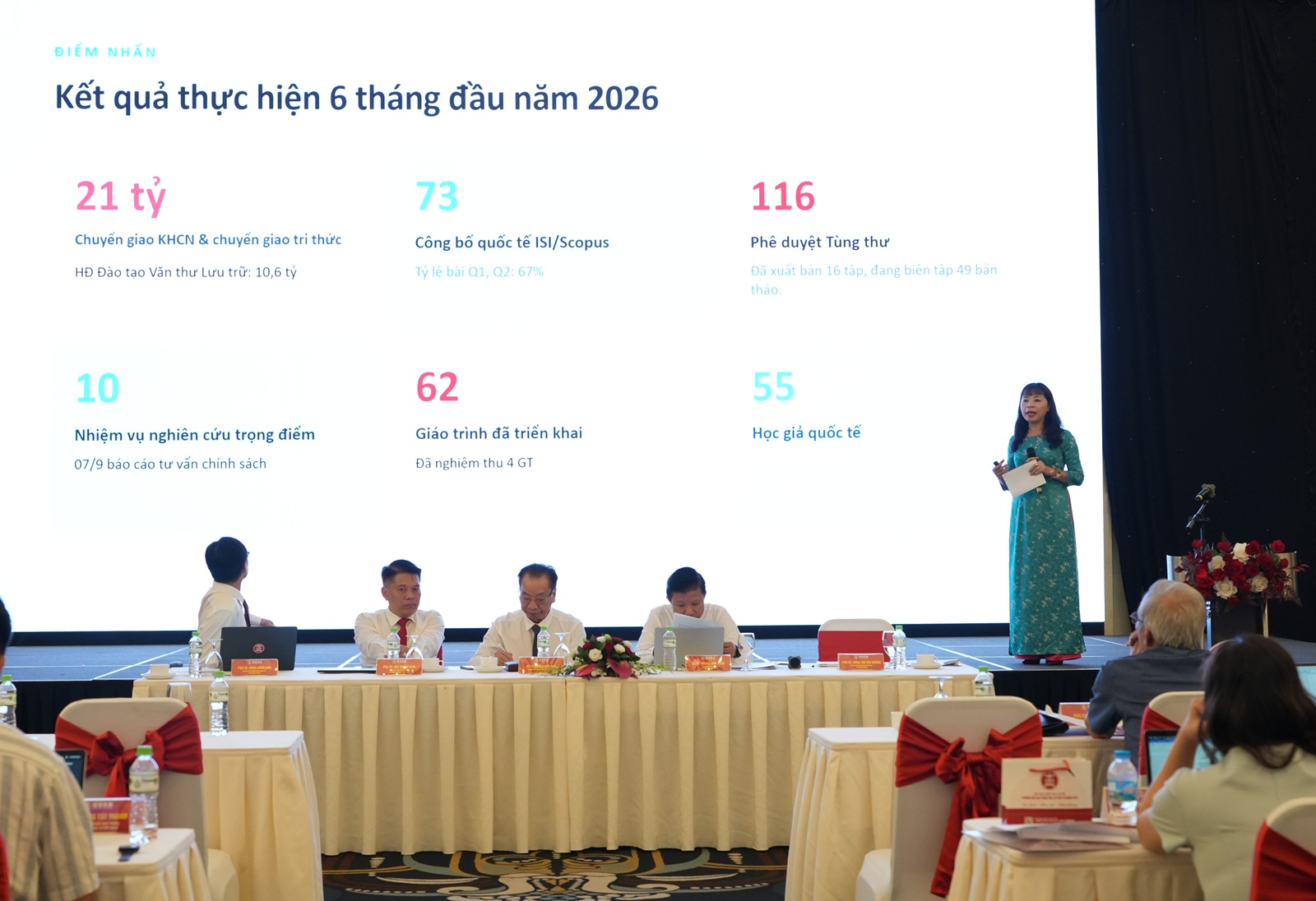
Vice Principal Dang Thi Thu Huong presented her paper.
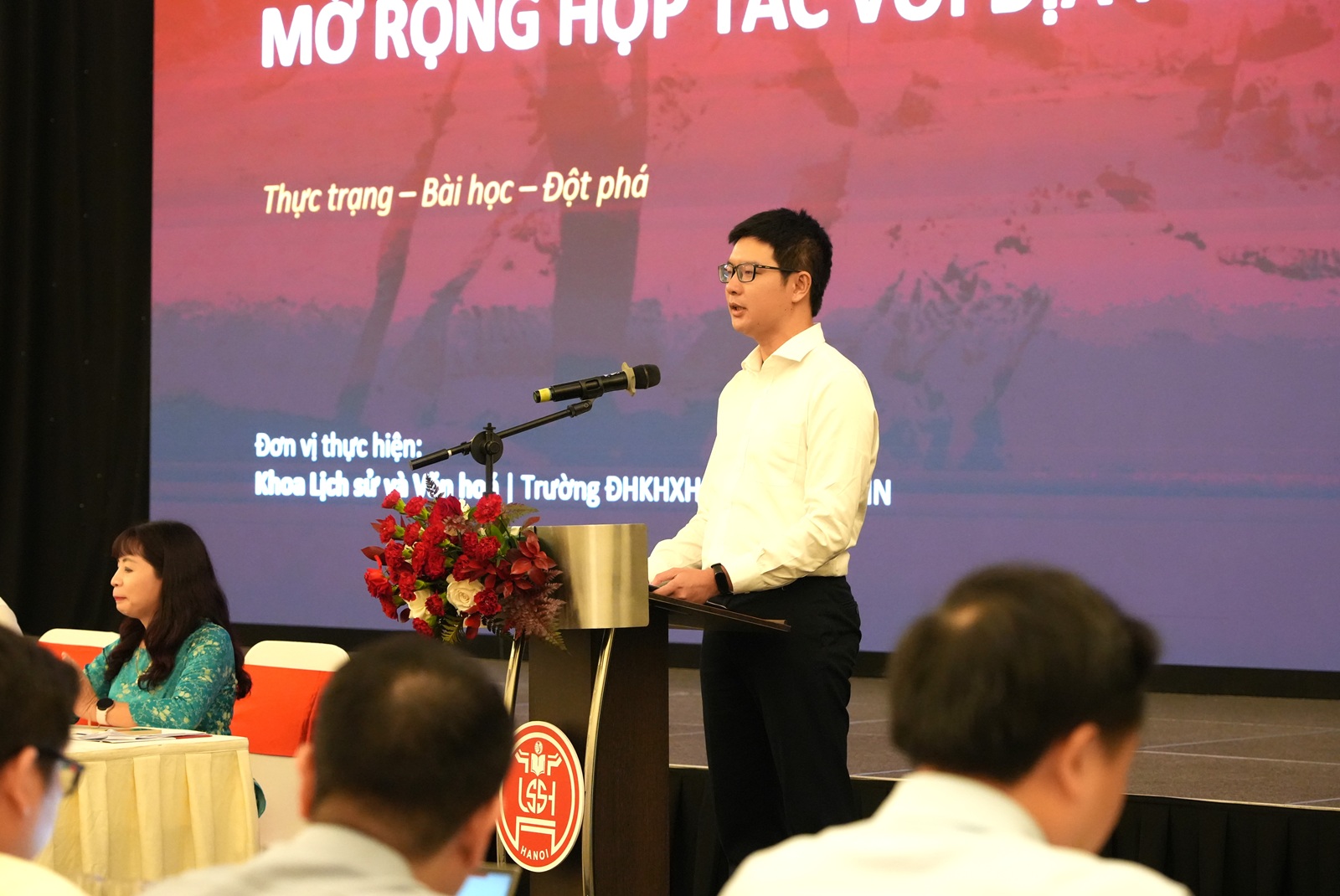
Dr. Nguyen Huu Manh - Deputy Head of the Faculty of History and Culture
Five key areas to accelerate the achievement of 2026 targets.
The conference received numerous contributions from delegates, emphasizing key issues such as innovation in training organization, restructuring of training programs, development and management of e-learning materials, international cooperation in training with major universities in China, appropriate policies to attract high-quality human resources, and appropriate resource investment for scientific projects and research topics.
Concluding the conference, Rector Hoang Anh Tuan emphasized that the last six months of the year are a period requiring accelerated progress and the concentration of resources on tasks that can directly transform the quality, reputation, and development capacity of VNU-USSH.
The focus is on six key tasks: implementing the project to enhance English-language teaching capacity; developing internationally oriented curricula; promoting collaboration with Deakin University (Australia); issuing policies to support international publications and increasing NAFOSTED/VNU research projects; developing strong research groups; recruiting PhD-level staff; attracting foreign professors and associate professors; evaluating and approving professor and associate professor titles; and digitizing archived documents. Completing the mid-cycle report, operating the duplicate scanning software, and preparing for self-assessment and surveys in Q3-Q4. Boosting tuition and service revenue in the last six months of the year. Accelerating construction of Building D and B7bis to be completed before December 31, 2026; and supplementing the budget for upgrading IT infrastructure.
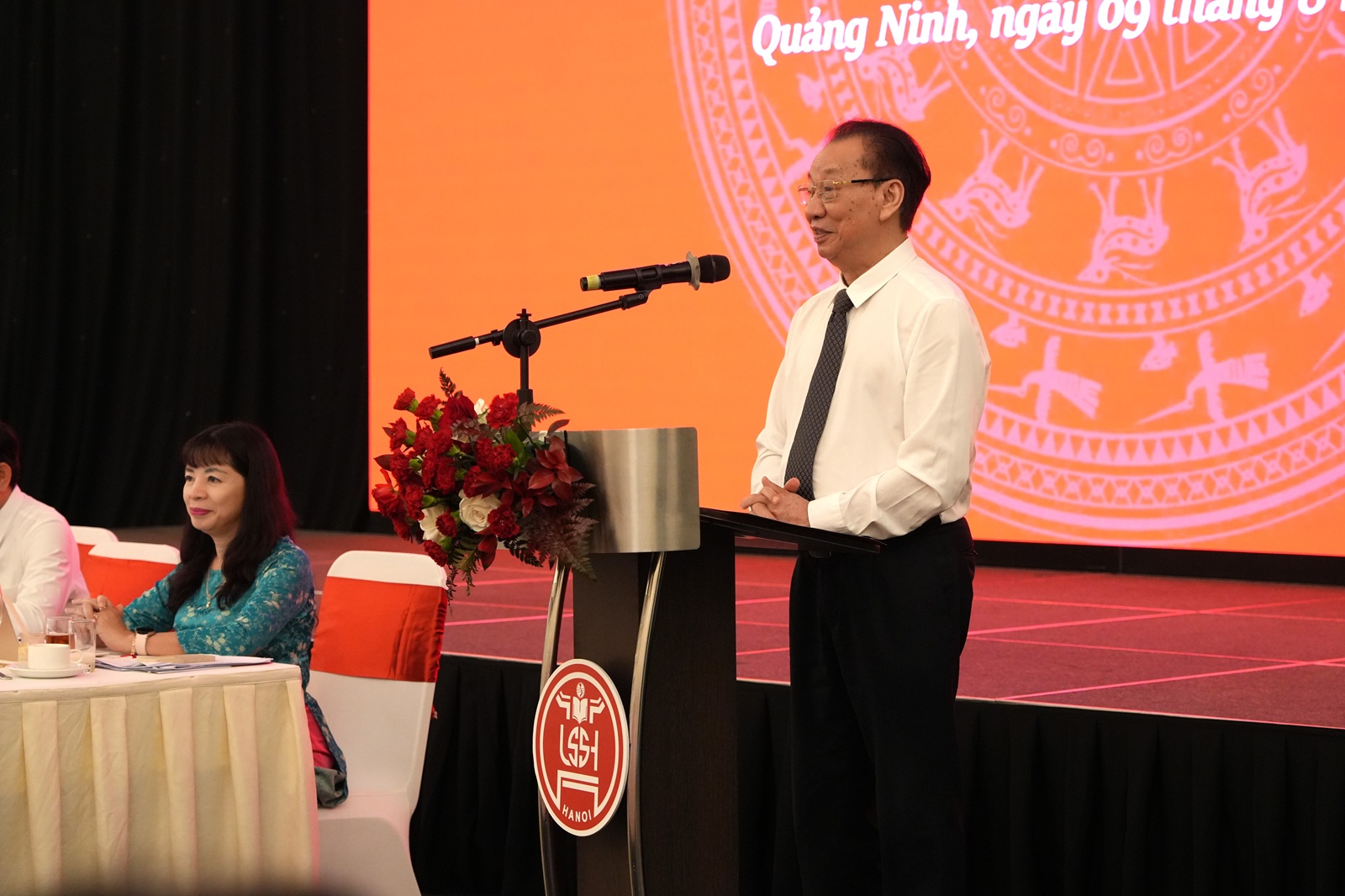
Speaking at the conference, Professor Phung Huu Phu, Chairman of the Science and Training Council of the University of Social Sciences and Humanities, stated that the results of the first six months of the year show that the university has not only "stood firm" but has also initially created a foundation for a new phase of development. The professor summarized four important factors contributing to these results: a determination for comprehensive reform; a spirit of self-reliance and self-improvement; a focused, targeted, and decisive approach; and unity and consensus throughout the university. Recalling the spirit agreed upon at the 80th anniversary of the university's tradition and 30th anniversary, Professor Phung Huu Phu emphasized that 2026 should be considered the starting point of a new phase of development, in which VNU-USSH will continue to innovate strongly, proactively adapt to the changing context, and leverage the strength of the community to create breakthroughs.
Therefore, the tasks for the last six months of the year are not only aimed at achieving the KPIs for 2026. More importantly, they represent concrete steps to realize a larger vision: leveraging the strengths of the Faculty of Humanities' tradition, affirming the reputation of VNU-USSH through genuine quality, and creating breakthroughs so that social sciences and humanities contribute increasingly directly and powerfully to the development of the country.
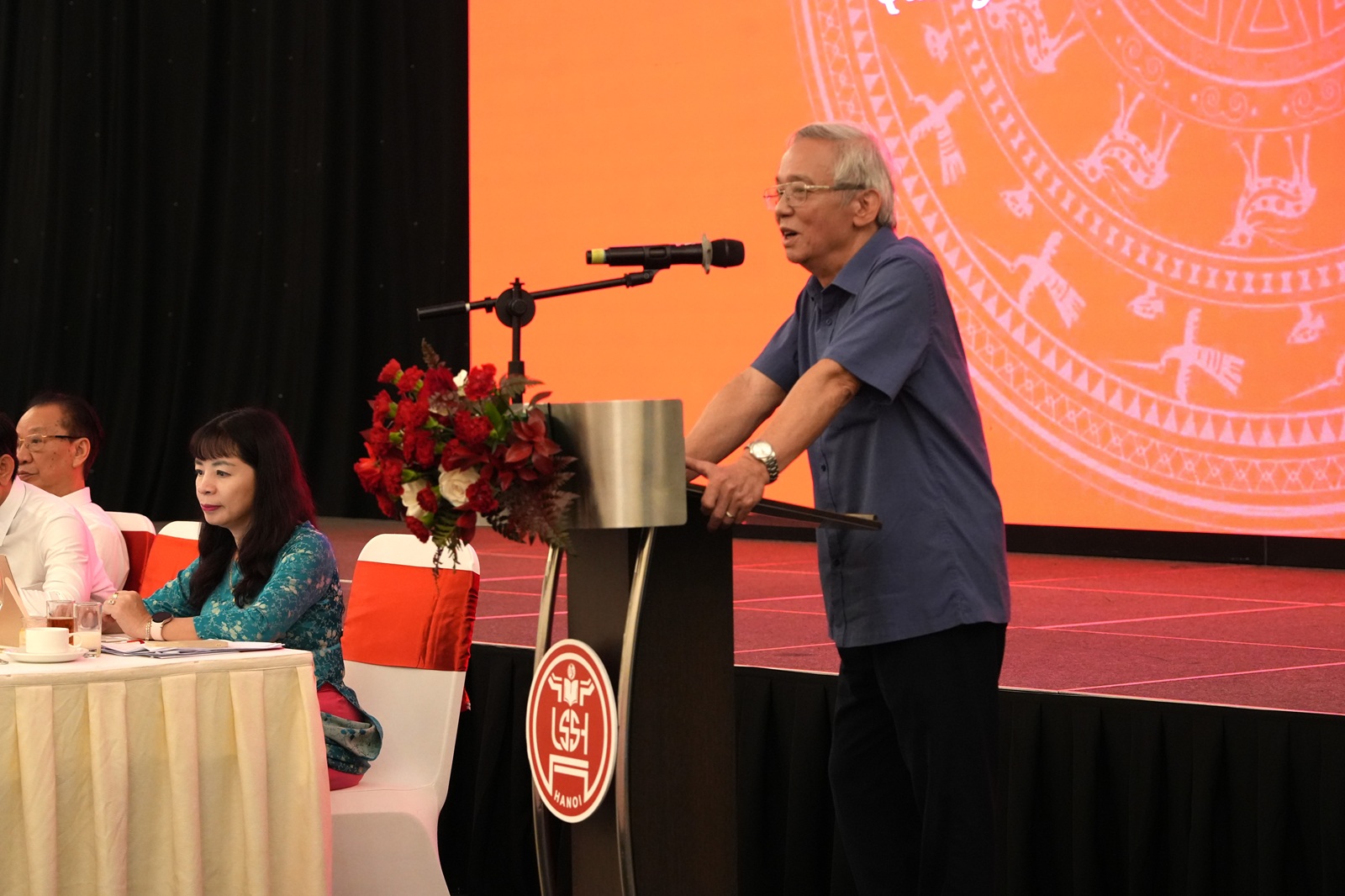
Associate Professor Dr. Lam Ba Nam – Former Vice Rector and President of the Association of Retired Faculty of the University of Social Sciences and Humanities, delivered a speech at the conference.
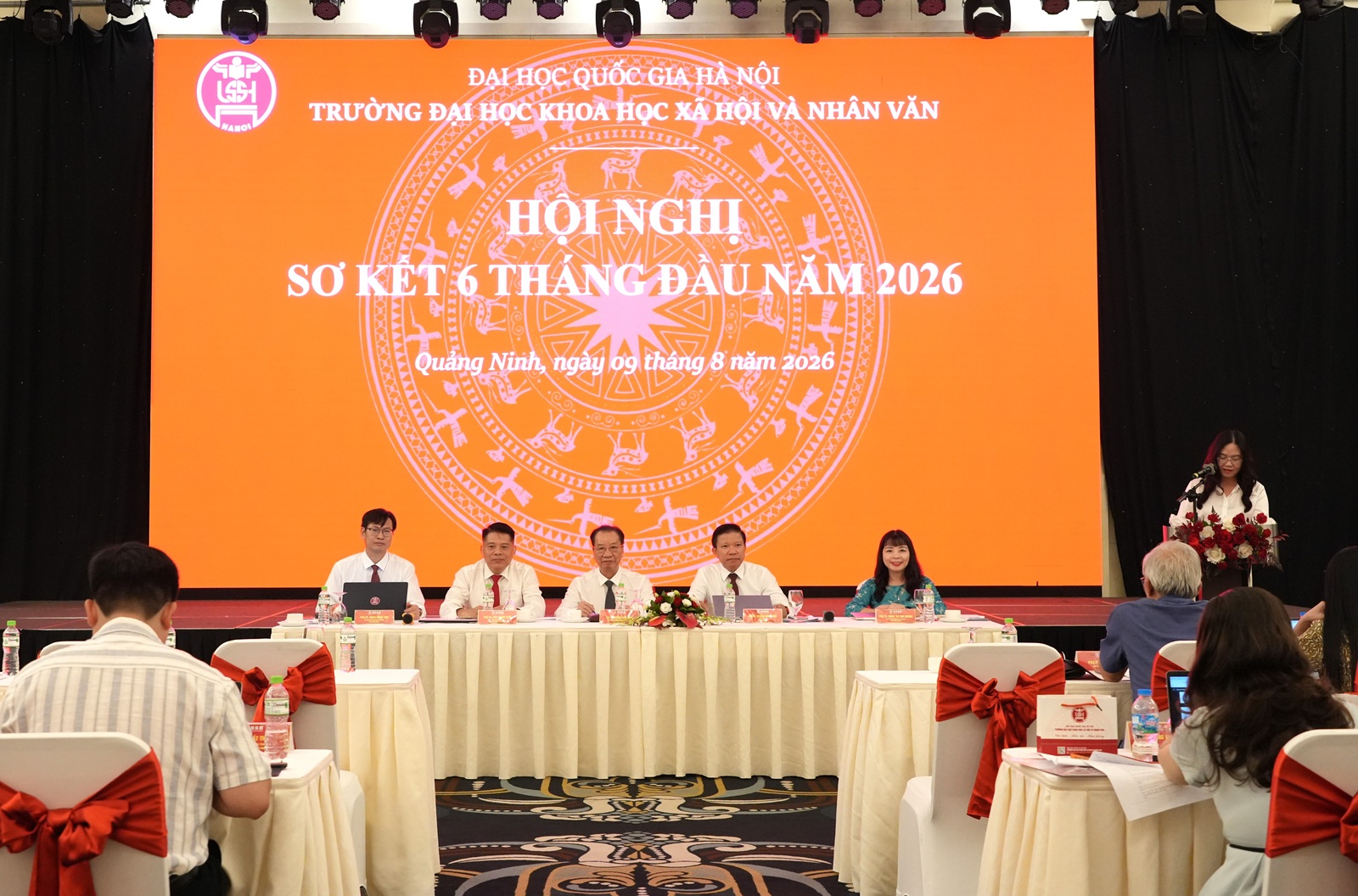
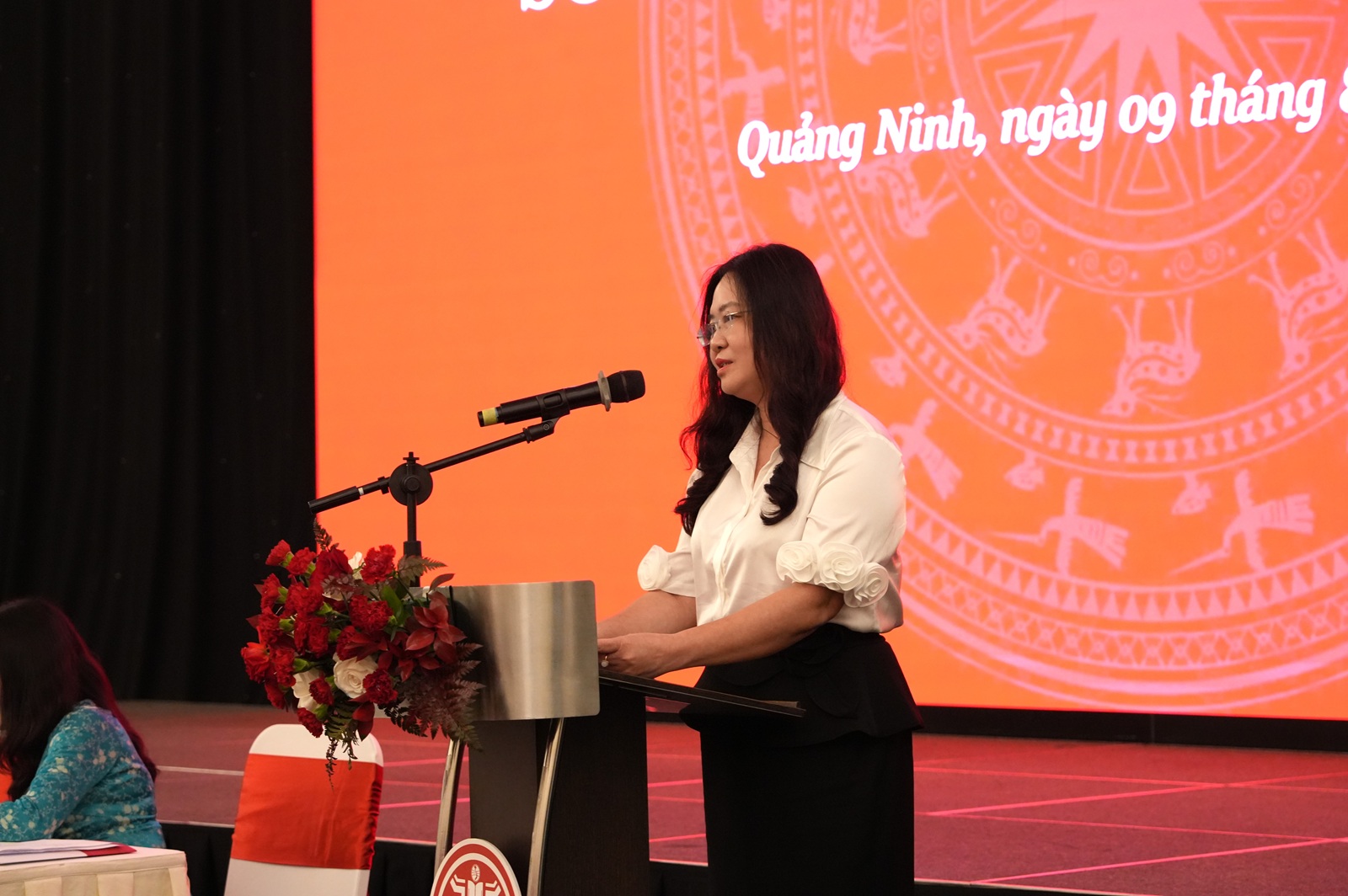
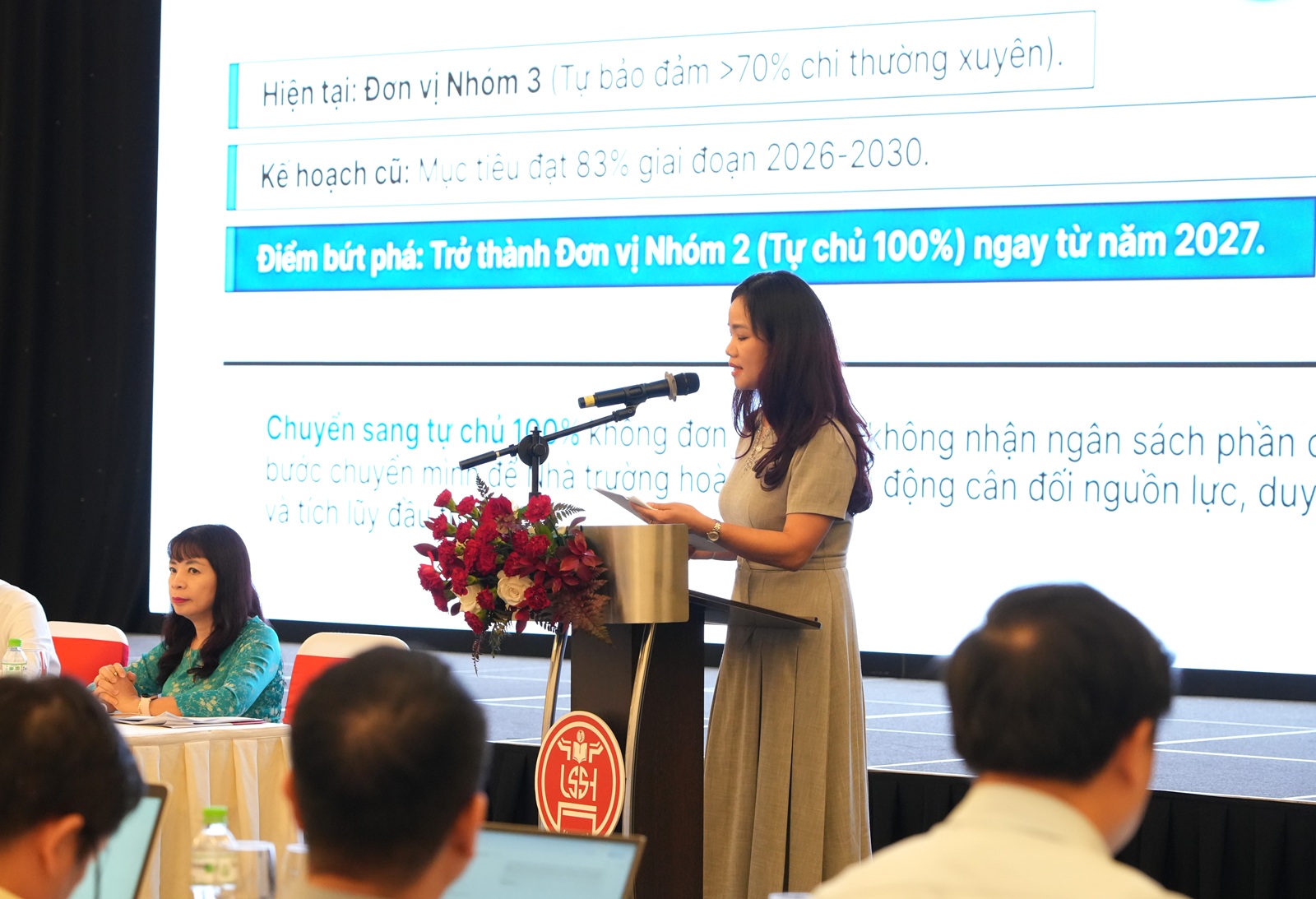
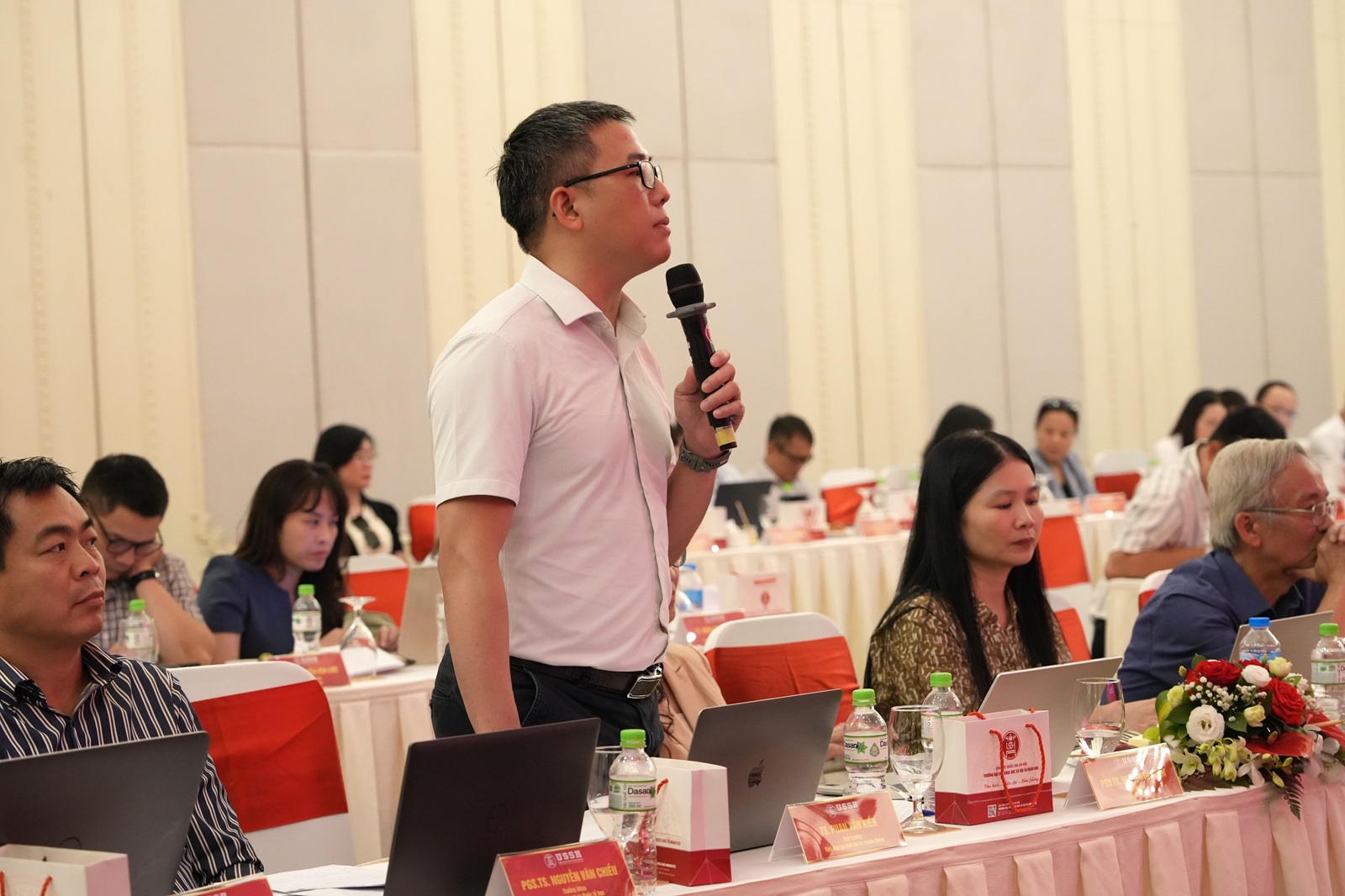
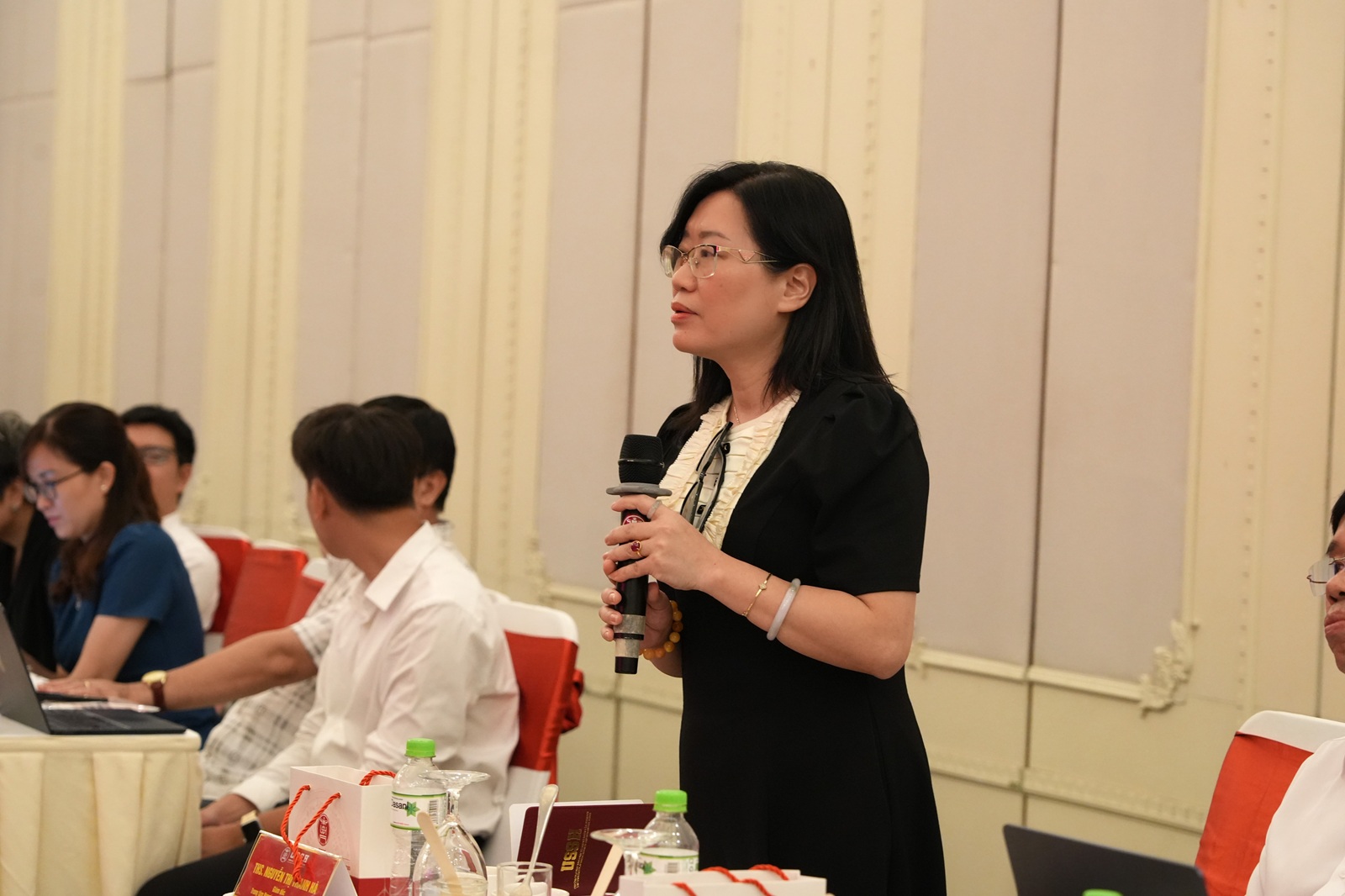
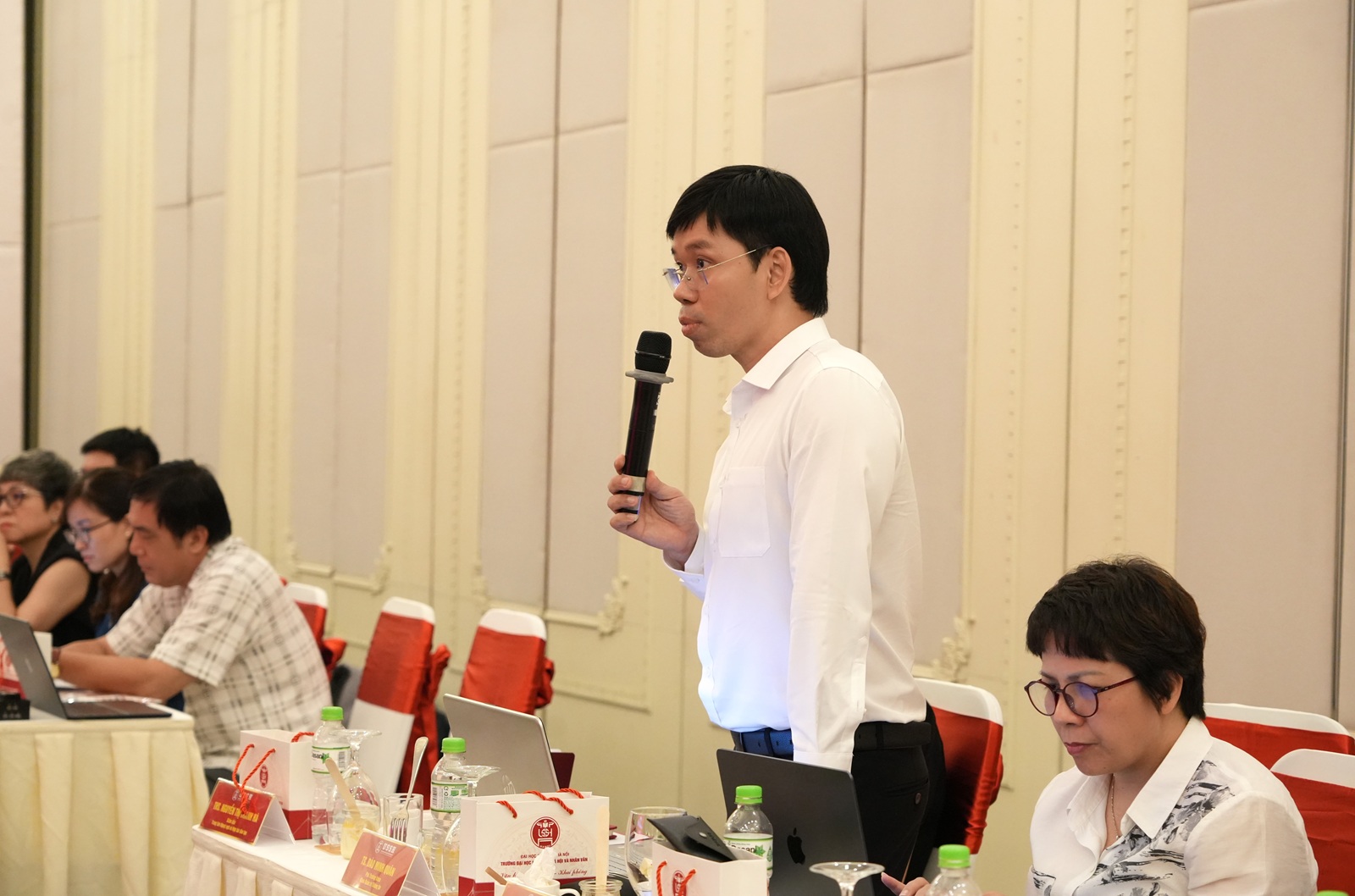
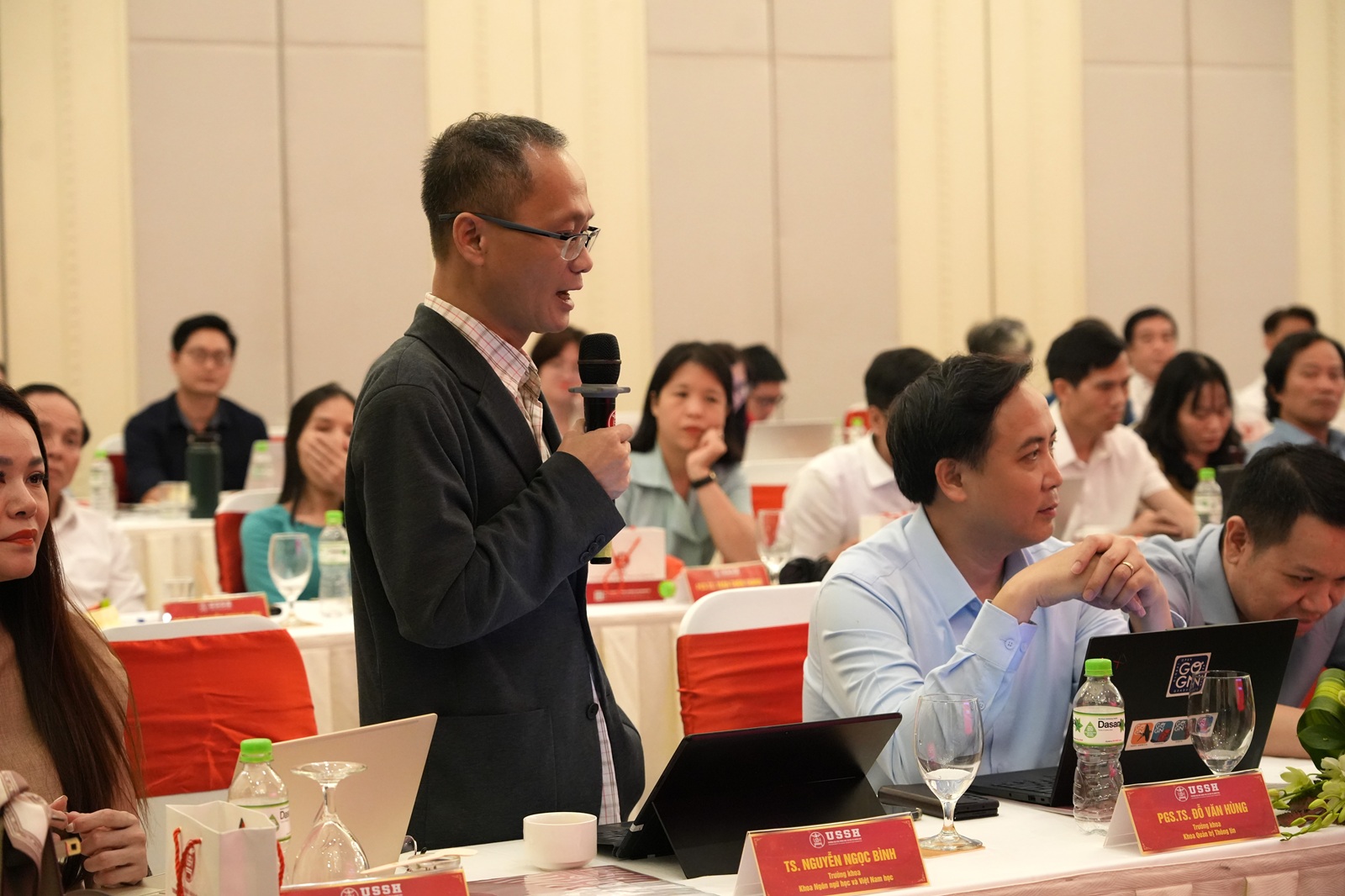
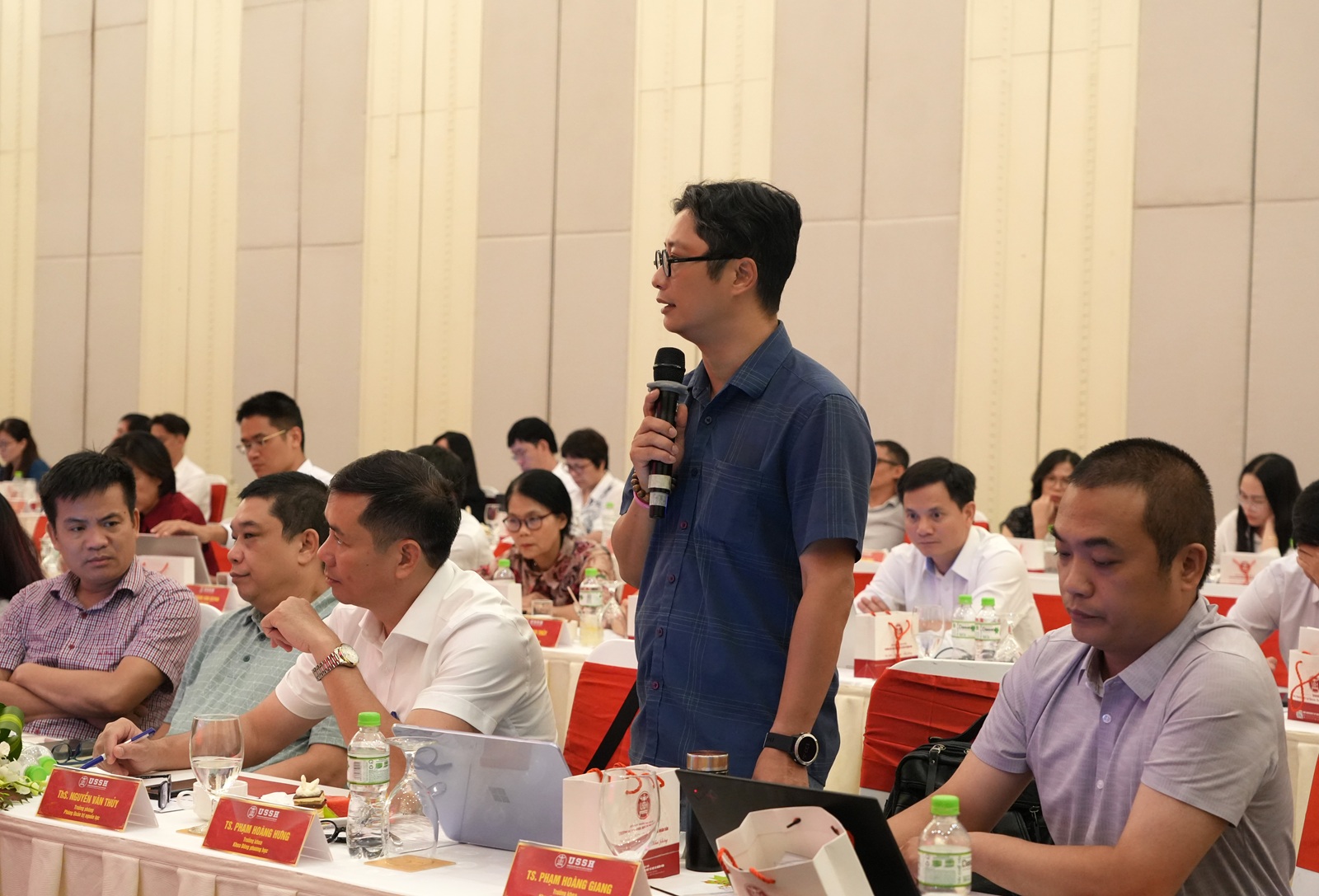
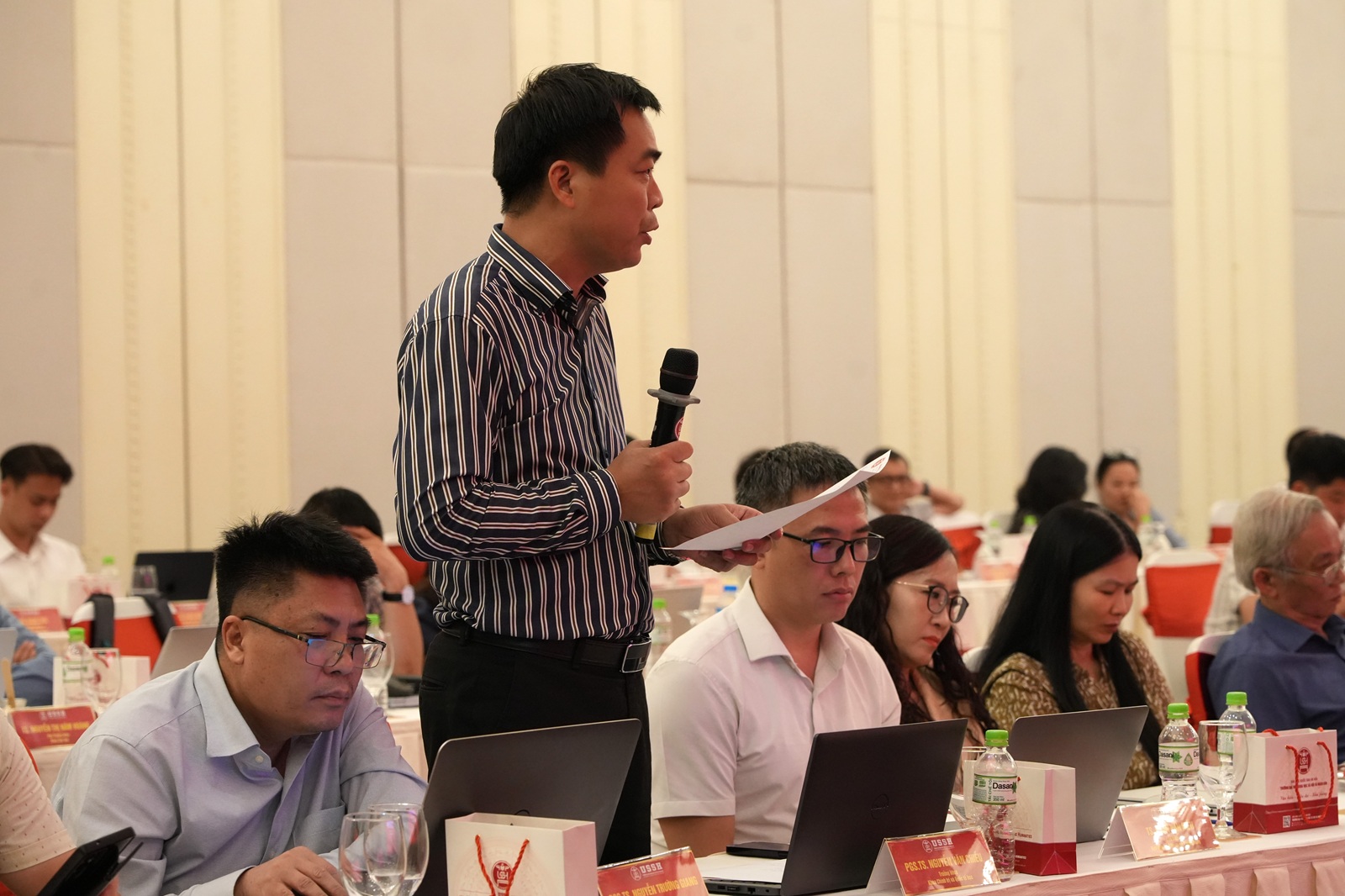
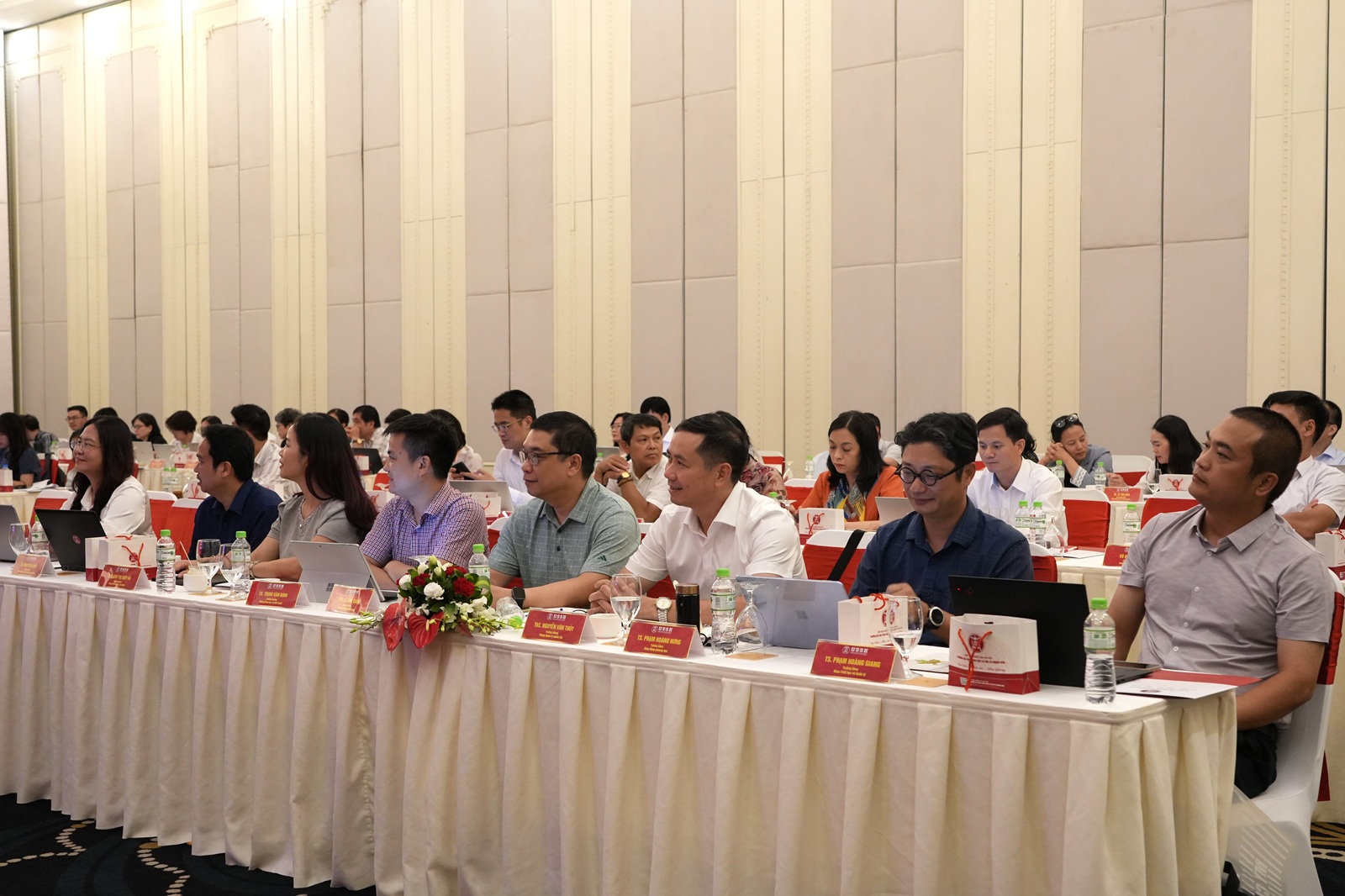
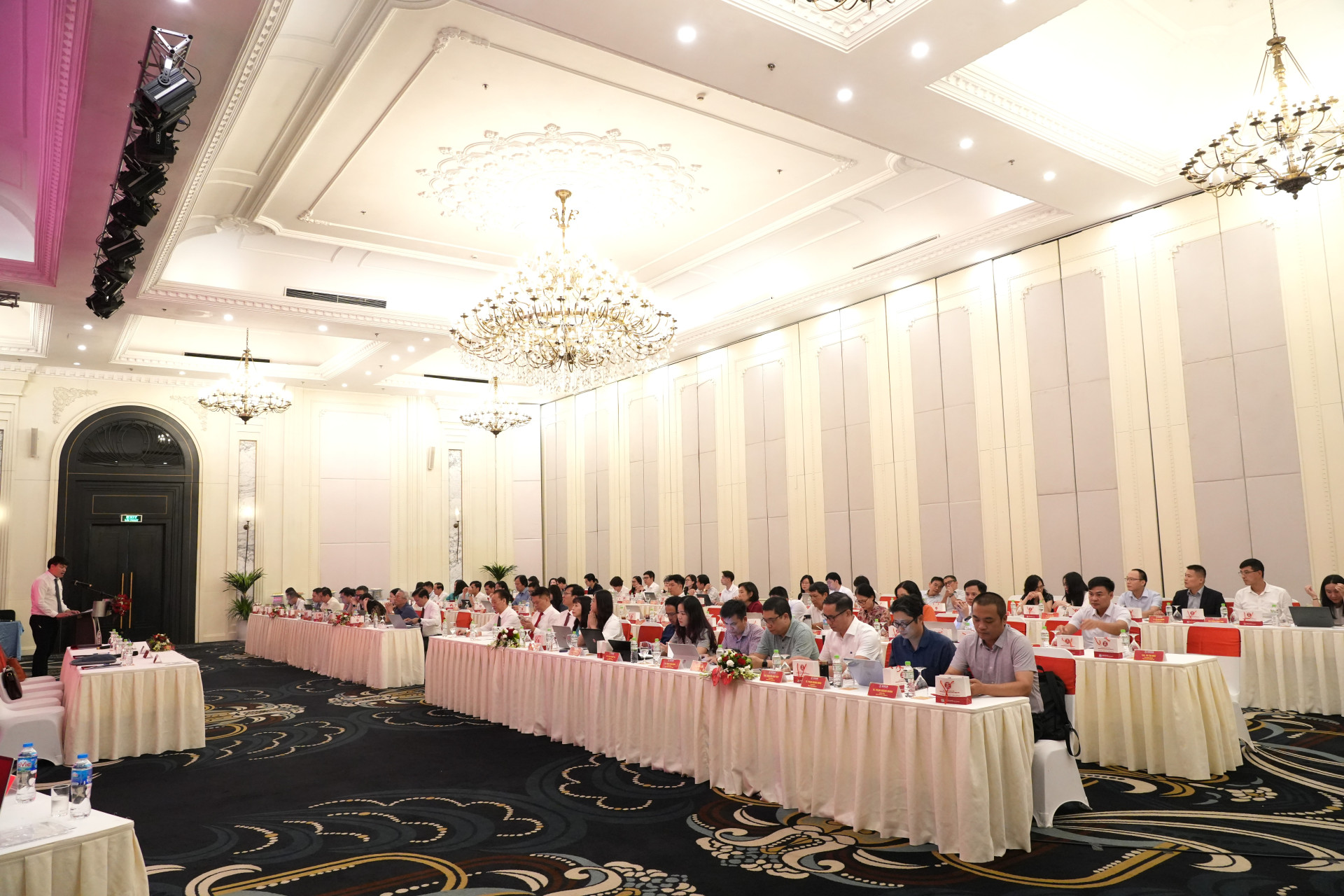
Here are some photos from the Conference summarizing the first six months of 2026 and outlining plans for the last six months of 2026:
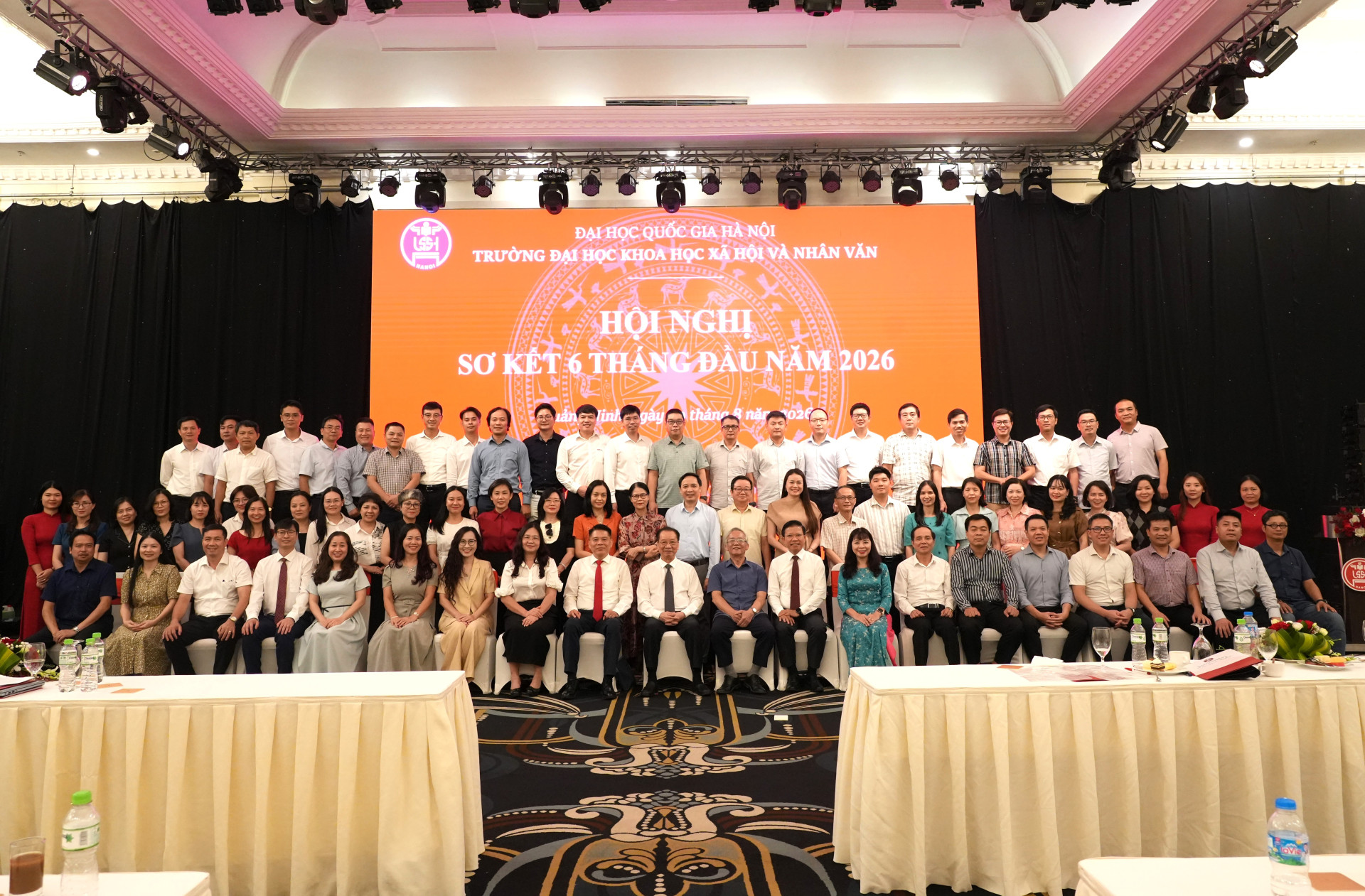
Author:Thuy Dzung - USSH Media
Newer news
Older news

