
Transitioning from propaganda work to handling documents and security at the Military Command of Chien Thang Commune (Lang Son Provincial Military Command), Lieutenant Colonel Y Thang Nie, a professional soldier, encountered many challenges in the early days of his new assignment. The job demanded caution, accuracy, and proficiency in securing documents on the computer system.
Similarly, Vi Thanh Tuan, a clerical, archiving, and IT staff member at the Yen The Commune Military Command (Bac Ninh Provincial Military Command), also felt confused when he transferred to this role.
After the unit's training courses and a process of "learning while working," the work gradually became more organized. However, when digital transformation became a mandatory requirement, new challenges emerged.
The biggest challenge currently is implementing administrative procedures and digital transformation. The Ministry of National Defense has a very large number of files under its management. At the commune level alone, there are currently several thousand, and in the near future, all of them will have to be digitized.
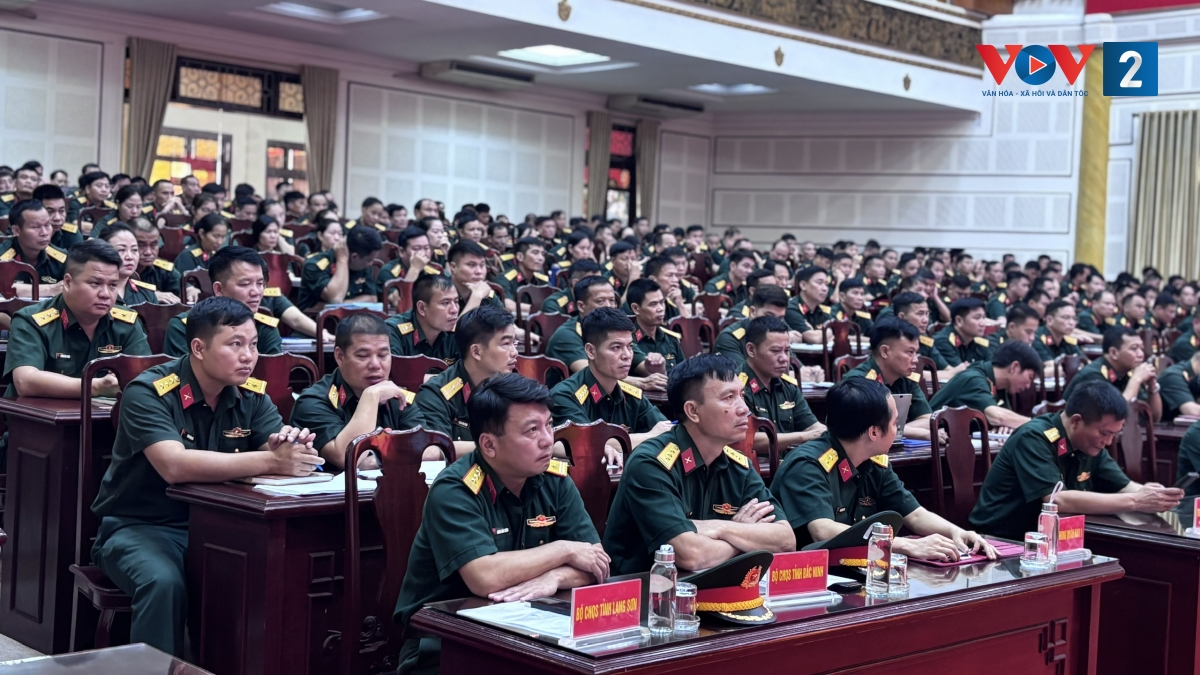
Training course on document management, security, and archiving in 2026 at Military Region 1.
Document management, archiving, and security – these are quiet but crucial links in the command and control operations of a unit. According to Major General Dam Minh Tuan, Deputy Commander of Military Region 1, when the Army adjusted its organizational structure to suit the two-tiered local government model and deployed regular troops to communes, wards, and towns, most officers performing document management, security, and archiving duties were performing these tasks in addition to their regular duties and had not received formal training. Therefore, the process of carrying out these tasks faced many difficulties.
Meanwhile, the demand for building a professional army is increasing, especially in the context of accelerating digital transformation, reforming administrative procedures, and processing documents in an electronic environment.
Based on that experience, Military Region 1, in coordination with the Office of the Ministry of National Defense and the University of Social Sciences and Humanities, Vietnam National University, Hanoi, organized a training course on document management, security, and archiving for 293 trainees. They were all document management staff from the commune/ward-level Military Commands and other agencies and units within the Military Region.
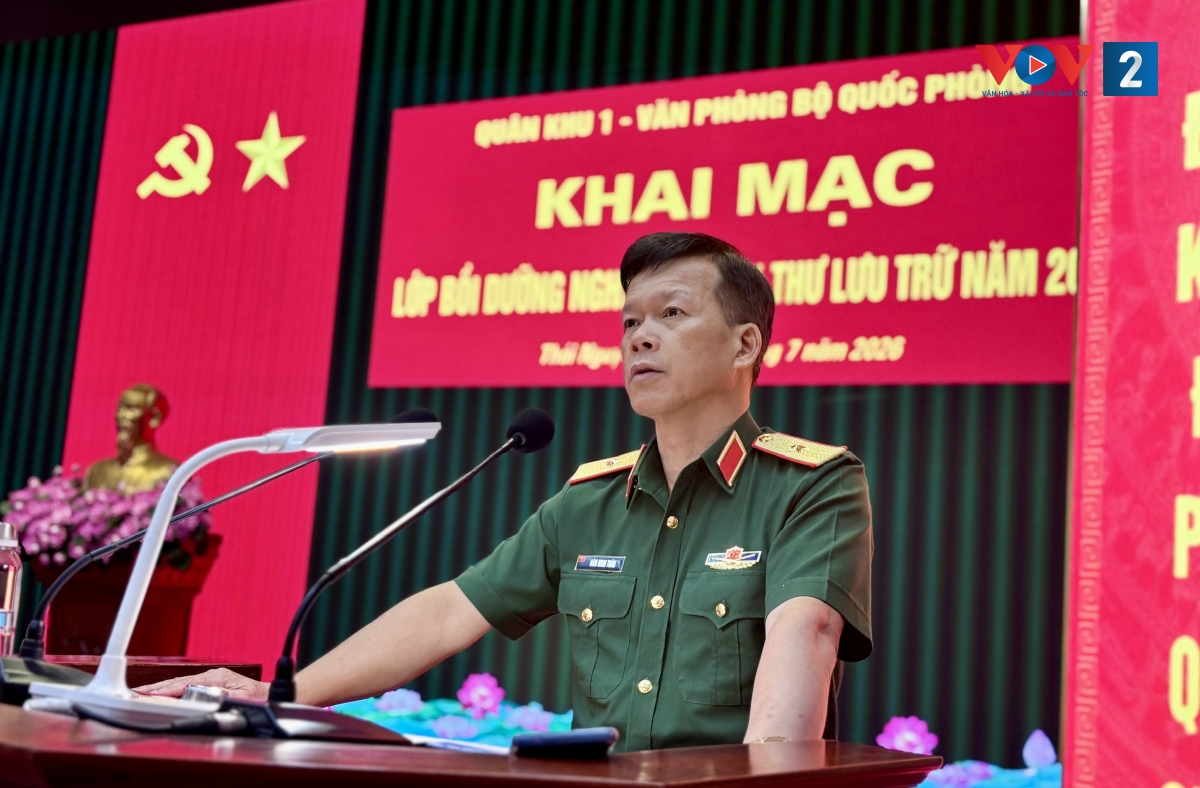
Major General Dam Minh Tuan, Deputy Commander of Military Region 1
Over seven days (from July 27th to August 2nd), instructors from the Office of the Ministry of National Defence and the University of Social Sciences and Humanities will equip trainees with various skills, including: document drafting, work file creation, document management, security, archiving, file digitization, professional clerical skills, and content to assist commanders in organizing and managing clerical work in accordance with regulations. In particular, the training will help trainees minimize risks when processing documents in a digital environment, ensuring full compliance with professional requirements and security.
During the program design process, the instructors devoted significant time to practical exercises and discussions of case studies relevant to the trainees' work.
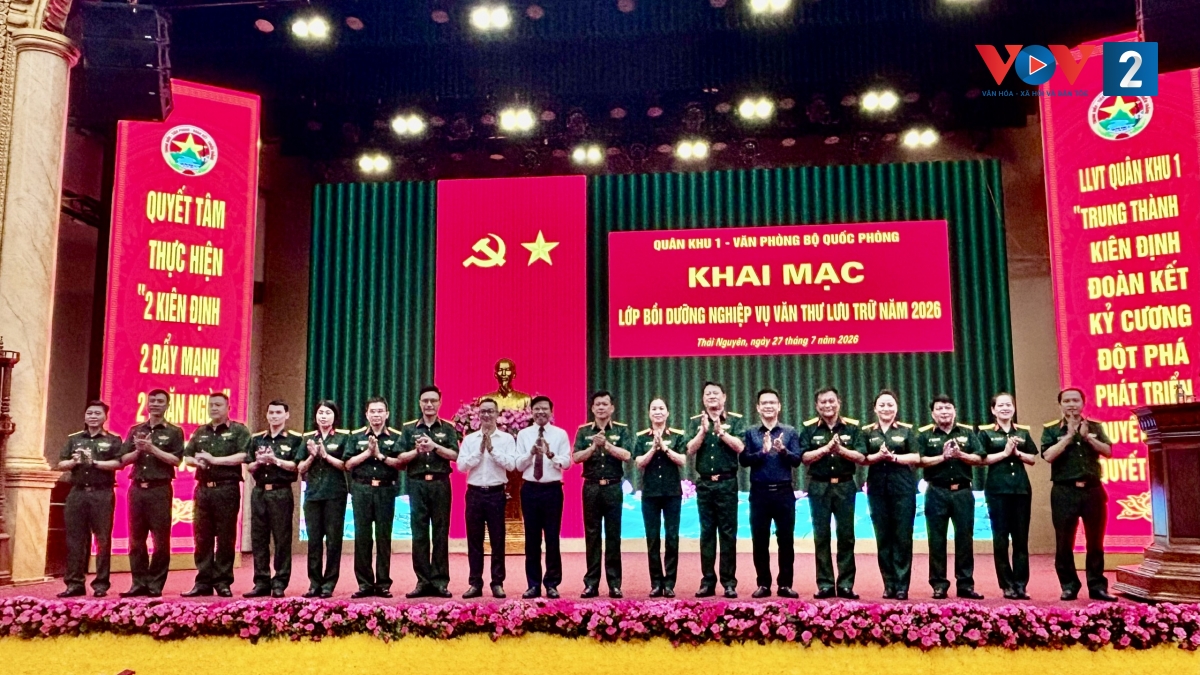
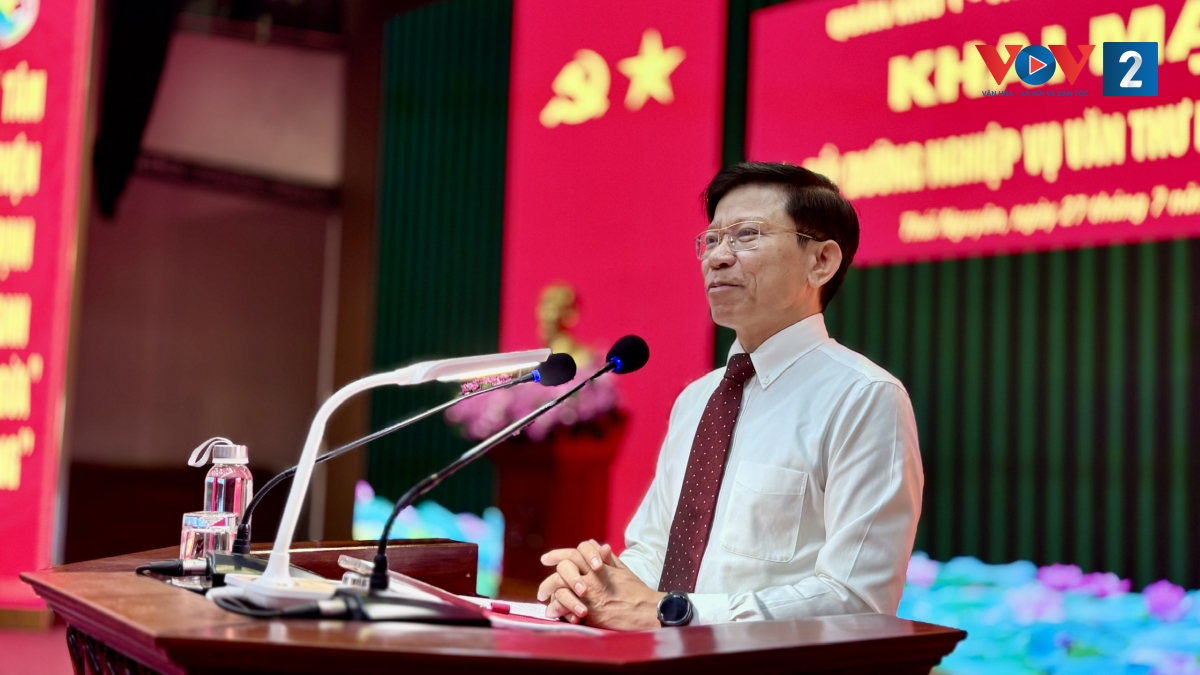
Opening ceremony of the 2026 training course on document management, security, and archiving at Military Region 1.
Participating in the training course, Lieutenant Colonel Pham Thi Nga, a professional military officer and document and information technology staff member of the Cam Giang Commune Military Command (Thai Nguyen Provincial Military Command), said: “Through this course, we have gained a better understanding of document management, archiving, and security. This allows us to effectively advise unit commanders on protecting and safeguarding internal secrets and gradually bring document management and archiving into order, contributing to the successful completion of the unit's tasks.”
According to Dr. Nguyen Hong Duy, Deputy Head of the Department of Archival Studies and Office Management, University of Social Sciences and Humanities, the university is ready to support students after the course, as this is part of the university's mission to serve the community.
The training program was launched at the end of June. Prior to Military Region 1, the program had been implemented at the Hanoi Capital Command, Military Region 7, and Military Region 9. According to the Ministry of National Defense's plan, training courses will continue to be implemented in the remaining military regions in the third quarter of this year, aiming to standardize the workforce in document management, security, and archiving at the grassroots level.
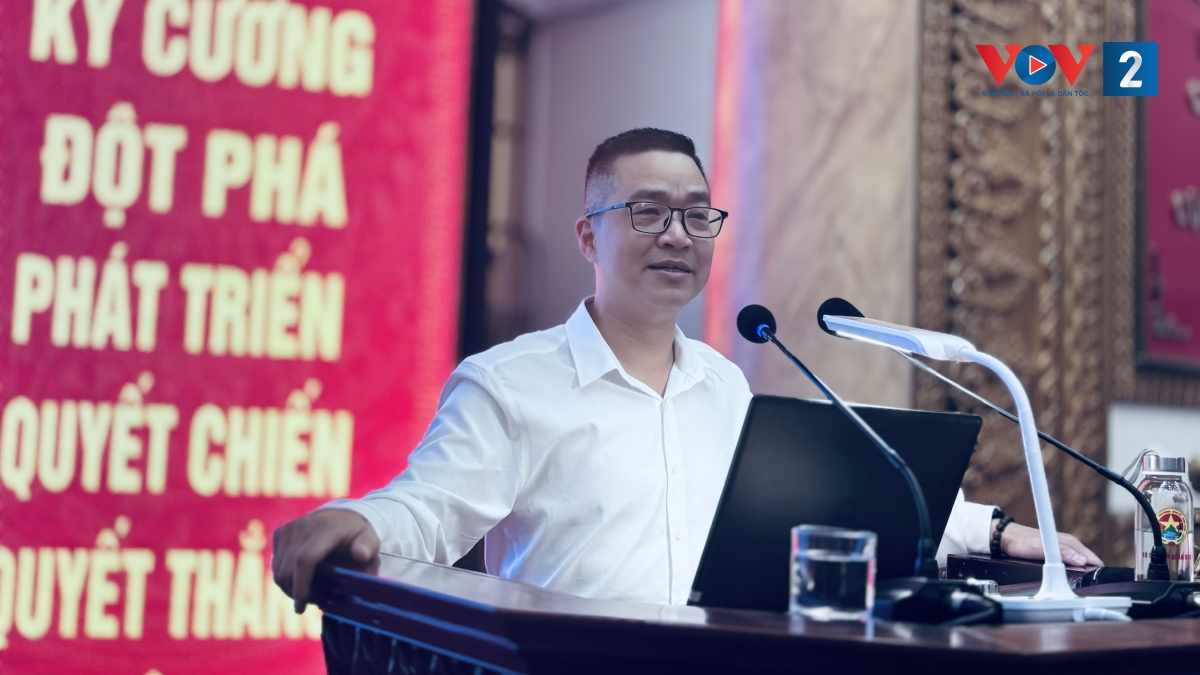
Instructors at the training course
According to Colonel Nguyen Quang Dat, Head of the Security and Archiving Department of the Ministry of National Defense, organizing professional training in document management, security, and archiving for document management staff in communes and wards is a very timely policy of the Standing Committee of the Central Military Commission and the leadership of the Ministry of National Defense to standardize job positions and equip the forces directly carrying out document management, security, and archiving work in the Army with knowledge and skills.
This will equip the staff with the knowledge to effectively carry out professional activities at the commune/ward-level Military Command. At the same time, it will enhance their capacity to meet the requirements of digital transformation.
In the coming period, the Ministry of National Defence will continue to organize training and professional development for 100% of officers and staff working in document management and archiving at the Military Commands of communes, wards, and special zones nationwide to unify awareness, responsibility, and standardize professional knowledge to effectively perform their duties in the new working environment.
Dr. Nguyen Hong Duy believes that each training course is also an opportunity for lecturers to gain practical experience, understand the difficulties from the grassroots level, and adjust the teaching content and training program to suit the practical situation.
Professor Hoang Anh Tuan – Rector of the University of Social Sciences and Humanities, Vietnam National University, Hanoi
According to Professor Hoang Anh Tuan, Rector of the University of Social Sciences and Humanities, Vietnam National University, Hanoi, in addition to regular training, the university also conducts scientific research, provides policy advice, transfers knowledge and technology in accordance with the orientation of Vietnam National University, Hanoi, as well as tasks assigned by the Central Government.
The school is collaborating with the Ministry of National Defense and various localities to organize training courses for commune-level officials in the field of office administration and document management. Since the beginning of the year, the school has implemented numerous programs in Hung Yen, Thanh Hoa, Lang Son, and many other localities.
The University of Social Sciences and Humanities also collaborates with Cao Bang province to research issues related to borders, territory, national sovereignty, and cultural heritage. Previously, it collaborated with the Ministry of National Defense and the Border Guard Command to implement numerous projects on maritime and border issues.
Professor Hoang Anh Tuan stated that the university currently has approximately 500 staff members, including over 400 scientific staff. About 85% of the scientific staff hold doctoral degrees. Of these, approximately 25% have been awarded the titles of professor or associate professor by the State. This is a highly qualified team with a strong commitment to contributing to the community.
Watch more videos about the Opening Ceremony of the training course on document management and archiving for officers of Military Region 1.
Author:According to VOV2 (Voice of Vietnam Radio)
Newer news
Older news

