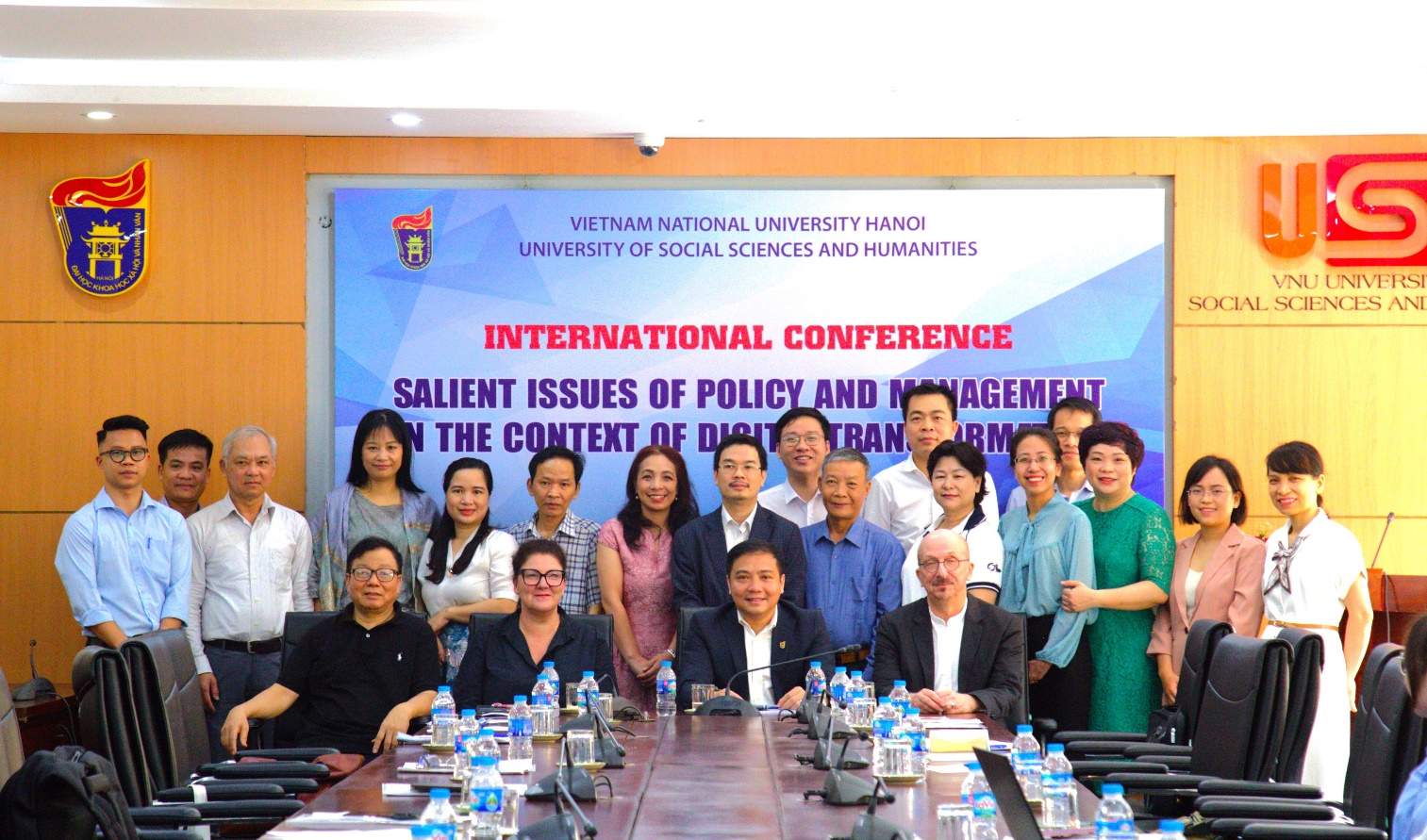
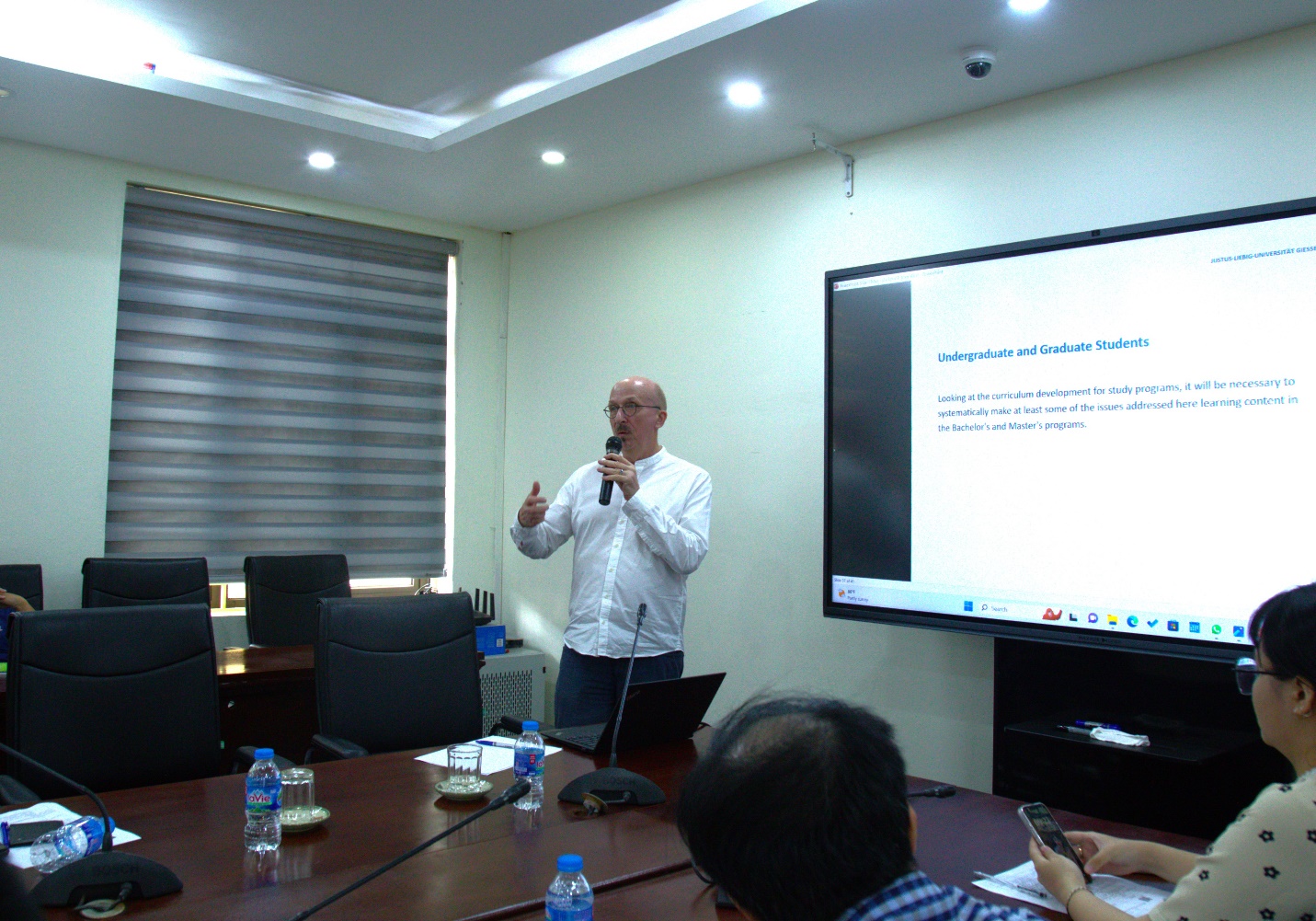
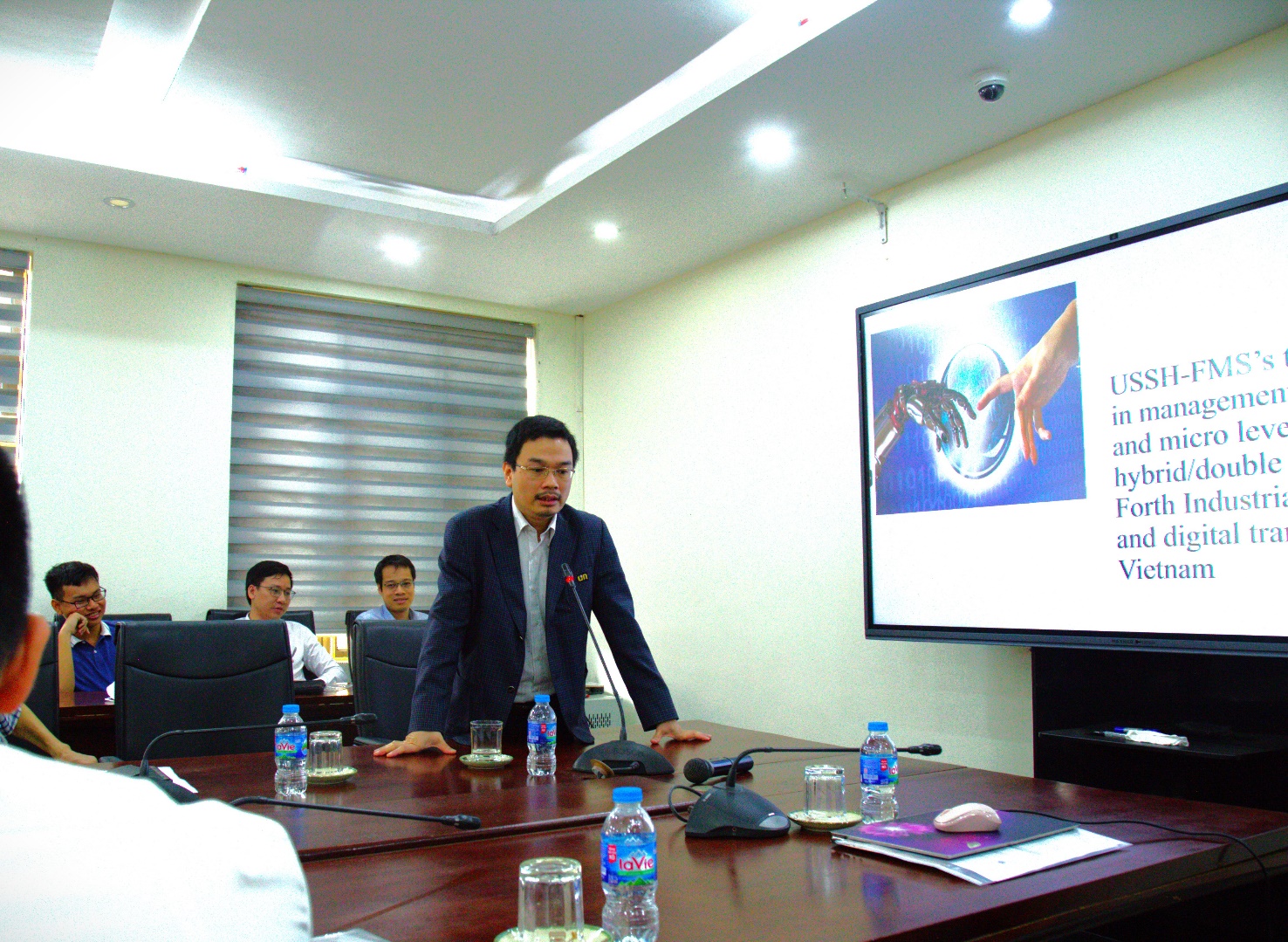
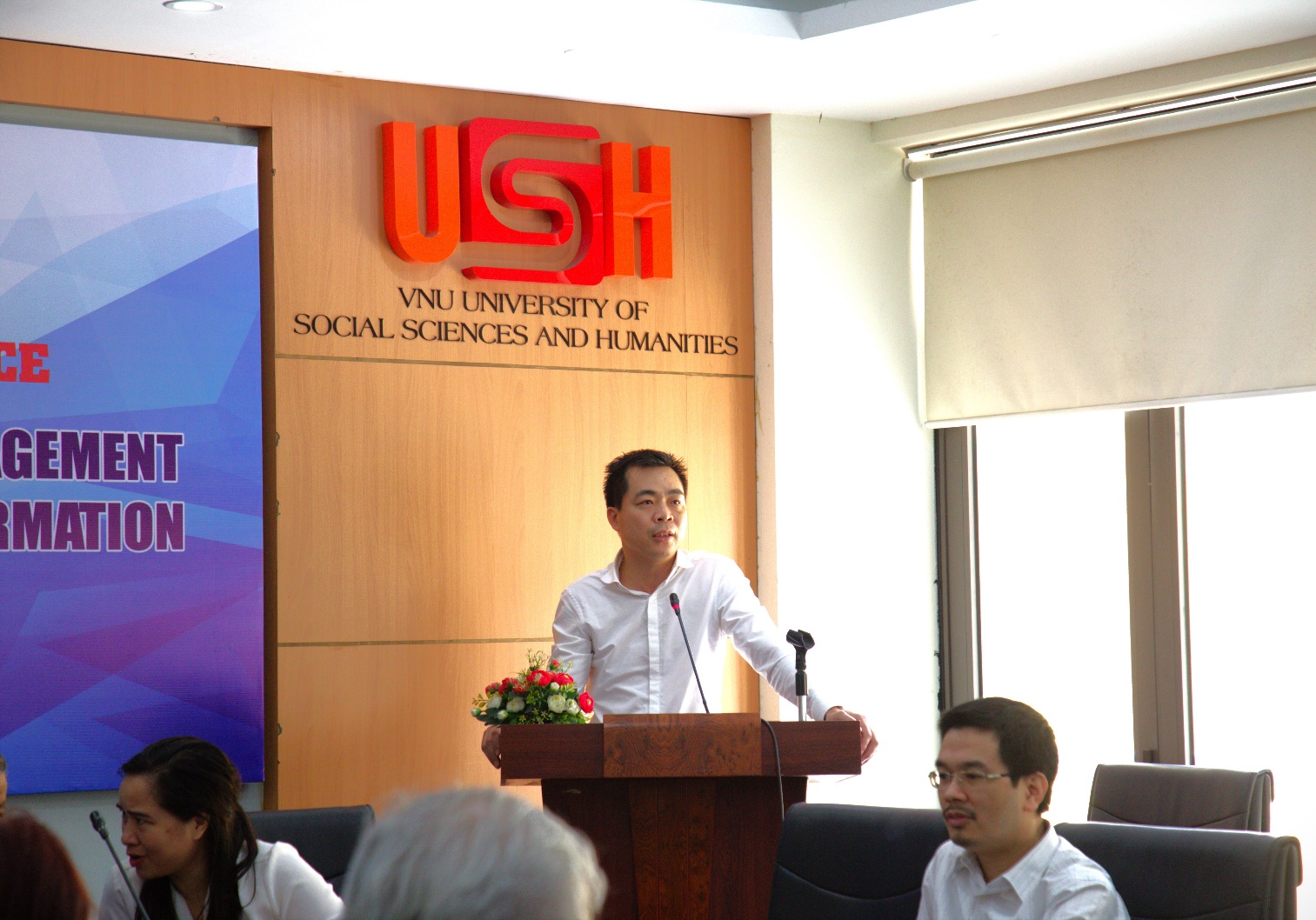
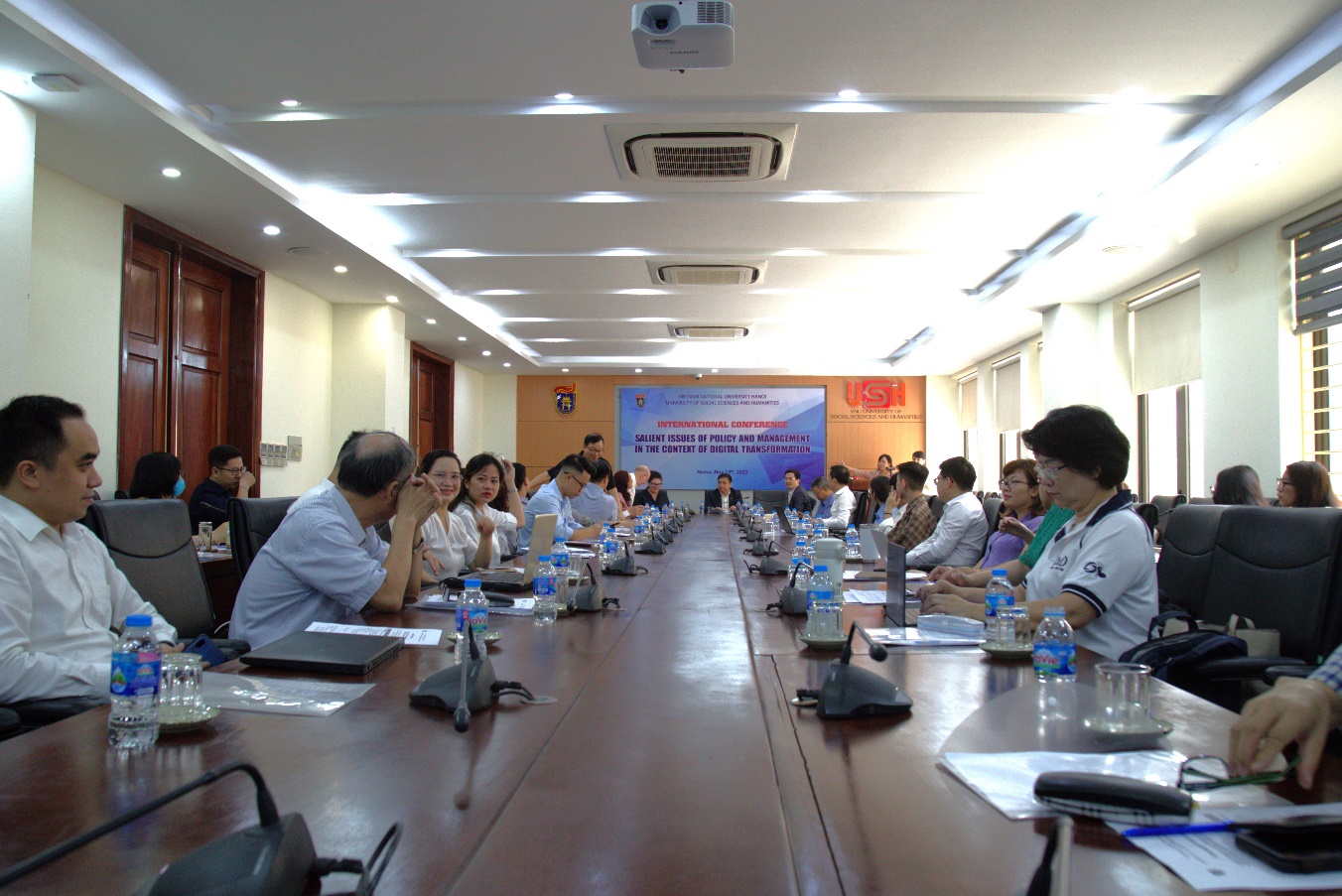
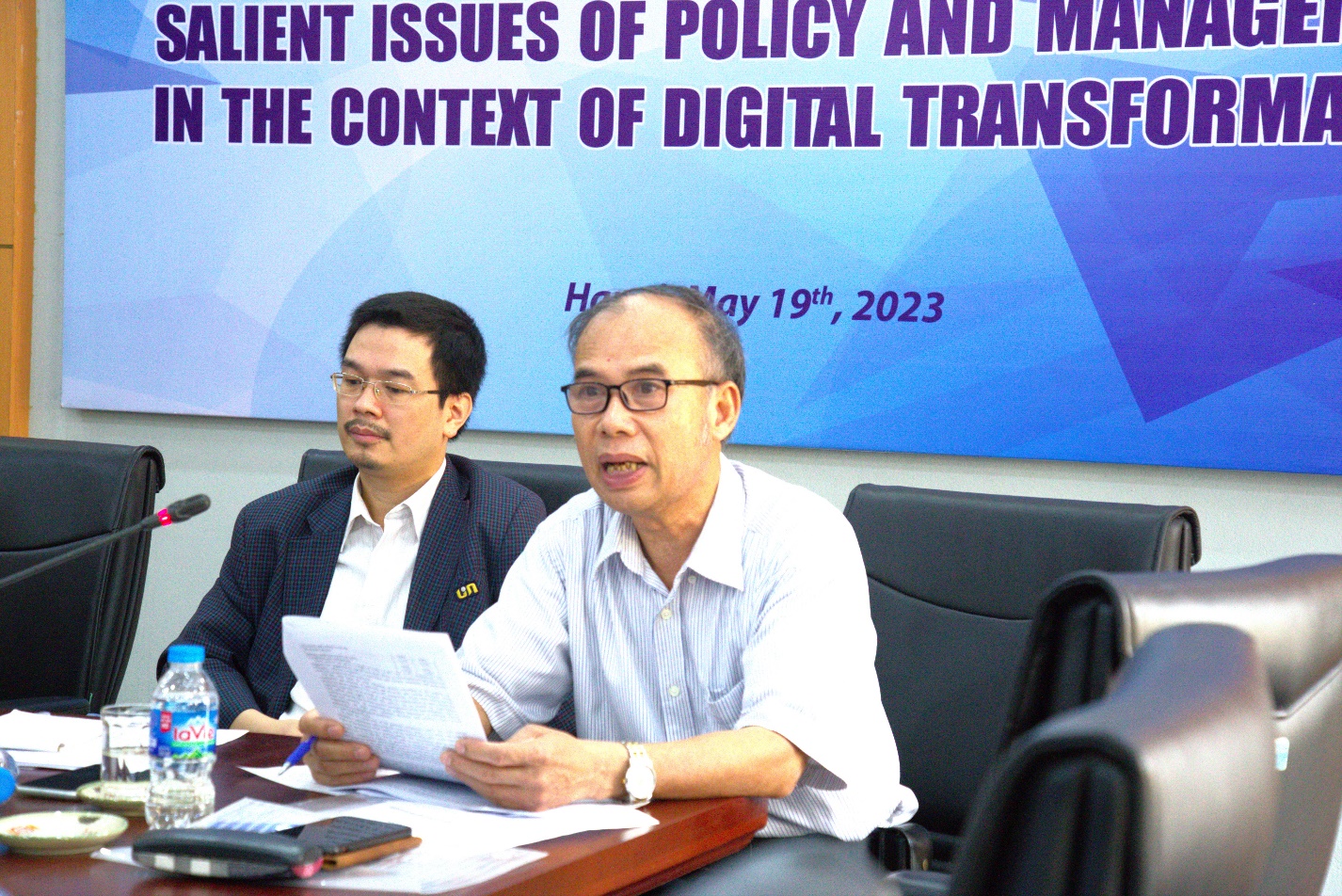
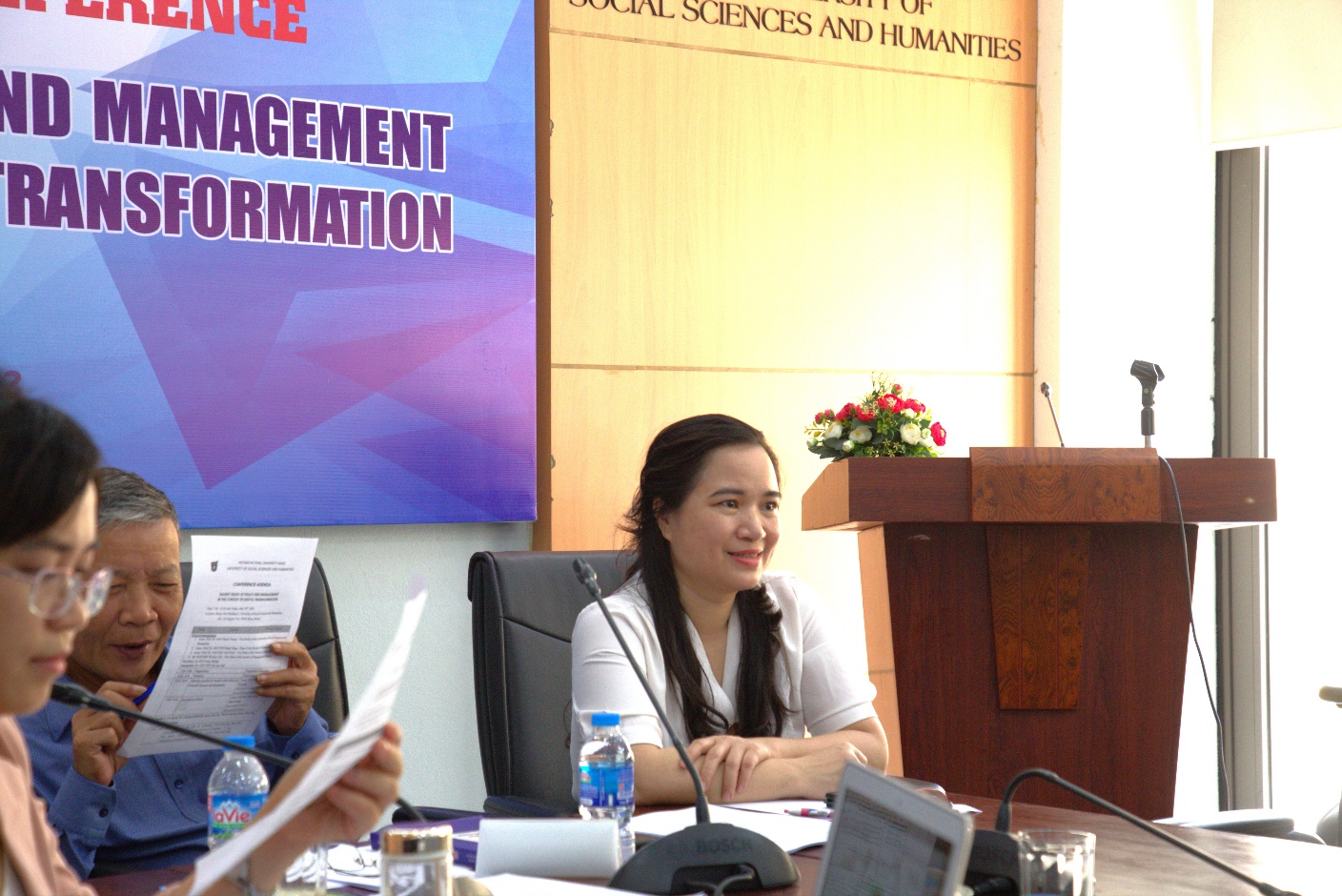
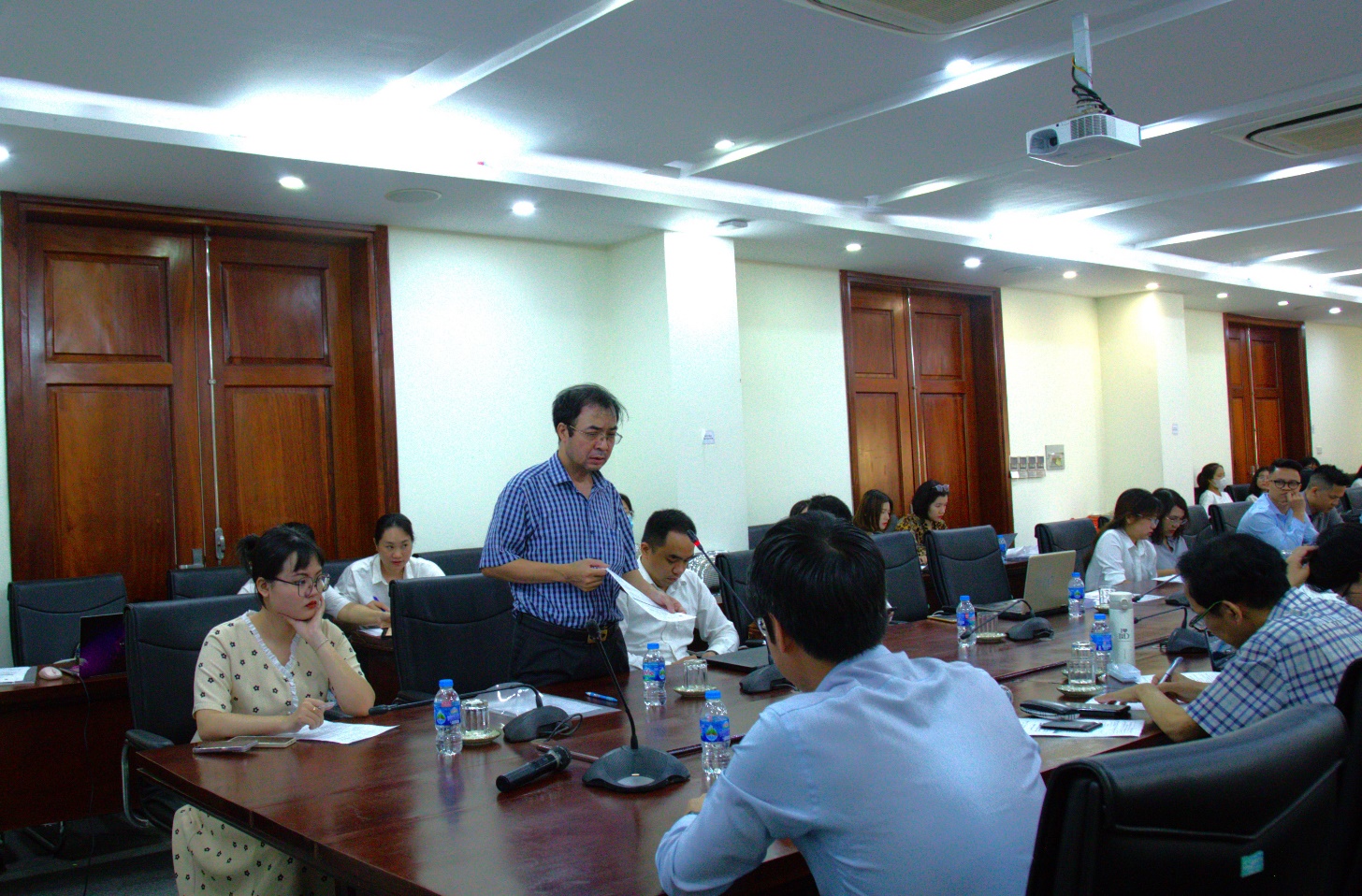
On May 19, 2023, the University of Social Sciences and Humanities, Vietnam National University, Hanoi, organized an international scientific conference with the theme "
Urgent policy and management issues in the context of digital transformation.The workshop was organized by...
Faculty of Management ScienceThe Faculty of Social Sciences and Humanities, Vietnam National University, Hanoi, is the organizing body.
Attending the workshop, on behalf of the University of Social Sciences and Humanities, Vietnam National University, Hanoi, were Assoc. Prof. Dr. Dao Thanh Truong - Vice Rector, Assoc. Prof. Dr. Nguyen Manh Dung - Head of the Faculty of Management Science, Assoc. Prof. Dr. Nguyen Van Chieu - Deputy Head of the Faculty of Management Science, Dr. Nguyen Thi Kim Chi - Deputy Head of the Faculty of Management Science, and Dr. Trinh Van Dinh - Head of the Scientific Research Management Department.
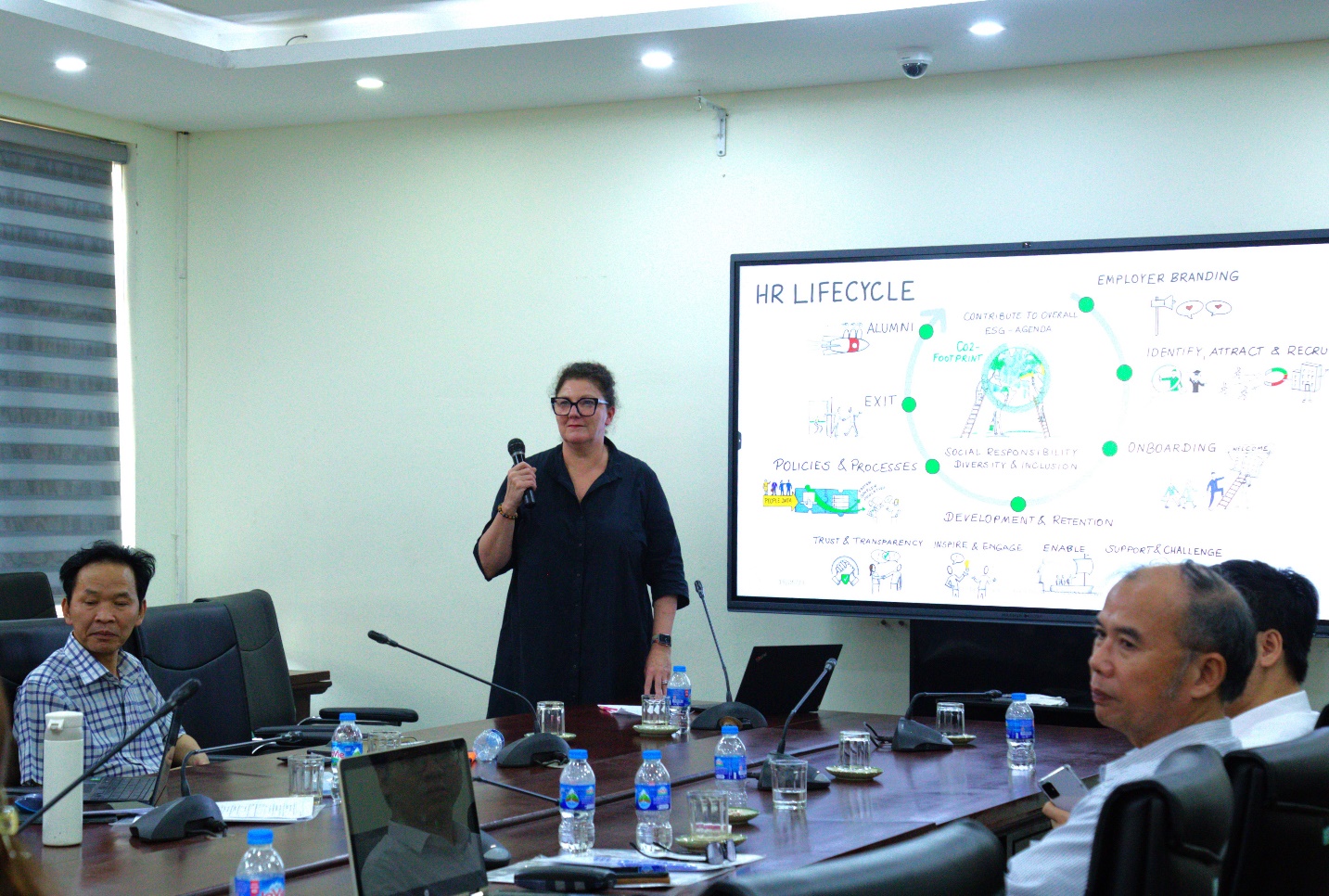
Among the international guests were Dr. Detlef Werner Briesen from Justus Liebig University, Federal Republic of Germany; and Dr. Christa Stienen, Vice President of the Economic Advisory Organization (Denkfabrik Union der Wirtschaft).
The workshop attracted more than 40 scientists, researchers, lecturers, and students from universities, research institutes, and management agencies in Vietnam.
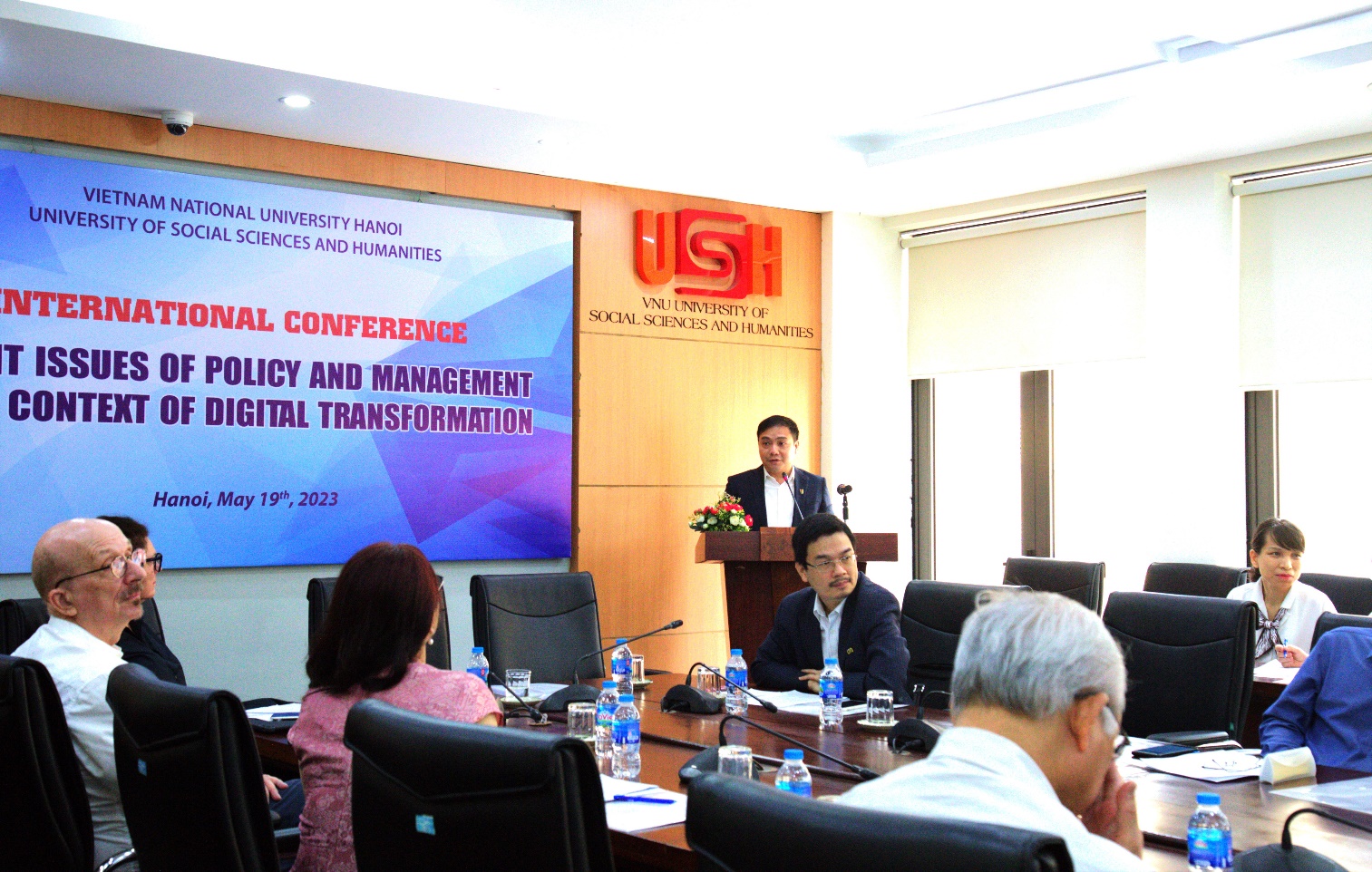
Associate Professor Dr. Dao Thanh Truong - Vice Rector of the University of Social Sciences and Humanities, Vietnam National University, Hanoi, highly appreciated the scientific and practical value of the papers presented at the Conference.
Assoc. Prof. Dr. Nguyen Manh Dung - Head of the Faculty of Management Science, University of Social Sciences and Humanities, Vietnam National University, Hanoi In his opening remarks at the conference, Assoc. Prof. Dr. Dao Thanh Truong - Vice Rector of the University of Social Sciences and Humanities, VNU Hanoi, highly appreciated the scientific and practical value that the scientists and experts had contributed to the conference.
Seminar "
"Urgent policy and management issues in the context of digital transformation"This is a forum where domestic and international researchers share the latest research findings on policy and management in the context of digital transformation, identifying common problems that exist or will emerge in the future, and highlighting the need for analysis, forecasting, and the development of policy frameworks and management strategies to address these issues. The conference will also be an opportunity to build research networks and foster research collaboration.
During the six months of implementation, the conference organizing committee received 40 valuable papers on policy and management topics such as: digital society, social management, management of digital society development, digital government, media governance, training and human resource training policies, and human development in the context of digital transformation. With the dedicated feedback from scientists, the conference served as a useful scientific forum, laying the groundwork for the research topics to be refined and published in prestigious international journals.
The workshop was attended by Dr. Detlef Werner Briesen - Justus Liebig University - Federal Republic of Germany; Dr. Christa Stienen - Vice President of the Economic Advisory Organization (Denkfabrik Union der Wirtschaft).
Eight contemporary management issues in the context of digital transformation.At the workshop, experts and scientists focused on discussing current issues of concern such as contemporary management challenges in the context of digital transformation, development models and experiences in digital transformation, policy scenarios for adapting to digital transformation, human resource management and development for digital transformation, and human resource development for Vietnam's digital transformation.
During the conference, experts discussed and proposed effective solutions to eight pressing issues in Vietnam's current digital transformation. According to Associate Professor Dr. Nguyen Manh Dung, Head of the Faculty of Management Science, University of Social Sciences and Humanities, Vietnam National University, Hanoi, three breakthrough issues currently receiving government attention are institutional development, digital infrastructure development, and innovation in human resource management. In addition, the conference addressed the breakthroughs in technology market development and the challenges in changing the mindset of leaders regarding digital capability development.
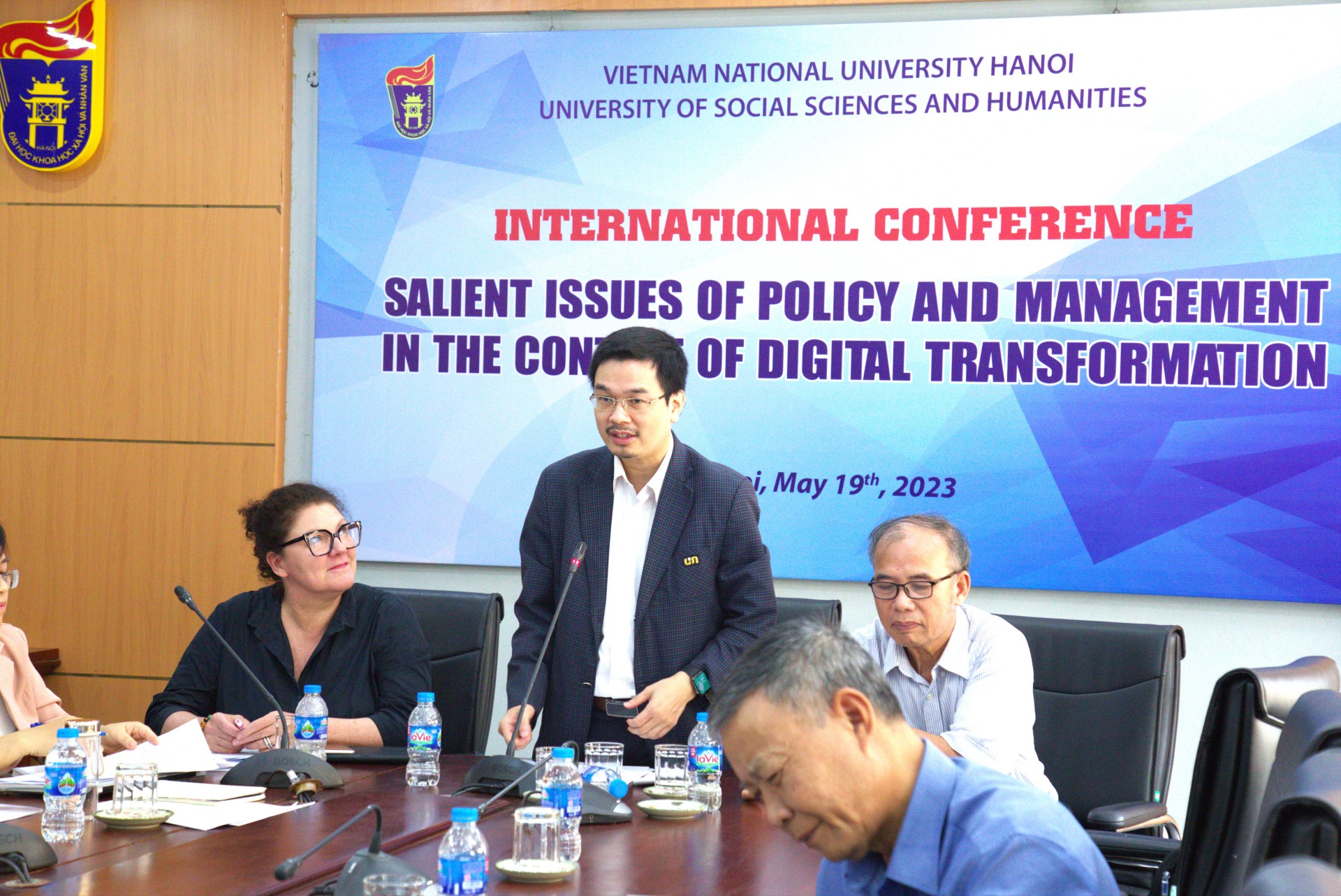
Associate Professor Dr. Nguyen Manh Dung - Head of the Faculty of Management Science, University of Social Sciences and Humanities, Vietnam National University, Hanoi, raised eight contemporary issues concerning management in the context of digital transformation.
One of the eight issues mentioned by the scientists is the need to prepare early for digital transformation to avoid "shocking" society and minimize the impact on vulnerable groups. Accordingly, in a digital society, many professions will gradually disappear, replaced by new jobs, changing the occupational structure of society. In addition, policymakers need to pay attention to strengthening user confidence in cybersecurity and digital security in the context of numerous non-traditional security issues.
In the field of education, Associate Professor Dr. Nguyen Manh Dung stated that schools need to change their training philosophy, especially in high-quality training. Instead of training using existing resources, they should focus on training in areas that society demands, emphasizing the leading role of education in developing the digital capabilities of the workforce.
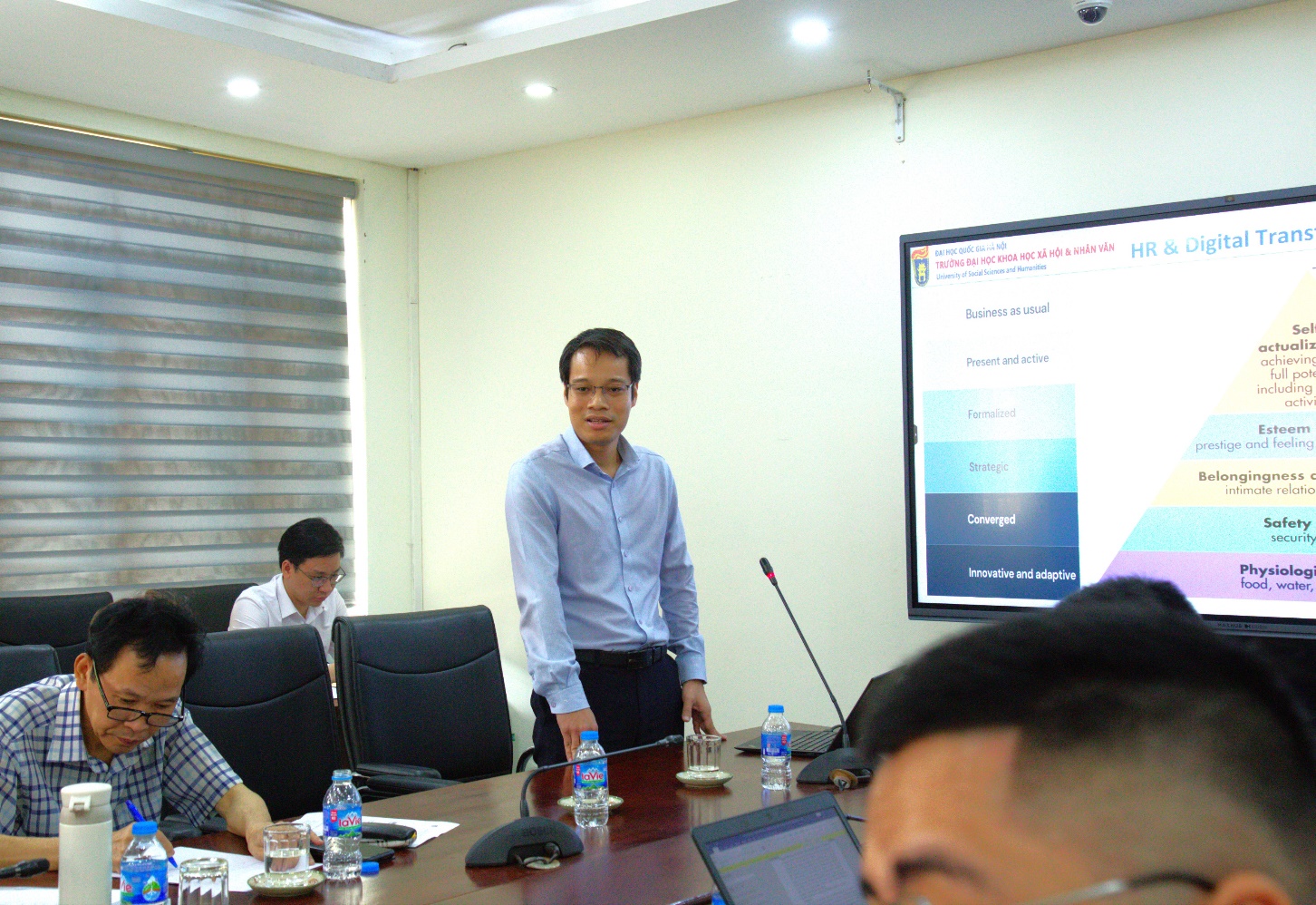
Digital transformation in human resource management in Vietnamese businesses.One of the issues of interest to scientists and attendees was the digital transformation in human resource management in Vietnamese businesses.
Speaker: Nguyen Thi Nam Phuong - Deputy General Director - Chief Consultant
OCD Management Consulting CompanyIn short, human resource management has undergone a dramatic transformation over the past 20 years, evolving from an administrative and support function (HR1.0) to a strategic activity that provides resources to effectively realize business objectives through the application of digital technology platforms (HR4.0). While still performing human resource management and development activities within organizations and businesses, today's human resource management is no longer limited to the 11 traditional operational areas such as recruitment, training and development, performance evaluation, compensation, etc., but has taken on the role of an internal service provider, connecting multi-disciplinary activities using digital technology and creating excellent employee experiences and optimizing human resource utilization.
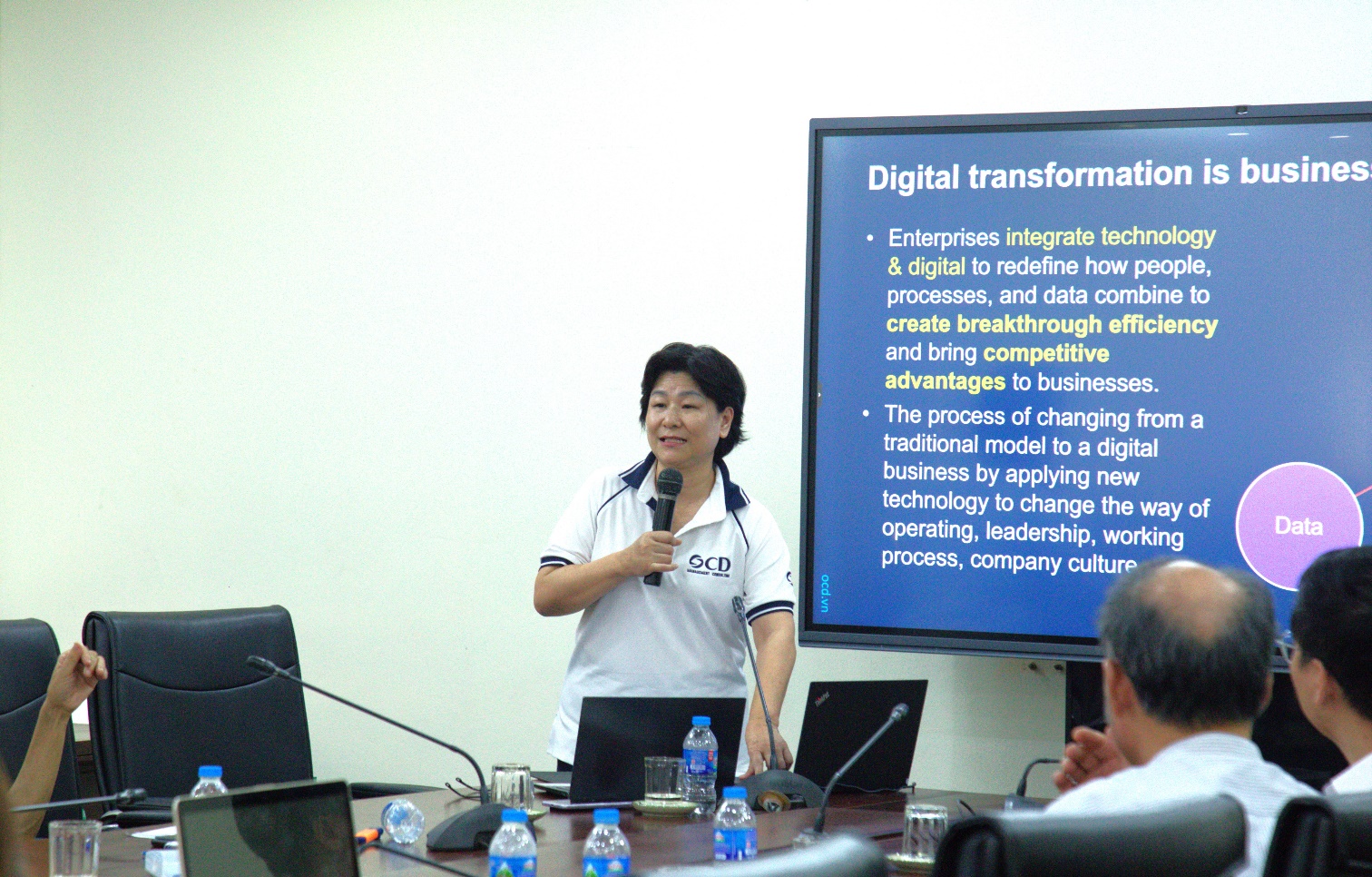
Speaker Nguyen Thi Nam Phuong - Deputy General Director - Chief Consultant of OCD Management Consulting Company, shared solutions on digital transformation in human resource management in Vietnamese businesses.
The fundamental challenges that HR managers face in the current digital transformation context, as mentioned by speaker Nguyen Thi Nam Phuong, include the operating model of the sharing economy and gig economy, which create a freelance workforce requiring completely different work management and compensation methods; and the Industry 4.0 revolution, which demands that businesses apply technology to create superior customer experiences, optimize operating costs, and achieve faster growth for sustainable competitiveness. The speaker also noted that a large portion of the workforce is Generation Z, who are tech-savvy and consider job change a part of their lives. Their work environment needs to be smarter and more efficient.
At the seminar, Ms. Nguyen Thi Nam Phuong emphasized that the human resource management industry is becoming more innovative and groundbreaking thanks to highly intelligent technology-based solutions, such as the diverse use of technology platforms and smart applications to carry out human resource management and development activities. Managers need to pay attention to building policies and a friendly, effective work environment for a multi-generational workforce. This environment should optimally utilize digital tools to create positive experiences in work performance, interaction with colleagues and customers, decision-making, and the automation of decision-making. The speaker also suggested strengthening the capacity of the human resource management department, both in professional expertise and digital skills, to perform its role more effectively and intelligently, providing suitable human resources to reinforce the competitive advantage of the enterprise.
Promoting the reduction of information poverty in Vietnam through digital transformation.According to Dr. Ta Thi Bich Ngoc from the Faculty of Management Science, University of Social Sciences and Humanities, Vietnam National University, Hanoi, current poverty assessment indicators are multidimensional, including criteria related to people's access to information. Accordingly, the Government has issued Decree No. 07/2021/ND-CP stipulating the multidimensional poverty standard for the period 2021-2025, which includes 12 indicators measuring the level of deficiency in basic social services, including: employment; dependents in the household; nutrition; health insurance; adult education level; children's school attendance; housing quality; average housing area per capita; access to clean water; sanitary toilets; use of telecommunication services; and means of accessing information.
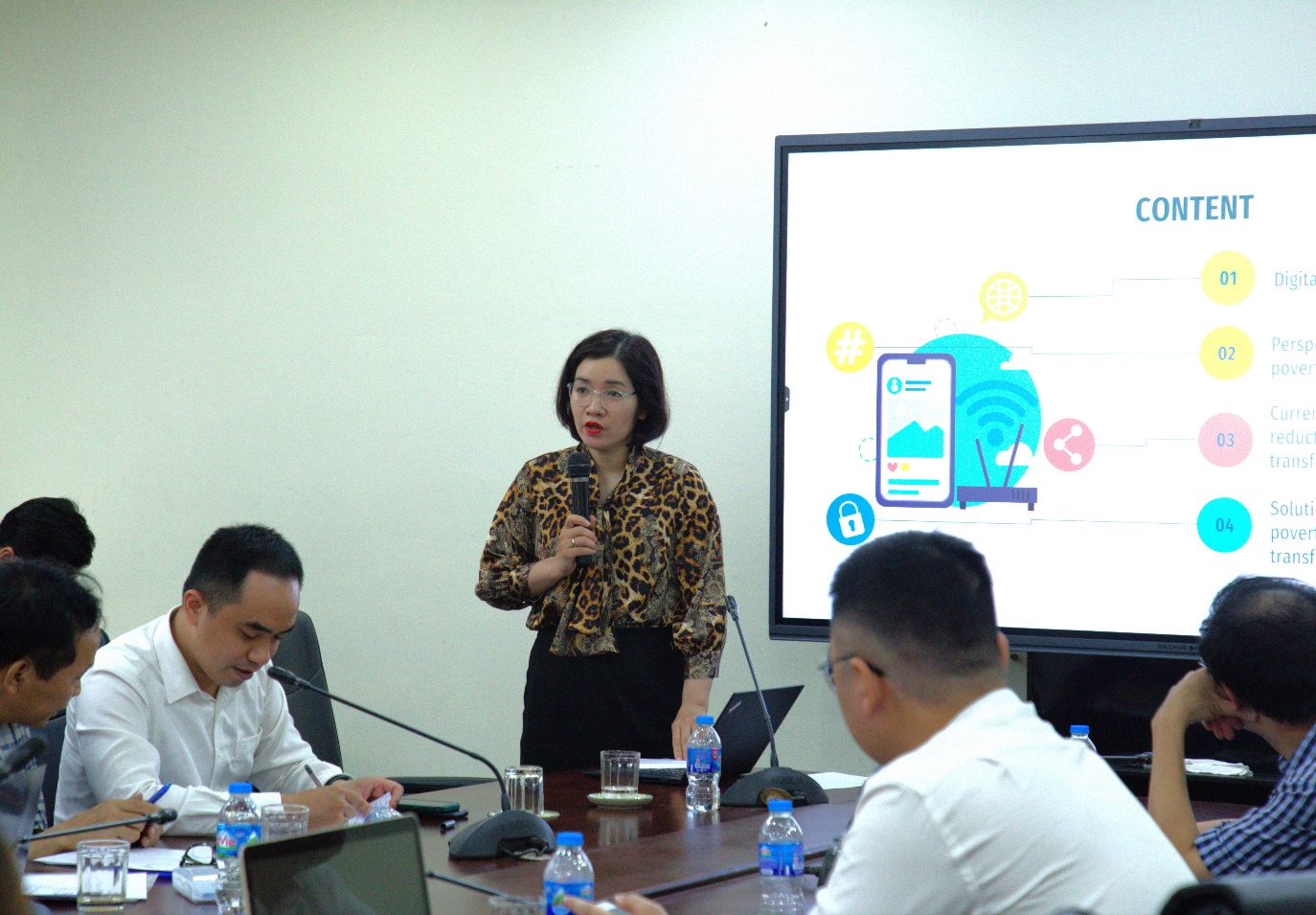
Dr. Ta Thi Bich Ngoc - Faculty of Management Science, University of Social Sciences and Humanities, Vietnam National University, Hanoi, shared many effective solutions for promoting information poverty reduction in Vietnam through digital transformation.
Information poverty reduction is the totality of activities aimed at compensating for information deficiencies of poor people, poor households, and poor localities. According to current policy, information poverty reduction in Vietnam currently includes 04 basic contents: (1) Enhancing the capacity of people performing communication work at the grassroots level; (2) Equipping essential information provision facilities and platforms in disadvantaged areas; (3) Supporting the enhancement of essential information content in disadvantaged areas; (4) Providing public information services in disadvantaged areas and border gate areas.
Over the past decades, Vietnam has achieved impressive poverty reduction results. The multidimensional poverty rate has steadily decreased, reaching only 4.4% in 2021. In 2020, 58.2% of the population did not lack any of the 10 multidimensional poverty indicators for the period 2016-2020. Specifically regarding the information dimension, only 2.0% of Vietnamese households lacked access to information services, and 4.5% lacked the means to access information.
However, this deficit mainly exists in ethnic minority and mountainous regions. According to the 2019 survey on the socio-economic situation of 53 ethnic minority groups conducted by the General Statistics Office, only 61.3% of households use the internet, 92.5% use telephones, 81.5% own televisions, and 10.3% use computers. This means that ethnic minority and mountainous regions are the "lowest points" in terms of information deprivation and are the main target of information poverty reduction in Vietnam.
Poverty reduction in general, and information poverty reduction in particular, for ethnic minority and mountainous regions has always been a significant challenge for policy implementers. The main reasons stem from low levels of education, limited production skills, inadequate infrastructure, and frequent natural disasters and epidemics.
In this context, digital transformation is the appropriate and effective solution to address information poverty and move towards sustainable poverty reduction. Through digital transformation activities, the region's information infrastructure will be improved, and information content reaching the people will be faster, richer, more accurate, and more reliable. This is an important prerequisite for ensuring security and socio-economic development.
From outlining the current state of digital transformation in the government, businesses, and the people, the speaker highlighted the potential of digital transformation in promoting information poverty reduction, aiming towards achieving sustainable poverty reduction goals in Vietnam. The solutions emphasized by the speaker included improving the institutional framework for information poverty reduction linked to digital transformation, strengthening infrastructure and enhancing the capacity of policy implementers in information poverty reduction, and strengthening the information literacy of the poor.
Dr. Ta Bich Ngoc emphasized that digital transformation is expected to be a breakthrough solution to help poor localities shorten the process of catching up with the general level of development. Specifically for reducing information poverty, digital transformation is a crucial prerequisite for creating a foundation to escape poverty, bringing prosperity and a sense of happiness to the people.
Vietnam is one of the world's leading countries in internet coverage, so we can be optimistic about people's access to information through digital transformation policies and programs.
Assoc. Prof. Dr. Nguyen Van Chieu - Deputy Head of the Faculty of Management Science, University of Social Sciences and Humanities, summarized and closed the conference.
The topics discussed at the Conference will be published as a book by the University of Social Sciences and Humanities, Vietnam National University, Hanoi. We invite readers to follow the discussion contents in the book.
Proceedings of the International Scientific Conference “Urgent Issues in Policy and Management in the Context of Digital Transformation”
Below are some images from the International Scientific Conference "Urgent Issues in Policy and Management in the Context of Digital Transformation" held at the University of Social Sciences and Humanities, VNU Hanoi on May 19, 2023: