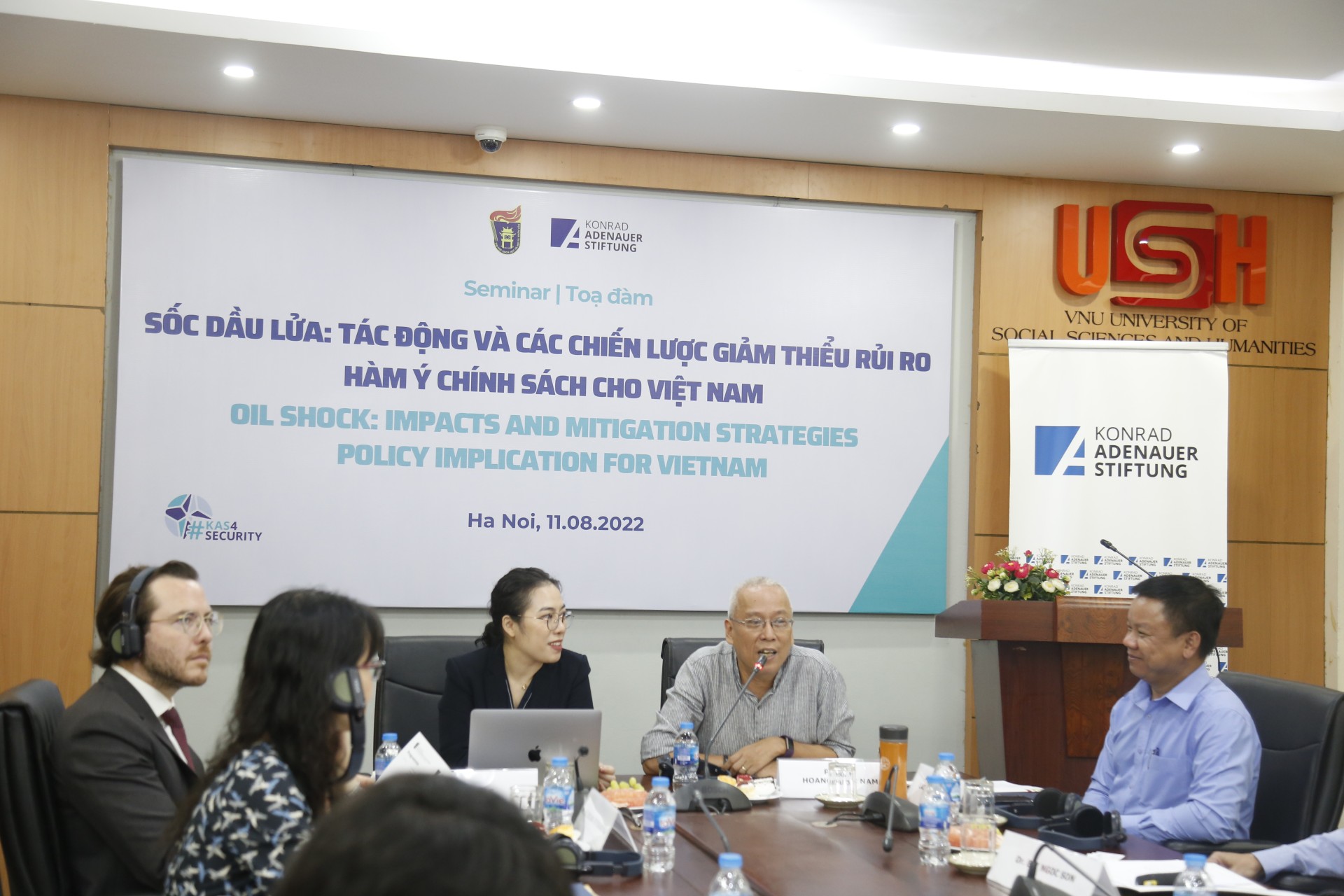
The workshop attracted the attention and participation of experts from the Institute of World Economics and Politics, the Vietnam Academy of Social Sciences; the German Institute for International and Security Studies; the Institute for Strategic and Policy Research in Industry and Trade (Ministry of Industry and Trade), etc., who presented papers and engaged in discussions.
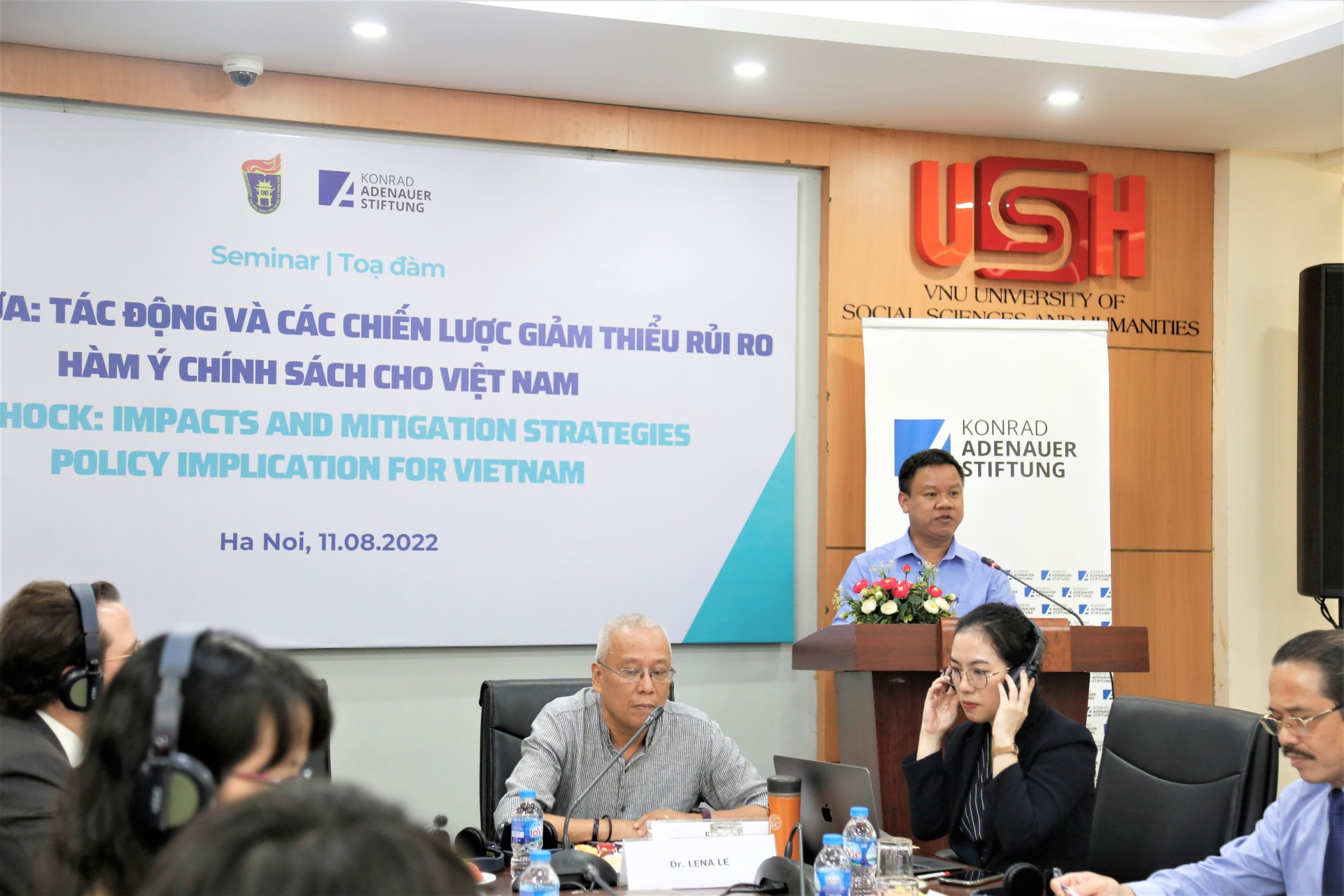
In his welcoming remarks, Associate Professor Lai Quoc Khanh stated: It can be said that in the context of the recent "skyrocketing" increase in oil prices worldwide and in Vietnam, creating "shocks" and significantly impacting the economies of countries around the world as well as the lives of individuals, oil remains a vital resource with a significant impact on many sectors. Vice Rector Lai Quoc Khanh highly appreciated the idea of organizing this scientific seminar, as it is a truly timely topic of interest to experts in many fields. He also expressed gratitude for the support and collaboration of the Konrad-Adenauer-Stiftung (KAS) Foundation, not only in this event but also in many other activities with the University of Social Sciences and Humanities.
Vice Principal Lai Quoc Khanh delivered a welcoming speech.
Mr. Florian Feyerabend, Head Representative of the KAS Foundation in Vietnam, shared: The oil crisis is not simply a shortage of a raw material, pushing world oil prices to new historical highs. It has a profound impact on the global economy, especially on the recovery of countries after the Covid-19 pandemic. The joint seminar organized by the University of Social Sciences and Humanities, with the participation of many speakers and experts in economics and policy planning, will share much content about the impact of this situation in countries around the world, what policies they have implemented to face this "shock," and what lessons can be learned for Vietnam. The Head Representative of the KAS Foundation in Vietnam also affirmed that the University of Social Sciences and Humanities has always been a partner and effectively collaborated with the Foundation in the past and in this event in particular. In the future, both sides will plan to implement more activities to further strengthen and enhance the cooperative relationship.
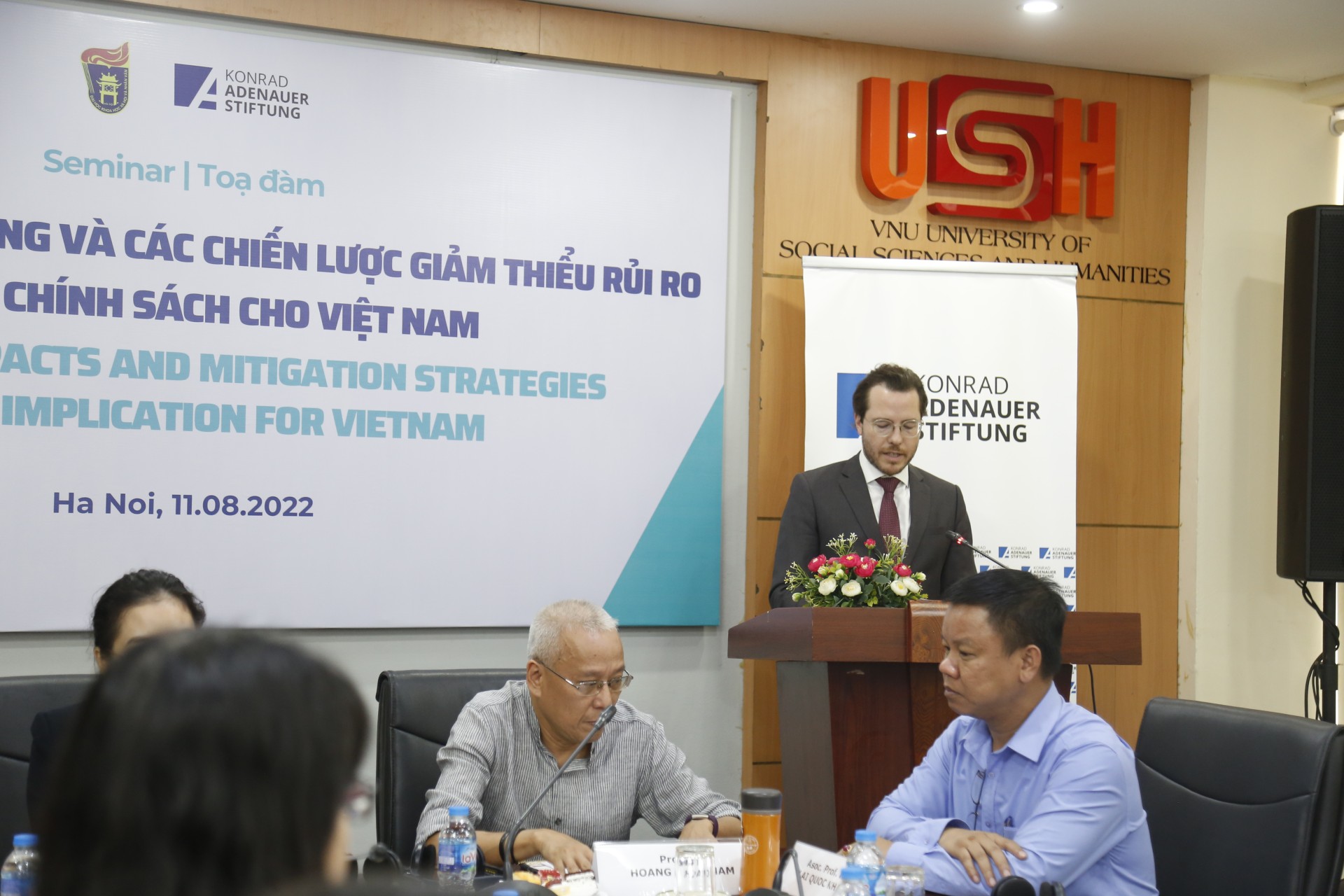
Mr. Florian Feyerabend (Head Representative of KAS Foundation in Vietnam) congratulated the school and KAS Foundation on their effective cooperation over the past period.
In his opening remarks, Professor Hoang Khac Nam (Head of the Department of International Studies) shared that 2022 will be a crucial historical moment, as countries worldwide will have to focus on addressing the severe consequences of the COVID-19 pandemic in all aspects. In recent days, we have witnessed a surge in oil prices, profoundly impacting all aspects of global social life and affecting individuals. Vietnam is not immune to this impact. Therefore, in this seminar, we hope to receive many presentations, comments, and discussions from experts to provide comprehensive and insightful perspectives and suggested solutions for Vietnam.
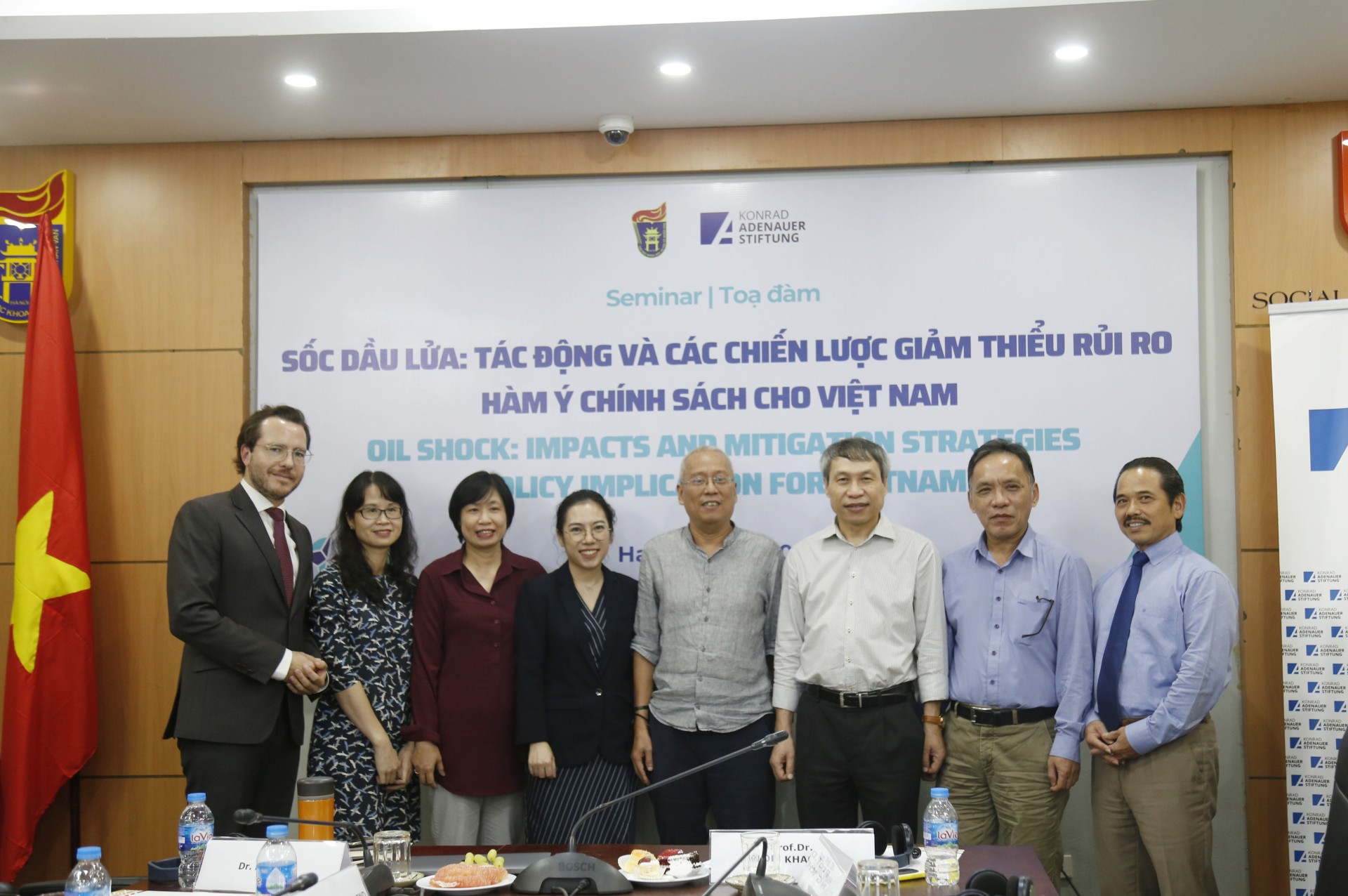
Professor Hoang Khac Nam and Dr. Le Lena (Faculty of International Studies, University of Social Sciences and Humanities) moderated the seminar.
The delegates presented three papers: Dr. Bui Ngoc Son (Institute of World Economics and Politics, Vietnam Academy of Social Sciences) with a paper: Changes in the oil market and forecasts of the current oil price shock; Prof. Dr. Heribert Dieter (German Institute for International and Security Studies): Impact from a series of shocks: High fuel prices and rising interest rates create negative impacts on the microeconomics; Dr. Vuong Quang Luong summarized: Factors affecting oil price fluctuations and some policy recommendations for managing and stabilizing the Vietnamese petroleum market.
Following the seminar's theme and after listening to the speakers' presentations, the attendees engaged in lively discussions and comments: the world has experienced energy crises, with oil prices reaching peaks (such as nearly $150/barrel in 2013), but also plummeting to very low levels due to the impact of many factors: politics, economics, science and technology, trade... among which the political factor is gradually diminishing and the economic factor is playing an increasingly important role. High energy prices and rising interest rates have very negative impacts on the microeconomics; European countries and other nations are engaged in heated debates about policies to address the oil crisis, especially during the harsh winter months when demand is high; many countries are experiencing inflation...
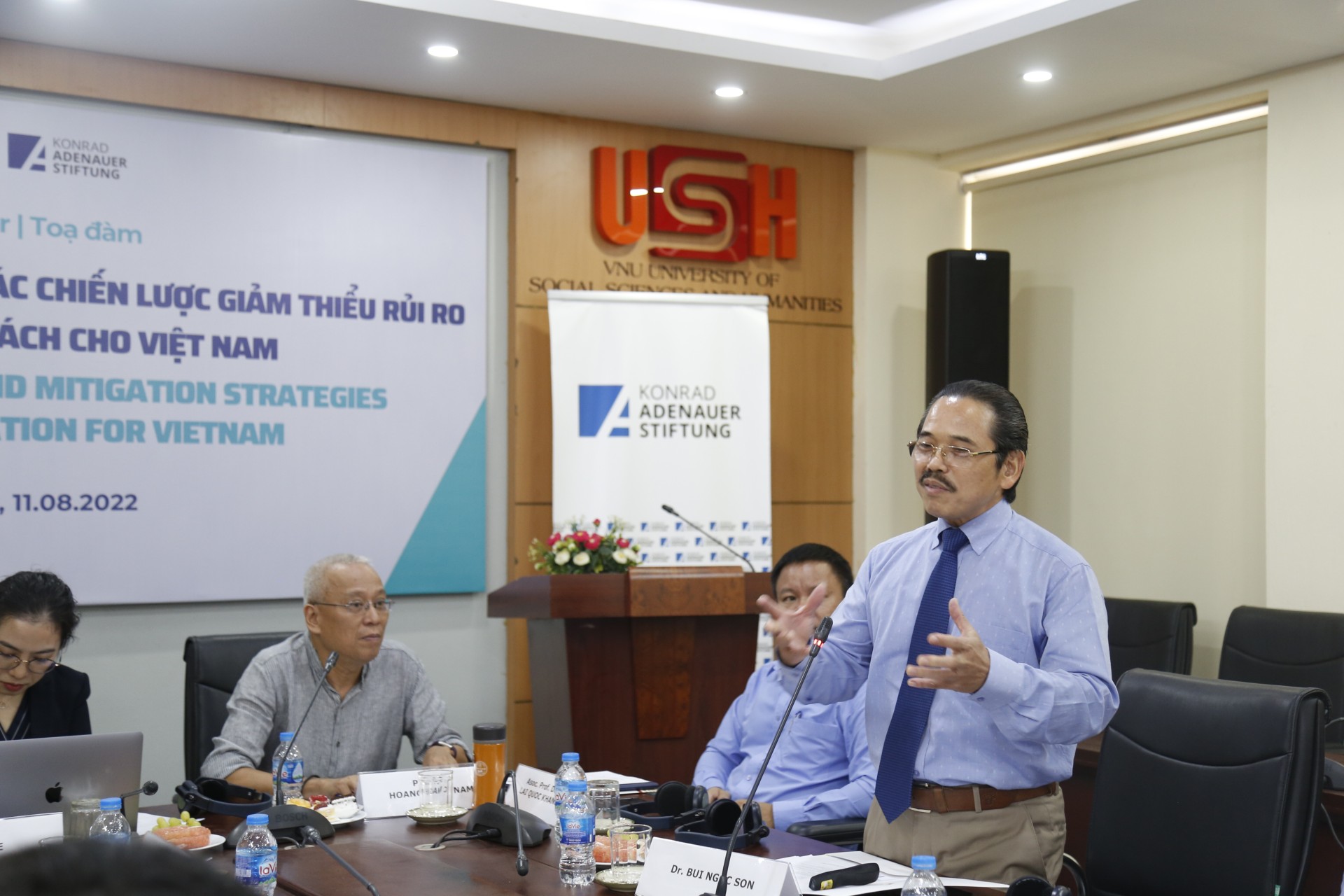
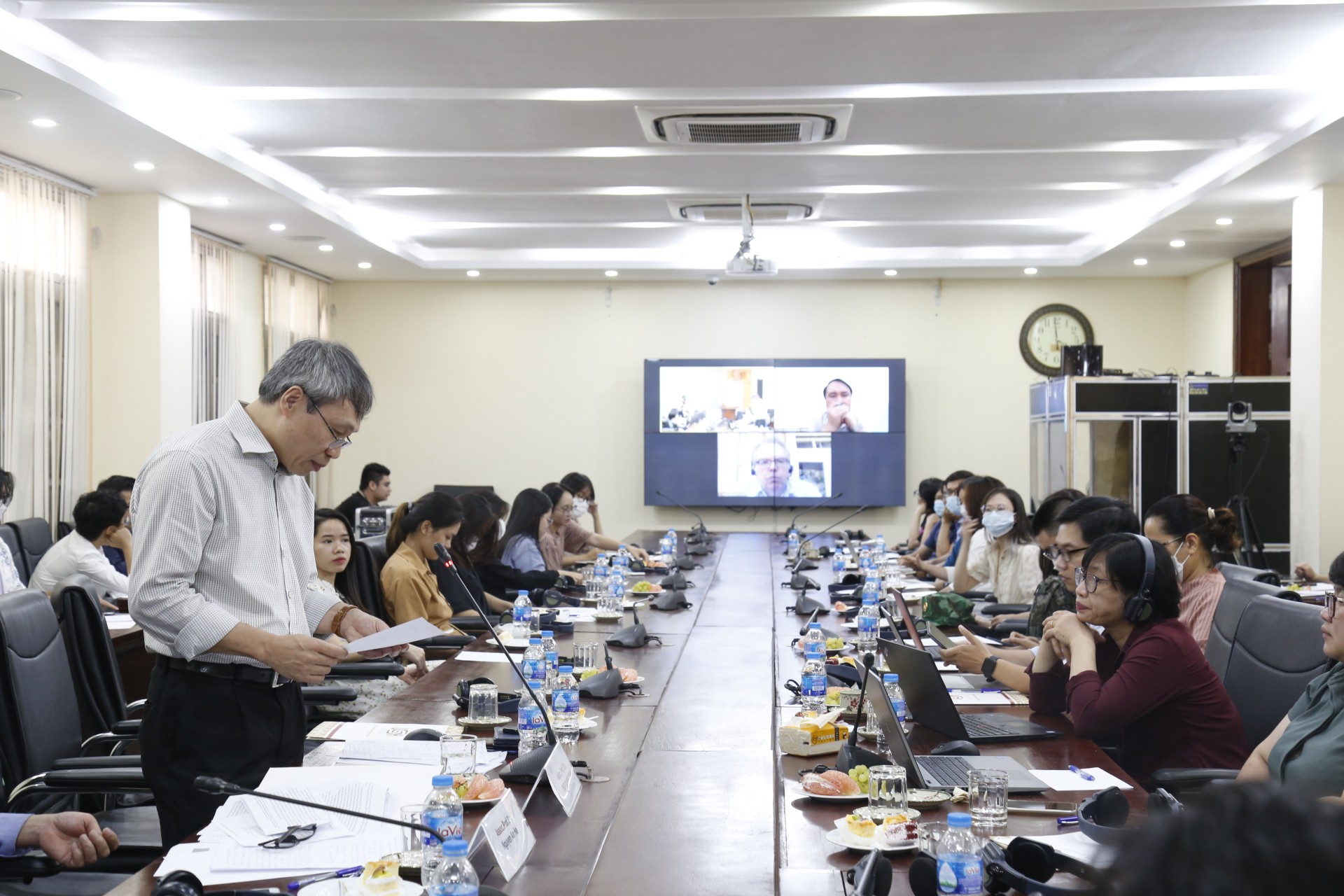
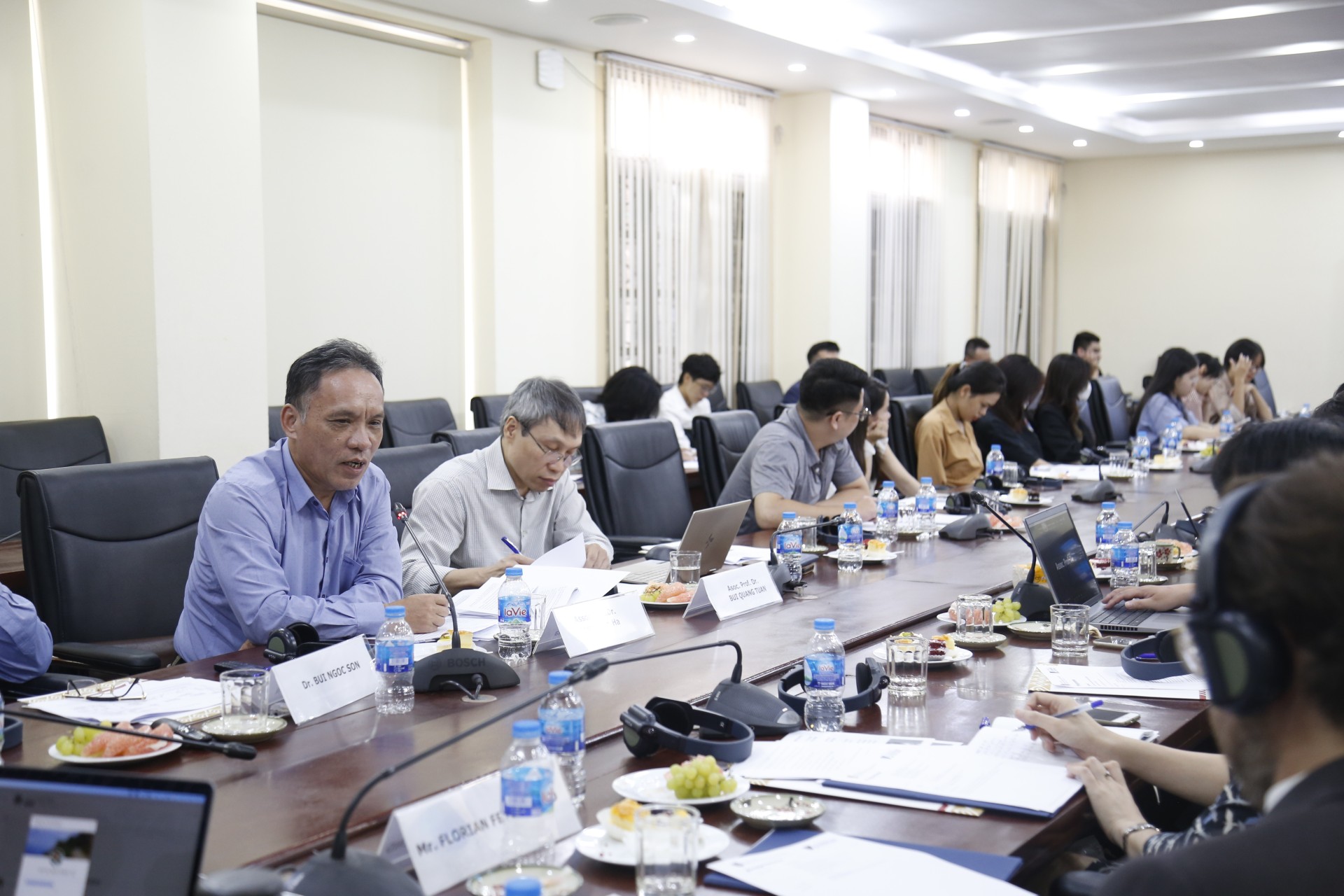
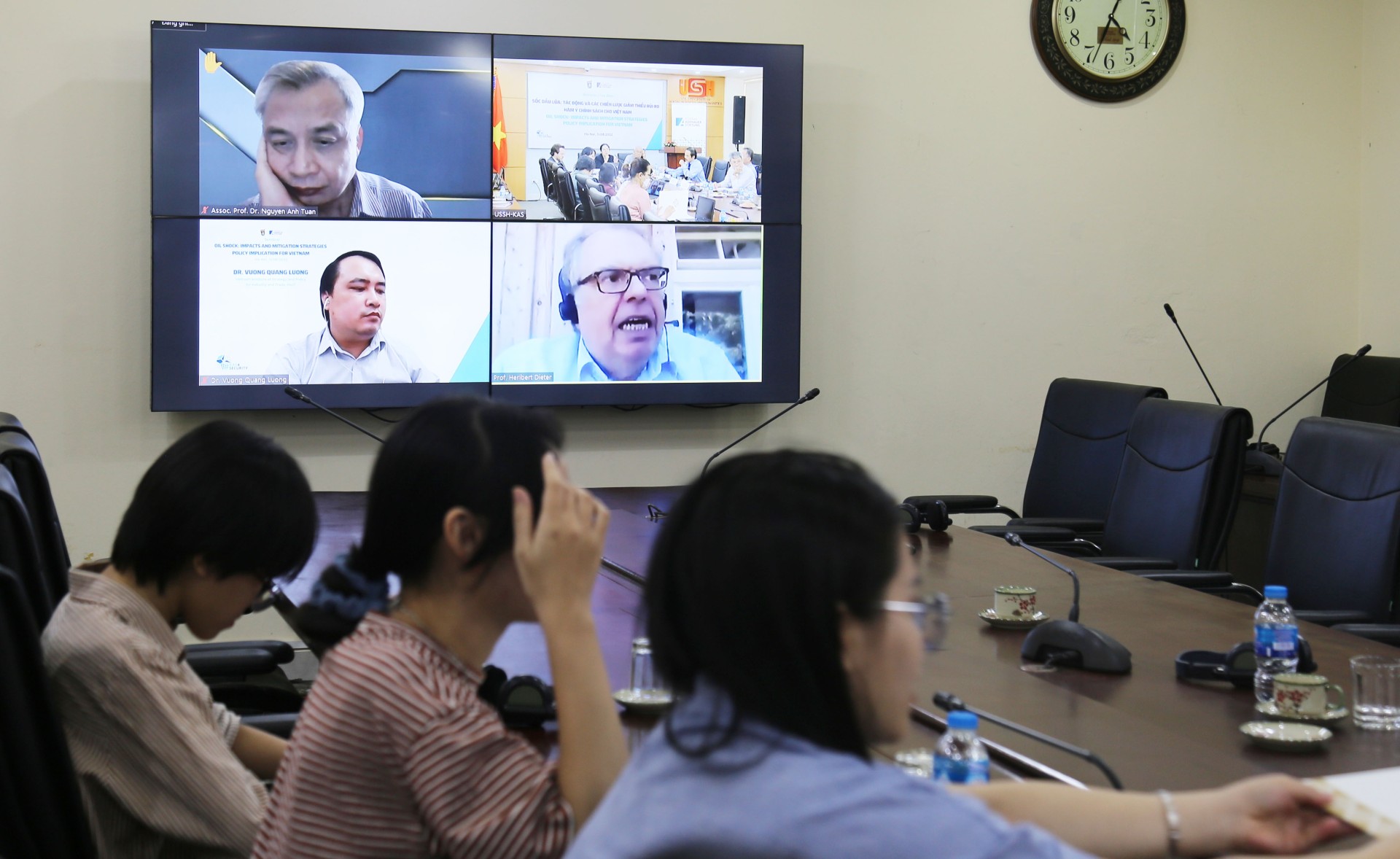
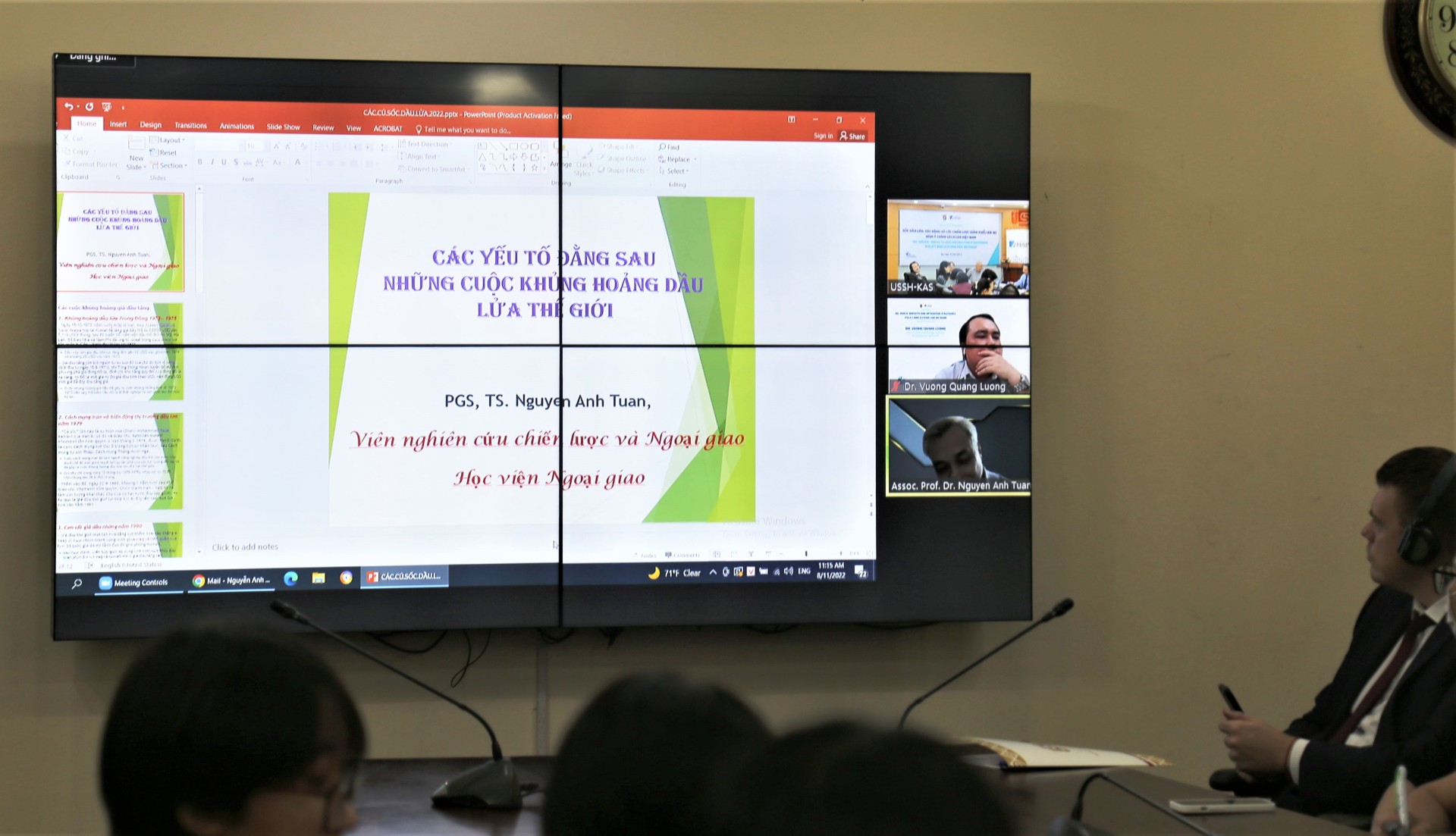
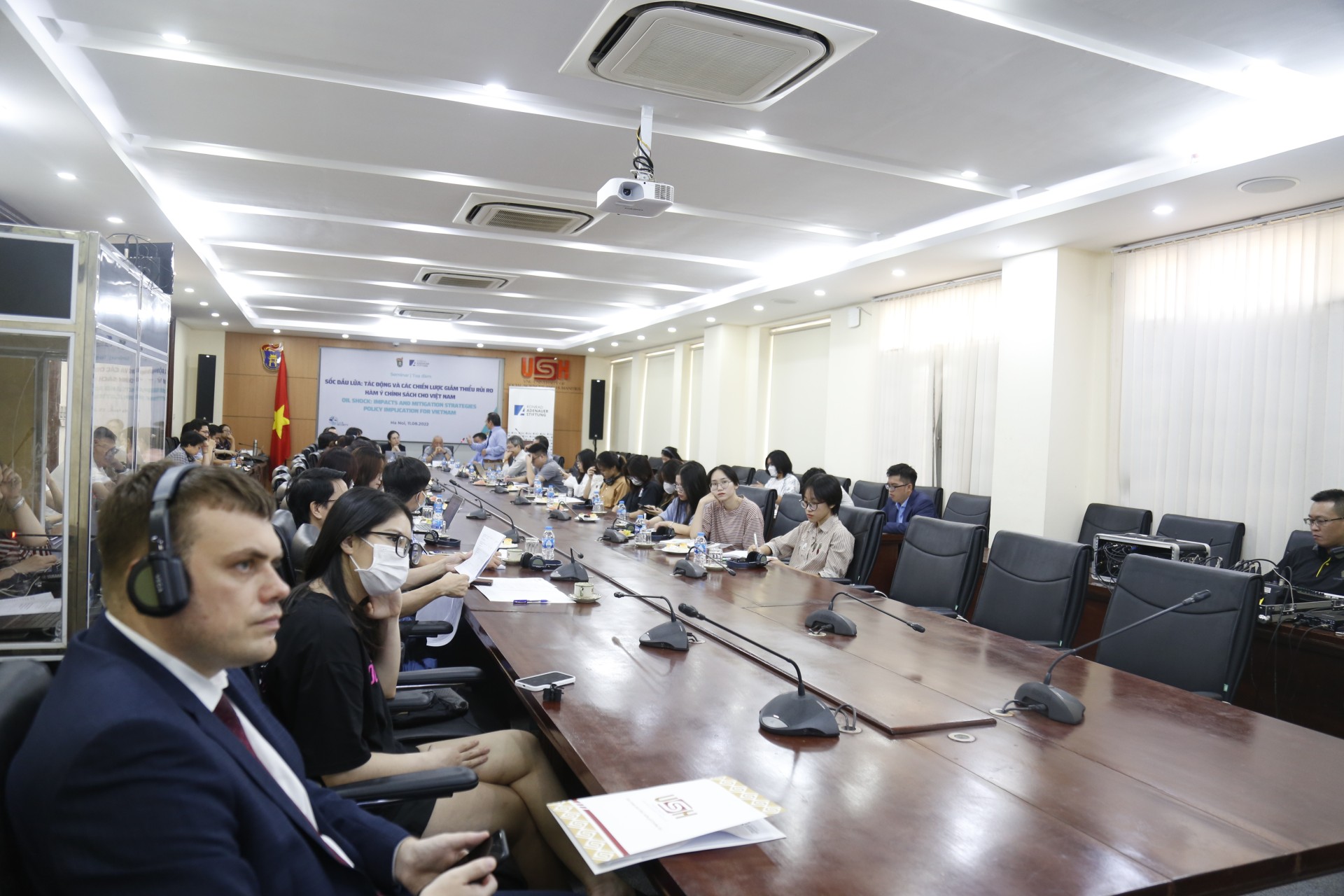
The seminar attracted the participation of numerous researchers and managers from various fields. Speakers presented, commented, and discussed directly in the auditorium and via Zoom.
However, in reality, the world is changing, gradually reducing the factors that could push prices to new record highs: OPEC is reducing its monopoly; oil is no longer a monopolized energy source; shale oil and the role of the US, and alternative fuel sources are being used more efficiently, so the world is gradually becoming less dependent on oil, and oil prices will not be able to continue to escalate. Therefore, we don't need to worry too much about the "shock" happening today. Many countries are also implementing strategies to reduce their oil consumption: replacing it with green and clean energy sources, and using energy-efficient vehicles and machinery.
"
It can be said that while the oil crisis had a powerful impact, disrupting the economy and the lives of individuals, it also presented an "opportunity." It spurred the world to more actively seek fundamental solutions to break free from excessive dependence on oil; to discover alternative and green energy sources; and it also provided a valuable lesson for Vietnam: having lacked oil reserves for many years, fluctuations in oil prices significantly impacted the country's economy and people's lives; it presented an opportunity to restructure the economy, seize this opportunity to accelerate innovation and creativity, and so on.", shared Dr. Bui Quang Tuan (Vietnam Institute of Economics).
In concluding the seminar, Professor Hoang Khac Nam expressed his sincere gratitude for the lively participation and insightful contributions from the speakers and researchers. The seminar highlighted that the issue of oil and oil prices is a global concern, impacting the entire world, affecting the lives of individuals, every aspect of the economy, and even politics and society. The consequences are significant: inflation, employment, and political stability. Oil is sometimes not just a commodity but also a political tool. In 2022, the oil crisis emerged at a time when the world was already suffering the consequences of the pandemic and the Russia-Ukraine war, making the situation even more severe and impactful. The opinions presented included predictions about oil prices in the medium and long term, along with several comprehensive solutions: reducing dependence on oil; promoting efficient and economical use; and addressing institutional and policy issues. Encouraging investment in science and technology; and oil reserves. Some opinions offered interesting suggestions and assessments: the oil price crisis also created some lessons and opportunities for Vietnam. Following the unexpected success of this seminar, Professor Hoang Khac Nam once again thanked the KAS Foundation and expressed his hope to continue receiving the Foundation's support and closer cooperation to implement more scientific research activities, workshops, and seminars in the future.