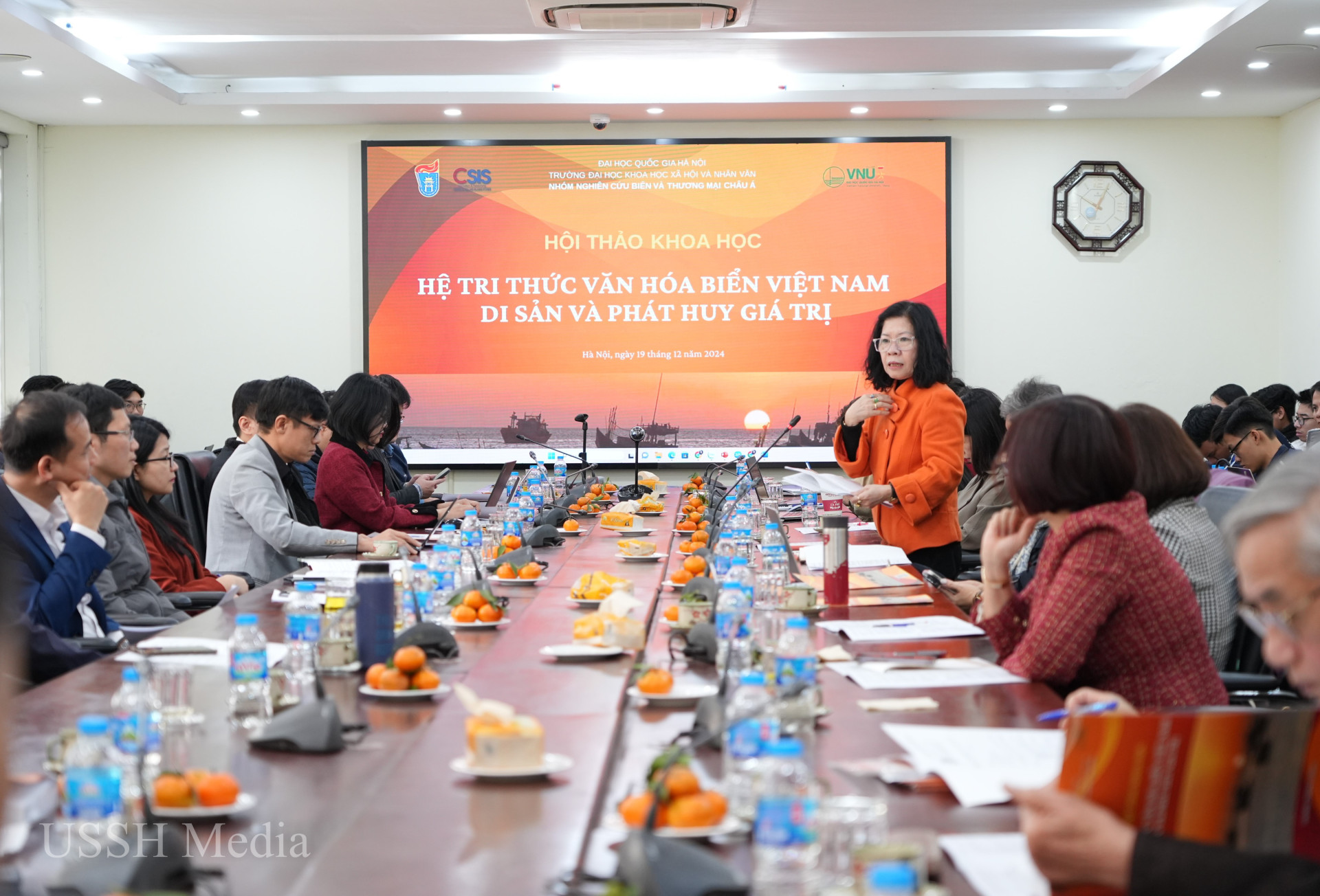
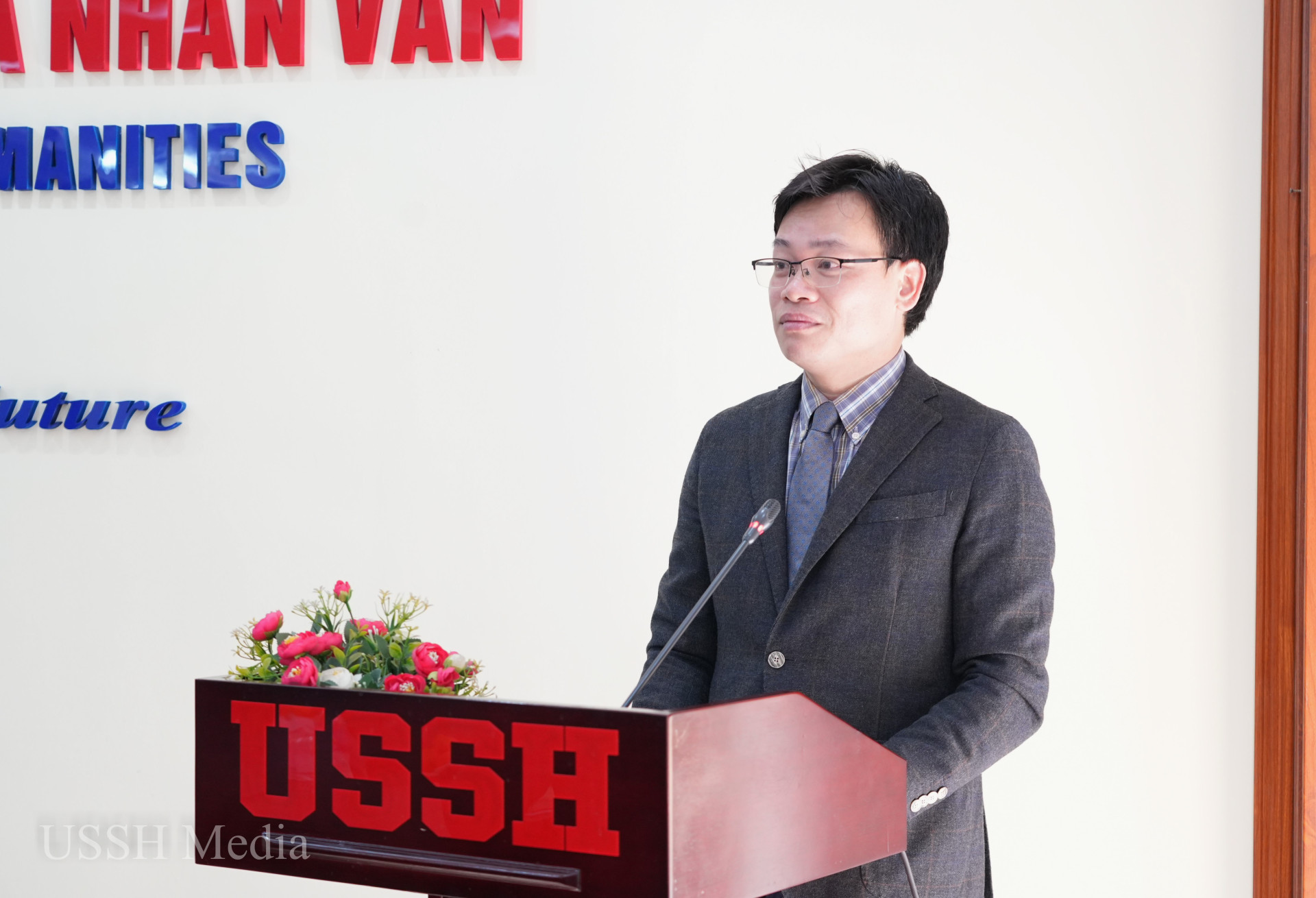
The urgent need for comprehensive research on marine knowledge systems.With the theme "Vietnam's Maritime Cultural Knowledge System: Heritage and Value Promotion," the conference attracted participation and received 37 high-quality scientific reports from reputable scientists at universities and research institutes nationwide, including: the University of Social Sciences and Humanities, Vietnam National University, Vietnam National University; the Vietnam Historical Science Association; the Vietnam Museum of Ethnology; the Vietnam National Institute of Culture and Arts; the Vietnam Academy of Social Sciences; the Ho Chi Minh National Academy of Politics; the Hoi An Cultural Heritage Conservation Management Board; the Vietnam Institute of Vietnamese Studies and Development Science (Vietnam National University, Hanoi); the School of Interdisciplinary Sciences and Arts (Vietnam National University, Hanoi); Hanoi Pedagogical University; the Coast Guard Training and Professional Development Center; Hanoi University of Culture; Dai Nam University; and the Central College of Pedagogy, Ho Chi Minh City, etc.
As an East Asian country bordering the Western Pacific Ocean, Vietnam possesses a long coastline and vast maritime space. For thousands of years, the sea has been a habitat, a space for survival, a rich resource area, and a gateway for economic and cultural exchange in Vietnam. Vietnamese maritime communities have early on integrated a diverse and rich knowledge base about the sea.
Vietnam's maritime knowledge system has been clearly demonstrated in ancient cultures, from the Dong Son culture in the North to the Sa Huynh-Champa culture (Central Vietnam), and the Oc Eo-Funan culture in the Mekong Delta. Throughout history, coastal communities have created, inherited, and developed maritime knowledge resources to sustain their lives, develop their socio-economic and cultural aspects, and expand their relations and diplomatic ties.
However, to date, research on marine knowledge systems remains quite limited and unsystematic. Furthermore, many valuable aspects of the nation's marine knowledge system have not been preserved and are increasingly being lost due to social and natural factors. Therefore, comprehensive research on marine knowledge systems is urgently needed to propose solutions for their preservation and promotion.
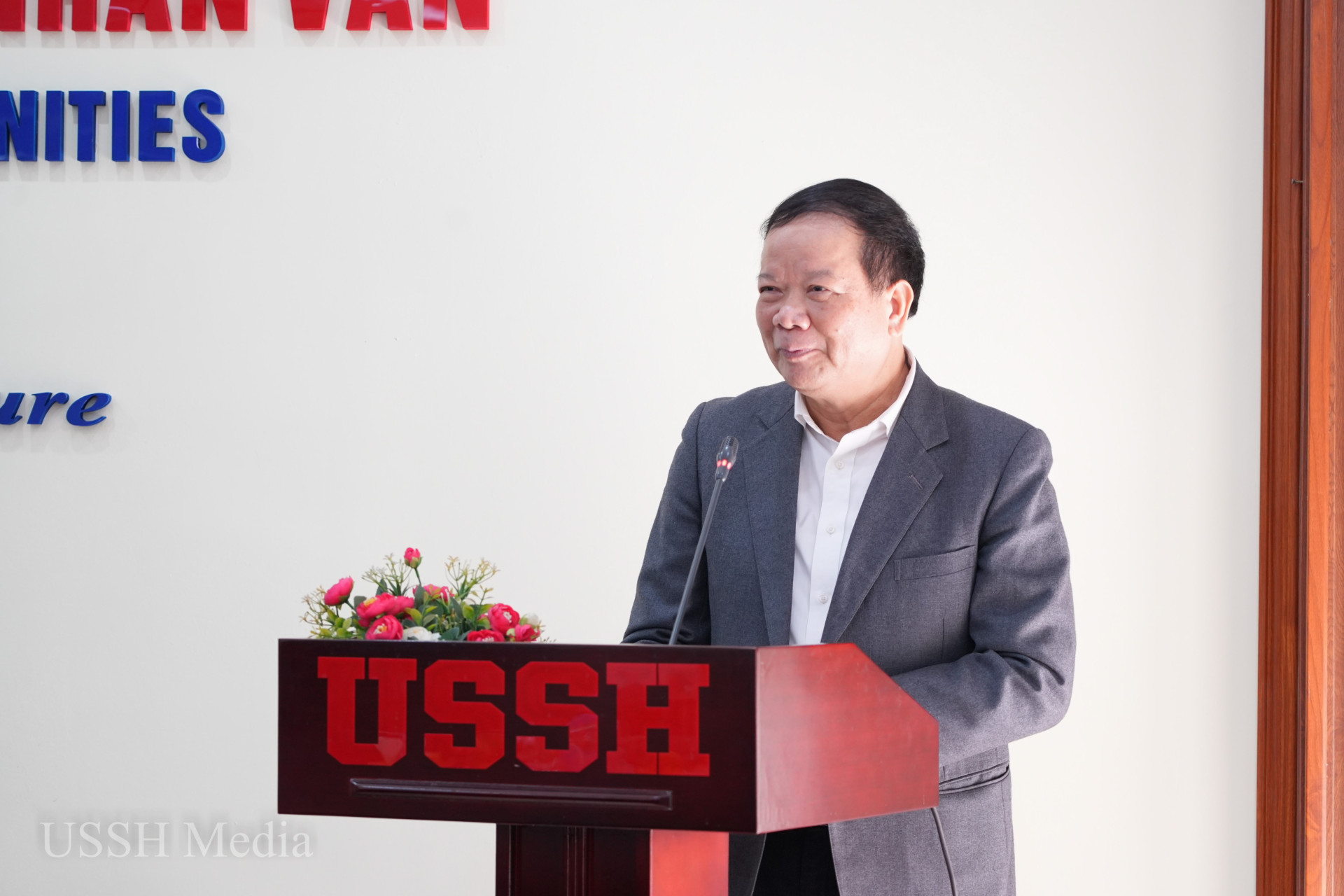
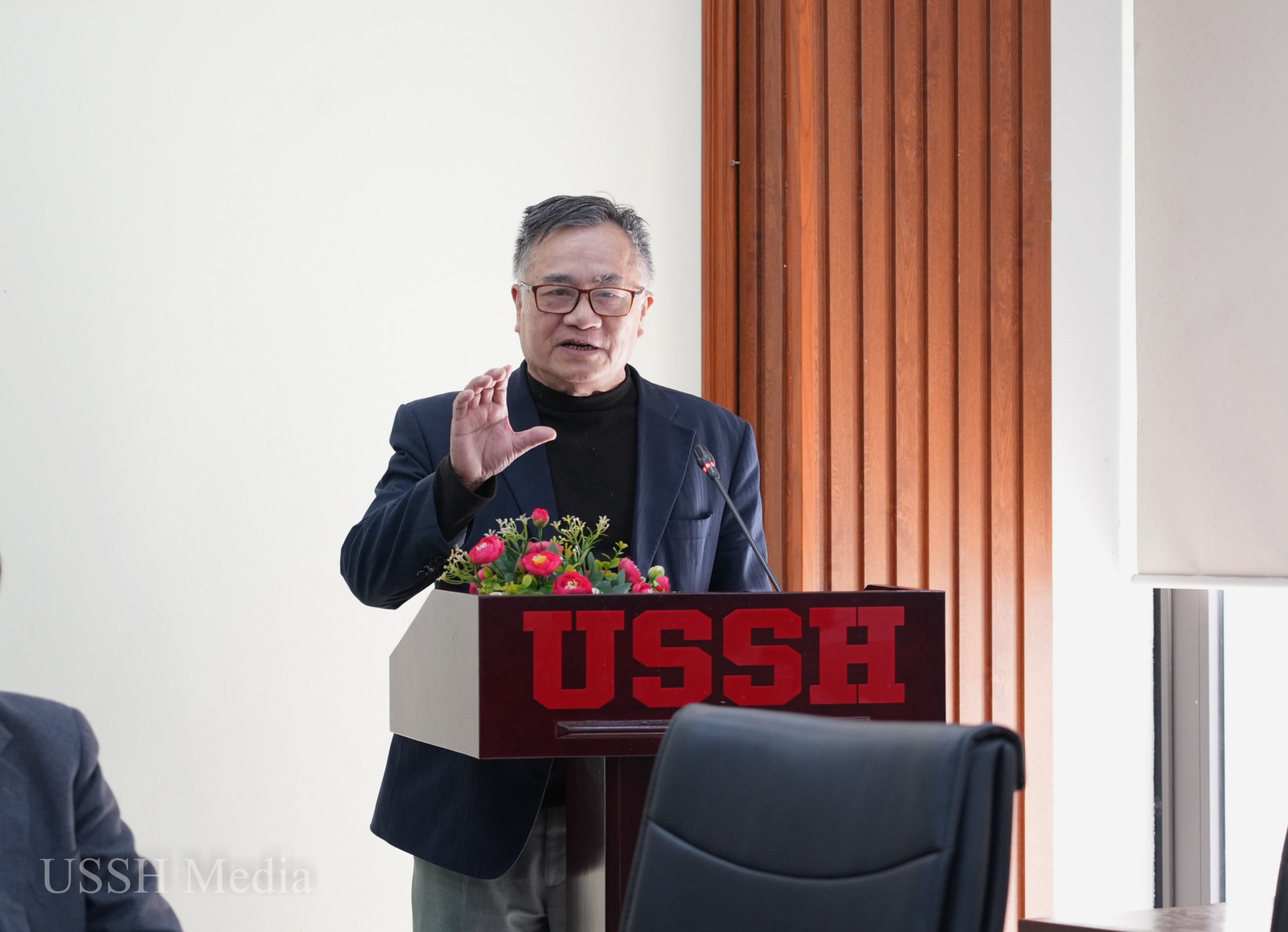
According to Professor Nguyen Van Kim, Vice Chairman of the National Council for Cultural Heritage and Head of the Asian Maritime and Trade Research Group, with the presence of many leading experts and a specialized approach combined with interdisciplinary approaches, the spatial distribution, initial assessment of reserves, characteristics, and value of Vietnam's maritime cultural knowledge system will continue to be clarified; the advantages and challenges that have been and are facing the preservation of maritime cultural heritage, including the maritime cultural knowledge system, will be further clarified; and the potential for mobilizing and developing these resources for the cause of national construction and defense will be assessed.
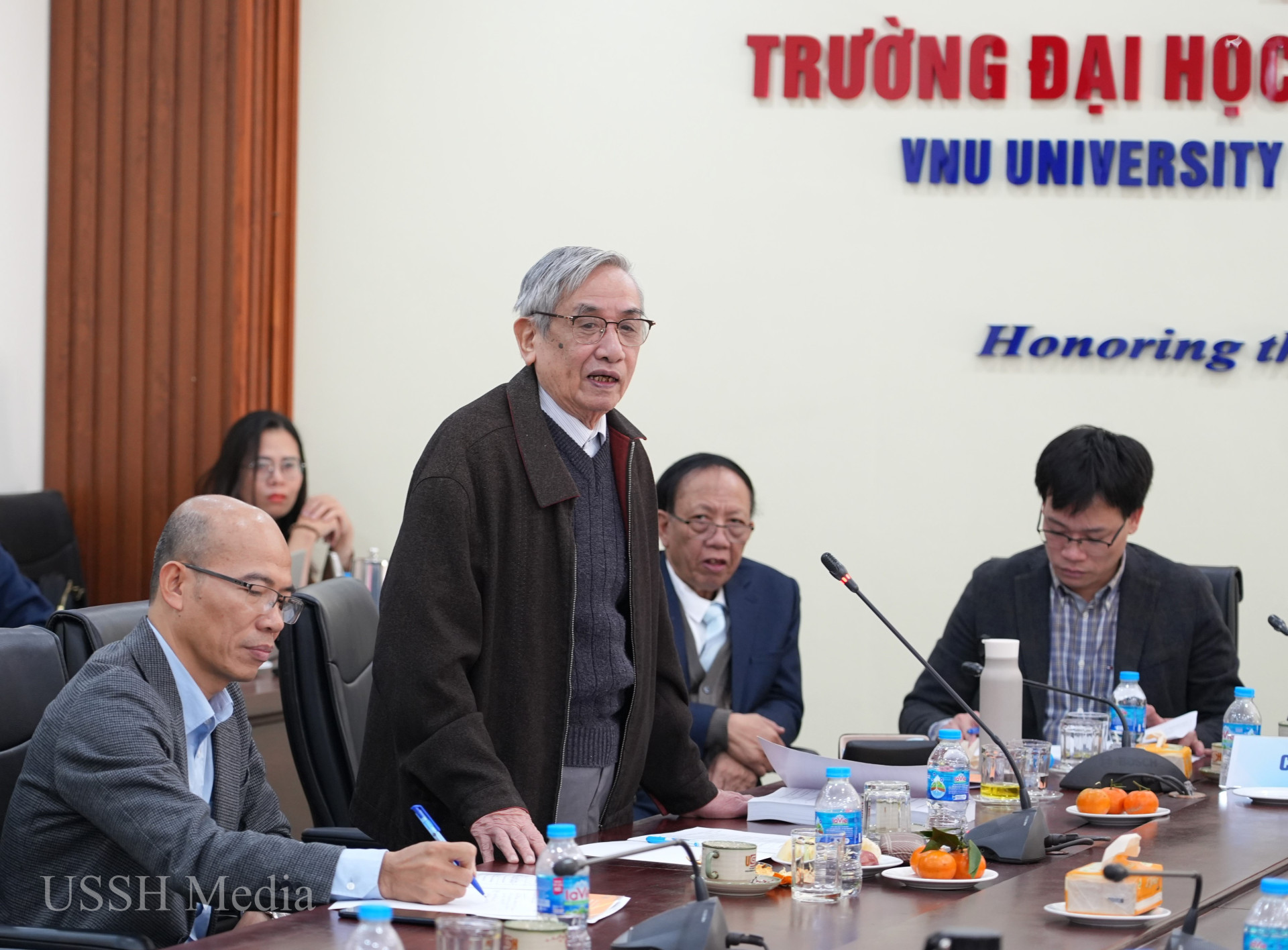
Professor Vu Duong Ninh - former Vice Dean of the Faculty of History, Hanoi University (1992-1995), former Dean of the Faculty of International Studies, University of Social Sciences and Humanities
Highly appreciating the scientific value of the conference, Professor Vu Duong Ninh - former Deputy Head of the History Department, Hanoi University (1992-1995), former Head of the International Studies Department, University of Social Sciences and Humanities - affirmed that the conference contributed to clarifying and enhancing the importance of the sea from many perspectives. Researchers with their rich scientific knowledge contributed to raising awareness of the role of the sea in the sustainable development of the country.
Maritime cultural knowledge systems from multiple scientific perspectives.The workshop was divided into 3 sessions in both in-person and online formats, including (1) Vietnamese maritime cultural knowledge system: general issues; (2) Vietnamese maritime cultural knowledge: A complex system; (3) Vietnamese maritime knowledge: The era and figures.
The issues of marine knowledge have been comprehensively discussed by scientists in various fields: understanding of marine spaces, the characteristics of natural conditions, monsoon regimes, and ocean currents; knowledge of marine resources, fishing grounds, maritime trade routes, economic activities, and marine livelihoods. In addition, there is knowledge of shipbuilding techniques and other maritime vessels; knowledge of protecting maritime sovereignty and security, and marine economic resources; marine knowledge as expressed in festivals, cultural activities, and the spiritual life of coastal communities; knowledge of maritime rescue and the ability to recognize and prevent unusual disasters in the sea and the natural world, etc. Based on these studies, scientists have proposed recommendations and solutions for preserving and promoting the value of Vietnam's marine cultural knowledge system.
According to Professor Nguyen Van Kim, research results show that across all four marine spaces and within communities, a unique reserve of maritime cultural heritage still exists. This is the knowledge system of strong, compassionate, and creative people. Coastal inhabitants, especially veteran fishermen, are always knowledgeable about heaven, earth, rivers, and the sea. These communities and talented individuals are always conscious of preserving cultural genes, and they are the guardians of the nation's rare and precious cultural genetic code.
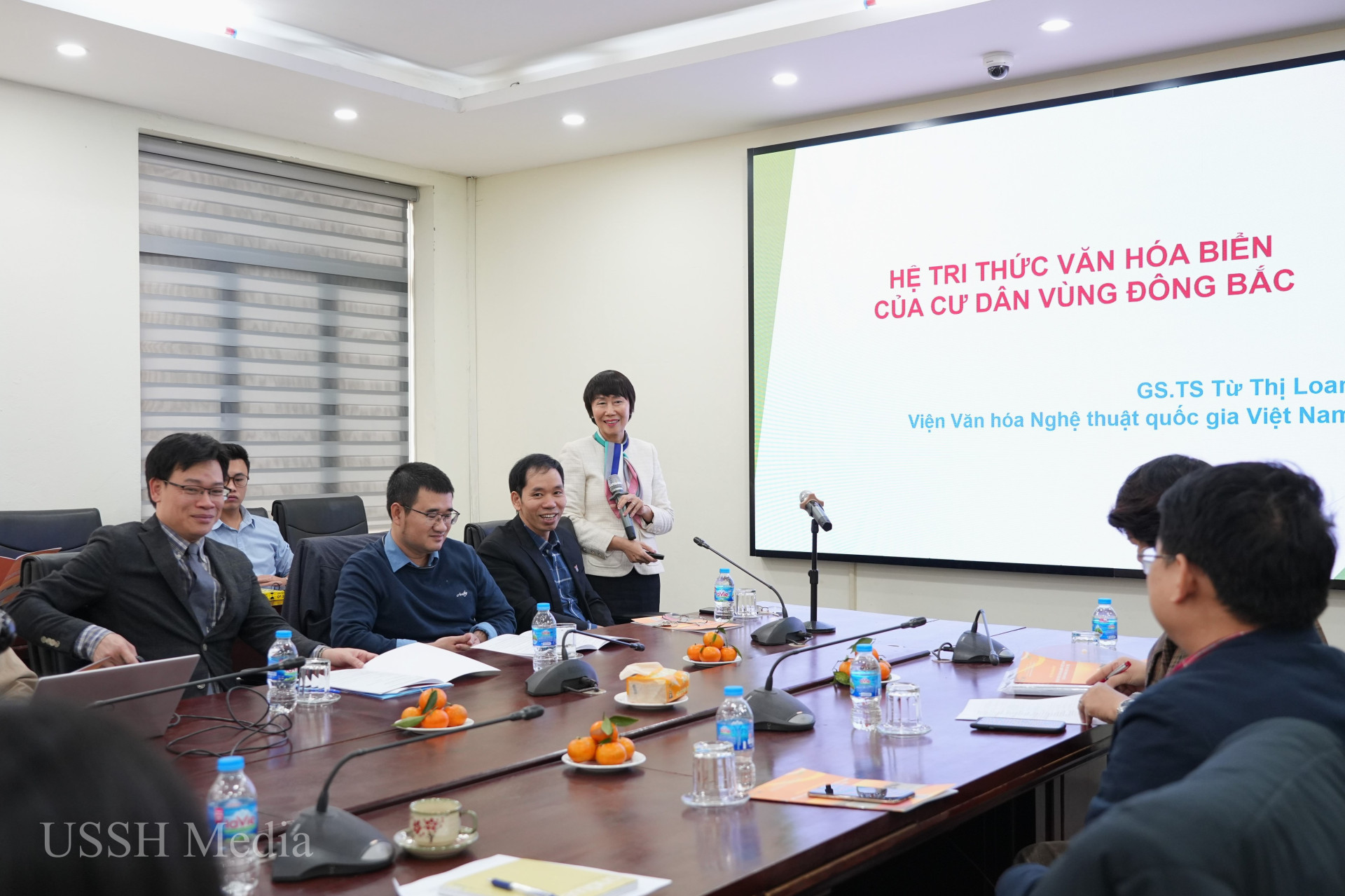
Professor Dr. Tu Thi Loan presented a paper on "The Maritime Cultural Knowledge System of the Inhabitants of the Northeast Region".
Associate Professor Dr. Nguyen Duy Thieu shared information on the topic "Going to Sea Following the Stars: Indigenous Knowledge of Vietnamese Fishermen"
In his presentation titled "Following the Stars at Sea: Indigenous Knowledge of Vietnamese Fishermen," Associate Professor Dr. Nguyen Duy Thieu stated that the local knowledge of fishermen is an inexhaustible treasure trove of intangible cultural values that contribute to the cultural identity of each community. Presenting at the conference, the speaker provided abundant information on various groups of indigenous knowledge, including: knowledge related to spatial perception, knowledge established according to time frames, knowledge about the behavior of caught species; disaster prediction; adaptation to nature and storm protection of the Bo Lo people; and community health care.
Associate Professor Dr. Nguyen Duy Thieu affirmed that, in addition to its practical significance in daily life, folk knowledge has become an integral part of the identity of each specific community. Even when people are forced to relocate to the mainland for resettlement, and worse, when they are forced to change their traditional occupations and abandon the knowledge passed down from their ancestors, society, organizations, and individuals involved in cultural research and management still have a responsibility to develop strategies for researching, collecting, and documenting their rich local knowledge to preserve this precious treasure for future generations.
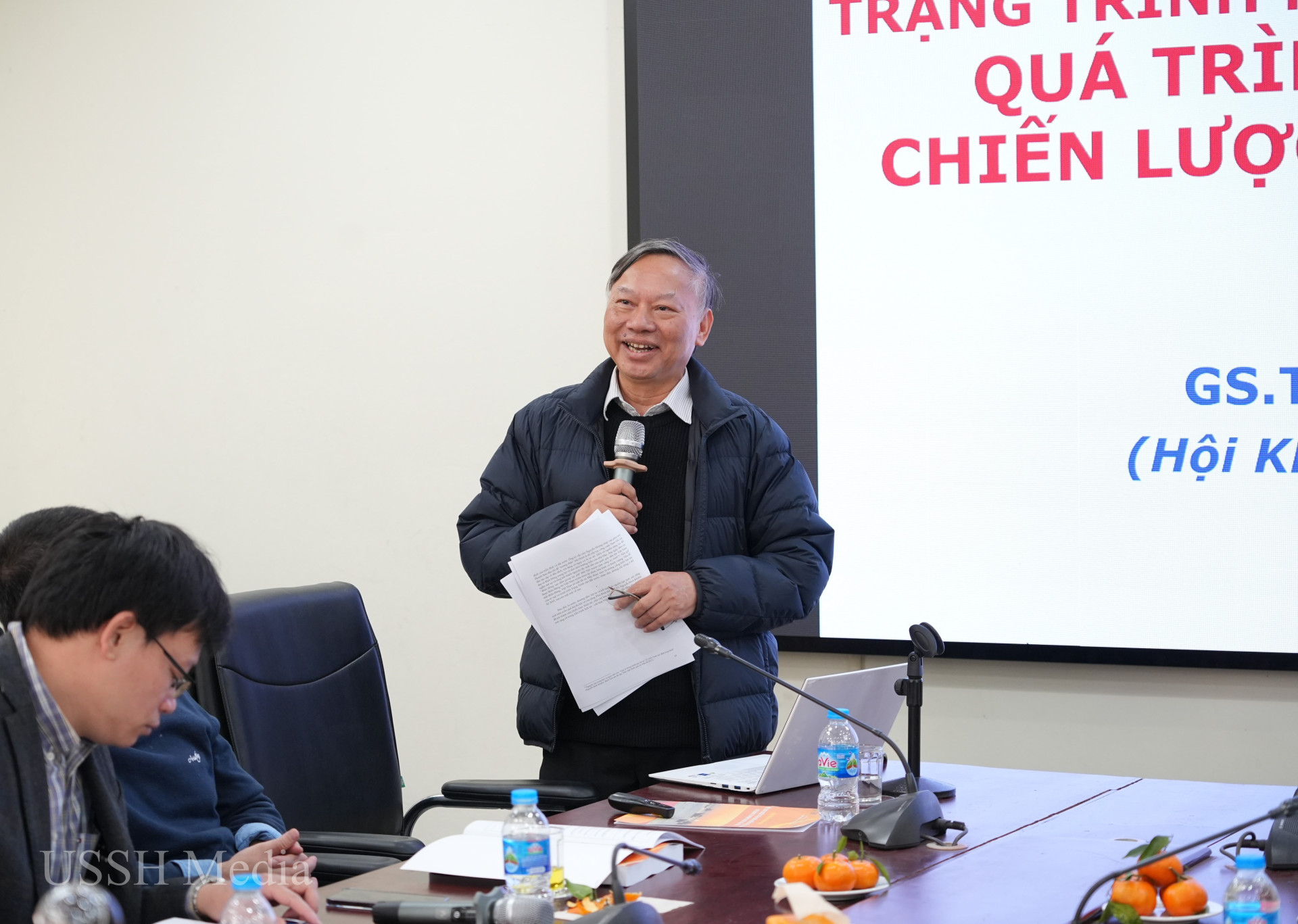
Professor, Doctor, People's Teacher Nguyen Quang Ngoc - Vice President of the Vietnam Historical Science Association, presented a paper entitled "New Resources and Vitality in the Homeland of Trạng Trình in the 16th Century".
In his research on the resources and renewed vitality of Trạng Trình's homeland in the 16th century, Professor, Doctor, and People's Teacher Nguyễn Quang Ngọc - Vice President of the Vietnam Historical Science Association - stated that Trạng Trình's homeland in Trung Am commune, Vĩnh Bảo district (paternal home) and Kiến Thiết commune, Tiên Lãng district, Hải Phòng city (maternal home) was the largest and most important gateway to the Đại Việt nation in the 16th century, and also the place that fostered the outstanding development of talent and intellect from the Eastern region.
Trạng Trình Nguyễn Bỉnh Khiêm was a wise and knowledgeable philosopher, representing the most outstanding intellect of Vietnam during the Mạc dynasty, and leaving a profound mark on the historical and cultural development of Vietnam from the early 16th century to the present day. His most distinctive and overarching legacy is his genius as a strategist, overcoming all the complexities and dangers of a turbulent era with unwavering dedication to his country and people. Understanding the abundant resources of the East Sea and the Mạc dynasty's maritime vision, he pondered the affairs of the world day and night, summarizing them into a principle for the survival of the Vietnamese nation: “The East Sea, spanning thousands of miles, is held firmly in our hands / Vietnam's land will remain stable and peaceful for millennia.” If Vietnam can hold the East Sea, it will enjoy eternal stability, peace, and prosperity. If it loses the East Sea, Vietnam will lose everything. (Professor, Doctor, People's Teacher) Nguyen Quang Ngoc emphasized that these are considered great contributions of the intellect and wisdom of Trạng Trình to the country and its people, not only in the 16th century, but also for all time to come.
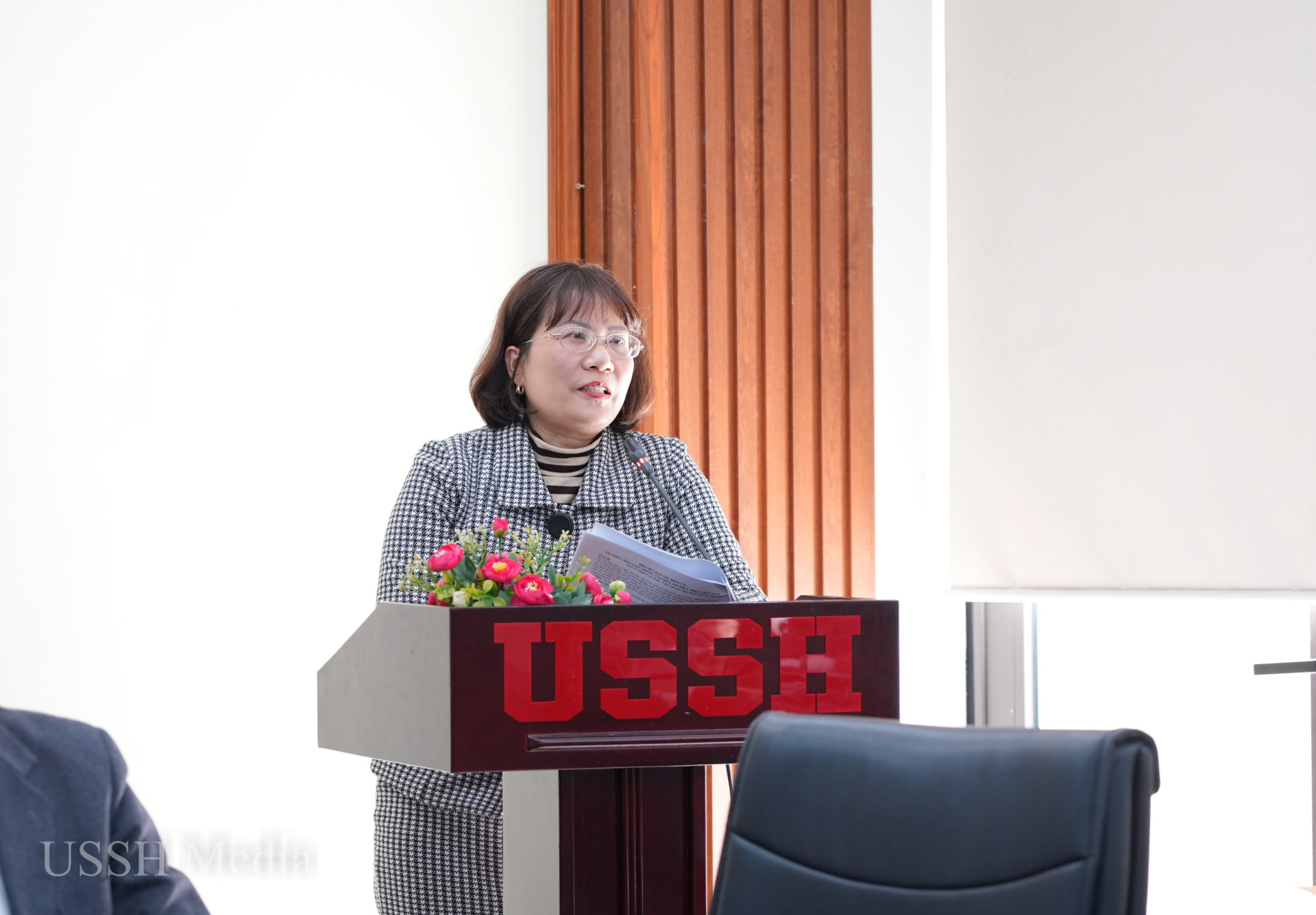
Associate Professor Dr. Pham Lan Oanh - Vietnam National Institute of Culture and Arts, and the report "Some aspects of maritime identity and folk knowledge in Vietnamese seafood culinary culture"
Analyzing Vietnamese maritime folk knowledge from a cultural perspective, particularly in culinary culture, Associate Professor Dr. Pham Lan Oanh addressed the role of folk knowledge in techniques for exploiting, preserving, and processing seafood, and the close connection between cuisine and religious rituals and cultural customs. The speaker emphasized the regional cultural diversity in seafood cuisine, comparing it with other countries in the region, while also pointing out challenges such as environmental pollution and the erosion of knowledge in the context of globalization.
Maritime folklore, particularly in culinary culture, is a clear testament to the interplay between humans and nature, reflecting the cultural depth of Vietnam's coastal communities. From a cultural studies perspective, researching this knowledge not only helps systematize maritime cultural values but also opens up new approaches to cultural preservation and development, creating opportunities for the sustainable development of traditional cuisine in the current context.
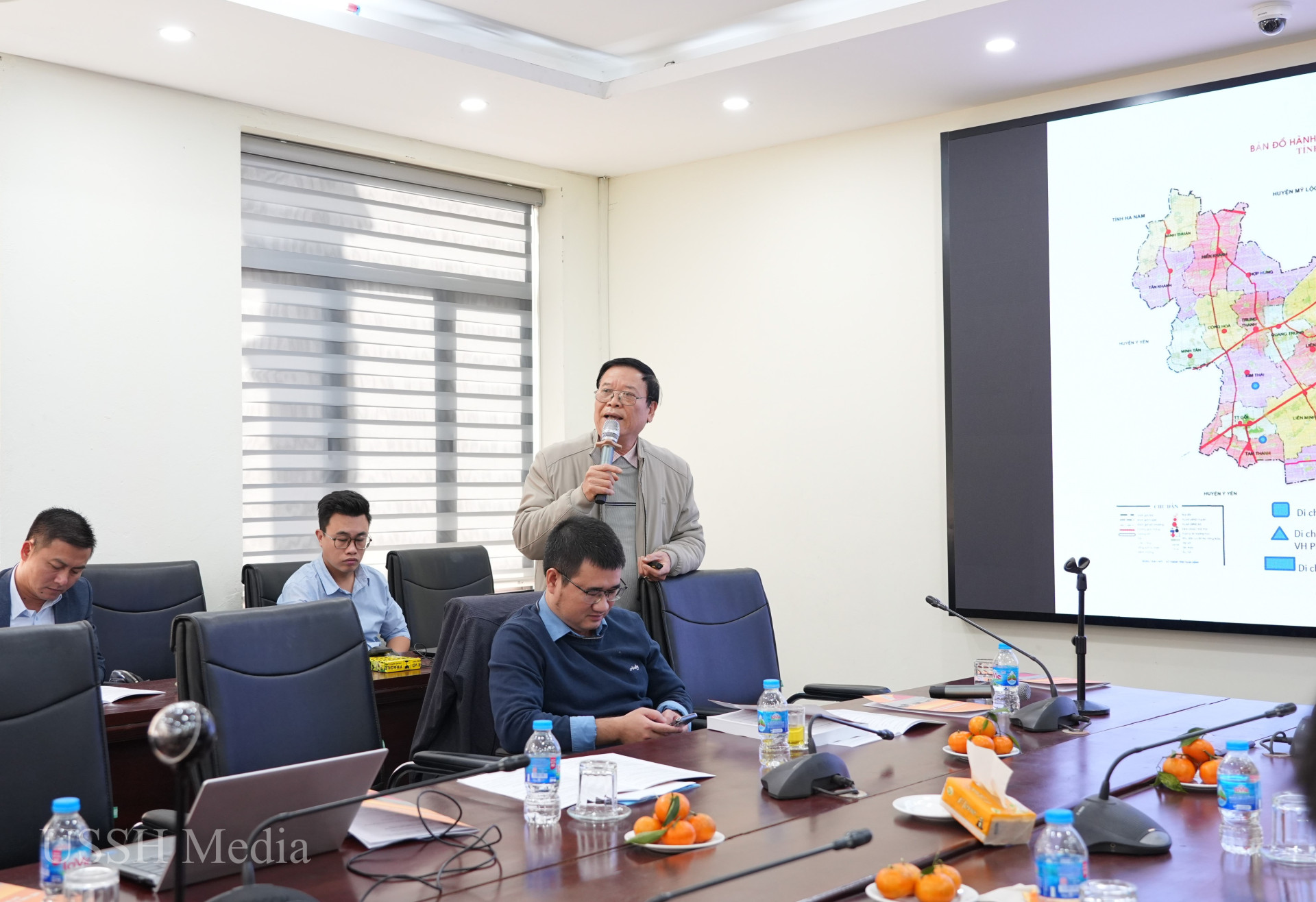
Associate Professor Dr. Lai Van Toi - Institute of Imperial City Studies, Vietnam Academy of Social Sciences, presented a paper entitled "The Sea and Prehistoric People and the Belief in Worshipping the Great King of the East Sea".
Assoc. Prof. Dr. Nguyen Thi Phuong Chi, Institute of History, Vietnam Academy of Social Sciences - Dr. Trinh Thi Huong, Hanoi Medical University: The Imprint of Buddhism during the Tran Dynasty in the Coastal and Island Regions of Vietnam
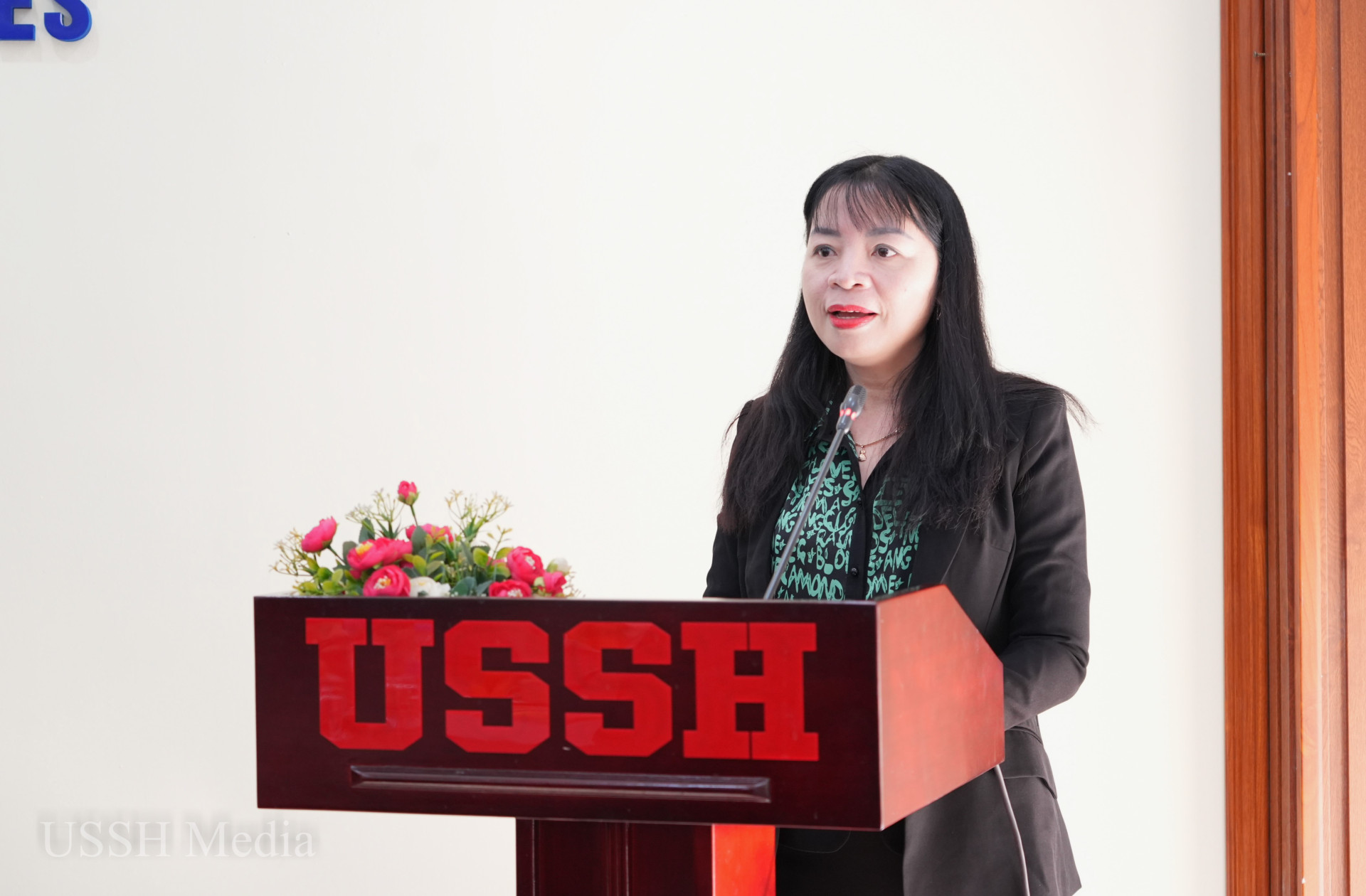
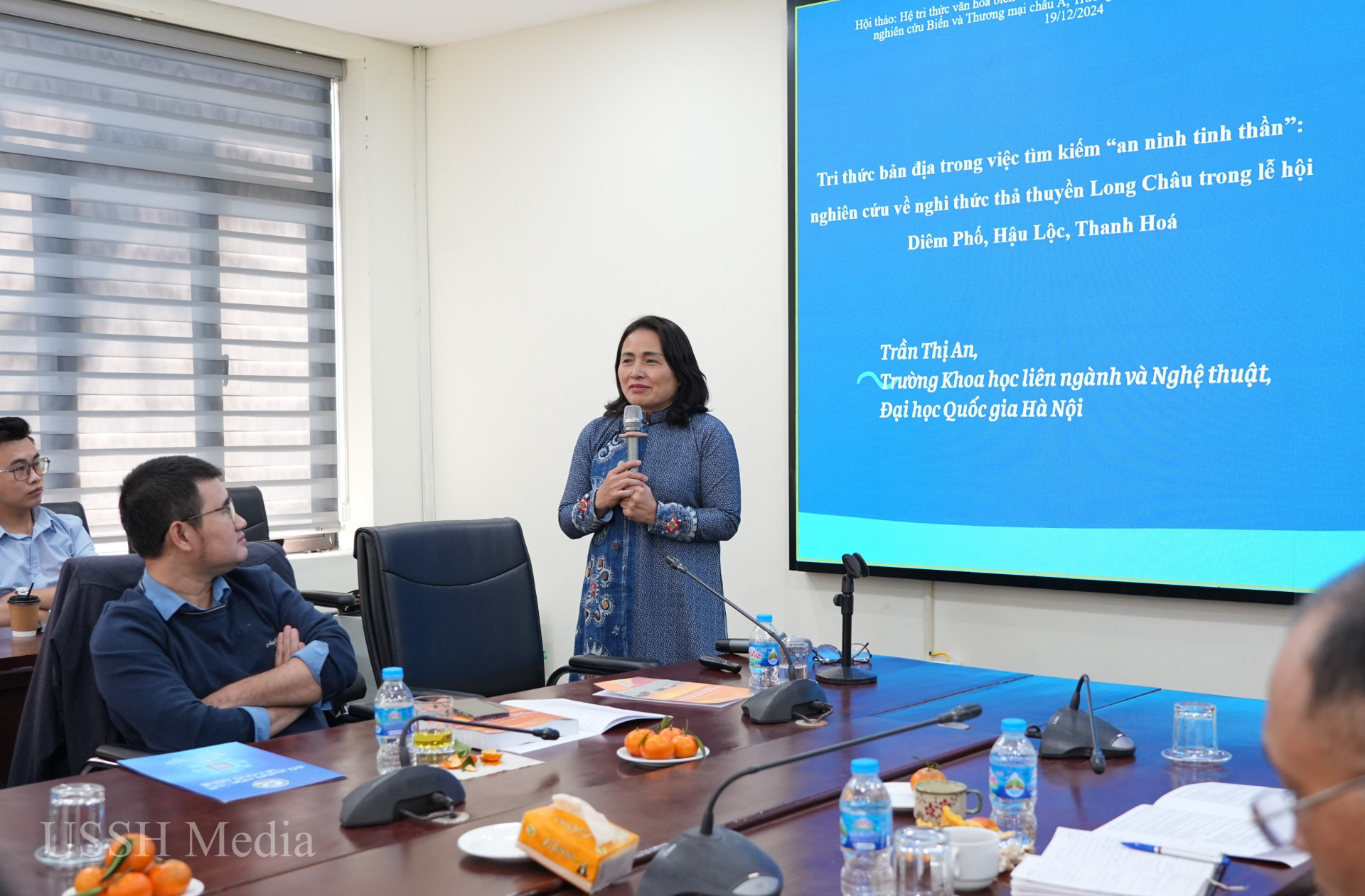
Assoc. Prof. Dr. Tran Thi An - Head of Interdisciplinary Science and Arts, Vietnam National University, Hanoi, presented the report "Indigenous Knowledge in the Search for 'Spiritual Security': A Study of the Long Chau Boat Release Ritual in the Diem Pho Festival, Hau Loc, Thanh Hoa". The workshop received many lively and valuable scientific and practical exchanges from scientists of different generations, demonstrating the appeal, transmission, and continuity of scientific research on the maritime cultural knowledge system in Vietnam. Many presentations showcased specialized and interdisciplinary thinking, bringing about new advances in research on this currently relevant scientific issue.
Following the workshop, the Asian Maritime and Trade Research Group will provide policy advice to Party and State agencies on preserving maritime cultural heritage and mobilizing and utilizing those resources for the cause of national construction and defense.
The conference proceedings are expected to be published as a successful research paper, attracting the attention of the scientific community and relevant agencies, affirming the prestige, academic level, and depth of research of Vietnamese scientists in general and scientists from the University of Social Sciences and Humanities, VNU Hanoi in this field.
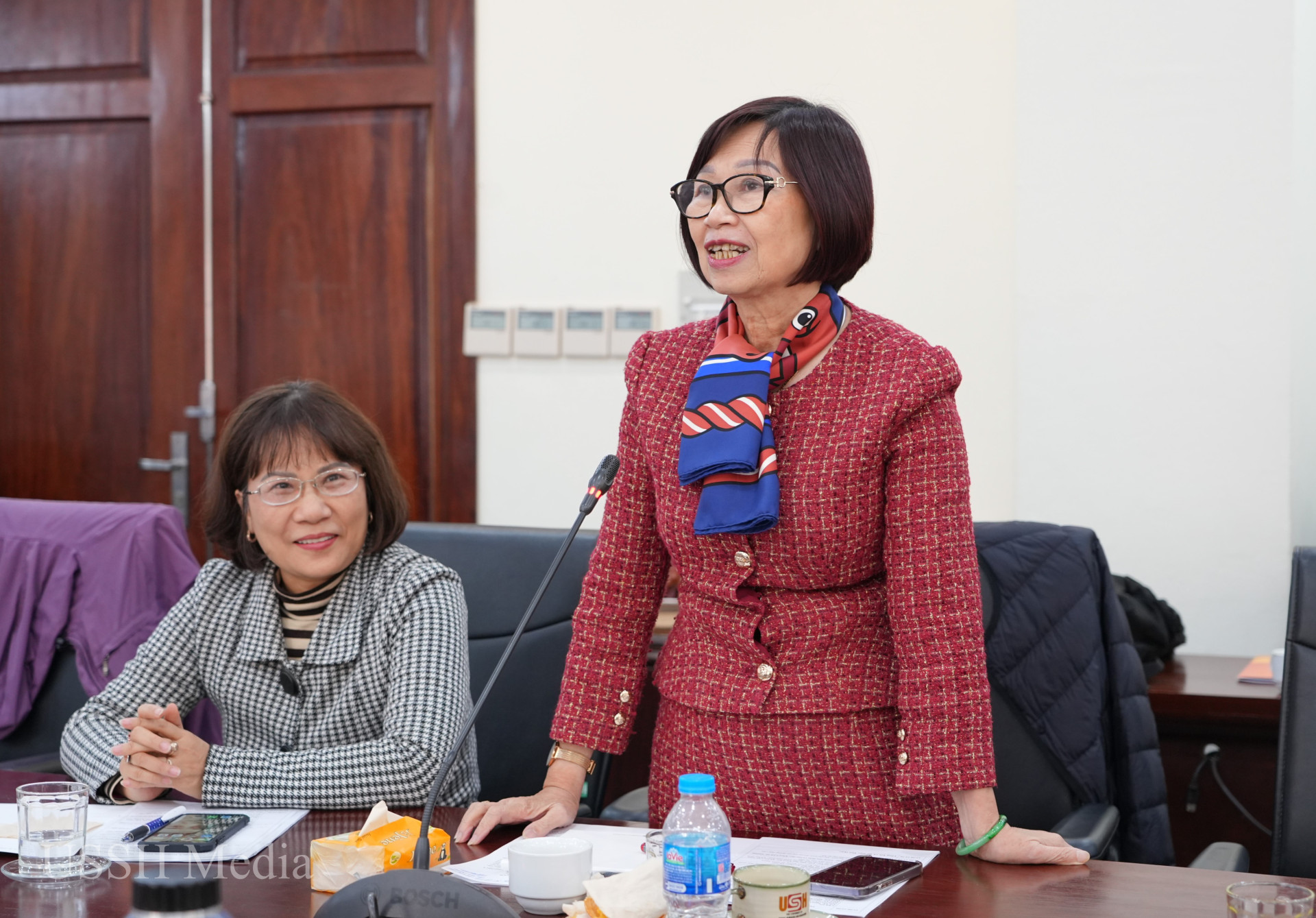
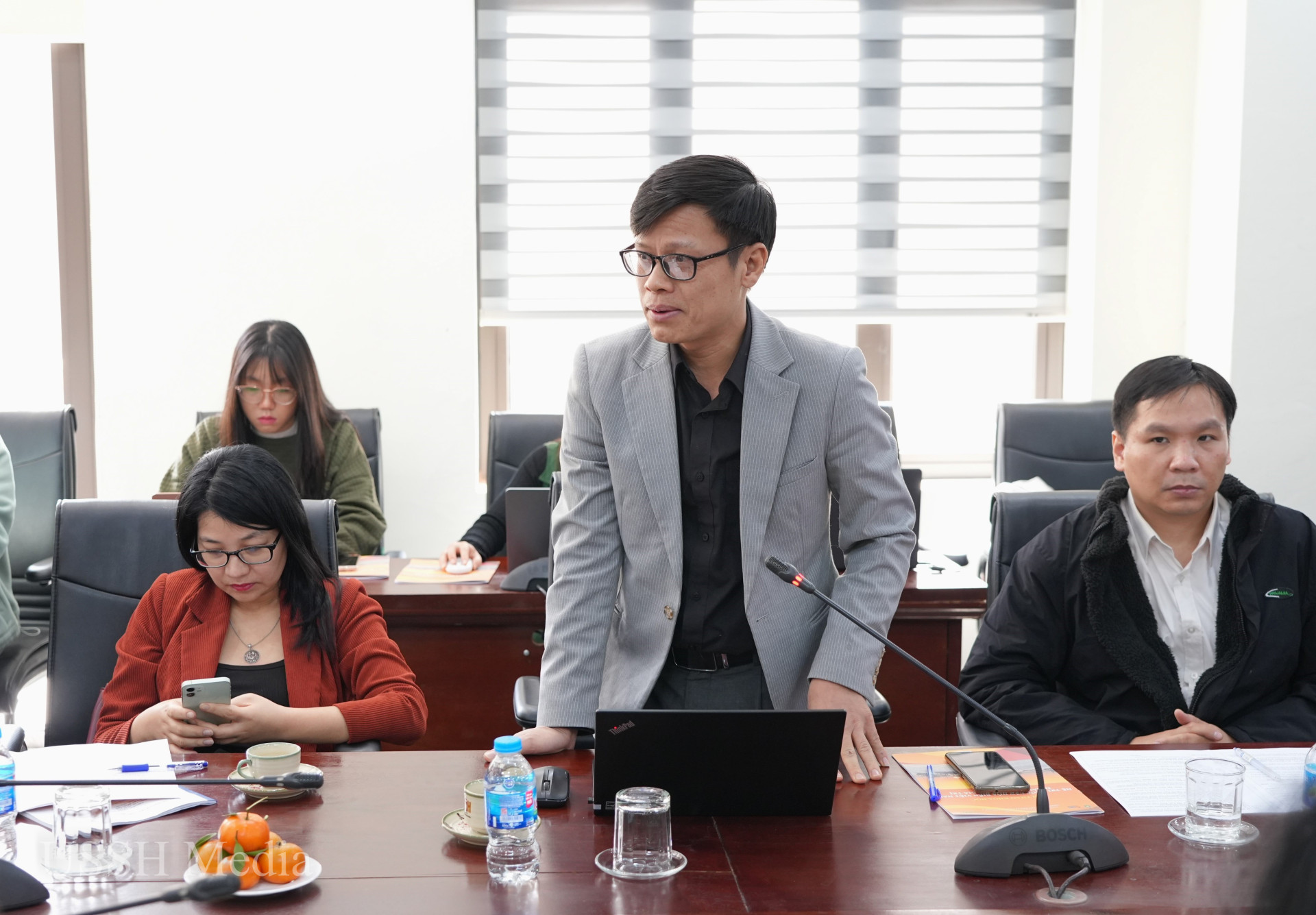
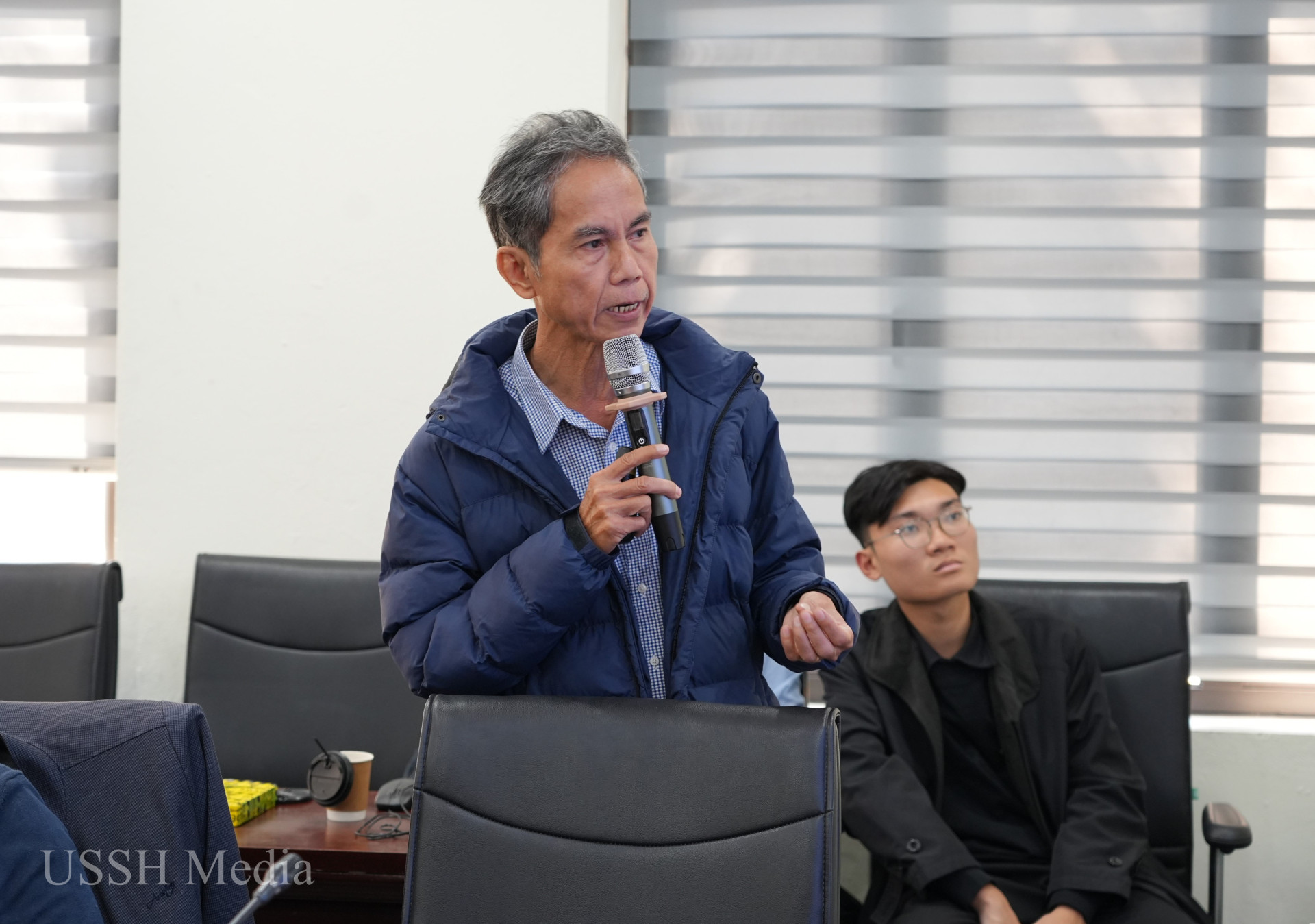
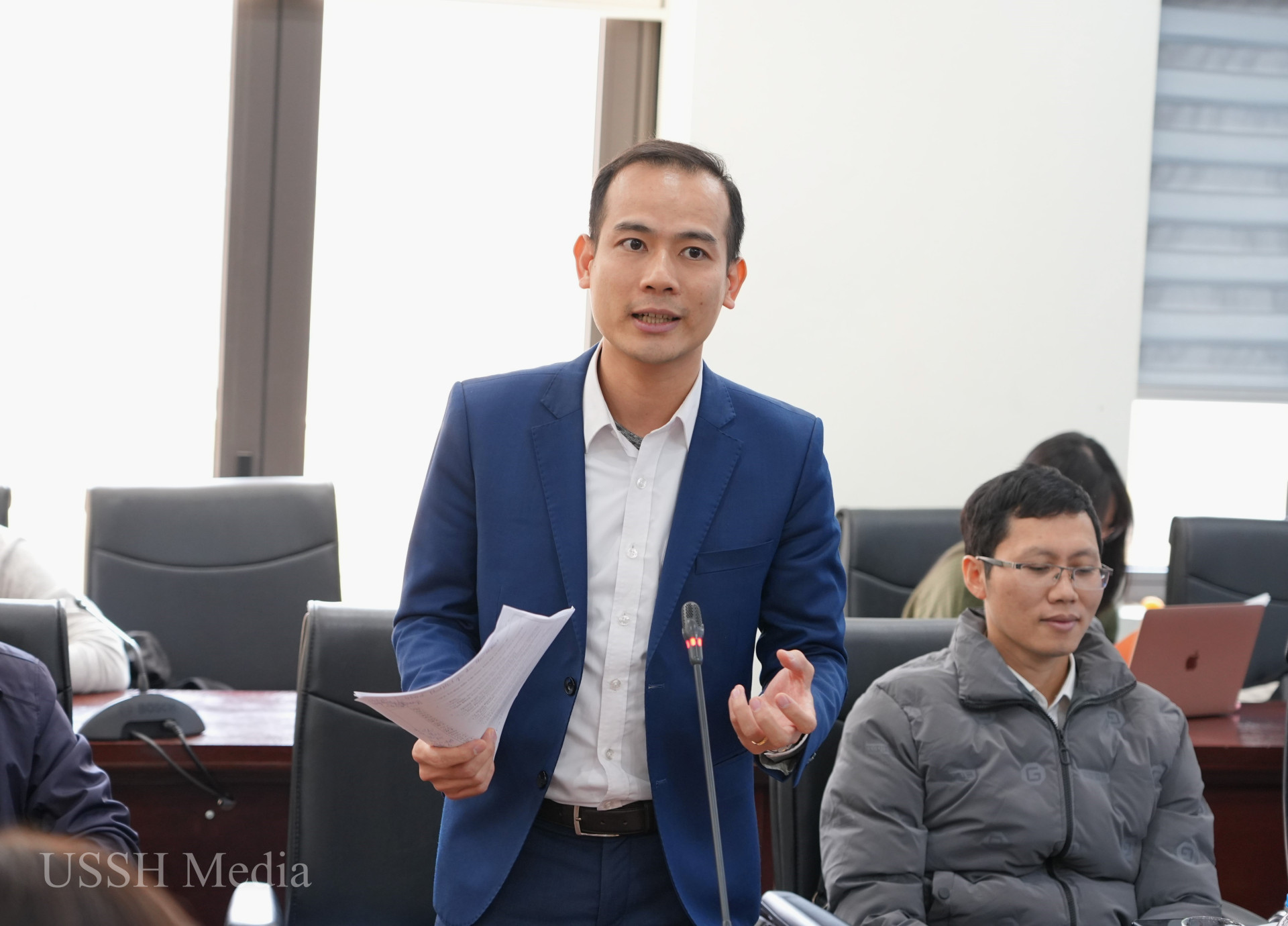
Some images from the workshop "Vietnam's Maritime Cultural Knowledge System: Heritage and Value Promotion" on December 19, 2024:
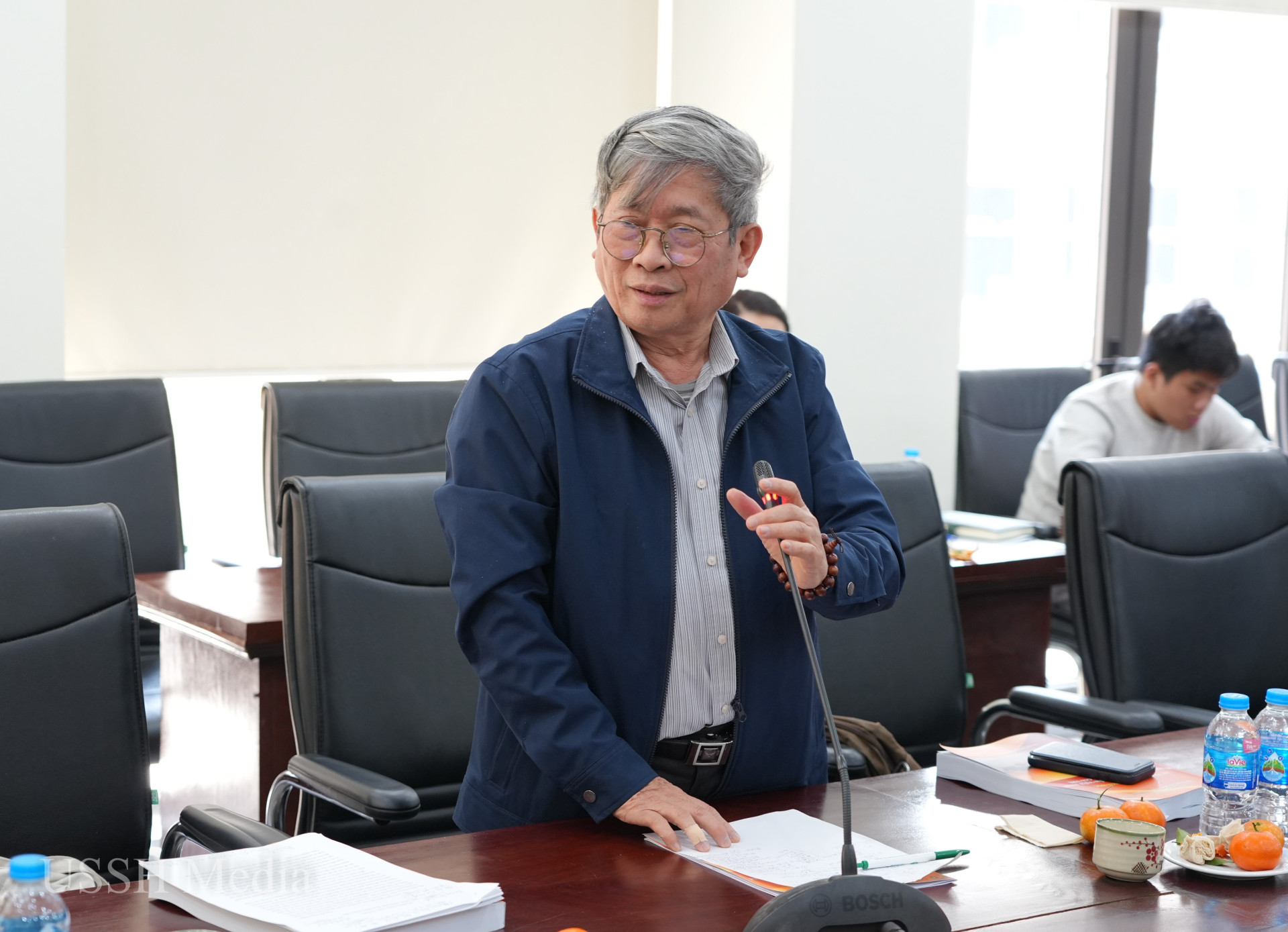
Professor, Doctor, Meritorious Teacher Nguyen Chi Ben - former Director of the Vietnam National Institute of Culture and Arts
Dr. Le Thi Minh Ly - Vice President of the Vietnam Cultural Heritage Association
Dr. Do Danh Huan - Institute of History, Vietnam Academy of Social Sciences, presented the paper "Vietnamese Monarchies and Salt Resources in History: Documents and Perceptions".
Researcher Nguyen Thanh Loi from the Central College of Pedagogy in Ho Chi Minh City shared information about maritime knowledge in the conquest and exploitation of the Southern Vietnam sea region.
Dr. Vu Duc Liem, Faculty of History, Hanoi Pedagogical University, presented a paper titled "The Sea in the Geopolitical Structure of Dai Nam under Emperor Minh Menh."
Assoc. Prof. Dr. Pham Van Thuy - Director of the Center for Marine and Island Studies, Faculty of Social Sciences and Humanities, Vietnam National University, Hanoi
Asian Maritime and Trade Research GroupThe Group of Maritime and Asian Commercial Studies (VNU) has a history dating back to 1999 (then known as the Group of Asian Commercial Studies, VNU-USSH), established by several members of the Department of World History (now the Department of Global History), Faculty of History, University of Social Sciences and Humanities). Over its development, the Group's membership has expanded. In nearly 25 years, the Group has achieved several accomplishments in research, training, and international cooperation.
In 2015, the Asian History and Trade Relations Research Group was officially recognized as one of the 21 strong research groups of Vietnam National University, Hanoi. With its achievements, the Group has affirmed its leading position in the field of research and the integration of research, training, and publication of research results. In 2023, it was renamed the Asian Maritime and Trade Research Group and was again recognized as a strong research group of Vietnam National University, Hanoi.
In recent decades, research on the sea and islands, maritime culture, economic exchange, and marine environmental protection by scientists both domestically and internationally has achieved significant results. With the goal of promoting research on the sea and clarifying the economic, cultural, and maritime traditions, the Center for Maritime and Island Studies (CSIS) and the Asian Maritime and Trade Research Group have identified several fundamental research directions, including focusing on the formation, operation, and economic and social roles of Vietnam's maritime spaces and port systems.
In collaboration with universities, specialized agencies, and local authorities, the Research Group has organized workshops on trading ports in the Northeast and North Central coastal regions; the South Central and Southern coastal port systems. In 2023, the Group successfully co-organized the scientific workshop: "Types of boats and methods of boat usage in Vietnamese history".
In addition to organizing scientific seminars, many members of the Research Group have actively participated in professional activities domestically and internationally, directly preparing advisory reports for central agencies and many localities. In 2024, the Research Group will continue to organize a seminar on "The Knowledge System of Vietnamese Maritime Culture - Heritage and Value Promotion". According to the Organizing Committee, the seminar will be another step forward for the Research Group and the Center on their journey of research and academic growth; making a practical contribution to the research on islands and seas; preserving and promoting the value of maritime culture and successfully implementing Vietnam's Maritime Strategy.
Contact information:
Center for Marine and Island Studies, University of Social Sciences and Humanities
Rooms 205 and 206, Building B, 336 Nguyen Trai Street, Thanh Xuan District, Hanoi
Related articles:Asian History and Trade Relations Research Group
The Asian Maritime and Trade Research Group continues to be recognized as a strong research group at Hanoi National University.
New information and scientific knowledge about boats and methods of boat use in Vietnamese history.