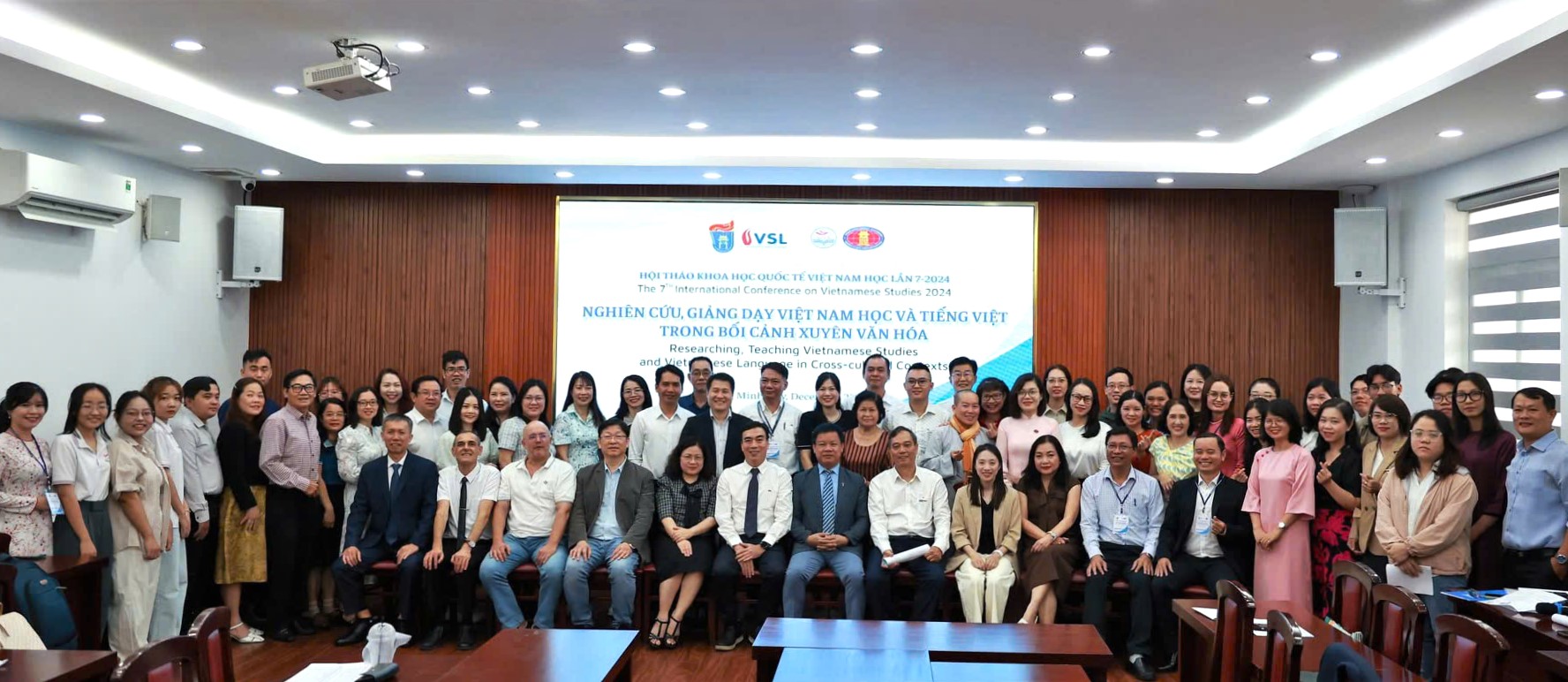
Forum for exchanging scientific issues in research and training in Vietnamese studies.The workshop was attended by scientists from the University of Social Sciences and Humanities, Vietnam National University, Hanoi; the University of Social Sciences and Humanities, Vietnam National University, Ho Chi Minh City; and research institutes nationwide, including: Saigon University; Ho Chi Minh City University of Law; Hanoi Pedagogical University; Vietnam Association of Ethnology and Anthropology; National Cheng Kung University, Taiwan; Universiti Brunei Darussalam, Brunei; National Kaohsiung Normal University, Taiwan...
In his opening remarks at the conference, Professor Lai Quoc Khanh, Vice Rector of the University of Social Sciences and Humanities, Vietnam National University, Hanoi, expressed that the 7th International Conference on Vietnamese Studies, themed "Research and Teaching of Vietnamese Studies and the Vietnamese Language in a Cross-Cultural Context" in 2024, is an academic forum for institutions that train in Vietnamese studies and teach Vietnamese to foreigners, both domestically and internationally. This is taking place in a context where multiculturalism, interculturalism, and cross-culturalism are becoming major issues in international academia, and also raise many pressing issues in the research and training of Vietnamese studies in Vietnam and around the world.
"Vietnam's position, Vietnam's identity, the influence and spread of the Vietnamese language and culture globally – these are all the goals we are aiming for in this International Scientific Conference on Vietnamese Studies," emphasized Professor Lai Quoc Khanh.
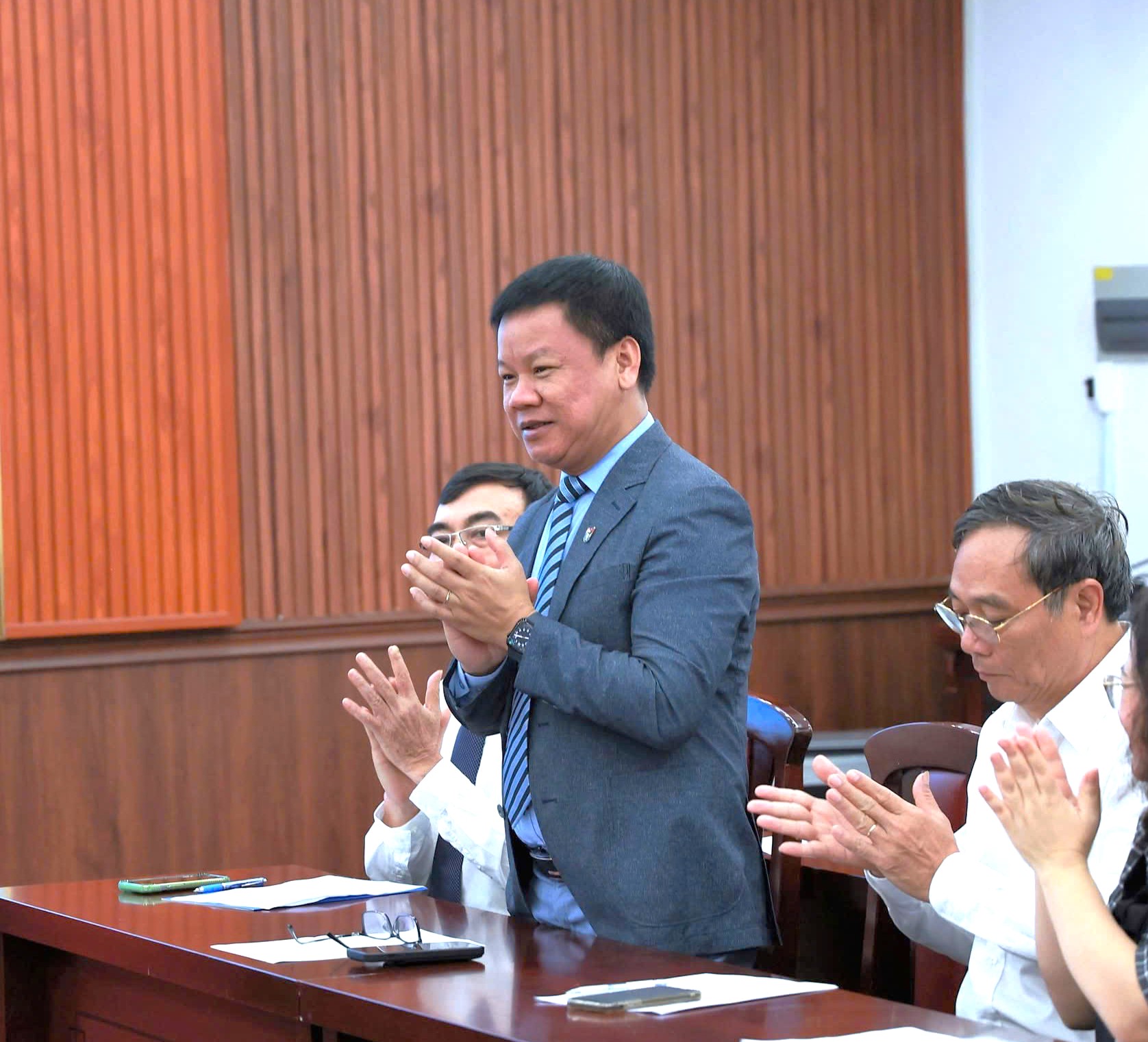
Prof. Dr. Lai Quoc Khanh - Vice Rector of the University of Social Sciences and Humanities, Vietnam National University, Hanoi, delivered the opening remarks at the conference.
The conference served as a testament to the vitality of Vietnamese studies, encompassing issues related to the Vietnamese language and Vietnamese studies in general, viewed from the perspective of a "transcultural" context. From this viewpoint, scholars from numerous countries such as China, the United States, France, Belgium, South Korea, etc., proposed many profound and dialogical academic ideas in the field of Vietnamese studies: language, culture, literature, history, economics, philosophy, art… These ideas are reflected in the proceedings of the international scientific conference “Research and Teaching of Vietnamese Studies and the Vietnamese Language in a Transcultural Context,” published by the Ho Chi Minh City National University Publishing House prior to the conference.
Affirming the strong development of Vietnamese Studies both domestically and internationally.The workshop was divided into two discussion sessions with four subcommittees, discussing the following topics: Vietnamese studies in the world, Vietnamese culture, literature and art, Vietnamese linguistics and methods of teaching Vietnamese, and Vietnamese history and society.
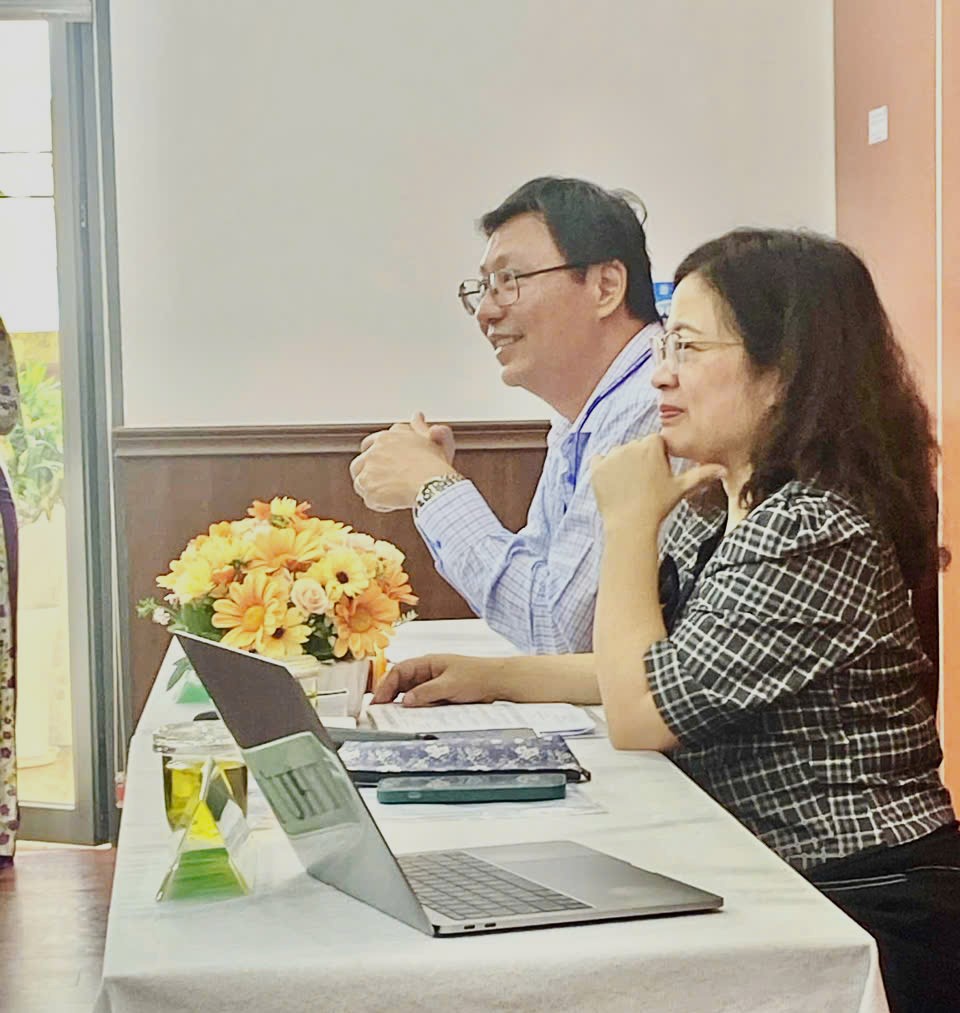
Dr. Le Thi Thanh Tam - Head of the Department of Vietnamese Studies and Vietnamese Language, Faculty of Social Sciences and Humanities, Vietnam National University, Hanoi, co-chaired the discussion session at the conference.
The organizing committee received over 100 papers, of which 54 were included in the conference proceedings. These papers were divided into two main sections: 1) Vietnamese Studies in the World and 2) Vietnamese Studies – Research Issues. Each section reflects an important aspect of current research and teaching in Vietnamese Studies.
Many in-depth research issues and practical applications in the study and teaching of Vietnamese studies and the Vietnamese language were presented and discussed enthusiastically by domestic and international speakers. These included presentations such as: "From missionary scripts to national scripts: the cases of Vietnam and Taiwan" (Prof. Wi-vun CHIUNG, National Cheng Kung University, Taiwan); "Applying the BOPPPS Model in Teaching Vietnamese to Chinese as a Second Language to Optimize Learning Effectiveness" - Nguyen Thi Ngoc Lan, National Kaohsiung Normal University, Taiwan; "Traditional Craft Villages in the Organization of Bachelor's Degree Teaching in Vietnamese Studies: Value and Proposed Exploitation" (Dr. Nguyen Thi Thu Hoai, Hanoi University of Education); "The Image of Vietnamese Women Before 1945 in Some Social Sciences Studies by Russian Scholars" (Assoc. Prof. Dr. Tran Thi Thai Ha, Saigon University)...
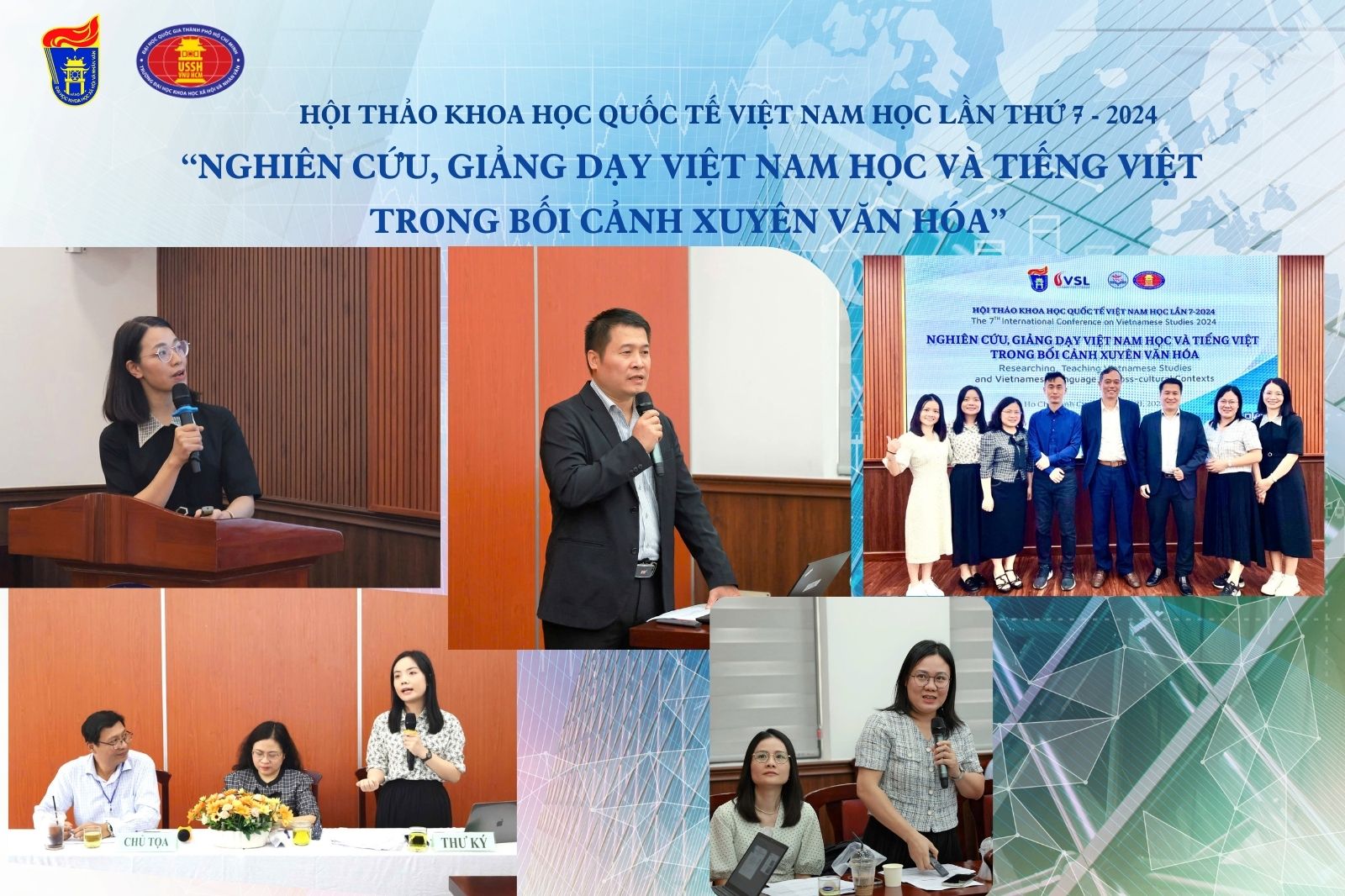
Scientists from the University of Social Sciences and Humanities, Vietnam National University, Hanoi, presented their findings at the conference.
Among the participants, scientists from the University of Social Sciences and Humanities, Vietnam National University, Hanoi, presented numerous high-quality research papers at the conference, including: "Some Discussions on the Approach to Literary Language" (Assoc. Prof. Dr. Nguyen Van Chinh); "Training in Vietnamese Studies and Area Studies: Theory and Application" (Dr. Nguyen Thi Phuong Anh); "Research on Building Lesson Plans for Teaching Vocabulary in Foreign Language Education (Case Study of Teaching Korean Interjections)" (MSc. Park Woon Seo); "Pragmatics and the Development of Vietnamese Reading Comprehension Skills for Foreigners" (Dr. Bui Duy Duong); "Preserving Cultural Heritage for Rural Tourism Development in an Urban Context - the Case Study of Tay Tuu and Dong Ngac Villages - Bac Tu Liem District" (Assoc. Prof. Dr. Dang Hoai Giang); "The Vinh Dinh River in the River Network in Quang Tri in the 19th Century" - Dr. Vu Thi Xuyen, University of Social Sciences and Humanities, Vietnam National University, Hanoi...
Highly appreciating the significance of the conference, Assoc. Prof. Dr. Huynh Ngoc Thu - Head of the Department of Vietnamese Studies, University of Social Sciences and Humanities, VNU-HCM, emphasized that the papers presented have immense academic and practical value, not only for researchers but also for educators, administrators, and those interested in Vietnamese culture and people.
A prominent feature of the conference papers was the diversity of topics. The papers not only focused on traditional values such as culture and history but also highlighted contemporary challenges such as globalization, cultural exchange, and the development of digital technology in Vietnamese language teaching. This demonstrates that the field of Vietnamese Studies is constantly innovating and expanding its research scope to meet the practical needs of the times.
The content of the papers clearly demonstrates an interdisciplinary approach, combining linguistics, cultural studies, sociology, religious studies, anthropology, and information technology. The application of both qualitative and quantitative methods in many papers enhances the accuracy, practicality, and applicability of the research. This also serves as evidence of the modernization and internationalization trend of Vietnamese studies.
The discussions at the conference also reflected the internationalization of the field. Papers submitted by scholars from numerous countries and territories such as South Korea, Taiwan, France, Italy, and the United States demonstrated the growing interest of the international academic community in Vietnamese studies. This collaboration not only expands the influence of the field but also contributes to building Vietnam's position on the international stage.
“These contents not only reflect the strong development of Vietnamese studies but also open up new research directions, affirming the role of the field in the context of international integration. This is also clear evidence of the vitality and dynamism of Vietnamese studies, while contributing to enhancing the position of the Vietnamese language and culture on the international stage, building a bridge of knowledge and culture between Vietnam and the world,” affirmed Associate Professor Dr. Huynh Ngoc Thu.