
Resolution No. 26-NQ/TW dated August 22, 2026, of the Politburo on developing Vietnamese tourism into a key economic sector in the new era clearly states that, in order to unlock all resources and bring about breakthrough development in tourism, affirming its position as a key economic sector, the tourism industry and the business community must truly innovate their thinking, approach, and methods to transform the growth model and management methods of tourism from "quantity" to "quality," increasing added value for the economy, and contributing to achieving the goal of rapid and sustainable national development in the new era.
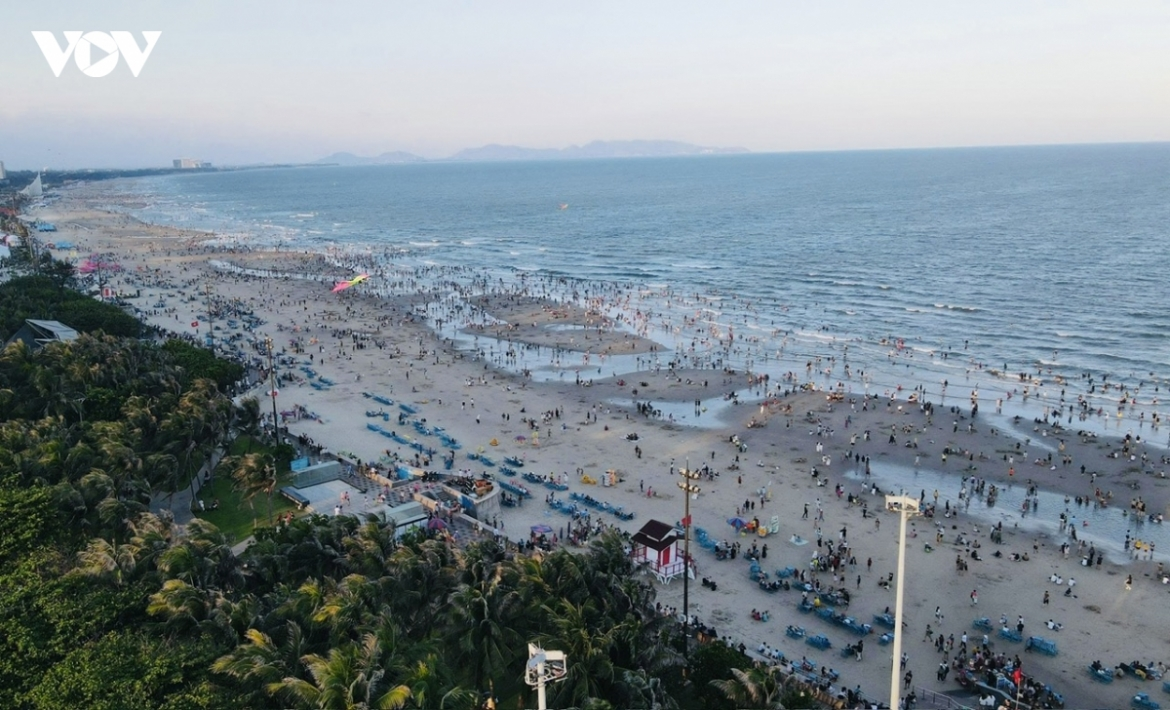
Resolution No. 26-NQ/TW dated August 22, 2026, of the Politburo identifies the transformation of the tourism growth model and management methods from "quantity" to "quality".
According to the analysis of Associate Professor Pham Hong Long (Chairman of the Scientific and Training Council of the Faculty of Tourism Studies, University of Social Sciences and Humanities, Vietnam National University, Hanoi), Resolution No. 26-NQ/TW directly identified and proposed strong solutions to remove the "chronic" bottlenecks of the tourism industry.
Firstly, in terms of awareness, institutions, and policies, the Resolution requires Party committees, Party organizations, officials, Party members, and the people to fully, deeply, and comprehensively understand the position and role of tourism as a comprehensive economic sector, an important driving force in transforming and building a new growth model for the country based on science, technology, innovation, digital transformation, green growth, and sustainable development, promoting economic restructuring and job creation.
"The resolution identifies the need to improve the legal system related to tourism, allowing for the piloting of specific mechanisms and investment incentives for large-scale, dynamic projects, especially regarding land, taxes, and finance, which need to be streamlined to attract strategic investors. The resolution also emphasizes the completion of the legal framework for new business models such as the sharing economy, night-time economy, smart tourism, and green tourism—new areas of tourism where we are still quite hesitant in terms of management," Associate Professor Pham Hong Long analyzed.
Furthermore, the tourism industry also expects that Resolution No. 26-NQ/TW dated August 22, 2026, of the Politburo will remove bottlenecks in infrastructure and connectivity through the development of a synchronized multimodal transportation infrastructure system, especially digital and green infrastructure. The "everyone for themselves" situation will be overcome through the formation of three tourism growth poles: Hanoi, Ho Chi Minh City, and Da Nang, along with other key tourism centers. The development of multimodal infrastructure, such as expressways, airports, and international cruise ports, will be directed in a coordinated manner to create smooth traffic flow.
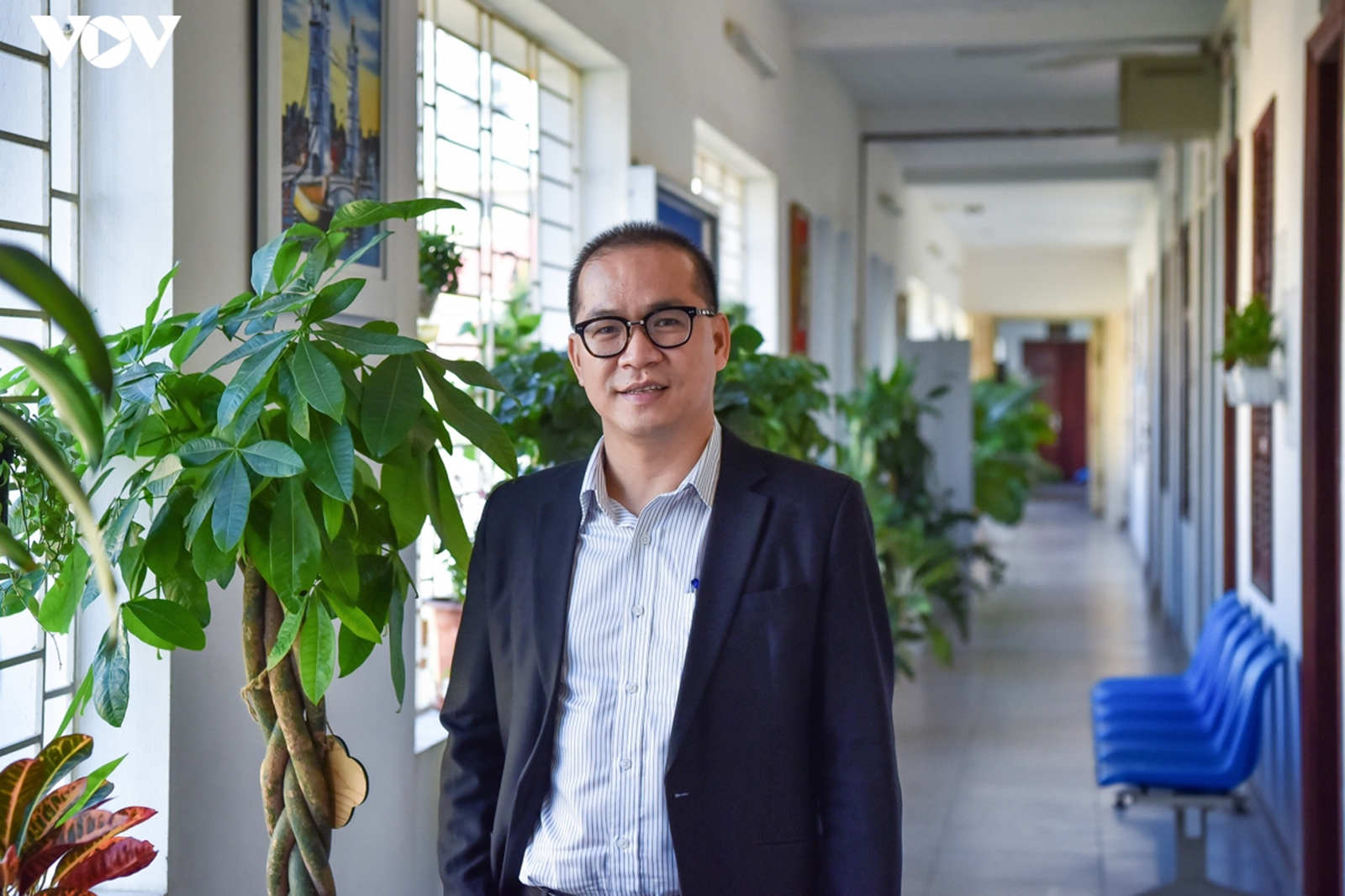
Assoc. Prof. Dr. Pham Hong Long - Chairman of the Scientific and Training Council of the Faculty of Tourism Studies, University of Social Sciences and Humanities, Vietnam National University, Hanoi
According to Associate Professor Pham Hong Long, in terms of products and markets, Resolution No. 26-NQ/TW of the Politburo requires product diversification, avoiding duplication and monotony. Focusing on medical tourism, healthcare, MICE (Meetings, Incentives, Conferences, and Exhibitions), and golf tourism... is the right direction to address the issues of seasonality and low spending in many localities today. Furthermore, shifting from traditional administrative management methods to digital data management and smart management, along with building a national tourism data system, will help make management more predictive and accurate.
"In particular, Resolution 26 has pointed out the shortage of high-quality human resources and destination management capacity, thereby proposing solutions to train human resources in line with international standards and apply modern technology in management, helping to solve the overlapping issues between ministries, sectors and localities which have been the biggest obstacle to tourism development for a long time," said Associate Professor Pham Hong Long.
Furthermore, Resolution No. 26-NQ/TW also aims to address a crucial "bottleneck" in attracting international tourists to Vietnam, related to visa policies and immigration procedures. The resolution states that further research is needed on favorable entry and exit policies for tourists; expanding bilateral visa exemptions and applying flexible visa policies for key markets while ensuring national defense, security, and interests. Preferential visa policies should be implemented for tourist segments with the potential to contribute significantly to tourism development; accommodation and sightseeing procedures in border and island areas should be reformed; and mandatory insurance should be mandated for international tourists visiting Vietnam.
Voice of Vietnam Radio: Resolution No. 26-NQ/TW addresses the "chronic" bottlenecks in the tourism industry.
Author:According to VOV
Newer news
Older news

