
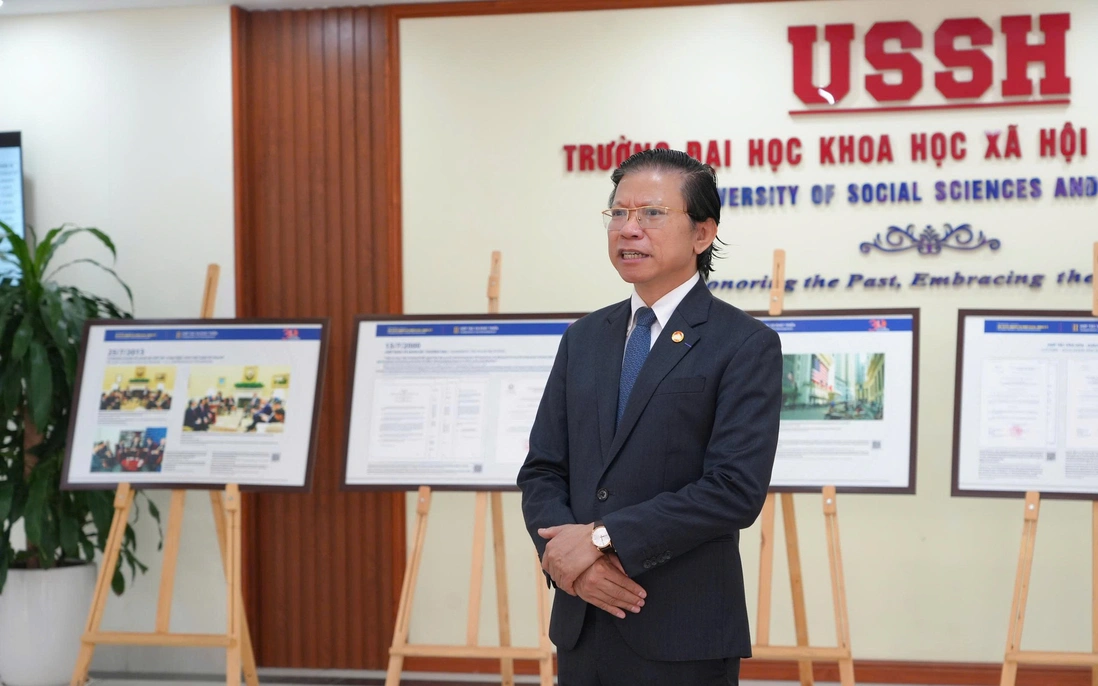
Prof. Dr. Hoang Anh Tuan, Rector of the University of Social Sciences and Humanities (Vietnam National University, Hanoi)
A journey of enduring cooperation.
Professor, the recent in-depth exchange on war-related materials between the University of Social Sciences and Humanities, Vietnam National University, Hanoi, and Texas Tech University (USA) at a recent international conference is opening up a promising direction. Could you please tell us how the nearly 30 years of sustained cooperation between the two universities has laid the foundation for us to approach and utilize this valuable heritage?
Prof. Dr. Hoang AnhTuan: This conference is the culmination and convergence of a nearly 30-year journey, nurtured since the 1990s through visits, exchanges, and the signing of cooperation programs between the University of Social Sciences and Humanities and Texas Tech University in the United States. From that solid foundation, many activities involving the exchange of staff and students, as well as joint training and research between the two institutions, have taken place continuously and effectively.
Throughout this long-term collaboration, we have paid particular attention to the academic and practical value of the vast body of documentation related to Vietnam in the 20th century, especially the latter half of the 20th century and the war of resistance against the US. Currently, the Vietnam Archives and Library Center at Texas Tech University is storing an estimated 1 to 3 million pages of valuable documents about this war.
What is most valuable is that this body of heritage contains many documents that originally belonged to Vietnam and our soldiers, including diaries, personal notes, or documents lost during the war that were collected and archived by the US. Therefore, this conference is of paramount importance, as it goes beyond purely scientific, historical, or international cooperation value, and directly addresses profound social and humanitarian issues of the post-war period.
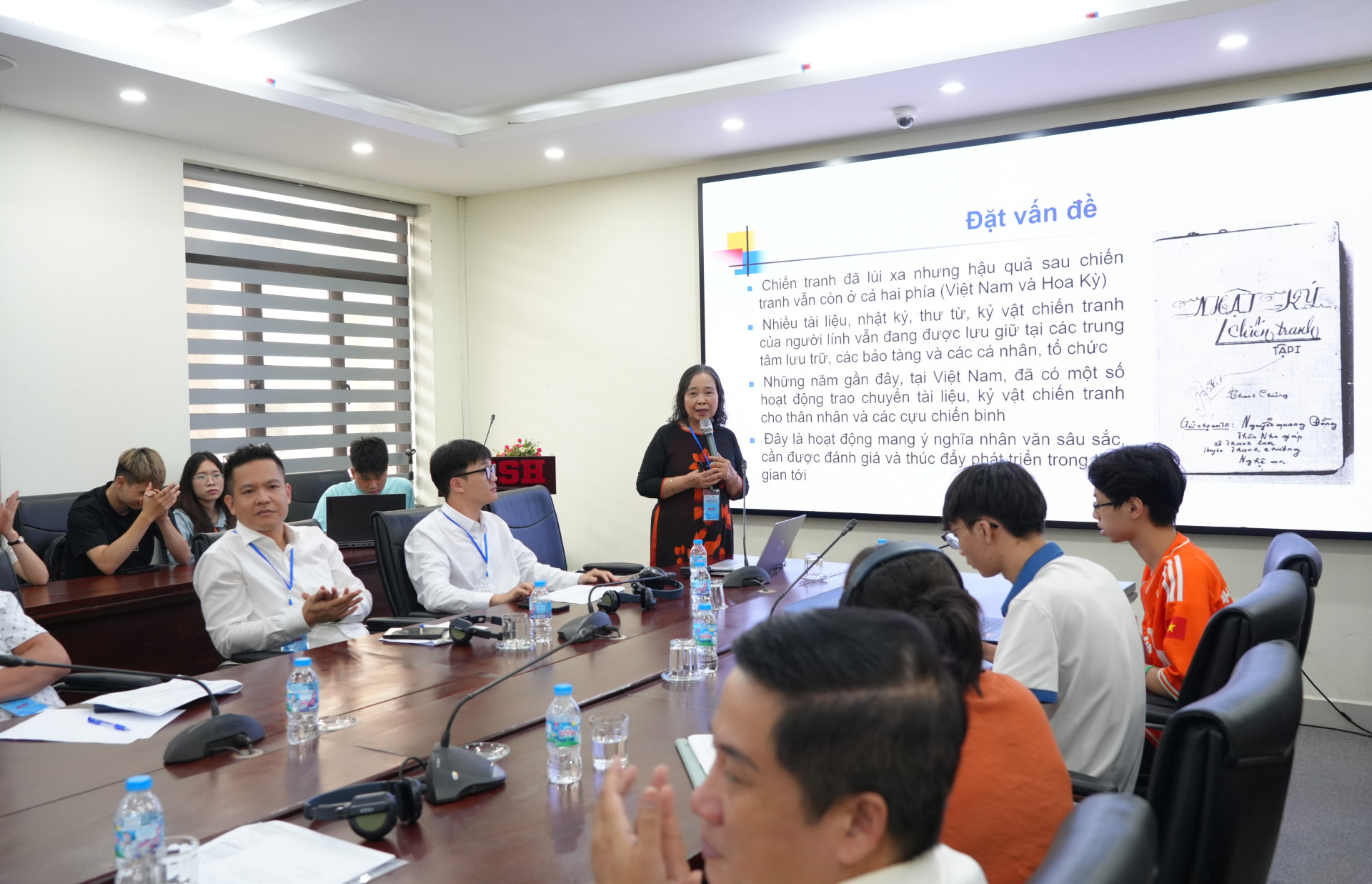
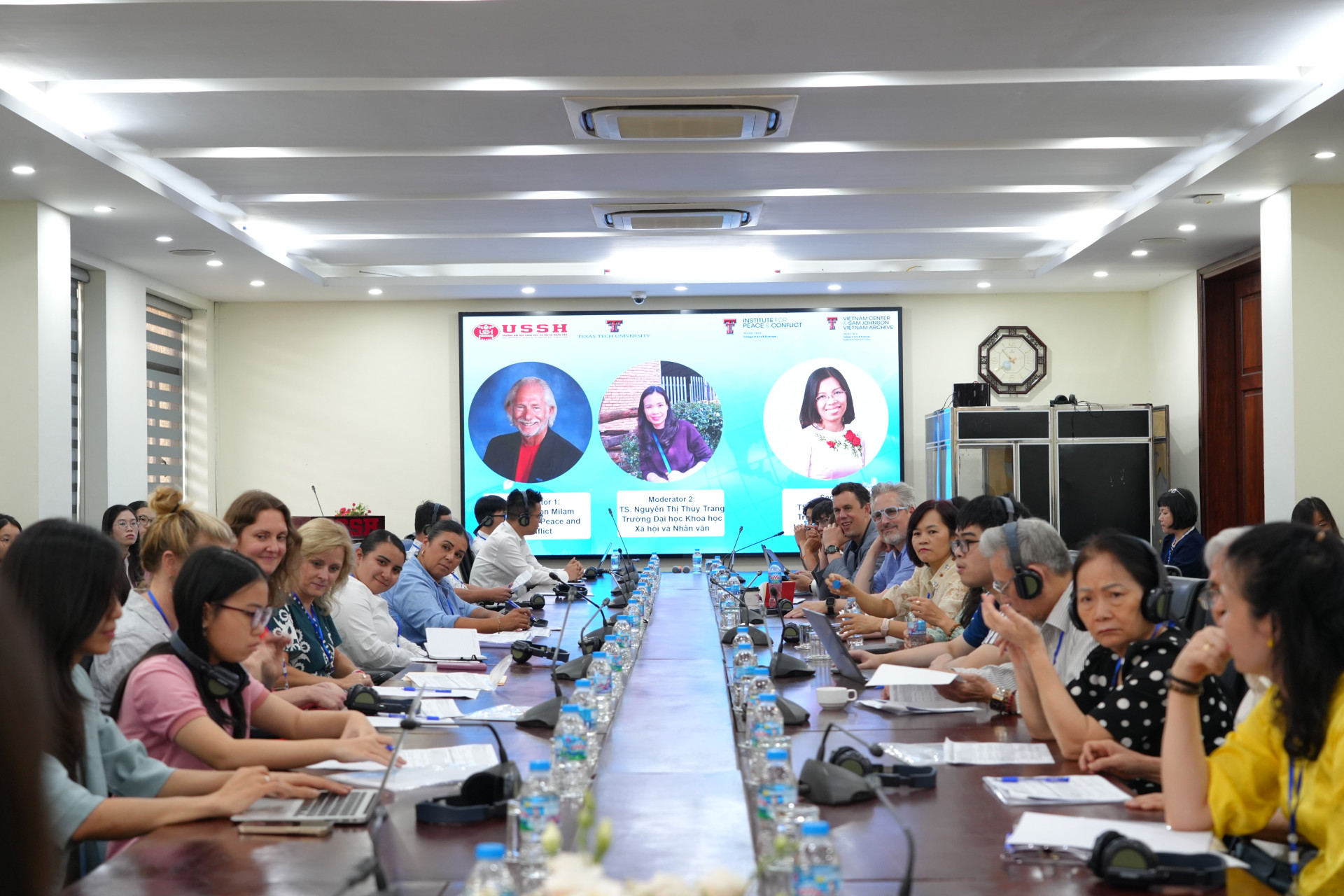
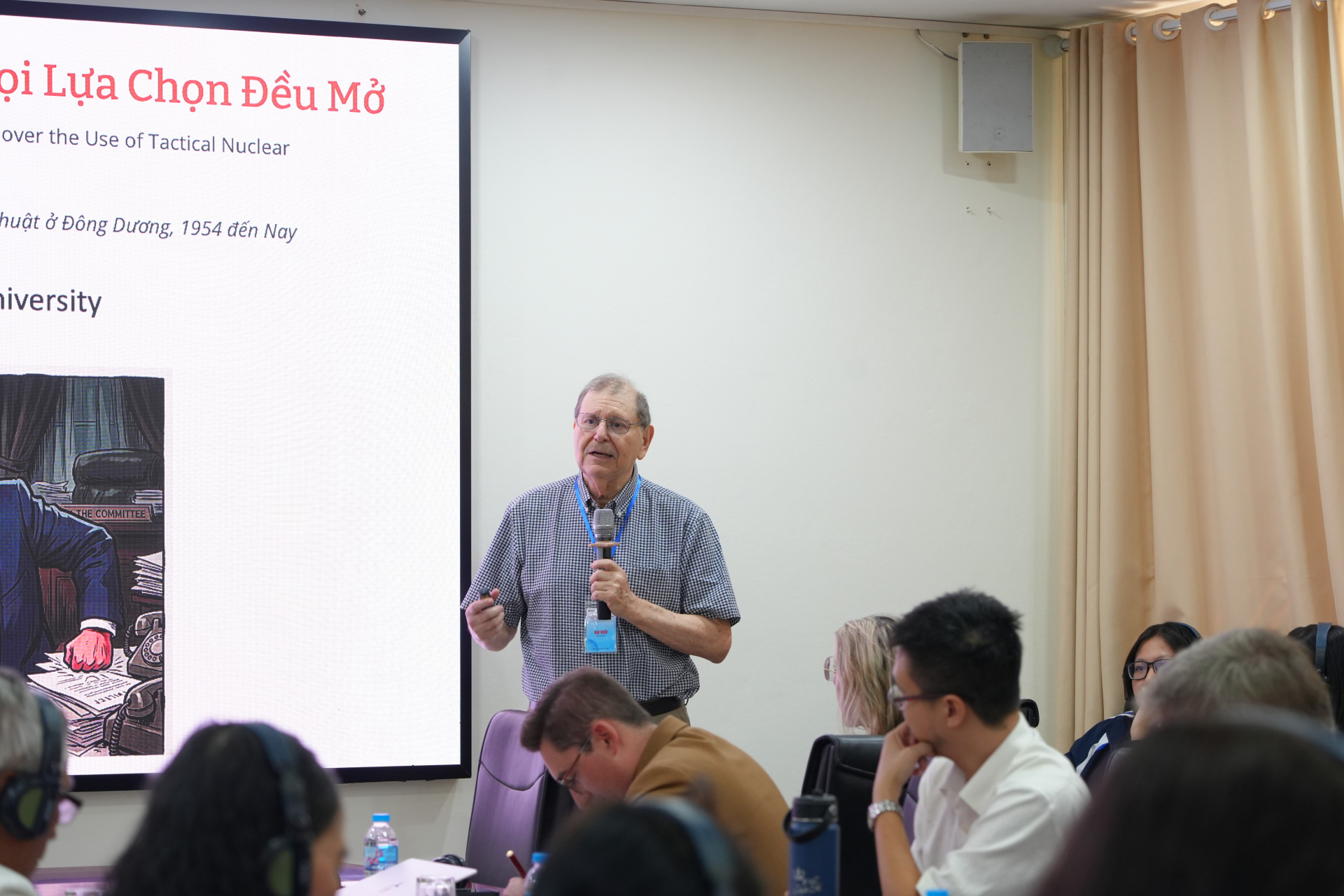
Some activities at the international scientific conference "Documents and Archives on Vietnam-US Relations: Humanistic Values from the Past to the Future".
Digitizing and bringing hundreds of thousands of documents back to the country.
+ It is understood that the university is currently in the process of receiving these materials to support domestic research. What is the current progress and direction of this program, Professor?
Prof. Dr. Hoang Anh Tuan:Over the past two years, through enhanced comprehensive cooperation with Texas Tech University and especially the Sam Johnson Center for Vietnam and the Vietnam Archives there, both sides have agreed on a phased transfer of digitized documents related to Vietnam to our university.
Specifically, in the past year, the university officially received approximately 60,000 pages of initial documents. This initial collection is a crucial foundation for establishing the Center for Overseas Vietnamese Cultural Documentation located at the University of Social Sciences and Humanities. The center's operational model comprises 10 document blocks categorized by international languages, with English-language documents and those from the United States considered among the most important. According to our committed roadmap, we estimate we will bring another 500,000 pages of documents back to Vietnam within the next few years for thorough and in-depth exploitation to serve multidisciplinary research.
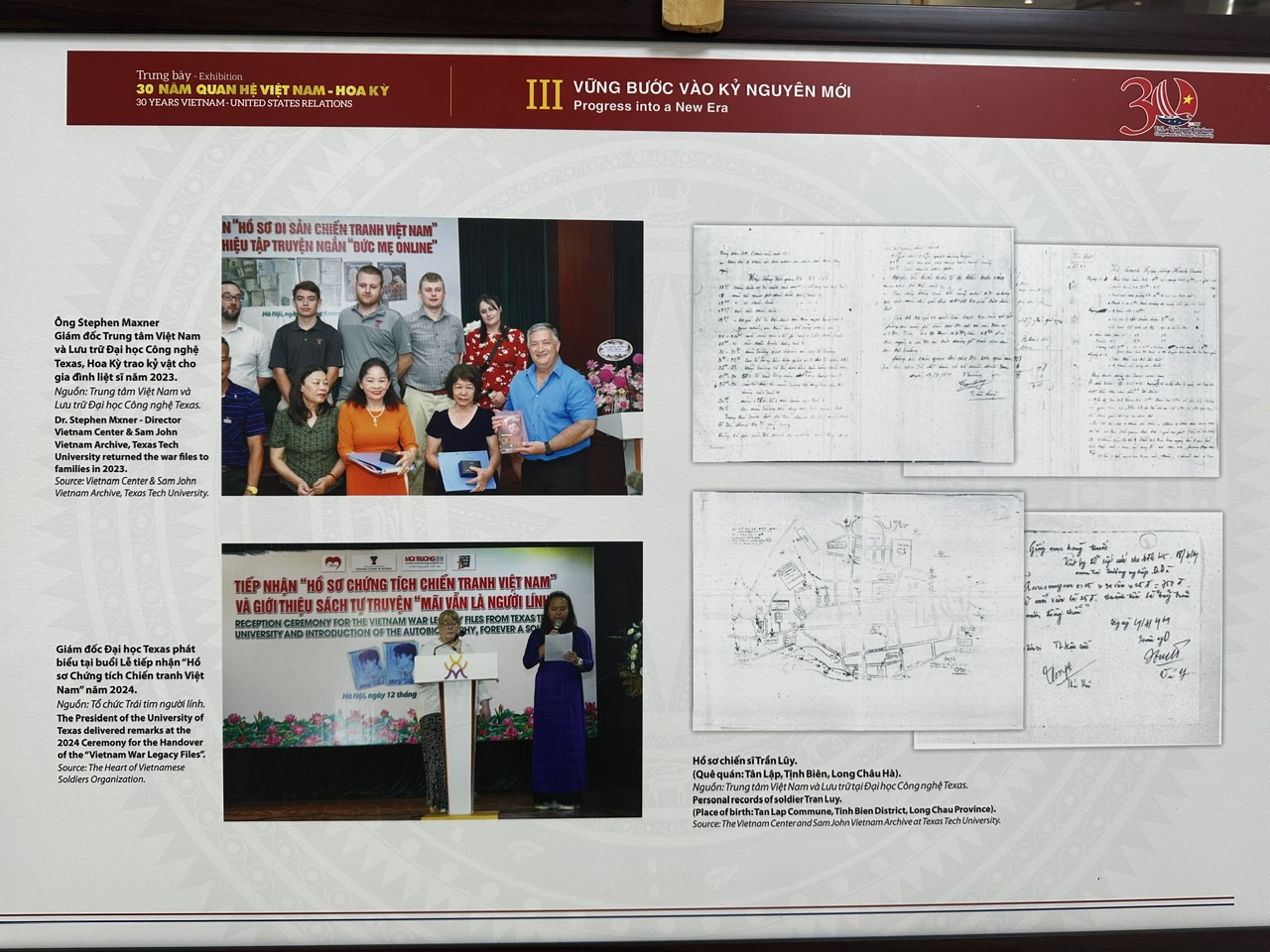
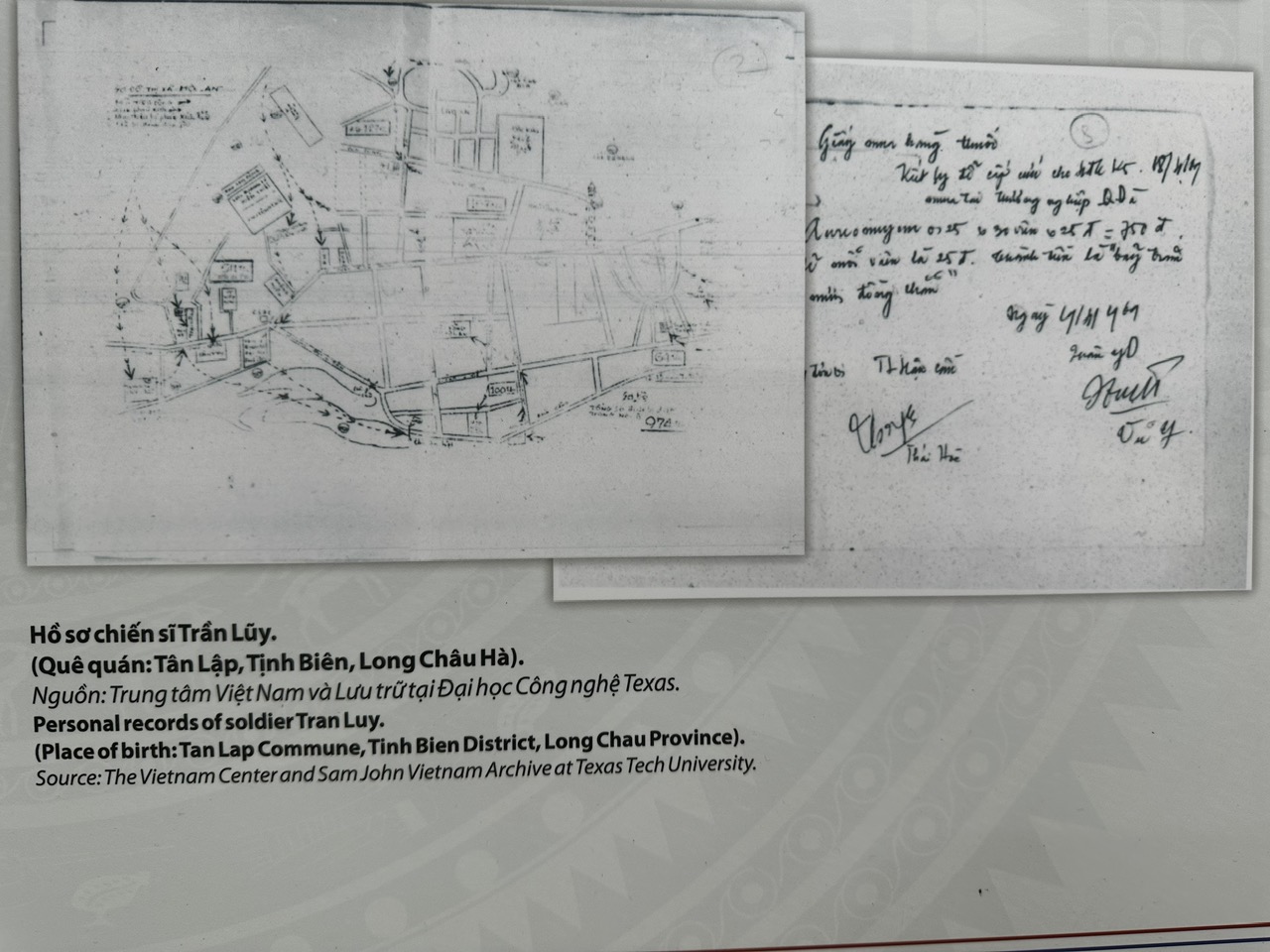
The image of soldier Tran Luy's file was digitized and returned to Vietnam by the Vietnam Center and Archives at Texas Tech University.
Utilizing battlefield diaries, accompanying the 500-day and night campaign.
+ How will the school apply this vast collection of documents in practice, especially to the work of searching for and collecting the remains of fallen soldiers, which is currently receiving great attention from the Party and the State?
Prof. Dr. Hoang Anh Tuan:The search for and collection of the remains of fallen soldiers has always been a matter of deep concern for the Party, the State, ministries, and localities. This significance is even more humane and relevant as the entire nation is embarking on a special campaign, the 500-day campaign lasting from 2026 to 2027, aimed at accelerating the search and collection of remains of fallen soldiers still lying in former battlefields.
For us, the recent workshop was just the beginning of a long-term collaborative program. The next goal the school aims for is to put the results of exploiting this detailed body of documentation into practical use. We will focus on deciphering records and documents about battles and campaigns with specific locations and dates stored in the United States to narrow down the search area.
In particular, through the diaries of lost Vietnamese soldiers that the US side has collected, we can fundamentally determine the geographical location and battlefield context at that time. From this invaluable information, the school will contribute and provide the most practical and accurate data to the Ministry of National Defense and other agencies and ministries directly involved in policies for war veterans and the military's rear support. Coordinating efforts to expedite the search and collection of the remains of fallen soldiers is not only an academic duty of scientists, but also a noble social responsibility and a profound act of gratitude from the entire school to the preceding generations.
Recently, in Hanoi, the University of Social Sciences and Humanities (VNU-Hanoi) collaborated with Texas Tech University (USA) to organize an international scientific conference on the theme: "Archival documents and materials on Vietnam-US relations: Humanistic values from the past to the future".
The event affirms the special role of archival documents in identifying history, promoting reconciliation, and healing the wounds of war. In particular, the transfer and digitization of this archive is expected to provide invaluable historical "clues," directly supporting the 500-day campaign to collect the remains of fallen soldiers currently being implemented nationwide.
Vietnam Women's Newspaper: Digitizing war documents to support the "500-Day and Night Campaign"
Author:Vietnam Women's Newspaper
Newer news
Older news

