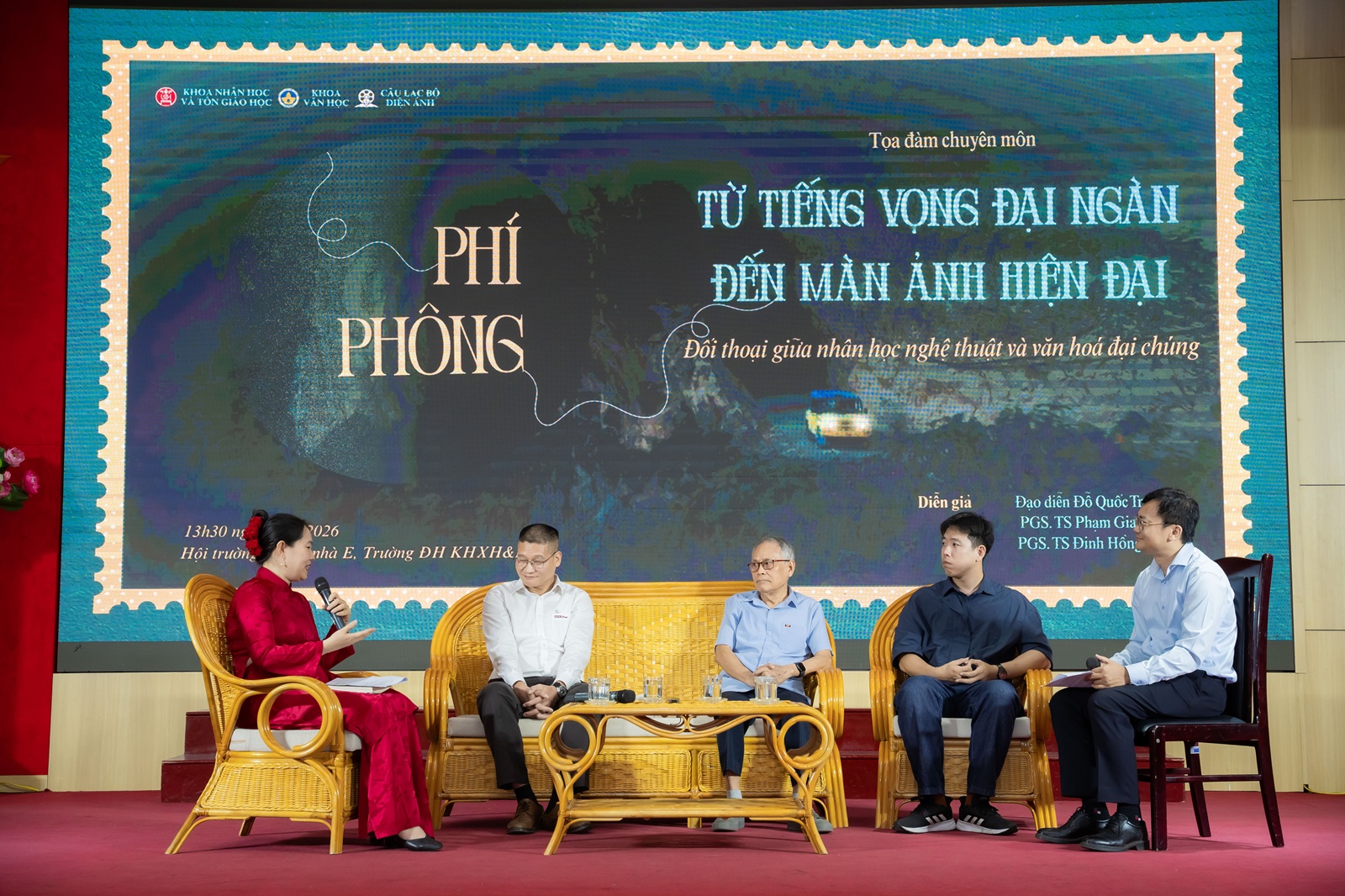
The seminar was lively, moderated by two facilitators: Dr. Tran Thanh Viet and Ms. Hoang Da Vu, along with thought-provoking discussions from director Do Quoc Trung, Assoc. Prof. Dr. Pham Gia Lam, and Assoc. Prof. Dr. Dinh Hong Hai.
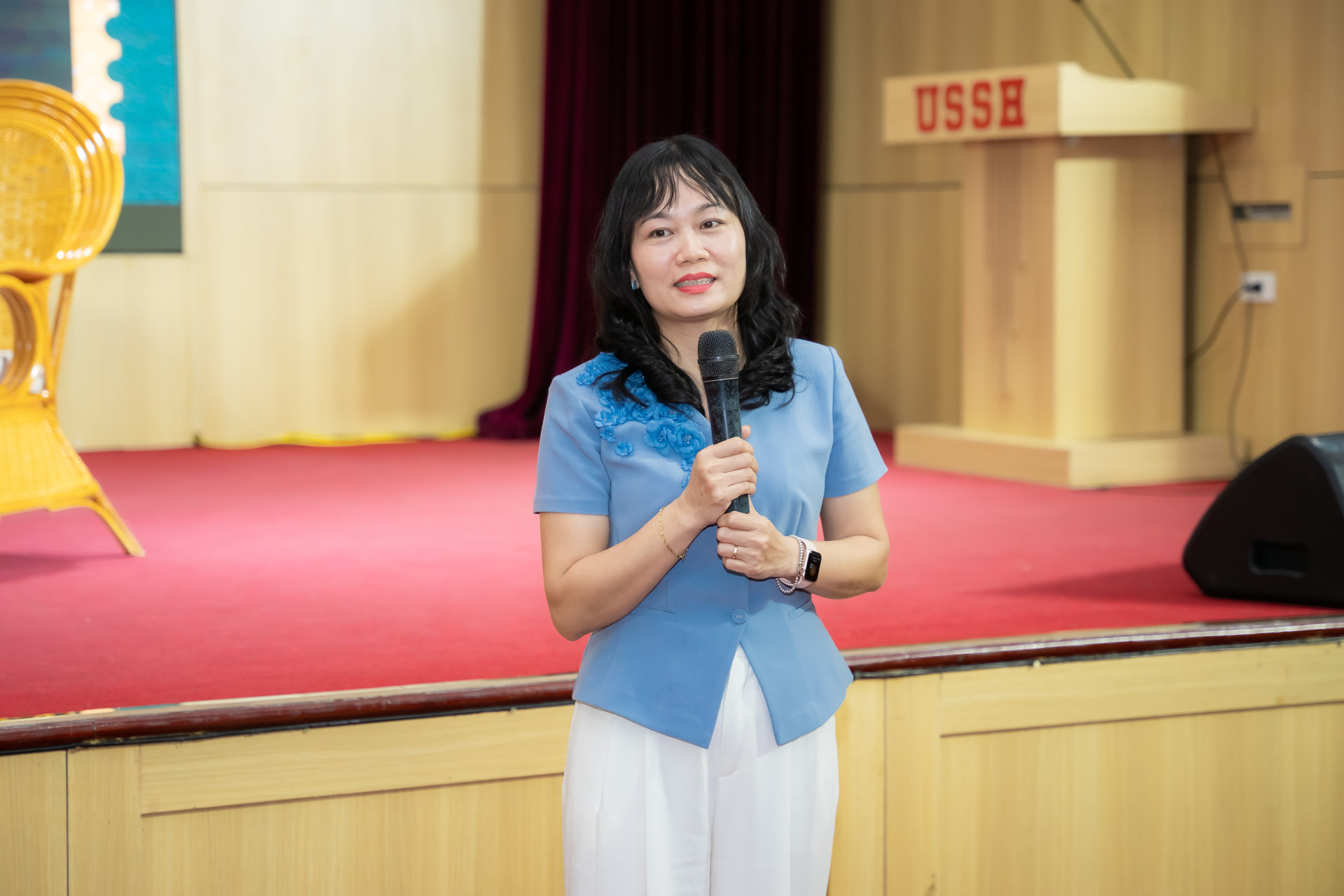
Dr. Nguyen Thi Nam Hoang (Deputy Head of the Faculty of Literature) delivered the opening remarks at the seminar.
The boundary between ethnographic accuracy and the fictional rights of art.
The relationship between the authenticity of ethnographic material and the fictional rights of art is the first core issue discussed. From a professional perspective, researchers have pointed out certain discrepancies between the film and real life. Dr. Nguyen Manh Tien noted several points that do not completely match between Thai cultural material in the film and ethnographic reality, from costumes and architecture to the system of amulets and funeral rituals.
However, from the opposite perspective, experts acknowledge the flexibility of cinematic language. Dr. Nguyen Vu Hoang highly appreciates the director's decision not to specifically name any ethnic group in the film, considering it an intelligent artistic technique to harmonize cinematic and ethnographic criteria. Sharing this view, Assoc. Prof. Dr. Dinh Hong Hai sees the success of "Phi Phong" as lying in its social dimension – its ability to connect with the public by bringing the concept of "ghost" in folk life, which was previously unfamiliar, closer to the masses.
From the filmmaker's perspective, director Do Quoc Trung frankly admitted that recreating indigenous culture was his biggest concern. He affirmed that the goal of the work is not an absolutely accurate ethnographic description, but rather to create a lens that encourages viewers to actively explore and appreciate the cultural depth of the highland people.
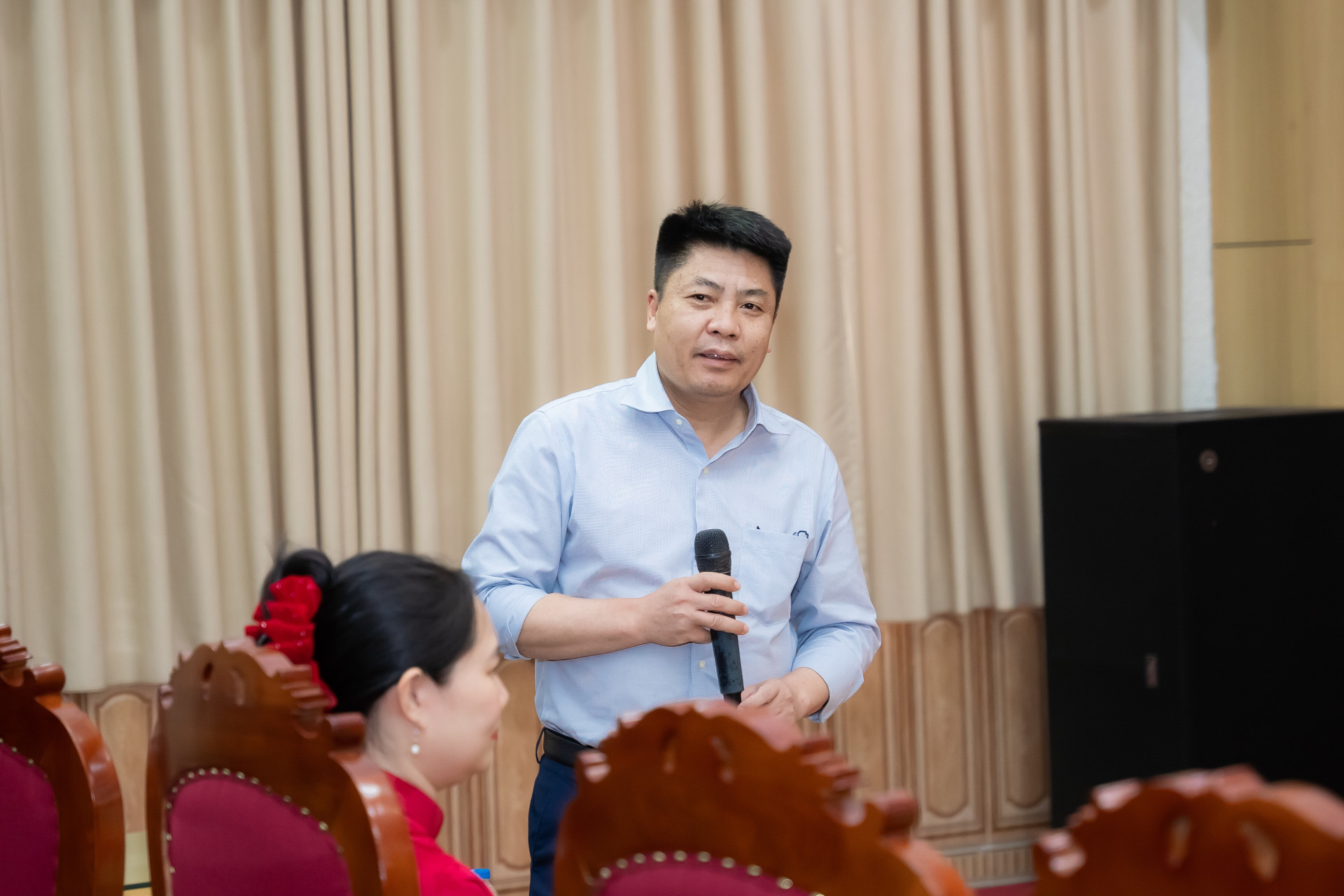
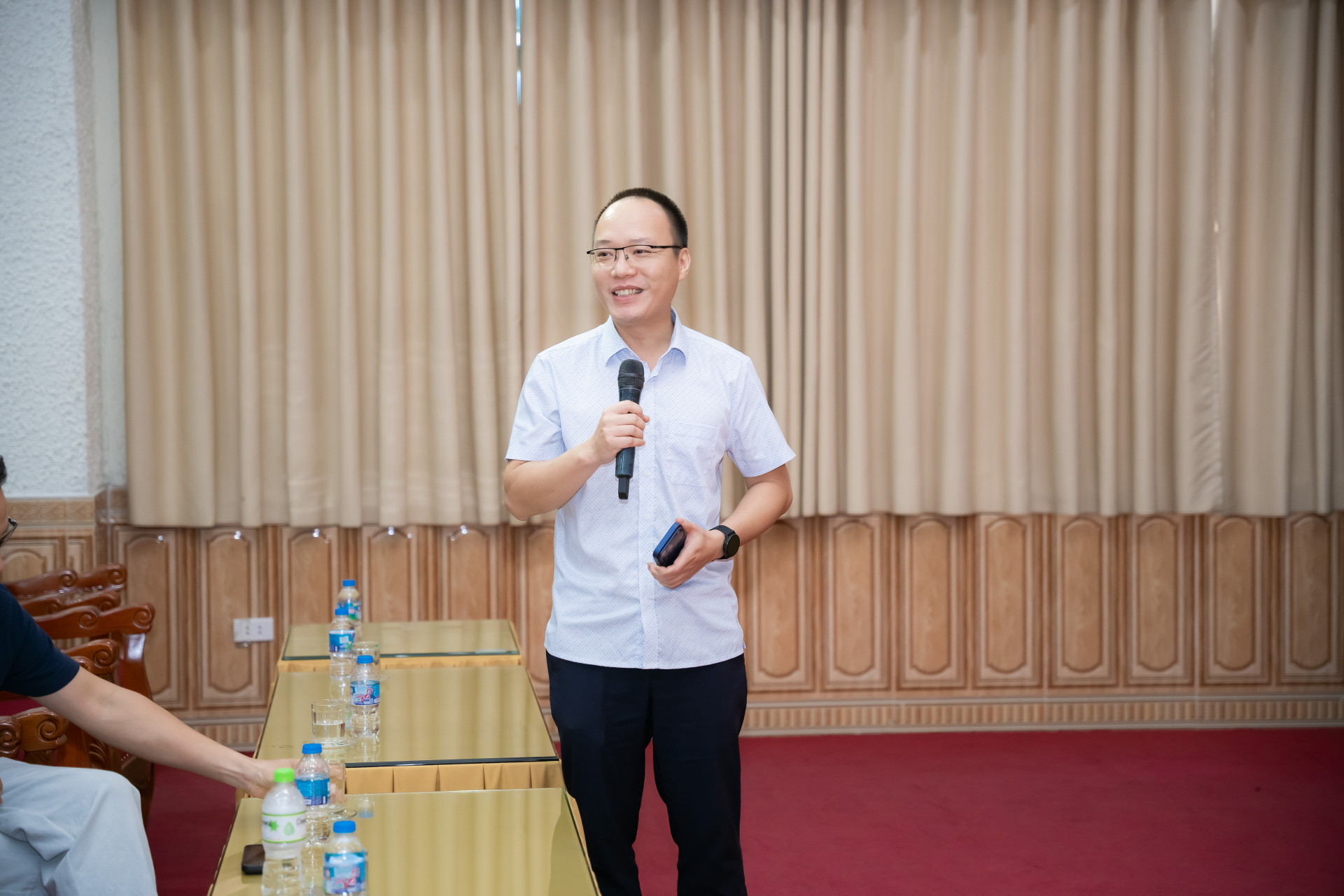
Dr. Nguyen Vu Hoang (Deputy Head of the Department of Anthropology & Religious Studies)
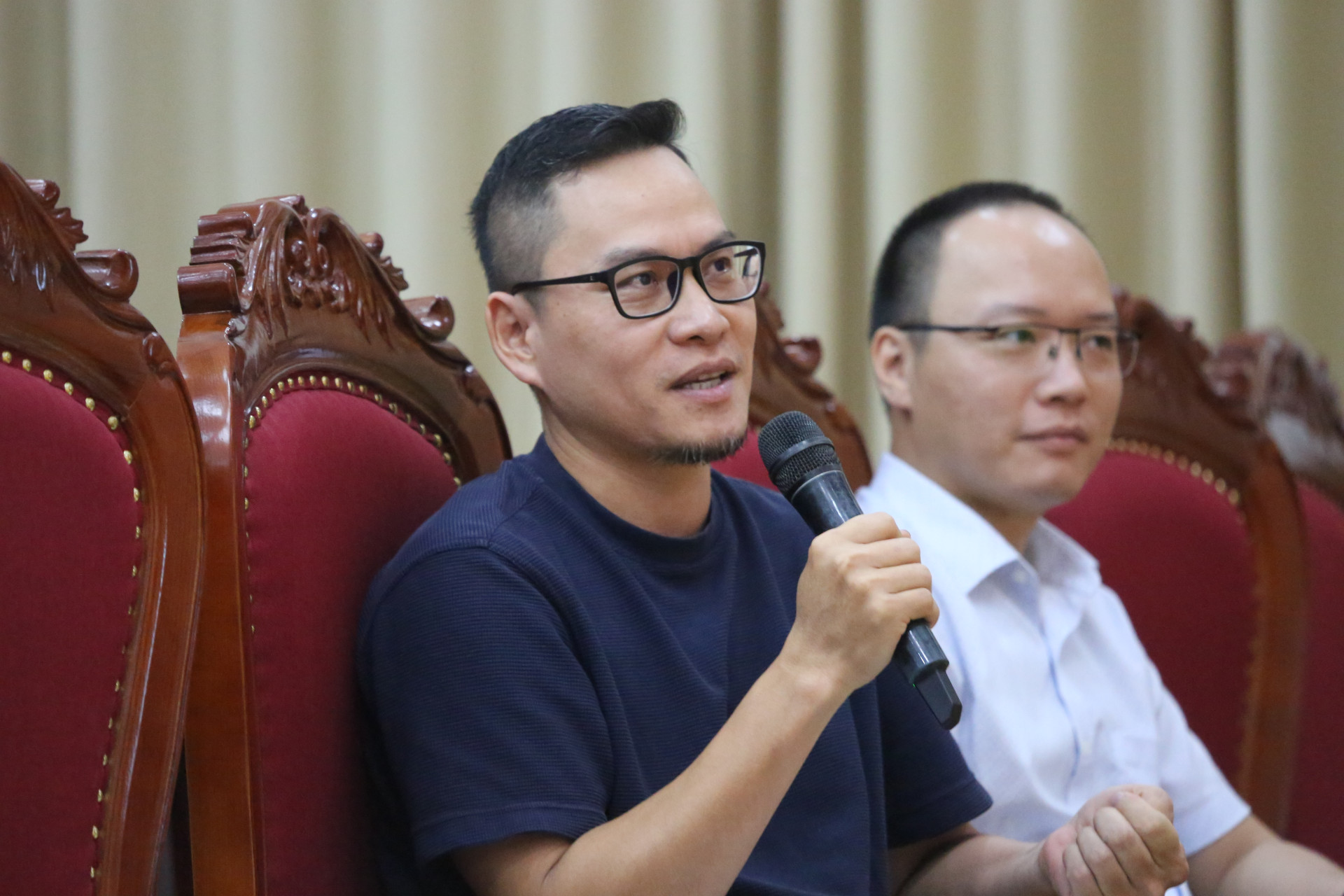
Dr. Nguyen Manh Tien (Institute of Literature)
"Storytelling sovereignty" and the future of indigenous films.
Beyond a single cinematic phenomenon, the speakers elevated the discussion to the topic of "indigenous films" in Vietnam. Associate Professor Pham Gia Lam particularly emphasized the concept of "narrative sovereignty"—that is, the capacity and opportunity for a community to tell its own story from within, rather than merely being an object of objective observation and description from the outside. These intrinsic values, when properly explored and respected, will naturally connect with universal human values.
The appearance of "Phi Phong" also sparks bold ideas about a new cinematic trend. Associate Professor Phung Ngoc Kien believes that the film could very well be the first building block for creating a "cinematic universe" about mythical creatures in Vietnamese folklore — a treasure trove that is incredibly vast but has not been explored to its full potential.
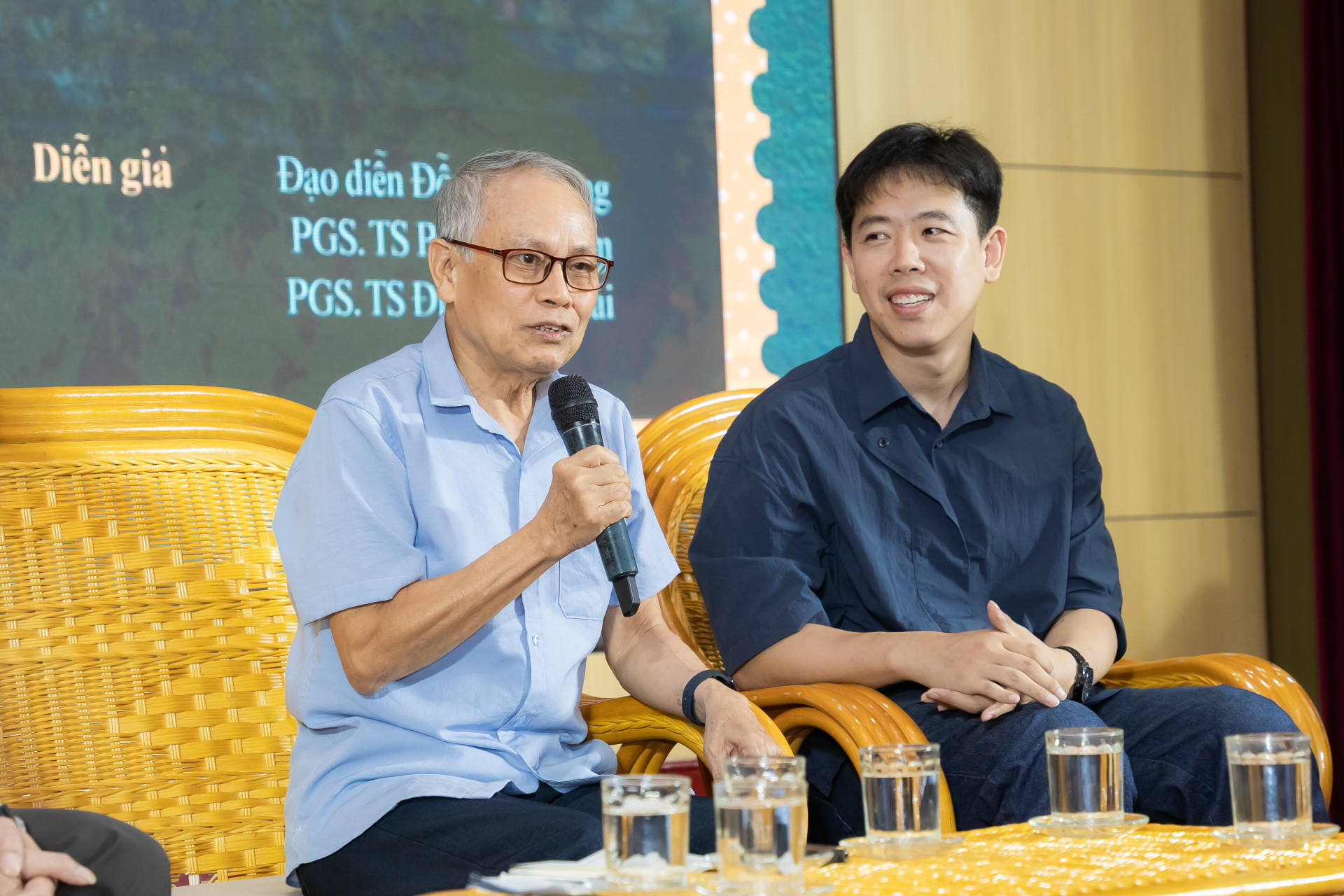
Associate Professor Pham Gia Lam (Former Head of the Department of Art Studies (Faculty of Literature), Former Vice Rector of the University of Social Sciences and Humanities) shared his thoughts on the role of "narrative sovereignty" in the film "Phi Phong: The Blood Demon of the Sacred Forest".
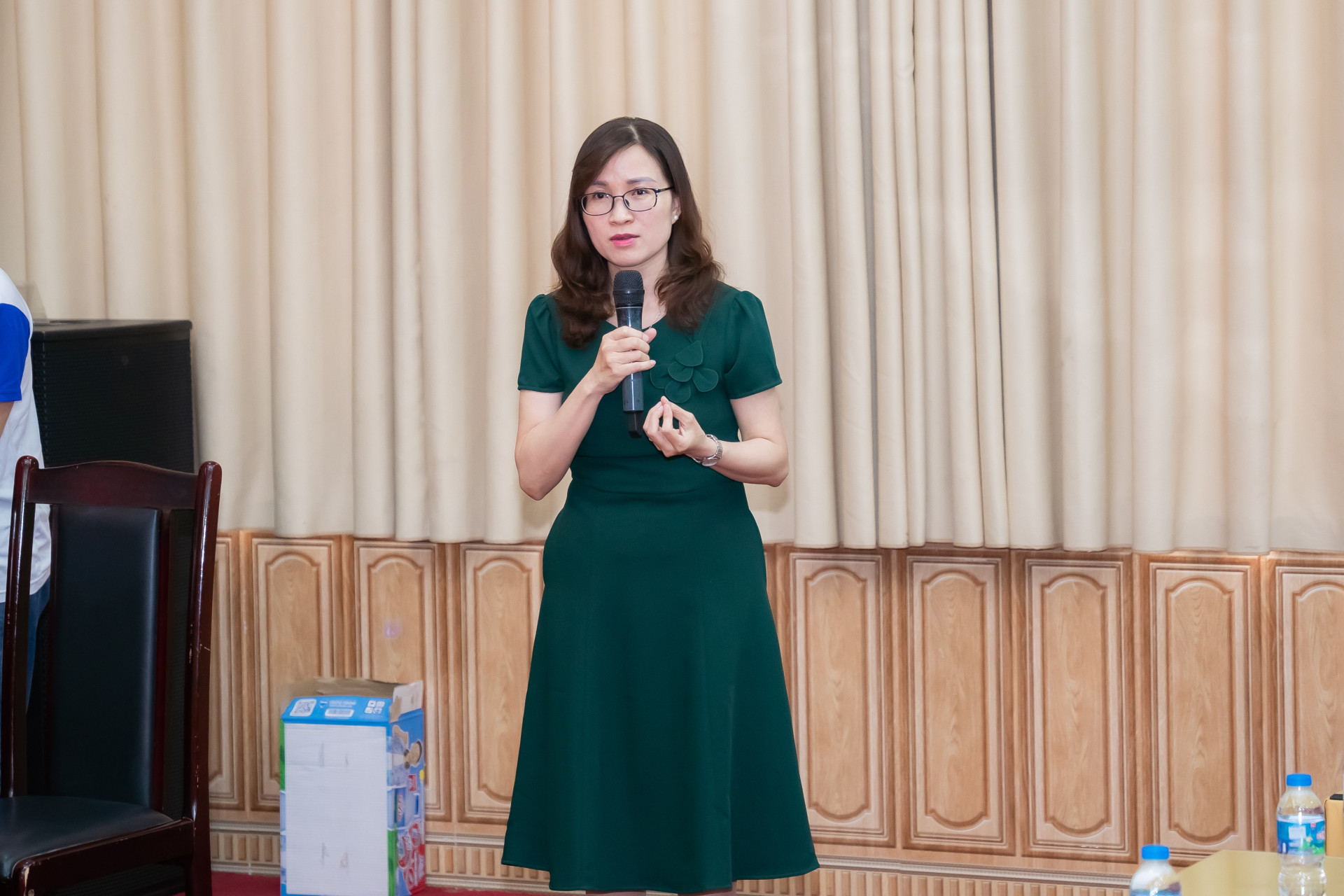
Assoc. Prof. Dr. Hoang Cam Giang (Event Curator)
When academic research becomes the foundation for creative practice
Another key highlight of the dialogue is the organic link between the classroom and the film set. As contemporary cinema increasingly craves indigenous material, anthropological knowledge is an invaluable resource.
At the seminar, scholars suggested many practical ways to connect with reality: from using films like "Phi Phong" as visual learning materials for Art Anthropology (as proposed by Dr. Nguyen Vu Hoang), to the prospect of shaping the role of Anthropology graduates within the structure of a professional film crew as cultural advisors. The very question posed by the students, majoring in Film and Popular Arts, about the possibility of bringing the film back to be screened for the Thai community itself, demonstrated a humanistic mindset, oriented towards their roots, of the younger generation of researchers.
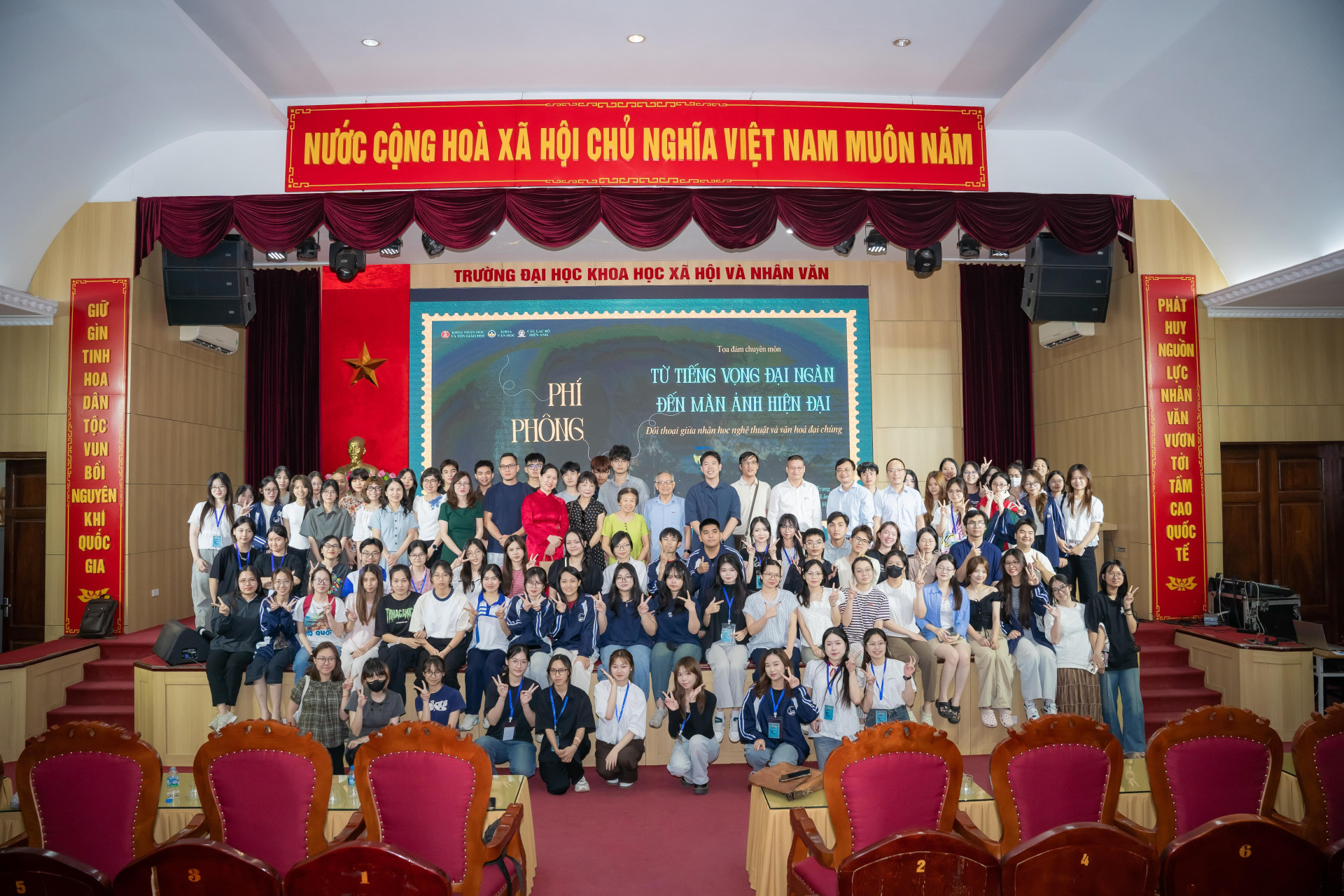
Lasting over four hours and jointly organized by the Department of Anthropology and Religious Studies, the Film Club, and the Department of Literature, the seminar went beyond simply dissecting a film. The event affirmed an inevitable trend: Modern art needs profound knowledge of anthropology to shape its identity, and conversely, anthropology needs the influence of art so that the "echoes of the mountains" are not forgotten in the flow of popular culture.
Author:Nguyen Vu Hoang, Thuy Linh
Newer news
Older news

