The workshop was organized in collaboration between the University of Social Sciences and Humanities, Vietnam National University, Hanoi (with the Department of Archival Studies and Office Management as the direct organizer) and Texas Tech University, with the active participation of the Institute for Peace and Conflict, the Vietnam Center and the Sam Johnson Vietnam Archive (affiliated with Texas Tech University).
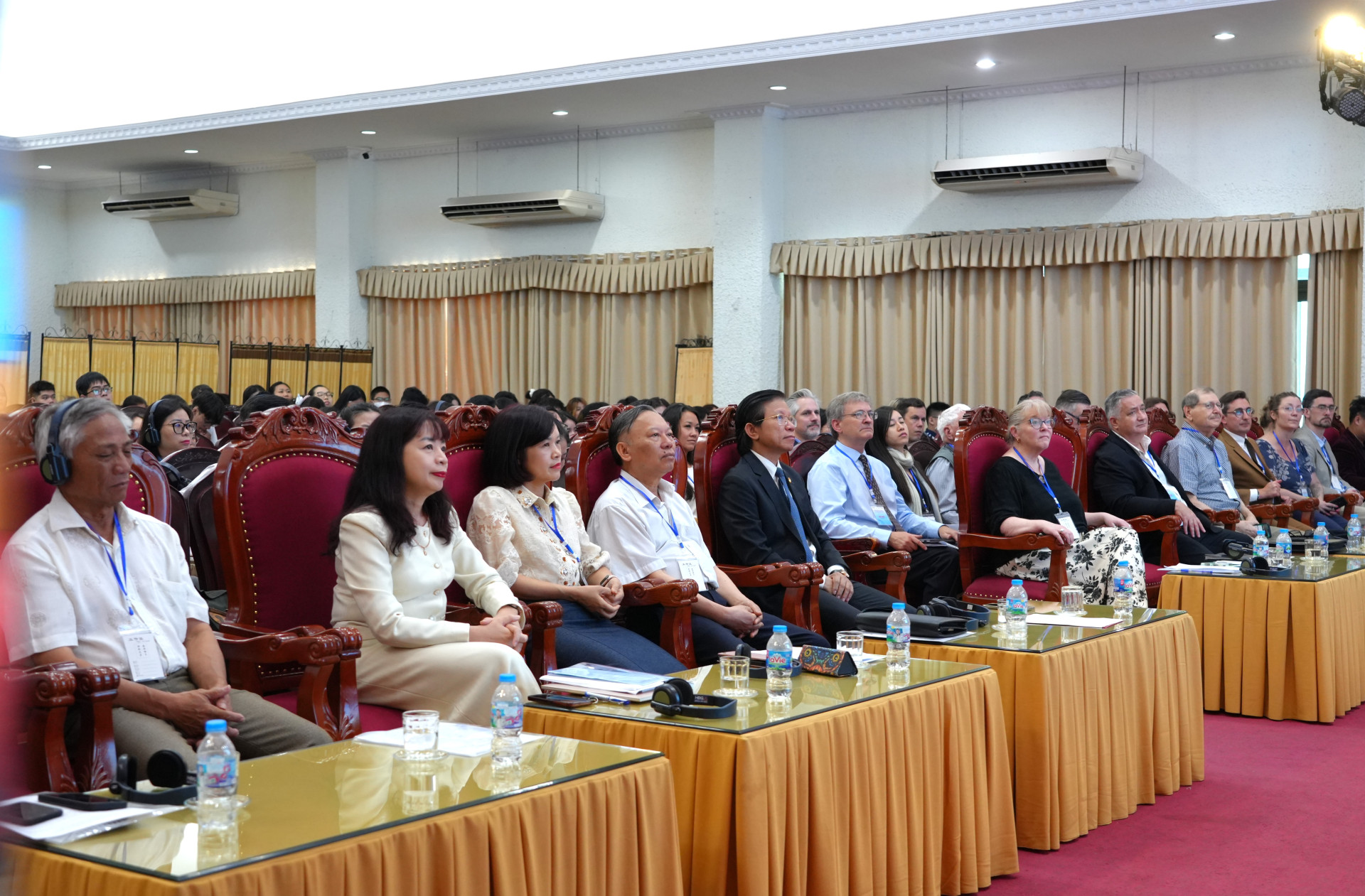
An open academic dialogue forum on documents and archival materials related to Vietnam-US relations.
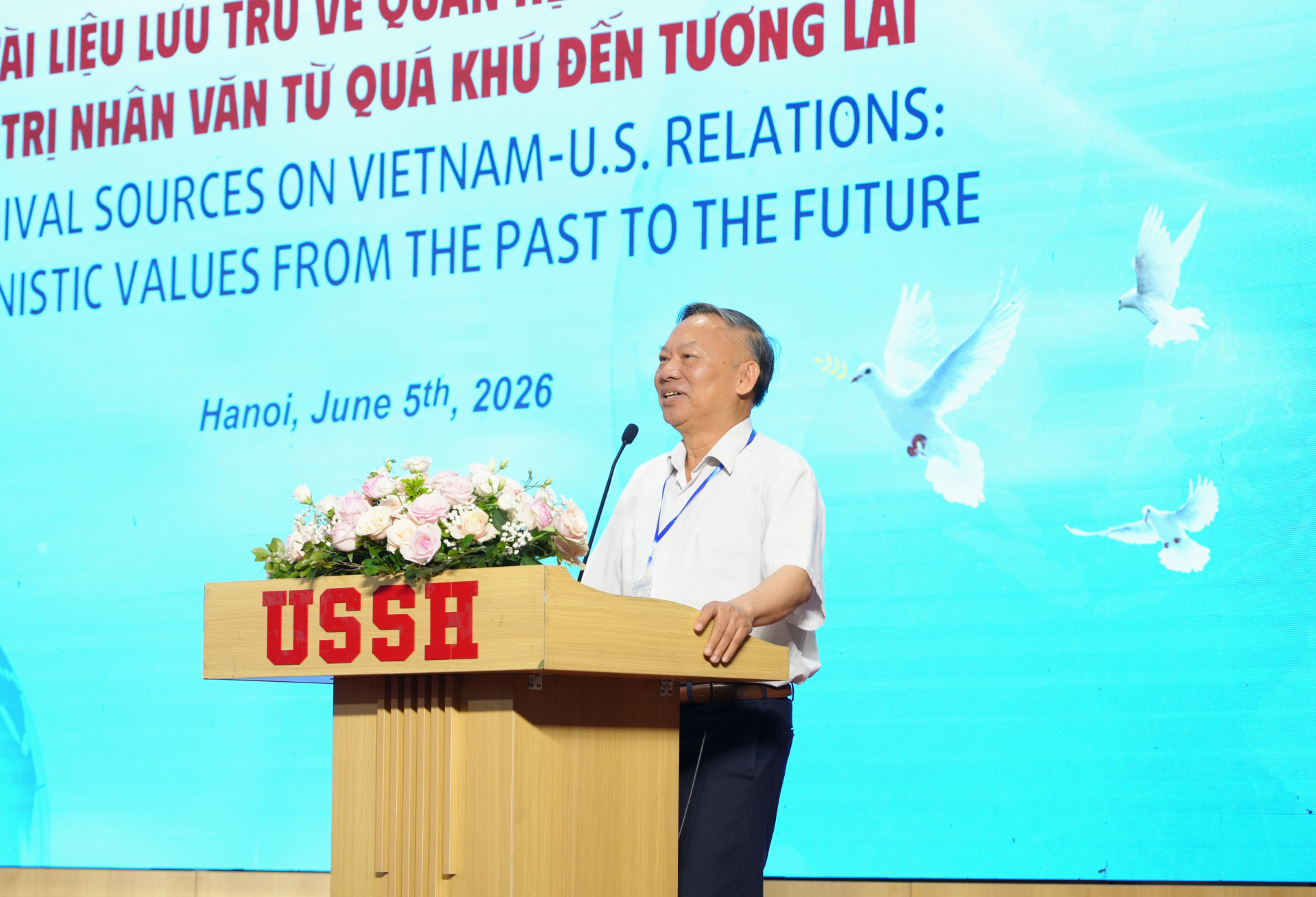
In his opening remarks, Professor Hoang Anh Tuan, Rector of the University of Social Sciences and Humanities, Vietnam National University, Hanoi, emphasized that the Vietnam-US relationship is a special one. It is a relationship that has navigated the turning points of history, but it is precisely from this history that we recognize the power of knowledge, dialogue, and a shared aspiration towards the future.
The workshop serves as a forum for scholars to exchange ideas on source materials, research methods, experiences in exploiting, preserving, and digitizing archival documents related to Vietnam-US relations. More importantly, it is also an opportunity for scientists to reflect on the humanistic value derived from these source materials and archival documents: the value of historical truth, of multifaceted memory, of reconciliation, and of responsibility towards those who have passed away, and towards present and future generations.
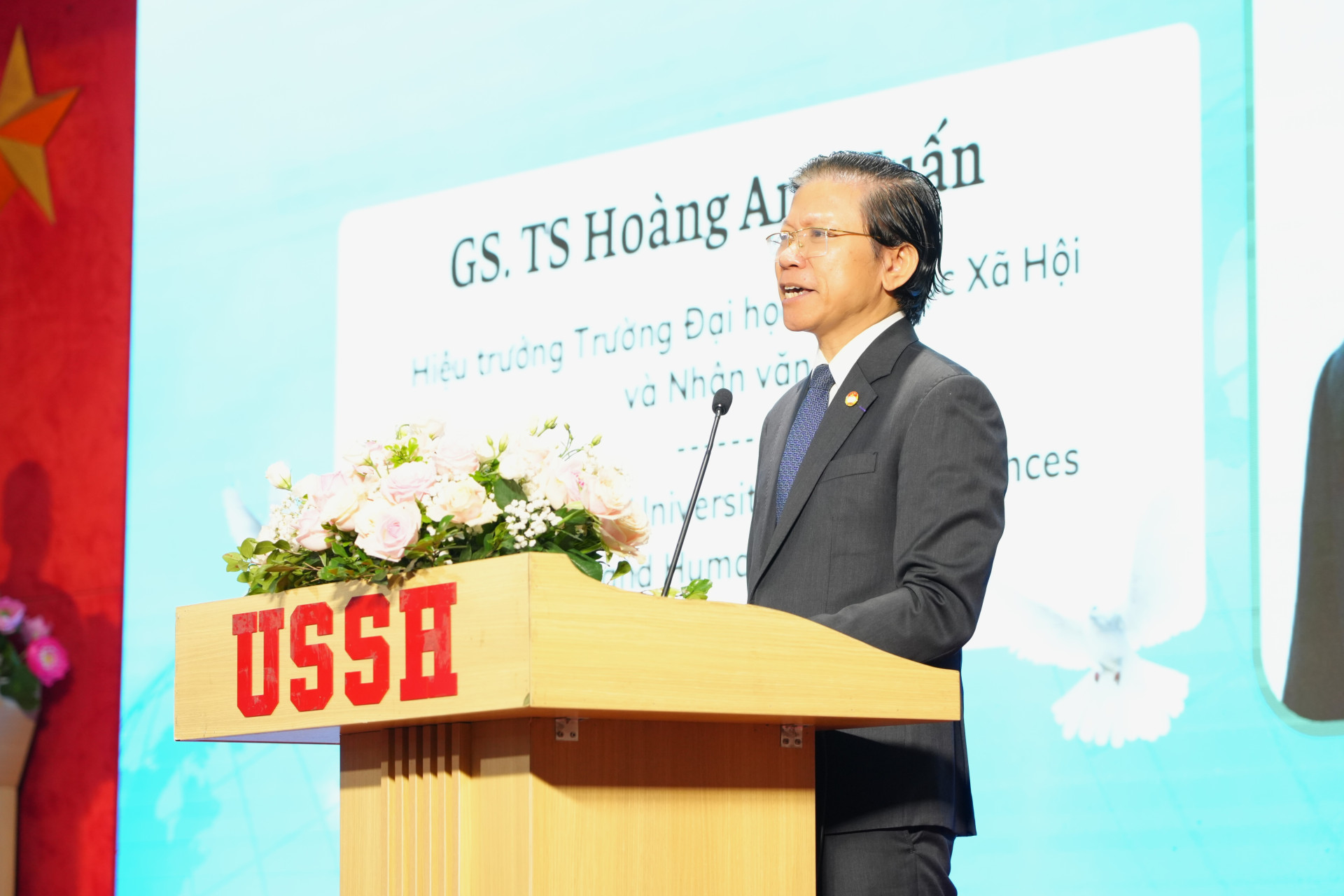
Professor Hoang Anh Tuan, Rector of the University of Social Sciences and Humanities, Vietnam National University, Hanoi, emphasized the profound scientific and practical significance of the conference.
The conference received significant attention from numerous domestic and international scholars, researchers, and experts. From the initial 60 abstracts submitted to the Organizing Committee, the conference selected 30 outstanding papers from 36 scholars and researchers for formal presentation and discussion. These papers came not only from major Vietnamese academic institutions such as the University of Social Sciences and Humanities, Vietnam National University, Hanoi; the University of Social Sciences and Humanities, Vietnam National University, Ho Chi Minh City; Fulbright University Vietnam; the Institute of History (Vietnam Academy of Social Sciences); the Archives Department of the Central Party Office; and the National Archives Center III, but also included participation from many scholars from the United States, such as Texas Tech University, San Diego State University, Purdue University, University of California Berkeley, Columbia University, Texas A&M University, Hawaii Pacific University, University of Southern Mississippi, Texas Christian University, and the University of Wisconsin–Madison, among others.
The diversity of academic backgrounds and research disciplines made the Conference a broad space for dialogue. There, documents and archival materials on Vietnam-US relations were accessed from multiple perspectives: history, diplomacy, war memories, reconciliation, humanitarianism, education, and digital humanities.
Rector Hoang Anh Tuan expressed his confidence that, with a serious, open, and mutually respectful academic spirit, the conference would be a valuable space for dialogue. From today's forum, the organizing committee hopes to see many new academic connections, many new collaborative ideas, and many joint projects in research, training, preservation, digitization, and promotion of archival documents on Vietnam-US relations.
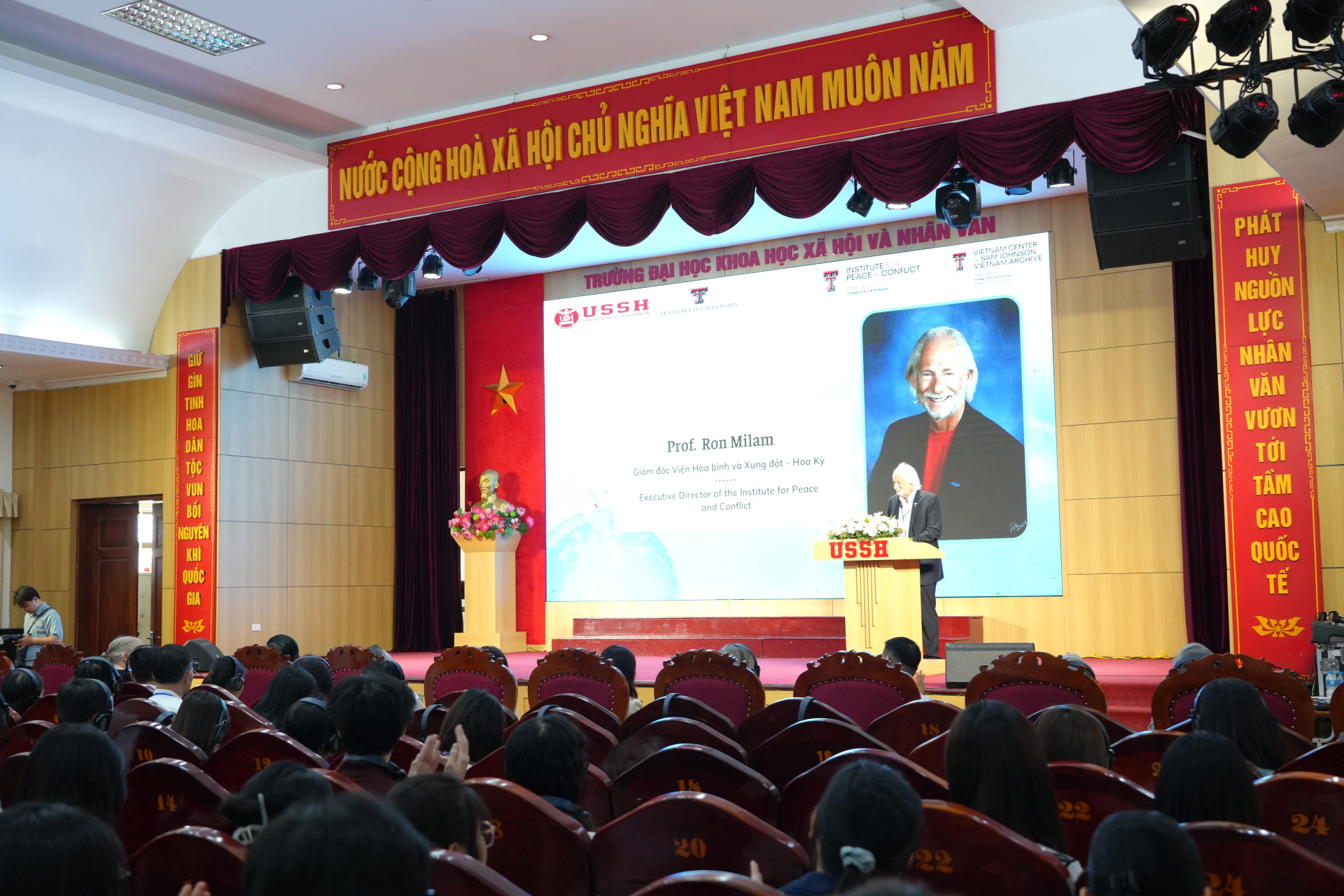
Professor Ron Milam – Director of the Institute for Peace and Conflict – USA, speaking at the conference.
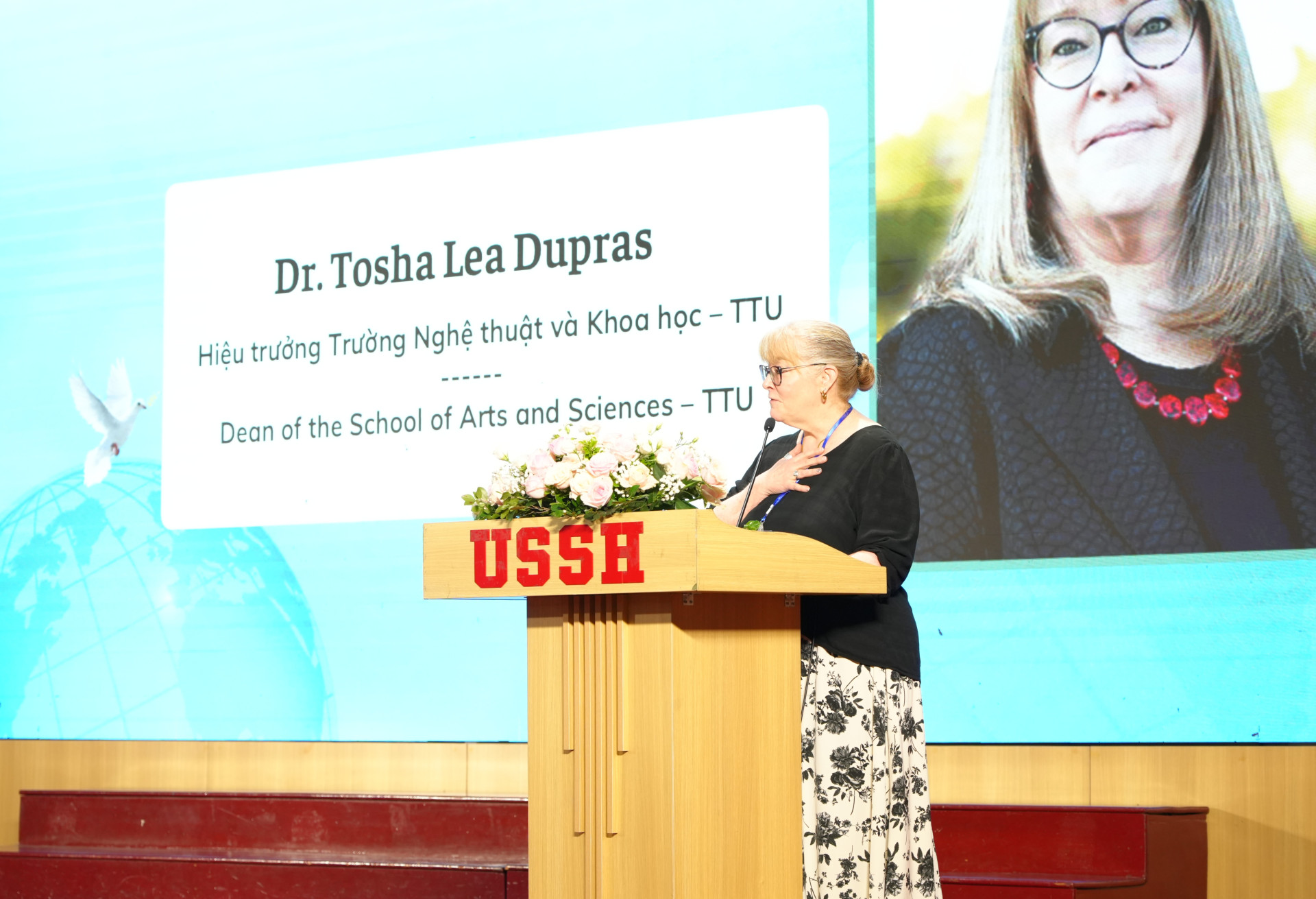
Dr. Tosha Lea Dupras – Dean of the School of Arts and Sciences – TTU
Archival documents – tools for building peace, healing wounds, and fostering empathy.
The common thread, and the most significant point of contact among all the presentations, was the affirmation that archival documents have transcended the limitations of mere historical evidence to become tools for peacebuilding, wound healing, and promoting empathy. According to Dr. Cam Anh Tuan – Head of the Department of Archival Studies and Office Management, Faculty of Social Sciences and Humanities, Vietnam National University, Hanoi, the presentations were broadly categorized into three thematic groups, reflecting three temporal dimensions of humanistic values: the Past (Identifying truth, respecting multidimensional memory, and life lessons), the Present (Reconciliation and building trust), and the Future (Digital age, technology, and global responsibility).
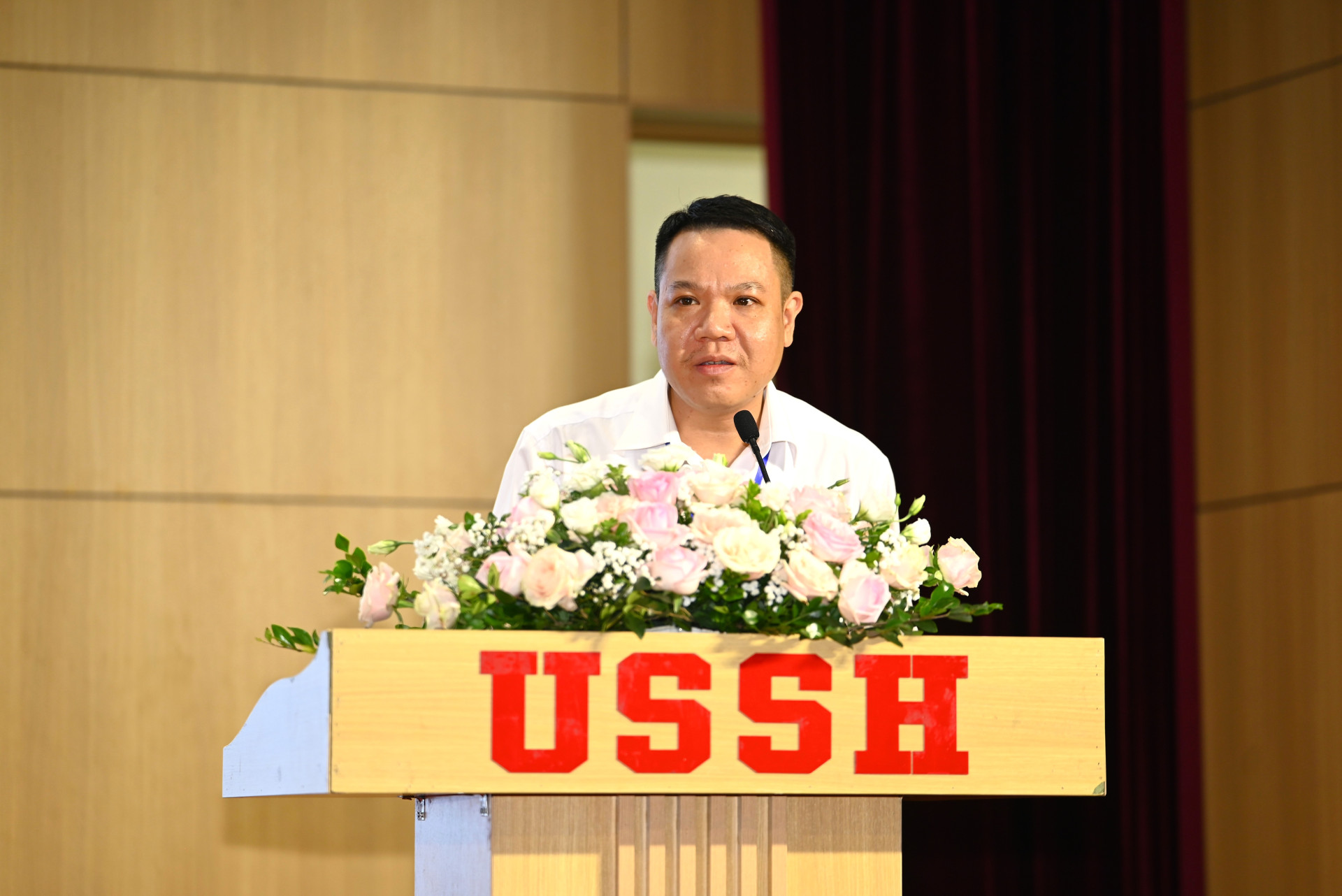
Dr. Cam Anh Tuan – Head of the Department of Archival Studies and Office Management, Faculty of Social Sciences and Humanities, Vietnam National University, Hanoi, presented an overview of the conference.
Accordingly, the first humanistic value of archival documents to the past is the protection of the integrity of historical truth, providing multifaceted perspectives that transcend rigid political prejudices. The authors have used archival documents to uncover the deeper layers of events, thereby restoring the voices of diverse historical subjects, as in the papers: "Sources of documents on Vietnam-US relations (1955-1975): Through the archives of the United States Agency for International Development (USAID)" (Ms. Cu Thi Dung), and "Using documents of the Republic of Vietnam government in studying US activities in South Vietnam (1955-1975)" (Dr. Nguyen Van Bau, Ms. Nguyen Pham Ngoc Han). From the perspective of international diplomacy, Professor Pierre Asselin, through his work on documents at the National Archives Center III, highlighted Hanoi's intelligent "diplomatic struggle" strategy at the Tri-Continental Conference, aimed at securing international support and legitimacy. In particular, the historical perspective became more objective through the presentation by Dr. Jarema Slowiak, who used documents from the archives of the Polish Communist Party to provide an independent "third-party" lens, revealing the concerns of Polish leaders about the risk of global escalation of the war and the complex economic calculations during the Cold War. Dr. Le Thi Thu Hang and Ms. Hoang Thi Ha also affirmed the importance of researching original sources, memoirs, and diplomatic documents published in the Journal of Historical Studies to clarify "missed opportunities" in bilateral relations.
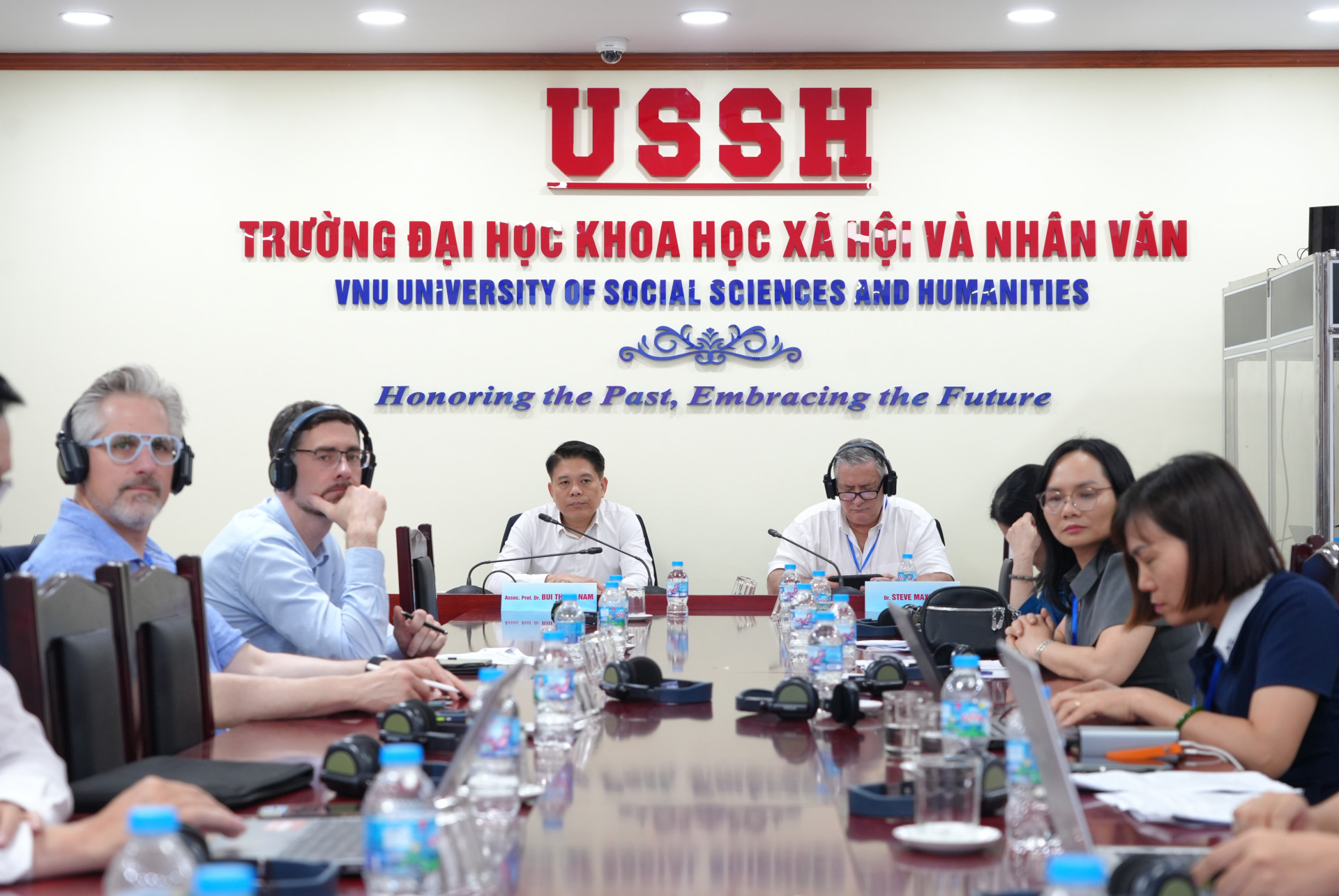
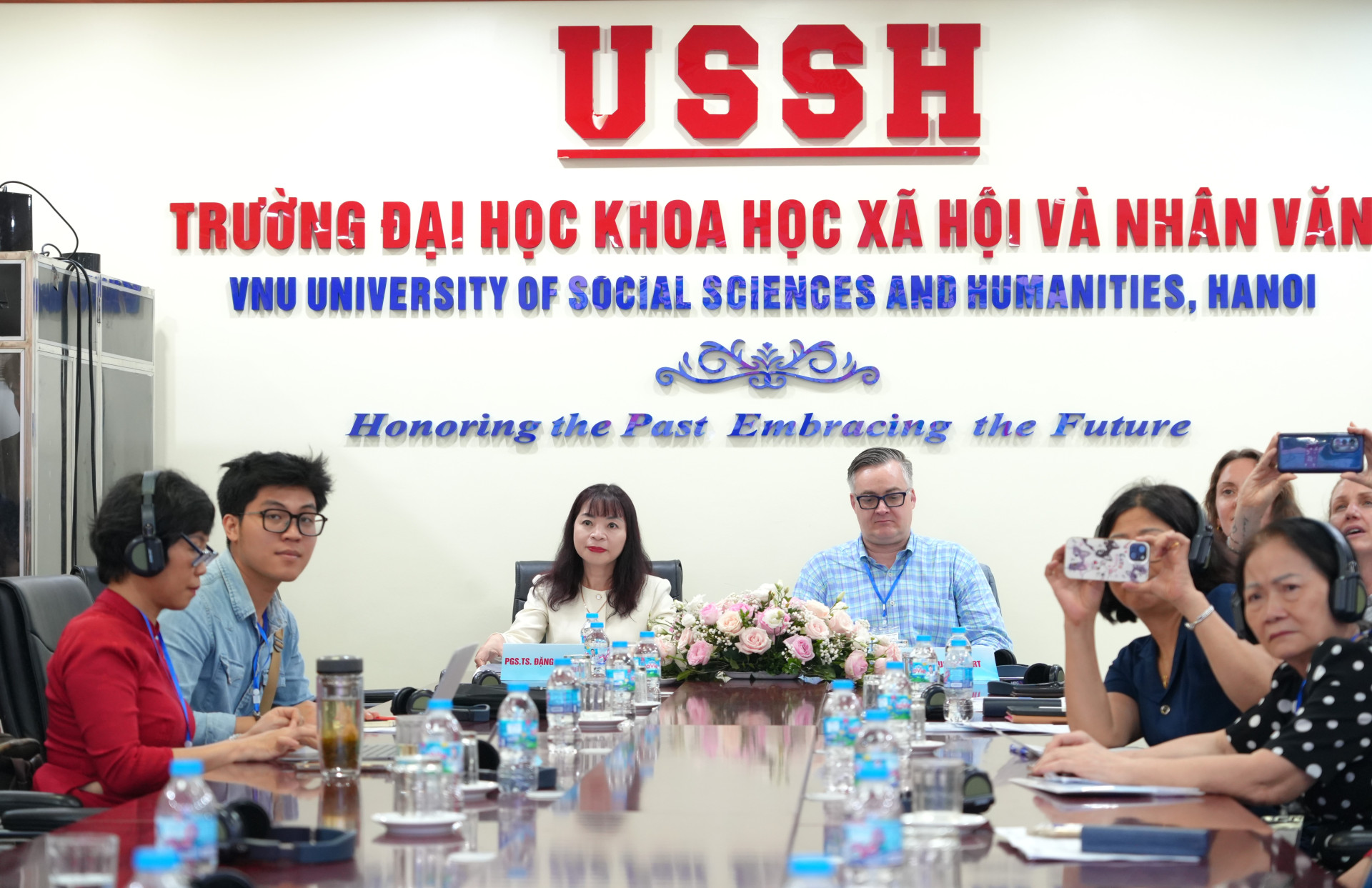
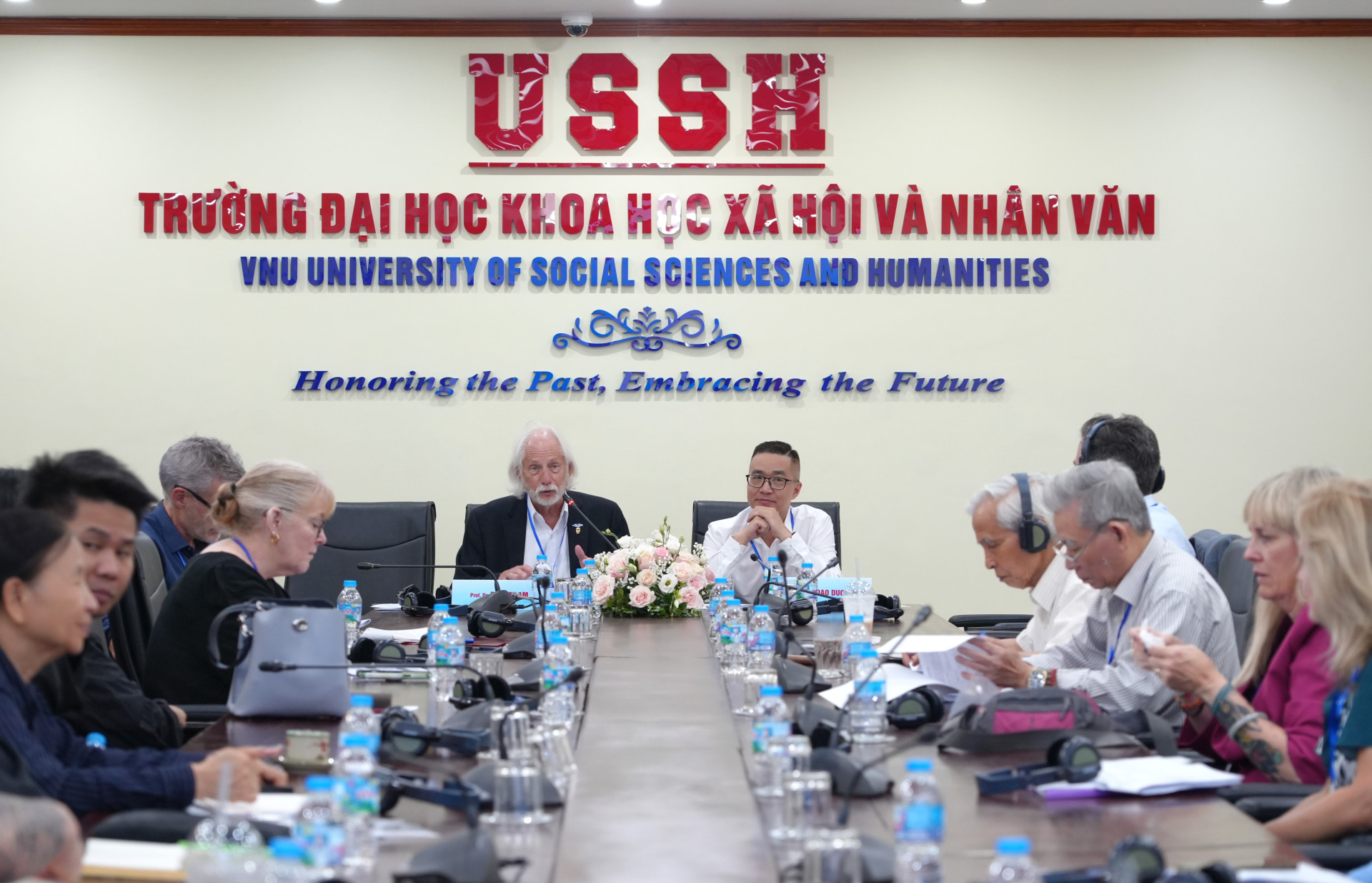
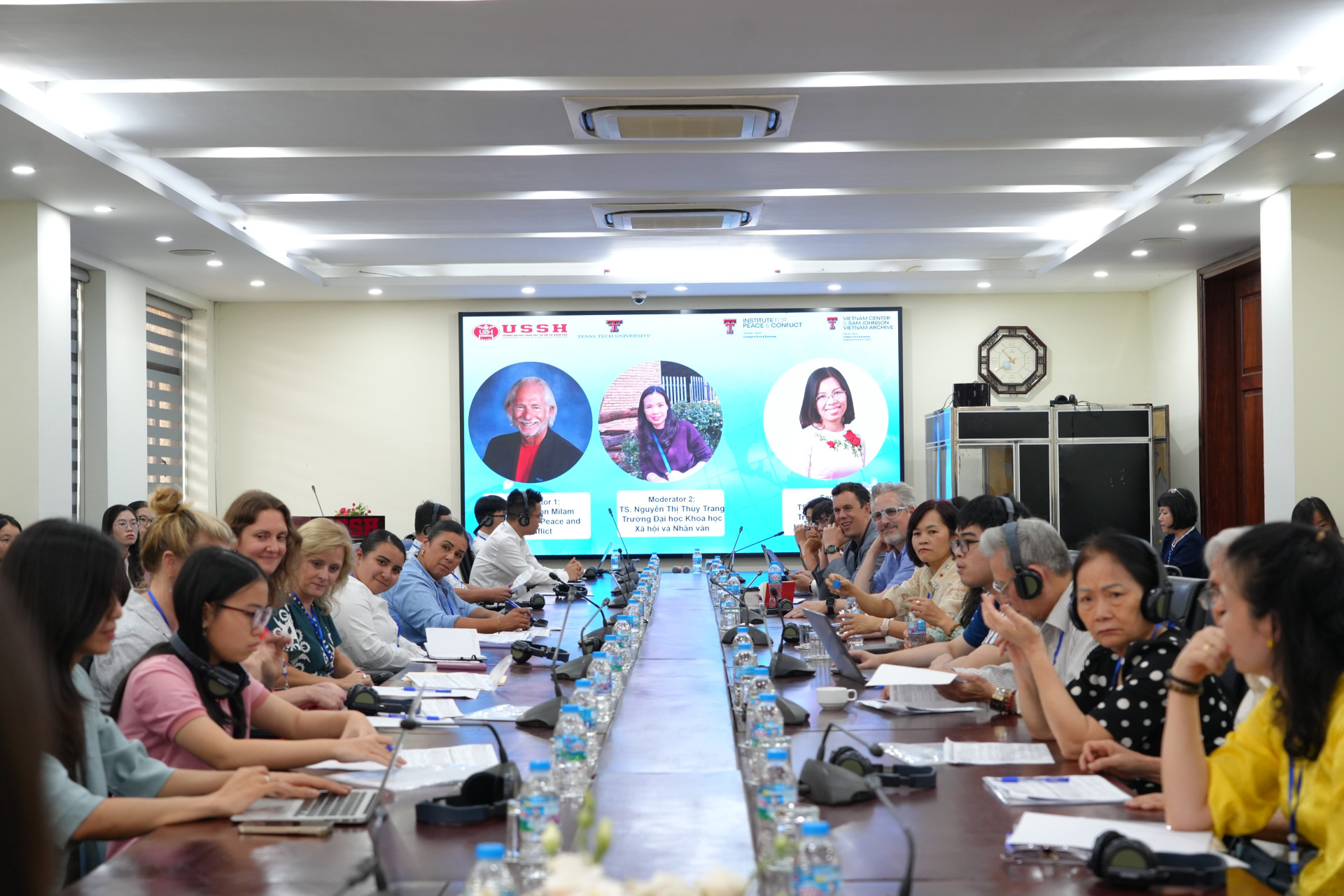
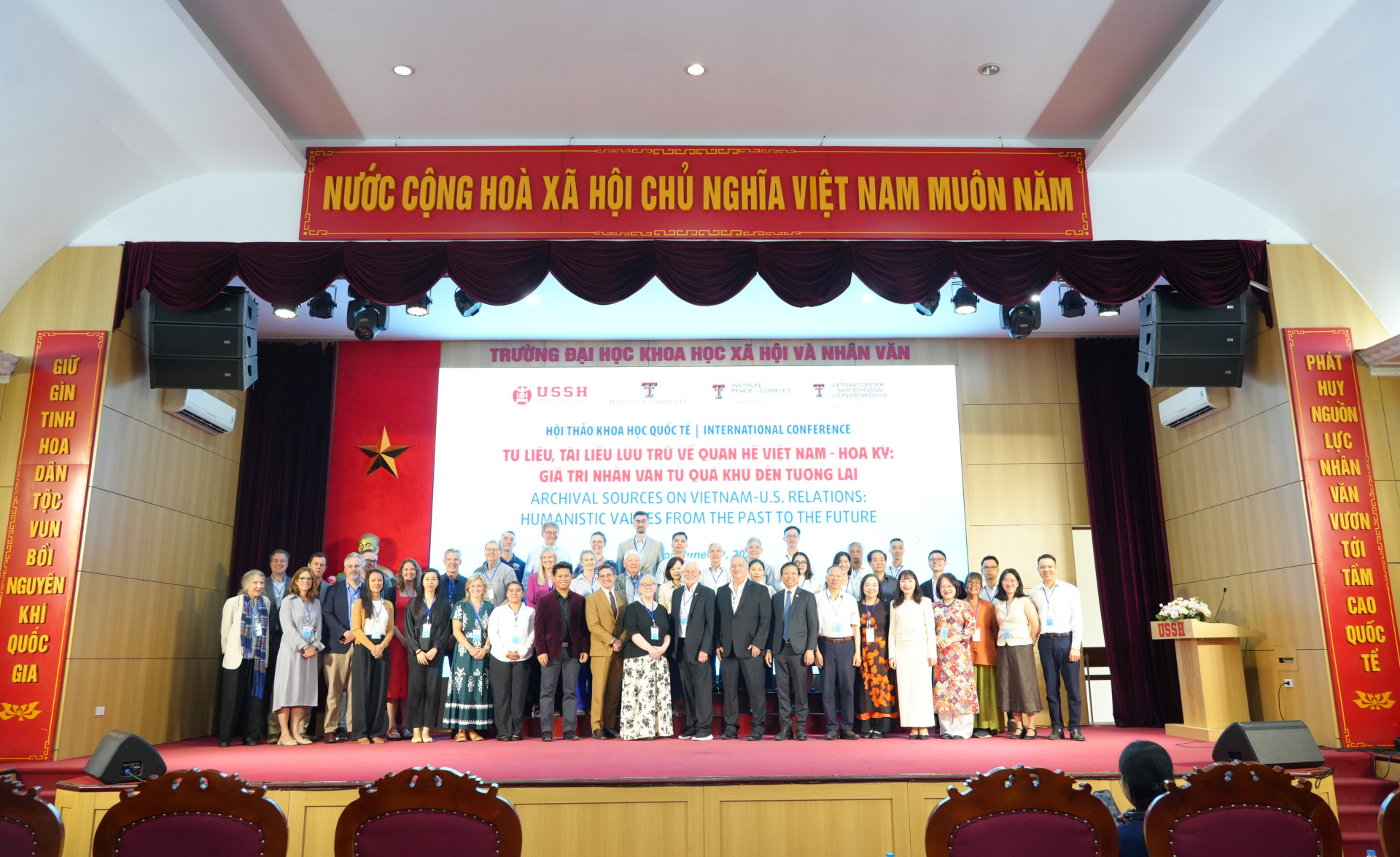
The workshop was divided into several subcommittees with the participation of reputable scientists from both Vietnam and abroad.
If the past represents wounds, then archival documents in the present serve as healing medicine. Humanistic values are now shaped by practical actions: searching for missing persons, addressing the consequences of landmines, and normalizing relations based on educational cooperation... Ms. Dinh Kim Ngan, through the Party's archival documents, systematized the foreign policy guidelines and policies of the Communist Party of Vietnam, from the letters imbued with the aspiration for peace from President Ho Chi Minh to successive US Presidents, to the spirit of "setting aside the past, looking towards the future" at the 7th Congress (1991) and the historical moment of normalization in 1995 with the message prioritizing the resolution of humanitarian issues. Ms. Tran Thi Hoan and Dr. Tran Viet Ha continued this trend by summarizing the vast amount of documents and images at the National Archives Center III, vividly demonstrating the spectacular transformation from former enemies to Comprehensive Strategic Partners in 2023. Dr. Vu Thi Thu Giang affirmed that the exploitation of archival documents has directly contributed to resolving the POW/MIA issue (Prisoners of War/Missing in Action), facilitating and promoting bilateral relations. Delving into the philosophy of this action, Dr. Andrew Bellisari sharply argued that the practices of searching for and collecting remains are not only a consequence of diplomatic agreements, but were formed during the war (1954-1994), stemming from shared anxieties about human losses and a sacred responsibility towards the deceased on both sides. Assoc. Prof. Dr. Vu Thi Phung and Dr. Pham Thi Hong Ha also strongly affirmed the humanitarian values of the post-war era through activities such as exchanging documents and mementos of soldiers, transforming these mementos into messengers of peace.
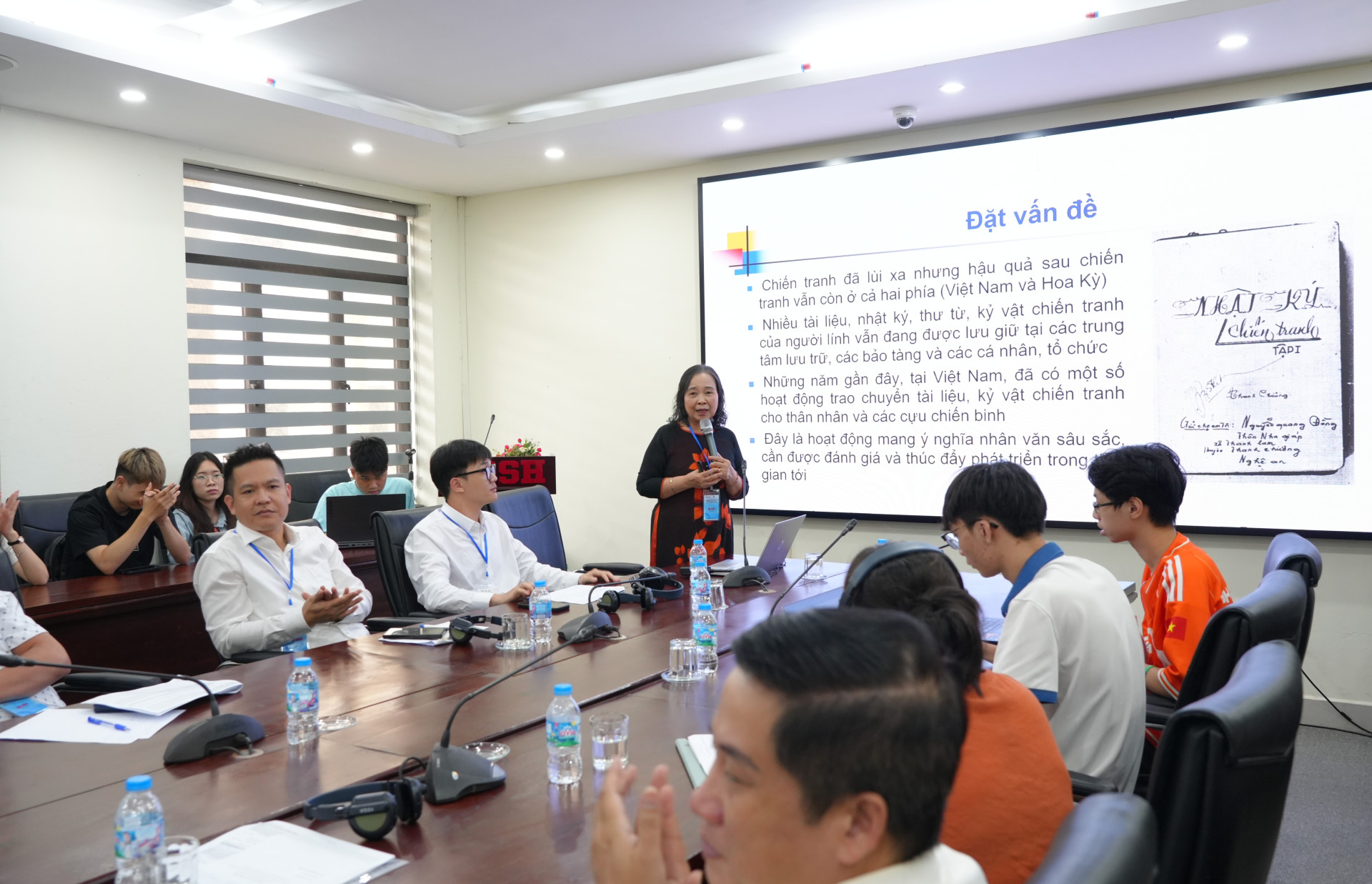
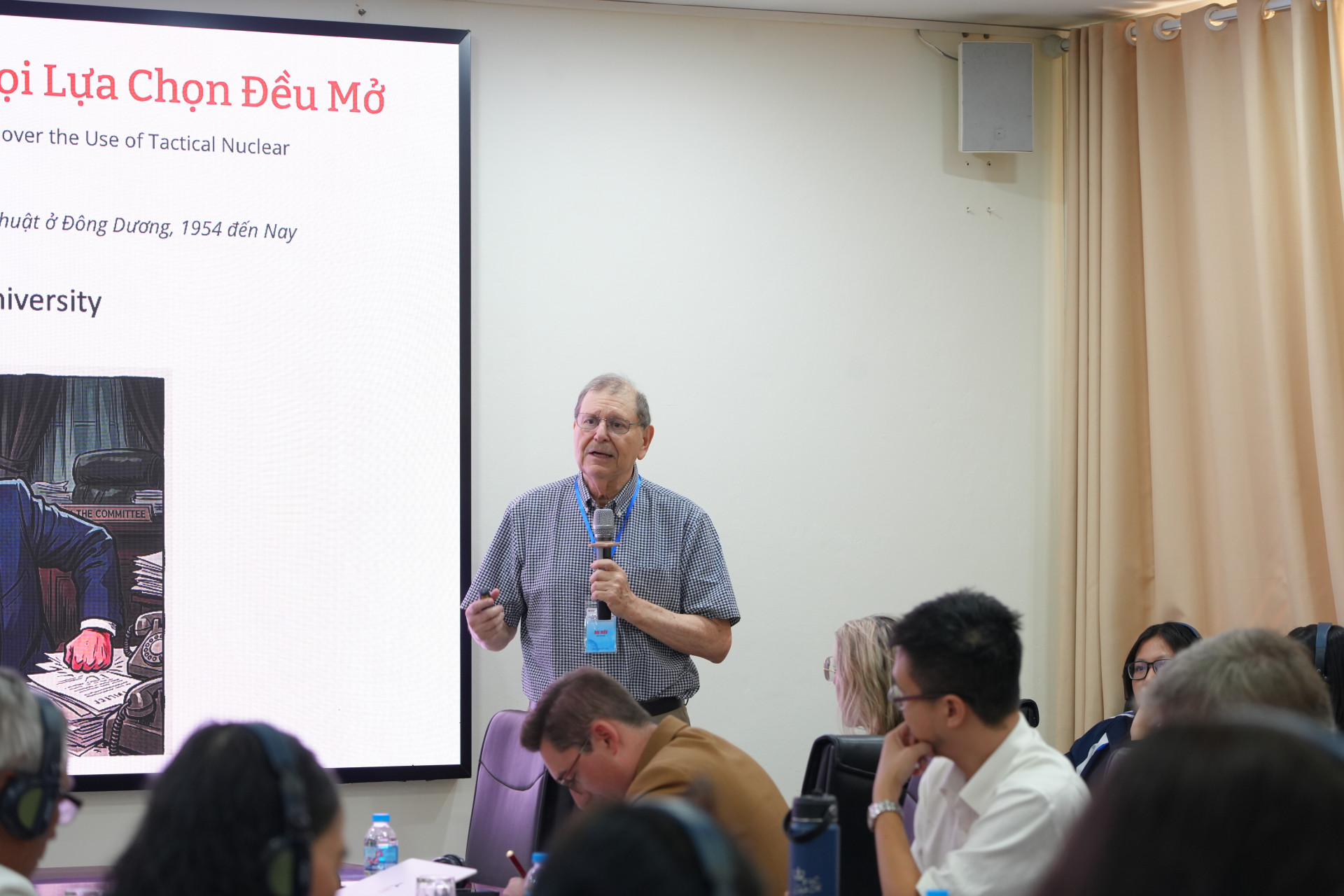
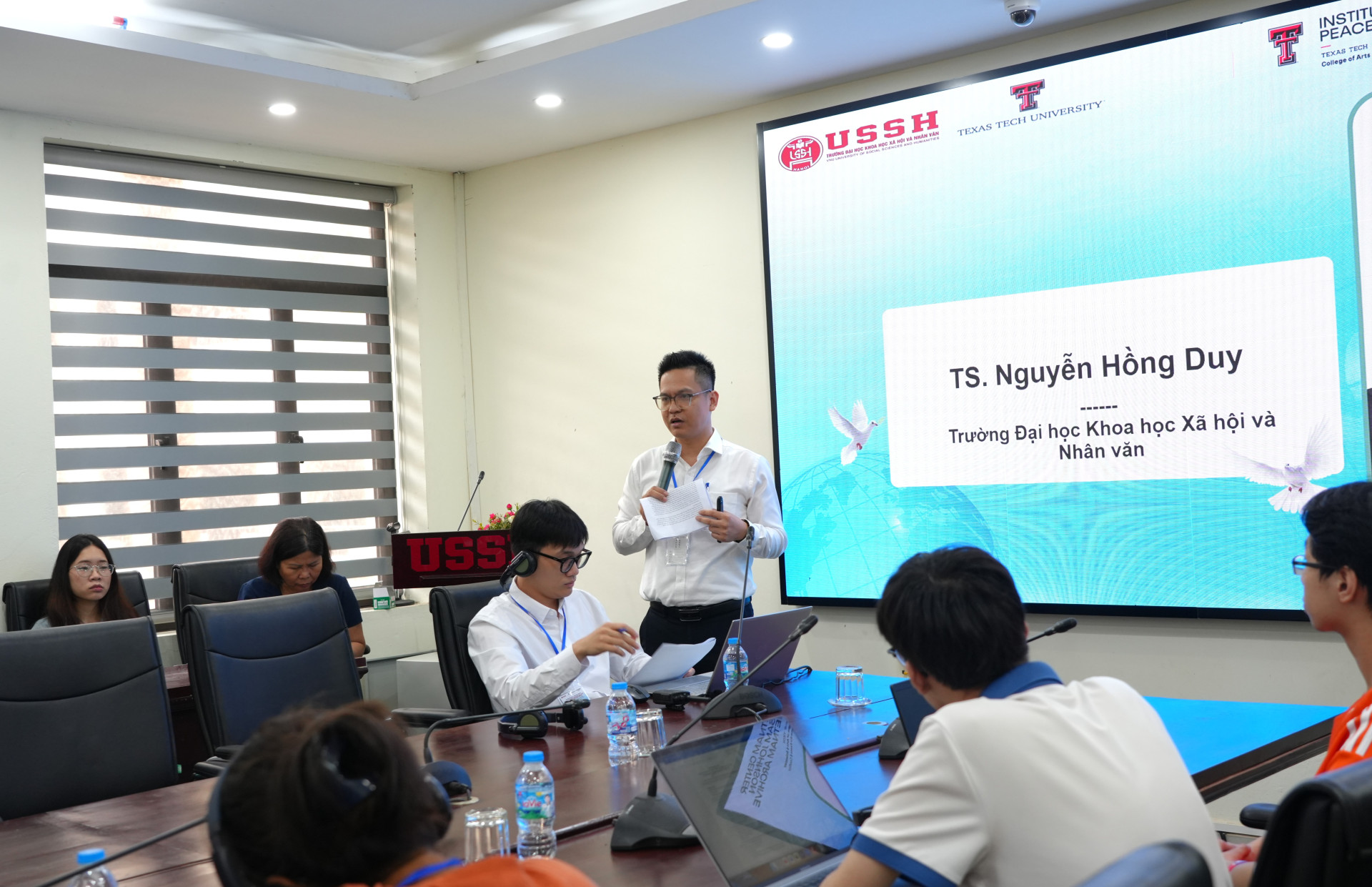
The workshop brought together presentations with rich scientific and practical value.
Scientists also emphasized that the future of exploiting Vietnamese-American archival documents depends on the concerted efforts of management agencies and the strong intervention of digital technology. The humanistic value in the future lies in information transparency, enhanced cross-border cooperation, and the application of artificial intelligence to serve humanitarian goals.
From the perspective of modern archival science, Dr. Nguyen Hong Duy has introduced a new approach by incorporating the concept of "Digital Humanities" into document exploitation at the Center for Integrated Document Exploitation (CDEC). The author points out that while previously CDEC records were limited to military purposes, now, through digitization and data linking, we can reconstruct human destinies, recreate memories, and assist in the search for missing Vietnamese soldiers.
This is not just theory, but practical action. Dr. Alex Thai Dinh Vo details Texas Tech University's leadership in the Vietnam War Missing in Action (VWAI) initiative. Combining 260,000 seized documents (CDECs) with geospatial data analysis, translations, and oral history has produced research dossiers with strong evidentiary weight, directly supporting Vietnamese families in their search for loved ones.
Technological breakthroughs don't stop there. Author Nguyen Thuy Linh illustrates the use of historical aerial photographs (US reconnaissance aerial images) combined with modern geospatial tools to identify previously unknown mass burial sites, transforming war-generated data into valuable humanitarian information. This technological convergence is demonstrated in the research of Dr. Andrew Wells-Dang, who proposes a multimodal strategy combining unmanned aerial vehicles (UAS), ground-penetrating radar (GPR), magnetometers, and especially Artificial Intelligence (AI) and Geographic Information Systems (GIS). The integration of AI enables spatial analysis, prioritized search areas, and the detection of microscopic anomalies underground without invasive procedures, ensuring scientific accuracy, objectivity, and profound respect for humanitarian values regarding the landscape and the deceased.
The seminar delivered a powerful message: Archival documents are the source of soft power, a powerful catalyst shaping Vietnam-US relations. Scientists emphasized that documents and archival materials on Vietnam-US relations are not merely lifeless pages left in archives, nor are they simply dry historical evidence of political events. They are the testament to a profound humanistic journey: a journey of transforming suffering into motivation, and confrontation into dialogue. Evaluating these documents means deciphering how the humanistic values from archival materials have reshaped history, and from there, drawing lessons on conflict management and peacebuilding for the future.
The press reported on the event:
People's Representatives Newspaper:Documents and archival materials on Vietnam-US relations: Humanistic values from the past to the future.
Vietnam National University, Hanoi:Documents and archival materials on Vietnam-US relations: When memory becomes a bridge to peace.
Investment Newspaper:From historical documents to the future of Vietnam-US cooperation.
Vietnam News Agency:Creating an international academic forum on documentation between Vietnam and the United States.
Corporate Finance Magazine:Vietnam and the US promote research cooperation through archival resources.
Author:Thuy Dzung - USSH Media
Newer news
Older news

