
Adjust qSectoral/Specialized Planning: Focuses on meeting societal needs and is highly interdisciplinary.
The University of Social Sciences and Humanities' training program planning project for the period 2014-2020 was approved by Vietnam National University, Hanoi in March 2014. The goal of this planning and orientation for undergraduate and postgraduate training is to ensure horizontal (between training programs) and vertical (between training levels) articulation, aiming for flexibility in program development. To date, after four years of implementation, the University has completed the development and introduction of many new majors and specializations, bringing the total number of undergraduate majors/specializations to 24, master's, and doctoral programs, along with several high-quality and second-degree programs.
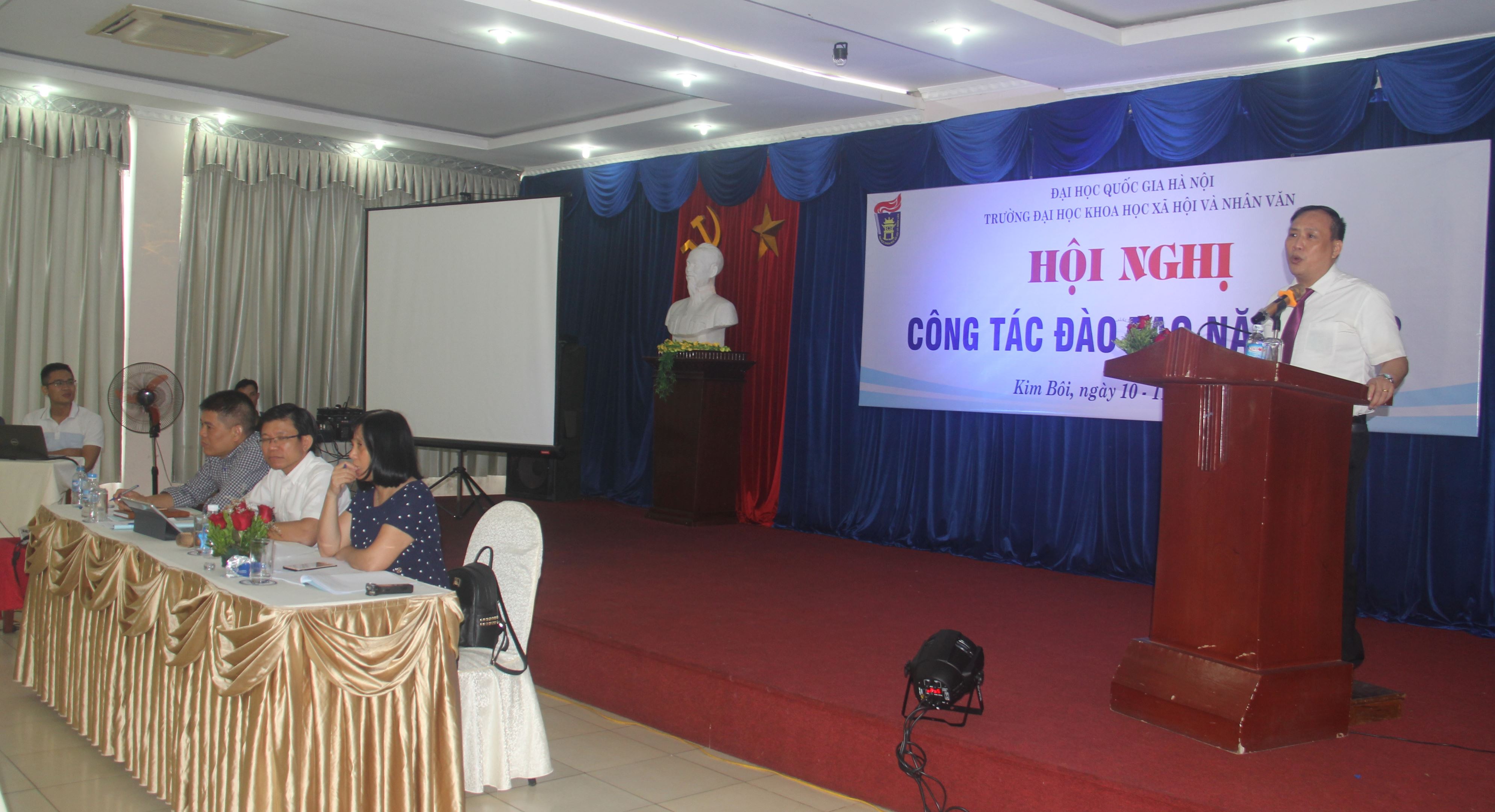
Prof. Dr. Nguyen Dinh Duc (Head of Training Department, Vietnam National University, Hanoi) attended and spoke at the Conference.
Discussing the philosophy and development direction of the University of Social Sciences and Humanities, Professor Dr. Nguyen Van Kim (Party Secretary, Vice Rector of the University) emphasized: steadfastly adhering to the development model of a research-oriented basic science university; basic science subjects play a backbone role in the University's training system, focusing on highly applied training programs that meet the needs of society.
Evaluating the achievements in opening new training programs in recent years, Professor Nguyen Van Khanh (Chairman of the Scientific and Training Council, former Party Secretary, former Rector of the University) stated that the University has done very well in this area, demonstrating its pioneering role as a leading, key university in opening a series of important new majors such as: Anthropology, Vietnamese Studies, Tourism and Travel Service Management, Southeast Asian Studies, Religious Studies... The University has created new majors that meet the interdisciplinary trend in social sciences and humanities and are popular with society; it is necessary to exploit the potential to open new majors such as: Cultural Management, Cultural Studies, Human Resource Management...; and at the same time upgrade some specializations into independent training programs such as: Korean Studies, Chinese Studies, Indian Studies, Japanese Studies (from the Oriental Studies major).
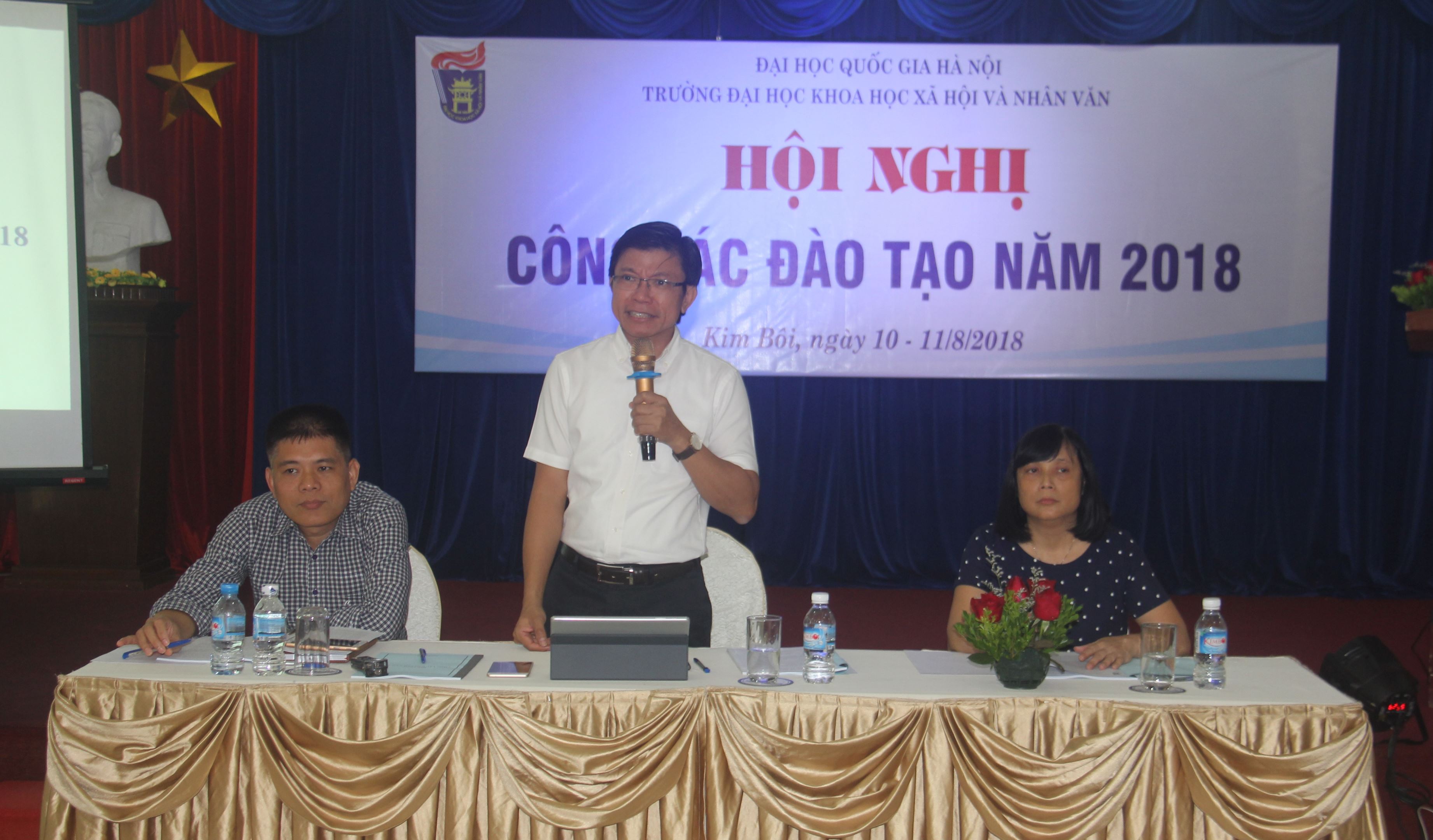
Associate Professor Hoang Anh Tuan (Vice Rector of the University) delivered a speech at the Conference.
In addition, the university needs to boldly adjust its enrollment quotas, increasing quotas in majors with high social demand such as Tourism and Travel Service Management, Oriental Studies, Journalism, Public Relations, International Studies, Social Work, etc.; and reducing enrollment quotas in basic, hard-to-recruit majors, focusing on improving the quality of training.
From a human resources management perspective, Dr. Ngo Thi Kieu Oanh (Head of the Personnel Department) believes that the planning of training disciplines/specializations is closely linked to human resource planning because all activities are connected to people, to specific professional competencies, and to specific tasks and jobs. The challenge in the planning of disciplines/specializations is how to most effectively utilize diverse scientific human resources, in a way that facilitates the interconnection of human resources between units. Each lecturer must proactively develop and adapt their expertise to broaden their career paths. Along with this, the organizational structure of the units also needs to be reviewed and streamlined.
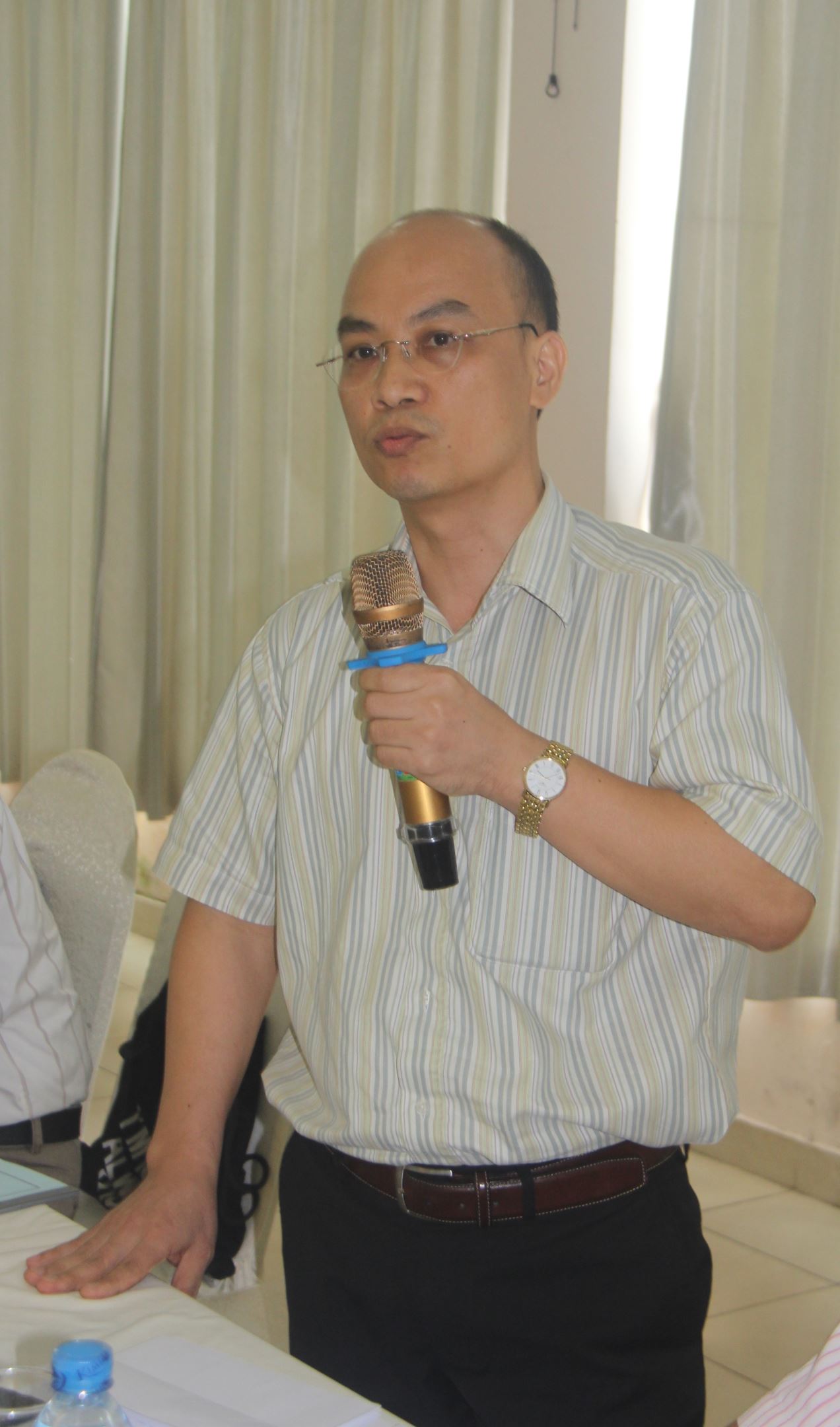
Assoc. Prof. Dr. Nguyen Van Suu (Head of the Department of Anthropology)
Representing the Faculty of Anthropology, Assoc. Prof. Dr. Nguyen Van Suu (Head of Faculty) proposed referencing the trend of professional interdisciplinary connections between majors/specializations in universities worldwide; boldly ceasing enrollment and training in social science majors that are no longer in demand; and investing in human and material resources to attract students and improve the quality of training in the context of increasingly high demands of the labor market. In foreign universities, to increase interdisciplinary connections, students should choose to take additional courses related to their specialization from other majors… to save on tuition costs and increase job opportunities.
Renewthinkinguniversity administration and qmanagementtrain
The topic of innovation in training management and, more broadly, university governance received special attention at the Conference.
Analyzing the development process of university ecosystems worldwide, Associate Professor Hoang Anh Tuan (Vice Rector of the University in charge of training and student affairs) warned of the outdated thinking in university management in Vietnam today. Accordingly, university management thinking often fails to keep pace with the needs of students, the labor market, and society. He affirmed that only on the basis of a compatible university management mindset can the right direction be given to training, from student recruitment to the structure of majors/specializations, teaching, testing, evaluation, and academic counseling for students...
Citing the development of university ecosystems, Vice Rector Hoang Anh Tuan argued that higher education in Vietnam in general, and at the University of Social Sciences and Humanities in particular, has moved beyond the era of elite universities and into the era of mass universities. However, university management thinking seems to have not truly kept pace with the "mass spirit," leading to shortcomings not only in the organization of training but also in the strategy for orienting training majors/specializations and investing in the development of the University.
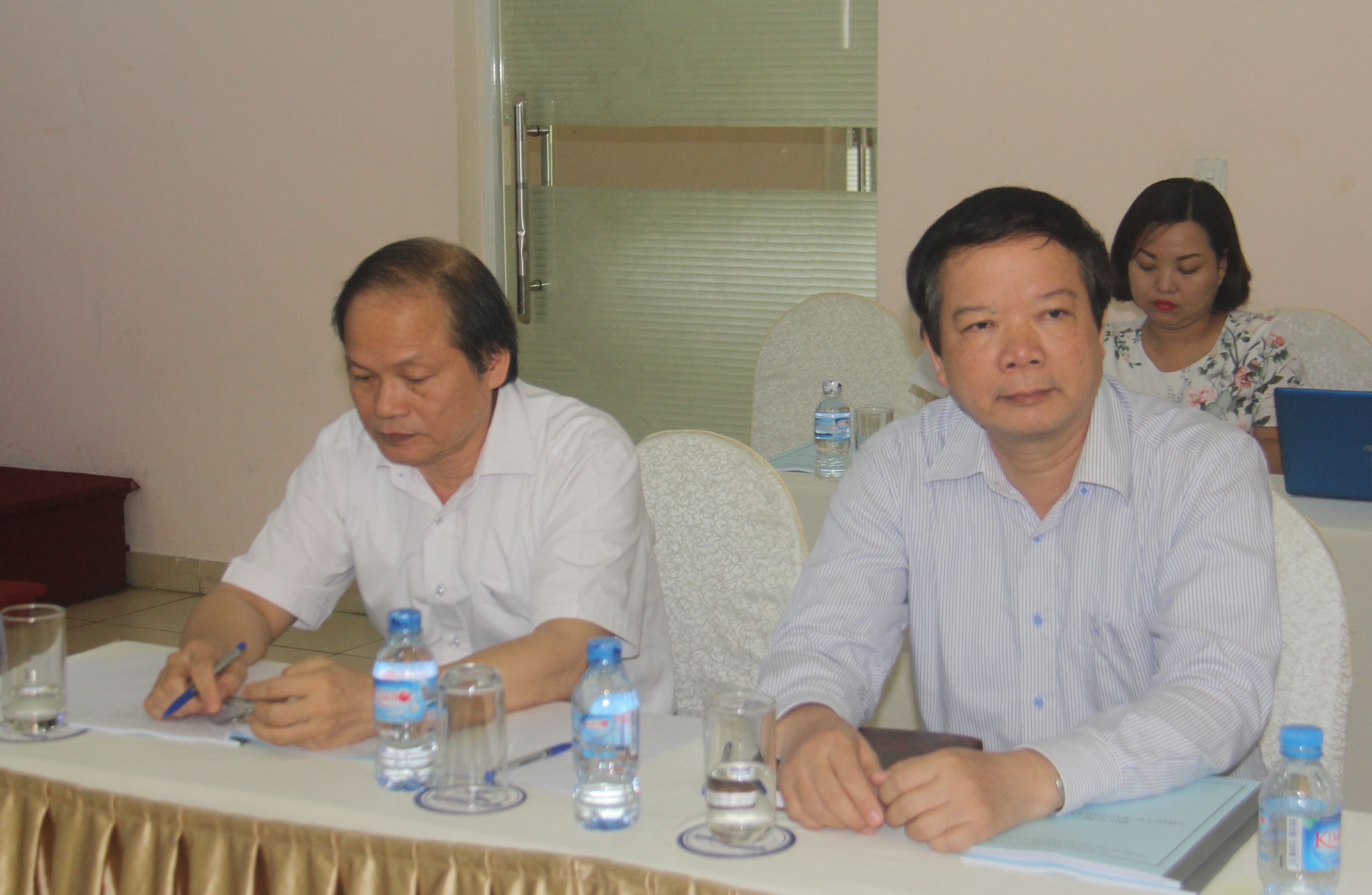
Prof. Dr. Nguyen Van Khanh (Chairman of the University's Science and Training Council, former Party Secretary, former Rector of the University of Social Sciences and Humanities) and Prof. Dr. Nguyen Van Kim (Party Secretary, Vice Rector of the University)
Professor Pham Quang Minh (Rector of the University of Social Sciences and Humanities) also expressed particular interest in innovation in training management towards a learner-centered approach. He shared: "In the near future, the University will welcome new students from the 10X generation. Teachers and training support staff need to understand the psychology and needs of this generation of students and how they differ from previous generations... We need to put ourselves in their shoes to think and develop appropriate support plans, continue to innovate in interacting with students, and simplify administrative procedures in a spirit of service..."
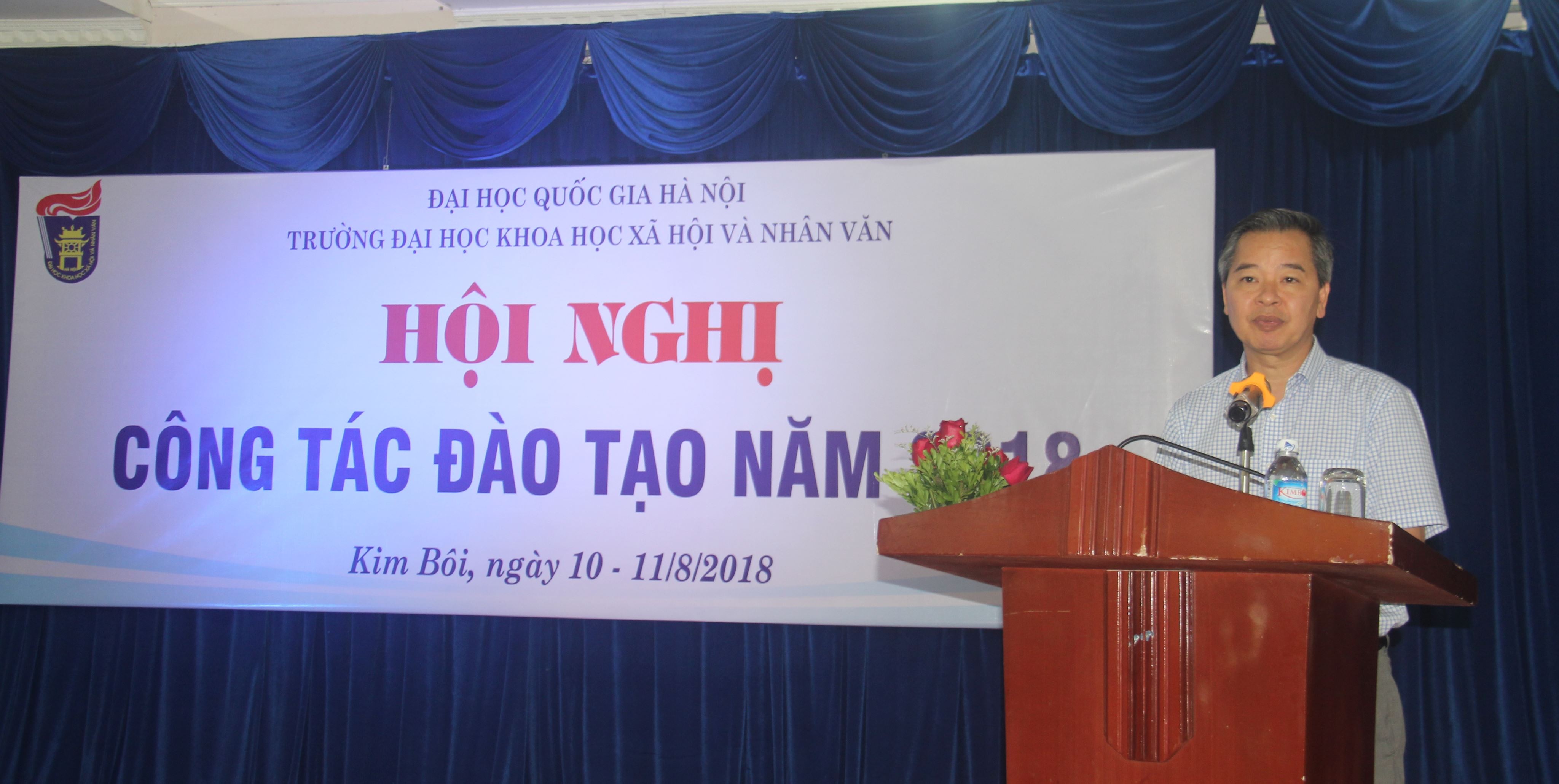
Professor Pham Quang Minh (Rector of the University of Social Sciences and Humanities) delivered a speech at the Conference.
Speaking about the shortcomings in the examination and evaluation of subjects, Mr. Dao Minh Quan (Deputy Head of the Training Department) stated that there is a discrepancy in converting traditional coefficient-based scores to letter grades in the credit-based training system. Lecturers seem to lack understanding of this conversion, leading to confusion in grading and classifying students, resulting in high scores in some subjects.
The relationship between training and employment opportunities for graduates was also a topic of interest for many delegates. Dr. Pham Huy Cuong (Deputy Head of the Student Affairs and Services Department) analyzed the need to increase the adaptability of training products to the demands of the labor market. The link between training institutions and employers must be an inseparable relationship from the very beginning of the training process. Besides specialized knowledge and professional skills, students must be equipped with methodology, problem-solving approaches, creativity, and adaptability – skills that will help them go further in their careers and lives.
TrainPostgraduateFair and honest acceptance of competition
For a research-oriented university, a high proportion of postgraduate training relative to the total training scale is a crucial indicator. With the issuance of Circular 08 by the Ministry of Education and Training and the Regulations on Doctoral Training of Vietnam National University, Hanoi (Decision No. 4555/QD-VNU dated November 24, 2017), doctoral recruitment and training at training institutions nationwide are facing significant challenges, predicting a serious decline in annual enrollment targets. For example, in the first round of 2018, Vietnam National University, Hanoi only received 55 applications for doctoral programs (including 20 from the University of Social Sciences and Humanities). Not only are the entry requirements for foreign languages high, but the output standards of doctoral training are also truly challenging for doctoral candidates: they must have published international scientific papers. According to Professor Nguyen Van Khanh, to attract doctoral candidates, the key issue to address is providing solutions to support doctoral students in developing their capacity for international publication, given that international publication in the social sciences and humanities is not easy.
From a training management perspective, Vice Rector Hoang Anh Tuan believes that the new regulations on doctoral training may present an immediate challenge for postgraduate training units. However, it simultaneously establishes a new scientific standard and a level playing field for educational institutions to demonstrate their professional capabilities. Currently, the University has announced and begun implementing a project to support international publications for its lecturers and doctoral students, ready to provide support ranging from 100 to 250 million VND for each international monograph published by groups of supervising lecturers and doctoral students. From the 2018-2019 academic year, in accordance with the Hanoi National University's guidelines on pre-doctoral training, the University will support potential candidates in developing their foreign language skills, strengthening their scientific research methodology, and perfecting their research proposals… before officially applying to the University's doctoral programs.
“The transformation of society in general, and the higher education environment in particular, not only presents the University with challenges but also offers us real opportunities for innovation and development. The new regulations on doctoral training create a new playing field for fair competition in postgraduate education. This is the time for us to demonstrate to the community the professional standing of a leading institution in social sciences and humanities in the country. To achieve this, we need to further promote the spirit of innovation, strengthen cooperation, share work, and look in the same direction…!” - Vice Rector Hoang Anh Tuan stated at the Conference's concluding session.
Author:Thanh Ha
Newer news
Older news

