

To date, the unit is currently managing, caring for, treating, and implementing policies for 97 severely wounded soldiers (with disability rates ranging from 81% to 100%). Among them, 1 soldier was wounded during the resistance war against France; 67 were wounded during the resistance war against the US; and 29 were wounded during the period of national defense and construction. Regarding the nature of their injuries, 90% suffered spinal cord injuries causing hemiplegia, so they mainly use wheelchairs or mobility aids. Due to the sequelae of spinal cord injuries, the lower half of their bodies suffer from muscle atrophy and loss of sensation, making them unable to perform daily activities independently; they also suffer from diabetes and high blood pressure. In some exceptional cases, a comrade was severely wounded and exposed to Agent Orange, resulting in children with disabilities, a truly heartbreaking situation. Many wounded soldiers still carry shrapnel fragments lodged in their spines and heads. Every time the weather changes, the pain becomes excruciating, causing spasms that disrupt their meals and sleep.
Beneath the cool, green canopy, where the wind rustles, lie 97 individuals, 97 destinies who dedicated their youth to the great cause of the Fatherland. The war is over, but its lingering effects haunt them. They continue to bear the pain inflicted by war. They continue to battle illness in their hospital beds, fighting for their lives, even if only for a breath, to continue living and contributing to the Fatherland and the nation.
Wounded soldier Hoang Xuan Thinh, who enlisted in 1961 and participated in the Quang Ngai battlefield, was unfortunately hit by a bomb that exploded right where he was hiding during a landing operation. A shrapnel fragment lodged in his spine, forcing him to use a wheelchair for life. His hometown is in western Nghe An, where his kind and hardworking wife actively participated in the militia. She had previously served on the artillery platform protecting the Truong Son airfield, and later carried ammunition and repaired railway tracks to support the airfield's operations, leading to severe cartilage damage and arthritis. Wounded soldier Nguyen Quoc Truong, from Ha Nam, also carries a similar burden. During the battle in the southwestern region of Vietnam, shrapnel fragments struck his skull, spine, and lungs. He pulled up his shirt to show his back, where a half-hand-sized indentation was completely gone. He explained that a shrapnel fragment had deeply penetrated his chest, and to protect his lungs, he had to sacrifice a part of his flesh and blood to save his life.
In another apartment, nurse Nguyen Thi Kim Phuong led us to visit wounded soldier Nguyen Van Mao. He lay small and frail on his hospital bed. His swollen legs were matted with cotton and white gauze. On the wall hung the First Class Liberation Fighter Medal and the Second Class Glorious Fighter Medal – the highest awards from the State for his contributions, sacrifices, and losses. He participated in the Thua Thien, A Sau, and A Luoi campaigns, then the Tet Offensive, and was exposed to Agent Orange, a deadly poison condemned by all of humanity.
For every year he's been hospitalized, she's been by his side, caring for him. We were speechless at her gentle demeanor, soft voice, and stunning beauty. With her, he overcame his pain, not just physical pain, but also emotional pain. They had once conceived with a fragile hope, but it didn't come to fruition. For over forty years he's been confined to his sickbed, and for those years, and even longer, she's continued to be his wife, feeding him spoonfuls of rice and porridge. She's doing something seemingly ordinary, but she's representing the nation in a sacred mission to alleviate the suffering of those who have already endured so much loss.
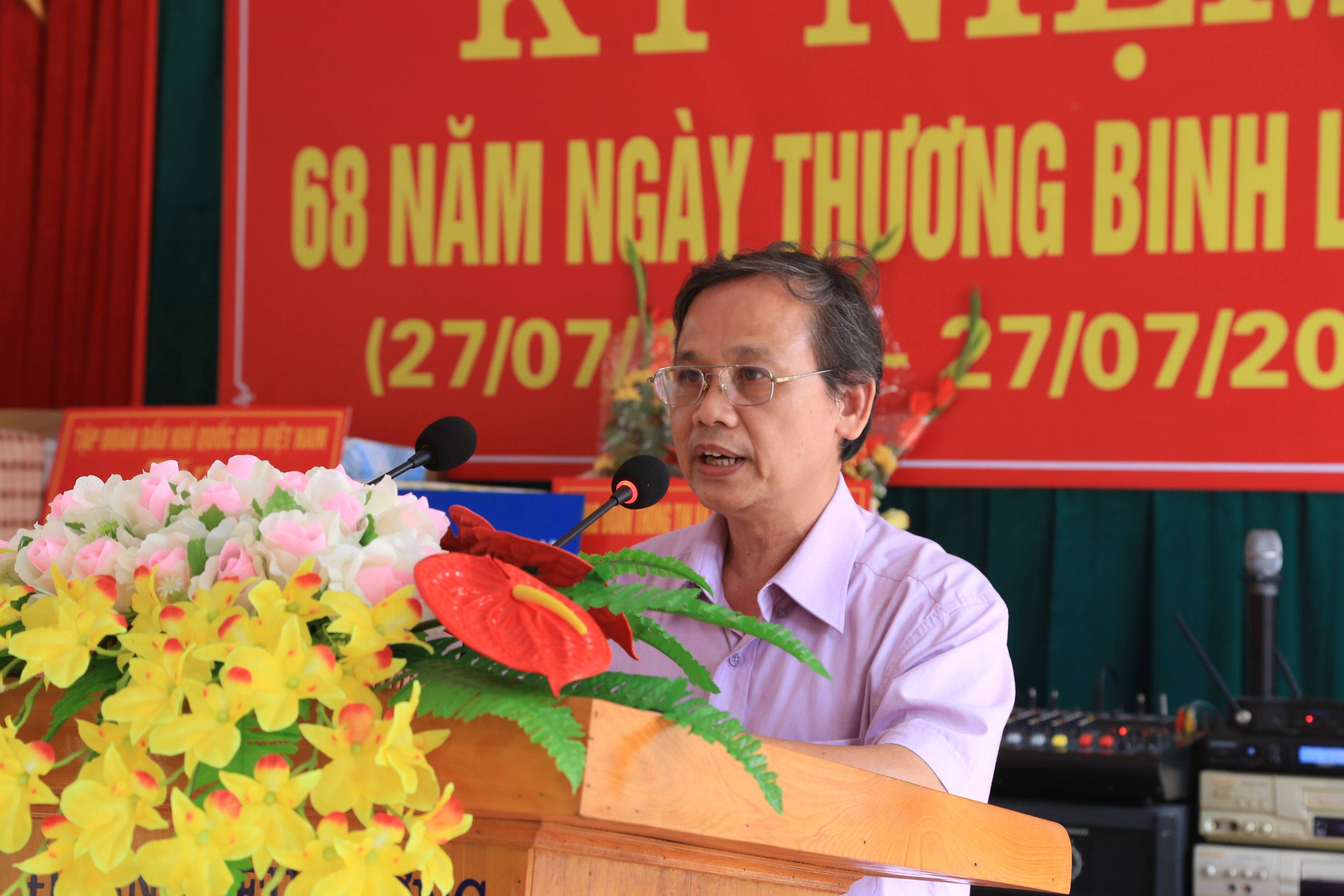
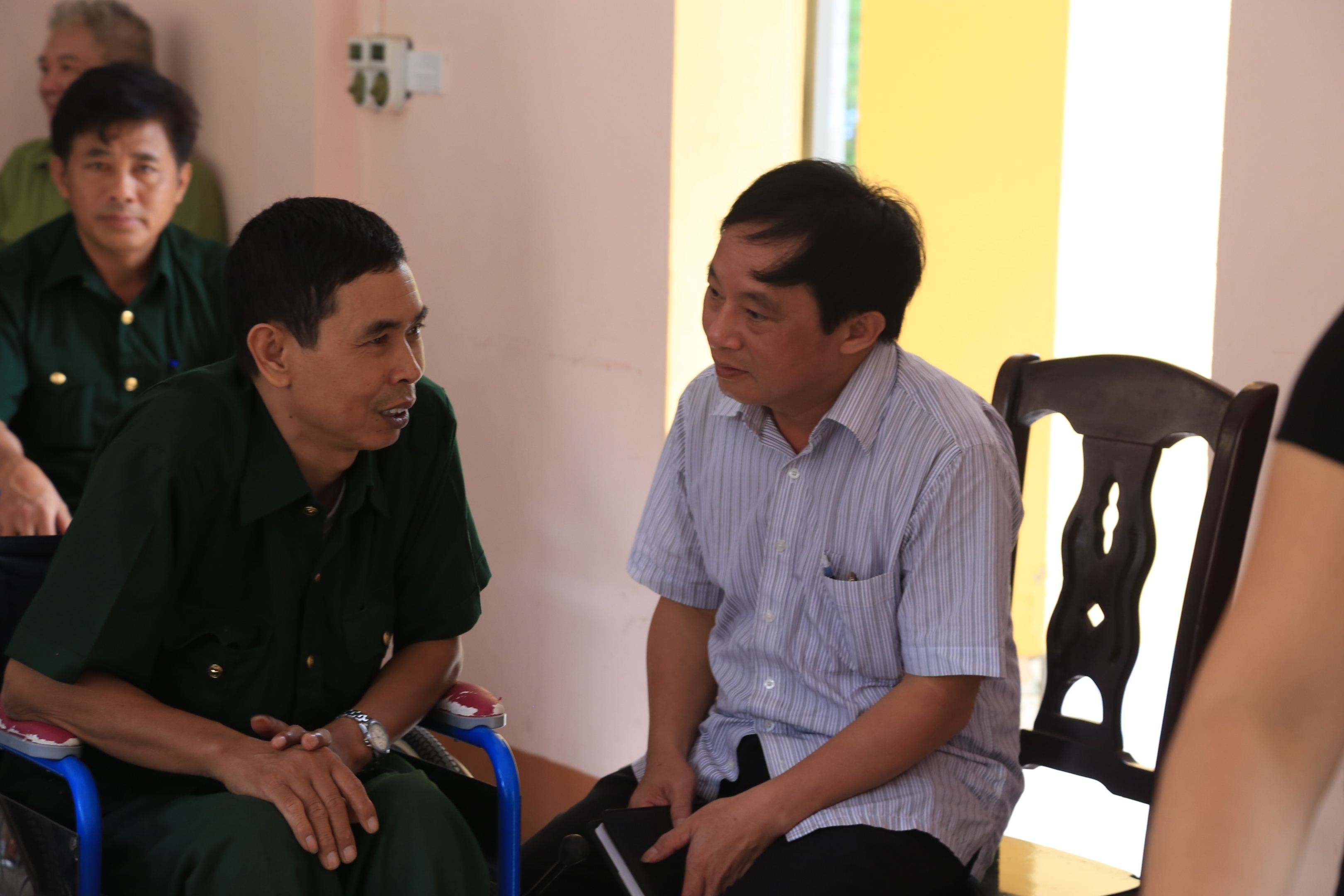
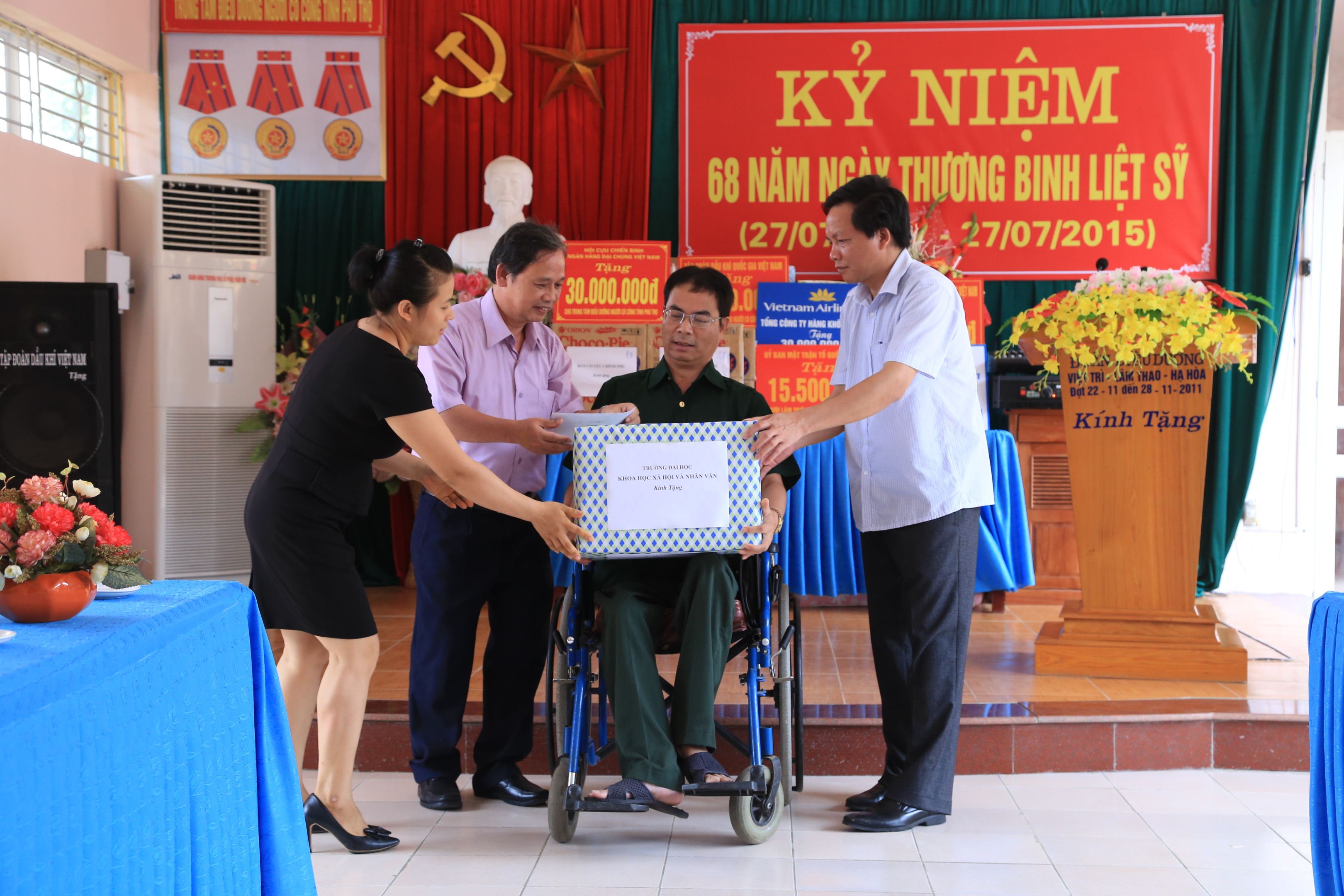
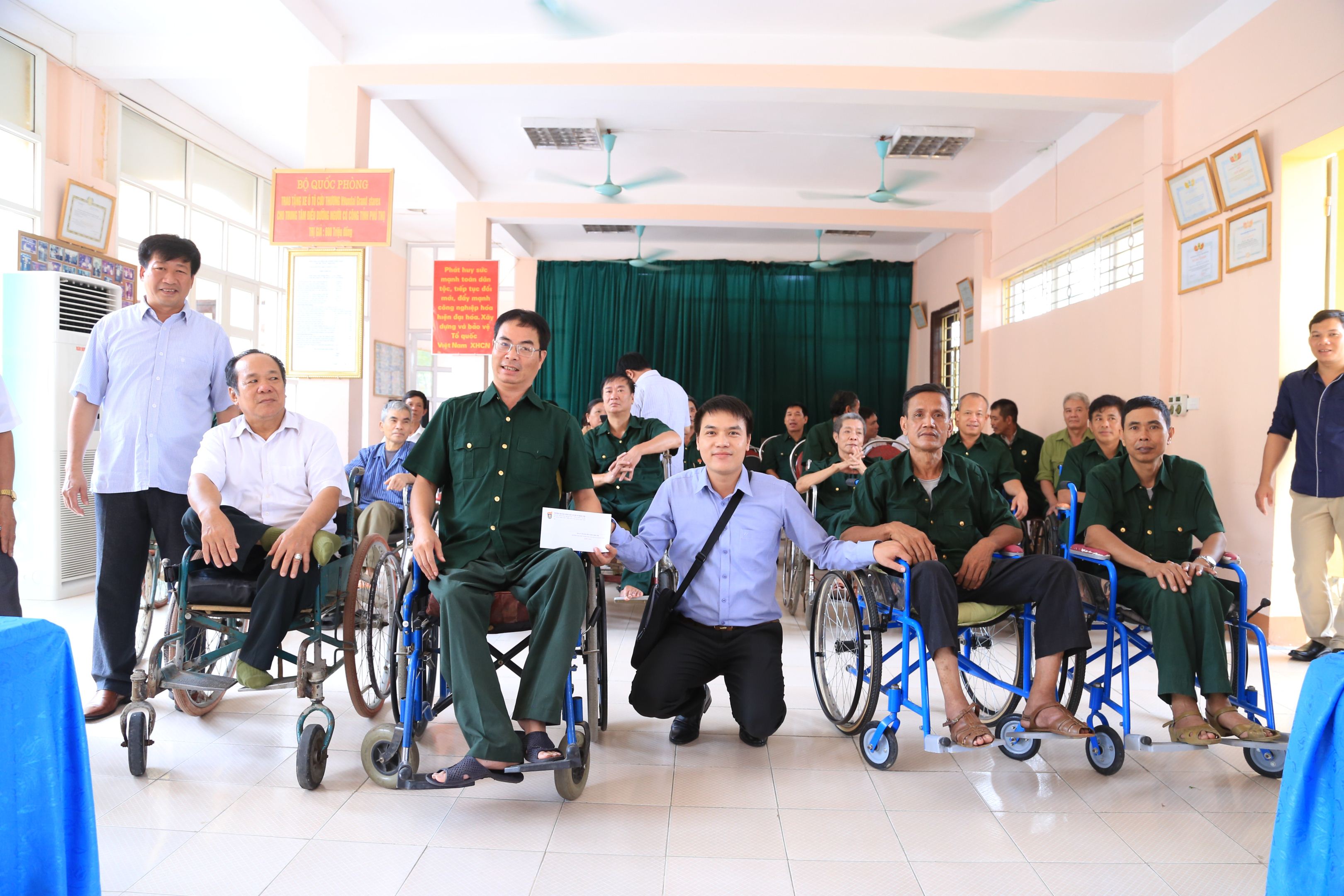
During the annual trip on July 27th, Associate Professor Dr. Dang Xuan Khang, Chairman of the Trade Union of the University of Social Sciences and Humanities, said: “This year, the Trade Union and the University's Veterans Association visited and presented gifts and 15 million VND in cash to the Center for the Care of War Veterans in Phu Tho province and the Center for the Care of War Veterans in Thuan Thanh, Bac Ninh. Although the gift is not large, it represents our gratitude and wishes for good health to the severely wounded veterans. The teachers, staff, and employees of the University wish the wounded and sick veterans to have their pain eased, overcome difficulties, and continue to live and contribute.”
Here are some photos from the visit:
Author:Pham Dinh Lan
Newer news
Older news

