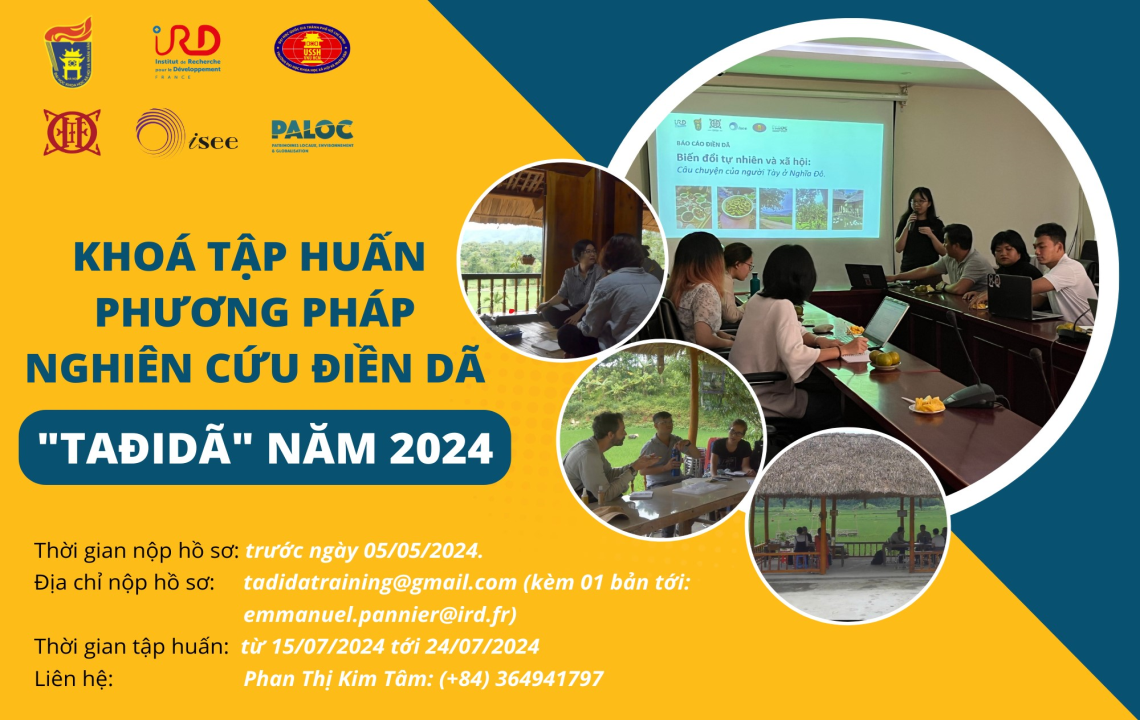
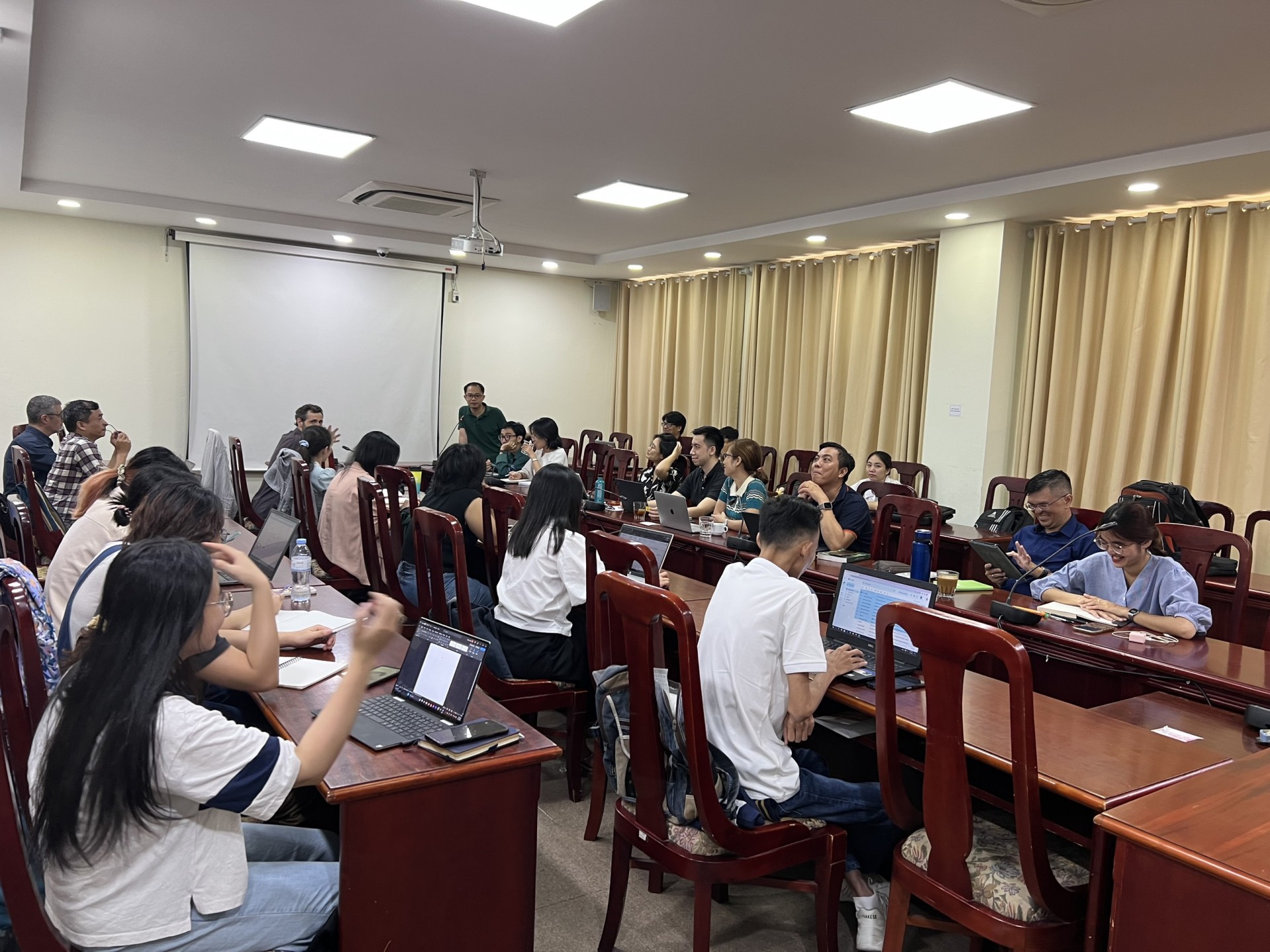
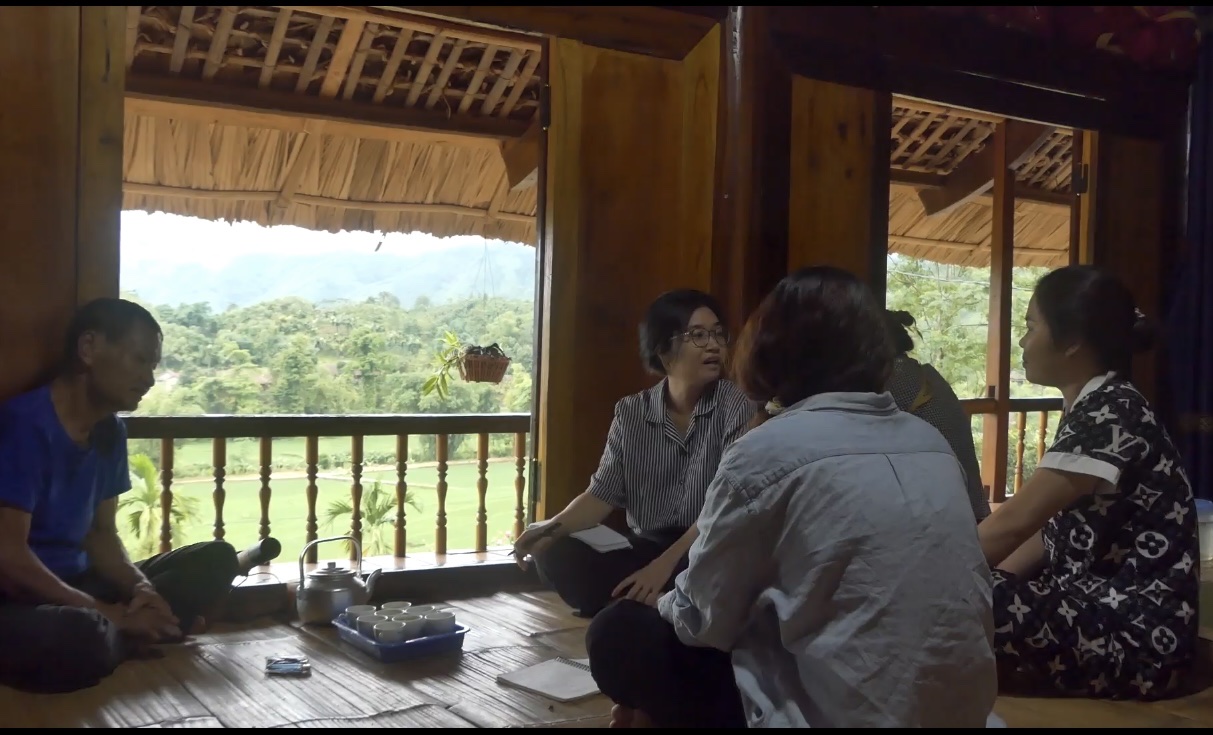
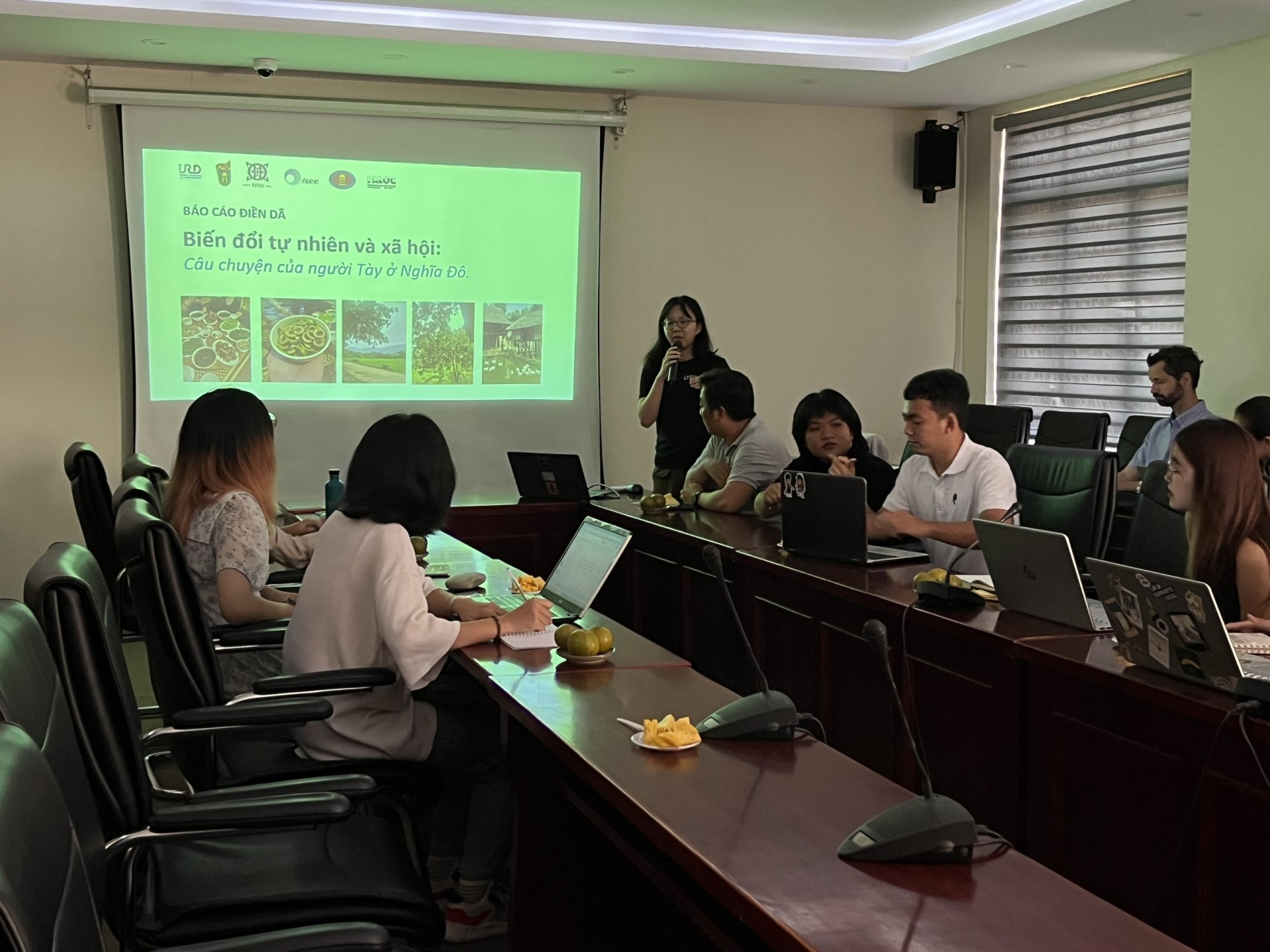
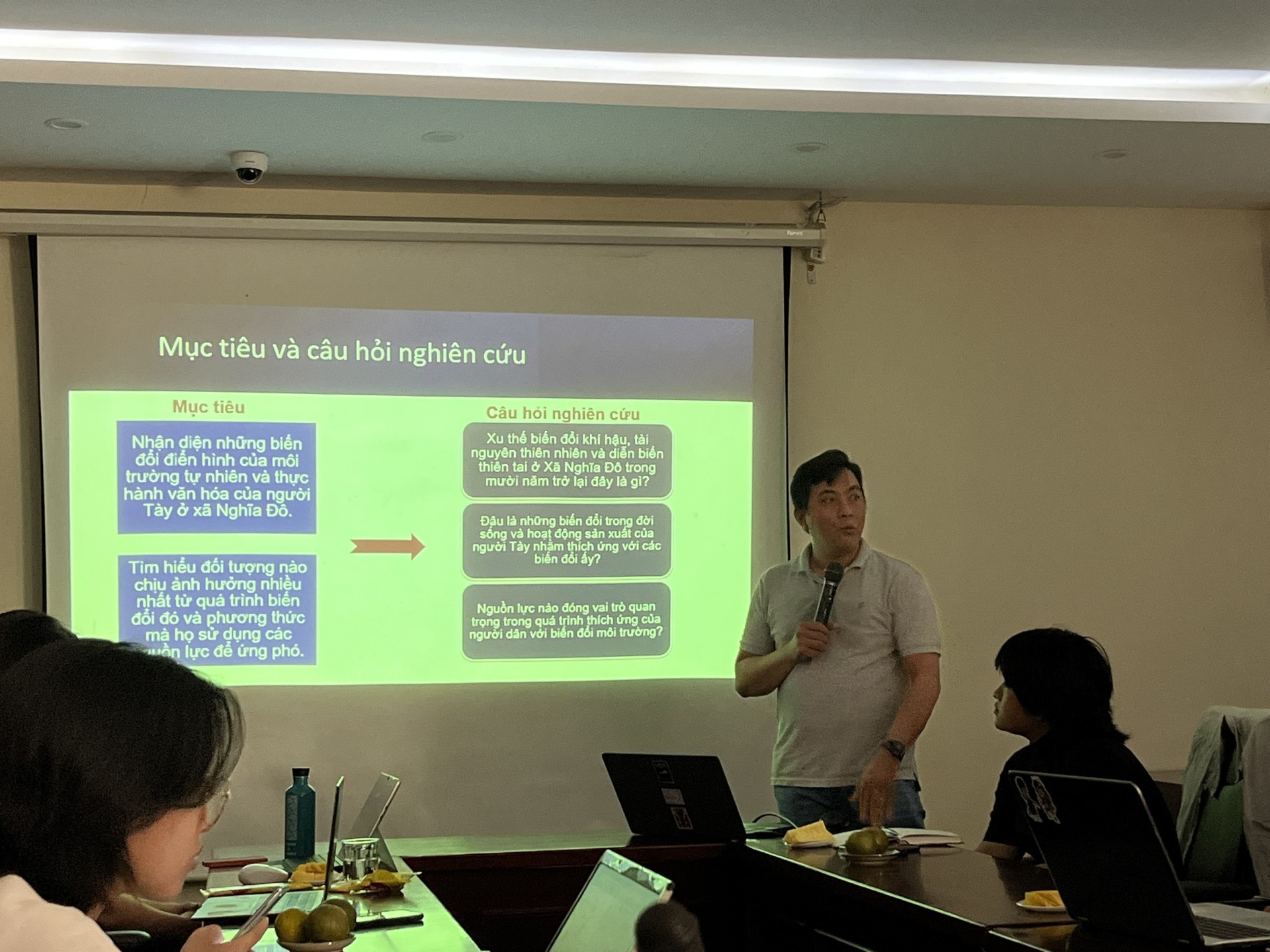
1. Objectives of the training course
- The training course aims to equip and enhance knowledge of the theory, methods, and practices related to field research in social sciences, providing participants with the opportunity to engage in all stages of a field study (from establishing research subjects and collecting data to analyzing and processing data).
- Knowledge is imparted through the practice of a consistent set of methods and techniques characteristic of field surveys in the social sciences and humanities. The field survey will be defined by an initial theme and may be adjusted throughout the fieldwork process depending on the data, information, conditions, difficulties, and opportunities encountered by the student in the field. This process allows students to practice an inductive and empirical approach, whereby researchers will have the opportunity to apply and re-examine conceptual and theoretical issues based on field data.
- Developing independent work skills in students: This format requires active participation from students in the investigation and survey process. Students will be empowered to take initiative in their research and will be encouraged to develop a critical perspective on the resources mobilized, the methods used, and the interpretations formed.
2. Training Program
The training course will last 10 days and will be divided into four phases:
- Phase 1: Lectures on theory and methods and preparation for the investigation (2 days):
(1) Key concepts and theories - debates related to the originally defined topic (related to the relationship between environmental, economic and social dynamics)
(2) Field research methods: key steps and principles for setting up a qualitative field study
(3) Introduce the local context where the field survey will take place
(4) Students develop the methodology, questionnaire system and initial draft of the research subject and research problem.
(5) Practical techniques and advice for field research methods
- Phase 2: Field survey (5 days)
The group of students will be divided into two smaller groups with specific topics.
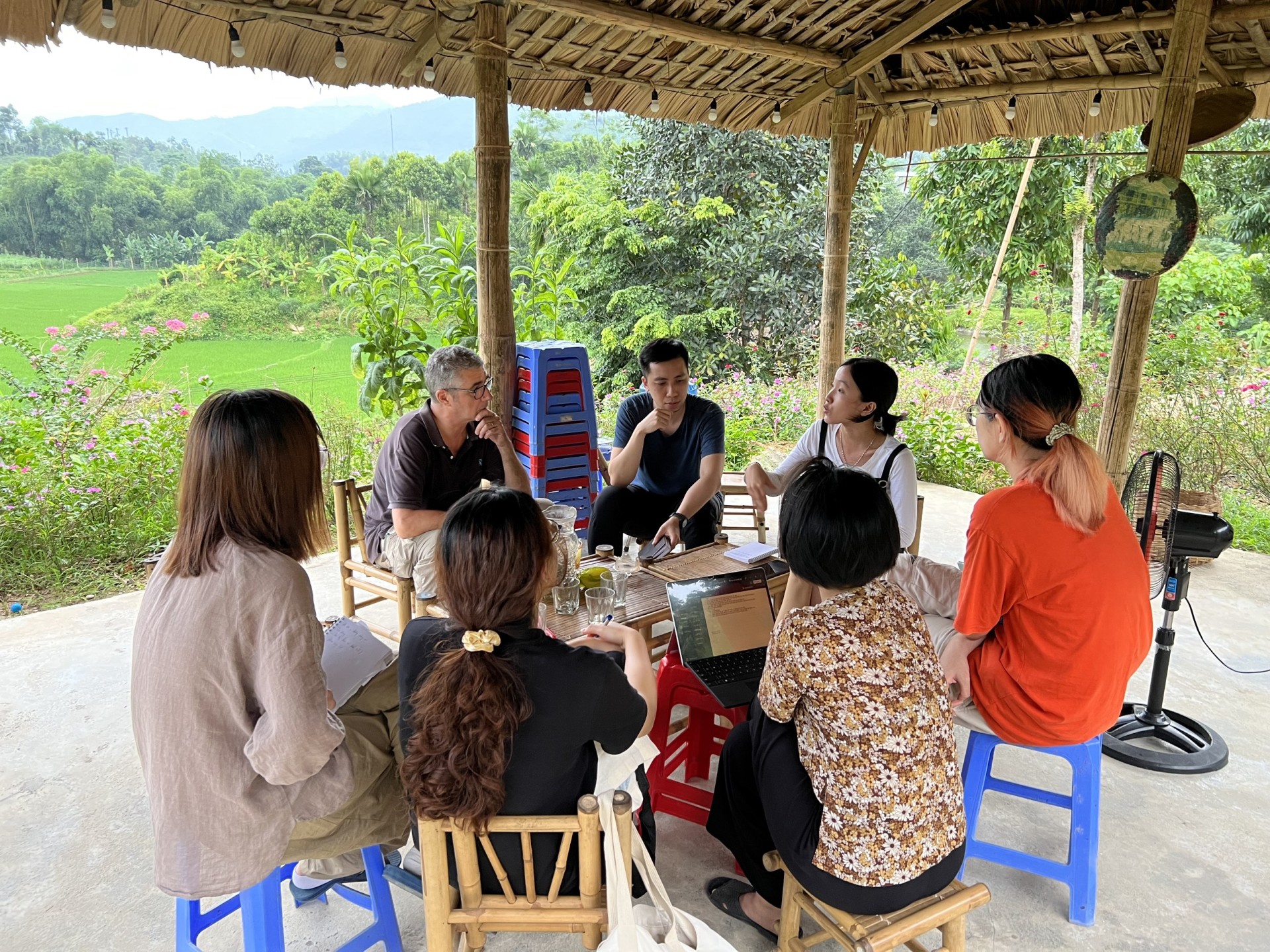
Students will work in groups of two to conduct surveys under the direct supervision of instructors. Instructors will accompany the student groups throughout the survey process to provide guidance and direct advice.
Each day in the field will conclude with a summary meeting to review the collected data, cross-check information, and make initial "on-site" interpretations.
- Phase 3: Data processing and analysis (2 days).
Lecture: Qualitative Data Analysis Methods
Teamwork: Building a qualitative database: organizing and aggregating collected data; analyzing and interpreting the data; preparing for the presentation of results (detailed outline and PowerPoint).
- Phase 4: Presenting the results (half a day)
The presentation of results publicly to an audience of academics, leaders of social organizations, and decision-makers (representatives of government agencies, policymakers, businesses, etc.).
Depending on the quality of the results, a collective publication will be considered for publication.
3. Equipment needed for the training course:
- Laptop
- Notebook and pencil
- Digital camera and audio recorder (smartphone) for each pair of students.
4. Language: The training course will be conducted in Vietnamese.
5. Target participants:
- Number of students: 20
- Target audience: Graduate students, doctoral candidates, young lecturers, and professionals (government officials, members of social organizations, consultants) who need to conduct field surveys as part of their work.
University students (in their 3rd and 4th years) may also be accepted through recommendations from faculty members or supervisors.
6. Registration, selection process and implementation timeline:
6.1. The application process includes:
Summary of a resume (CV)
After the organizers confirm the list of selected candidates, they will be contacted to confirm their desire to participate. Upon confirmation, selected candidates must commit to attending the entire training course (10 days). Absences from any training session will result in the cancellation of a certificate of attendance.
* 6.2. Schedule:- Application deadline:
before May 5, 2024.Students should send their registration forms to the following address:
tadidatraining@gmail.com(Please send one copy to:)
emmanuel.pannier@ird.fr)
- Training duration:
from July 15, 2024 to July 24, 20247. Funding: All costs will be covered by the training course.
- For on-site participants (2024: Ho Chi Minh City): meals and field research expenses.
- For students from other locations: travel expenses, accommodation, meals, and field research costs.
8. Location: 2024:
- Stages 1, 3, and 4 (in-class): Classes will be held in Ho Chi Minh City;
- Phase 2 (on the field): is expected to be held at Nui Chua National Park, Ninh Hai district, Ninh Thuan province.
9. Contact information:
Phan Thi Kim Tam: (+84) 364941797 / tadidatraining@gmail.com
Emmanuel Pannier:
emmanuel.pannier@ird.frLam Minh Chau:
lamminhchau86@gmail.com
In 2023, the Training Course attracted the attention of 4 expert lecturers from various countries and the Anthropology Department of the University of Social Sciences and Humanities, 21 trainees from VNU-USSH and the University of Social Sciences and Humanities in Ho Chi Minh City, as well as universities, agencies, and research institutes in the Central provinces of Vietnam. Details of the 2023 TAĐiDÃ Training Course activities can be found at this link:
https://drive.google.com/file/d/1zv9snb9iHmOTOhhU3RqbCw0AV28YHzfR/view?usp=sharing