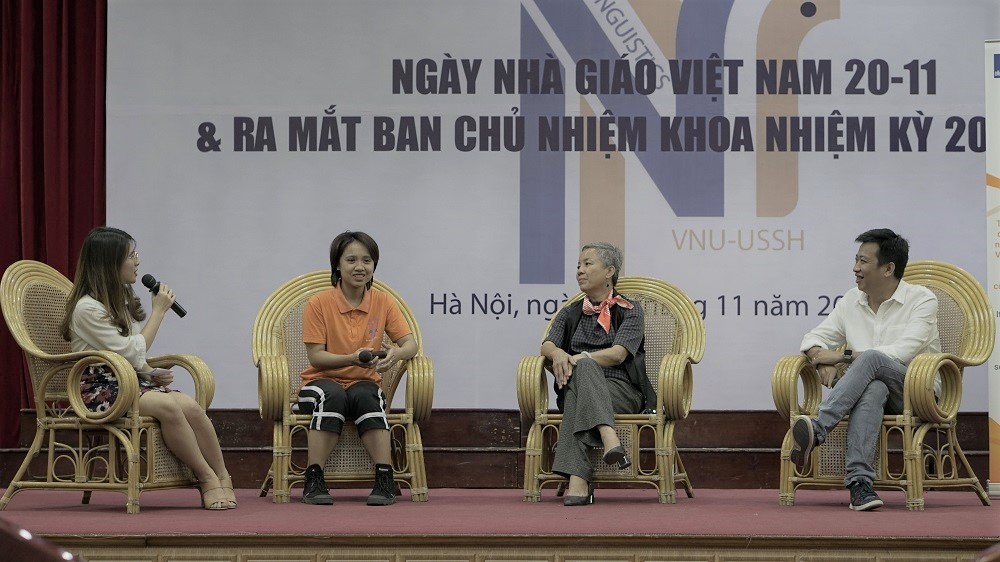
The speakers at the seminar were Ms. Nguyen Van Anh (Director of CSAGA), journalist-writer Hoang Anh Tu, and Ms. Tran Thi Thu Phuong (Head of the Humanities and Gender Equality Club, University of Social Sciences and Humanities).
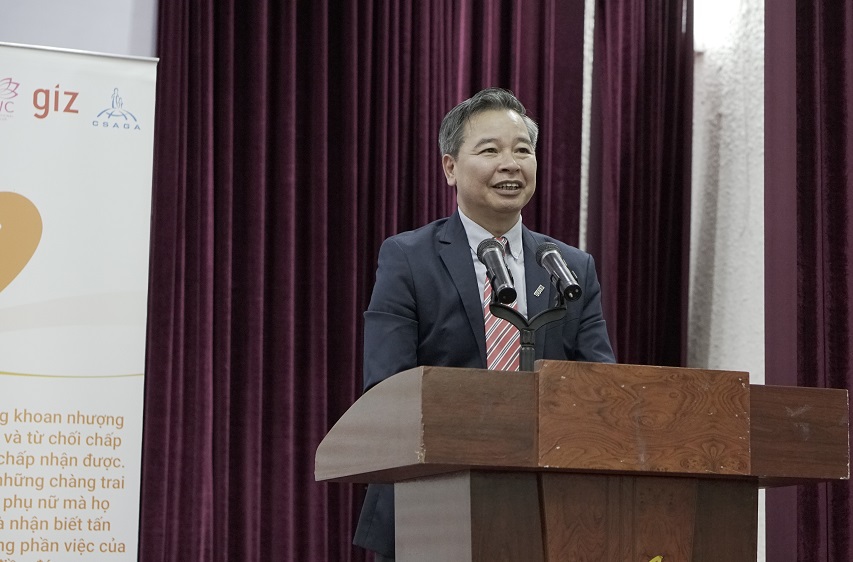
Professor Pham Quang Minh delivered the opening remarks, highly appreciating the significance of the seminar.
Through vivid, real-life examples from their own experiences, surveys, and shared stories from couples, the speakers discussed and clarified the nature, causes, and consequences of dating violence. Accordingly, dating violence is the expression of power and control over the other person by causing or threatening to cause violent behavior within a couple.
Specifically, domestic violence is not simply limited to sexual and physical acts, but is also expressed through language and speech (cursing, calling a partner derogatory terms; blaming the partner for unintentional actions, etc.), controlling personal information on technological devices (smartphones, Facebook, computers, etc.); interfering with and restricting the partner's lifestyle and preferences (setting strict rules about schedules, clothing, speech, etc.). Among these are even behaviors that seem normal and natural in love and marriage.
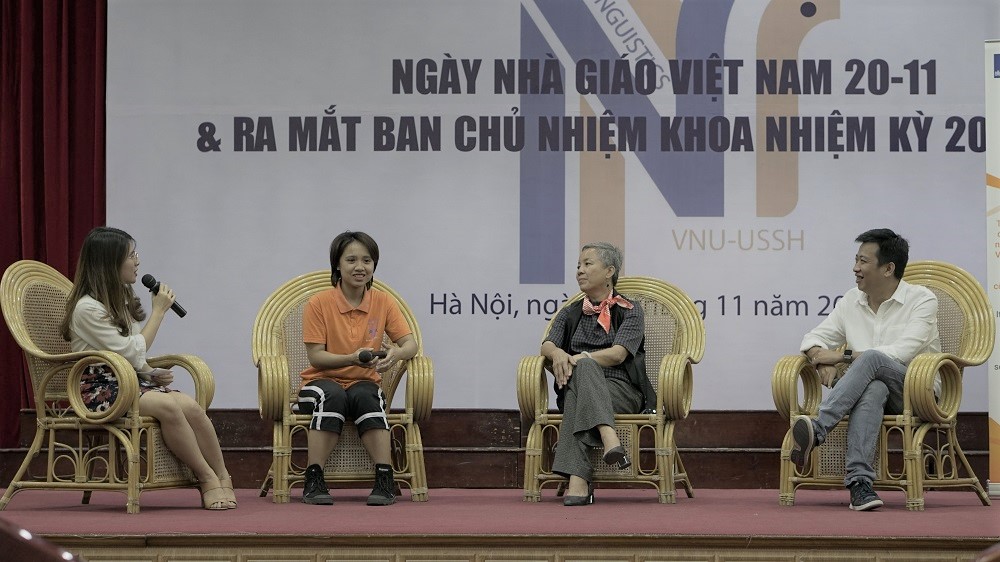
The speakers (from left to right): Ms. Tran Thi Thu Phuong (in orange shirt), Ms. Nguyen Van Anh, journalist and writer Hoang Anh Tu.
According to a survey by Y.Change – a youth group focused on gender issues in Hanoi – among women aged 18-30, nearly 59% reported experiencing emotional abuse, 23% had been harassed and abused online, and 24% had been victims of harassment and stalking after a breakup. As a result, 21% of respondents suffered physical or mental harm, and over 6% even contemplated suicide. Therefore, clarifying the causes and signs of domestic violence is essential to finding solutions and prevent tragic cases such as the massacre of an entire family of a lover simply because they wanted to break up.
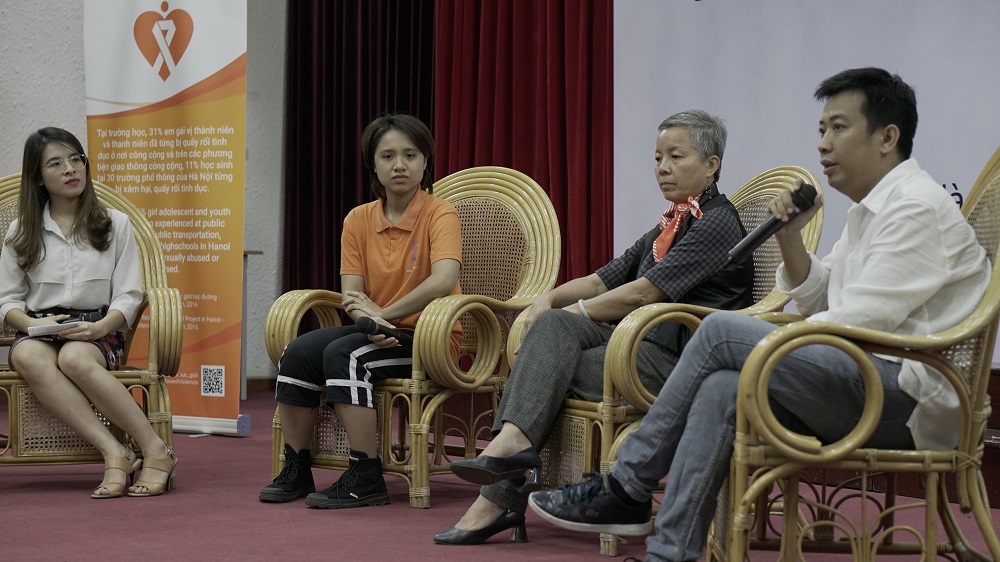
Journalist Hoang Anh Tu shared: Dating violence is a fairly common phenomenon in the US, with one-third of American youth being victims of dating violence; among them, nearly 1.5 million high school students have experienced physical violence.
To avoid becoming victims of this situation, speakers advised young people to equip themselves with life skills, independent thinking, and a good understanding of life; not to chase after fleeting material and sensual values in love, and to respect their partners both during and after relationships. They need to recognize warning signs of domestic violence; clearly define the boundaries between loving gestures and controlling, interfering, and emotionally abusive behavior. Instead of remaining silent, they need to know how to speak up and express their feelings to their loved ones and those around them; if the violence continues, they need to bravely overcome feelings of regret and guilt to end the unhealthy relationship.
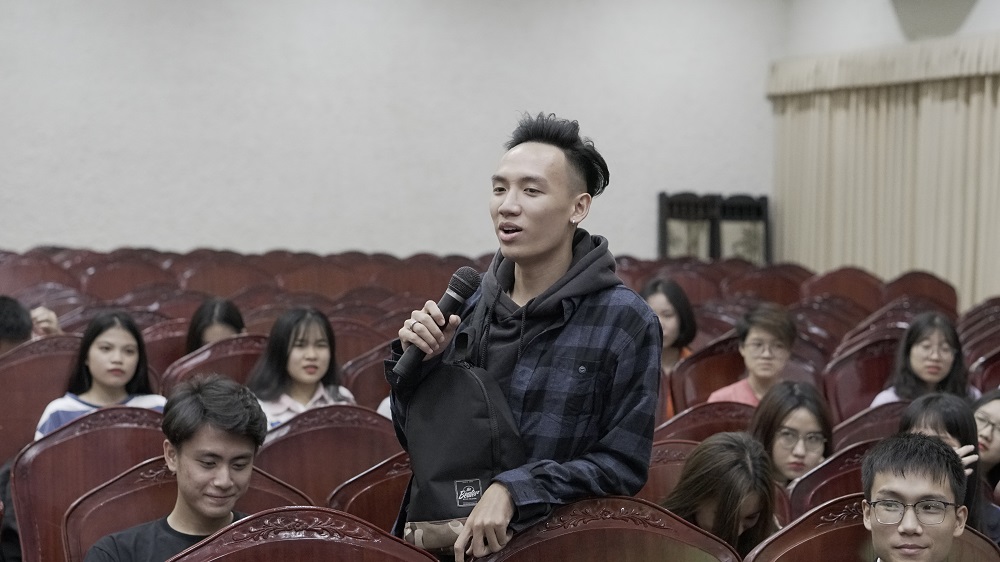
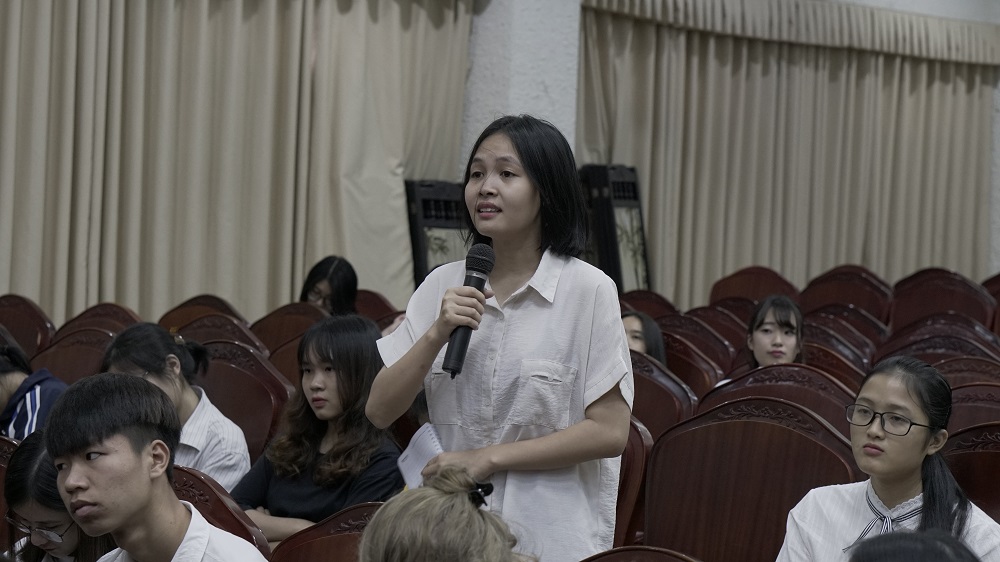
The students of the school asked questions to the speakers.
During the discussion, the speakers also listened to the thoughts and aspirations of the students, and in turn exchanged ideas, answered questions and concerns; and received suggestions and proposals from young people on related issues.
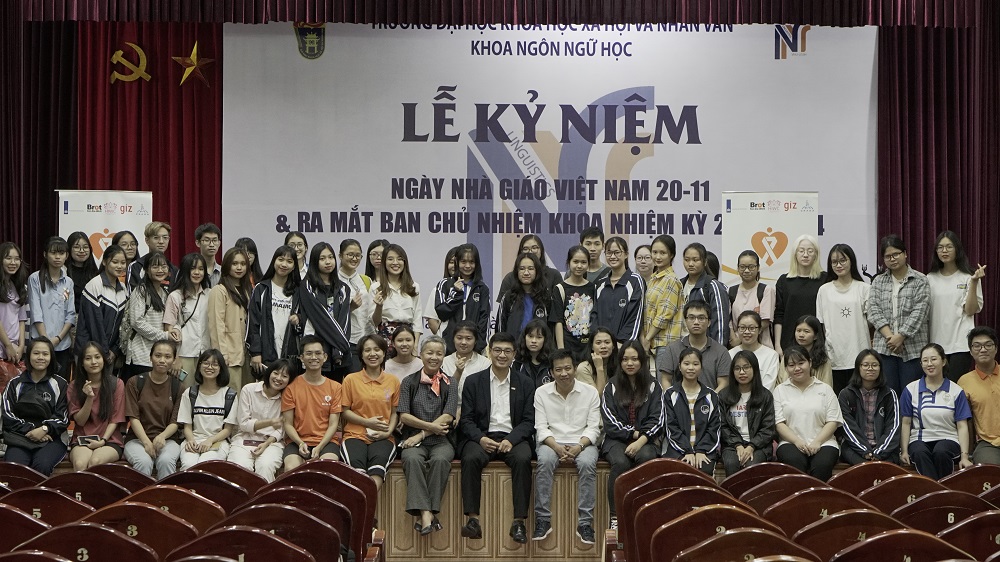
The seminar is a specific activity of the School aimed at disseminating information and raising awareness and action among students, as well as creating opportunities for the younger generation to contribute their opinions and express their views on sexual violence in particular and gender equality in general.
Author:Tran Minh, Photo: Cong Minh
Newer news
Older news

