Over more than half a century, the History Department's training program, which started as a 3-year program, then expanded to 4 years, then 4.5 years, and then reverted to 4 years, has trained nearly 8,000 bachelors, almost 1,000 masters, and over 200 doctoral graduates. Graduates from the History Department are present throughout the country, holding positions in many fields. In any role, the History Department's bachelors, masters, and doctoral graduates demonstrate strong abilities and qualities, excelling in their duties. Many have held and continue to hold key positions at the central and local levels, in Party and government agencies, and in training and scientific research institutions.
Author:USSH Media
Older news
 From competency frameworks to the classroom: Shaping responsible use of AI in learning and research.
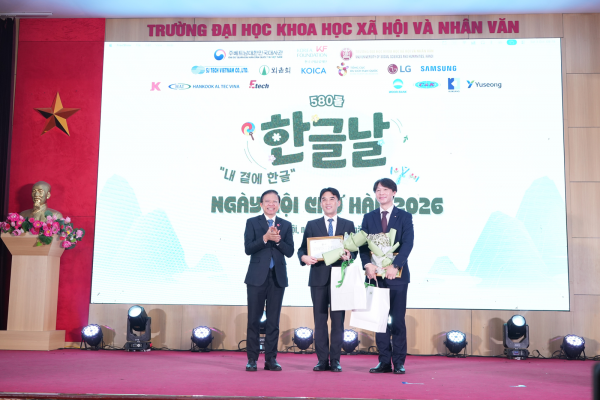 Hangeulnal Korean Alphabet Festival 2026: From the foundation of 800 years of people-to-people diplomatic relations to expanding Vietnam-Korea educational cooperation.
 Strengthening and expanding cooperation between the University of Social Sciences and Humanities and the Rosa Luxemburg Foundation - Southeast Asia Region
 VNU-USSH students win Second Prize in the Final Round of the National Korean Speaking Contest - Korean Ambassador's Cup 2026
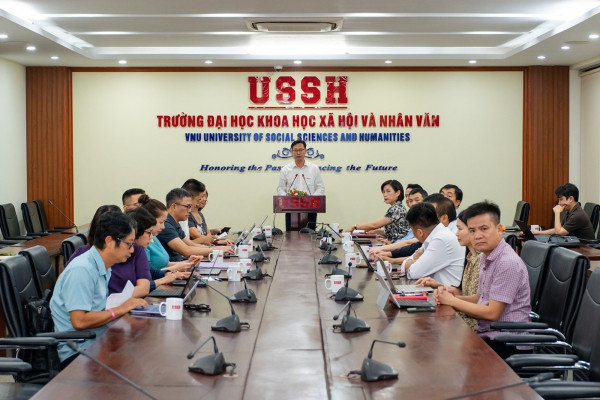 Parent Conference for the 2026-X cohort: The School and Family Partnering with Students
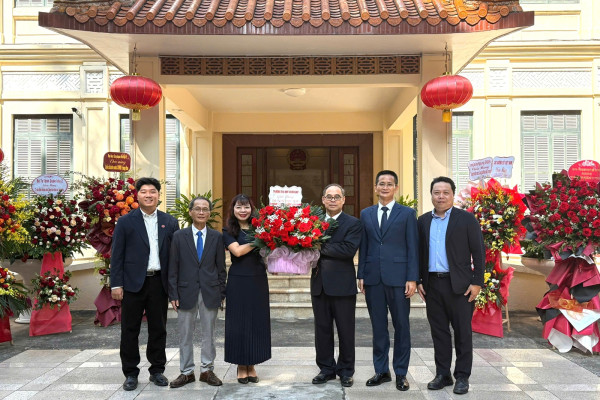 Strengthening scientific and diplomatic cooperation between the University of Social Sciences and Humanities and the Chinese Embassy.
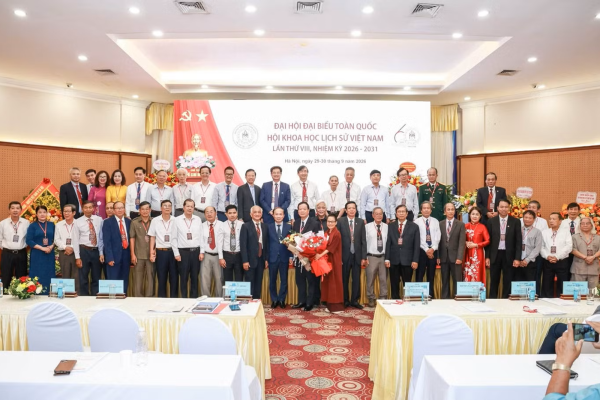 Scientists from VNU-USSH were elected to the leadership board of the Vietnam Historical Science Association.
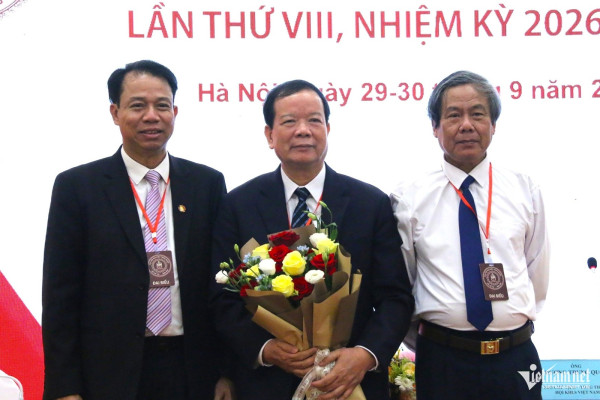 Professor Dr. Nguyen Van Kim was elected Chairman of the Vietnam Historical Science Association.
 The University of Social Sciences and Humanities invests in training elite professionals in basic science disciplines.
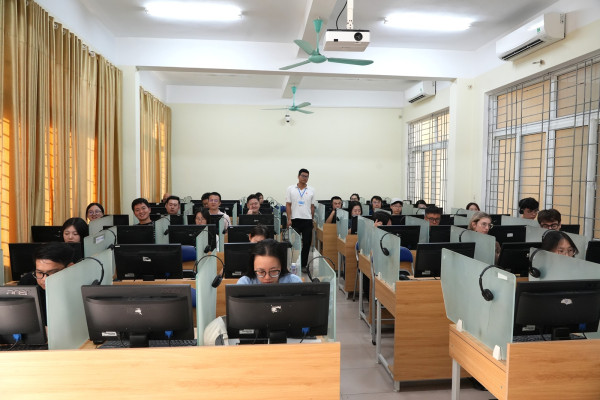 The Vietnamese Language Proficiency Test at VNU-USSH is increasingly attracting international candidates.

