
This is the latest research jointly conducted by the University of Social Sciences and Humanities - Vietnam National University, Hanoi, the United Nations Development Programme (UNDP) in Vietnam, and partners. The research affirmed the important role of female National Assembly deputies in Vietnam's development during the period 2016-2021.
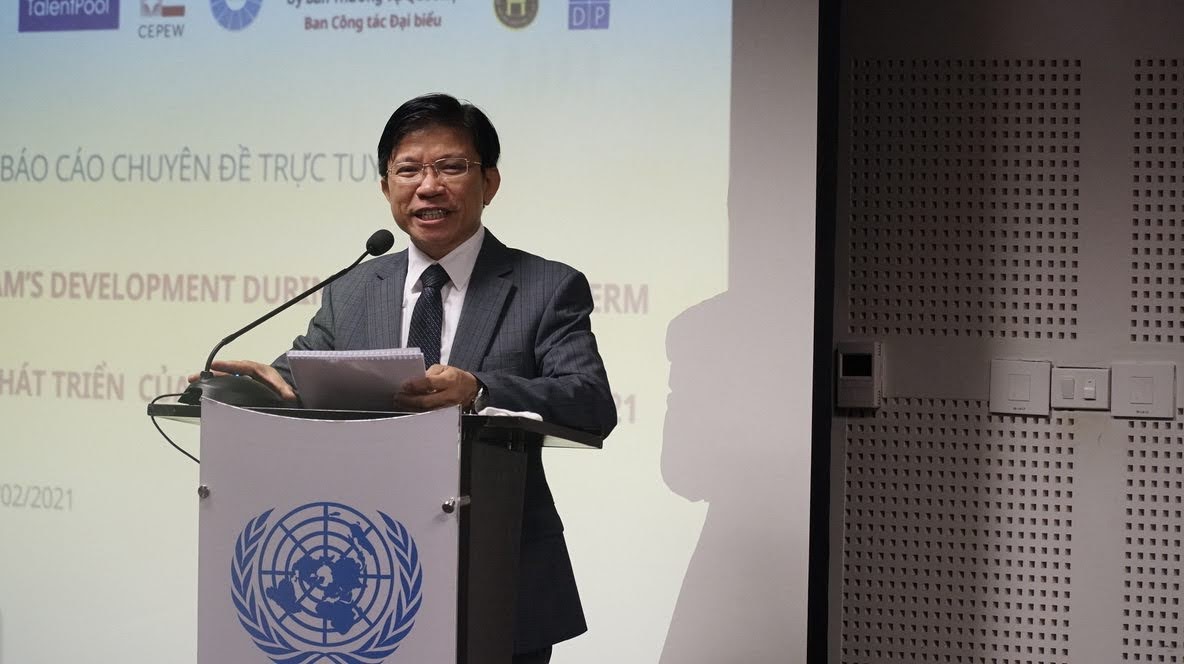
Professor Hoang Anh Tuan - Vice Rector in charge of the University of Social Sciences and Humanities, delivered a speech at the seminar.
With funding from the Australian Department of Foreign Affairs and Trade (DFAT), the Embassy of Ireland in Vietnam, and UNDP Vietnam, within the framework of the Provincial Public Administration and Governance Performance Index (PAPI) program, the research results have provided timely practical evidence of women's contributions to the country's economic, social, and political development over the past five years. This also serves as an important basis for voters and society to have more confidence in female candidates in the 2021 National Assembly and People's Council elections. Mr. Robin Bednall, Acting Economic and Development Cooperation Counsellor at the Australian Embassy in Vietnam, stated: “We understand that in 2020, women around the world shouldered many important and urgent tasks due to the impact of the COVID-19 pandemic. Therefore, the focus of today's announcement on women's capabilities, contributions, status, and voices could not be more timely.”
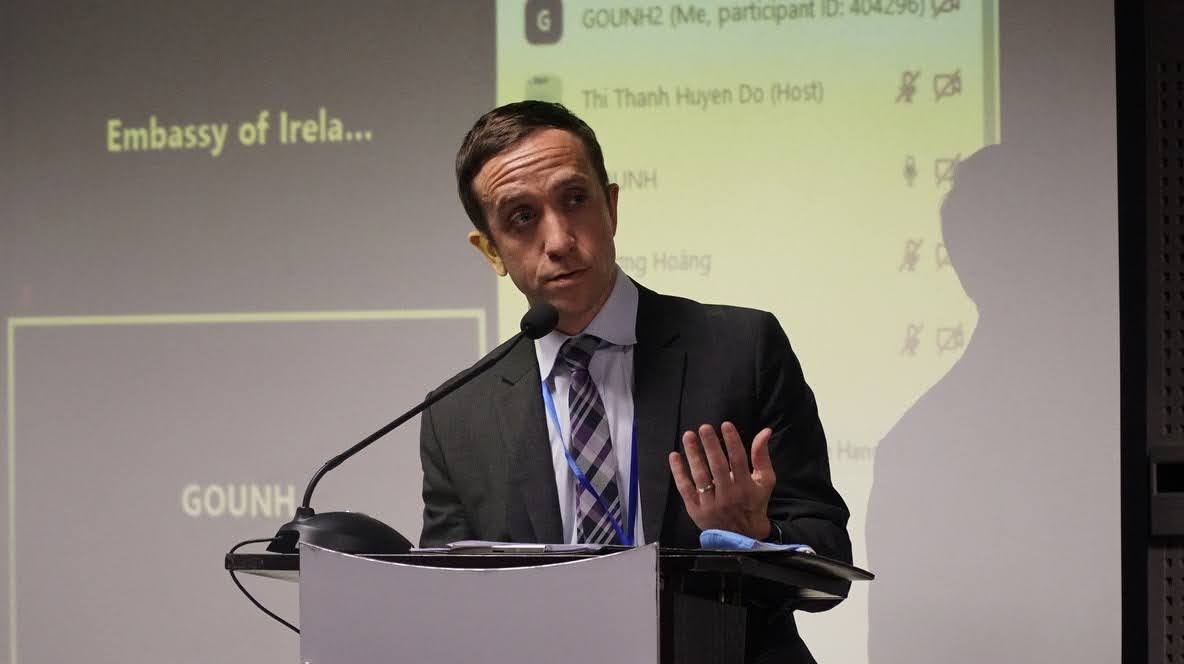
Mr. Robin Bednall - Acting Economic and Development Cooperation Counsellor, Australian Embassy in Vietnam
The 14th National Assembly (2016-2021 term) was the first term in Vietnam to have a female Speaker, and also the first term with 26.7% female delegates. According to the UNDP's 2020 Human Development Report, Vietnam ranked 65th out of 162 countries and was among the top one-third of countries in the world in terms of the percentage of female delegates in the National Assembly. The study "The Role of Female Delegates in Vietnam's Development 2016-2021" shows that male delegates are more proactive in engaging with constituents, but female delegates tend to interact with constituents more often through social media than male delegates. In their action plans, female delegates showed greater interest in areas such as education and training; health; culture, sports and tourism; ethnic minorities; labor, war invalids and social affairs; and religion and beliefs compared to male delegates. There is no significant difference between male and female representatives in terms of the time spent on activities as members of Parliament, as well as in addressing petitions and complaints from constituents.
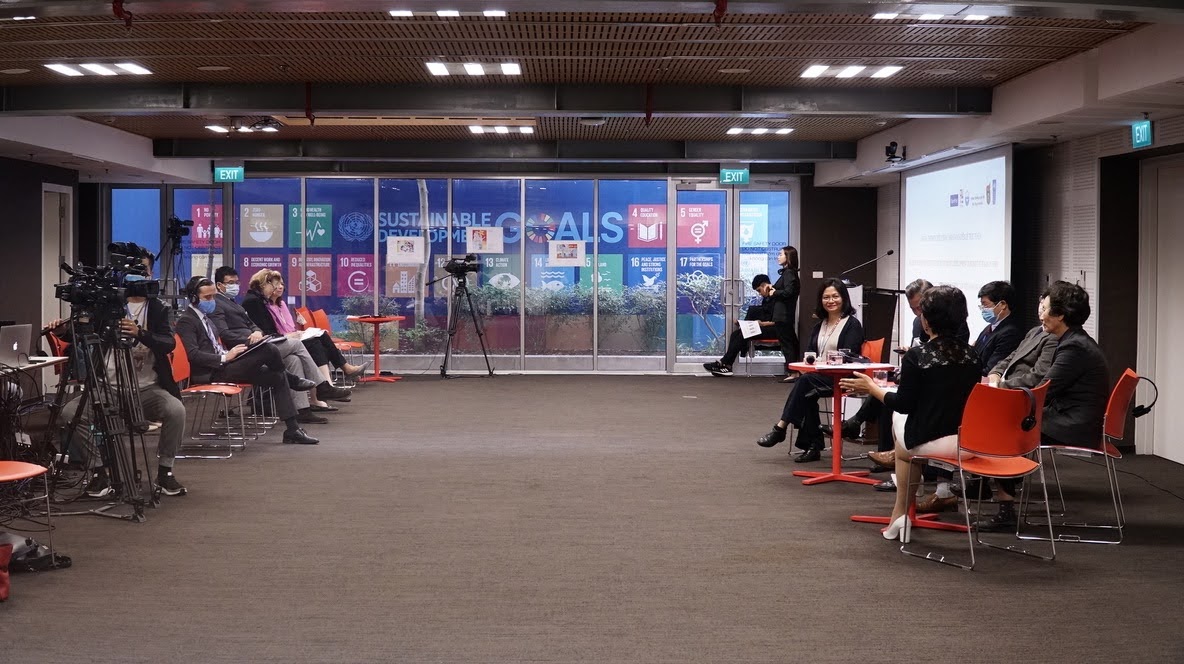
Regarding qualities and capabilities in performing their duties, female delegates prioritize "appropriate speech" and "persuasiveness" more than male delegates. The interests of voters in their constituencies are the biggest factor influencing the decisions of both male and female National Assembly delegates when they express their opinions on a specific issue. At the same time, the aspirations of voters are the biggest factor influencing the performance of duties by both male and female National Assembly delegates. Both male and female National Assembly delegates agree that female delegates perform better in the areas of education, healthcare, labor, and employment.
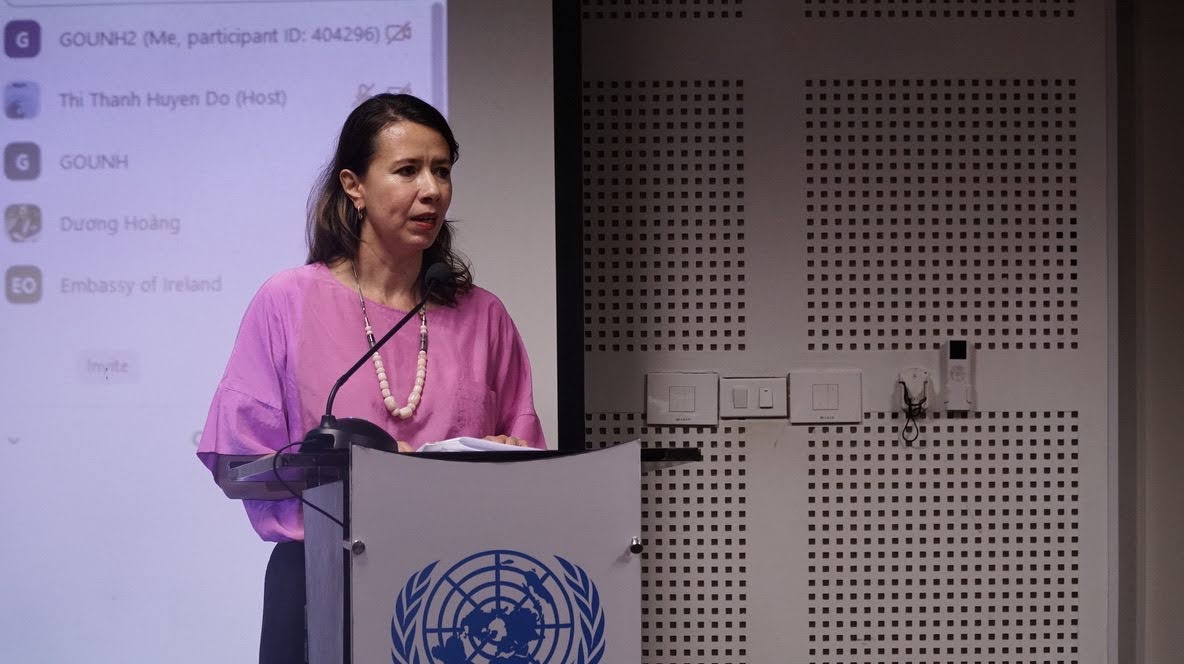
Ms. Elisa Cavacece - Deputy Ambassador and Development Counsellor, Embassy of Ireland in Vietnam
“The PAPI index is an effective tool to help the Vietnamese Government understand feedback on how policies are implemented and how citizens benefit from public services. We also strongly support the increased focus on gender issues in PAPI research in recent times,” shared Ms. Elisa Cavacece, Deputy Ambassador and Development Counsellor, Embassy of Ireland in Vietnam. “Today’s presentation of the first part of the research results is a useful forum for the Irish Embassy to express our support and commitment to promoting gender equality and empowering women. These are key issues for the Irish Embassy in its partnership with the Vietnamese Government, multilateral organizations, and civil society.”
To achieve the goal of increasing the number of female National Assembly deputies by 2030, the study recommends accelerating the implementation of Resolution No. 26-NQ/TW of the 7th Central Committee (12th Congress), which emphasizes the need for female cadres in the structure of the standing committees of Party committees and Party organizations at all levels. Specifically, Party committee members at all levels must have 20-25% female members; and National Assembly and People's Council deputies at all levels must have over 35% female members.
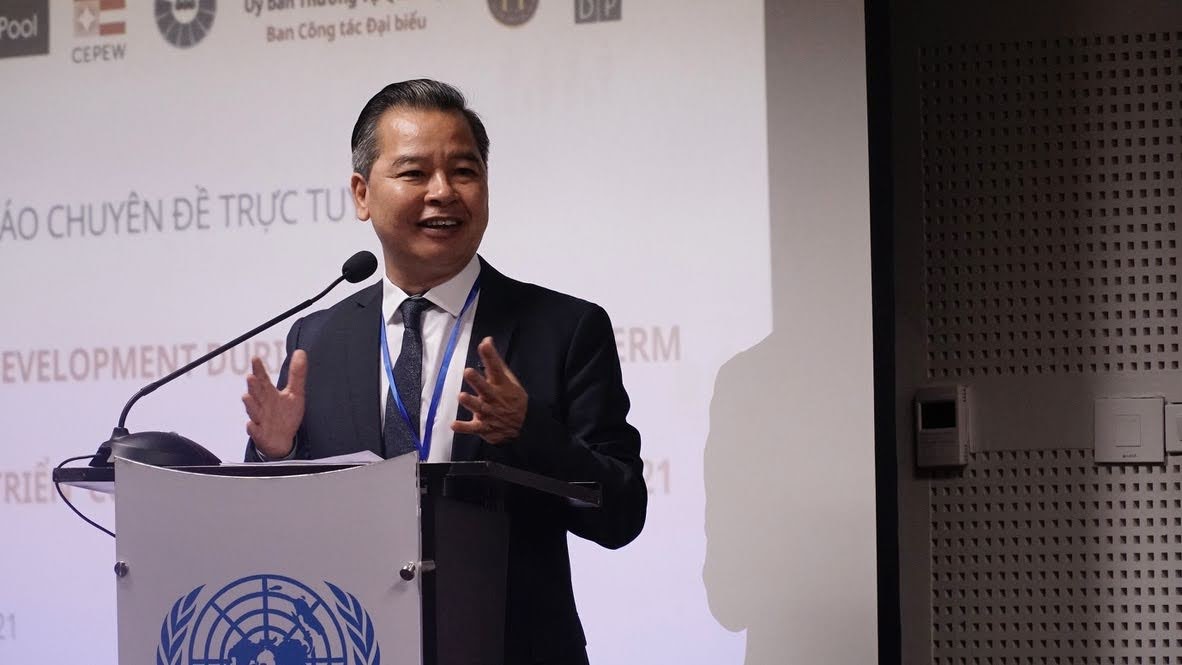
Professor Pham Quang Minh - former Rector of the University of Social Sciences and Humanities
According to Professor Pham Quang Minh (former Rector of the University of Social Sciences and Humanities), head of the research team, “Most of the delegates interviewed believe that there will come a time when the number of female and male National Assembly delegates will be equal. The important thing is to work together to create an environment for female National Assembly delegates to develop their potential.” The study also recommends creating favorable conditions for National Assembly delegates to increase contact and dialogue with voters through various channels, including social media applications; and creating opportunities for female National Assembly delegates to participate in all fields by promoting gender balance in the National Assembly committees.
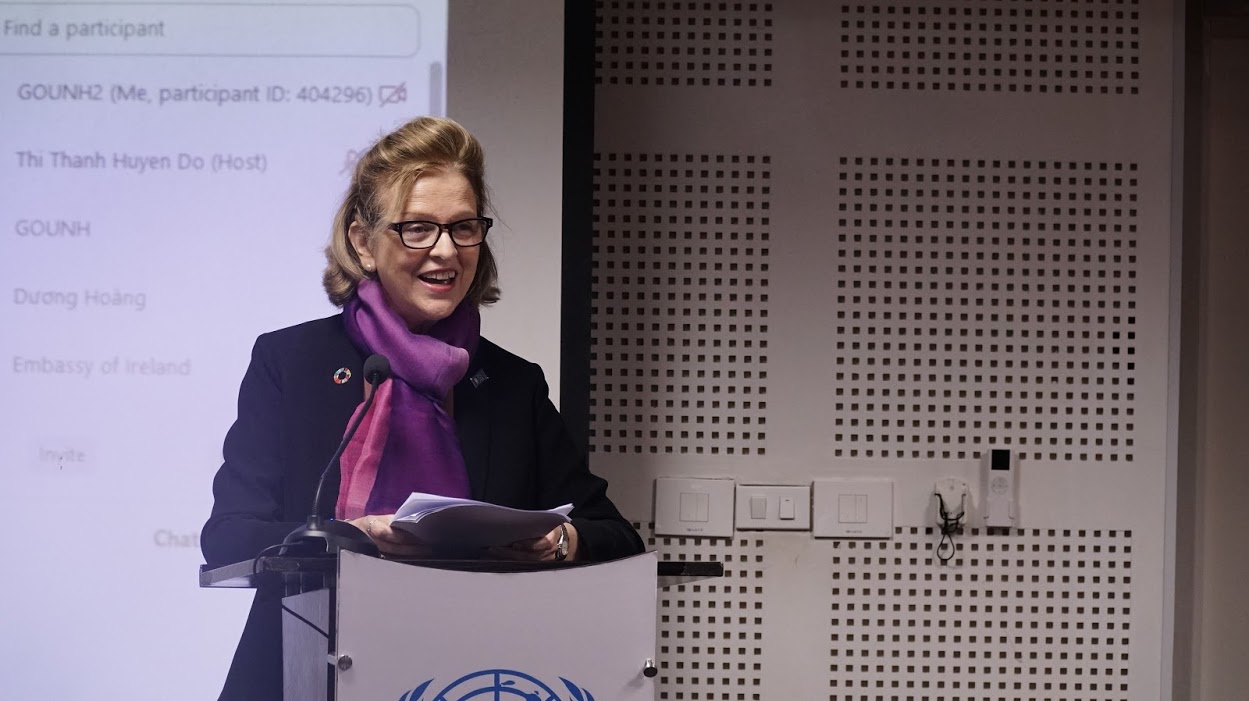
Ms. Caitlin Wiesen - UNDP Resident Representative in Vietnam
“Equal representation of women in leadership and decision-making positions at all levels, in the public and private sectors, is critical to Vietnam’s socio-economic development vision and plays a key role in ensuring equal development opportunities and leaving no one behind,” said Ms. Caitlin Wiesen, UNDP Resident Representative in Vietnam. “UNDP looks forward to continuing to work alongside development partners and the Vietnamese National Assembly in narrowing the gender gap – both quantitatively and qualitatively – so that not only more women hold positions of responsibility in elected bodies, but also support them in performing their duties more effectively after being elected.”
Author:Nguyen Viet Lan (UNDP Vietnam)
Newer news
Older news

