Japanese Studies at Hanoi University of Humanities – a brand that never ceases to be "hot".
The Department of Japanese Studies at the University of Social Sciences and Humanities, established in 1993 (since 2019, it has become a separate major with its own admission code), has had 25 graduating classes with over 760 students. The average entrance and graduation scores of Japanese Studies students are consistently among the highest in the Faculty of Oriental Studies in particular and the University of Social Sciences and Humanities in general. There are many reasons contributing to the attractiveness of the Japanese Studies program at Hanoi University of Social Sciences and Humanities.
The first,Graduates of Japanese Studies at the Faculty of Humanities have a wide range of career opportunities. With their broad knowledge base and strong foreign language skills, Japanese Studies graduates can find numerous job and study opportunities in various fields, industries, organizations, and institutions both domestically and internationally. You can take on the following job positions:
✔️ Translators, interpreters;
✔️Office secretary, external relations assistant at Vietnamese government agencies, Vietnamese and Japanese businesses;
✔️Consultants, marketing specialists, event organizers, and business transaction specialists at companies that use Japanese;
✔️Broadcasters, media staff, and editors at media organizations and publishing houses;
✔️Lecturers and/or researchers in Japanese language, Japanese studies, and Oriental studies at universities and research institutes.
✔️Japanese language teachers at secondary schools (after completing pedagogical training).
Thus, graduates of Japanese Studies can work in the following agencies: the Ministry of Foreign Affairs, embassies, international cooperation departments of ministries and agencies, universities teaching and researching international relations and Japanese studies, research institutes, domestic news agencies and press, international organizations, non-governmental organizations, Japanese businesses in Vietnam, Vietnamese businesses and foreign businesses with relations with Japan, agencies and projects cooperating with Japan in education, health, culture, science, etc.
These numbers convey a message:A survey of alumni from the Department of Japanese Studies shows that over three-quarters are satisfied with the job opportunities and clear career paths offered by the Japanese Studies major. Survey results from the five most recent graduating classes indicate that 86% of students found employment immediately after graduation, 11% pursued postgraduate studies, and all chose Japanese Studies at the Faculty of Oriental Studies to continue their academic and research careers at the master's and doctoral levels.
The types of organizations employing these companies are very diverse: companies with 100% foreign investment account for the highest percentage (38.6%), followed by Vietnamese companies (18.6%), central and local administrative agencies (11.6%), and training and research institutions (10.7%). The fact that nearly 40% of students are working for 100% Japanese-invested businesses shows that Japanese students studying at Hanoi University of Humanities have met the very high requirements of Japanese businesses in terms of both professional competence and the ability to integrate into the business environment.
Furthermore, a survey on the general workforce demand for Japanese studies and the employment potential of graduates with a bachelor's degree in Japanese studies conducted by the Department also showed that: not only in Vietnam, but also many organizations and units based in Japan and abroad have a high demand for personnel in Japanese studies. These include government diplomatic agencies abroad (88.2%), representative offices of local governments abroad (80.4%), international organizations (82.4%), Vietnamese businesses investing abroad (90.2%), and foreign businesses (82.4%).
Graduates in Japanese Studies can easily find suitable jobs with relatively high salaries, dynamic work environments, and the opportunity to develop many skills. According to numerous surveys, graduates in Japanese Studies earn relatively high incomes (ranging from 8 million to 25 million VND depending on the job position and nature of the work).
The second reason why people choose Japanese Studies at the Faculty of Humanities is...This program offers ample opportunities for studying abroad, receiving scholarships, and interacting and learning with Japanese and international students during your time at the University. The Department's scholarship rate for studying abroad (approximately 10-15 scholarships per year) is considered the highest among Japanese Studies and Japanese language training institutions in Vietnam. Furthermore, during their four years of study, students regularly participate in exchange activities with Japanese and international students about Japan, and attend extracurricular activities such as research, field trips, and experiencing Japanese culture (tea ceremony, kendo, flower arrangement, etc.). Visiting, studying, interacting, interning, gaining practical experience, and receiving scholarships to study in beautiful Japan while still studying at the University is not difficult for students majoring in Japanese Studies at the University of Humanities.
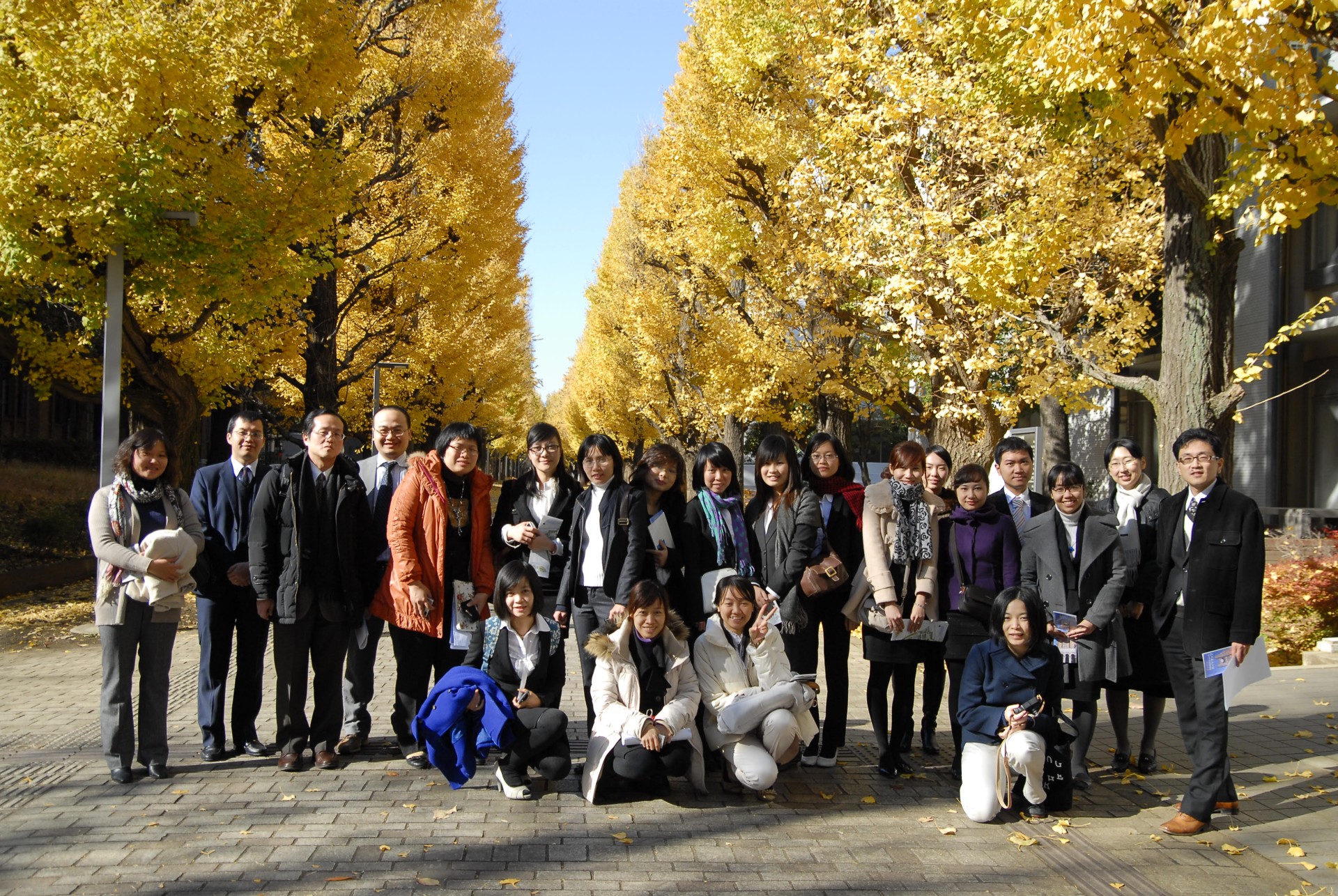
Students from the Japanese Studies department of the University of Social Sciences and Humanities are doing an internship in Japan.
TuesdayJapanese Studies in Humanities - a professional, modern, and distinctive training environment.
Since its establishment, the Department of Japanese Studies, Faculty of Oriental Studies, University of Social Sciences and Humanities, has been a leading, pioneering, and prestigious training unit in Vietnam for Japanese studies. This is thanks to its in-depth and distinctive approach to Japanese studies training.
From its inception, the founders of the Department of Japanese Studies at the Hanoi University of Social Sciences and Humanities recognized the growing need to train a high-quality workforce with a comprehensive and in-depth understanding of Japan's country, culture, and people. Such a workforce could meet the needs of government agencies requiring experts and consultants in their relations with Japan; the needs of Japanese businesses in Vietnam, Vietnamese businesses, and international organizations with ties to Japan requiring employees capable of working long-term with Japanese people, and possessing a deep understanding of Japanese culture, personality, and lifestyle. Furthermore, Vietnamese youth, captivated by Japanese popular culture (including manga, anime, Harajuku fashion, etc.), and wishing to improve their professional skills and work ethic according to Japanese standards, also have a need for systematic Japanese studies.
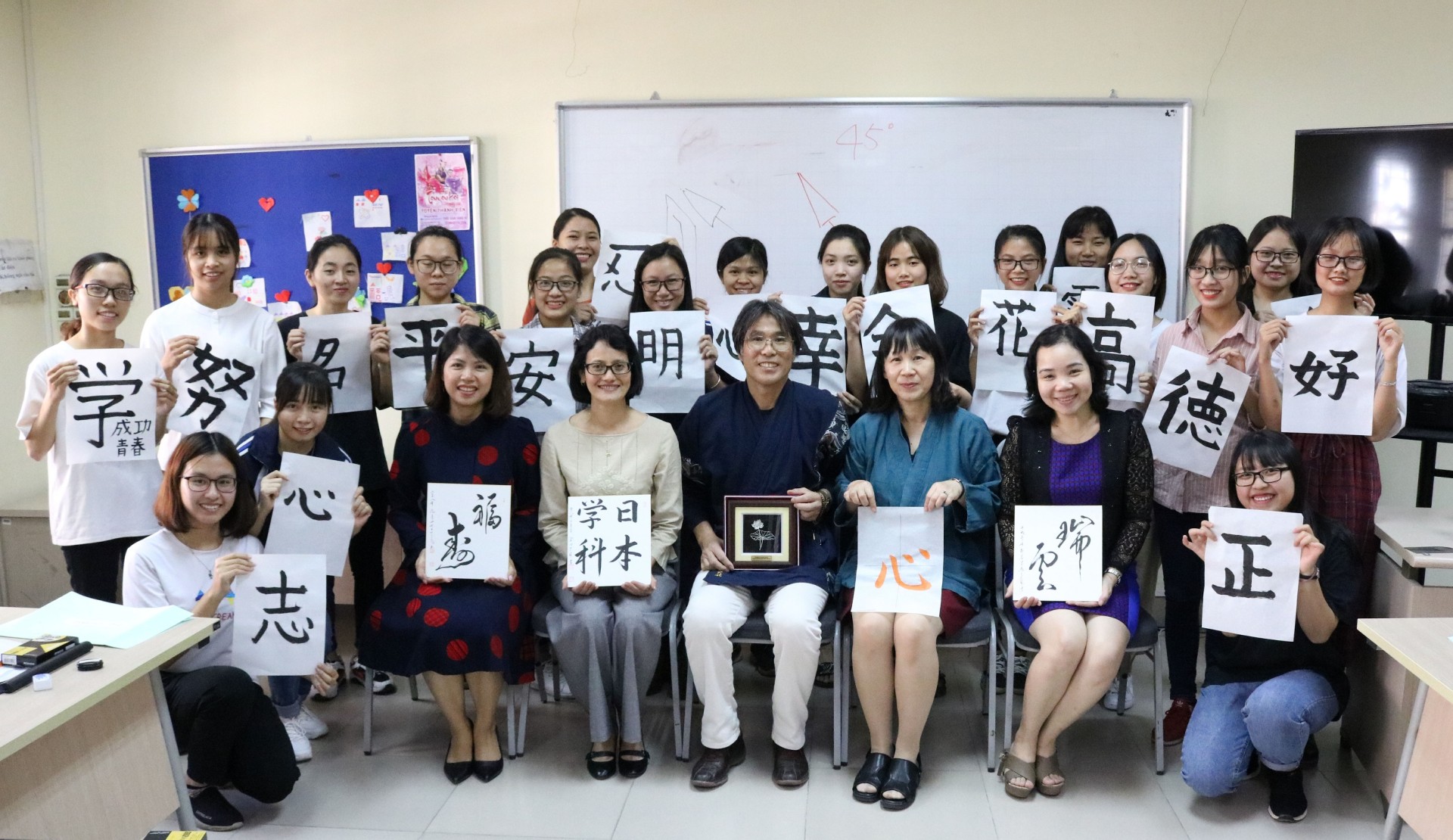
Associate Professor Phan Hai Linh (Former Head of the Department of Japanese Studies) shared: “The research and training in Japanese Studies at the Department approaches the subject from an interdisciplinary and regional studies perspective. The goal of the Japanese Studies program is not only to train experts who are proficient in Japanese, possess comprehensive knowledge about Japan, and have the skills to conduct Japanese studies research; but also to be able to keep up with the changes in modern Japan, grasp advanced schools of Japanese studies, and access research and training achievements in Japanese studies in the region and around the world.” This differs from most other training institutions that focus only on Japanese language and culture, or combine Japanese language training with a specific career path such as IT Japanese, business Japanese, etc.
Based on a target-oriented training approach and output standards closely aligned with societal needs, the Japanese Studies program is increasingly refined with three main knowledge blocks: Foundational knowledge in social sciences and humanities; General knowledge of related fields such as Area Studies, Oriental Studies, and Northeast Asian Studies; and Specialized knowledge in Japanese Studies. The strength of the Japanese Studies program at the University of Social Sciences and Humanities lies in its combination of theory and skills, lectures and discussions, and practical internships, helping students cultivate comprehensive and systematic knowledge of Japanese Studies, meeting both research orientations and practical application capabilities.
Studying Japanese Studies at the Faculty of Humanities gives you the opportunity to study and conduct scientific research at an international level.
- Since 2006, the Department of Japanese Studies has been recognized by the Japanese Embassy and the Japan Foundation as a key institution for Japanese studies and training in Vietnam. Since then, numerous projects and programs have been implemented to develop the field: programs for sending students and faculty for internships, programs for compiling textbooks and teaching materials, and many research projects on Japan.
- Academic exchange and collaboration with leading Japanese universities: University of Tokyo, Kyoto University, Osaka University, Tokyo University of Foreign Studies, Tokyo Gakugei University, Nara Women's University, Senshu University, Showa Women's University, etc. Through this, students can directly attend lectures on Japanese studies by Japanese and foreign professors; receive scholarships for study and scientific research, and have opportunities for practical internships in Japan.
- Based on establishing cooperative relationships with universities offering Japanese Studies programs in Southeast Asia and East Asia: In 2016, the Department's representatives became official members of the Executive Board of the All-Southeast Asia Association for Japanese Studies (JSA). Particularly with the support of the Toshiba International Foundation, since 2018, the Department of Japanese Studies has begun establishing an academic exchange network with leading universities specializing in Japanese studies, such as Aix Marseille University (AMU) in France, Cambridge University in the UK, Heidelberg University in Germany, UCLA and UC Berkeley in the US, and UBC in Canada...
Therefore, as a student of Japanese Studies at the Faculty of Humanities, you will have the opportunity to interact, learn, and conduct research at many leading universities in the region and around the world.
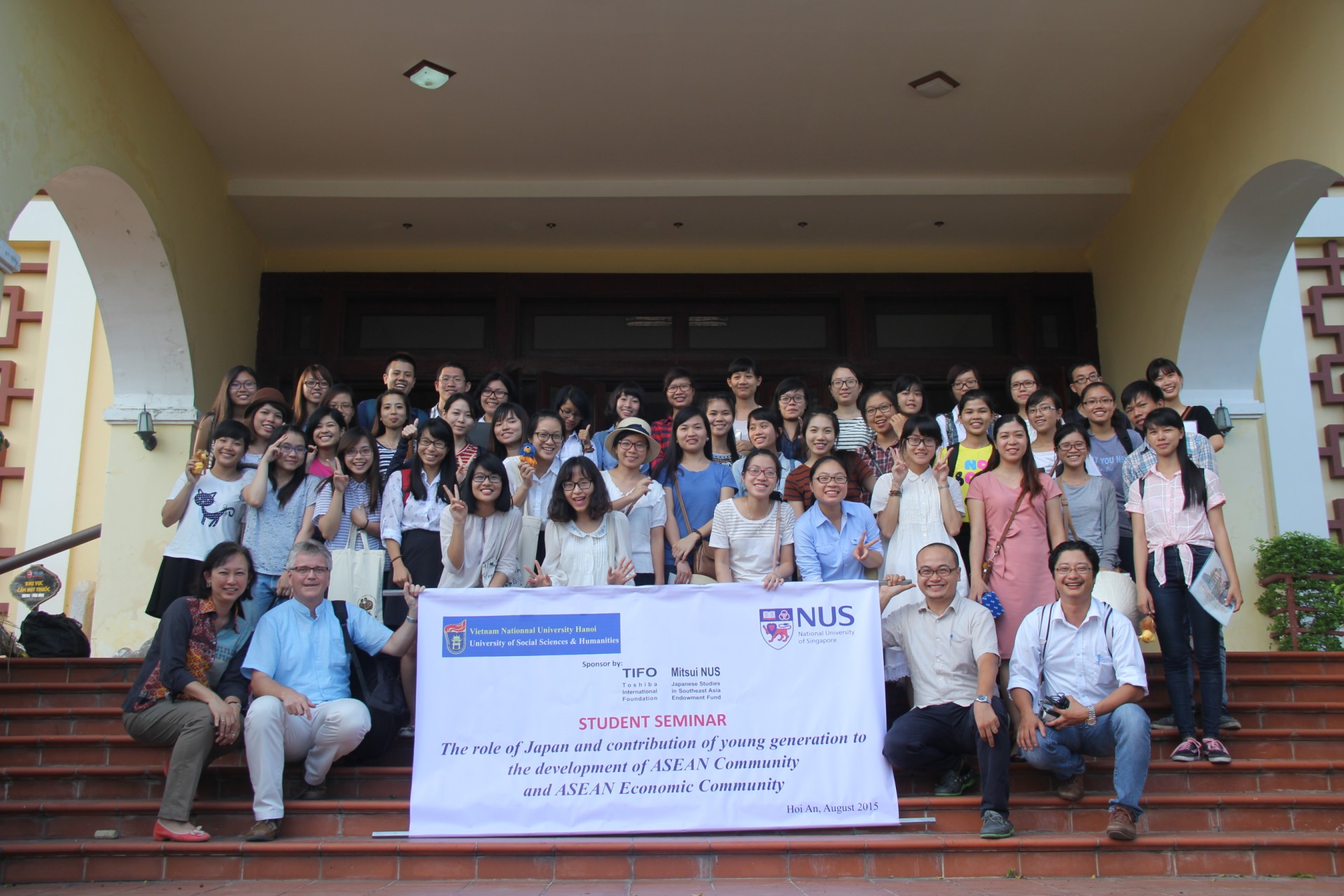
Students from the Japanese Studies department participated in an exchange program with the National University of Singapore in 2015.
Associate Professor Phan Hai Linh shared: “Based on close cooperation with universities in Japan, Asia, Europe, and the United States, the Department of Japanese Studies is gradually expanding its cooperation beyond Asia with the desire to build a world-class Japanese Studies program in Vietnam.”
With strong development and to meet the needs of society, since 2019, Japanese Studies has become a training program with its own admission code. This helps to promote the realization of the internationalization of Japanese Studies training and research; and at the same time opens up many new opportunities for young people who love to learn about and explore the country, culture, and people of Japan, and want to become ambassadors spreading Vietnamese culture to the world and bringing world culture to Vietnam.

Students from the Japanese Studies department participated in the Cherry Blossom Festival (one of the cultural exchange activities between Vietnam and Japan).
1. Major Name: Japanese Studies
2. Industry Code: QHX12
3. Training Unit: Faculty of Oriental Studies
4. Target for 2022: 50
5. Exam blocks: D01, D06, D78
|