Some knowledge can be acquired through lectures, textbooks, books, or scientific articles. However, some professional skills are only developed when students directly step outside the classroom, live in the community, observe life with their own eyes, listen patiently, and learn to put themselves in others' shoes. For anthropology, this process is called ethnographic fieldwork – a characteristic research method that has defined the field for over a century. To train future anthropologists, students not only learn in classrooms and libraries, but also learn research methods by directly participating in community life through observation, engagement, relationship building, interviews, note-taking, and reflection to understand people from their cultural context.
In July 2026, the Faculty of Anthropology and Religious Studies organized a field trip for 55 students from the QH-2023 cohort majoring in Anthropology. The destination was a Muong ethnic minority village in Cuc Phuong commune, Ninh Binh province. Previously, in 2022, faculty and staff from the Faculty of Anthropology also visited this area for ethnographic research. However, in just 4-5 years, the locality has undergone many changes, not only in administrative boundaries, livelihood structures, community tourism, and digital transformation, but also in the rhythm of life and lifestyle.
Based on the practical experience of organizing the ANT4059 course in Cuc Phuong commune in 2026, the Faculty of Anthropology continues to adhere to its training philosophy of using fieldwork as a classroom, the community as a learning partner, and research as a training method.
Besides honing students' participatory observation skills, ethnographic fieldwork also introduces many supplementary research techniques. Students need to know how to establish trusting relationships with the community; identify and work with key information providers such as village chiefs, elders, artisans, local officials, business owners, women, youth, or those knowledgeable about local history and culture. Students also need to practice in-depth interviews, conversations with locals, keeping field diaries, collecting life histories, constructing kinship charts when necessary, taking documentary photographs, creating socio-spatial maps, and cross-referencing information from multiple sources. These techniques help learners not only "obtain information," but also understand the social context in which that information is presented, by whom it is told, in what circumstances, and what it means to those involved.
Another core aspect of ethnographic fieldwork is the combination of two perspectives: emic and etic. The emic perspective is the understanding of those directly involved: how people interpret their own lives, customs, livelihoods, family relationships, beliefs, or the changes within their community. The etic perspective is the researcher's analysis based on scientific concepts, theories, and intercultural comparisons.
Ethnographic fieldwork is also considered a process of developing professional ethics. Students learn to respect information providers, maintain confidentiality of sensitive information, treat research subjects as entities with their own knowledge, experience, and voice, and directly participate in the process of asking and answering research questions.
The internship in the Muong ethnic minority villages of Cuc Phuong transformed the ethnology field training program into an "open classroom" within the community. Meals in stilt houses, walks through the villages, and conversations with officials and locals all provided opportunities for students to practice observation, participation, and learn how to connect classroom knowledge with real-life situations.
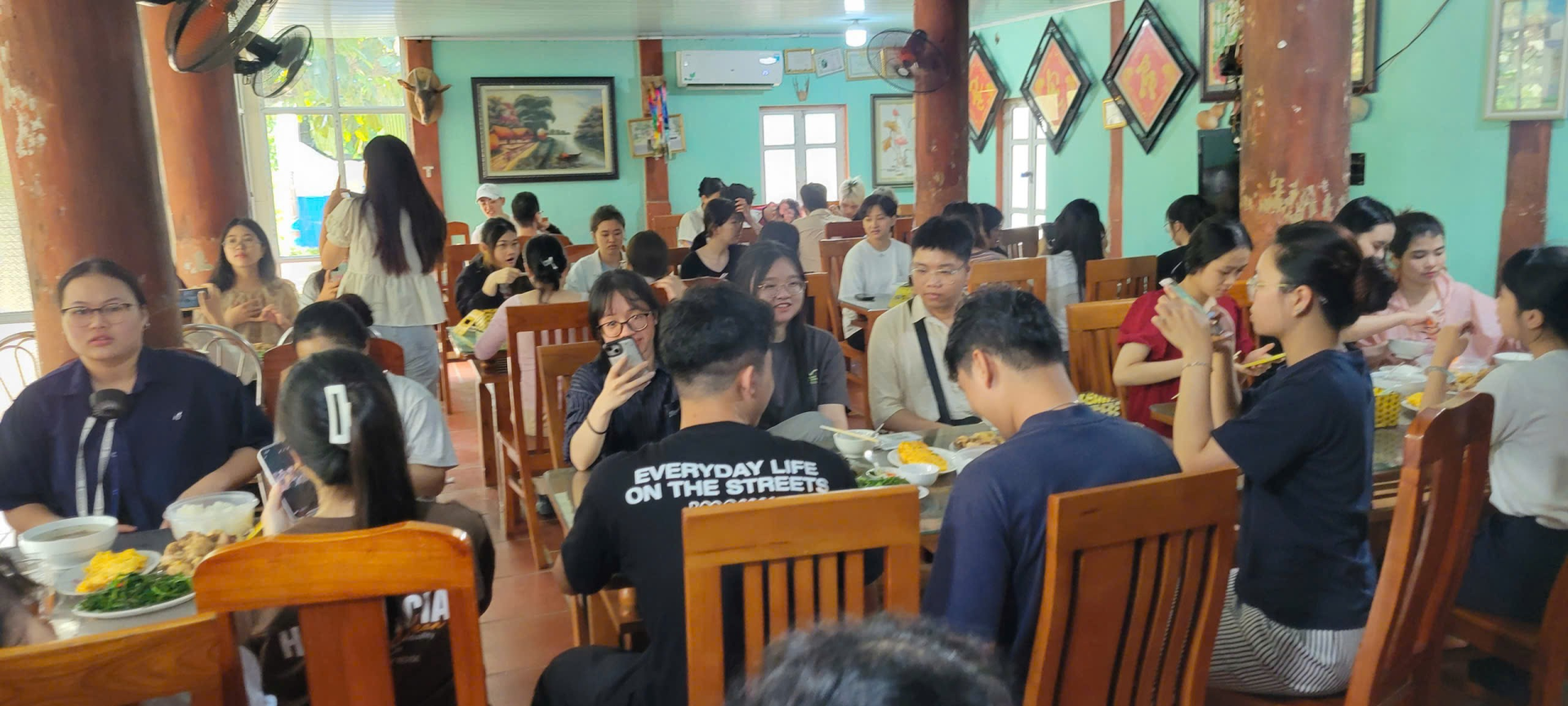
Anthropology students have their first meal at the community stilt house in Ban Sam village, Cuc Phuong commune, before beginning their fieldwork.
The 2026 trip to the Muong ethnic minority in Cuc Phuong National Park can be considered a vivid example of the innovative approach to organizing the Ethnology practical training course. It demonstrates that the innovation in teaching and learning methods for the Ethnology practical training course inherits the core values of the ethnology fieldwork method while adjusting the organizational format to adapt to the changing needs of learners, the community, and the current development context. This also serves as a foundation for the course to maintain its unique identity within the field of Anthropology, meeting the requirements for training high-quality human resources in the new era.
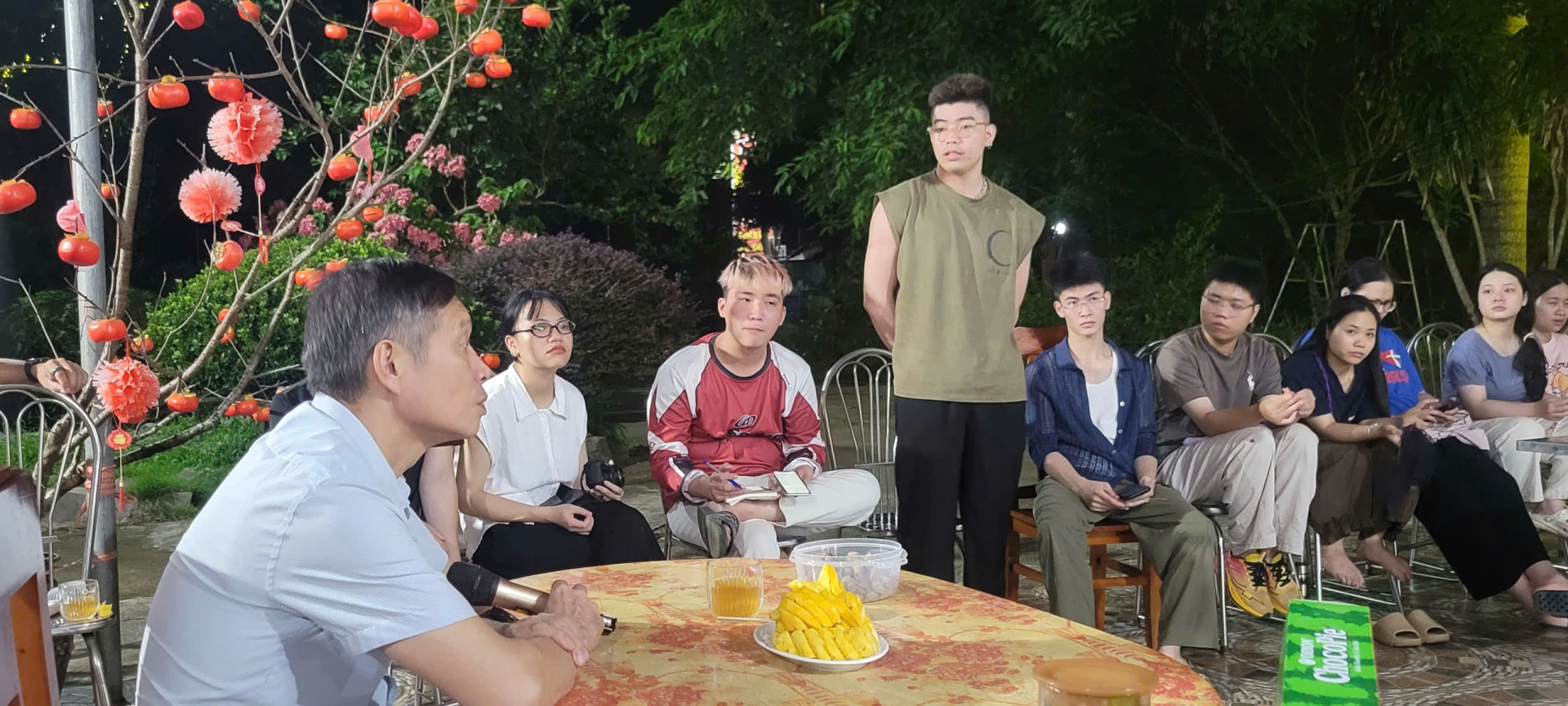
Students exchanged ideas and asked questions to the key informant (Mr. Dinh Van Xuan).
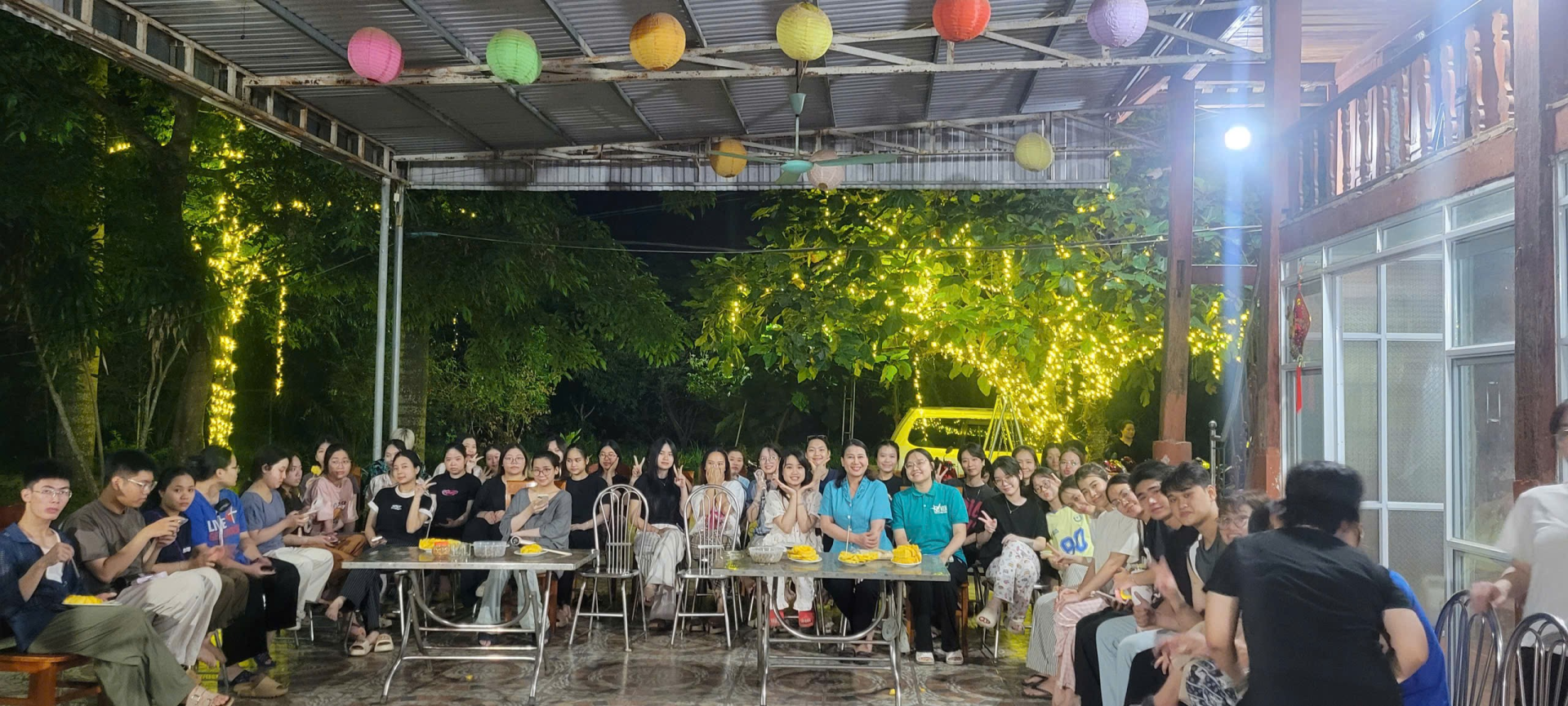
Interaction between the community and the internship group.
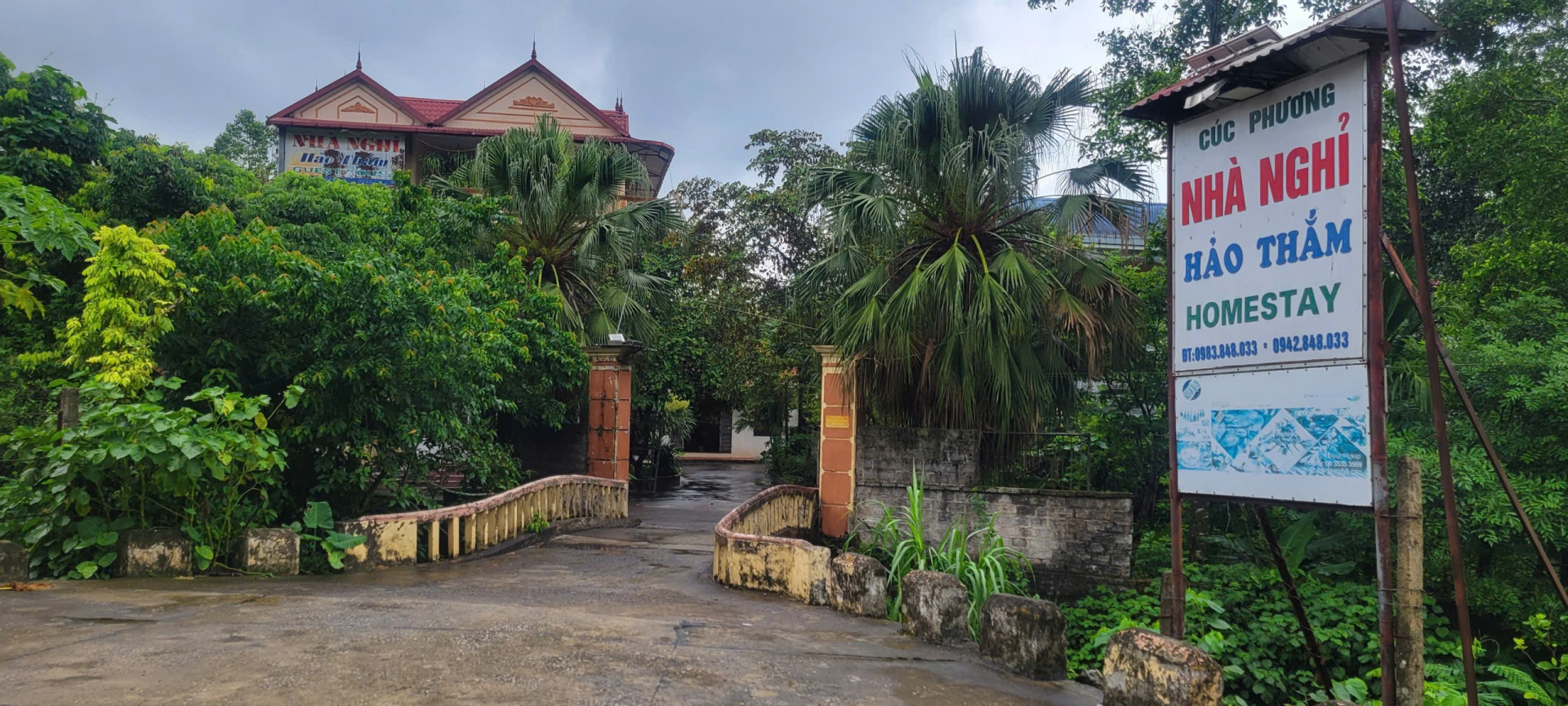
Homestay and community-based accommodation systems – a new resource for tourism development and field training.
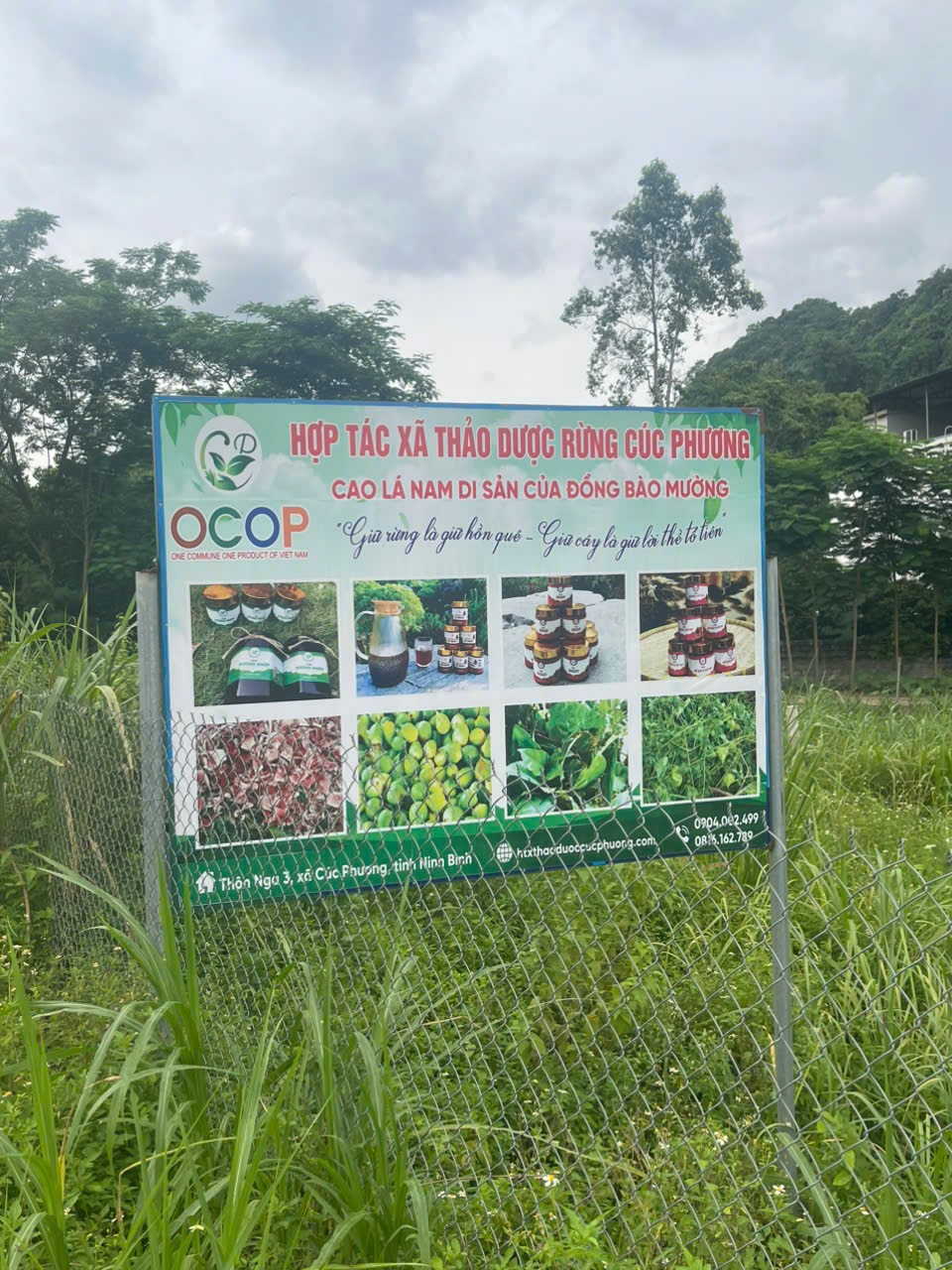
The Cuc Phuong herbal cooperative model of Mr. Dinh Van Thang's family in Sam village.
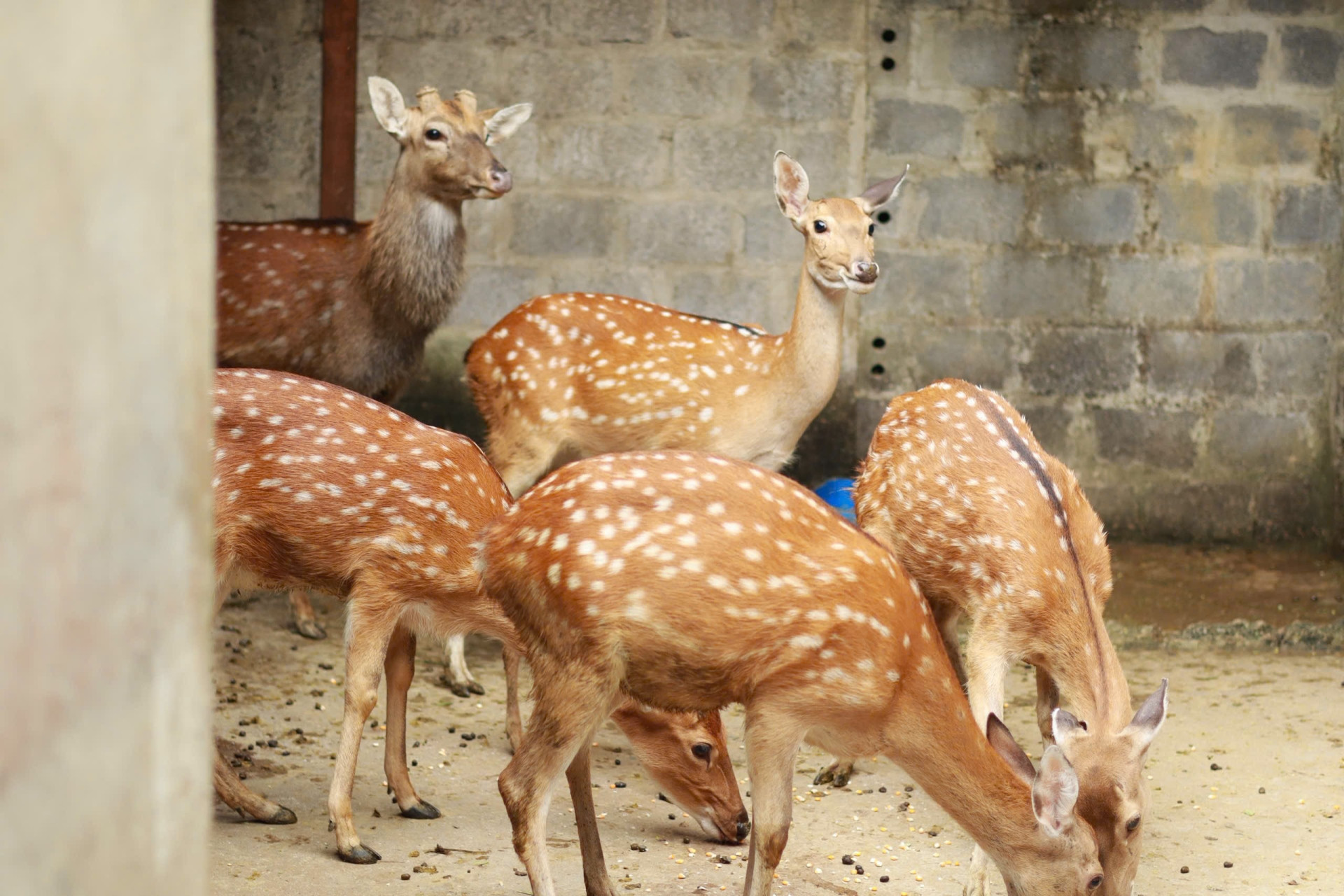
The deer farm for antler harvesting belonging to Mr. Dinh Van Lam's family in Sam village.
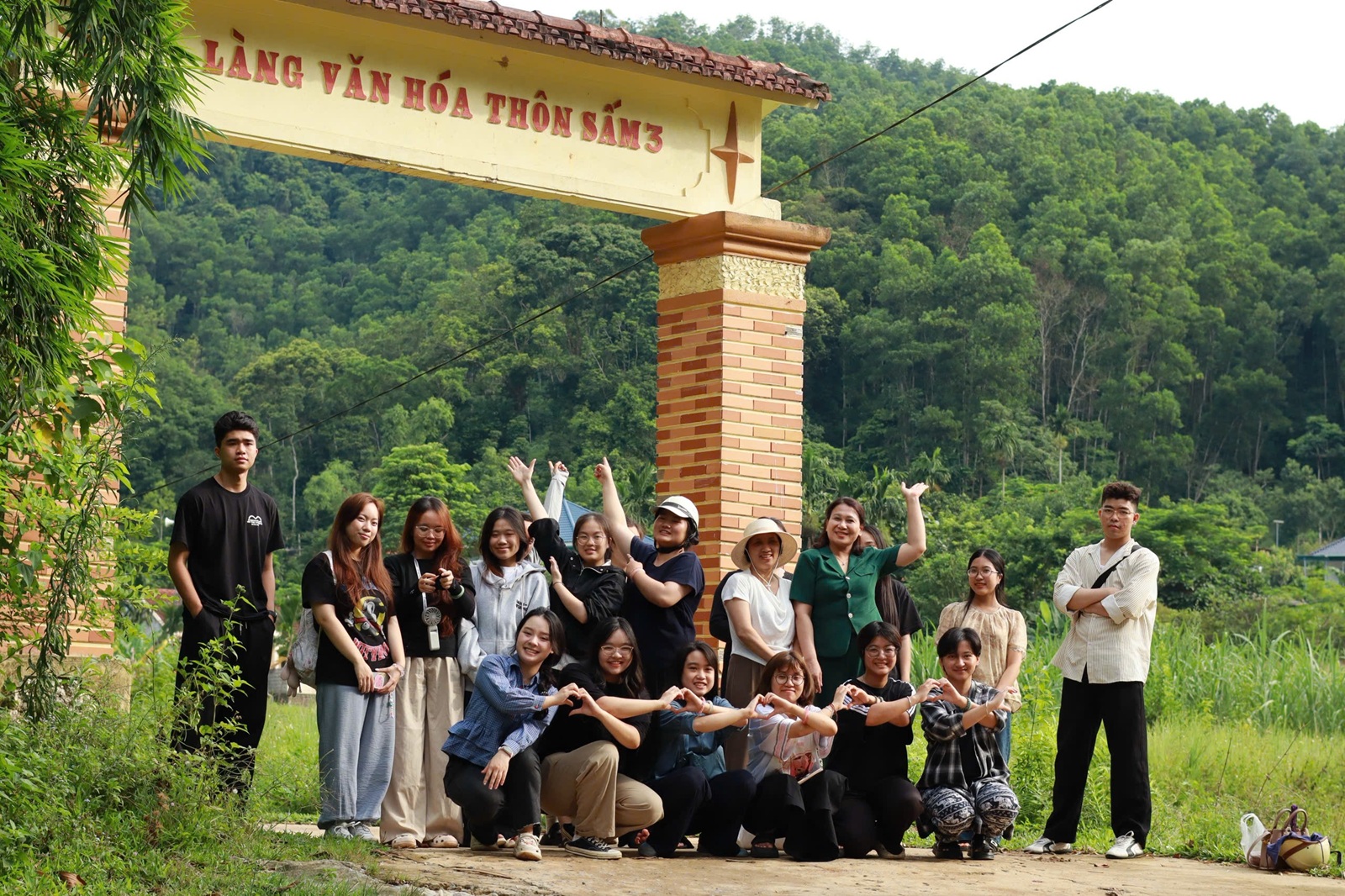
Lecturers and a group of students in Sam village, Cuc Phuong National Park.
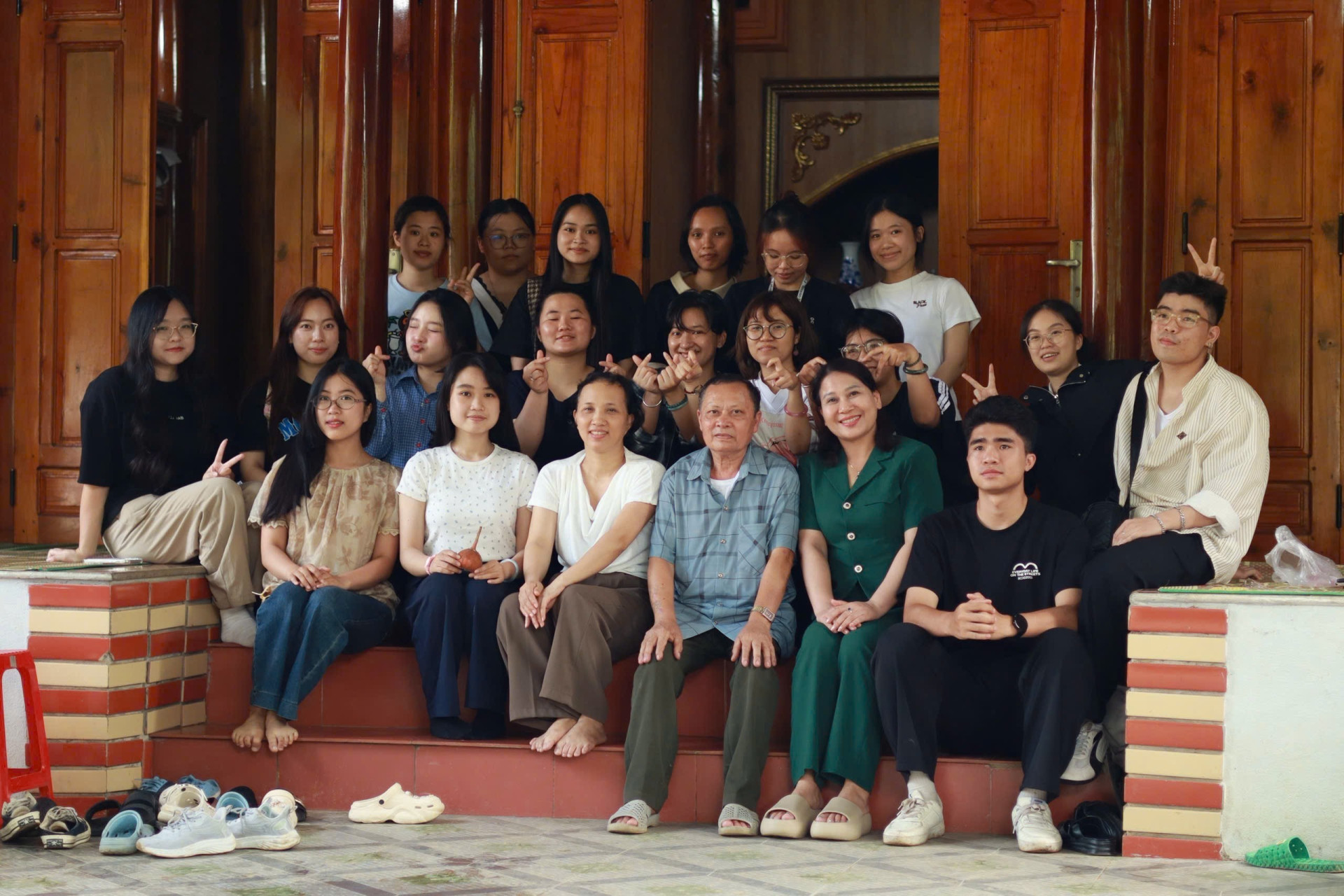
Taking a group photo with artisan Dinh Van Minh in Sam village.
Author:Dinh Thi Thanh Huyen - Department of Anthropology & Religious Studies
Newer news
Older news

