

This page commemorates the 80th anniversary of the school's tradition and 30 years of development.University of Social Sciences and Humanities
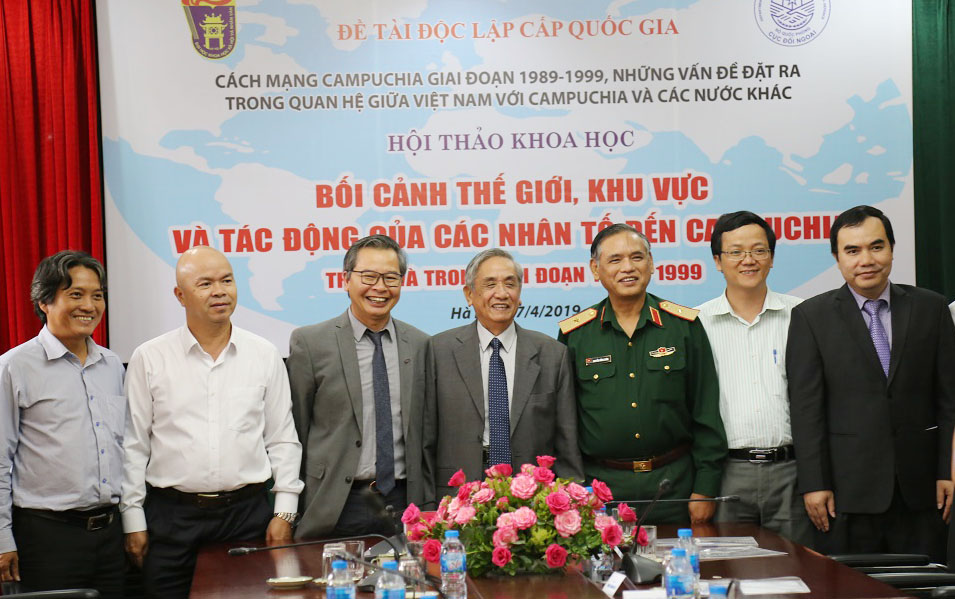
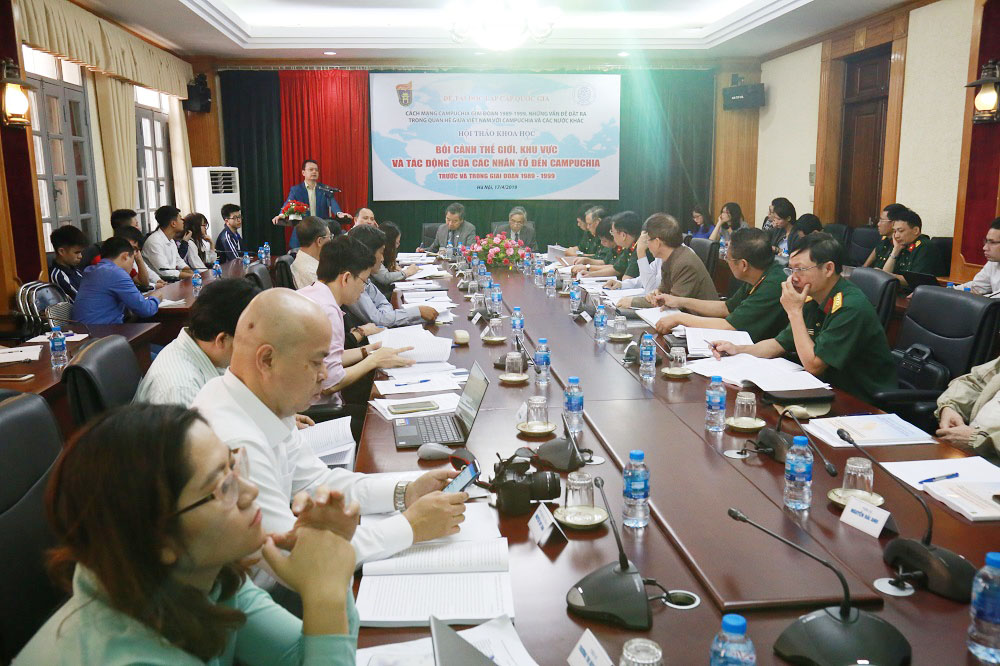
Cambodia is a close neighbor of Vietnam. Vietnam and Cambodia share many similarities in history and culture. From 1975 to 1978, the Khmer Rouge regime led by Pol Pot and Ieng Sary carried out a genocidal regime. The Cambodian people suffered greatly; nearly 2 million Cambodians were murdered using the most brutal methods in human history.
From 1975 to 1978, the Khmer Rouge repeatedly invaded the southwestern border region of Vietnam. Vietnam persistently pursued a peaceful approach, hoping to resolve the conflict with Cambodia through negotiations. Contrary to Vietnam's peaceful intentions, in late 1978 the Khmer Rouge regime mobilized 19 divisions to attack along the southwestern border of Vietnam. The Vietnamese people resolutely rose up to fight against the Khmer Rouge's aggression and simultaneously sent troops into Cambodia to overthrow the Khmer Rouge regime and rescue the Cambodian people from genocide. The Vietnamese army remained in Cambodia from 1979 to 1989 to help the Cambodian people eradicate the Khmer Rouge, revive Cambodia, and bring peace and prosperity to the Cambodian people. After the Cambodian revolutionary government was firmly established, the Vietnamese volunteer troops withdrew from Cambodia. From 1989 to 1999, relations between Vietnam and Cambodia developed well. Both countries became members of ASEAN.
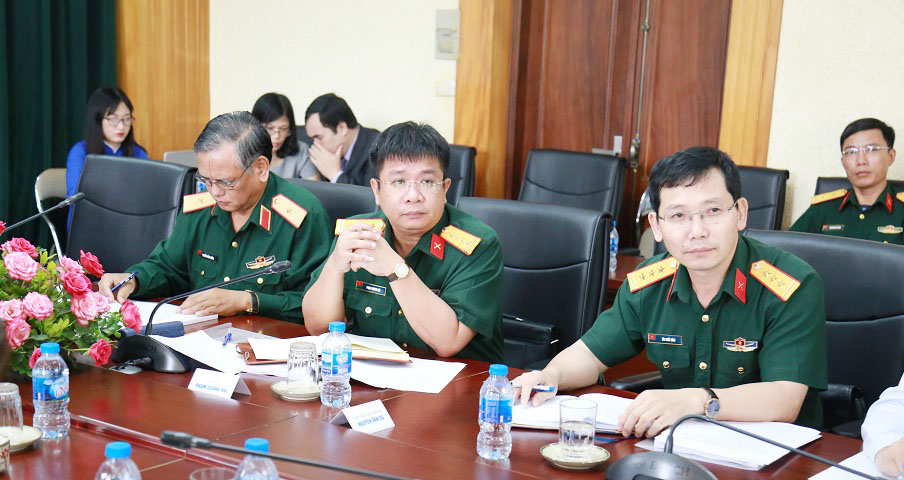
From 1975 to 1989, the conflict between the capitalist and socialist blocs, internal conflicts within the socialist bloc, and the self-serving interests of major powers strongly impacted the relationship between Vietnam and Cambodia. The Khmer Rouge, once an ally of Vietnam in the war against the US, was incited and provoked by some major powers to become an enemy of Vietnam and of the Cambodian people themselves. Vietnam's sacrifices for the Cambodian people from 1979 to 1989 were immense. However, the presence of Vietnamese volunteer troops in Cambodia was distorted and misinterpreted by reactionary international forces to isolate, encircle, and impose sanctions on Vietnam. In 1989, Vietnam withdrew its troops from Cambodia. The deadlock in international relations between Vietnam and the international community was finally resolved.
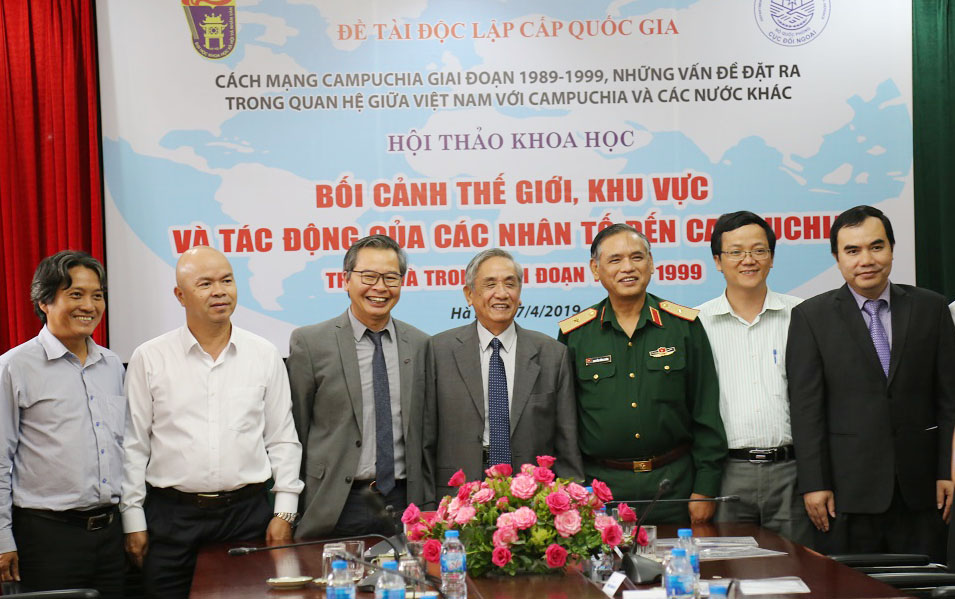
In 2018, the International Court of Justice proved the Khmer Rouge's genocidal crimes. Khmer Rouge leaders were convicted of genocide. The International Court's ruling that Vietnam's military intervention in Cambodia was to fight against the genocidal regime was a just act by the Vietnamese people.
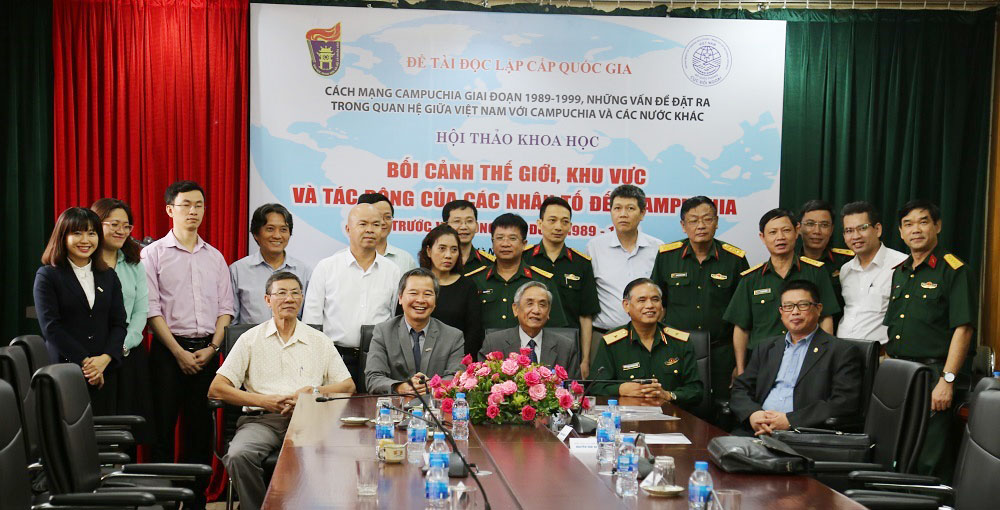
Although the research topics concerning Cambodia are very broad, the main themes of this scientific seminar focus on the following key issues:
First,The international and regional context and its impact on Cambodia from 1979 to 1989.
SecondThe role of international organizations, major powers, and Southeast Asian countries in Cambodia from 1979 to 1989.
Third isThe impact of the withdrawal of Vietnamese volunteer troops on the process of resolving the Cambodian issue.
Fourth isThe impact of international factors on Cambodia's national reconciliation process, economic and social development, and international integration from 1989 to the present.
Author:Tran Viet Nghia, Vu Nga
Newer news
Older news