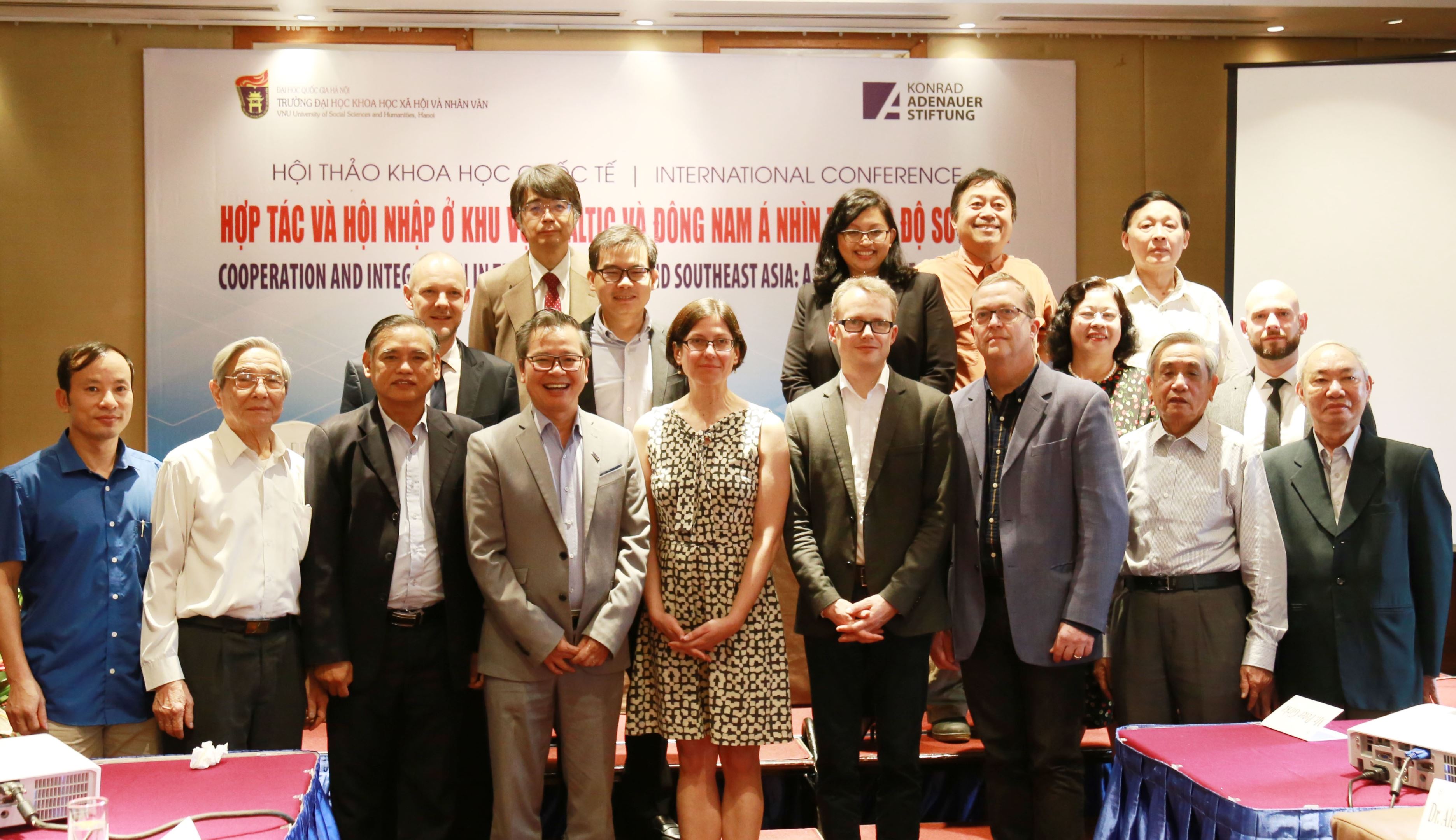
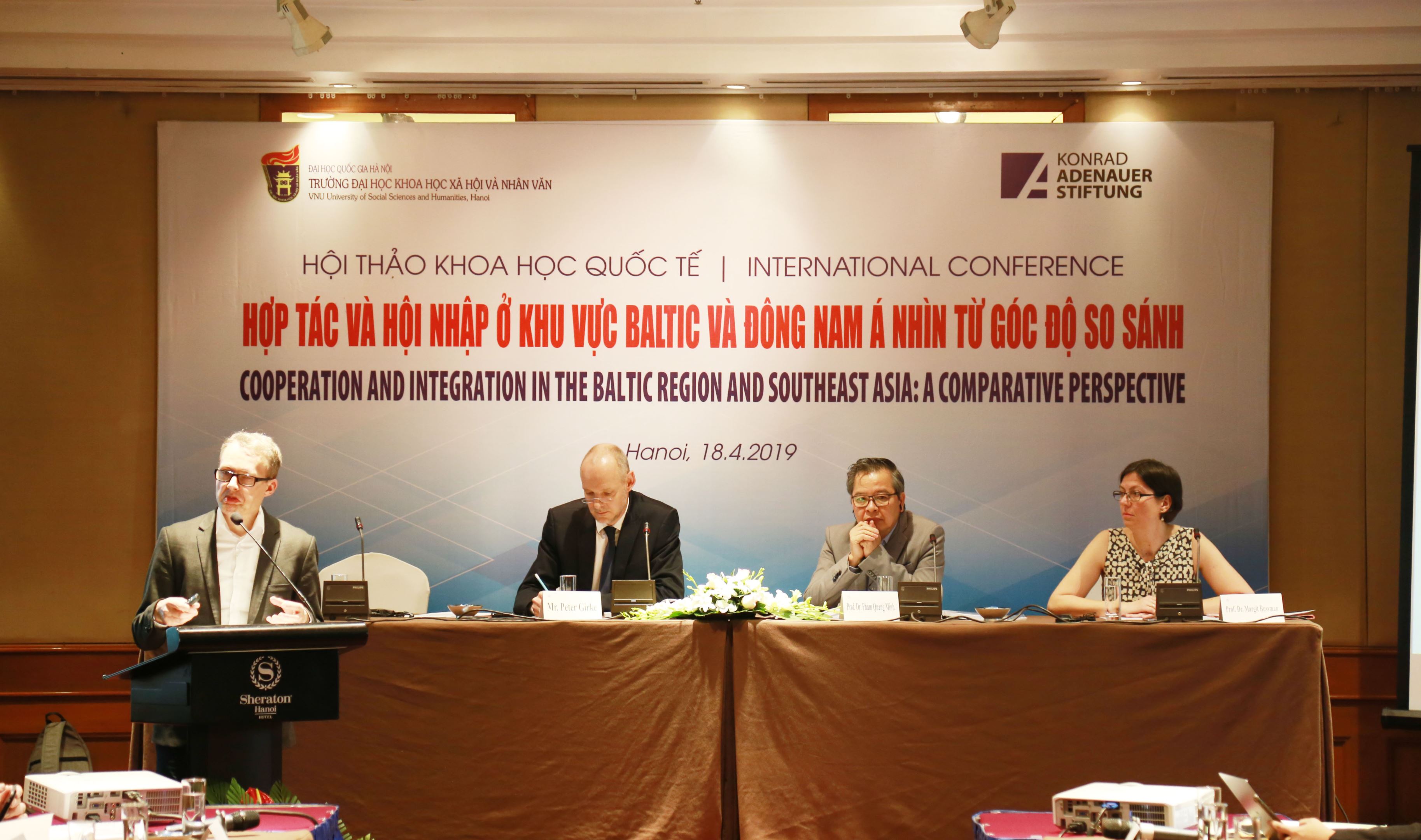
The Baltic region is a large inland sea area surrounded by the Scandinavian Peninsula, Central Europe, Eastern Europe, and the Danish archipelago, including Sweden, Finland, Russia, Estonia, Latvia, Lithuania, Poland, Germany, and Denmark. Meanwhile, Southeast Asia is a strategically important region economically and politically, situated on the East-West trade route, located in the southeastern part of Asia, comprising 11 countries, 10 of which are full members of ASEAN.
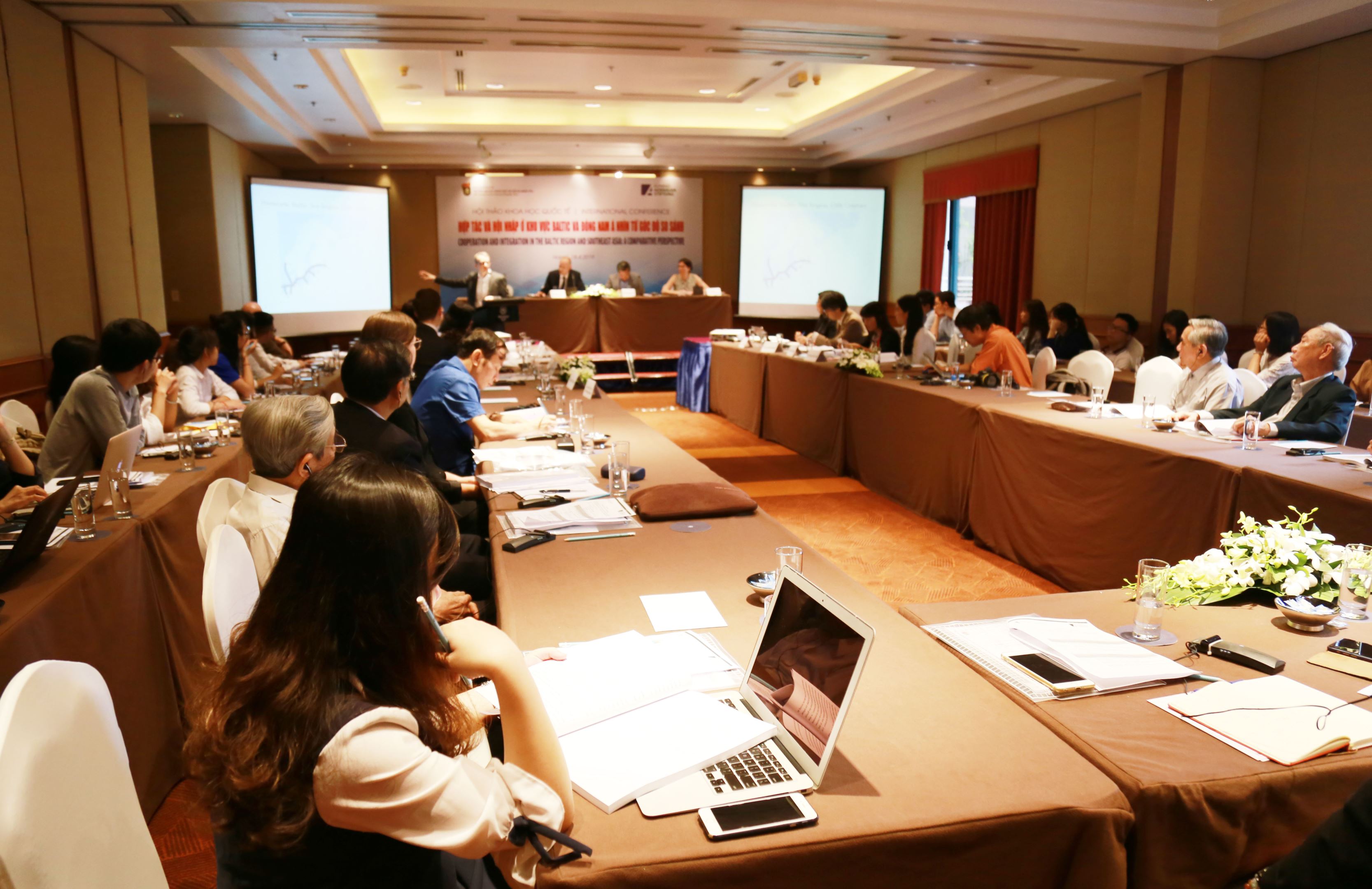
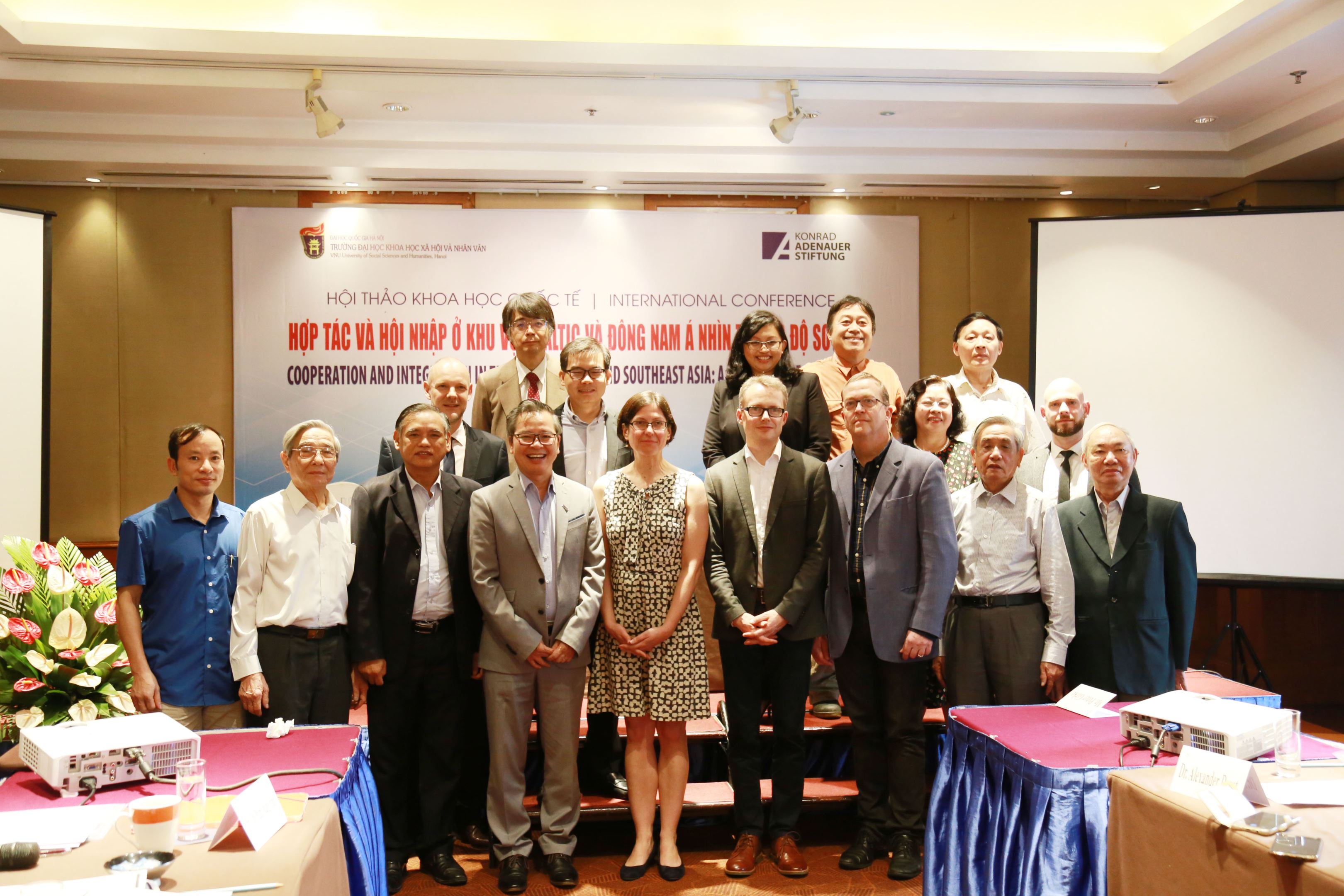
The workshop focused on analyzing trends in cooperation and integration in the Baltic and Southeast Asian regions in recent decades. Based on a comparison of similarities and differences between the two regions, scholars discussed proposals and suggestions for cooperation and integration policies for countries in both regions. The workshop was divided into four subcommittees:Cooperation on traditional security issues in the Baltic region and Southeast Asia.;Cooperation on non-traditional security issues in the Baltic region and Southeast Asia.;Regional integration in the Baltic and Southeast Asian regions.;Multilateral integration and cooperation: Challenges and prospects for the Baltic region and Southeast Asia.
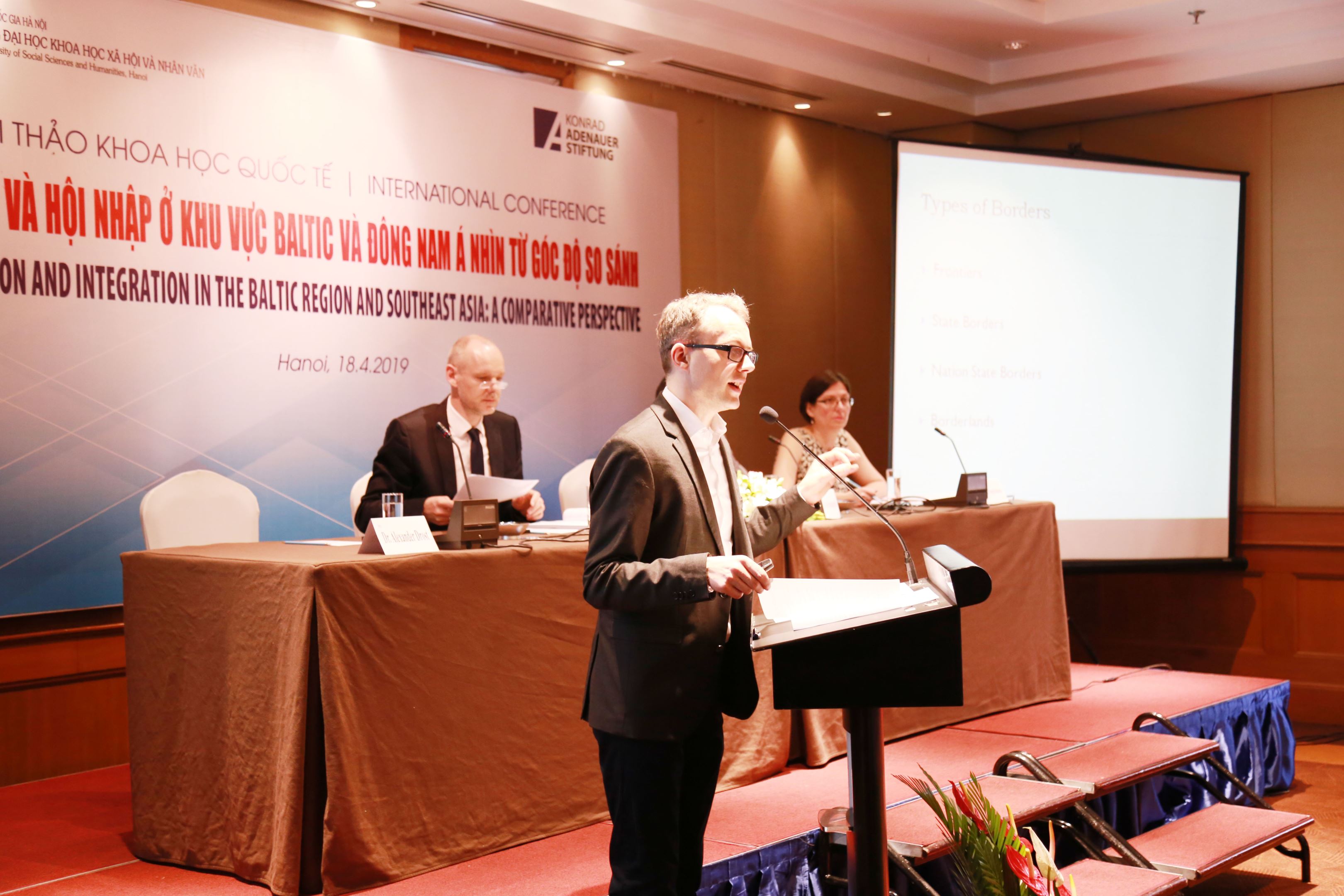
The main discussion topics included: identifying and analyzing trends in cooperation and integration to address challenges in the development process of the Baltic and Southeast Asian regions; analyzing the achievements and challenges in the cooperation and integration process in the two regions; comparing the similarities and differences in the cooperation and integration process in the two regions; and analyzing the role of organizations and cooperation mechanisms in the two regions.
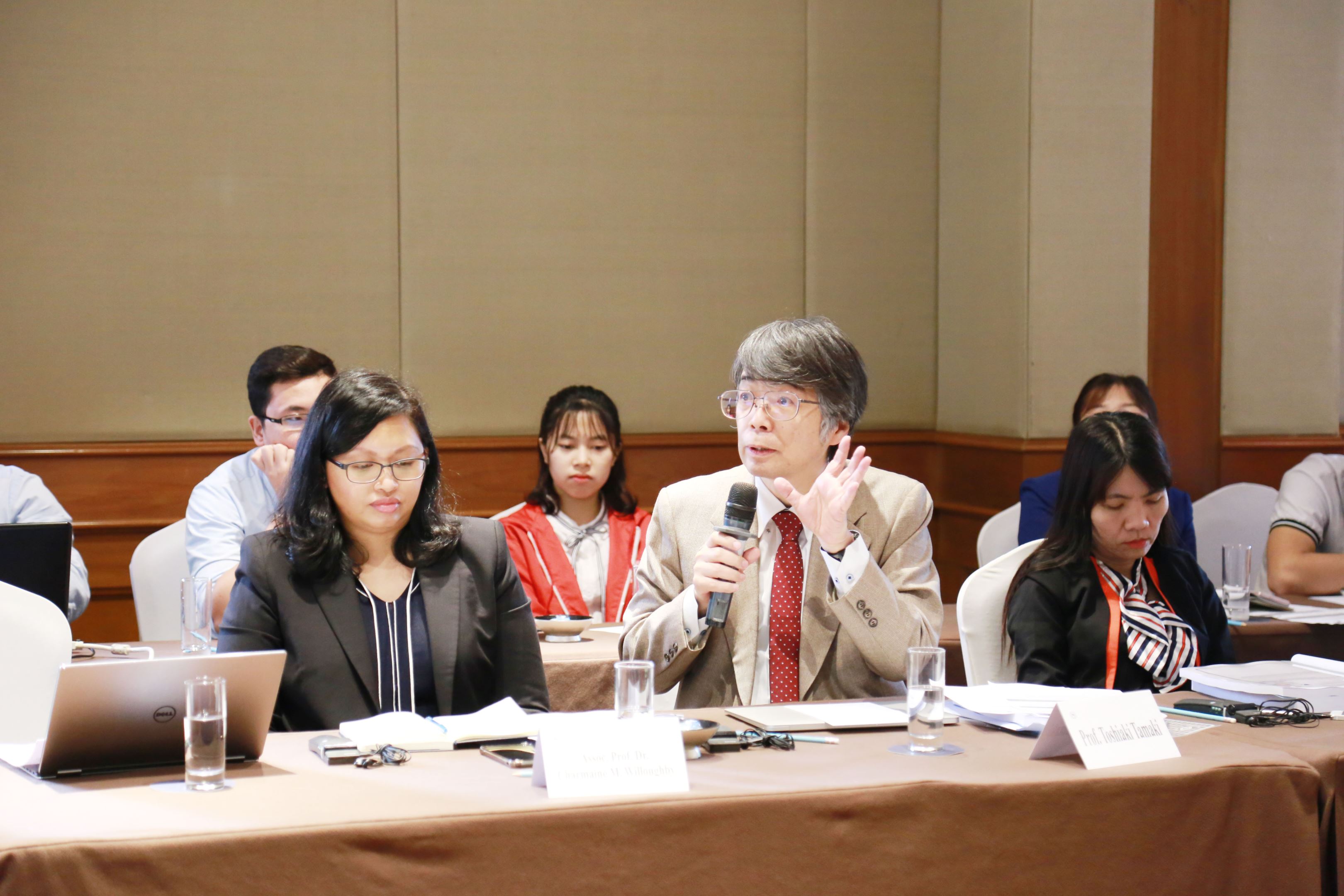
Emphasizing a comparative perspective, against the backdrop of deep international integration, the articles analyze many "hot" issues that both regions are facing, from economic and trade development issues to military disputes, regional conflicts, non-traditional security issues, foreign policies, environmental management, and social welfare... viewed from regional, national, and Vietnamese perspectives. Due to differing economic, social, geopolitical, and cultural conditions, the two regions have different approaches and responses to each issue, leading to different effectiveness for each policy and cooperation program being implemented.
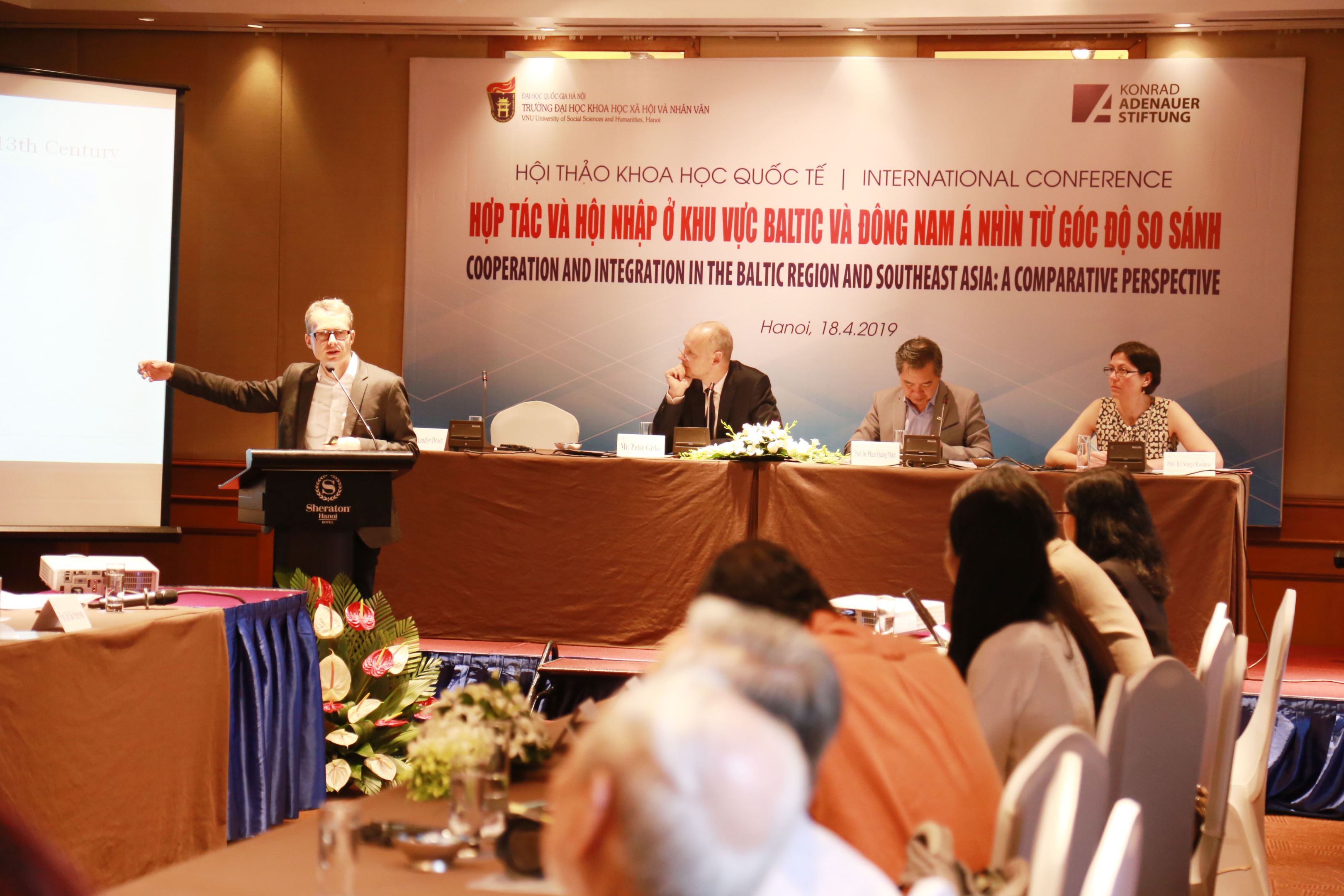
Some notable presentations included: “Vietnam’s Perspective on the Shifting Powers and Complexities of Globalization” (Prof. Pham Quang Minh, University of Social Sciences and Humanities); “Military Disputes Among Baltic States” (Prof. Margit Busmann, Greifswald University, Germany); “The Coexistence of Hard and Soft Security Threats: An Analysis of Swedish National Debates” (Prof. Bo Petersson, Malmon University, Sweden); “Swedish Security in the Early Modern Era: A Commercial Perspective” (Prof. Toshiaki Tamakim, Kyoto Sangyo University, Japan); “ASEAN Cooperation in Combating Terrorism Since the Beginning of the 21st Century” (Assoc. Prof. Nguyen Thi Thanh Thuy, University of Social Sciences and Humanities); “Promoting Regional Integration in Southeast Asia: Challenges and Prospects” (Dr. Do Thi Thuy, Diplomatic Academy of Vietnam). “The Importance of People-to-People Diplomacy in Regional Integration: A Case Analysis of ASEAN and the Baltic States” (Nguyen Ngoc Anh, Hanoi University); “Challenges to Regional Organizations in Conflict Management: Case Studies of ASEAN and the Baltic States” (Assoc. Prof. Bui Hong Hanh, Dr. Nguyen Thi My Hanh, University of Social Sciences and Humanities); “The Baltic Region: Controversial Stories and the Reconstruction of a Regional Security Complex” (Martin Kerntopf, Greifsward University, Germany); “The US Indo-Pacific Strategy and Southeast Asia” (Prof. Charmaine M. Willoughby, Philippines); “Disputes over Regional Order in the Indo-Pacific and the Foreign Policy of Small States” (Vannarith Chheang, Asian Vision Institute, Cambodia)...
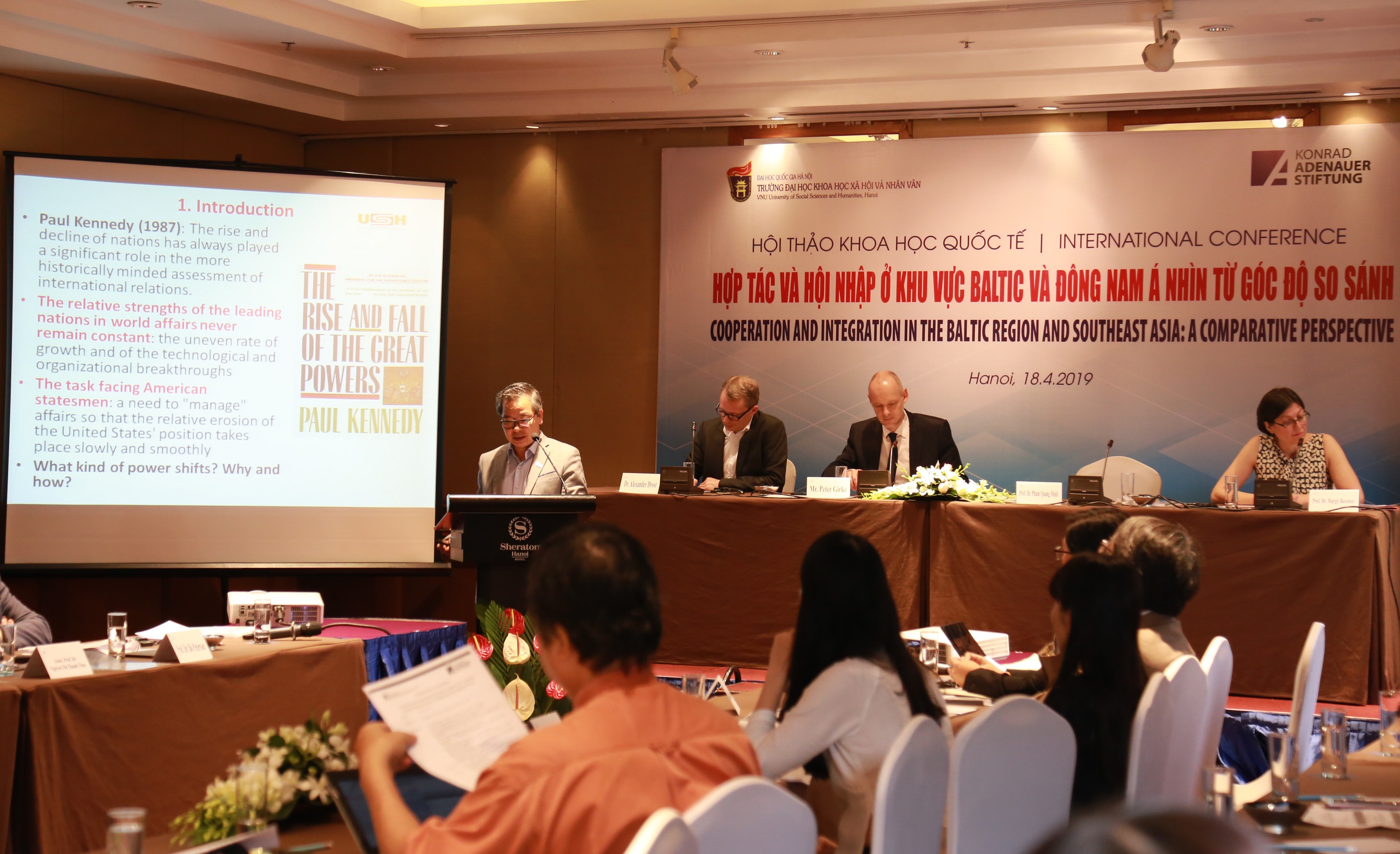
The Konrad Adenauer Stiftung and the University of Social Sciences and Humanities, Vietnam National University, Hanoi, have collaborated for over 20 years to organize dozens of international scientific conferences on various topics in the field of international relations and regional security, such as: grassroots democracy in East Asia, Mekong River water resource management, ASEAN and its challenges and achievements, market liberalization, and the compilation of history textbooks. KAS also supports the University in implementing short-term training courses to enhance research and teaching capacity in the field of international relations for faculty members.
https://baoquocte.vn/asean-co-can-mot-co-che-an-ninh-nhu-kieu-nato-92190.html
Author:Thanh Ha
Newer news
Older news

