
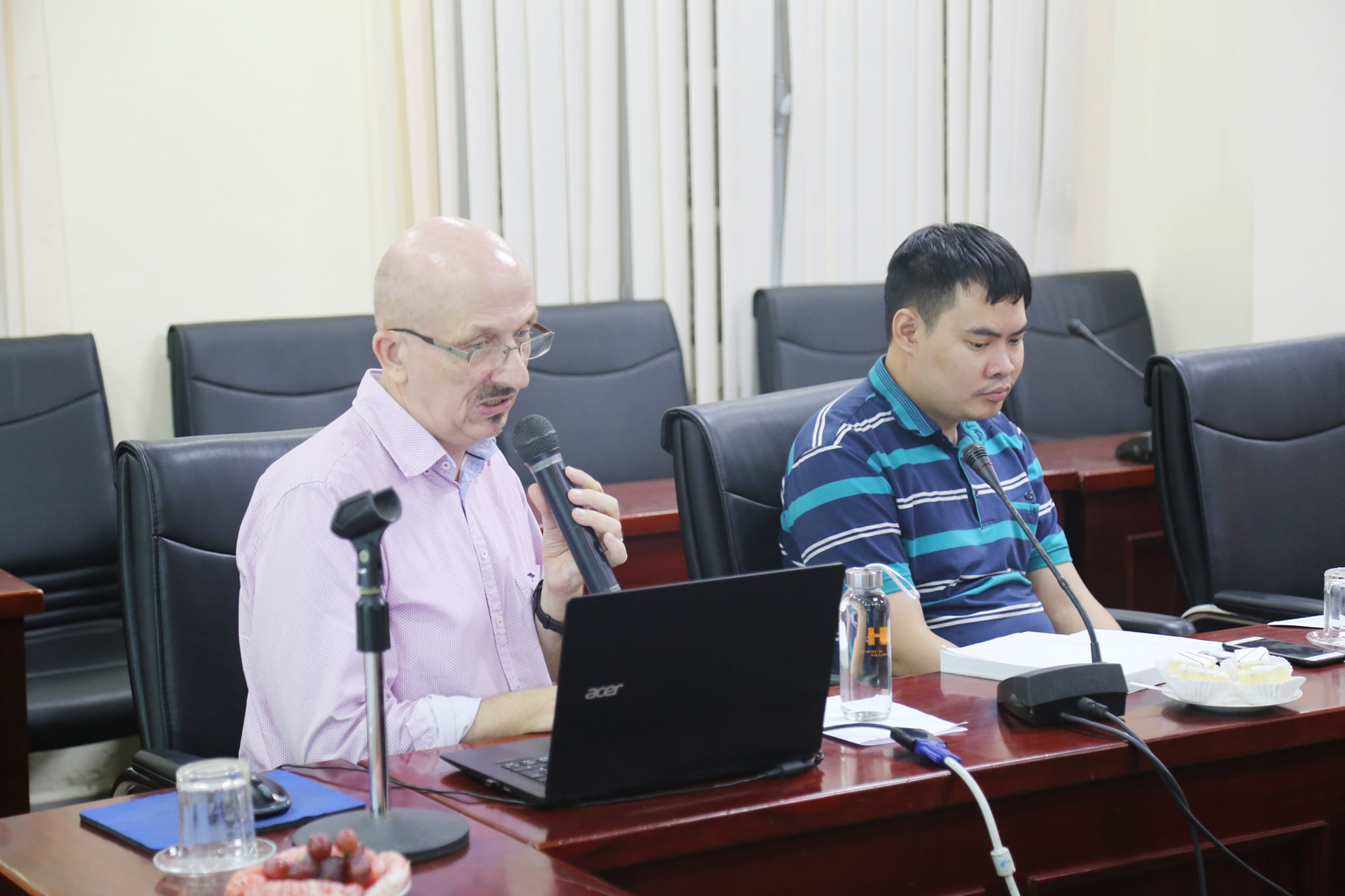
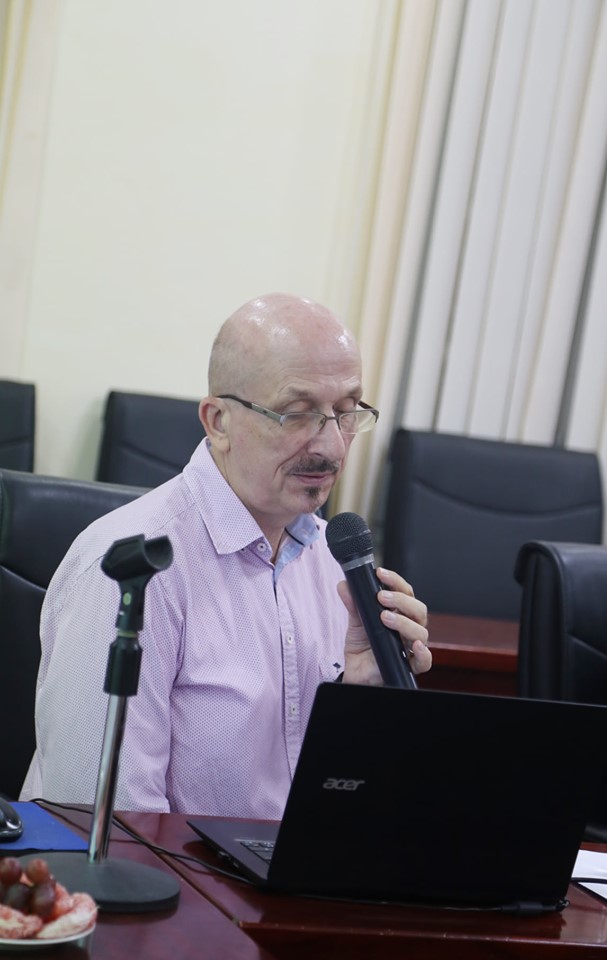
This presentation presents the results of a survey conducted by the author between August and October 2019 with leaders of universities in Vietnam. Using expert interviews, the author collected and summarized opinions from leaders and managers of 15 universities in Vietnam on issues surrounding university autonomy in Vietnam: the necessity and general assessment of reforms, the main aspects of university autonomy, the changes needed in line with the reform direction, and the strategies and visions set by the universities to improve their autonomy. Finally, the presentation examines the implications of the autonomy-oriented reform process for German-Vietnamese higher education cooperation.
According to the survey results, most leaders of the surveyed universities affirmed the necessity and importance of university reform. In the future, universities aspire to achieve autonomy not only in finance but also in research, teaching, and international relations. However, these are also the areas that present the most challenges, especially financially. In the context of autonomy, state subsidies will be gradually reduced, so universities will have to find other sources of revenue to compensate for budget shortfalls. In the medium term, increasing tuition fees will be a temporary solution; but in the long term, they must seek other funding sources such as research grants, technology transfer, and service provision. This requires comprehensive reform and innovation in all areas of operation.
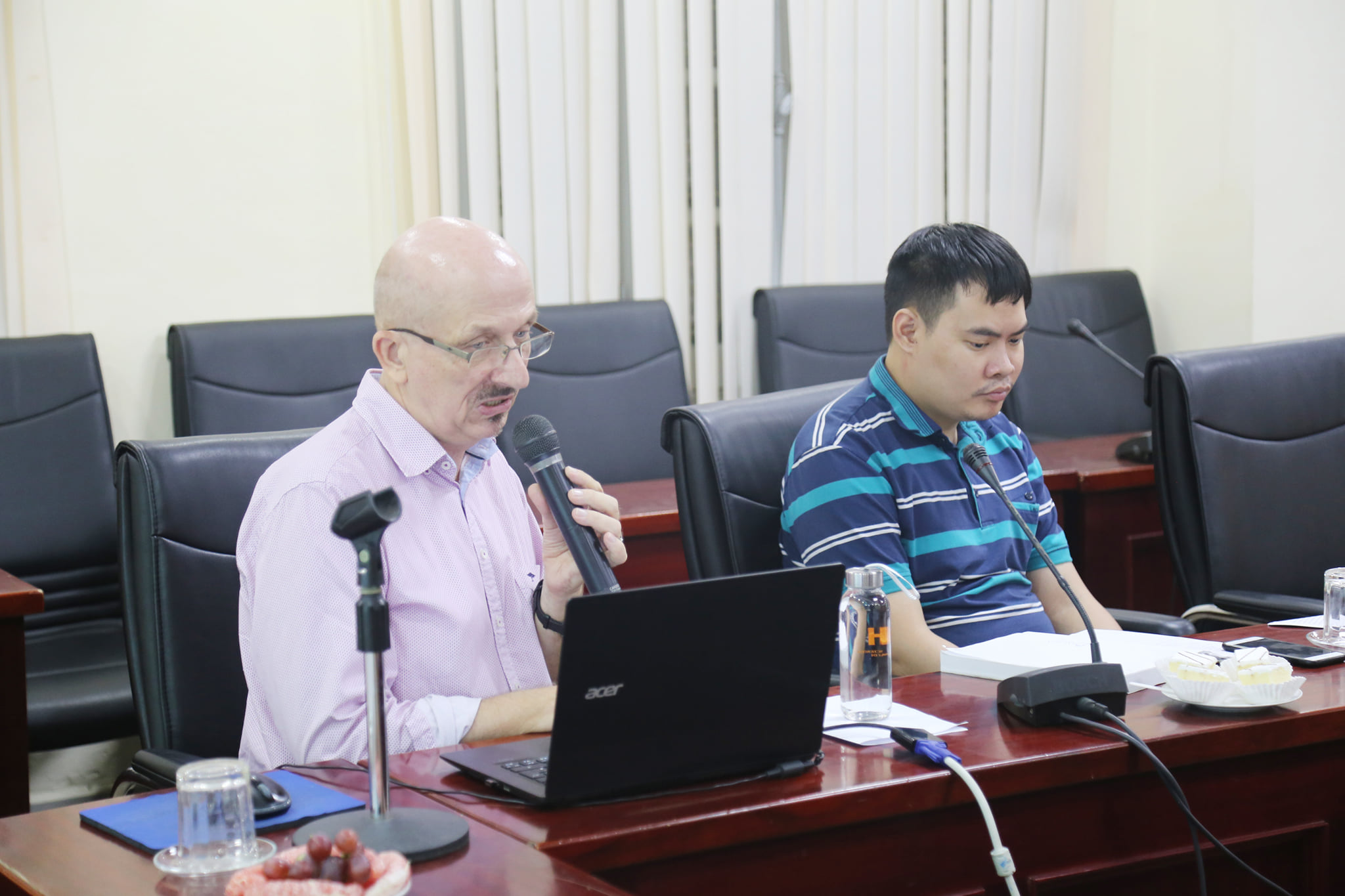
To address the challenges of the reform process, the surveyed universities have their own strategies, such as: promoting research alongside teaching, aiming for development as research universities; strengthening interdisciplinary approaches in course content and training programs; promoting linkages between universities in the cluster and member universities; and fostering international cooperation, especially multilateral cooperation, to seek new funding sources.
Regarding cooperation between Vietnamese universities and their German and European partners, Professor Detlef Briesen affirmed that reforms towards autonomy will not have a negative impact, but rather will enhance the possibilities for cooperation between the parties. Educational organizations such as the German Academic Exchange Service are always ready to support and fund research projects of the University of Social Sciences and Humanities as well as other Vietnamese universities. Professor Detlef Briesen also proposed several ideas to strengthen Vietnam-Germany higher education cooperation, such as establishing alumni research groups (DAAD); building joint research and teaching groups; establishing research associations; and synchronizing research funding application processes, for example, through the establishment of a joint Vietnam-Germany funding fund with a common evaluation mechanism.
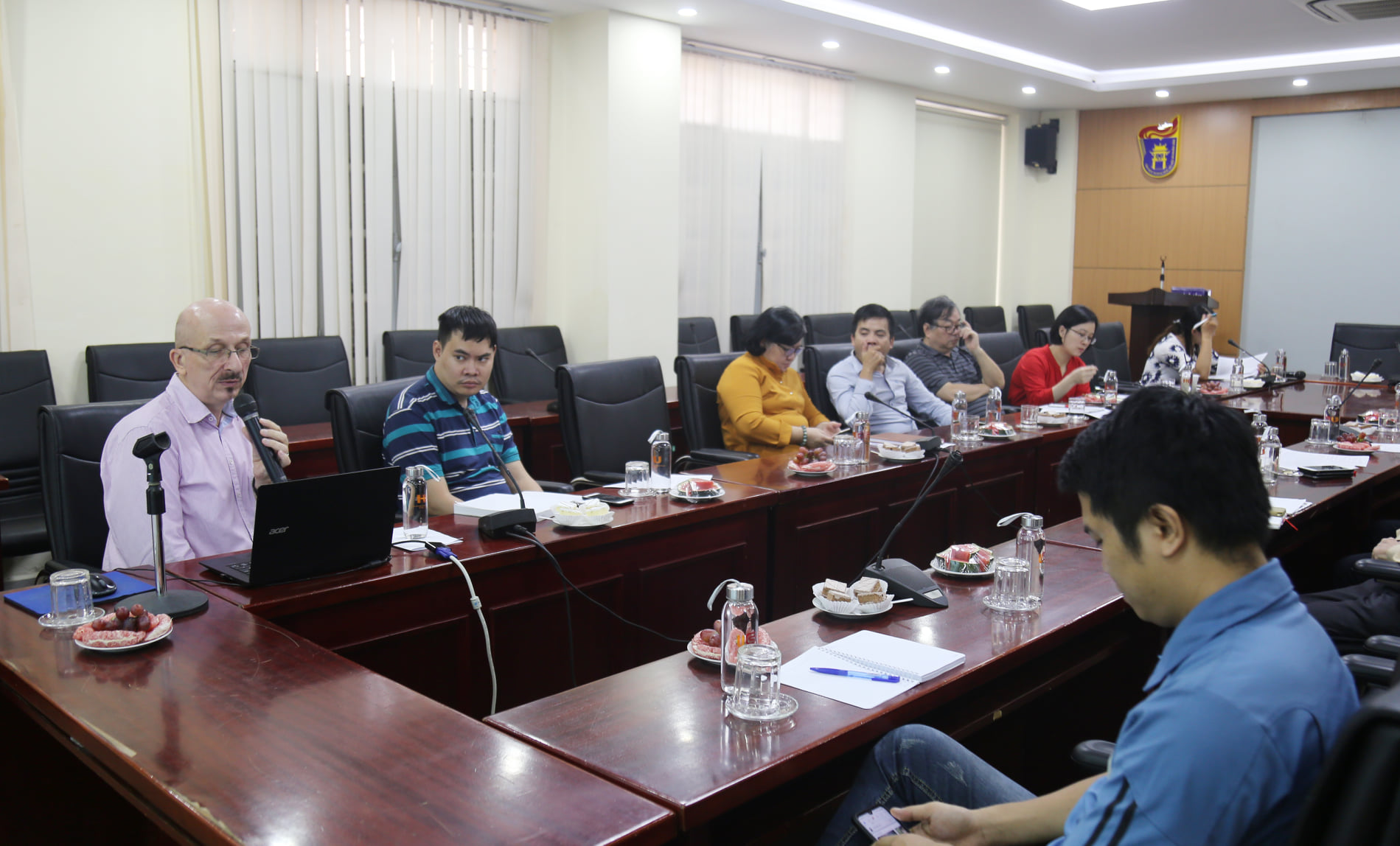
The presentation received a positive response and significant interest from the audience, with many discussions on issues such as the current state of autonomy in Vietnam's higher education system; the experience of building autonomy in German universities; the revised higher education law and the legal basis of university reform in Vietnam; and the differences in the perceptions of autonomy between public and private universities. The widespread reception from the university's staff and lecturers will be an impetus for Professor Detlef Briesen to expand his research next year.
Author:Tran Minh, Thanh Ha
Newer news
Older news

