The workshop was attended by Assoc. Prof. Dr. Dao Thanh Truong (Vice Rector of the University of Social Sciences and Humanities), faculty members, students, and postgraduate researchers of the University, along with numerous scientists from the Institute of Ethnology, the Institute of Cultural Studies, the Institute of Psychology, the Vietnam Association of Ethnology and Anthropology, the Nghe An Union of Literature and Arts, the Institute of Vietnamese Studies and Development Science, VNU, participating both in person and online.
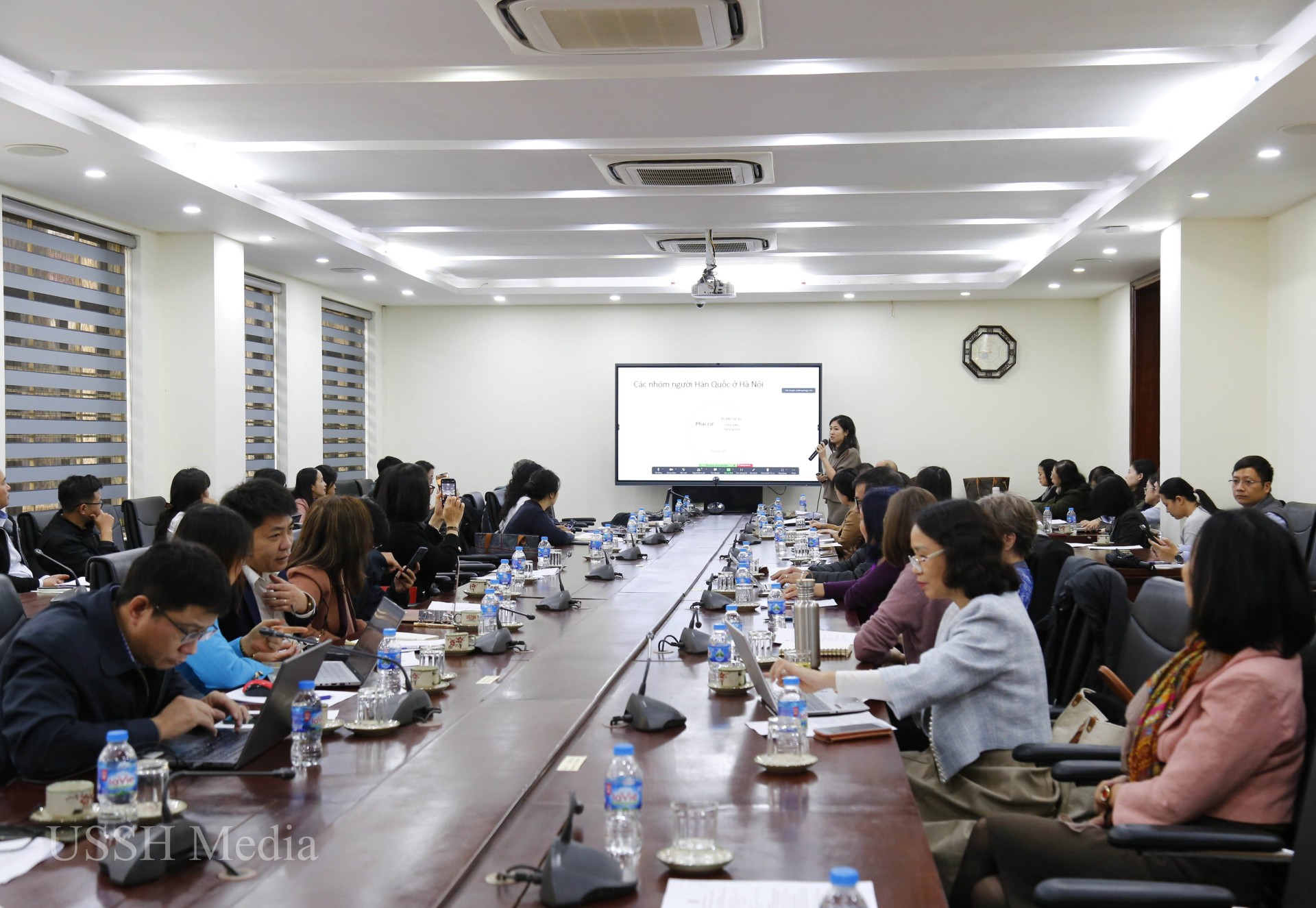
In his opening remarks at the conference, Vice Rector Dao Thanh Truong emphasized: “The global digital transformation is taking place vigorously, impacting all aspects of social life in countries around the world. Vietnam is a multi-ethnic country, with 54 ethnic groups living together. In recent years, the issue of ethnic groups has been placed in a strategic position by the Party and the State in the process of building and developing the socio-economic sector and protecting the homeland. In practice, the issue of ethnic groups in the digital age is extremely dynamic but also extremely complex in Vietnam, requiring adequate discussion by scientists and policymakers, thereby contributing effectively to the sustainable development of ethnic communities in Vietnam today, with a vision to 2030.”
The theme of today's conference, "Anthropology and Ethnic Groups in Vietnam in the Digital Age," addresses crucial, timely, and practically valuable issues, providing arguments for Vietnam's development policy planning in the current period. The Department of Anthropology, as a leading research and training center in Anthropology in Vietnam, will connect experts and scientists to further develop anthropological research directions, interdisciplinary research that harmoniously combines theoretical and practical elements.
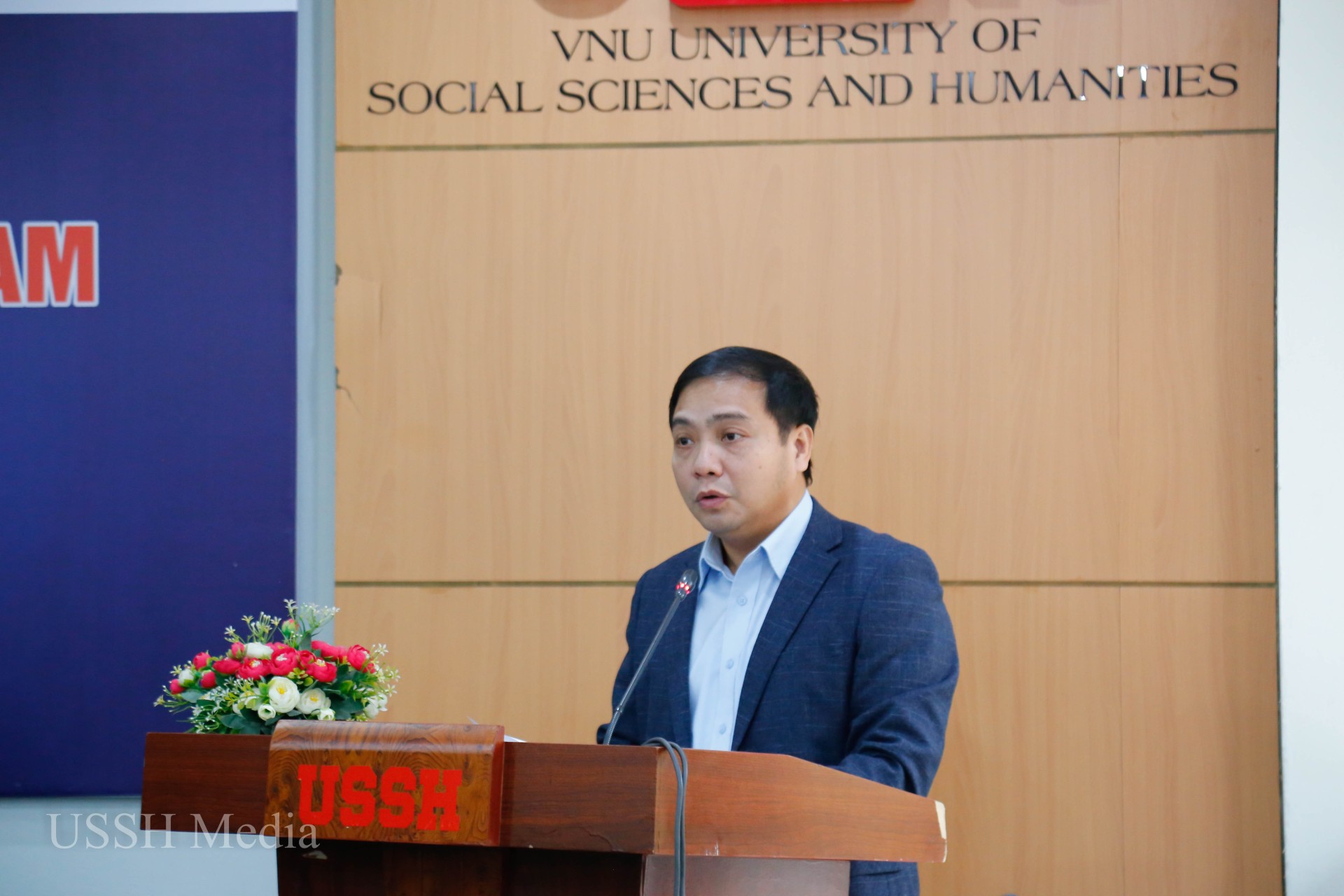
Vice Rector Dao Thanh Truong delivered the opening remarks at the workshop.
The workshop was conducted in two sessions with six presentations delivered live at the workshop and many lively exchanges and discussions.
The reports have focused on studying the transformation of human beings in the digital age. This transformation is mainly reflected in the dimensions of population, employment, and daily life due to the strong impact of science and technology.
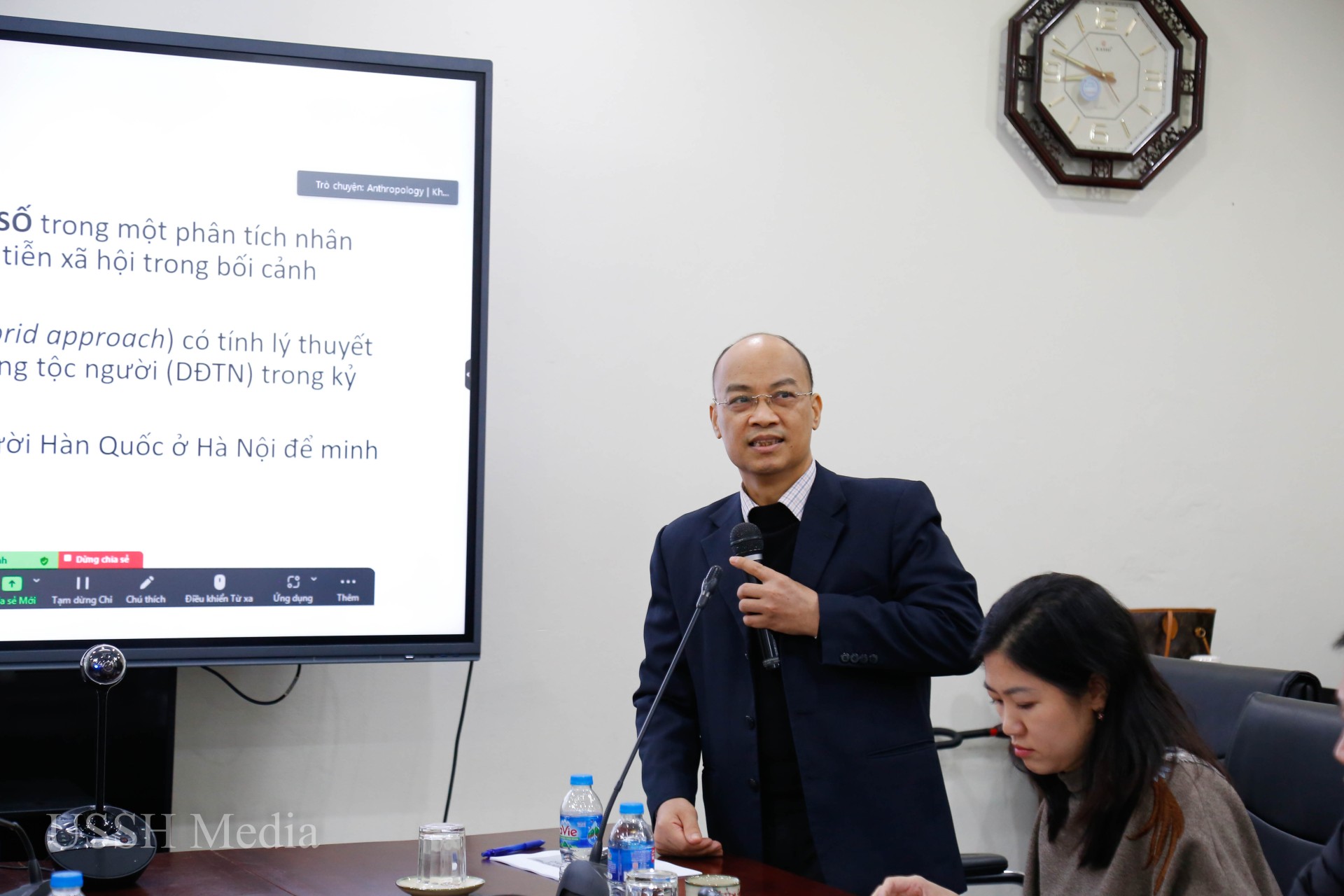
The report "Ethnic Mobility in Vietnam in the Digital Age" by Assoc. Prof. Dr. Nguyen Van Suu and Dr. Nguyen Thuy Giang studies ethnic mobility in light of a theory and within the context of the digital age. Based on an analysis of the mobility of the Korean population in Hanoi in the digital age, both offline and online, the report points out the mechanisms and dynamics of ethnic mobility in this new context.
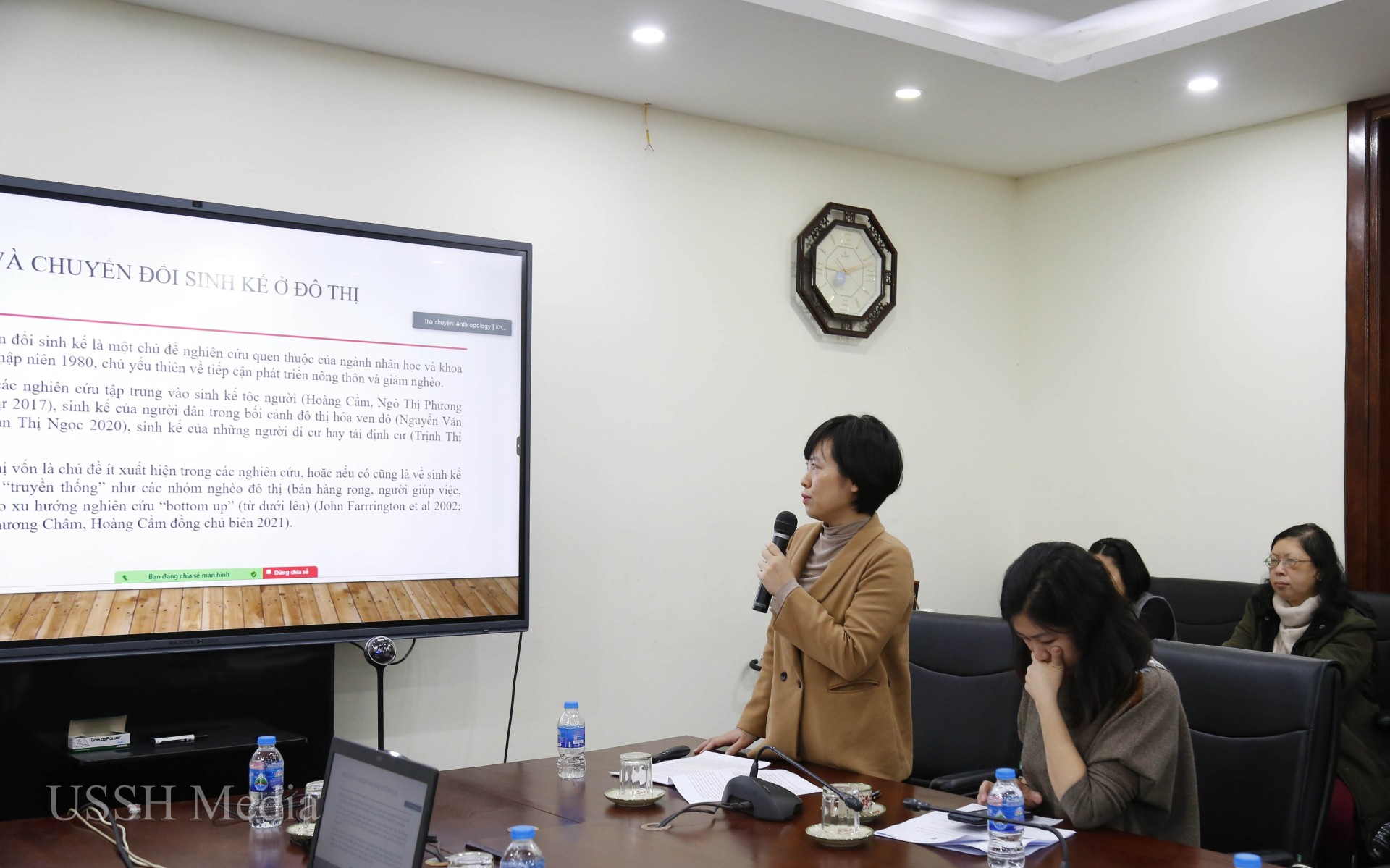
In the report "New Livelihood Forms in Vietnam in the Context of Digital Transformation (Case Study of Several Sellers on TikTok and Facebook)," Dr. Dinh Viet Ha (Institute of Cultural Studies) provides an analysis of a very popular livelihood form in Vietnam today, especially in urban areas: online selling. The report highlights advantages, challenges, and skills for successful business. Besides the positive aspects, the report also addresses some risks arising from the rapid development of this livelihood form, both in terms of management and product/service quality.
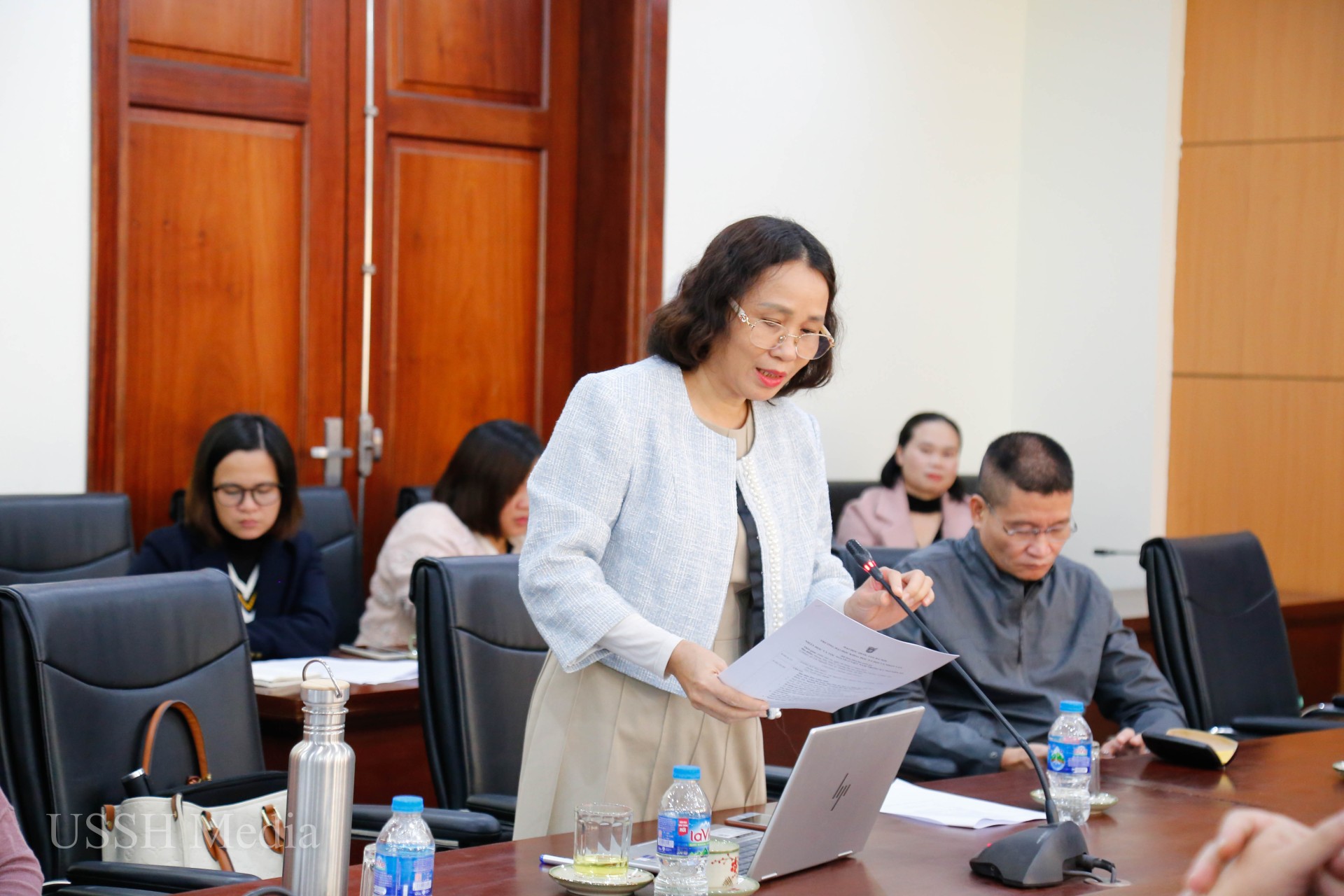
The report "Job Search and Healthcare Utilization Through Digital Transformation Applications in the Context of the Covid-19 Pandemic" by Assoc. Prof. Dr. Dang Thi Hoa (Acting Director of the Institute of Psychology), based on the results of a national-level research project with 3,582 survey responses in Vietnam in 2022, showed that people have rapidly adopted digital technology services (Zalo, Facebook, or Zoom), and these services have become new opportunities and resources in socio-economic development.
The three reports presented in the second session of the conference focused on analyzing the impact of social media on cultural identity, daily life, and interpersonal relationships within a community.
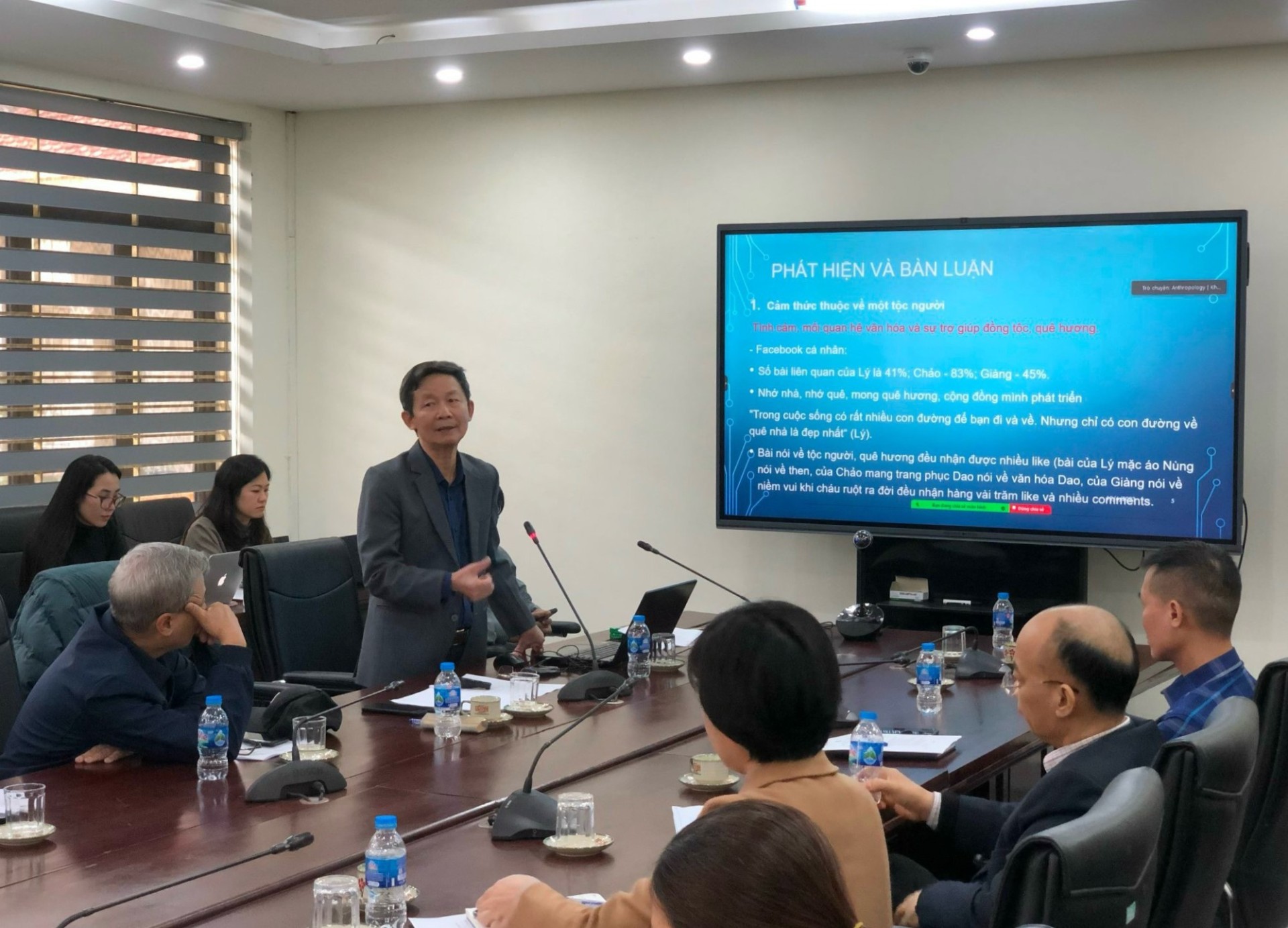
The report by Associate Professor Dr. Vuong Xuan Tinh, "Ethnic Identity and Social Media Today," based on a survey of several personal social media pages of ethnic minorities in Northern Vietnam, shows that social media has profoundly influenced the cultural identity of ethnic groups, manifested in the revival and reconstruction of ethnic identity.
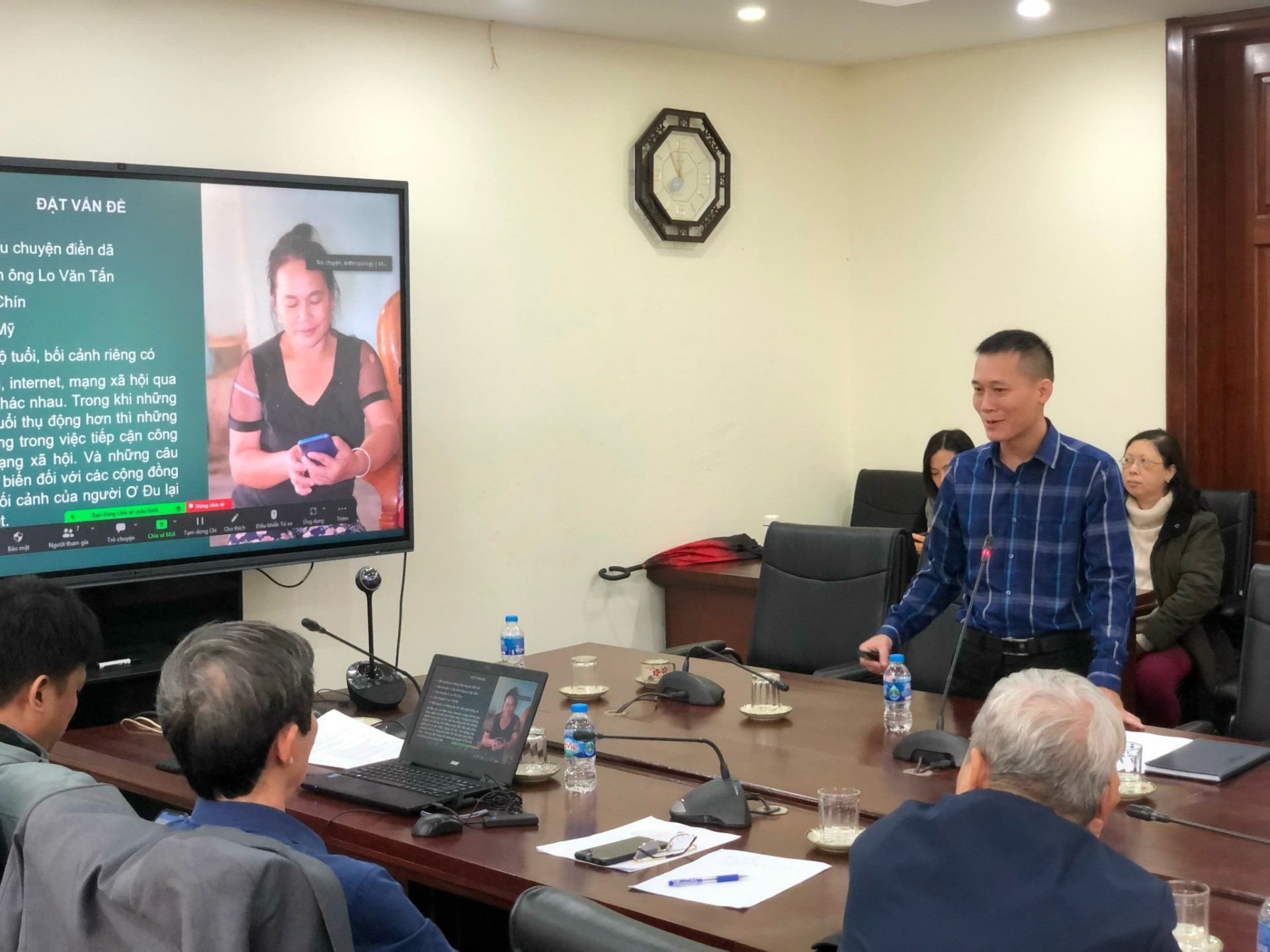
The report "Hidden Deities": Telephones, the Internet, and Social Media and the Transformation of the Life of the O Du People in Nghe An in the Current Context by Dr. Bui Minh Hao provides concrete evidence showing the impact on the economic activities and cultural life of an ethnic minority group in Vietnam.
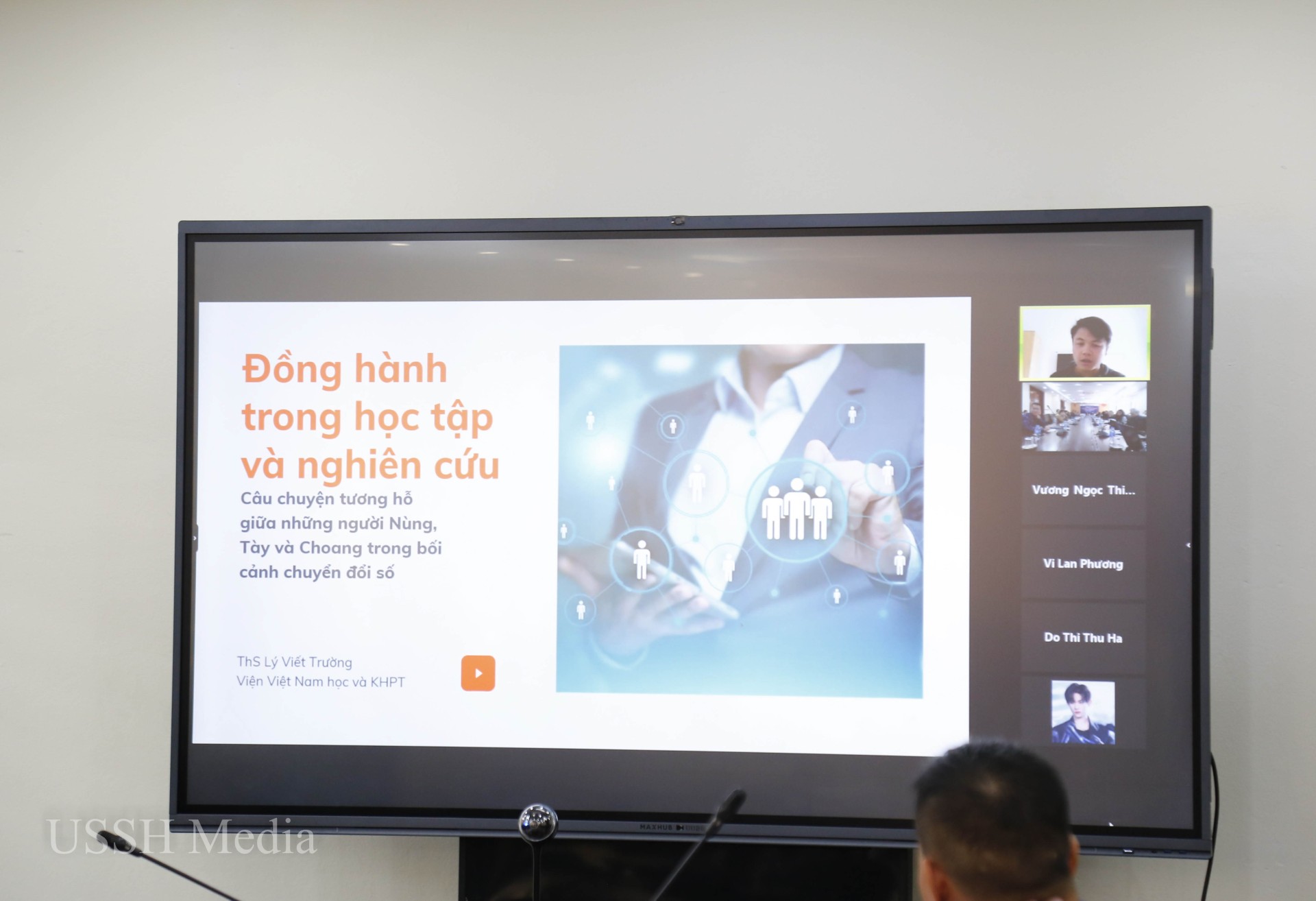
MSc. PhD Candidate Ly Viet Truong, with his report "Accompanying in Learning and Research: The Story of Mutual Support Among the Nung, Tay, and Choang People in the Context of Digital Transformation," analyzes the role and impact of webchat networks in connecting and establishing supportive relationships in learning and research among ethnic groups across borders.
The delegates engaged in lively discussions and offered numerous comments and suggestions to the presenters at the conference. While highly appreciating the meticulous research and scientific value of the reports, the scientists also offered some suggestions, hoping that the authors would continue to conduct more in-depth research related to analyzing the negative impacts of social media and digital transformation on ethnic communities in Vietnam, especially those in ethnic minority and mountainous regions, foreign communities living in Vietnam, and a segment of the Vietnamese population residing abroad.
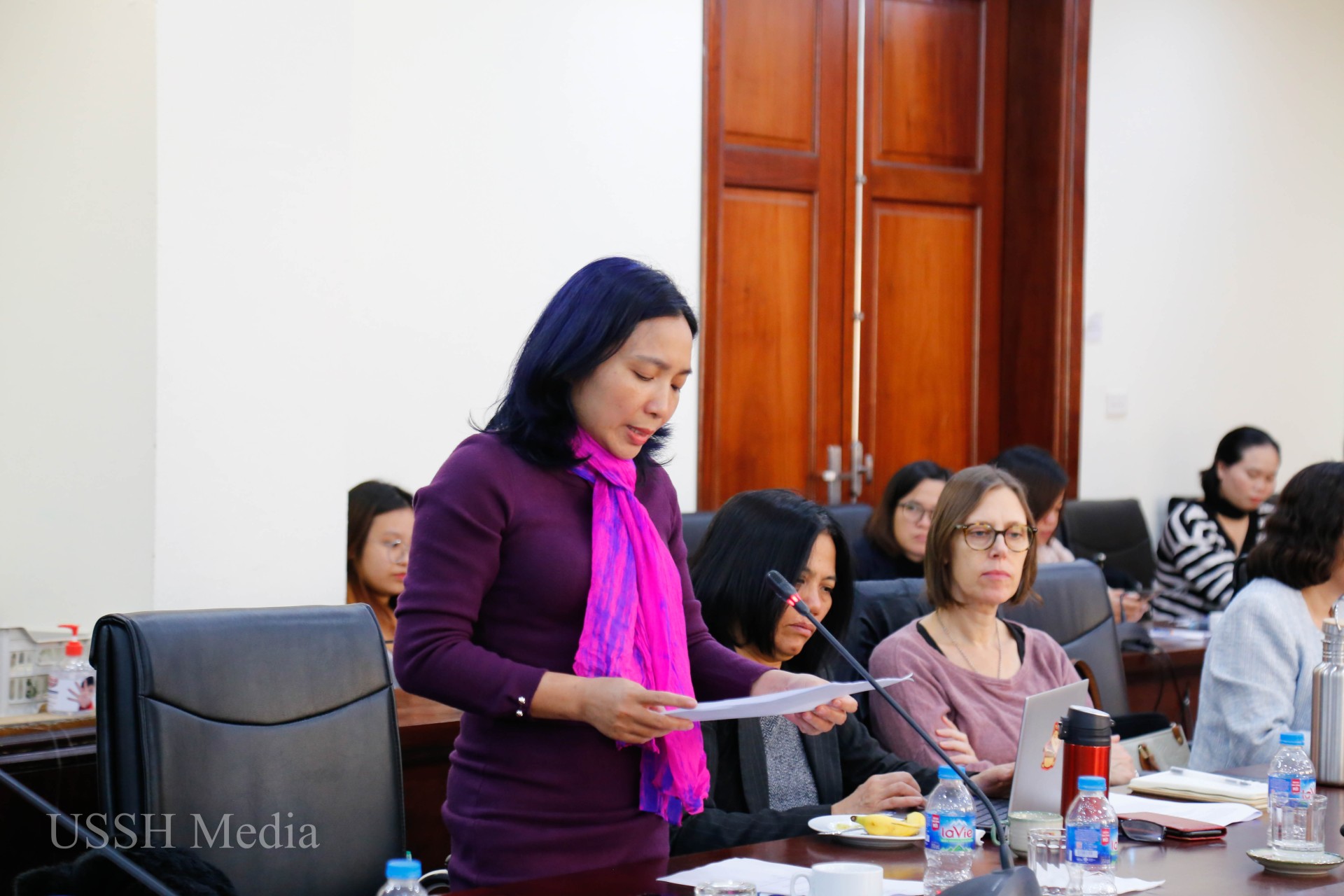
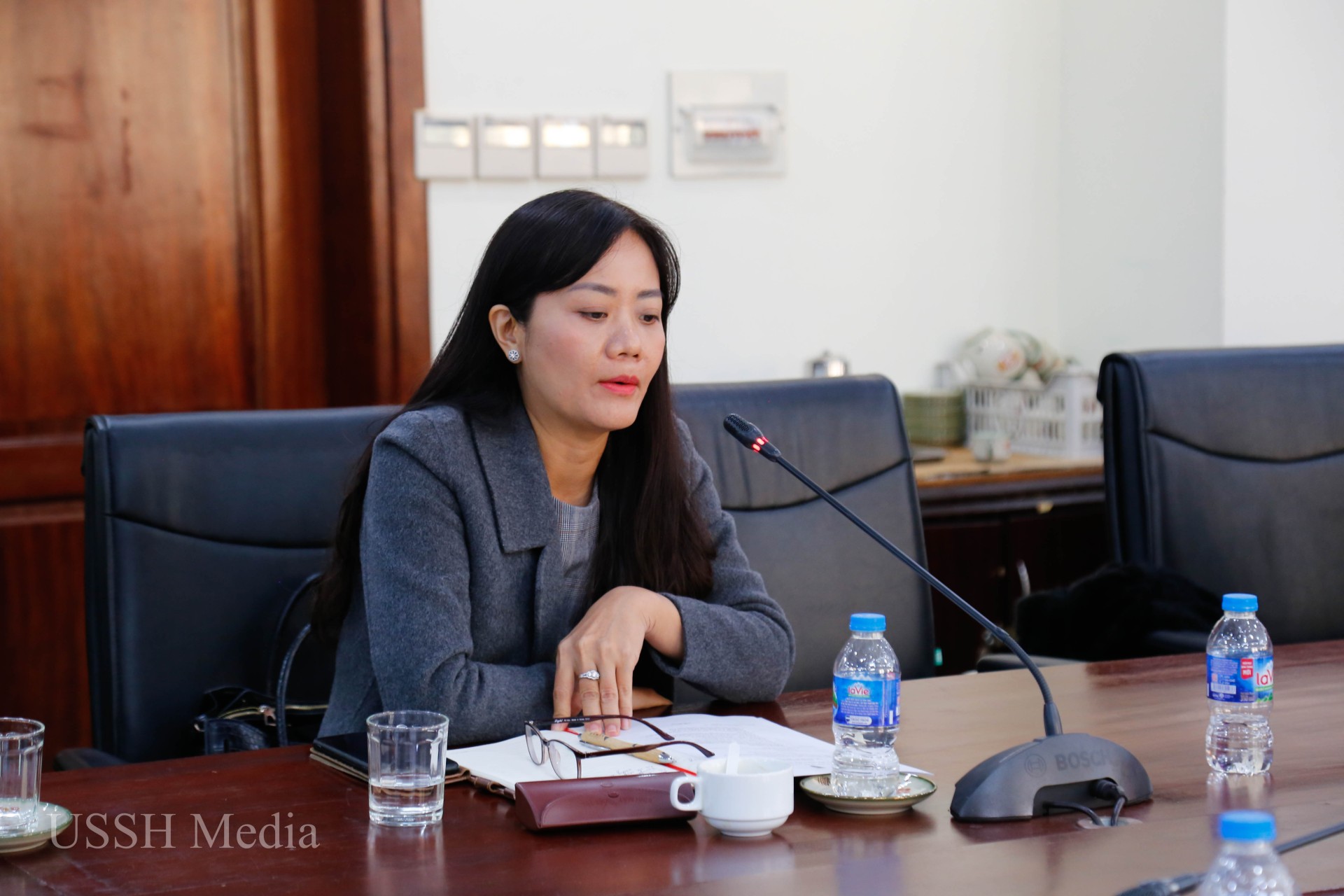
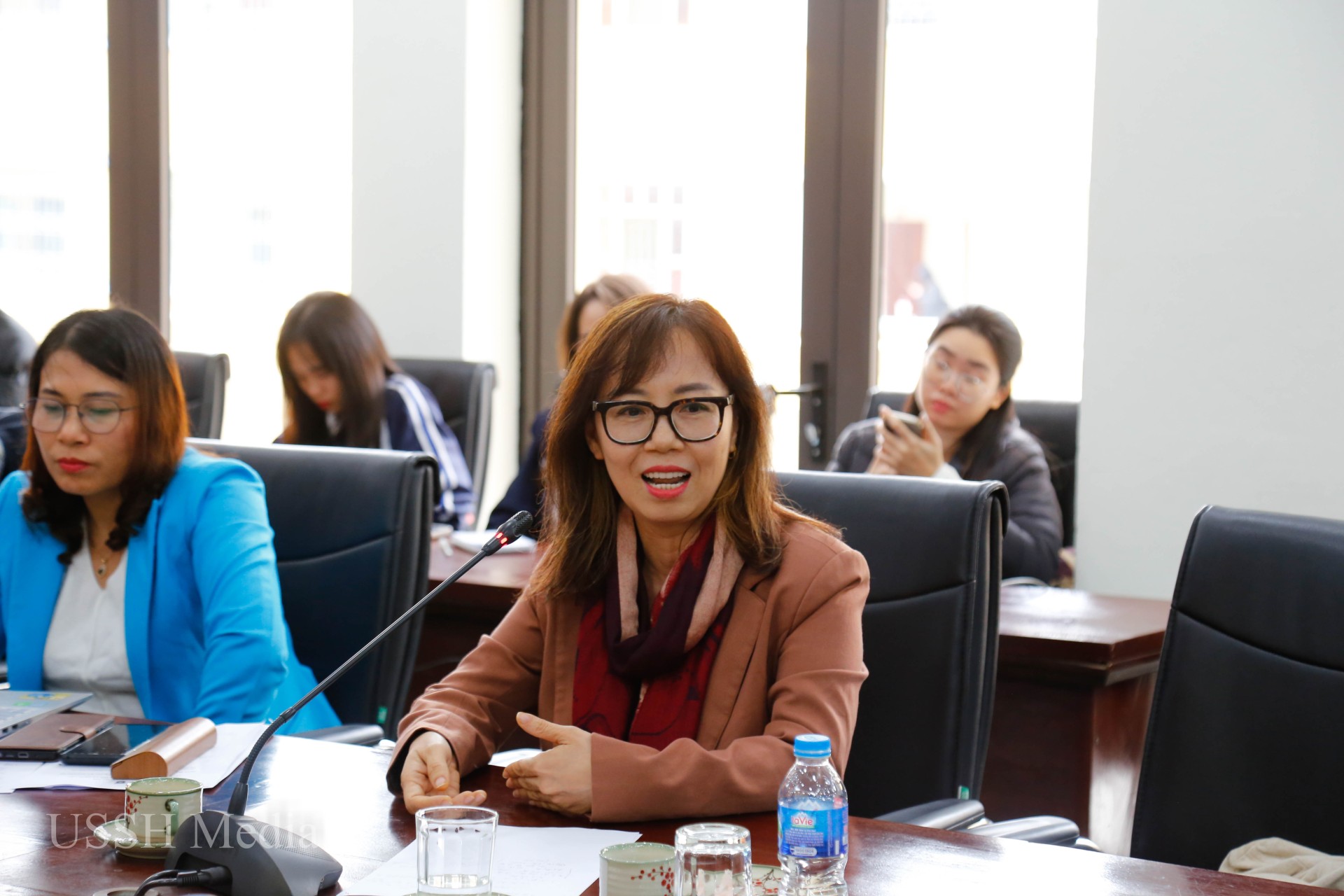
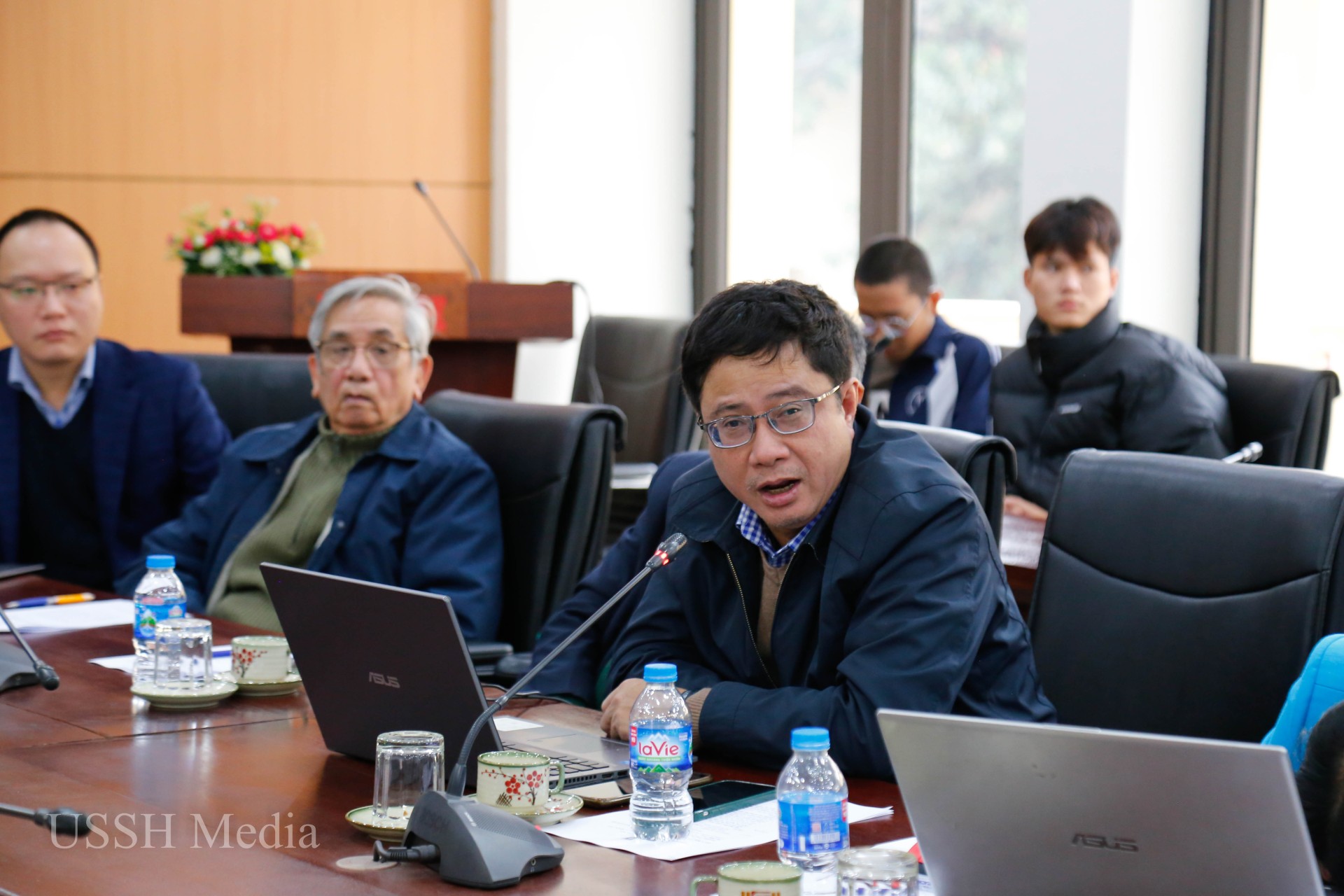
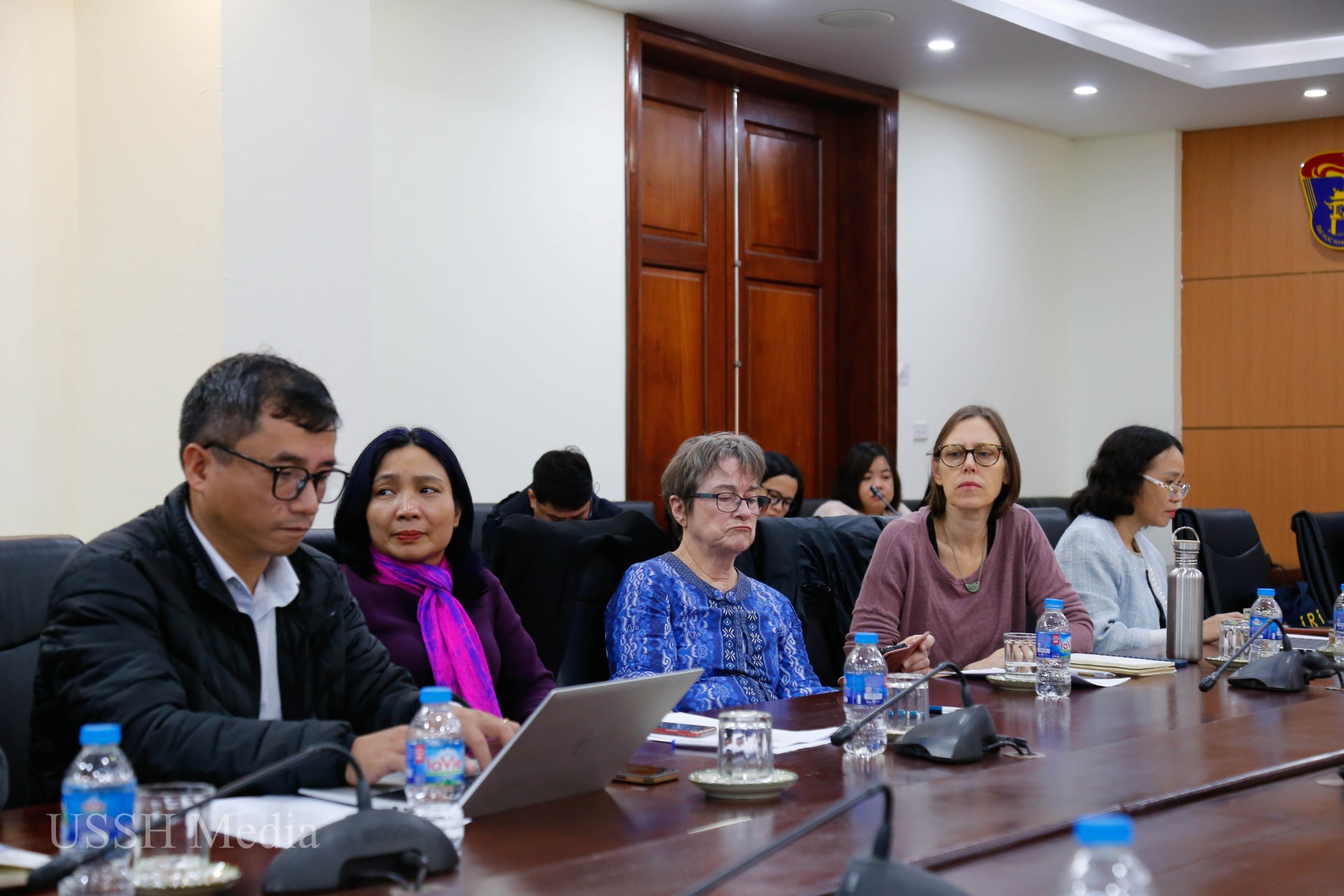
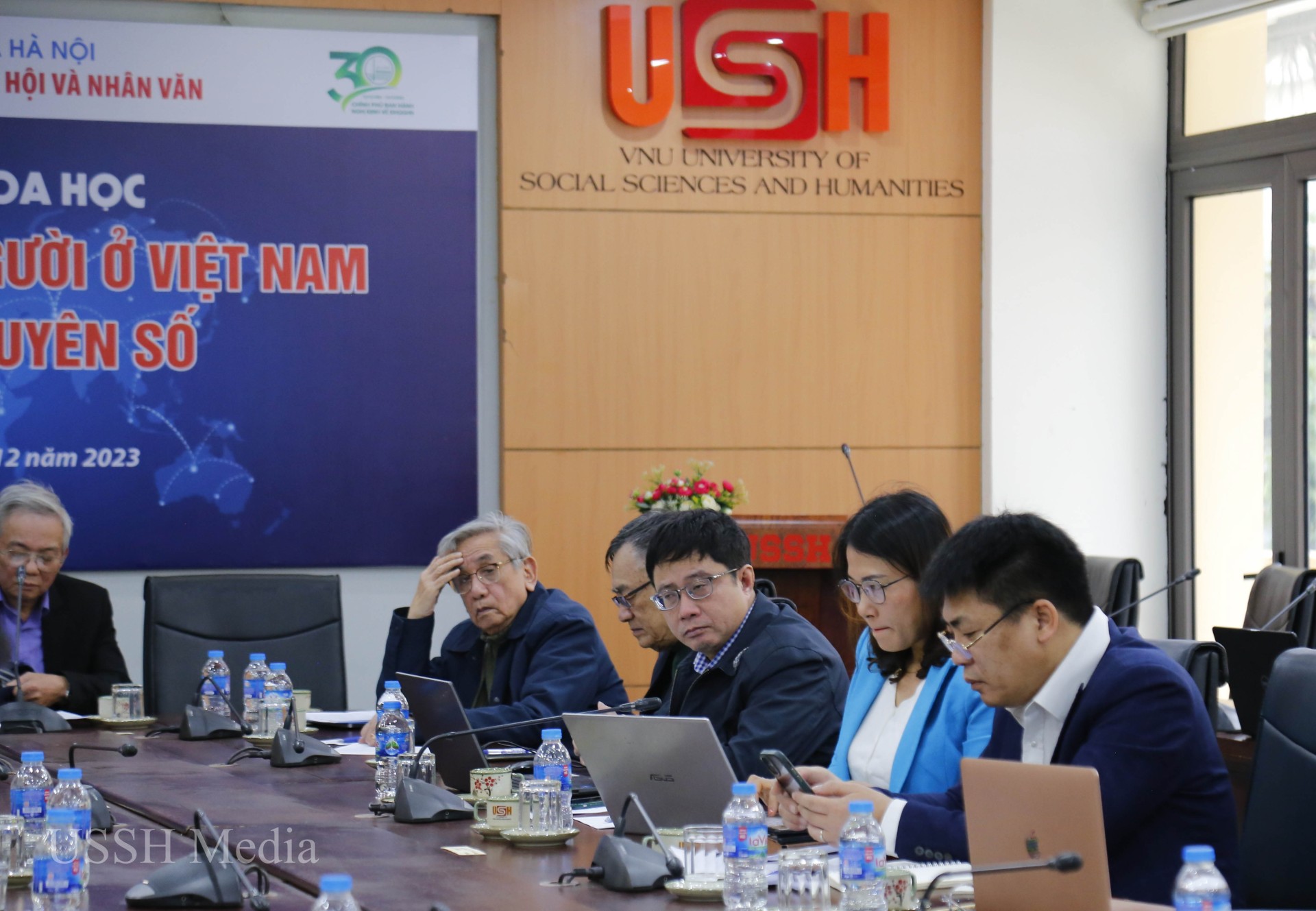
Concluding the conference, Assoc. Prof. Dr. Nguyen Van Suu (Head of the Anthropology Department) thanked the enthusiastic and effective participation of scientists from many research institutions nationwide. The reports presented a very vivid picture of anthropology and ethnic issues in the context of digital transformation in Vietnam, highlighting the need for research in both direct and online spaces to gain a more comprehensive understanding of the cultural, social, and livelihood realities of ethnic groups in the current digital age. Simultaneously, the presentations also suggested many new and interesting research directions. The proposals based on these studies will provide scientific data for policymakers and managers to refer to when developing policies related to the cultural, economic, social, and ethnic policy aspects in Vietnam in the current digital age.
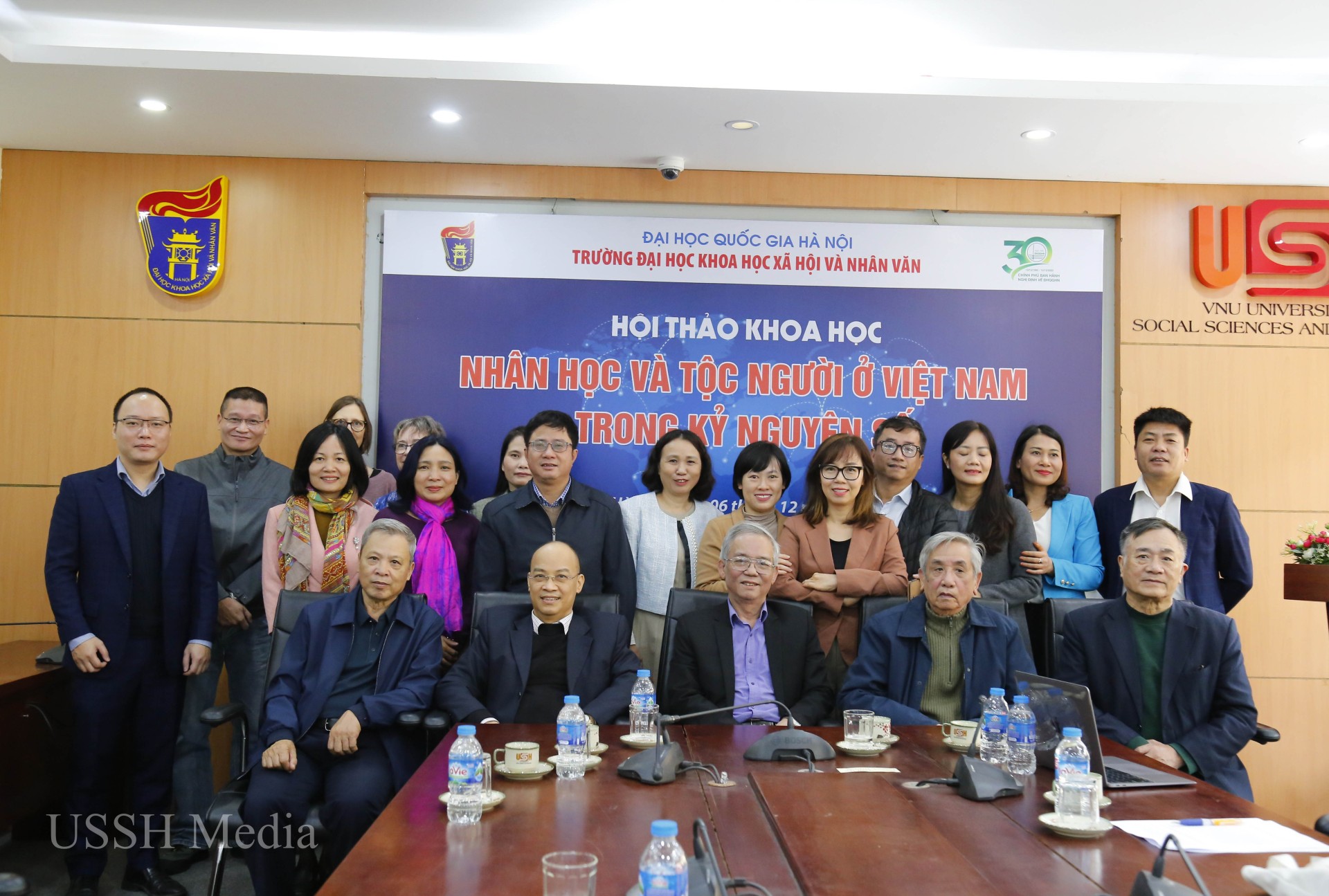
The delegates attending the workshop took a commemorative photo.


