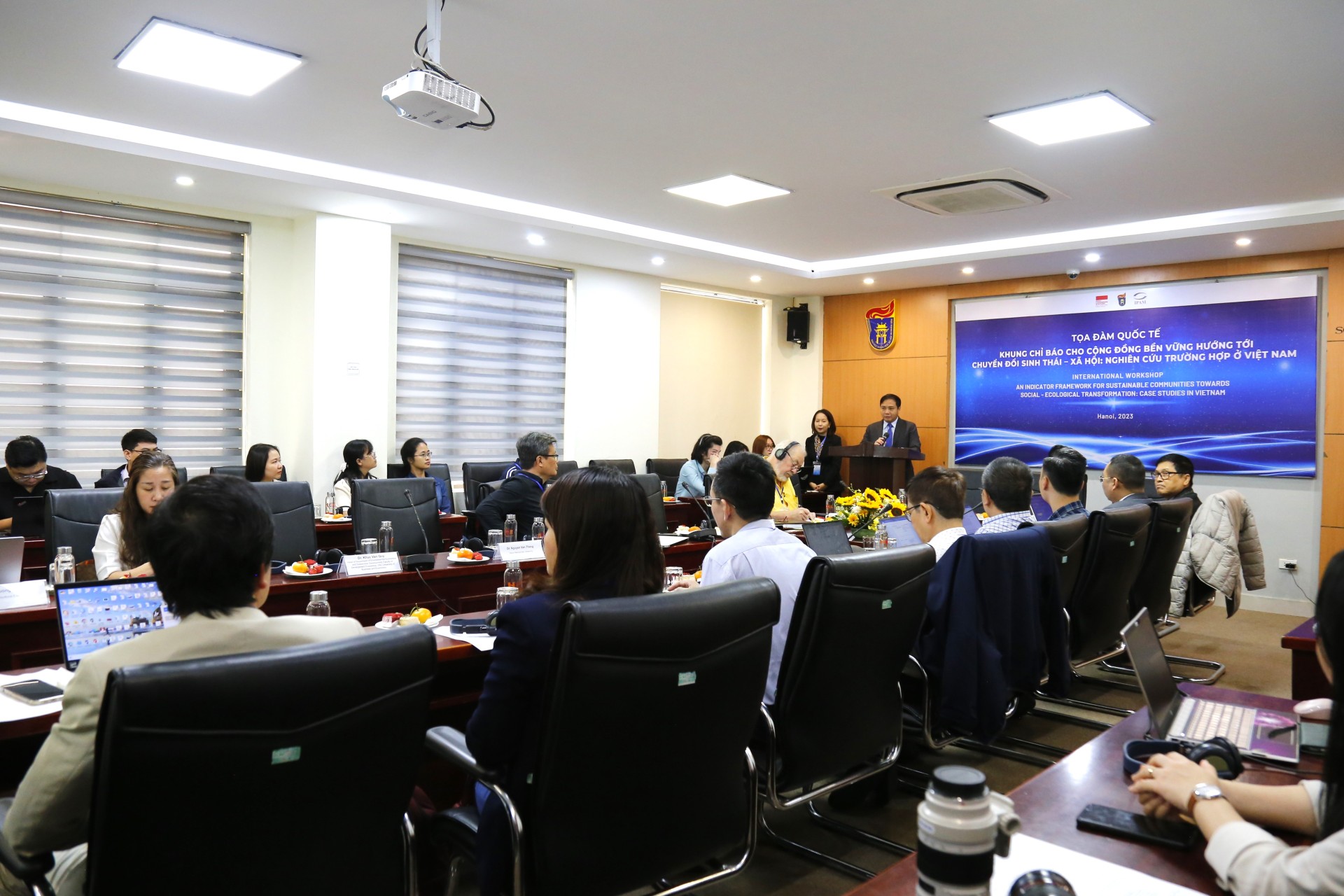
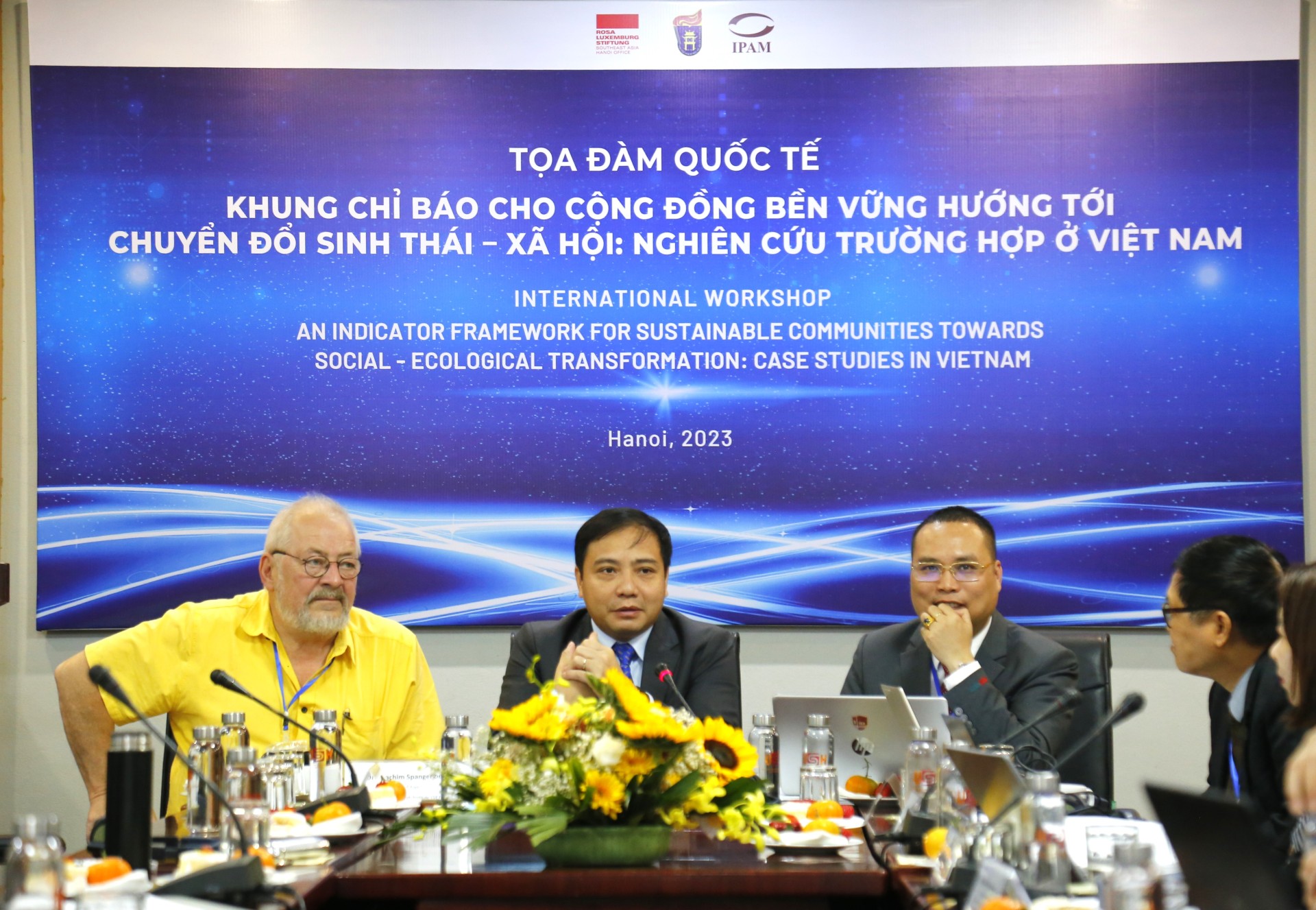
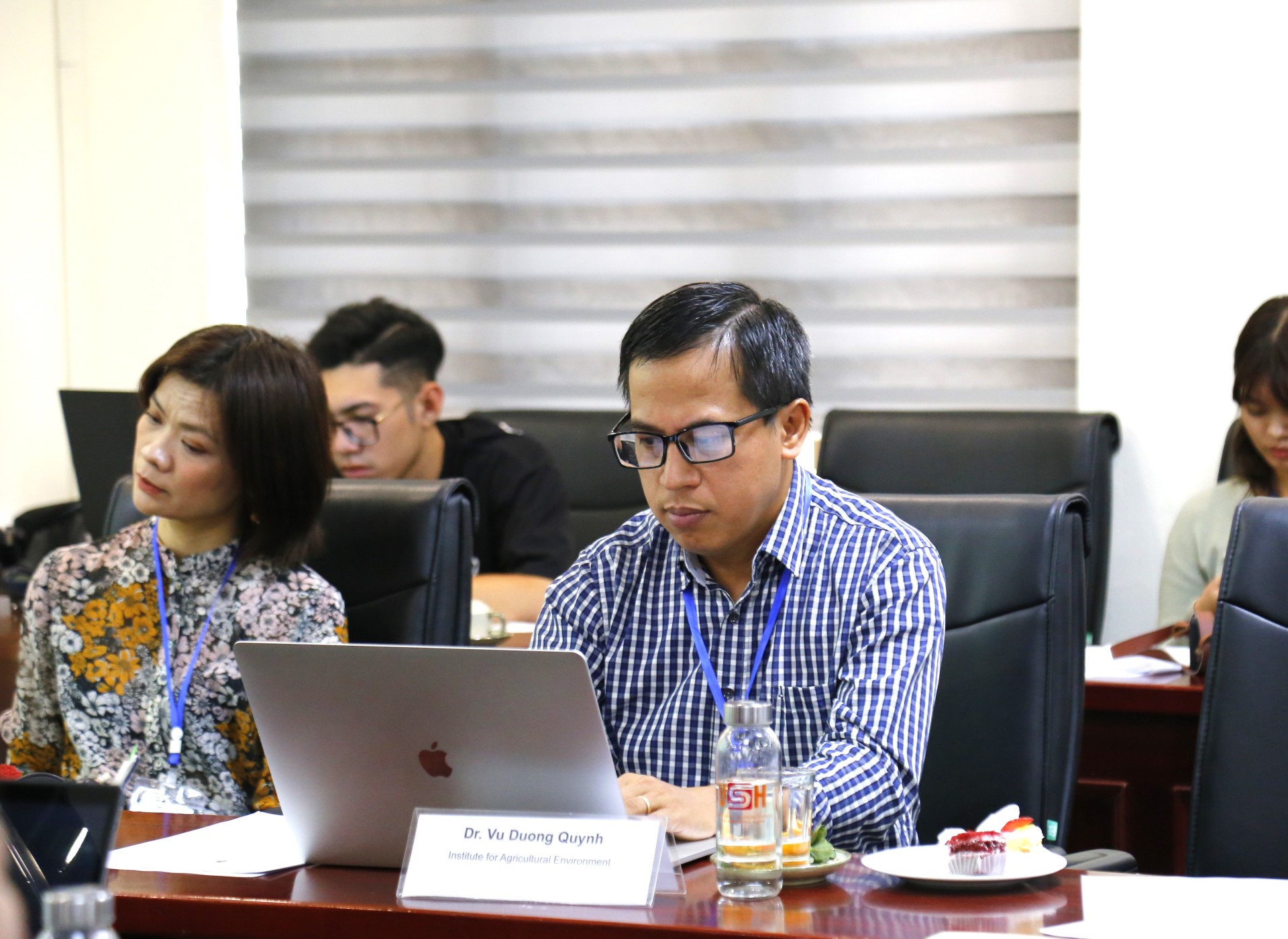
The seminar, co-organized by IPAM and the Rosa Luxemburg Foundation Southeast Asia - Hanoi Office (RLS SEA), attracted participation from scientists and experts from universities and research institutes such as the University of Economics, VNU Hanoi; the University of Science, VNU Hanoi; the Institute for Resource and Environment Research, VNU Hanoi; the Circular Economy Development Institute (ICED), VNU-HCM; international experts from the European Institute for Sustainable Research (SERI), and representatives from the Rosa Luxemburg Foundation Southeast Asia, Hanoi Office. The workshop also attracted scientists from faculties/institutes of the University of Social Sciences and Humanities, VNU Hanoi.
Through the exchange and sharing of research results, scientists discussed socio-ecological transformation issues linked to community development in Vietnam. These discussions also provided suggestions for future collaborations between IPAM and RLS SEA.
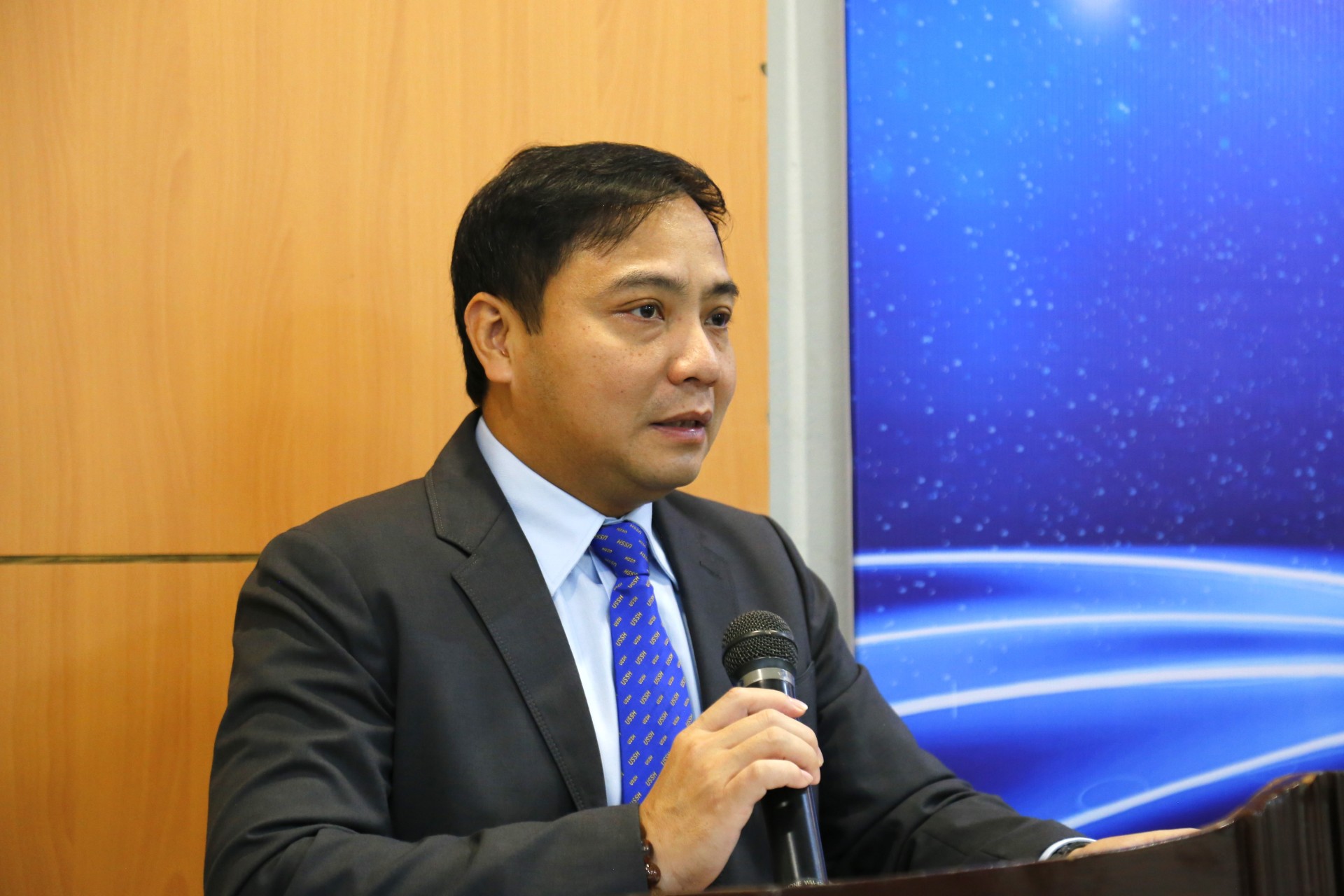
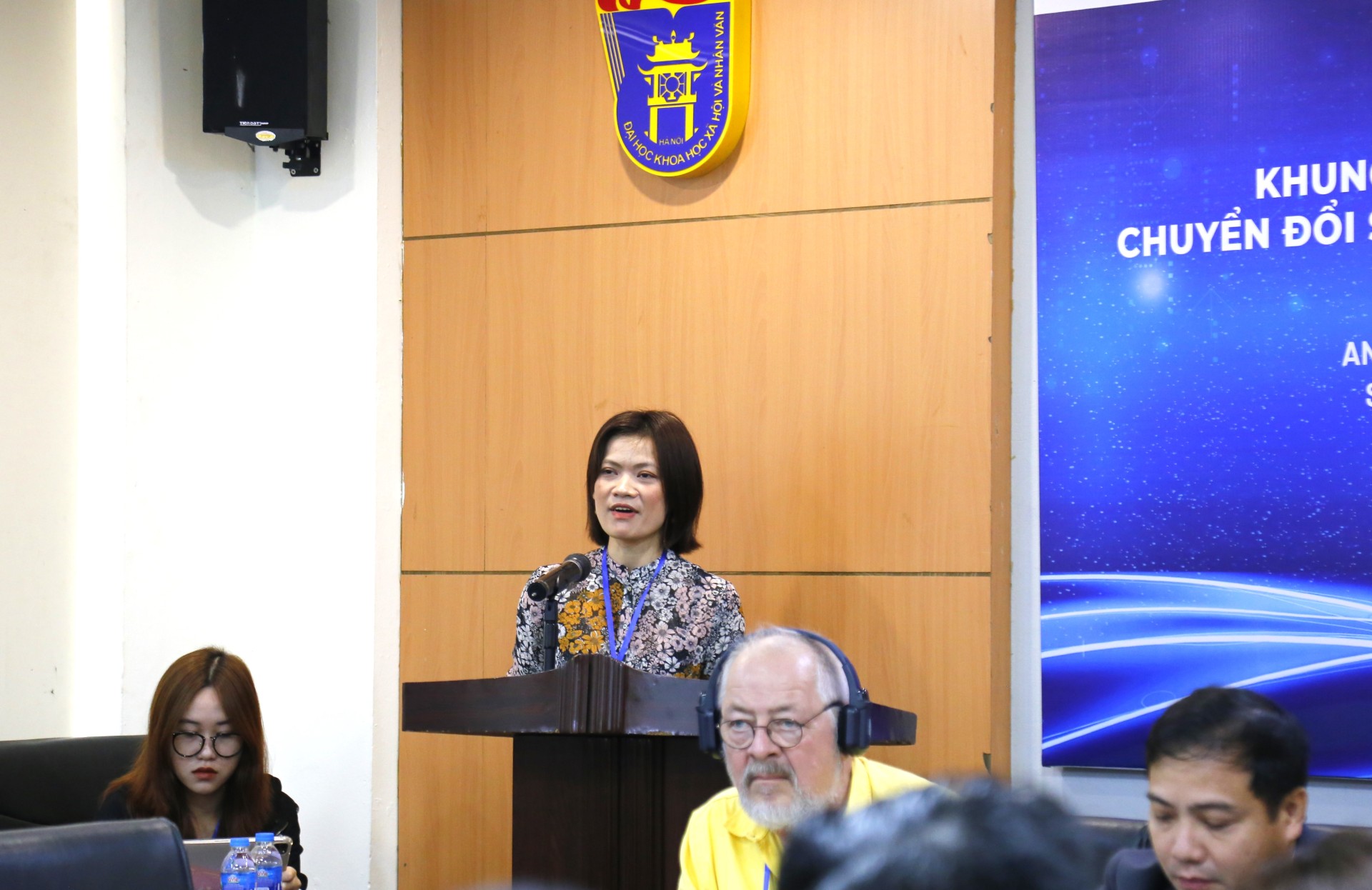
Assoc. Prof. Dr. Dao Thanh Truong - Vice Rector of the University of Social Sciences and Humanities, VNU Hanoi, delivered the opening remarks at the seminar.
In his opening remarks at the seminar, Assoc. Prof. Dr. Dao Thanh Truong, Vice Rector of the University of Social Sciences and Humanities, Vietnam National University, Hanoi, stated that the conflicting impacts of economic growth and development not linked to socio-ecological environmental protection have created serious consequences affecting the future development of the community. Harmony between economic growth and environmental protection, or environmental protection for sustainable economic development, is the first foundation for ensuring sustainable development in general and economic development in particular. When the harmonious development of environmental and social factors goes hand in hand with economic development and growth orientations, people are not only beneficiaries but also agents regulating the balance of all these factors. The collective efforts of each member of society and the change in awareness of individuals and the community are the most important factors for achieving sustainable development goals.
Over the years, Vietnam has made commendable efforts in achieving the Sustainable Development Goals. Most recently, at the COP26 Climate Summit in Glasgow (Scotland), Vietnam, along with many other countries worldwide, committed to achieving net zero emissions by 2050. This commitment is accompanied by practical actions such as the issuance of the Circular Economy Development Plan, the National Strategy and Action Plan on Green Growth, the National Climate Change Strategy up to 2050, and related policies to continue implementing the Green Growth and Sustainable Development Goals.
In this context, socio-ecological transformation is not a new issue, but it has emerged as a pressing concern in the process of evaluating practical growth and development goals. The question is whether these goals have met expectations and the current green social initiatives. Furthermore, is sustainable community development being ensured when Vietnam is still considered one of the countries heavily affected by climate change, with depleted natural resources, declining biodiversity, and persistent and serious environmental pollution?
According to Associate Professor Dr. Dao Thanh Truong, recognizing the necessity of this issue, from 2018 to the present, IPAM and the Rosa Luxemburg Foundation Southeast Asia, Hanoi Representative Office, have implemented a series of projects in the socio-ecological transformation component, including activities such as organizing international workshops, publishing books and research materials, and organizing the SETY science summer camp for young students passionate about environmental science and sustainable development. In the 2022-2025 period, IPAM will continue to build on the results of existing projects and further implement applied research into community development activities and local policy planning.
Within the framework of the 2023 collaborative project, research on the Indicator Framework for Sustainable Communities Towards Socio-Ecological Transformation: A Case Study in Vietnam was conducted.
The seminar serves as a forum to announce and evaluate this research paper, fostering academic exchange among scientists and experts both domestically and internationally in implementing the SET indicator set within the community.
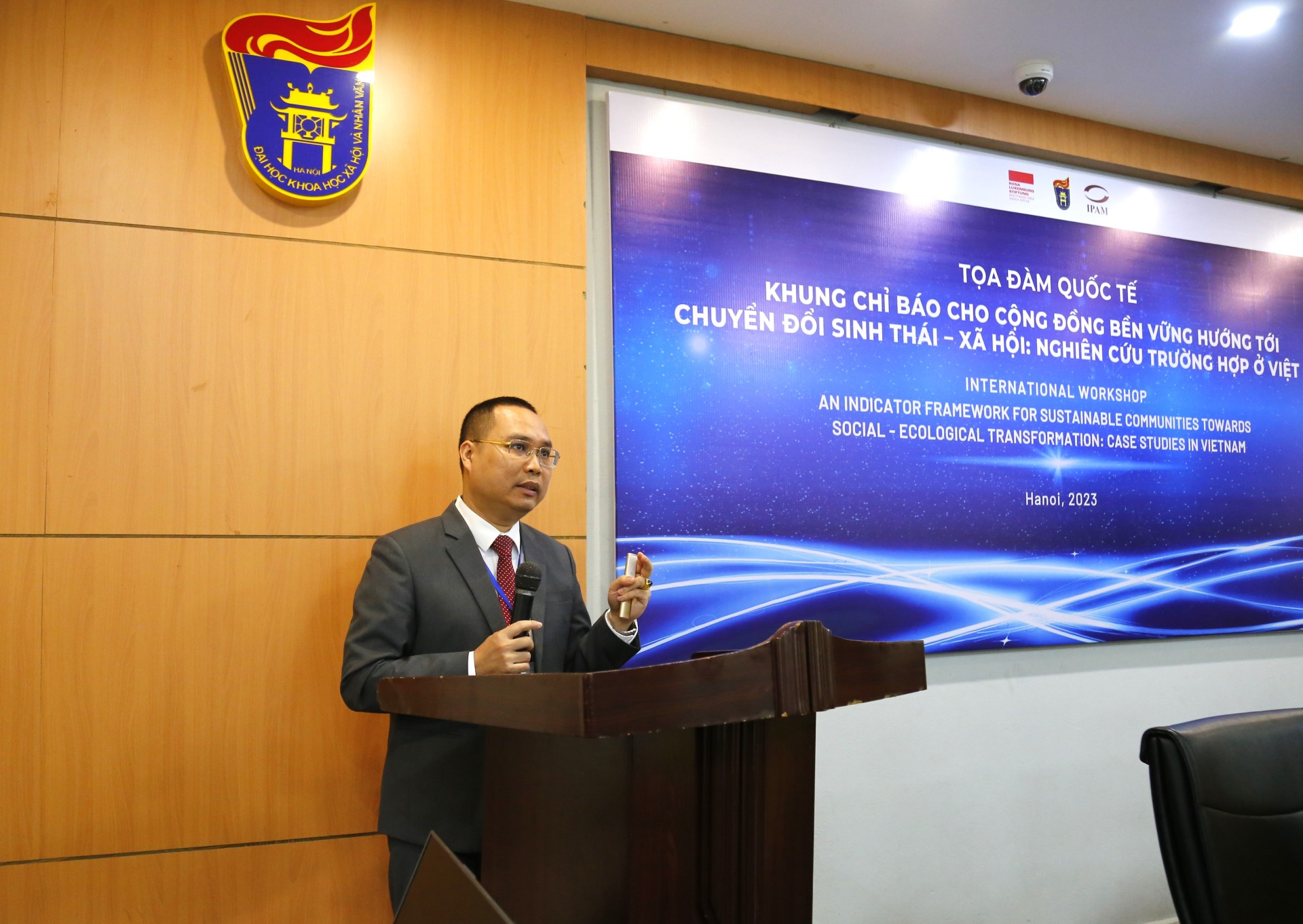
Associate Professor Dr. Nguyen An Thinh shared new research findings on an indicator framework for sustainable communities towards socio-ecological transformation.
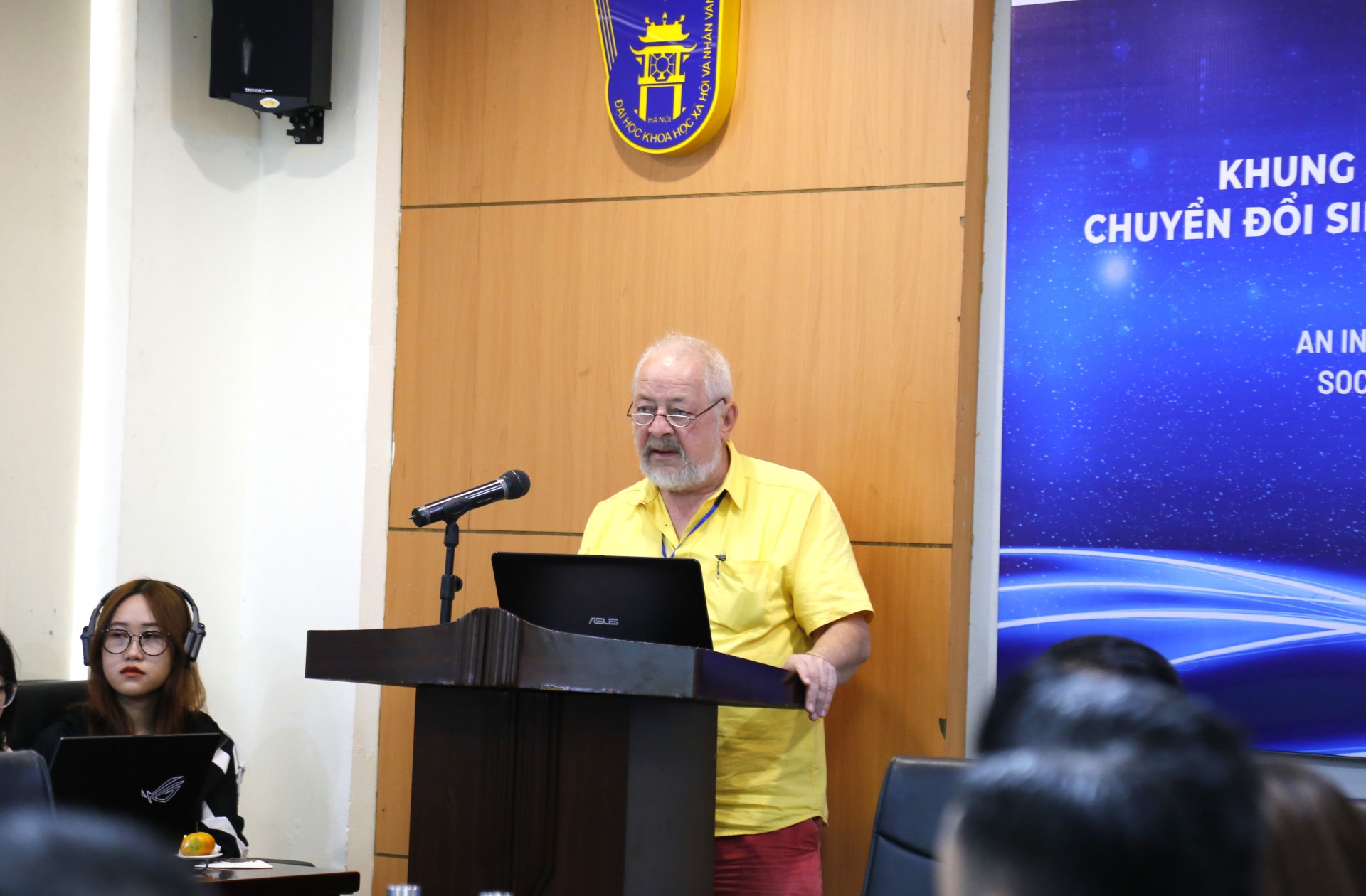
Presenting the research results, Assoc. Prof. Dr. Nguyen An Thinh - a member of the research project, Head of the Department of Development Economics, School of Economics, VNU Hanoi - shared the content that the research team had implemented on the indicator framework for sustainable communities towards socio-ecological transformation with typical studies in Vietnam.
With analytical indicators covering various aspects (social, economic, environmental), this framework was evaluated by scientists participating in the seminar as a comprehensive set of indicators at different levels, effective in both micro and macro economics.
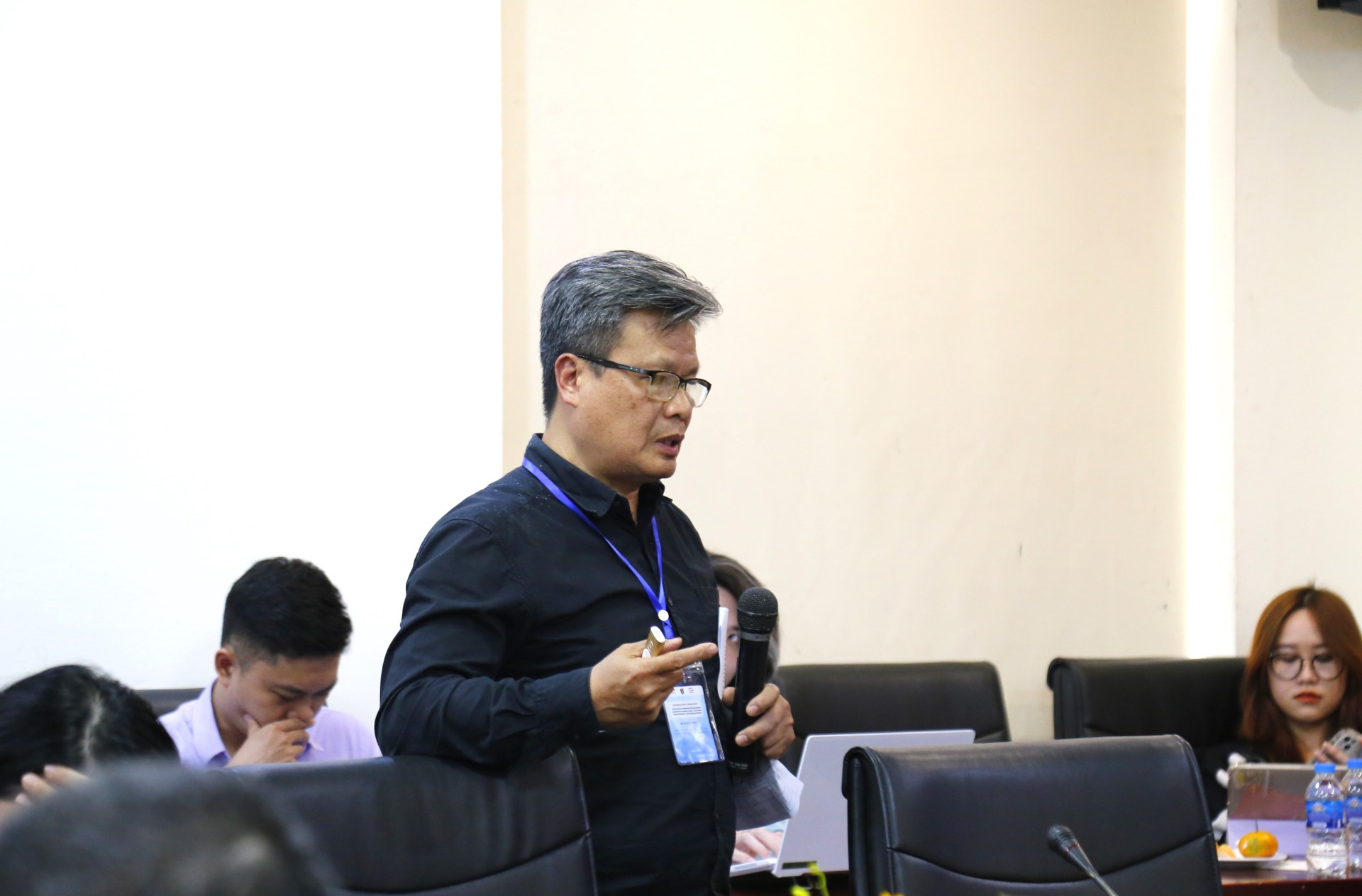
At the seminar, scientists engaged in lively discussions about building a framework for sustainable communities towards socio-ecological transformation in Vietnam, based on combining aspects of sustainable resilient communities (SRC) with the level of concern of SET.
International experts also contributed their opinions on the need to use the Expert Delphi technique to determine the integrated set of indicators within the indicator framework. The next phase of the research requires case studies, combined with other expert methods, and the organization of scientific seminars, etc., to refine and determine the optimal distribution of indicators within the indicator framework.
Appreciating the critical feedback from domestic and international experts and scientists, Assoc. Prof. Dr. Dao Thanh Truong emphasized the urgency of developing new research directions for the topic. With the contributions of scientists at the seminar, the research direction on sustainable development towards socio-ecological transformation at the University of Social Sciences and Humanities, VNU Hanoi, will achieve good results in the future.
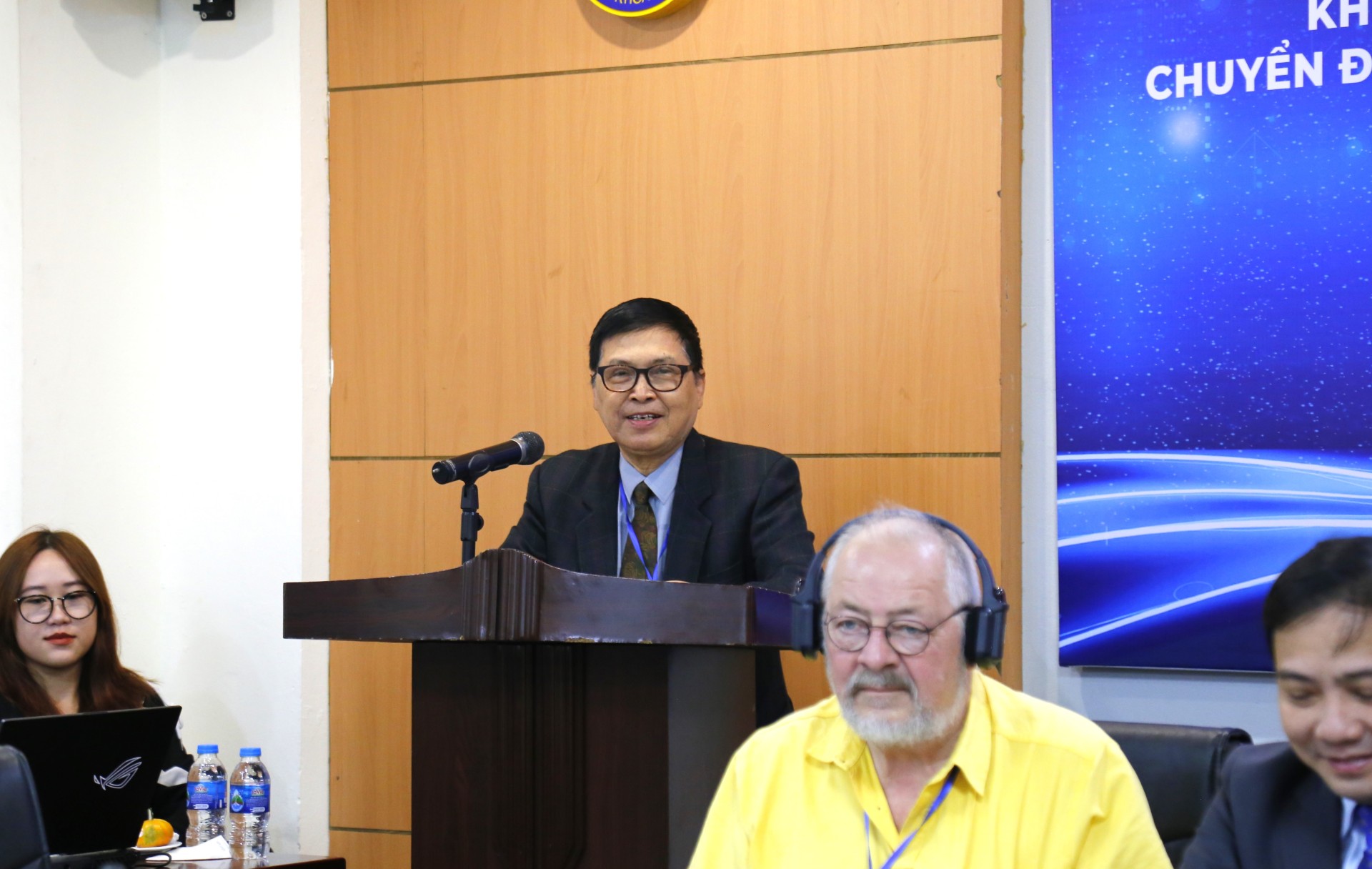
Prof. Dr. Truong Quang Hoc - Chairman of the Science and Training Council, Institute of Resources and Environment Research, Vietnam National University, Hanoi
Dr. Joachim Spangenberg - Honorary President of the European Institute for Sustainability Research (SERI), Federal Republic of Germany
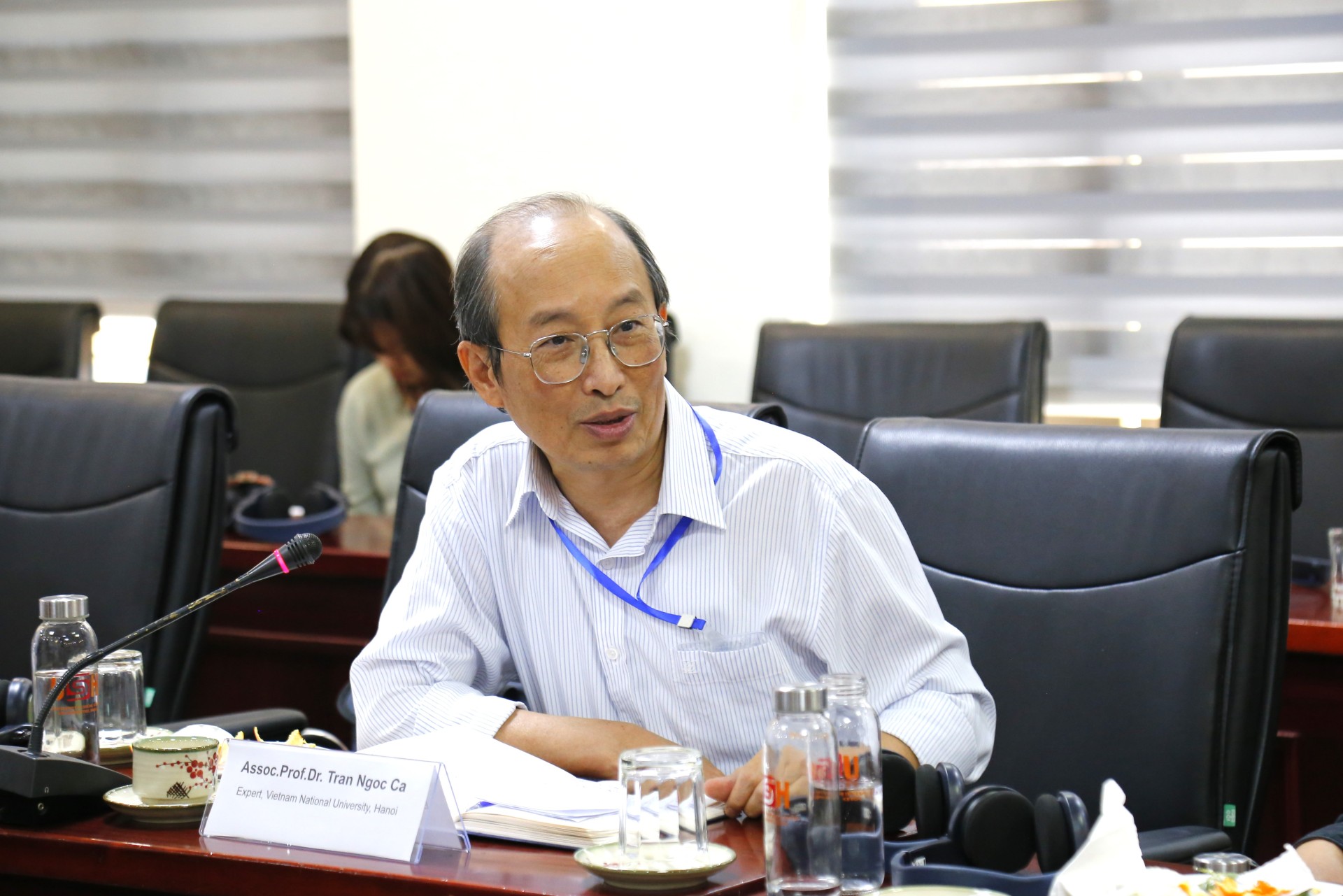
Associate Professor Dr. Tran Ngoc Ca - an expert from Hanoi National University - critiqued the research group's findings.
Assoc. Prof. Dr. Nguyen Thu Huong - Department of Anthropology, Faculty of Social Sciences and Humanities, Vietnam National University, Hanoi
Dr. Bach Tan Sinh - Senior Advisor of the Institute for Circular Economy Development (ICED), VNU-HCM
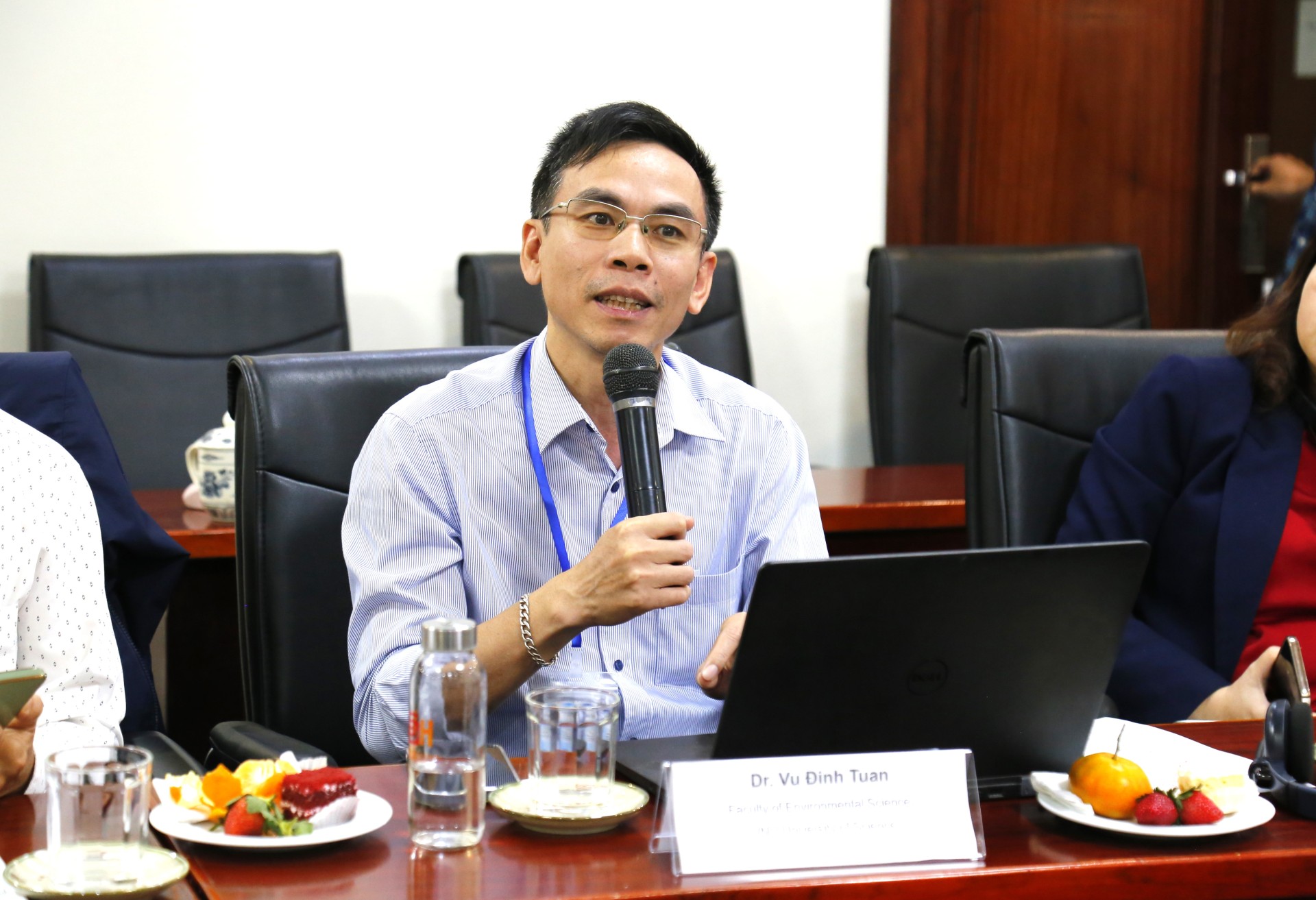
Dr. Vu Dinh Tuan - Department of Environmental Science, Faculty of Science, Vietnam National University, Hanoi
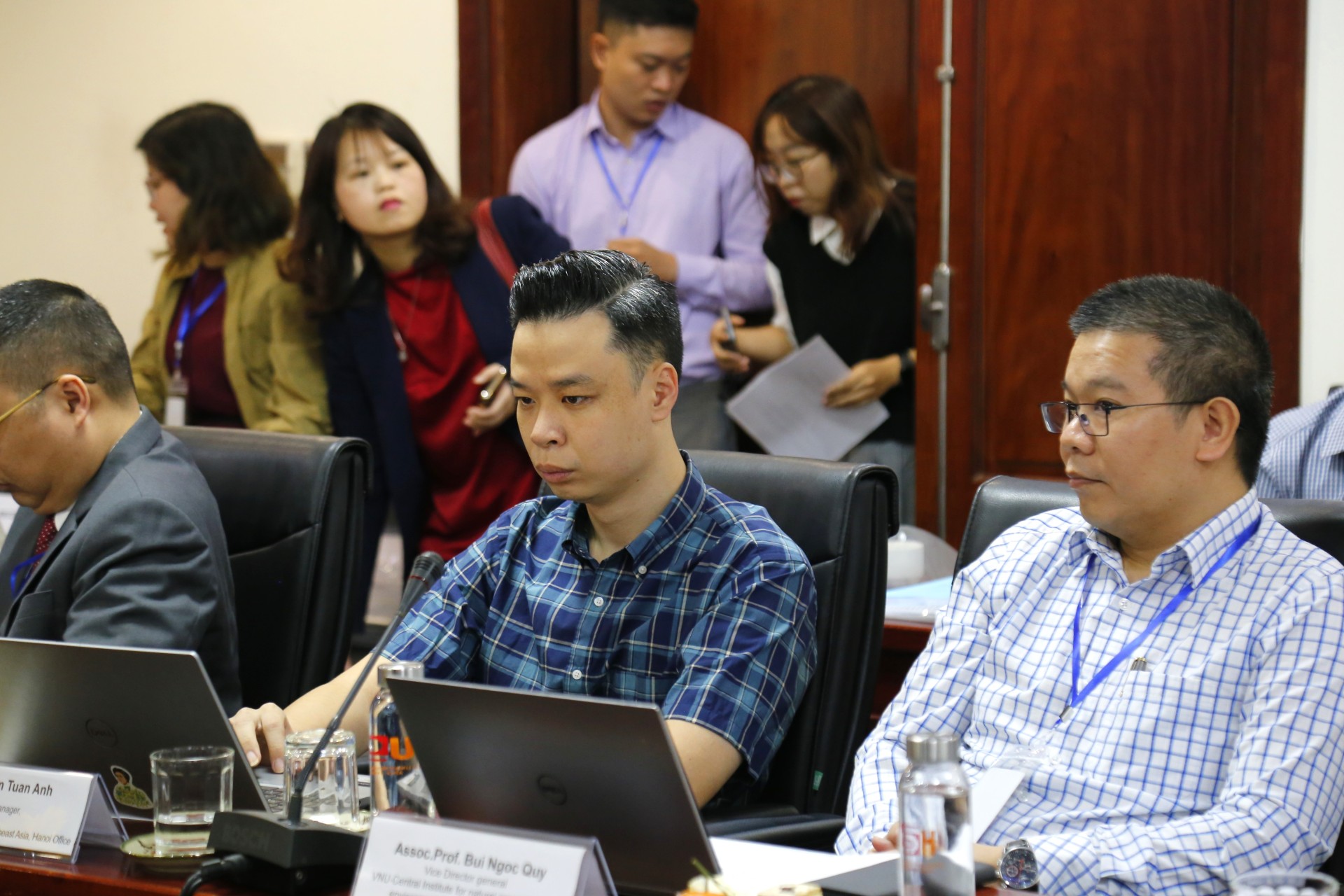
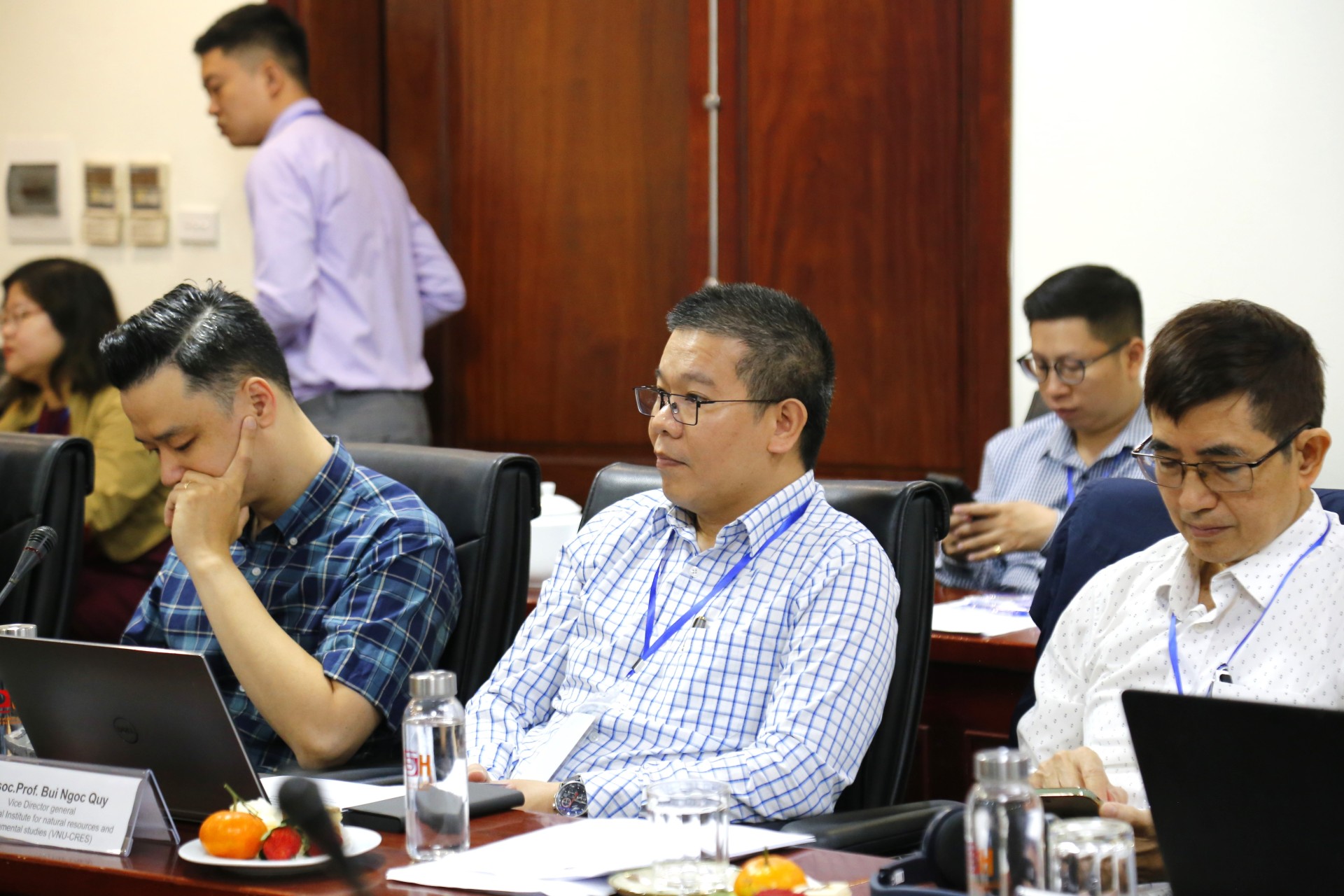
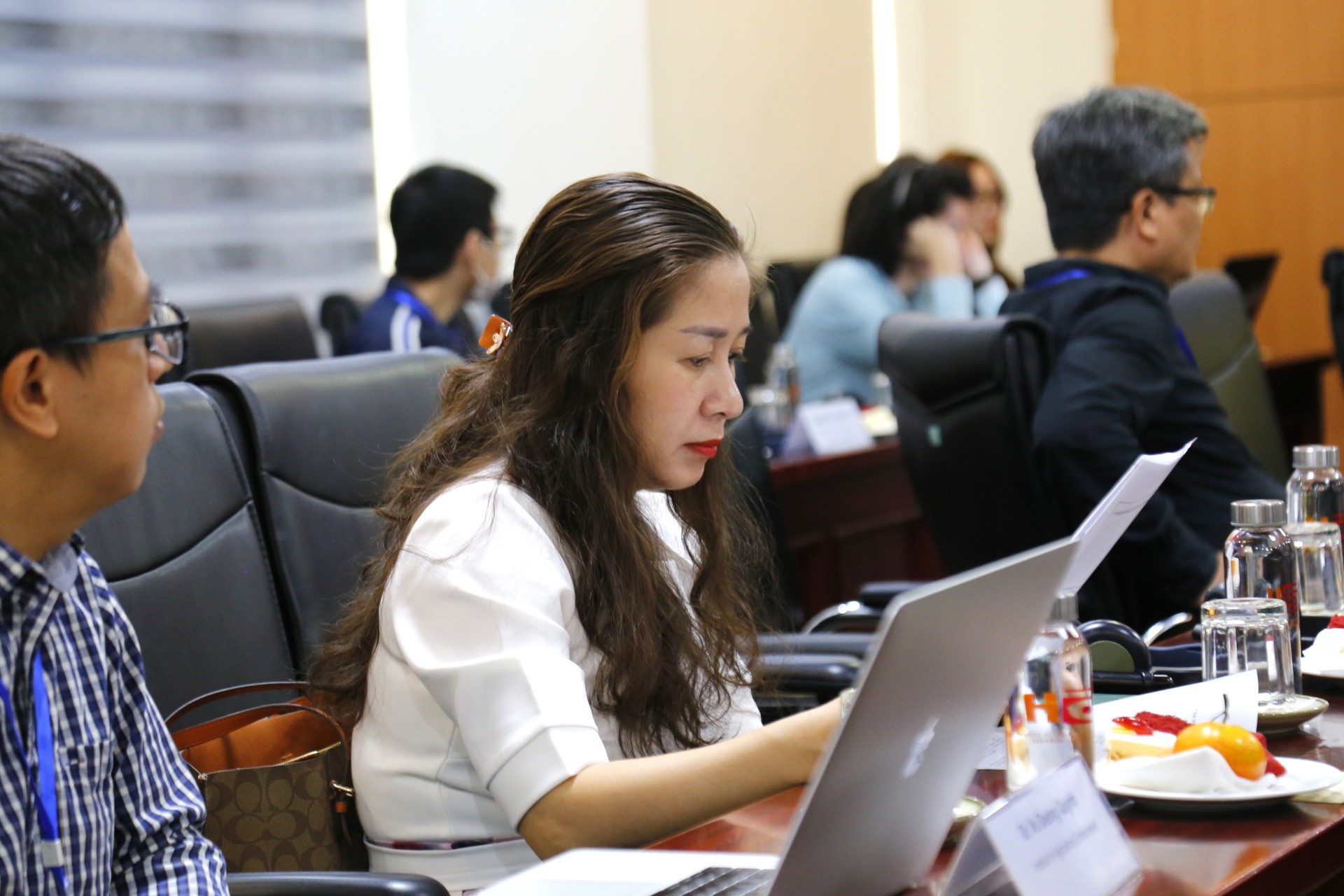
The seminar attracted many scientists from universities and research institutes.
The Institute of Policy and Management (IPAM) Established by Decision 876 QD/XHNV-TC issued on April 16, 2013, by the Rector of the University of Social Sciences and Humanities, Vietnam National University, Hanoi (VNU-Hanoi), the Institute was upgraded based on the achievements of the Center for Policy Research and Analysis (CEPSTA) – one of the top-ranked centers in the research and training support group, operating effectively with a long history of research and training in policy in Vietnam since 1991. The Institute's mission is to train, develop, and provide human resources for management and expertise in policy research and analysis, and the management of the development of policy science and management. Since 2018, the Institute has been recognized as a key research center at VNU-Hanoi.
government:http://ipam.edu.vn/
Tel: 04235587547
Email: ipam@ipam.edu.vn
Related articles:
Social transformation and issues of science, technology & innovation management in Vietnam: A seminar attracting many domestic and international scientists.
Celebrating 20 years of partnership between IPAM and RLS: A special, long-lasting, and sustainable relationship.
The Institute for Policy and Management (IPAM) continues to be recognized as a key research center at the Vietnam National University, Hanoi.