Representing Hanoi National University were Assoc. Prof. Dr. Nguyen Hoang Hai – Vice Director, and Dr. Nguyen Minh Truong - Deputy Head of the Student Affairs and Activities Department.
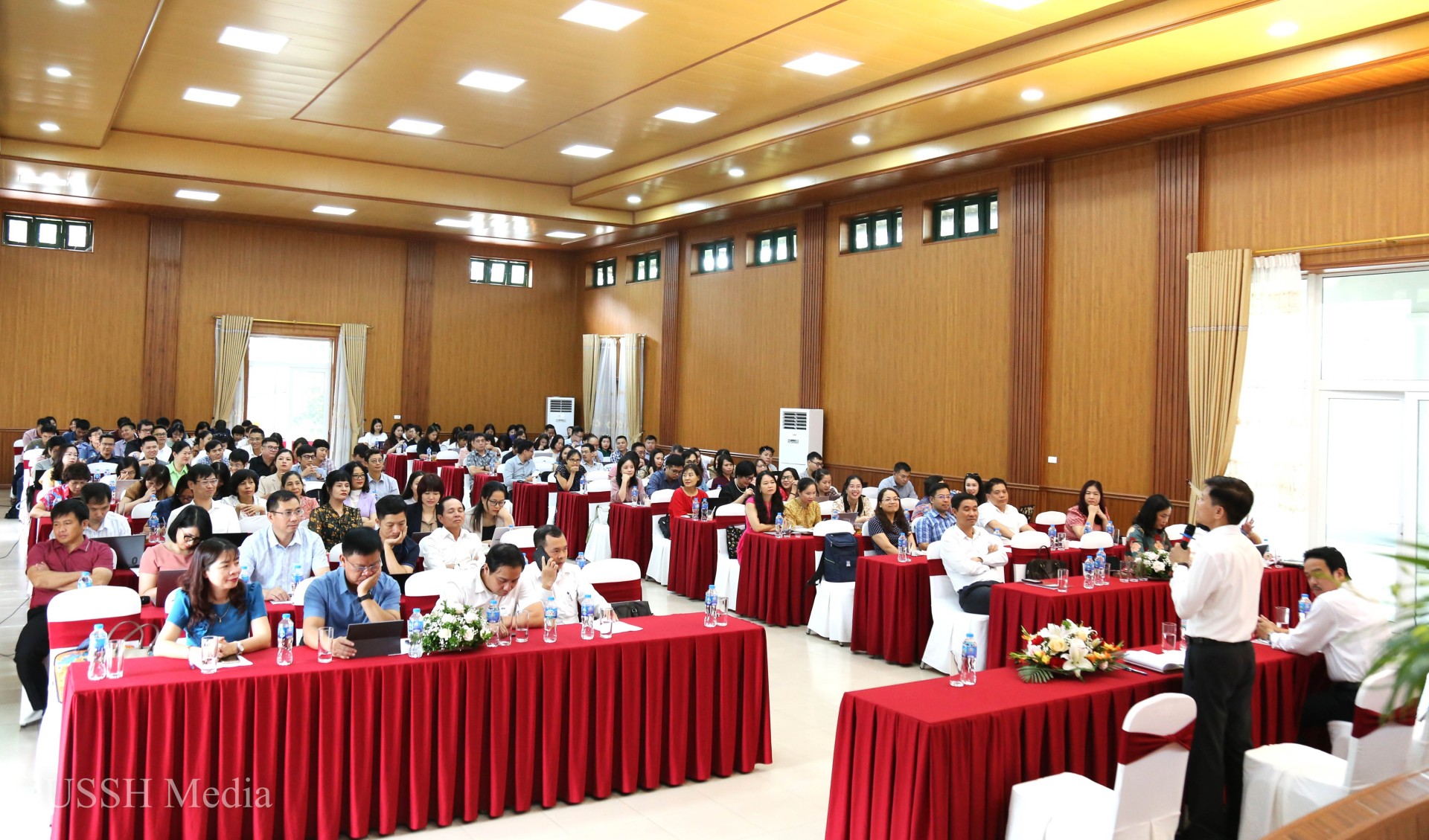
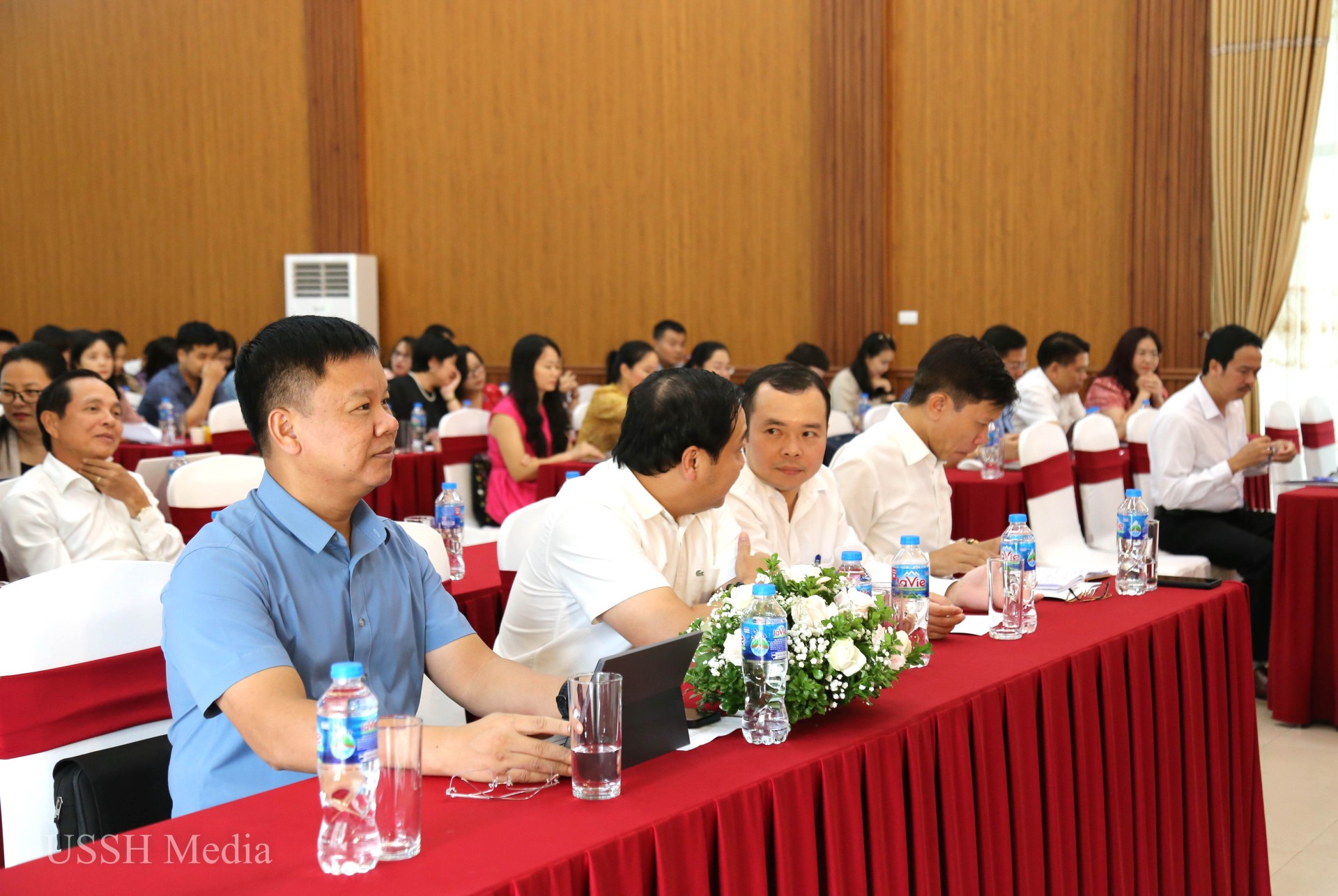
Representing the University of Social Sciences and Humanities were Professor Hoang Anh Tuan - Secretary of the Party Committee and Rector of the university, along with members of the Board of Directors, leaders of 17 training units, leaders and staff of the Student Affairs and Student Services Department, and other relevant functional departments. Notably, the conference attracted 150 teachers who are academic advisors and homeroom teachers directly involved in managing, supporting, and caring for students at VNU-USSH.
Notably, the conference featured the participation and contributions of consulting experts from the University of Foreign Languages, which is also a member of the VIBE Project under Vietnam National University, Hanoi.
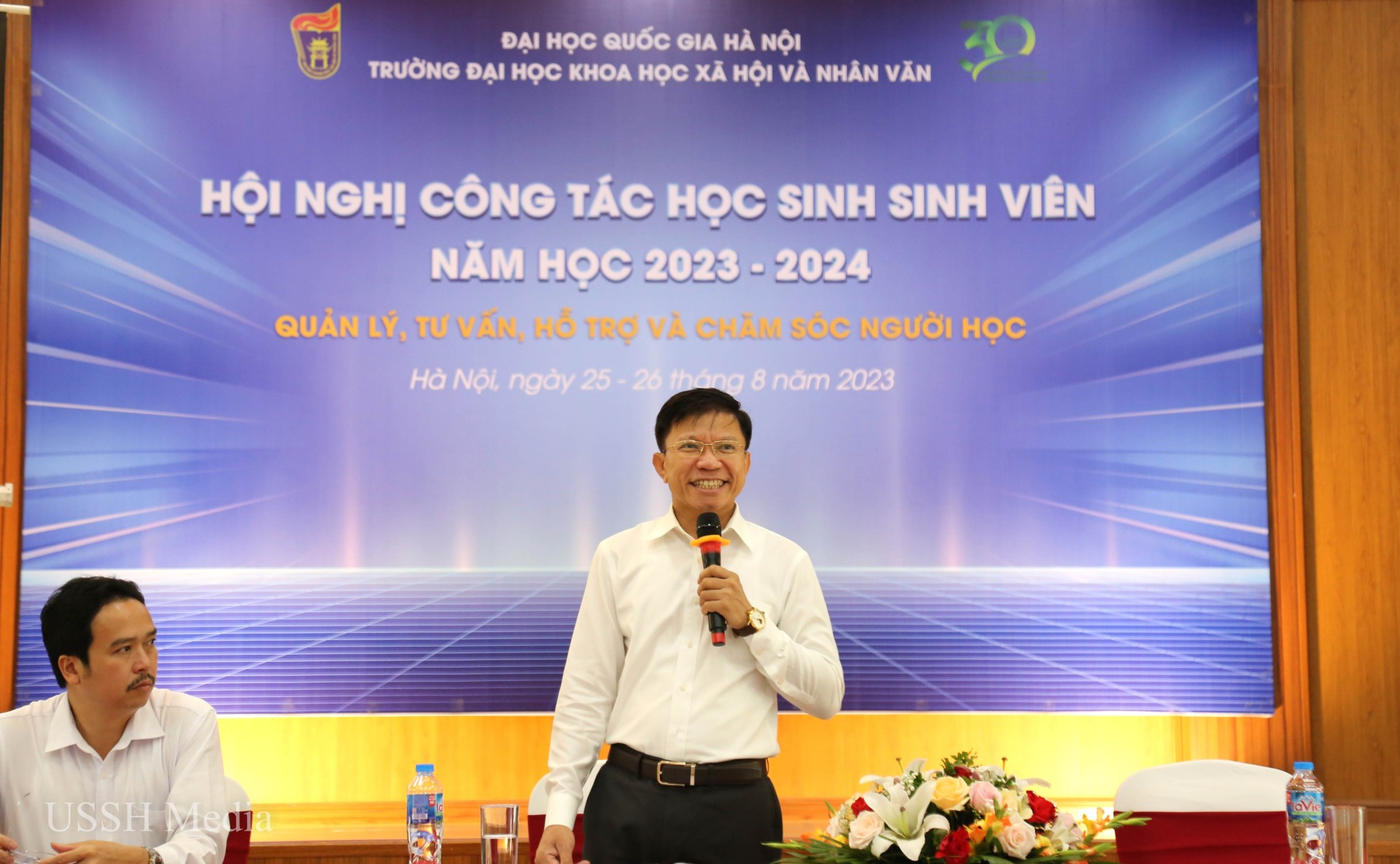
Student affairs are a key focus of the University of Social Sciences and Humanities.In his opening remarks at the Conference, Professor Hoang Anh Tuan stated that the 2023 Conference on Student Affairs had many new features, the most important of which was that student affairs was placed at the center of the university's activities. This activity received the agreement and support of the entire university system, with a staff of up to 180 people in charge, including leaders, lecturers, academic advisors at training units, and leaders and staff at functional departments. Furthermore, the career guidance, care, and support for students at VNU-USSH received attention and support from the leadership of Vietnam National University, Hanoi and its functional departments, as well as member universities with extensive experience in this area.
Professor Hoang Anh Tuan, Rector of the University of Social Sciences and Humanities, Vietnam National University, Hanoi, emphasized that student affairs are a central task in the university's activities.
Rector Hoang Anh Tuan emphasized that, from a management perspective, the school's Board of Directors adheres to the principle of student affairs aimed at bringing the best values to learners, not only creating favorable conditions for the process of equipping them with knowledge and professional skills, but also creating a good environment for cultivating moral qualities, character, and lifestyle for students. “Student care is of paramount importance because students are the common measure of the quality of an educational institution, an indicator of the reputation and ranking of a university, and the current and future human resources for society. More than that, students are the financial resource of any educational institution,” Professor Hoang Anh Tuan affirmed.
To effectively implement the above policy, the school is gradually carrying out a comprehensive, scientific, and consistent approach throughout its policies and actions. In particular, attention must be paid to the "individualization" of the learners. For each generation of students, the school needs policies and actions that are appropriate to their age and psychology to avoid conflict. Each teacher needs to face the reality of adapting to the new generation of students; therefore, the approach to student care also needs to be reformed.
Rector Hoang Anh Tuan expressed his hope that the Conference would assess the achievements made, thereby identifying new requirements and challenges, and proposing effective solutions for innovation and creativity in supporting students. “Dare to act, dare to take responsibility, look straight ahead, speak truthfully – this will be a ‘Dien Hong Conference’ that will change the face of VNU-USSH in the future,” shared Professor Hoang Anh Tuan.
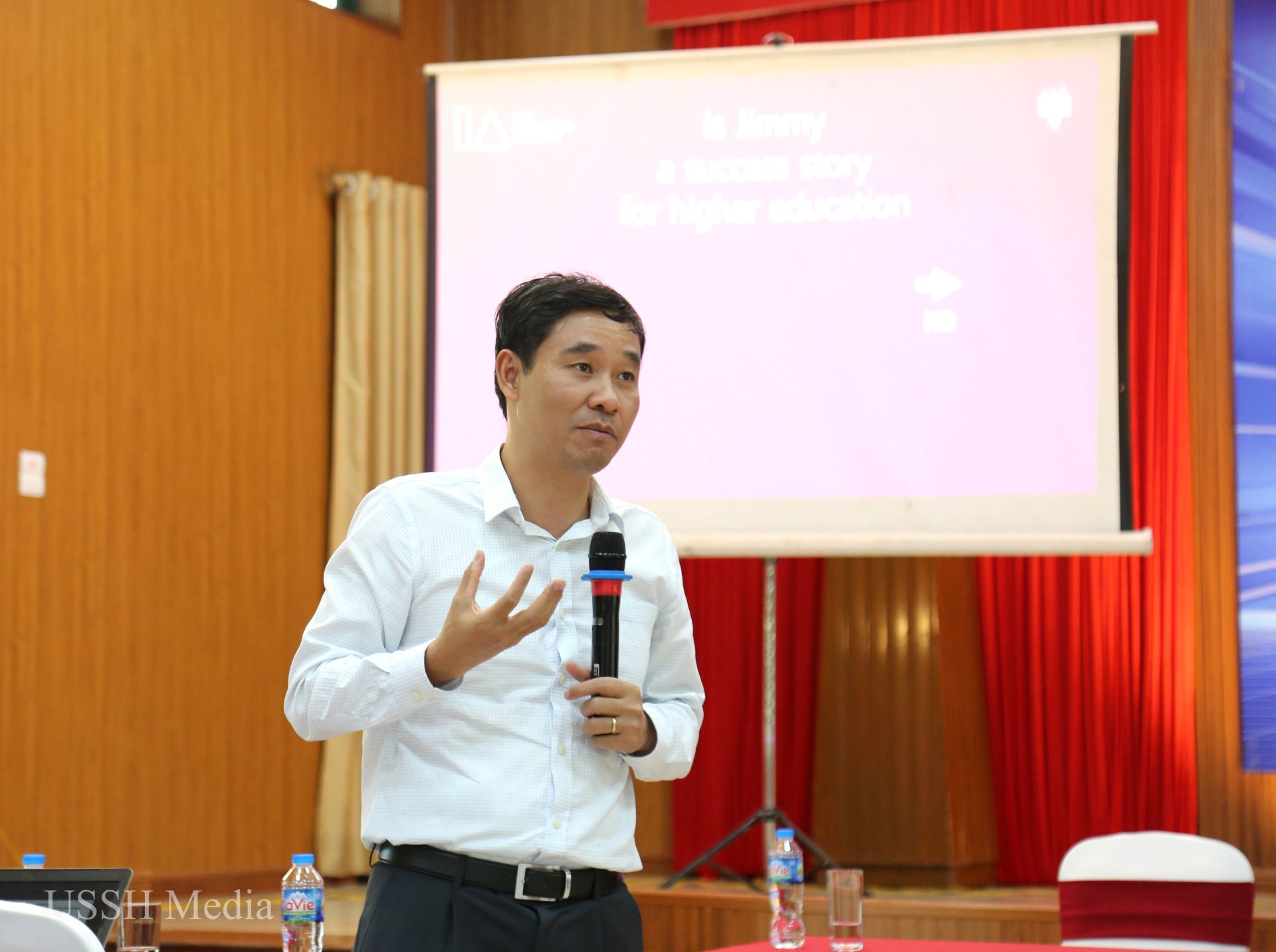
Associate Professor Dr. Nguyen Hoang Hai – Vice Director of Hanoi National University, instructed that the task of scientists and lecturers is not only to meet the direct needs of students but also to guide them towards a sustainable vision for the future.
Associate Professor Dr. Nguyen Hoang Hai – Vice Director of Vietnam National University, Hanoi – highly appreciated the determination of the University of Social Sciences and Humanities in innovating student affairs, adopting practical experiences from universities that have achieved many successes in this area.
Recounting real-life stories about students' approaches to learning and personal development activities, Associate Professor Dr. Nguyen Hoang Hai emphasized that the field of social sciences and humanities is playing a crucial role in the development of society, especially in the context of a world undergoing rapid technological changes. Faculty members of the University of Social Sciences and Humanities in particular, and universities in general, need to innovate their teaching methods to keep pace with the global trend of digitalization.
The task of scientists and lecturers, especially the professors at the University of Social Sciences and Humanities - Vietnam's leading university in training and research in the field of social sciences and humanities - is not only to meet the direct needs of students but also to guide them towards a sustainable vision for the future.
Each teacher is an "ambassador" carrying the school's brand and quality of education to students and society.
Trong Báo cáo với nội dung “Thực trạng và khó khăn trong công tác hỗ trợ và chăm sóc người học”, TS. Đinh Tiến Hiếu - Phó Trưởng phòng phụ trách Phòng CT&CT HS-SV đã nhận diện thế hệ HS-SV hiện nay có rất nhiều ưu thế. Các em có sự nhiệt tình, năng động, sáng tạo, hướng tới các giá trị toàn cầu, cũng là thế hệ luôn mong muốn được thừa nhận, được là người có giá trị trong cuộc đời, muốn thể hiện chính mình, cá nhân hóa và có chính kiến mạnh mẽ.
Tháng 3/2023, Nhà trường đã tổ chức hội nghị với đúng chủ đề “Quản lý, chăm sóc, hỗ trợ người học”, với rất nhiều ý kiến đóng góp quý báu về đặc điểm tâm lý của sinh viên Gen Z (TS. Trương Quang Lâm), kinh nghiệm hỗ trợ kết nối sinh viên với doanh nghiệp (TS. Nguyễn Thị Kim Chi), cách phát huy các nguồn lực tổng hợp trong công tác SV (TS. Nguyễn Thị Năm Hoàng).
Hội nghị được tổ chức tại Ba Vì trong 2 ngày 25 và 26/8 cùng với chủ đề “Quản lý, tư vấn, chăm sóc, hỗ trợ người học” một lần nữa khẳng định quan điểm nhất quán, xuyên suốt, quyết liệt của Nhà trường trong đổi mới lĩnh vực công tác HS-SV.
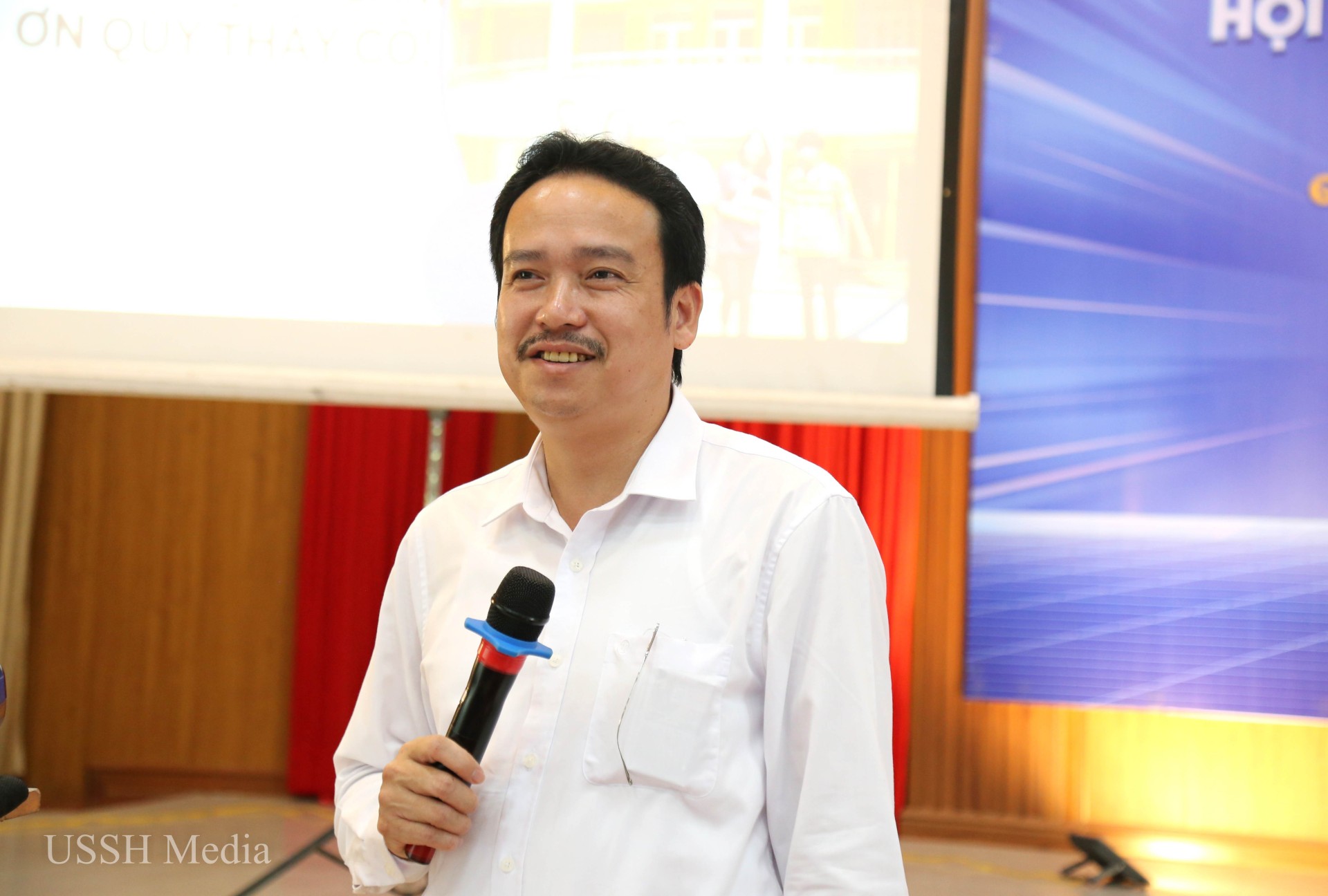
Dr. Dinh Tien Hieu - Deputy Head of the Student Affairs Department, shared the school's determination to improve the effectiveness of student affairs.
Trong những năm qua, trường ĐH KHXH&NV không ngừng đổi mới nội dung, hình thức hoạt động công tác quản lý, chăm sóc, hỗ trợ người học và đã đạt được nhiều thành tích đáng khích lệ, đảm bảo quyền lợi và nghĩa vụ của sinh viên trong quá trình học tập tại trường, thực hiện theo đúng các văn bản hướng dẫn của Bộ Giáo dục và Đào tạo và Đại học Quốc gia Hà Nội.
Công tác giáo dục chính trị tư tưởng, công tác khen thưởng, kỷ luật sinh viên, công tác hành chính và thực hiện chế độ chính sách, công tác xét học bổng khuyến khích học tập, học bổng trong và ngoài ngân sách, công tác bảo hiểm y tế cho sinh viên, công tác rèn luyện và đánh giá sinh viên,… được thực hiện nghiêm túc, bài bản, đúng quy trình, quy định, quy chế.
Đội ngũ cán bộ quản lý và chuyên trách công tác HSSV của trường đã có nhiều cố gắng. Nhiều sáng kiến đổi mới hoạt động trong Tuần lễ hội nhập đầu năm của sinh viên, việc triển khai thực hiện Đề án Cổng thông tin hỗ trợ giải quyết thủ tục hành chính một cửa, Cổng thông tin việc làm trực tuyến, cùng các hoạt động tổ chức Ngày hội việc làm, tổ chức chuỗi tọa đàm hướng nghiệp: “Kỹ năng chinh phục nhà tuyển dụng” , “Master CV – Bí Quyết viết CV từ góc nhìn nhà tuyển dụng,“Cử nhân Sử học – Văn hóa học: Cơ hội ứng dụng từ nền tảng cơ bản”,… đã thể hiện bước đầu sự chuyển mình quan trọng theo hướng hỗ trợ, chăm sóc, phục vụ, dịch vụ.
Tuy nhiên, bên cạnh những kết quả đã đạt được nêu trên, công tác HS-SV tại trường ĐH KHXH &NV đang đứng trước nhiều khó khăn, thách thức.
Công tác sinh viên là một trong những nhiệm vụ trọng tâm của Nhà trường, xuyên suốt nhiều mảng công việc, bao gồm hoạt động giáo dục đào tạo, tuyên truyền, quản lý, dịch vụ, tư vấn, hướng nghiệp, hỗ trợ, chăm sóc toàn diện đời sống vật chất, tinh thần của sinh viên cả trong và ngoài giảng đường, nhằm đảm bảo các mục tiêu của giáo dục đại học.
Mặc dù đội ngũ giáo viên chủ nhiệm, cố vấn học tập đã có nhiều nỗ lực, tuy nhiên, một số ít giáo viên chủ nhiệm, cố vấn học tập chưa nắm được đầy đủ quy định, quy chế để hướng dẫn cho sinh viên, việc tư vấn chuyên môn (về ngành học, đăng ký học phần…) còn hạn chế. Việc chưa sắp xếp được lịch sinh hoạt thường kỳ để giáo viên chủ nhiệm, cố vấn học tập sinh hoạt lớp đều đặn với sinh viên cũng ảnh hưởng không nhỏ đến việc tương tác, kết nối, chia sẻ và hỗ trợ người học. Bên cạnh đó, nhiều vấn đề liên quan đến quy chế, quy định của Nhà trường về công tác quản lý sinh viên như đánh giá điểm rèn luyện, khen thưởng, kỷ luật, bảo hiểm y tế, sinh hoạt công dân, học bổng… đòi hỏi cố vấn học tập phải có nghiệp vụ, và phải dành thời gian nghiên cứu kỹ văn bản, cập nhật thông tin.
Quy trình, cách thức phối hợp về công tác HS-SV giữa bộ phận làm công tác HS-SV và các bộ phận liên quan chưa phát huy được hiệu quả đúng với tiềm năng; Cơ sở vật chất và chất lượng các dịch vụ hỗ trợ, chăm sóc đời sống vật chất, tinh thần cho sinh viên, nhất là công tác tư vấn tâm lý và công tác xã hội trường học, công tác tư vấn, hướng nghiệp cho sinh viên chưa theo kịp những thay đổi của tình hình thực tế, chưa có nhiều giải pháp hữu hiệu để nâng cao khả năng có việc làm của sinh viên sau tốt nghiệp…Tỷ lệ sinh viên thôi học ở một số ngành còn cao.
Some students are overly protected by their families, leading to narcissism and limited participation in group activities. A significant percentage are hesitant to face challenges, lack initiative, and are heavily influenced by social media, resulting in poorer concentration and easy distractions. Therefore, teachers working with students need to understand the characteristics of this generation, listen to and share their thoughts and feelings in order to provide appropriate support.
Innovations in student affairs have received the support and assistance of the school's Board of Directors and all faculty and staff of VNU-USSH.
Proposing several solutions to improve student support and care, Dr. Dinh Tien Hieu emphasized that identifying student support and care as the responsibility of all teachers in the school is crucial. Each teacher and staff member is an ambassador representing the image, brand, and quality of education of the school to students and society. The proposed solutions include: Coordinating/connecting student affairs between the school and other units to ensure students receive support and care in a humane, rich, and diverse environment; and strengthening the organization of extracurricular activities to enhance skills and improve student connectivity.
The core of student affairs work is to deliver the best value to learners.The conference received presentations from lecturers and experts from the University of Foreign Languages, VNU Hanoi, with reports on the following topics: “Learner Psychology and Values That Can Be Provided to Learners” by Dr. Dao Thi Dieu Linh - Head of the Department of Educational Psychology, University of Foreign Languages, member of the VIBE Project; “Developing Empathy Skills and Emotional Intelligence in Student Affairs Staff” by Dr. Dao Thi Dieu Linh and Dr. Ta Nhat Anh; and “Sharing Experiences in Managing, Supporting, and Caring for Learners at ULIS” by Ms. Khoa Anh Viet - Deputy Head of the Student Affairs & Politics Department, University of Foreign Languages, member of the VIBE Project.
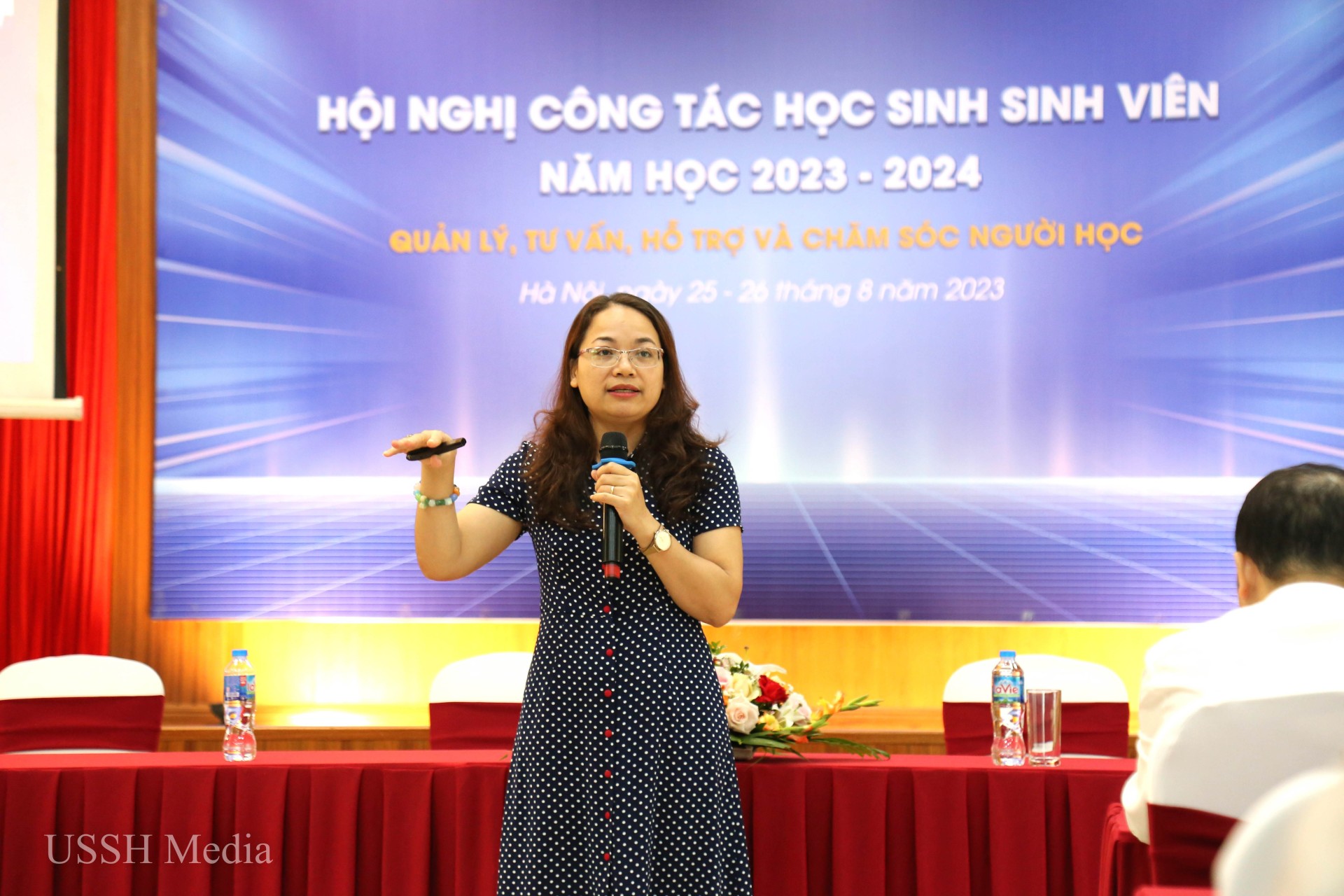
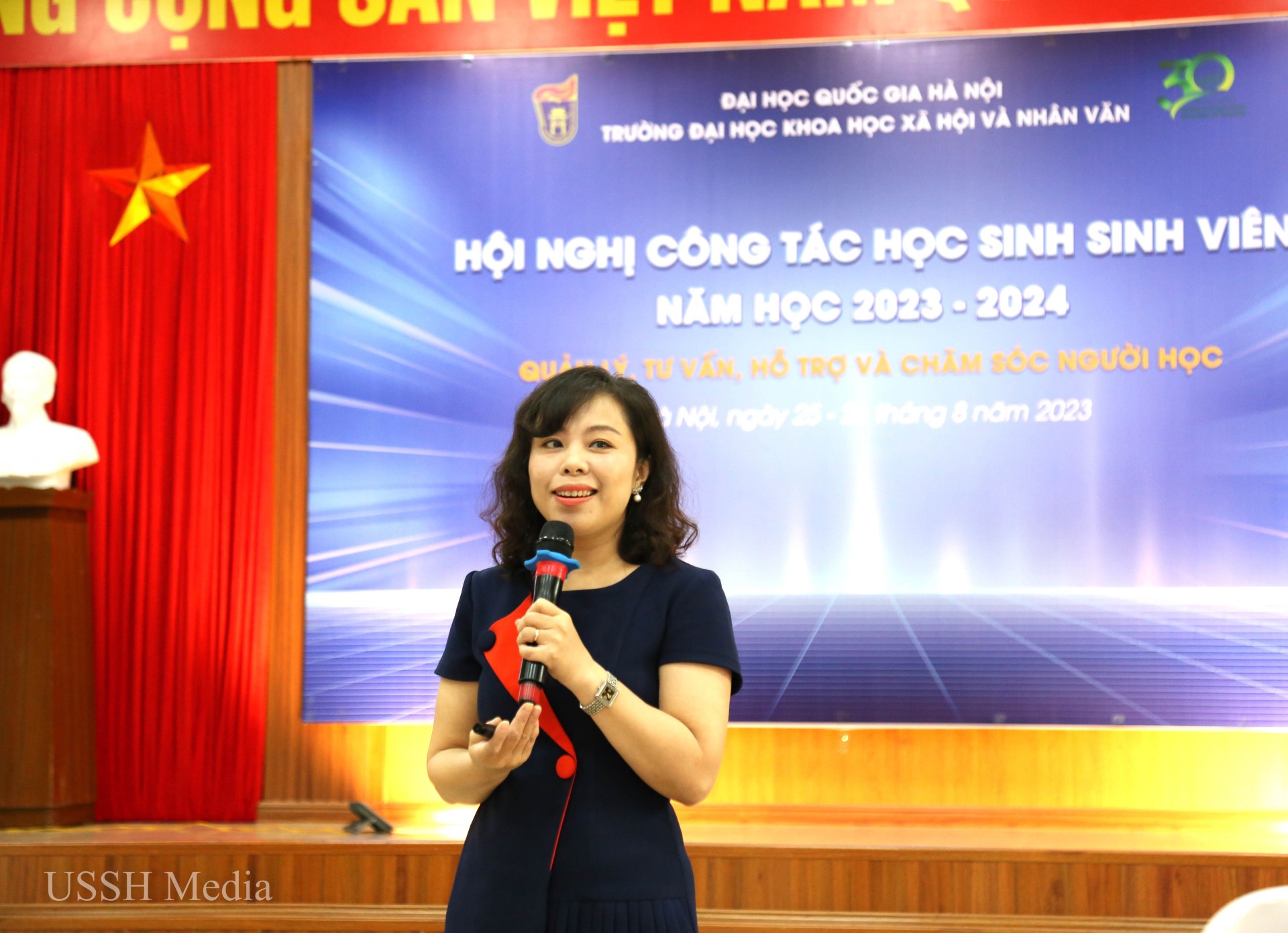
Dr. Dao Thi Dieu Linh emphasized that what teachers provide to students is not just knowledge, but more importantly, values that develop their personal abilities and humanistic values. The more innovative and creative student affairs work becomes, and the more value it brings to learners, the more sustainable the school's development will be.
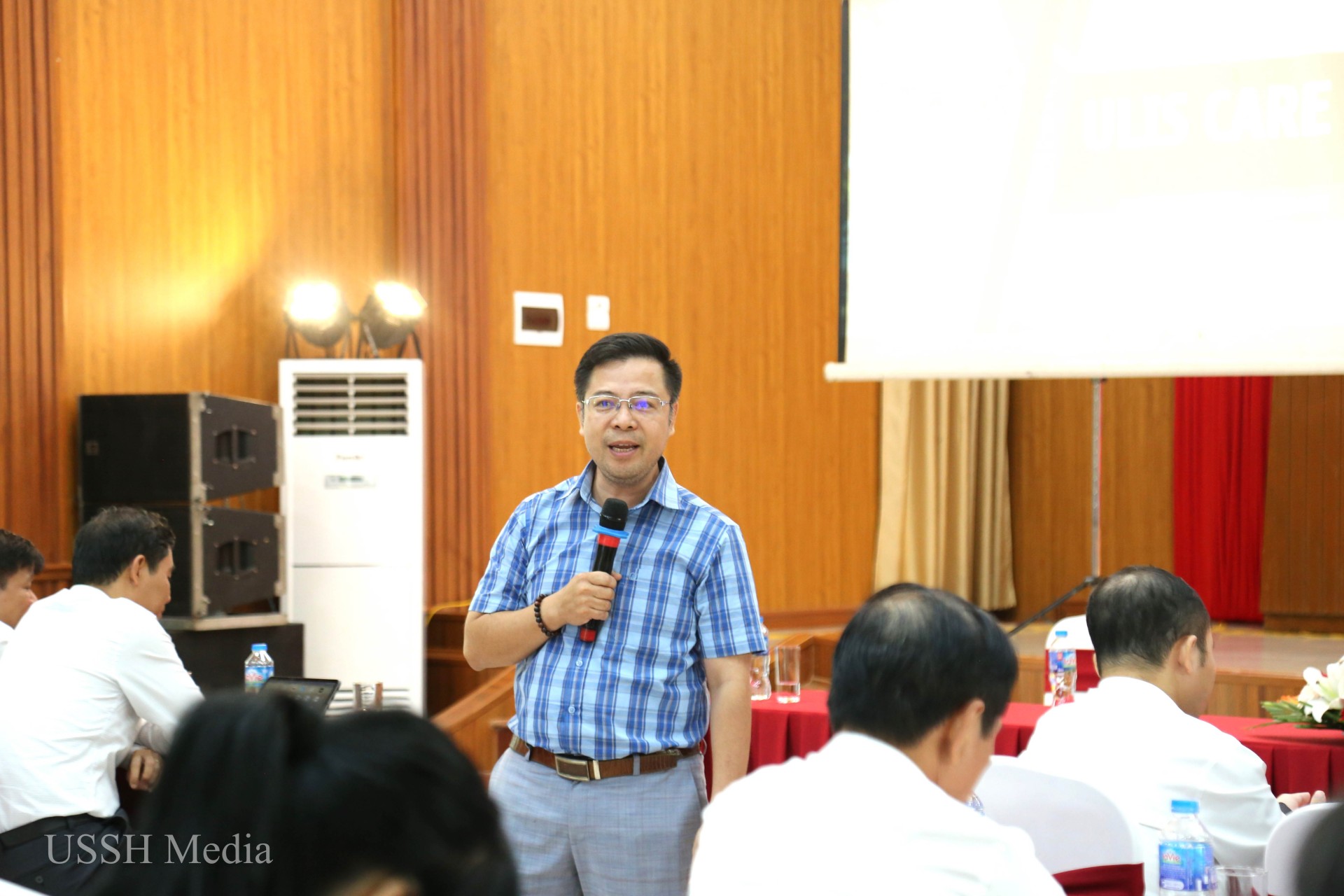
Sharing lessons learned from the practical experience of student affairs at the University of Foreign Languages, VNU Hanoi, Ms. Khoa Anh Viet - Deputy Head of the Student Affairs and Politics Department, stated that in addition to the university's decisive policies, this activity requires the support and assistance of the students themselves. Involving students directly in this activity as collaborators is an effective solution that the University of Foreign Languages has implemented and achieved encouraging results.
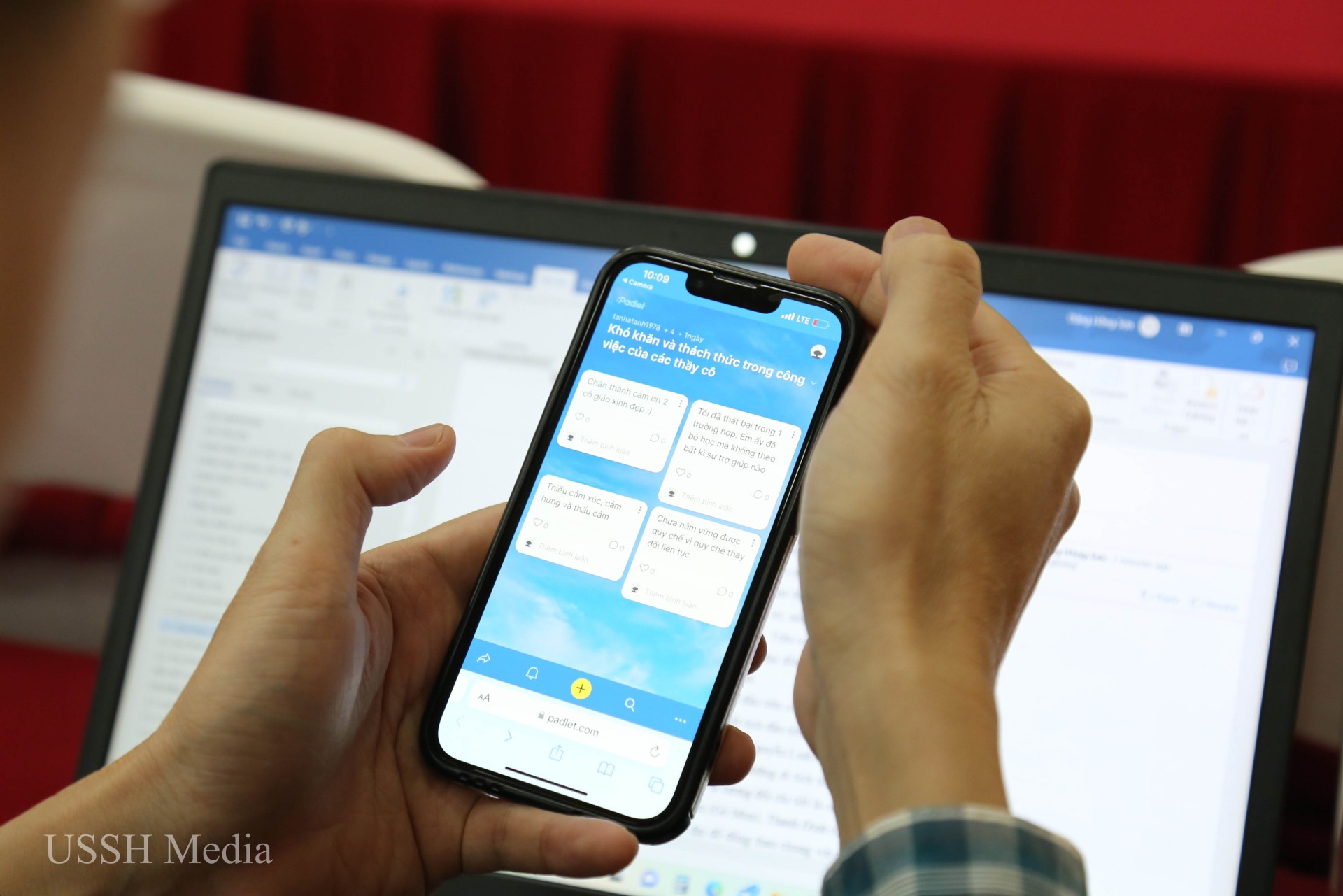
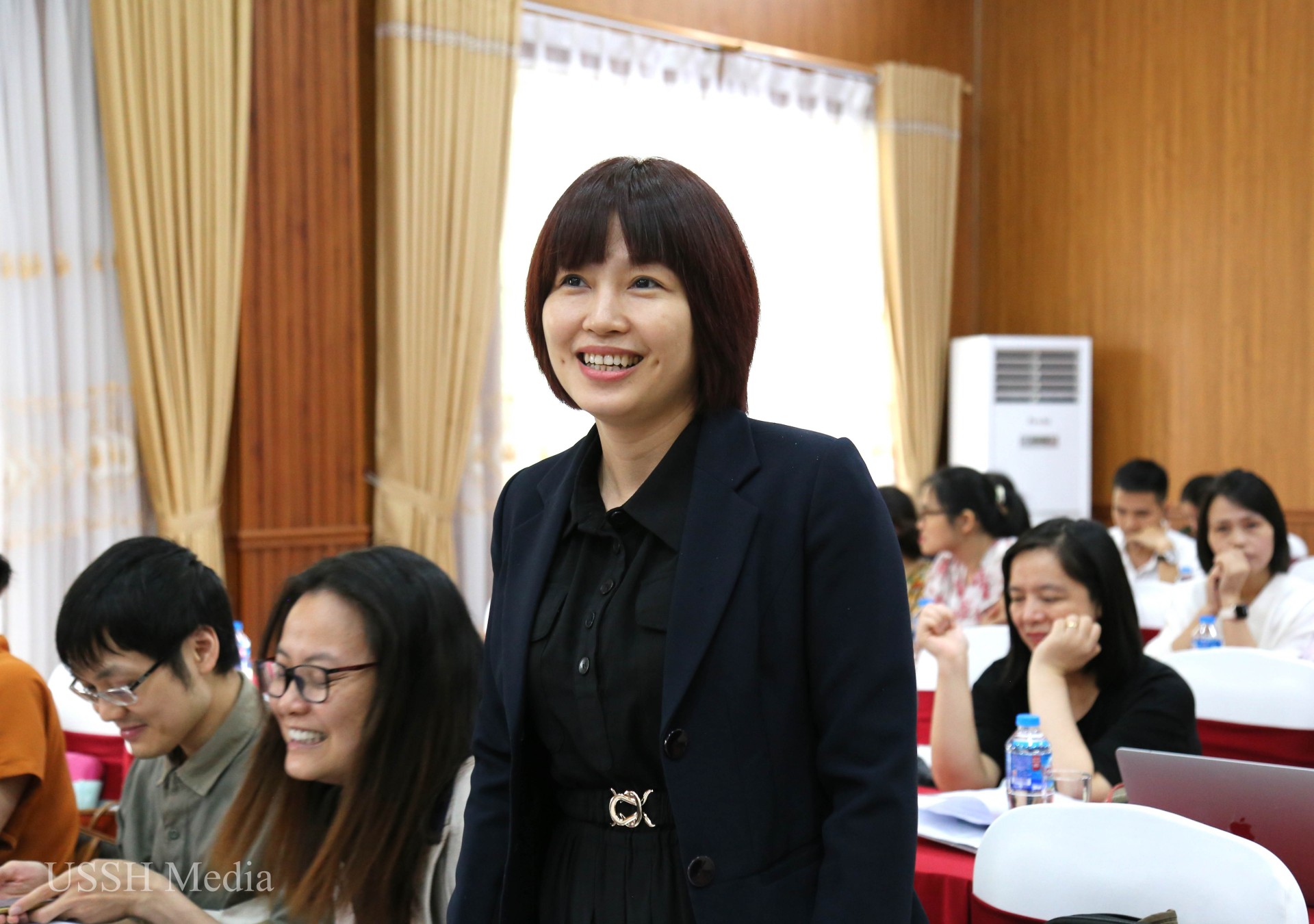
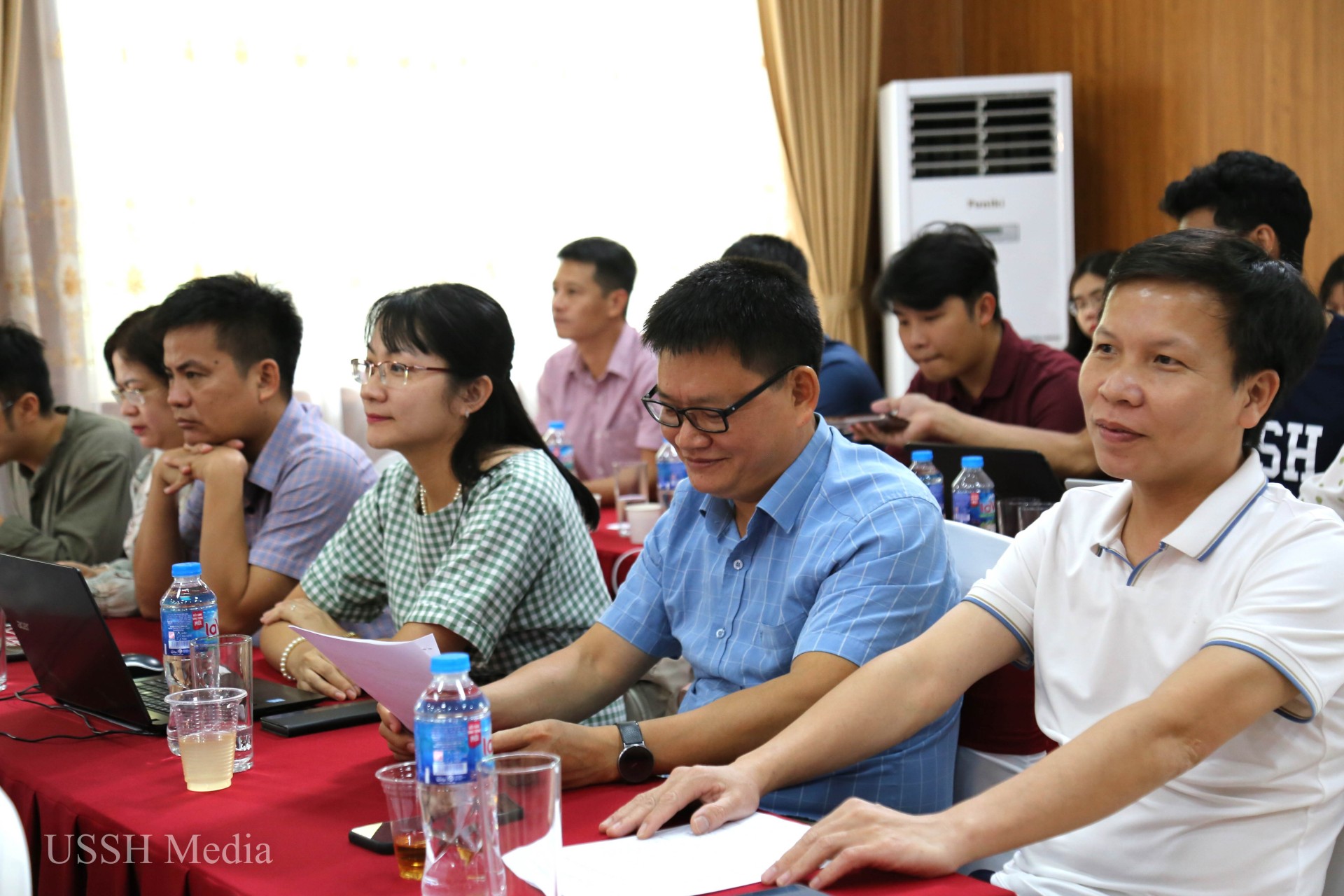
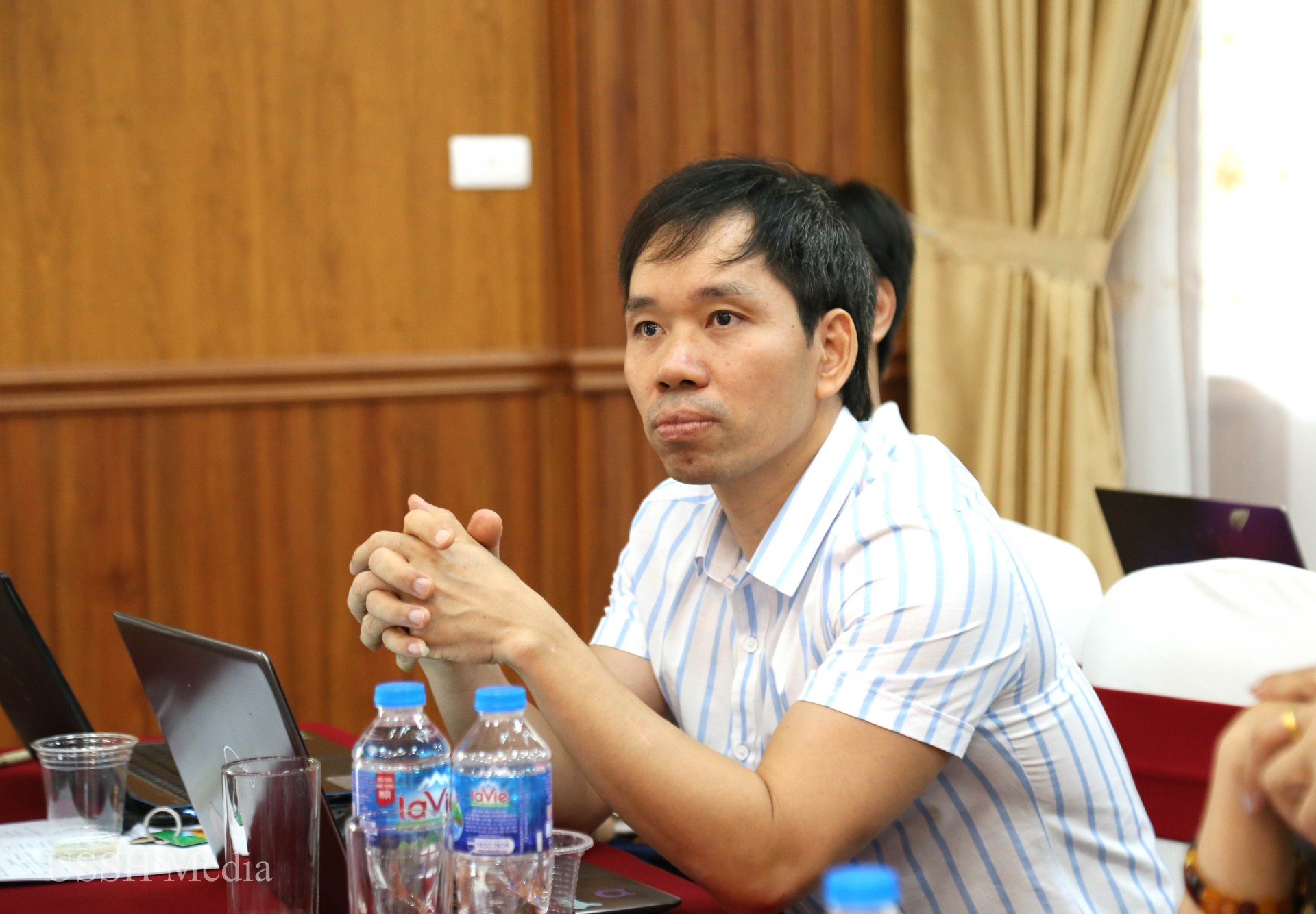
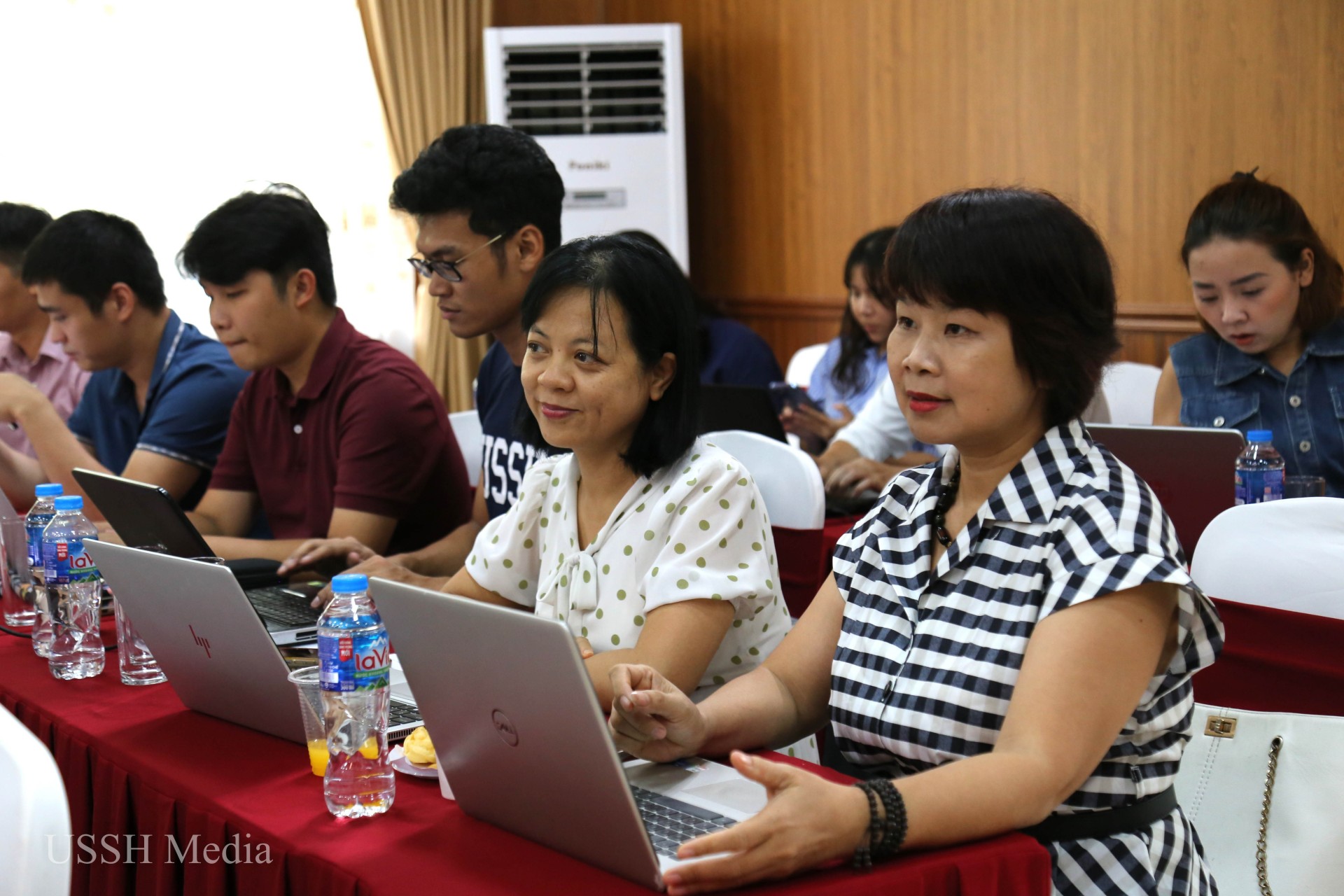
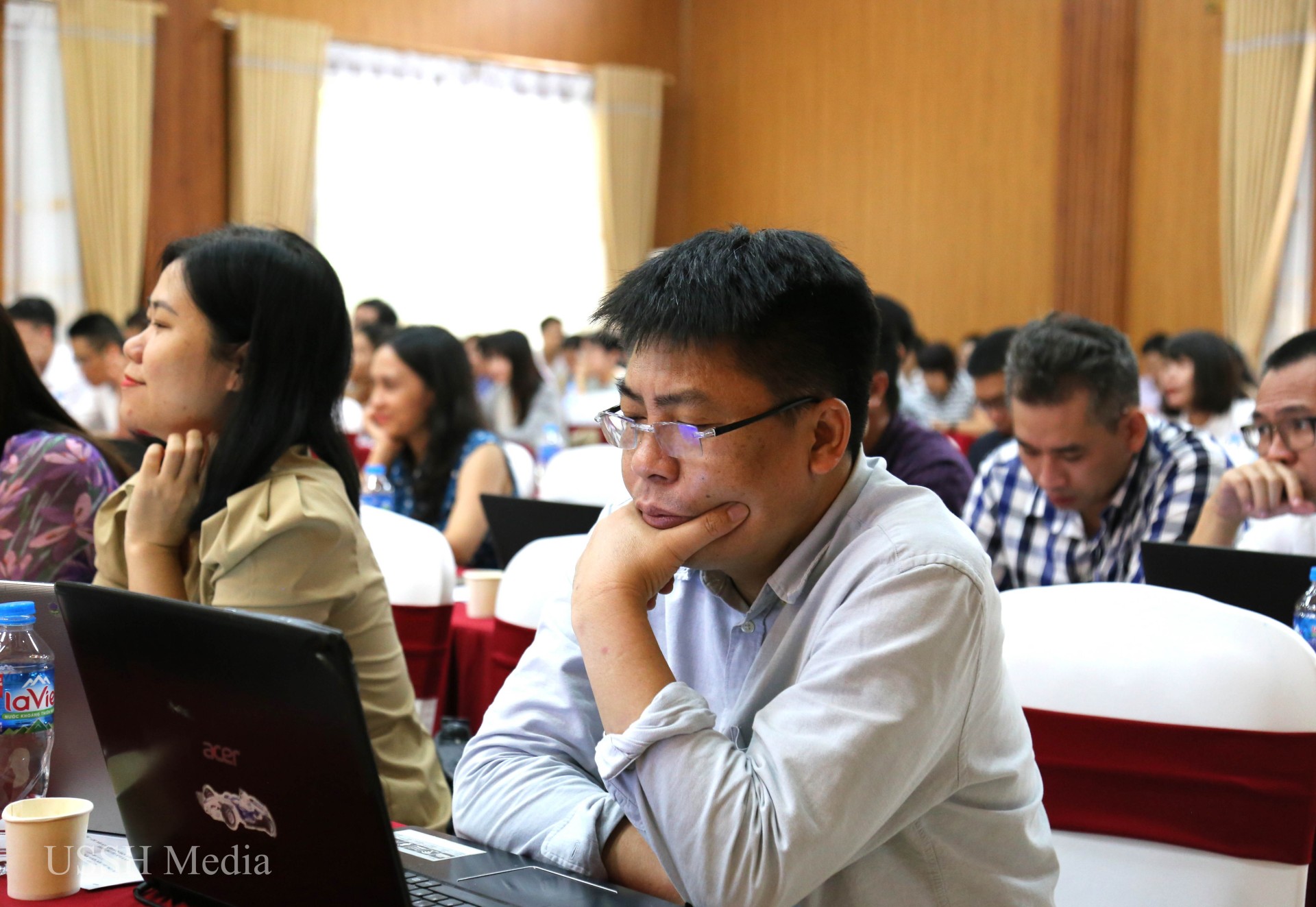
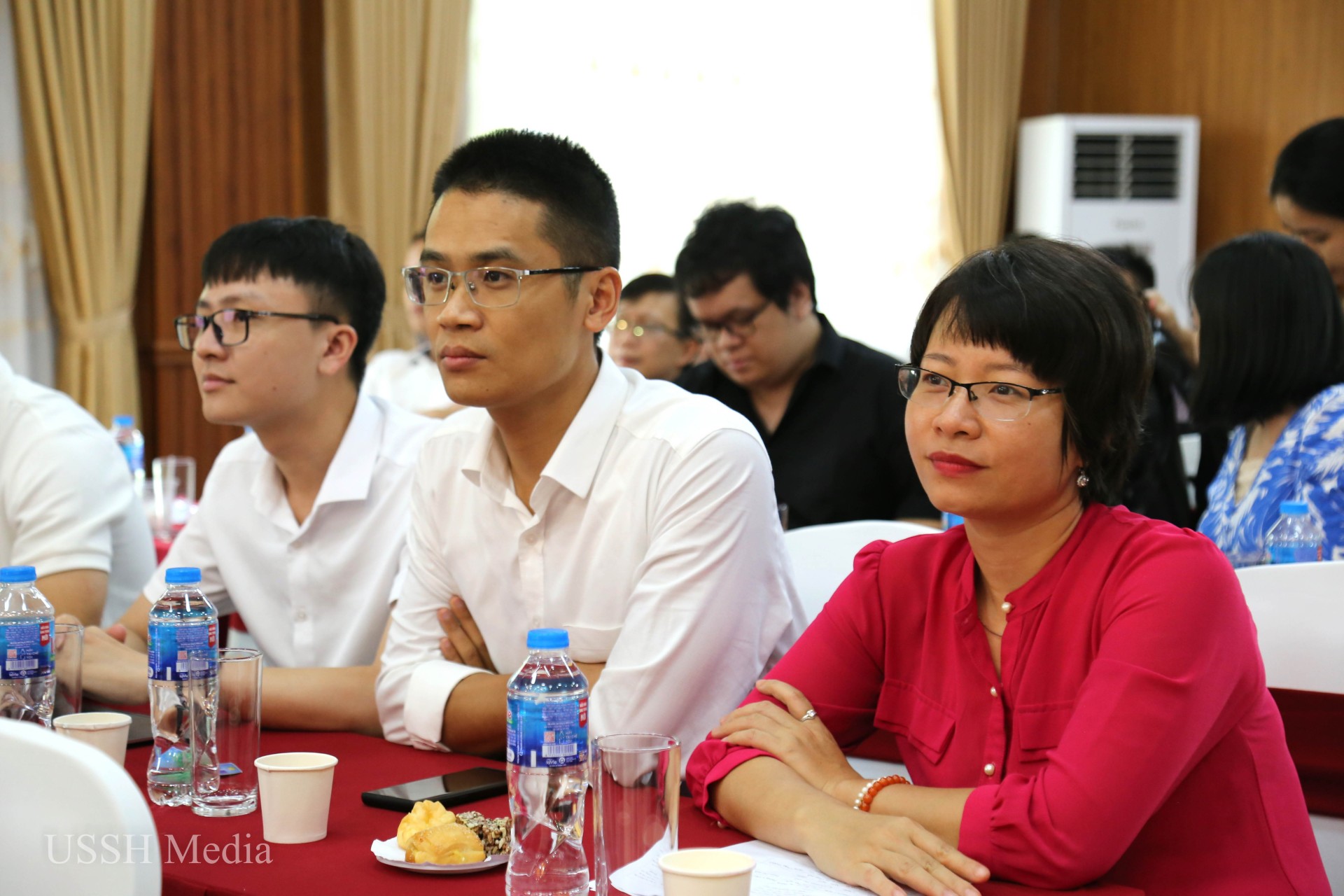
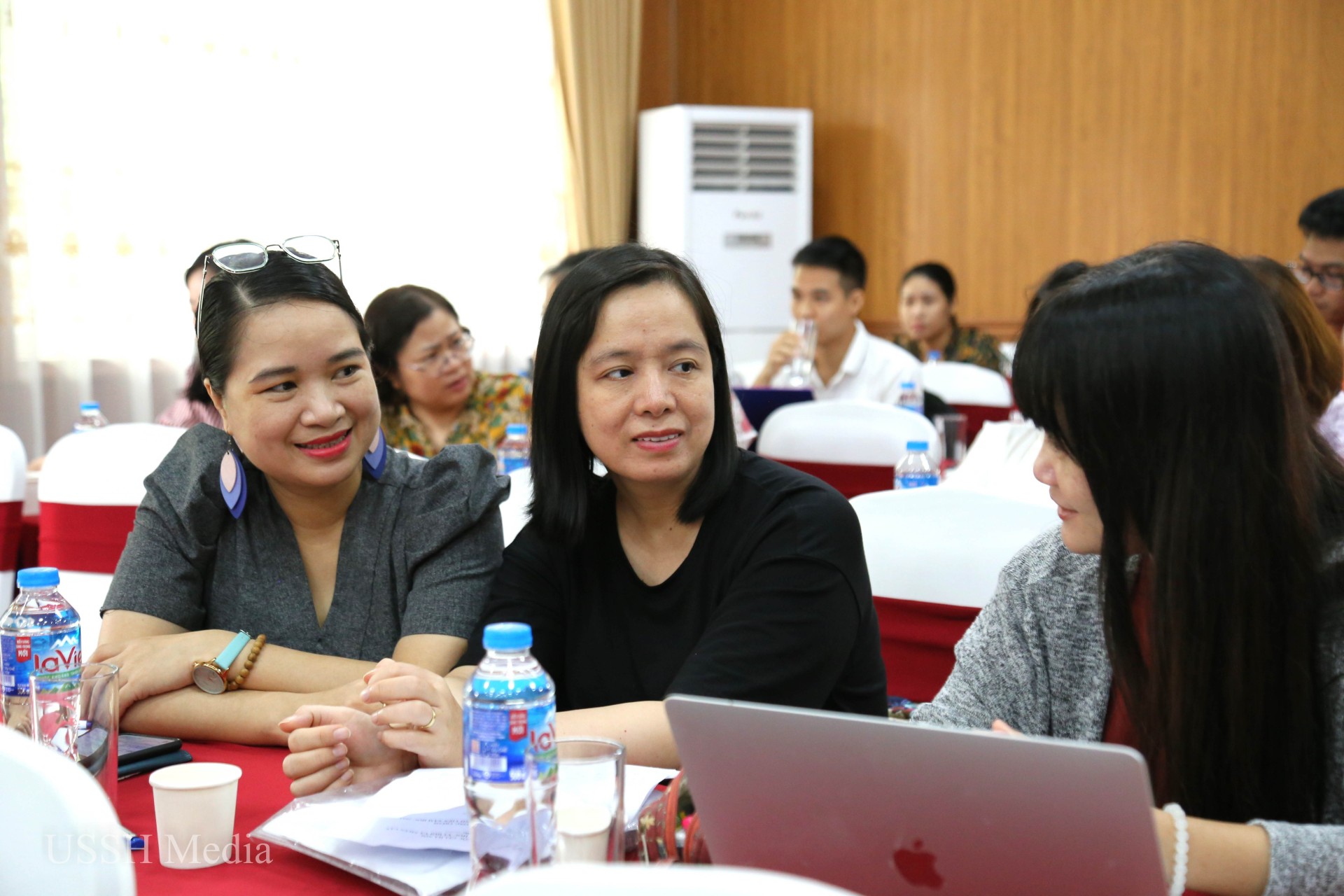
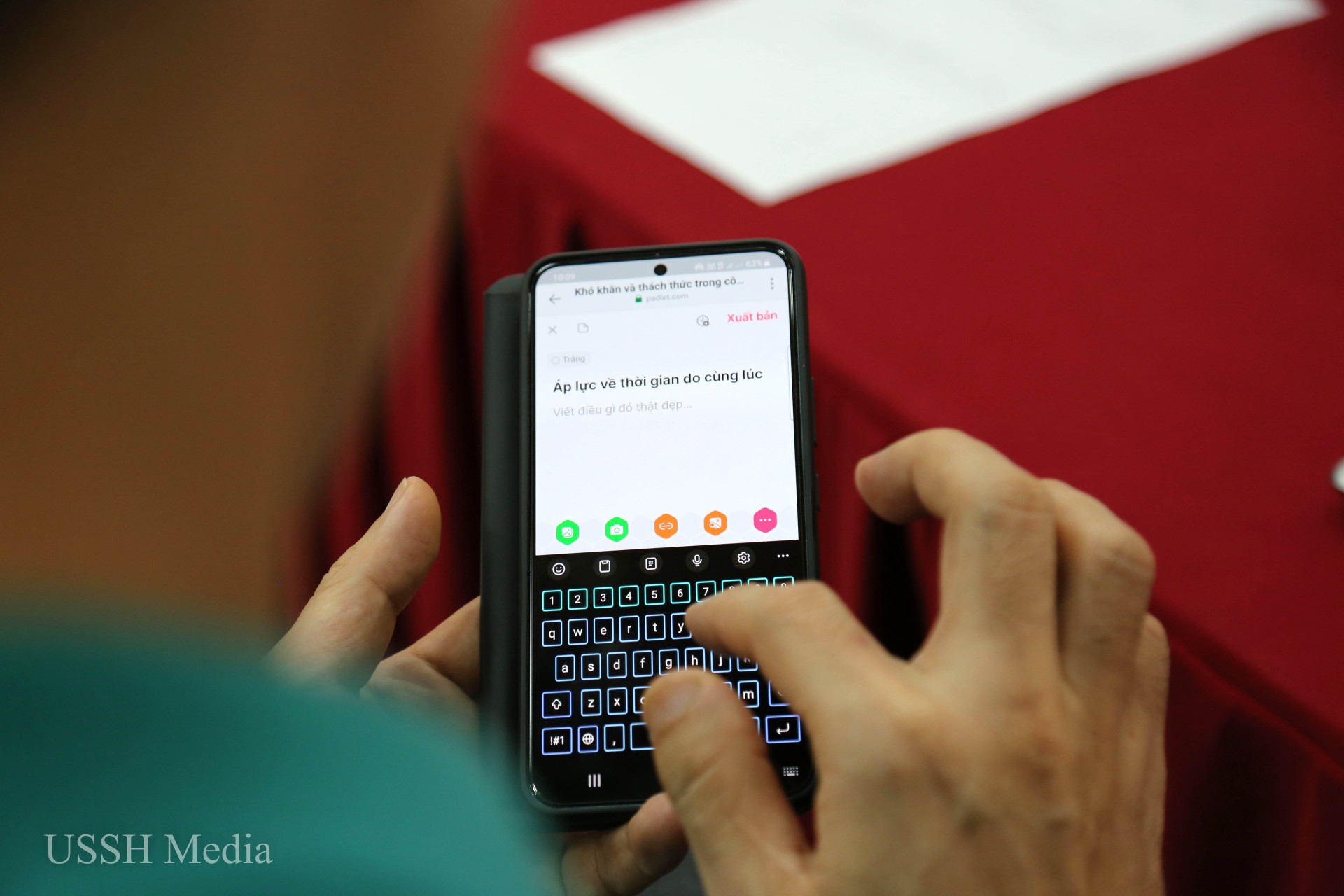
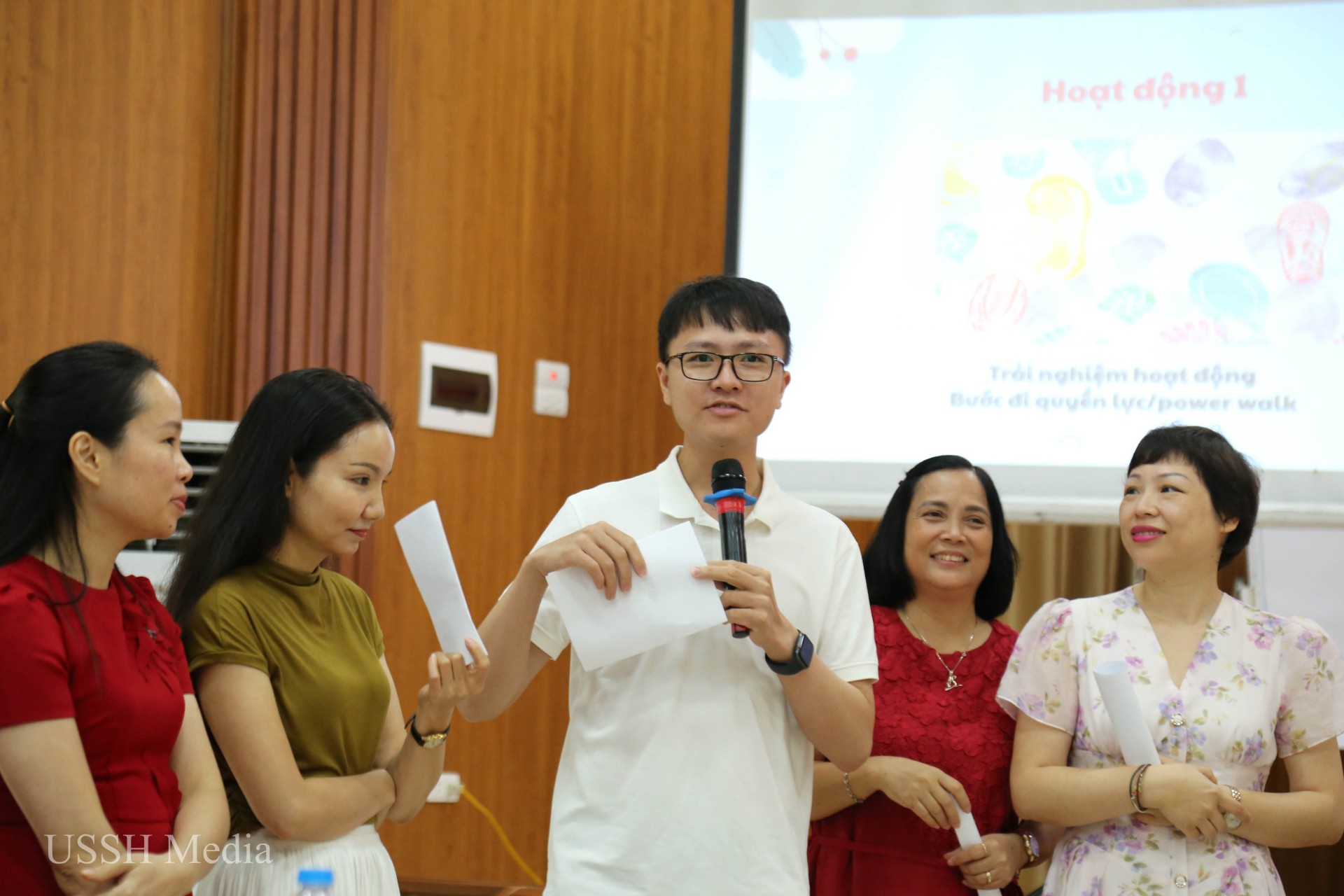
The reports received lively discussion from faculty members from training units and functional departments of the University of Social Sciences and Humanities, Vietnam National University, Hanoi. Several specific solutions were proposed at the conference to improve the quality of management, career guidance, support, and care for students.
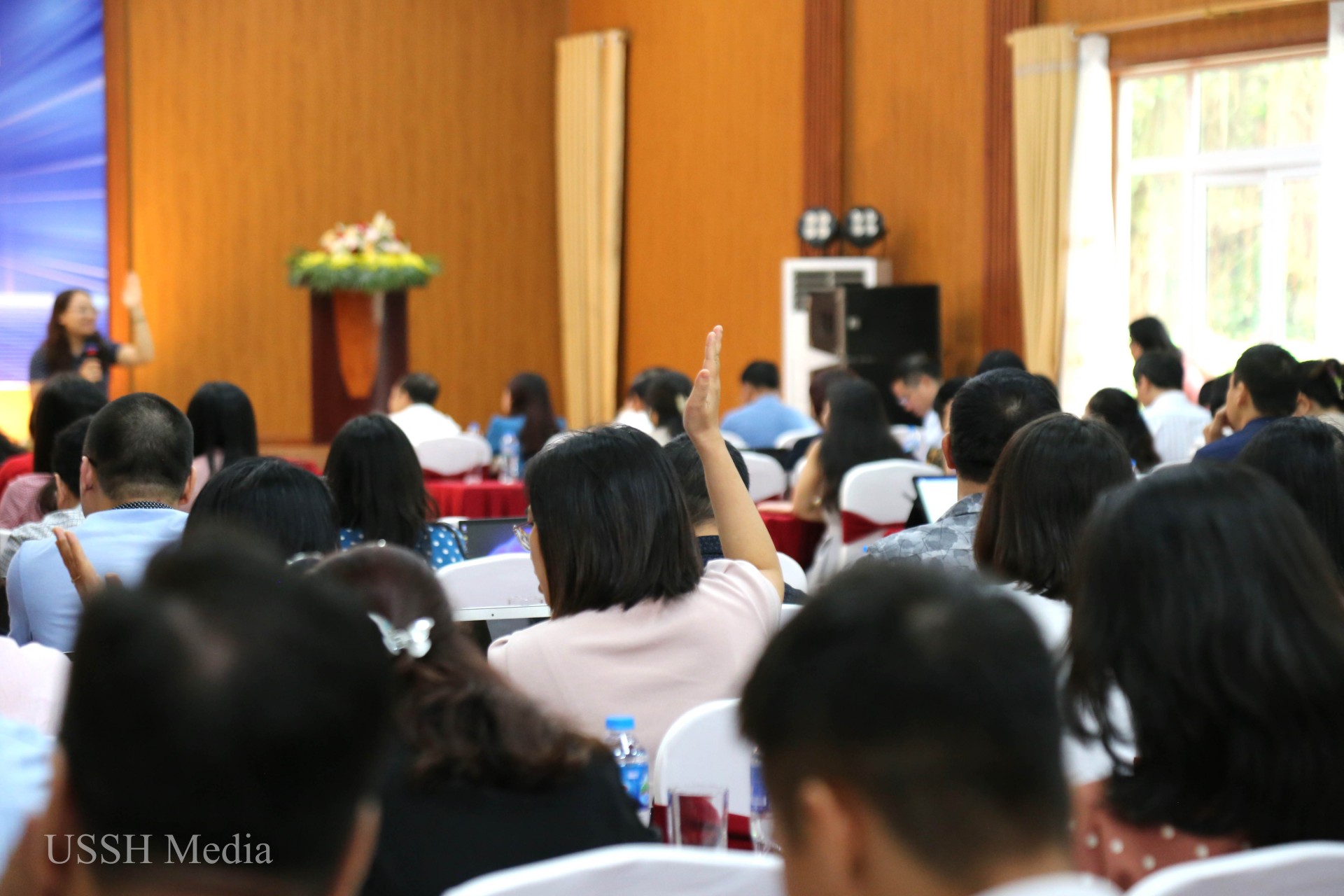
The report's contents sparked lively discussion among faculty members from training units and functional departments of the University of Social Sciences and Humanities, Vietnam National University, Hanoi.
VNU-USSH's decisive solutions to improve the quality of student affairs.Associate Professor Dr. Dang Thi Thu Huong - Vice Rector of the university, emphasized that, in the face of the fierce challenges of competition in higher education and the increasingly open educational and training environment, improving the quality of training services, strengthening support, care, and service activities, and creating satisfaction for learners, is an inevitable trend of modern university management, in line with the standards of advanced universities in the region and around the world.
Vice Rector Dang Thi Thu Huong directed several key solutions to improve the effectiveness and professionalism of student affairs at the University of Social Sciences and Humanities.
According to Vice Rector Dang Thi Thu Huong, in order to improve the effectiveness and professionalism of student affairs at the University of Social Sciences and Humanities, the university will focus on several key solutions in the coming period:
Firstly, there needs to be a change in perception, approach, organization, and implementation of student affairs activities, shifting from a student management model to a model of counseling, care, and support for learners.
The core of student affairs is the Student Affairs Department and the team of homeroom teachers and academic advisors, but it is also the shared responsibility of all staff, lecturers, and employees throughout the school. From a green, clean, and friendly environment that ensures good learning conditions, to the smiles of the security guard and cleaning lady, to the professionalism of the teachers in charge of student affairs, to the dedication and standards of the teaching staff, all contribute significantly to the school's student affairs work.
Secondly, further refine the documentation system to meet quality improvement requirements and enhance the quality of management, care, and support for learners.
Review, revise, and issue guidelines on academic advising and class management. Review, revise, and update the Student Handbook; revise regulations on scholarships for 9 basic science majors, scholarships from sponsoring organizations and individuals; research and issue regulations on cooperation with businesses; review and revise the admission process; improve the process of evaluating student conduct scores; innovate activities of the Integration Week, as well as dialogues with students, etc., in a way that serves learners.
Thirdly, further enhance the professionalism of the staff responsible for student affairs, and innovate academic advising at the University of Social Sciences and Humanities. Innovate the activities of the Youth Union and Student Association, linking student affairs with the work of the Youth Union and Student Association.
Fourth, apply information technology to ensure that student management is carried out scientifically, rationally, and effectively. Establish a hotline to receive student feedback. Schedule a fixed time each month for homeroom teachers/academic advisors to meet directly with the students in their class.
Fifth, strengthen connections with employers and alumni to increase opportunities for collaboration, promote the development of the university, and especially to find and connect students with job opportunities within the university.
Sixth, strengthen communication about the responsibilities and rights of students, as well as the school's innovative activities in advising, caring for, and supporting learners.
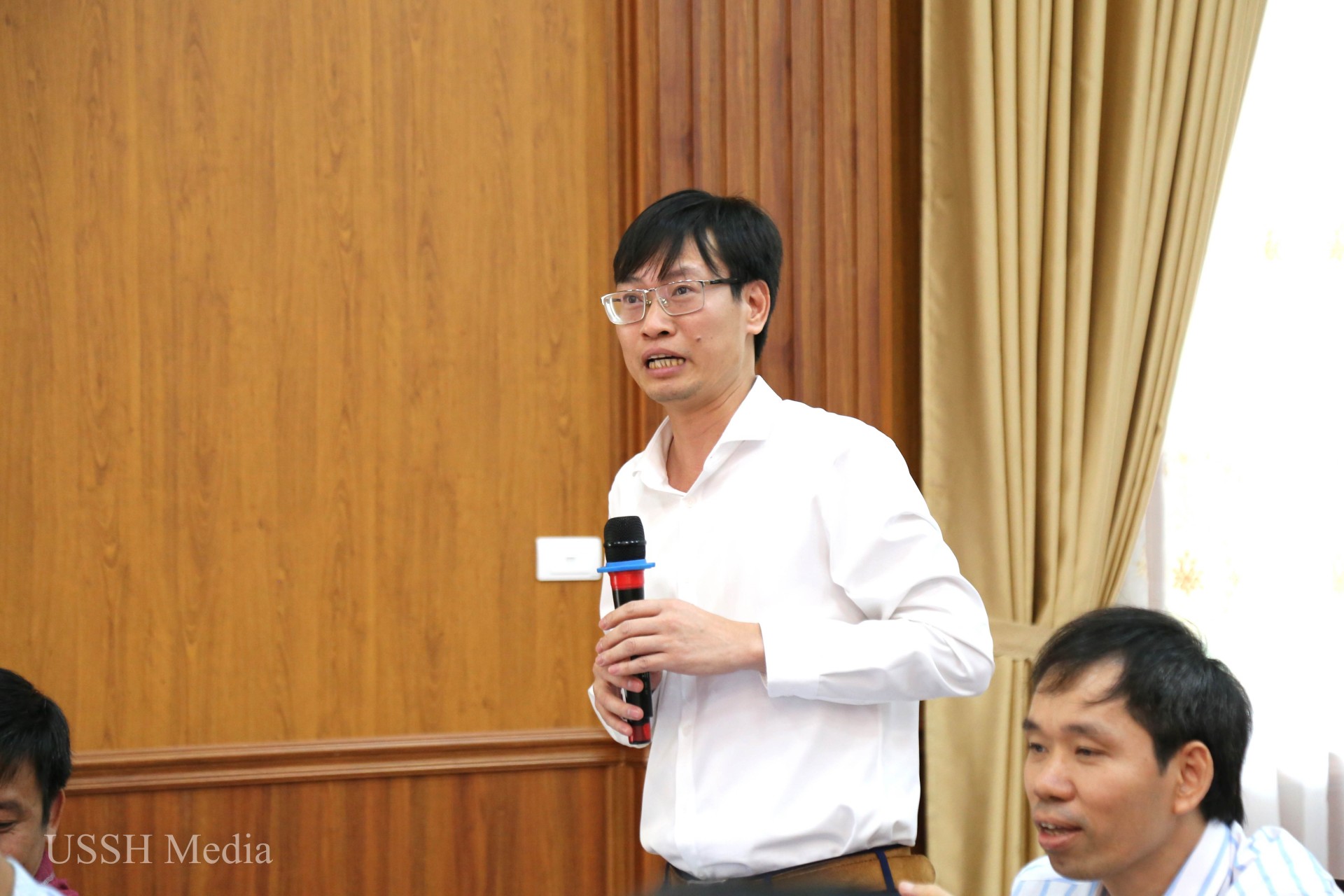
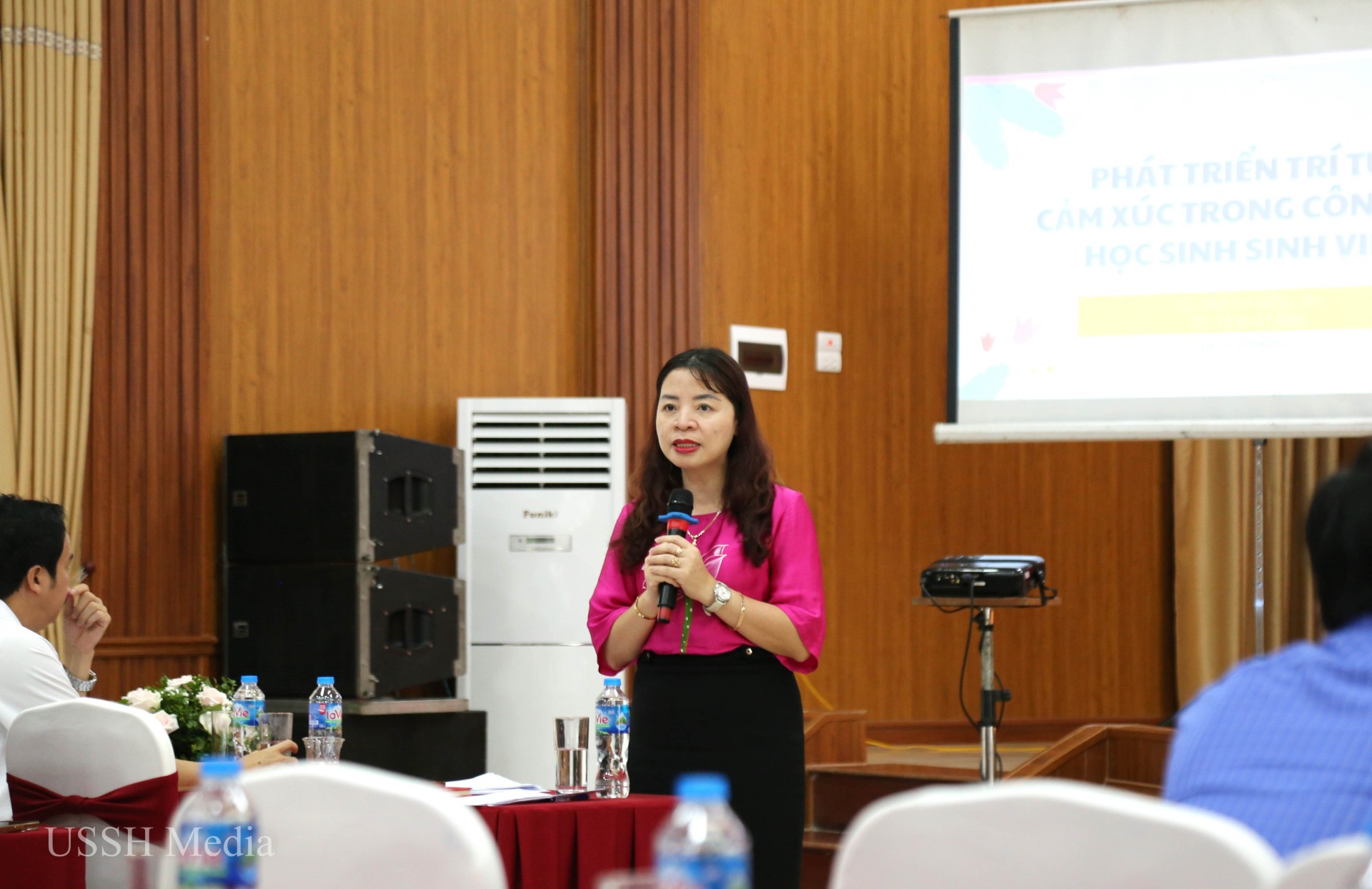
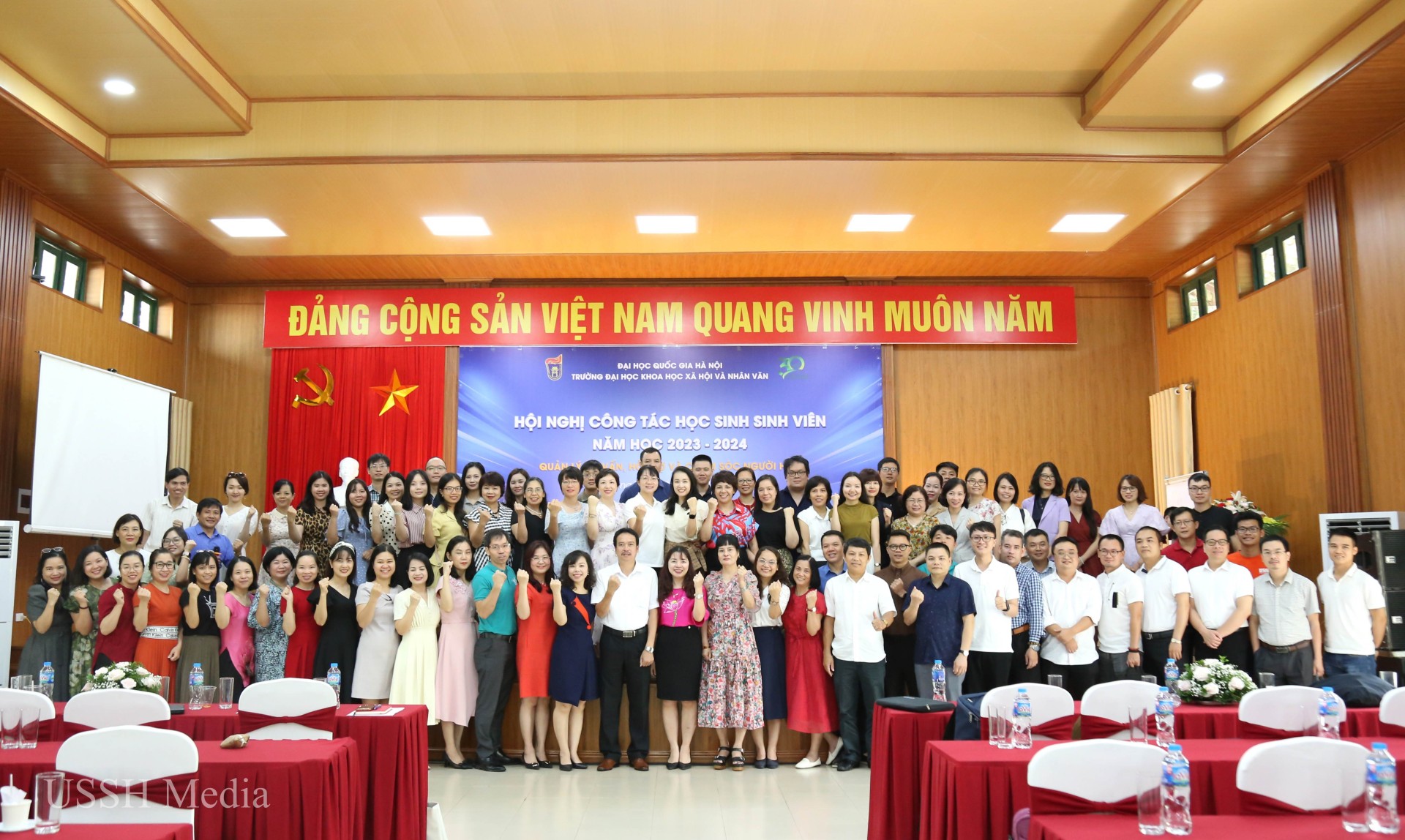
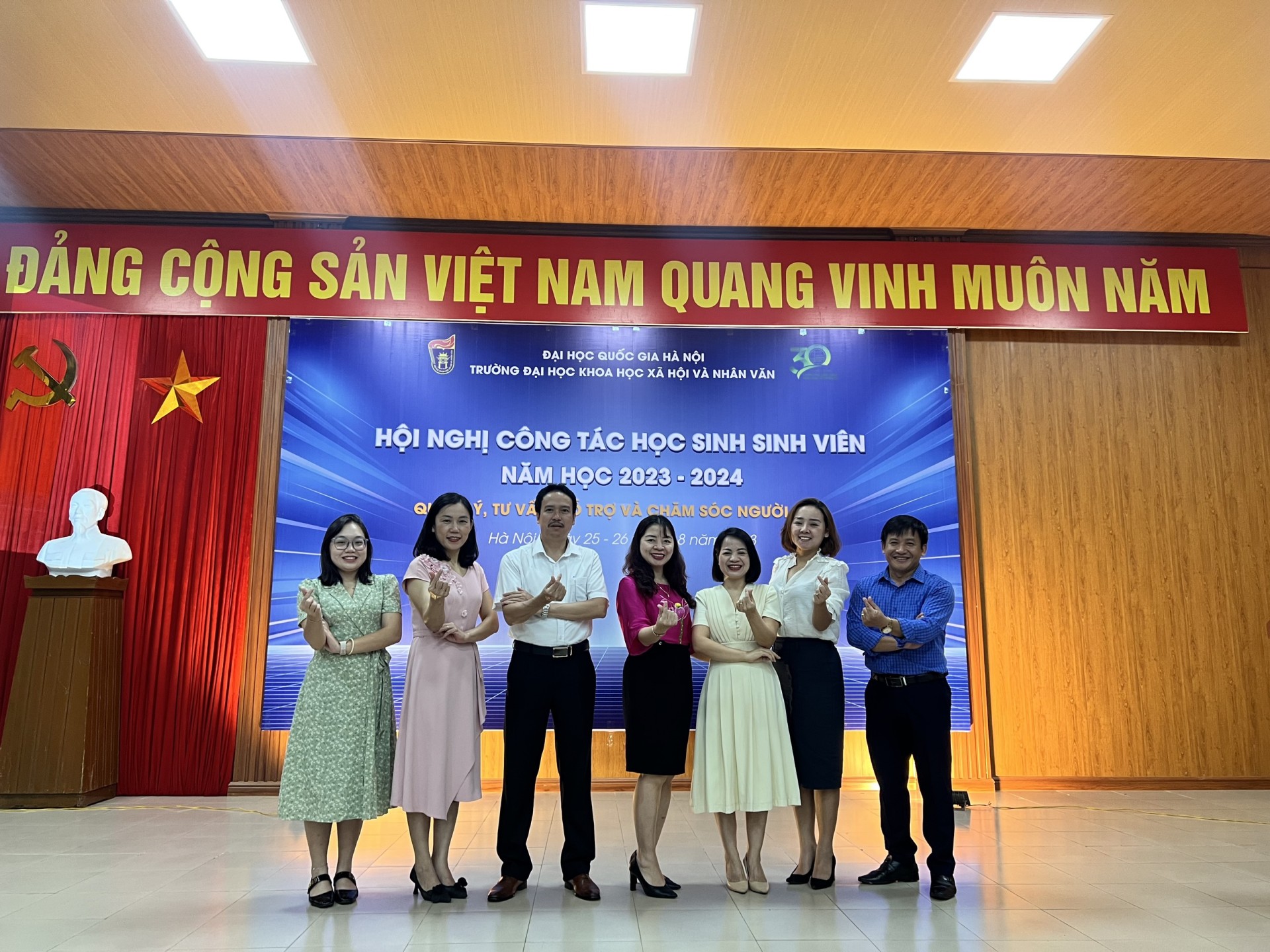
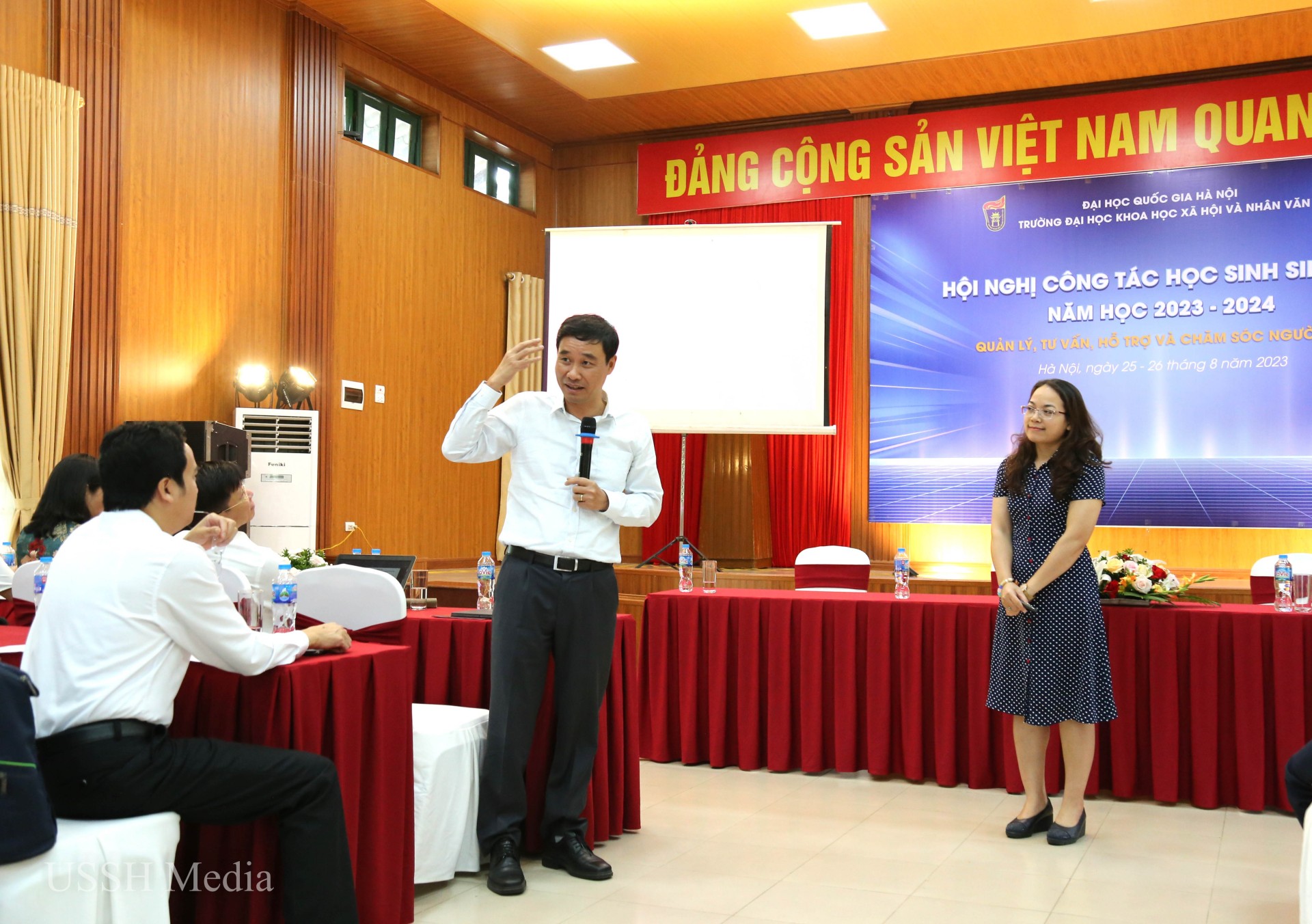
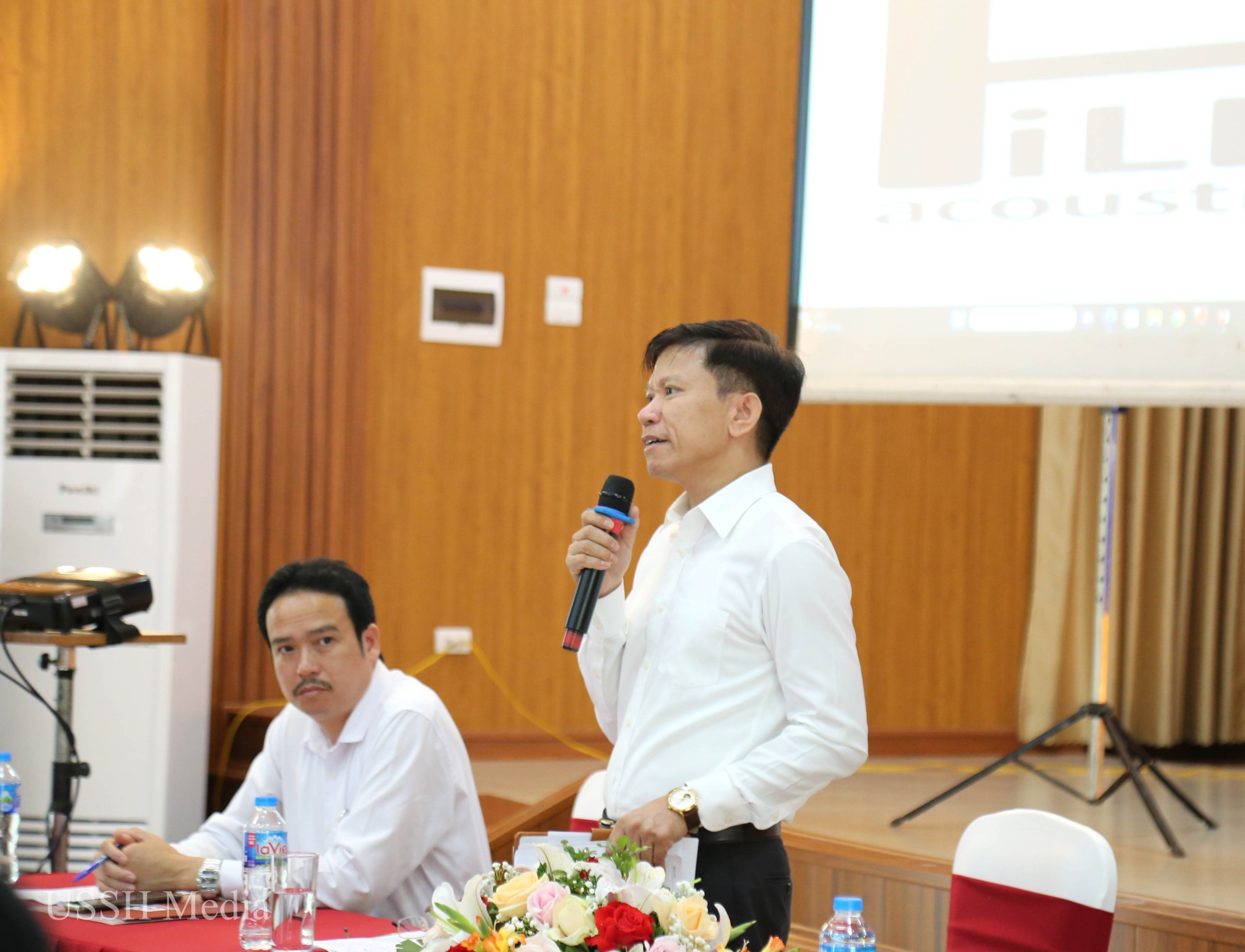
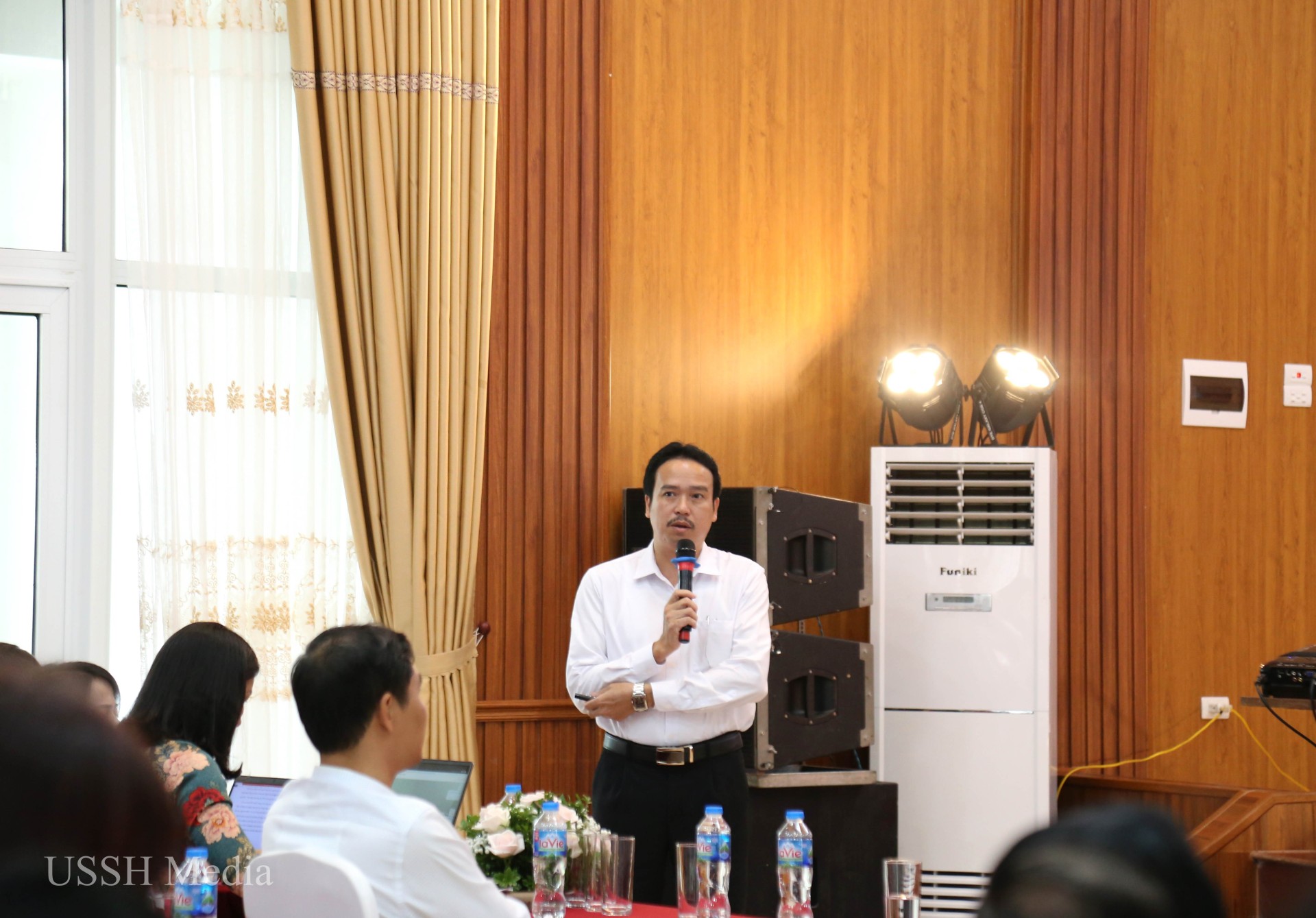
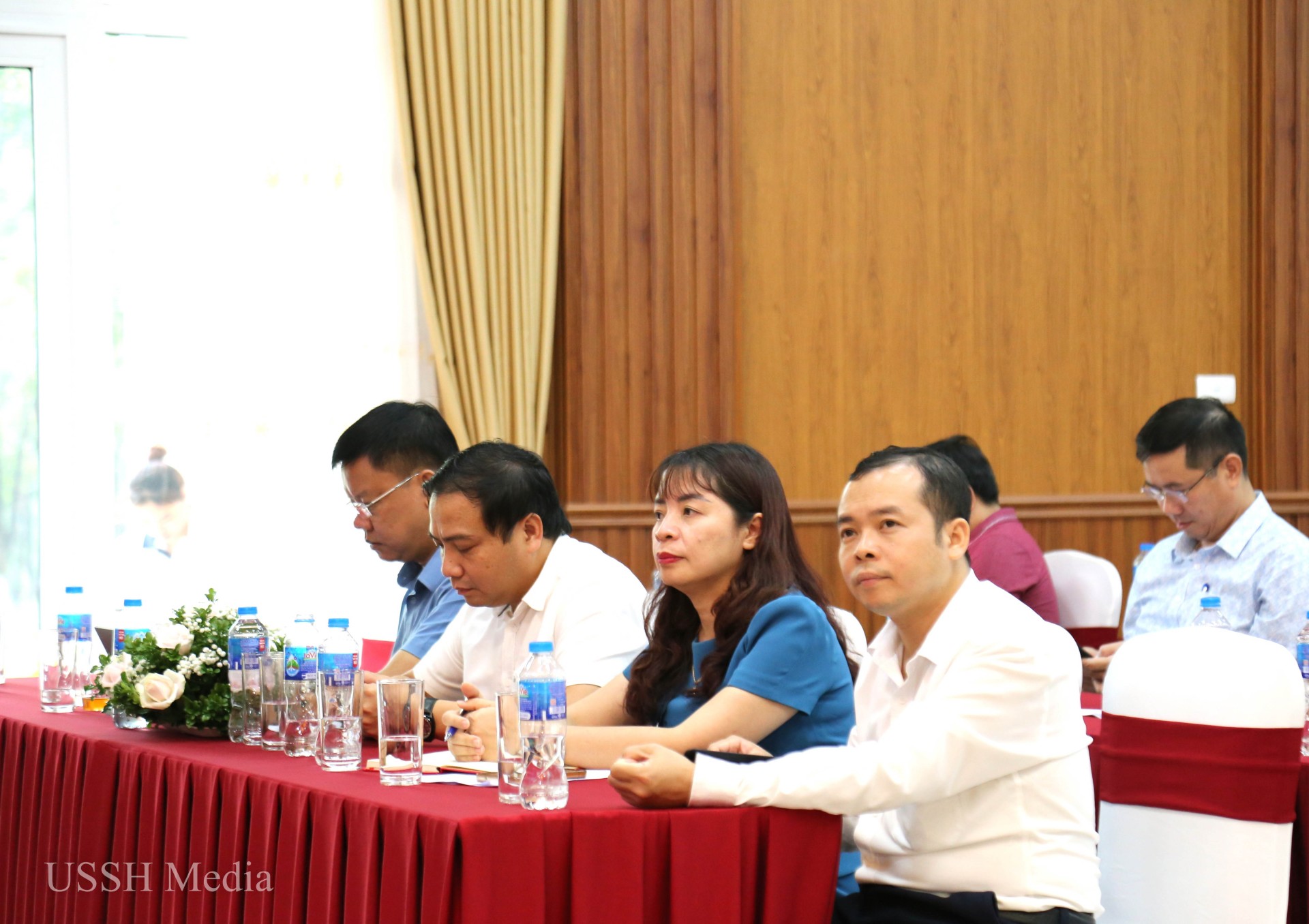
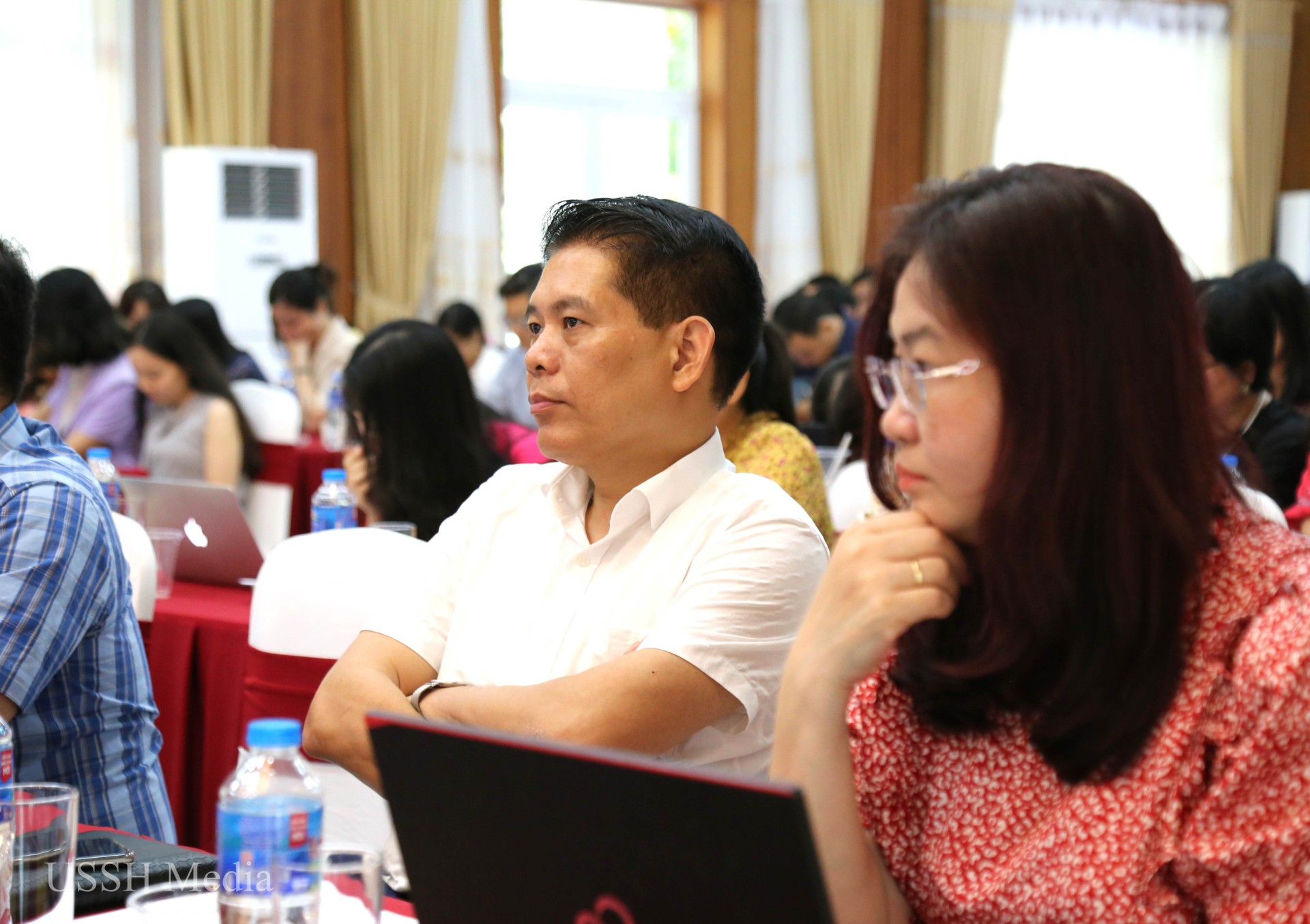
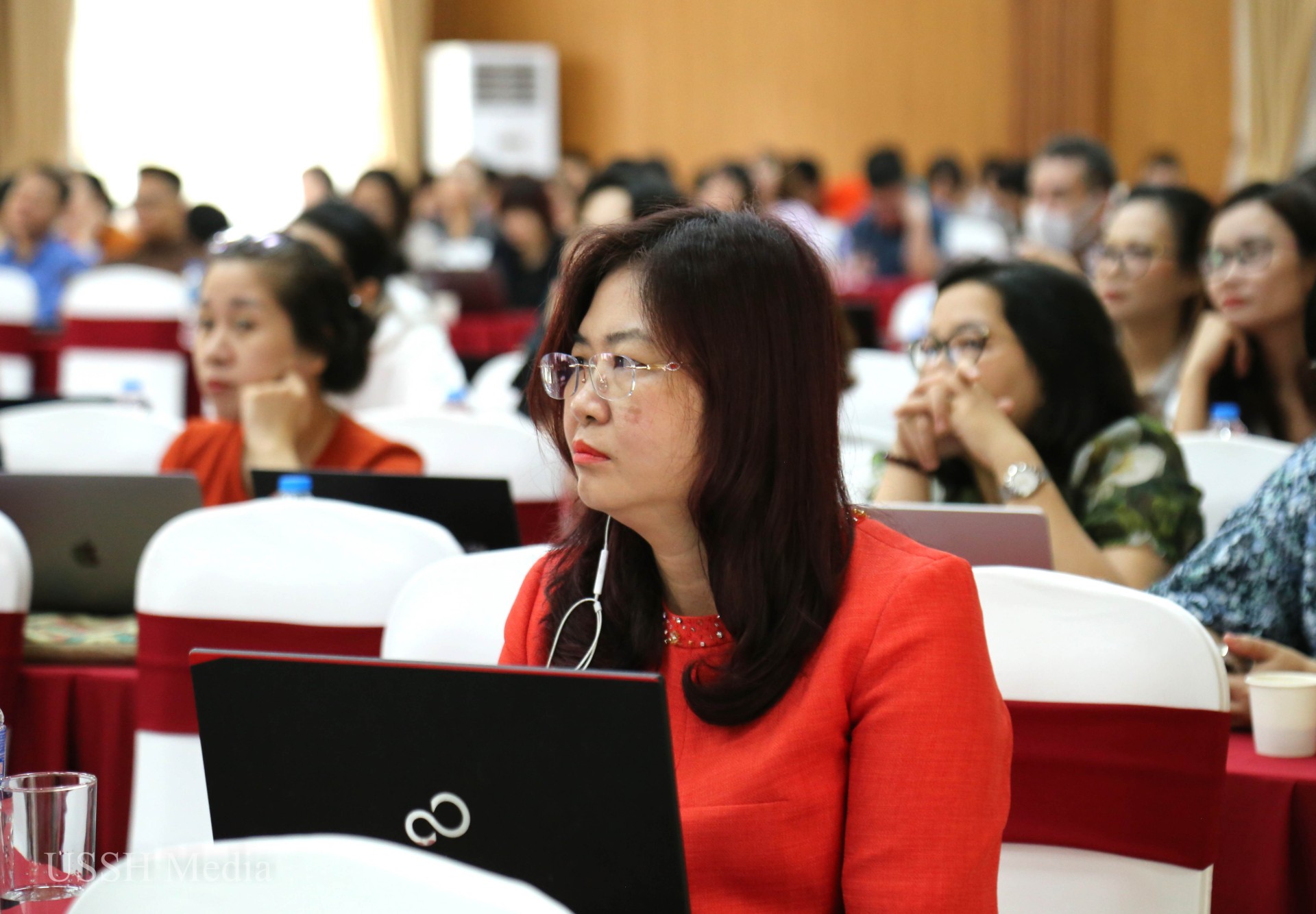
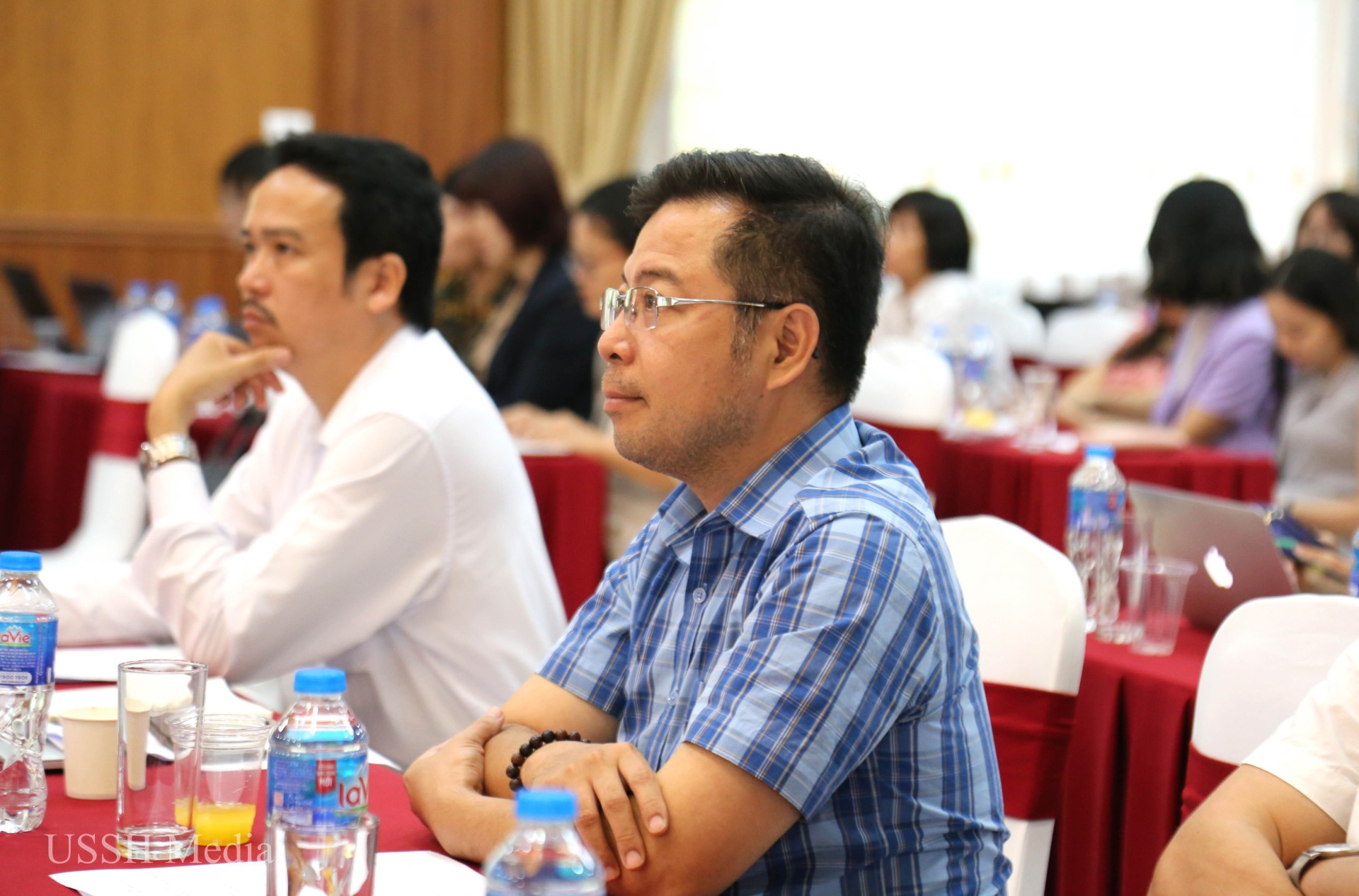
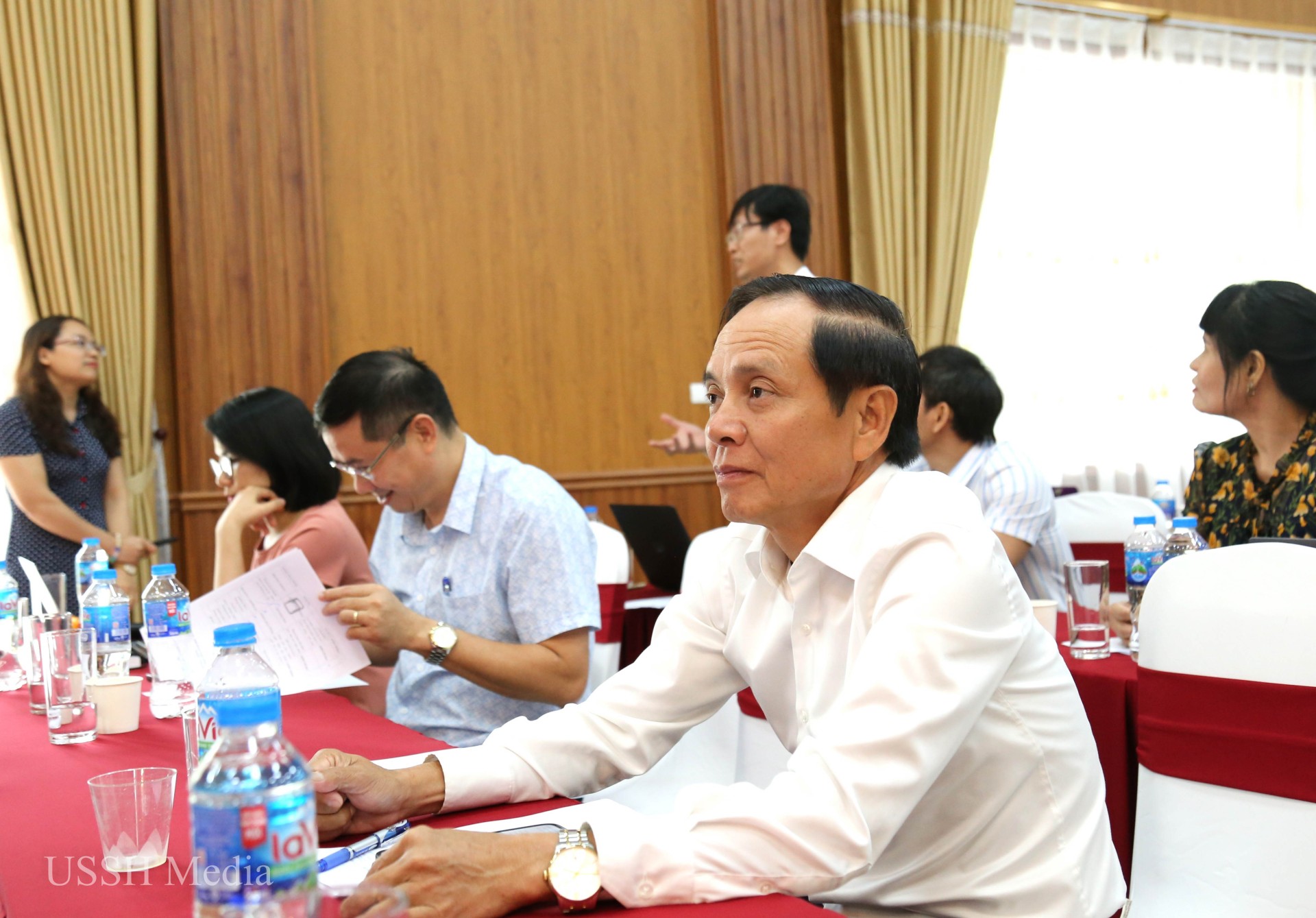
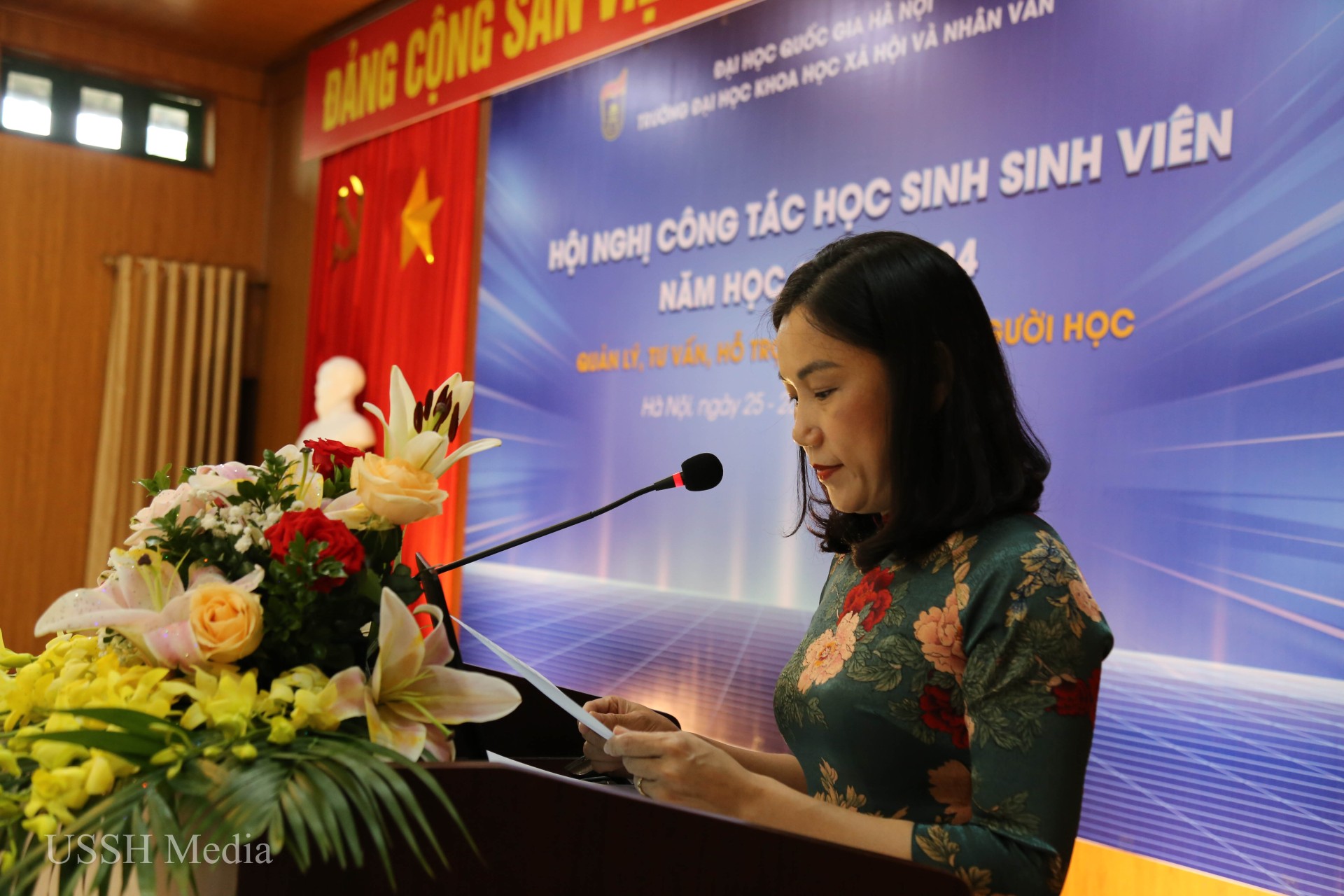
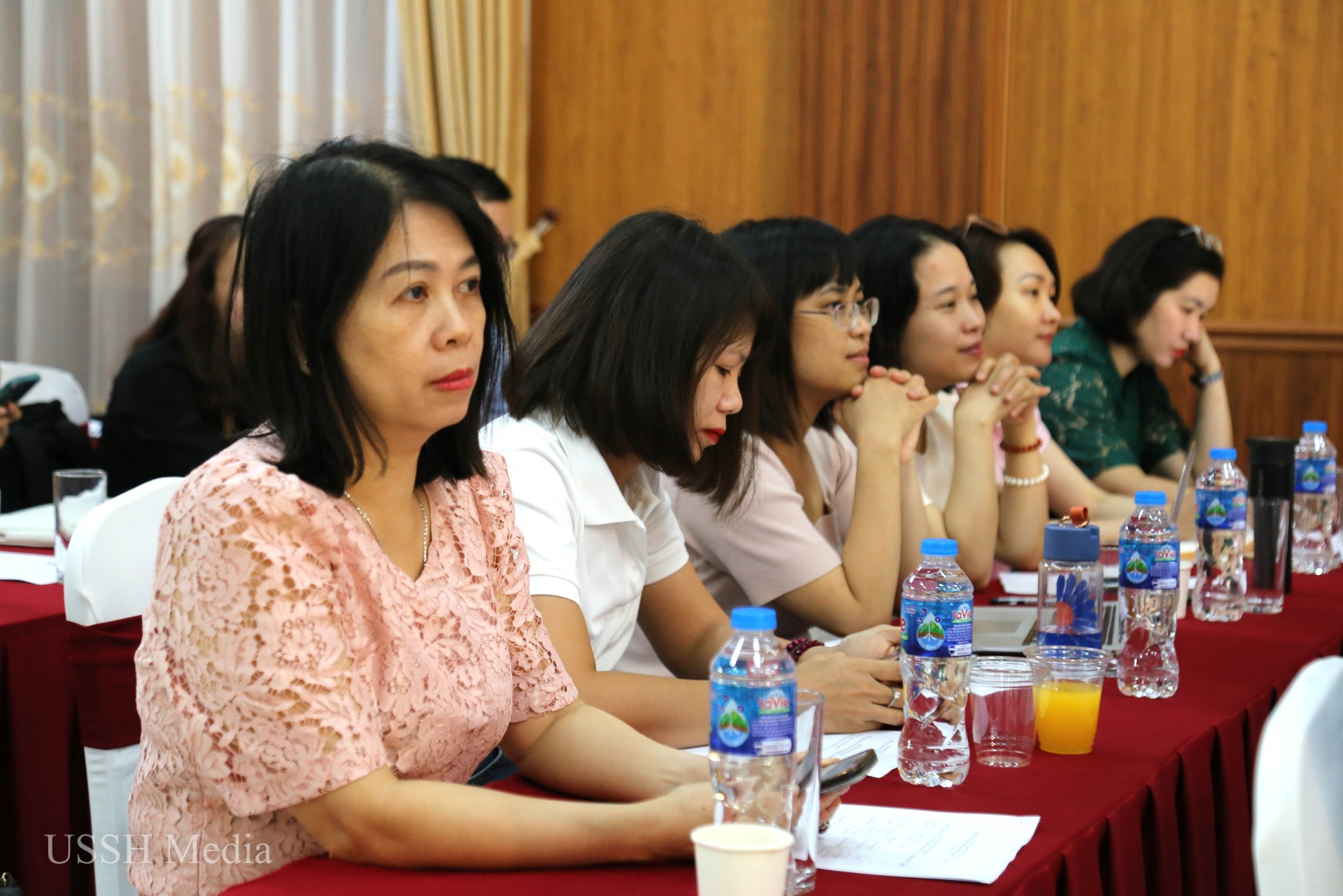
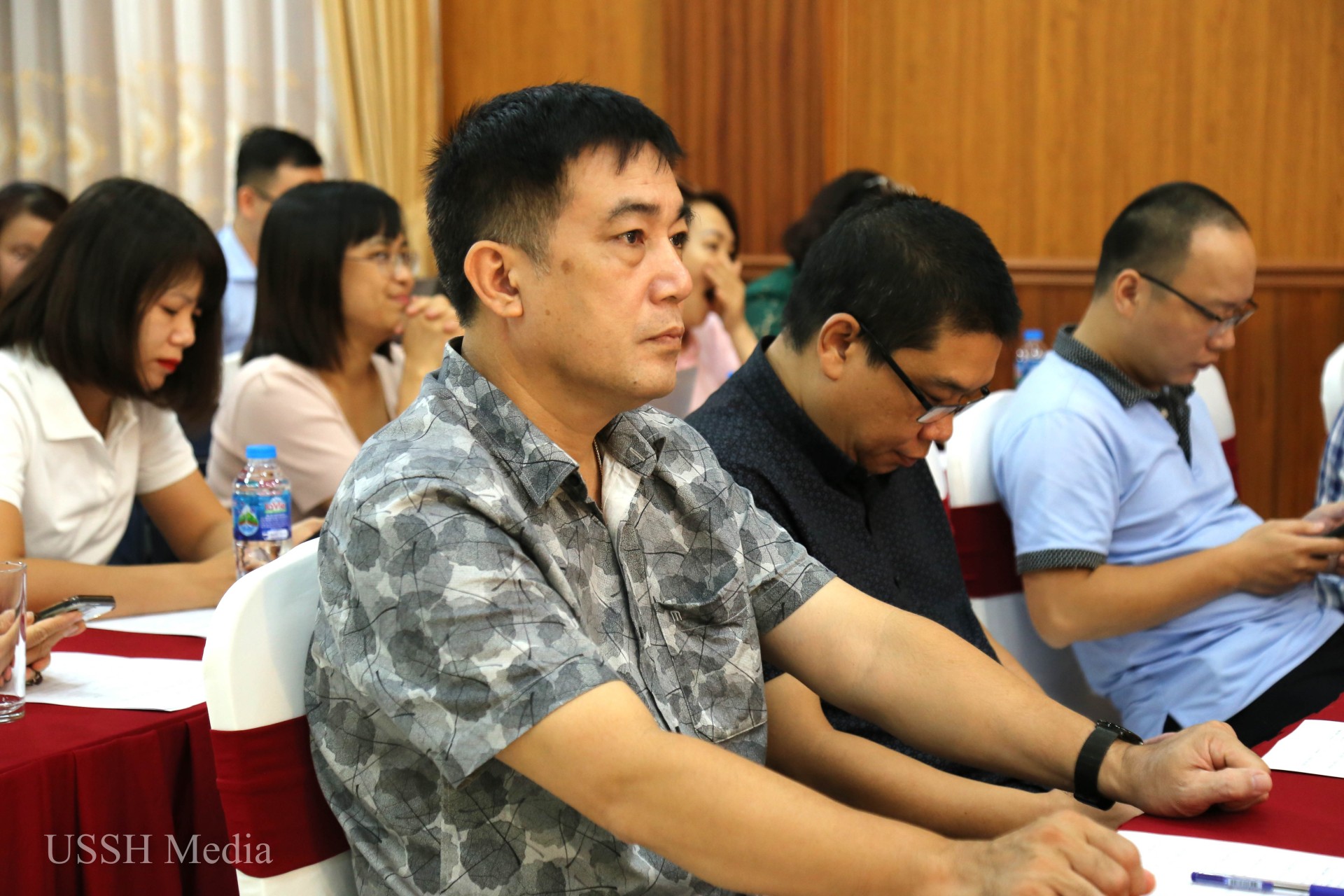
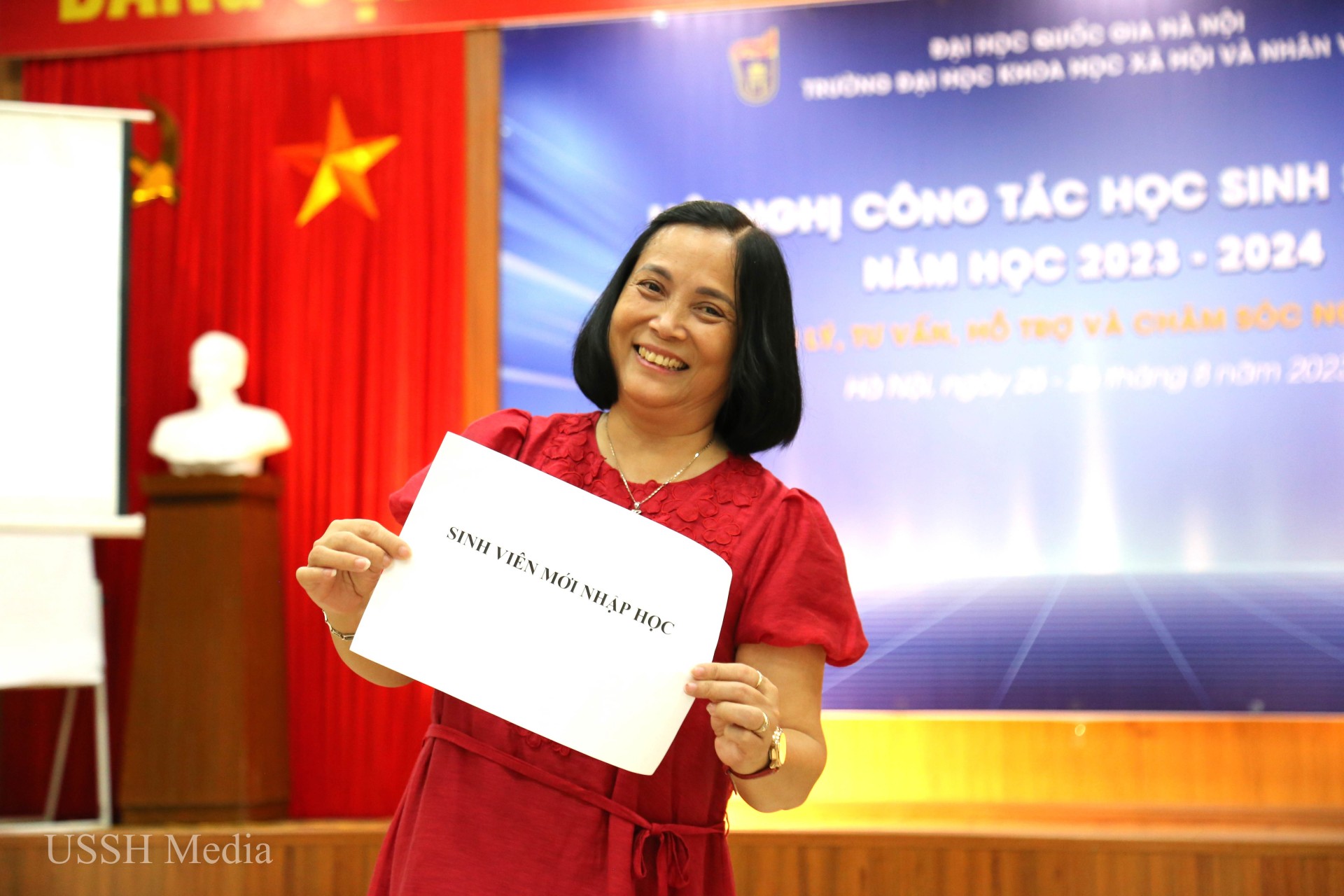
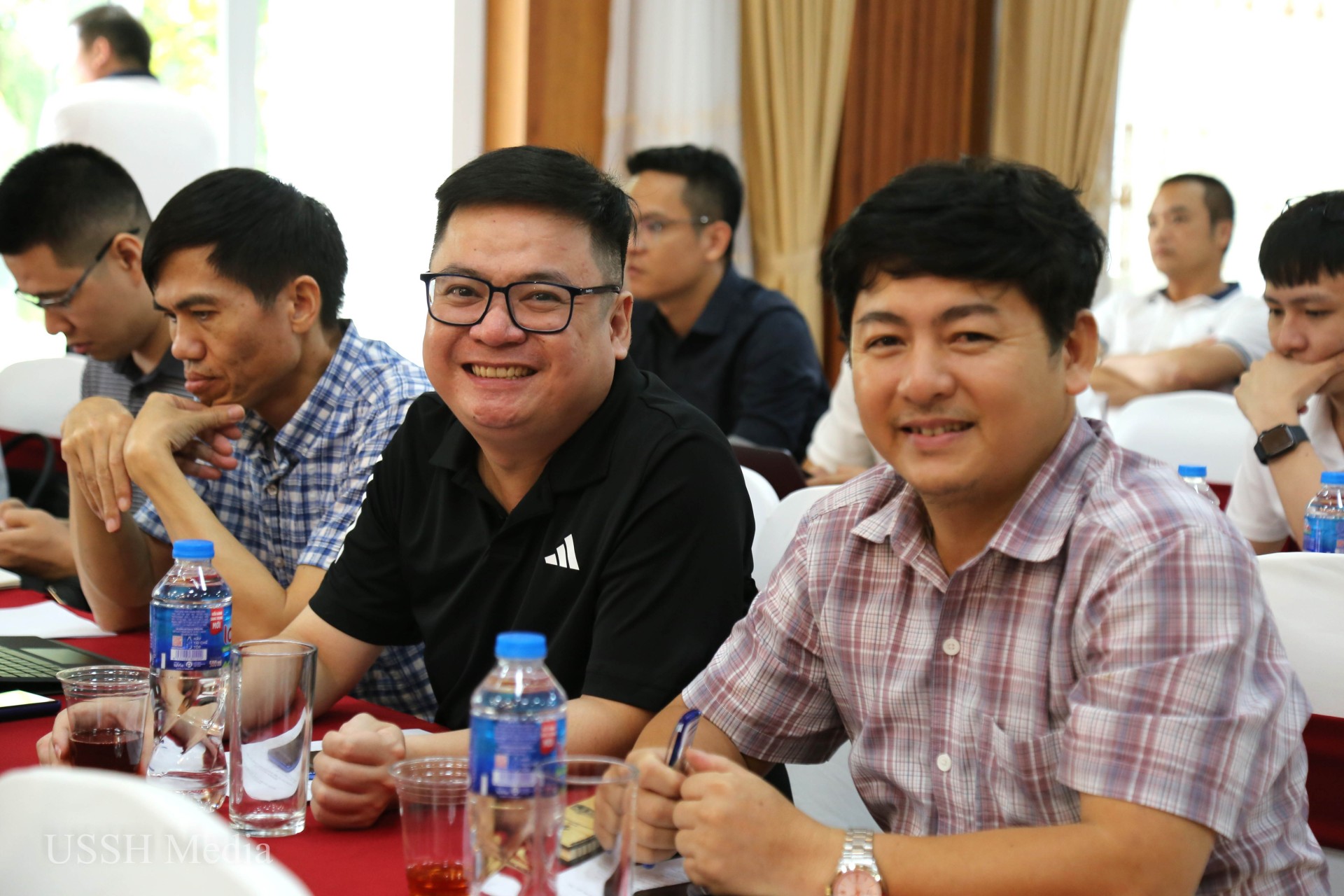
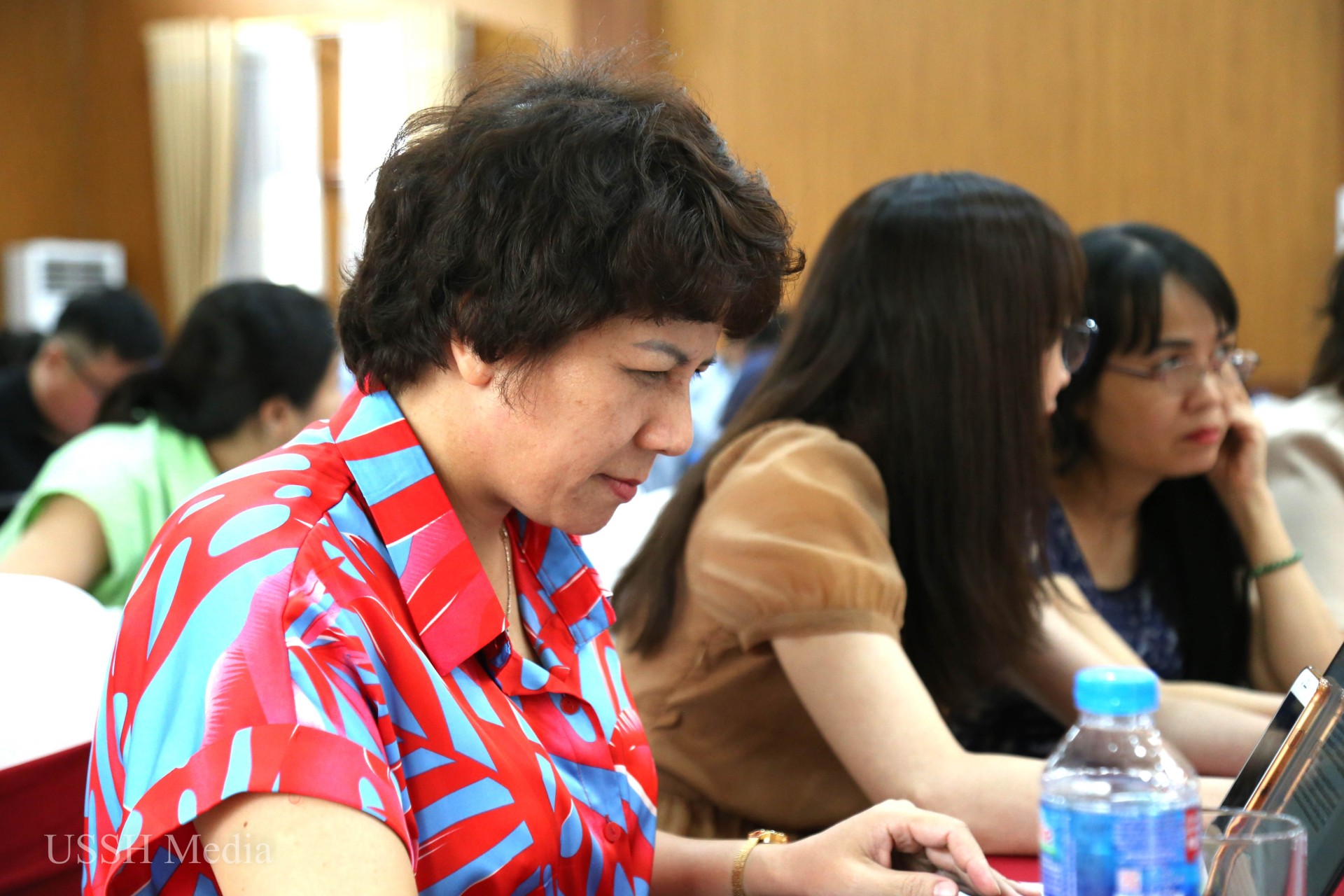
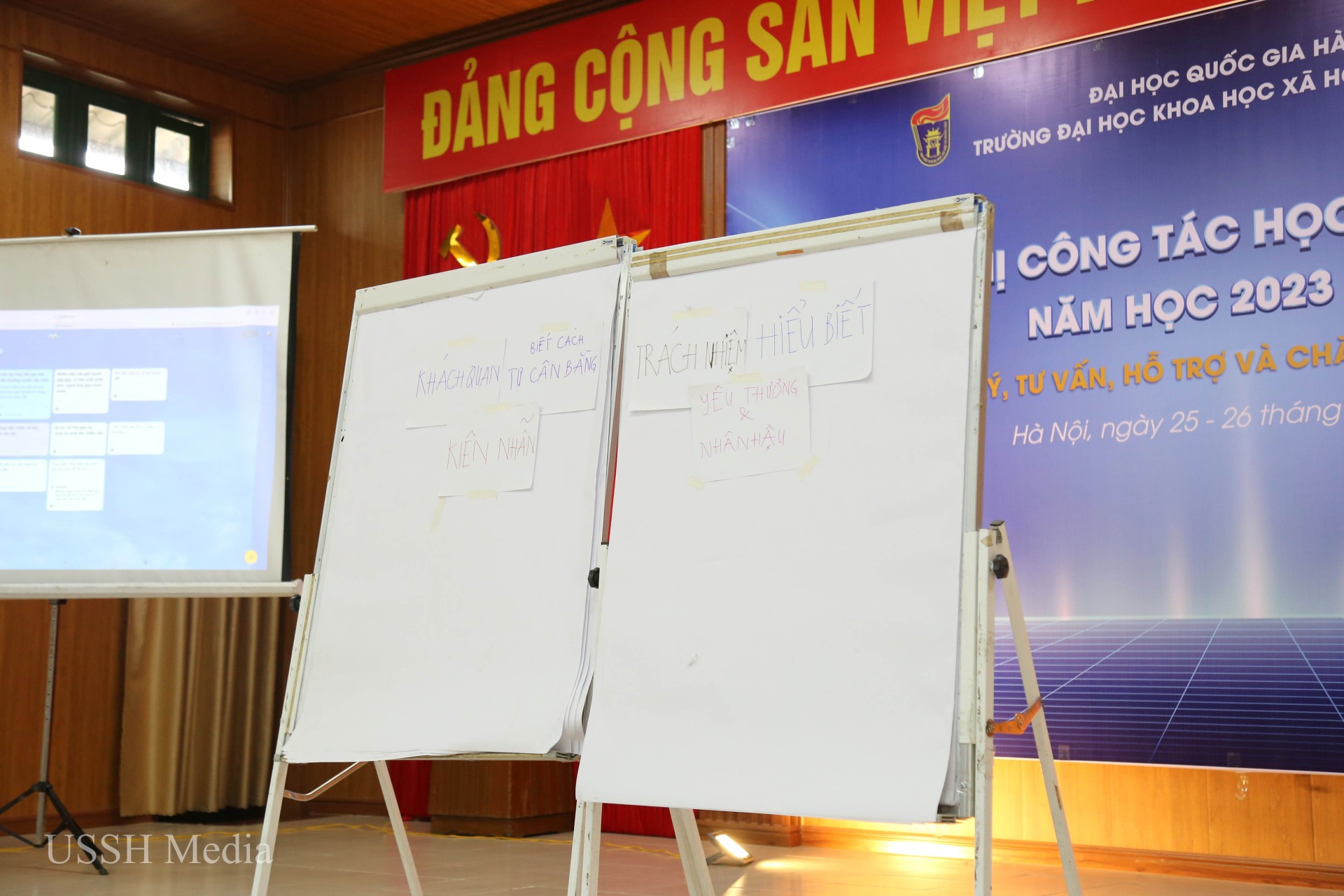
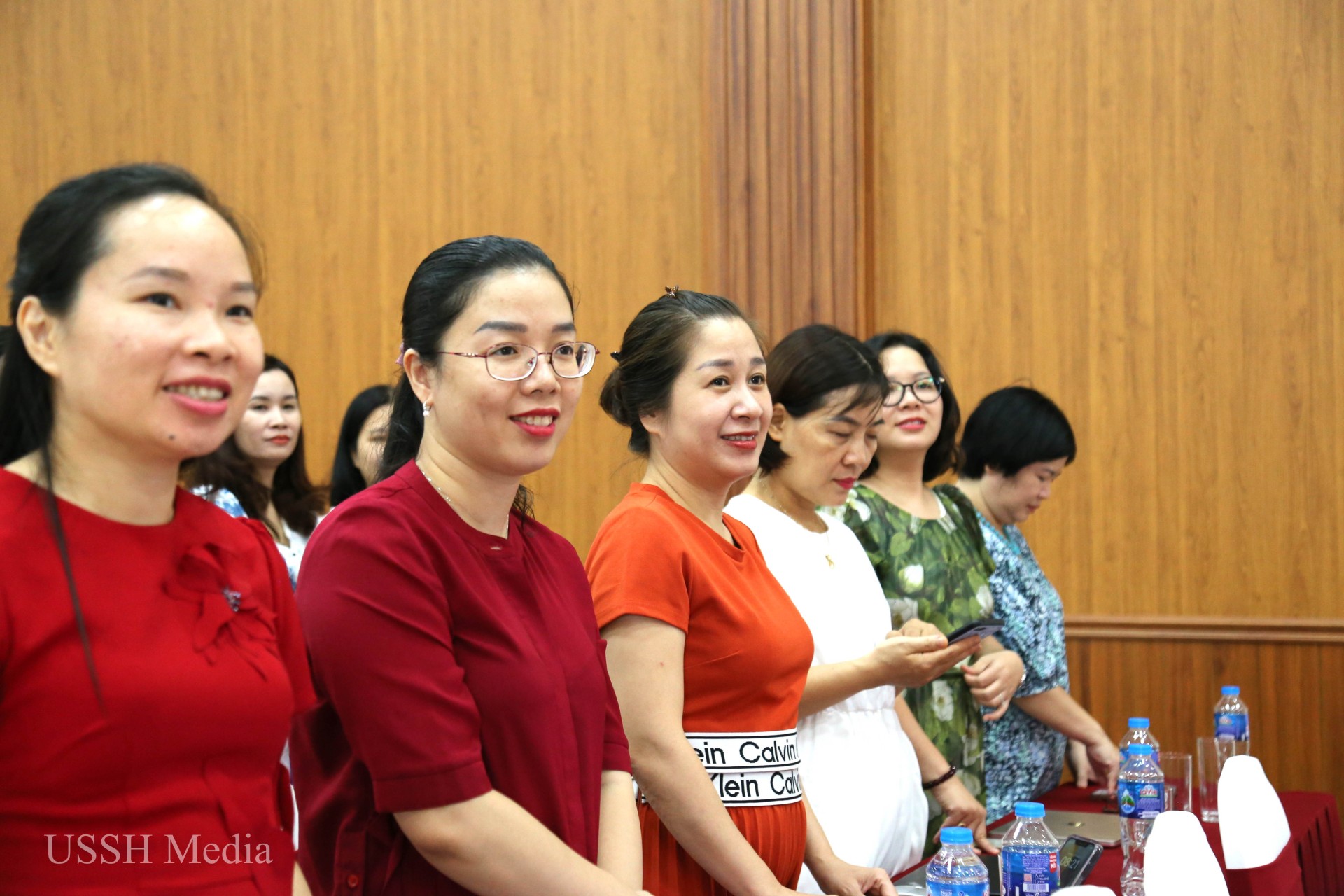
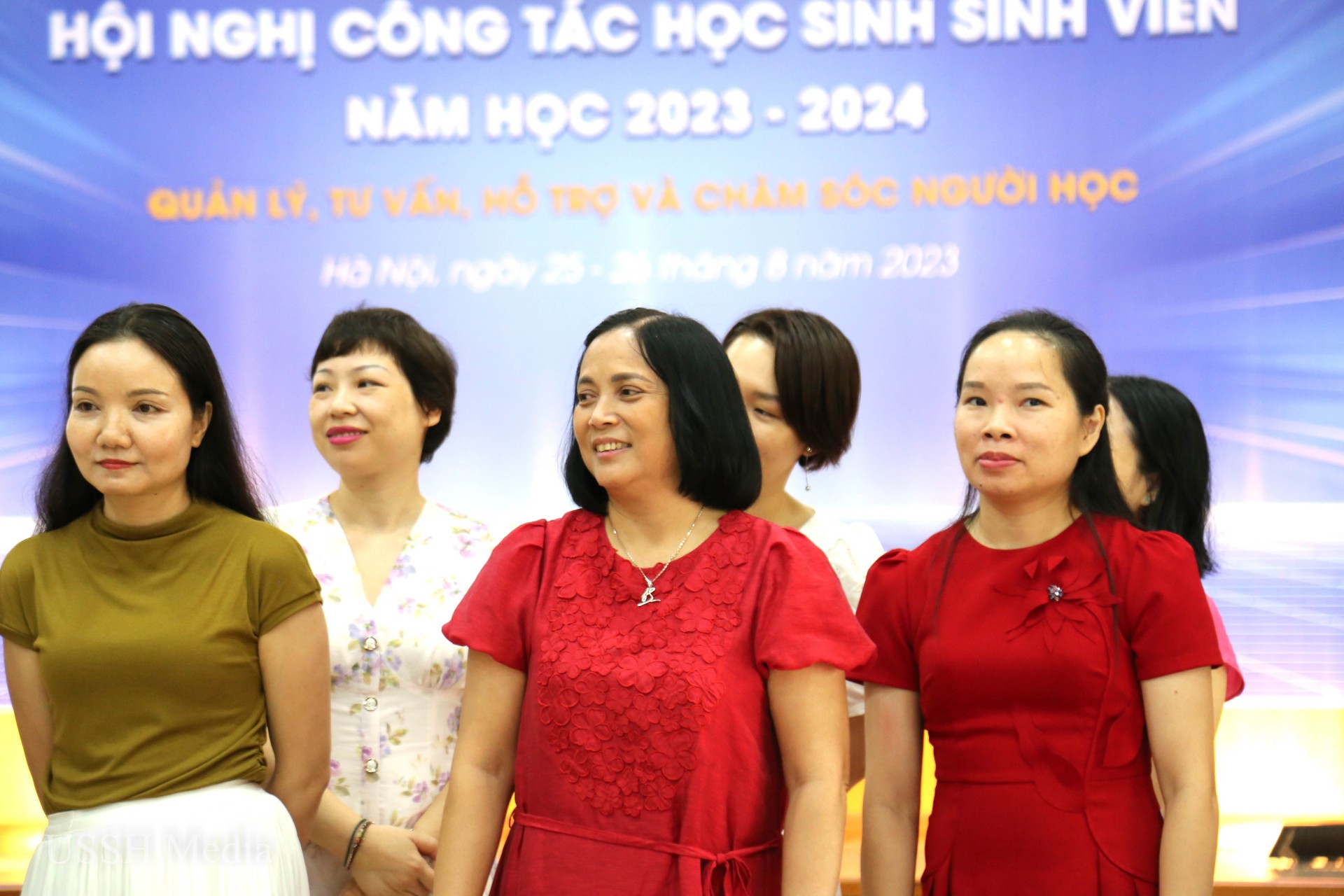
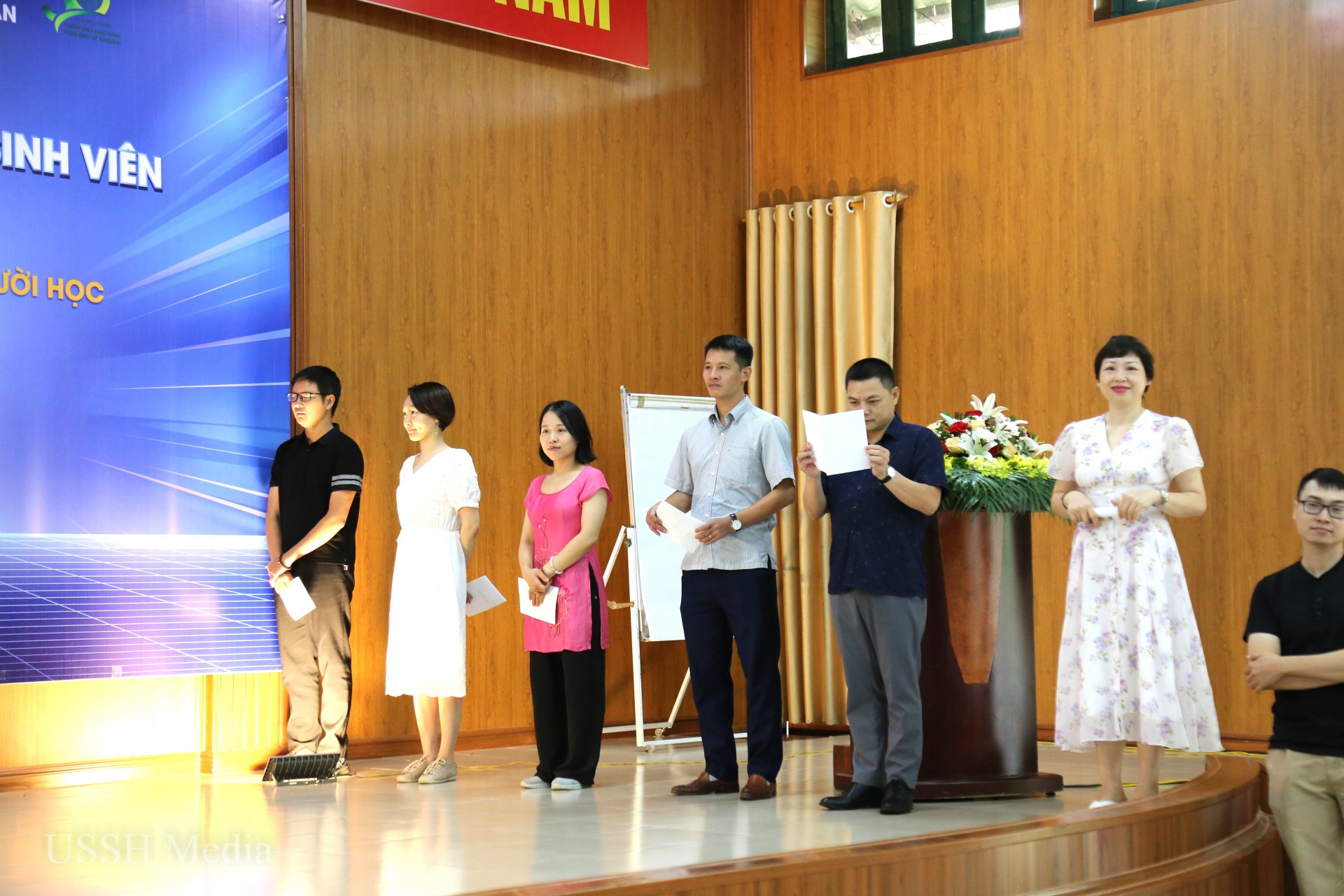
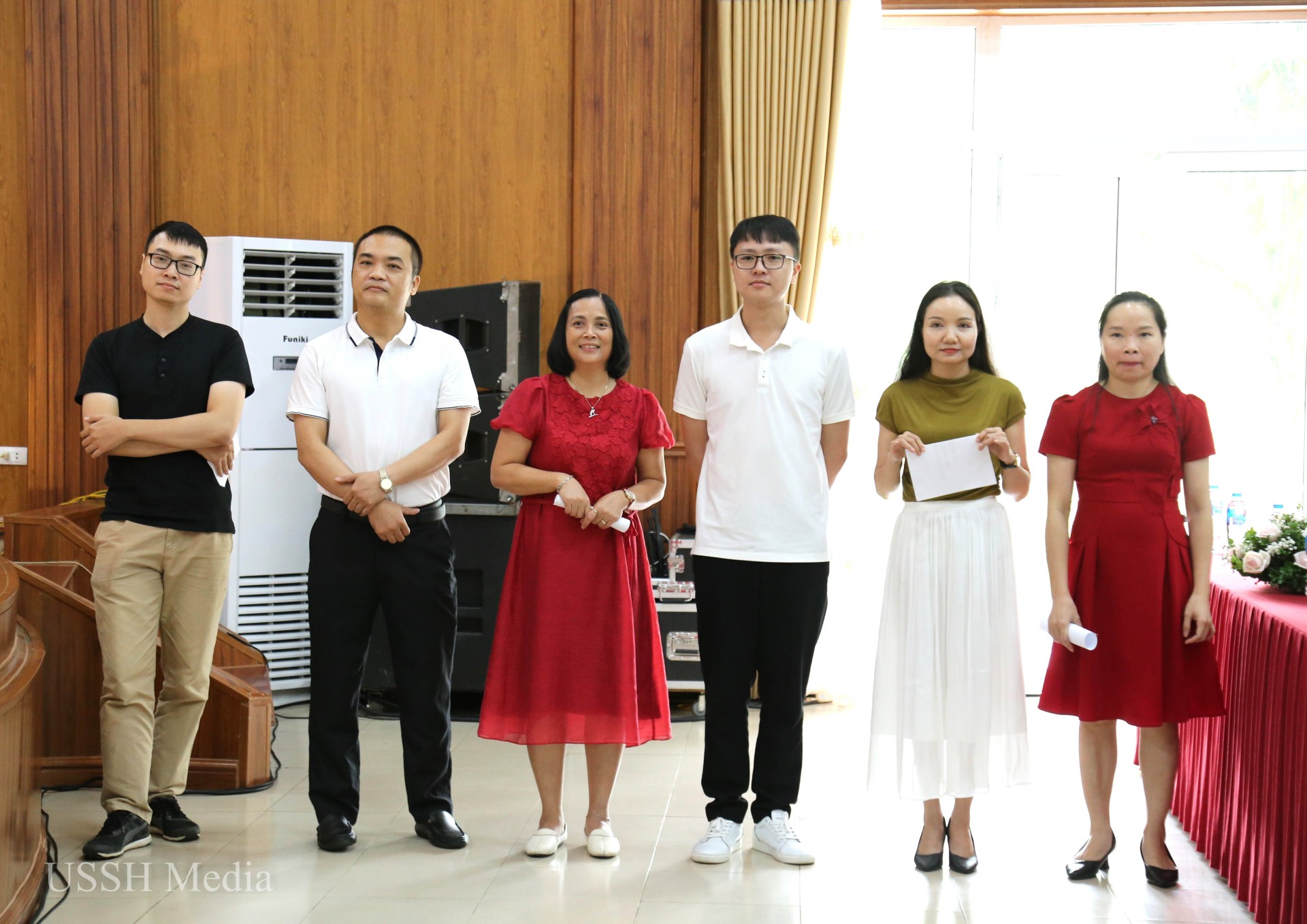
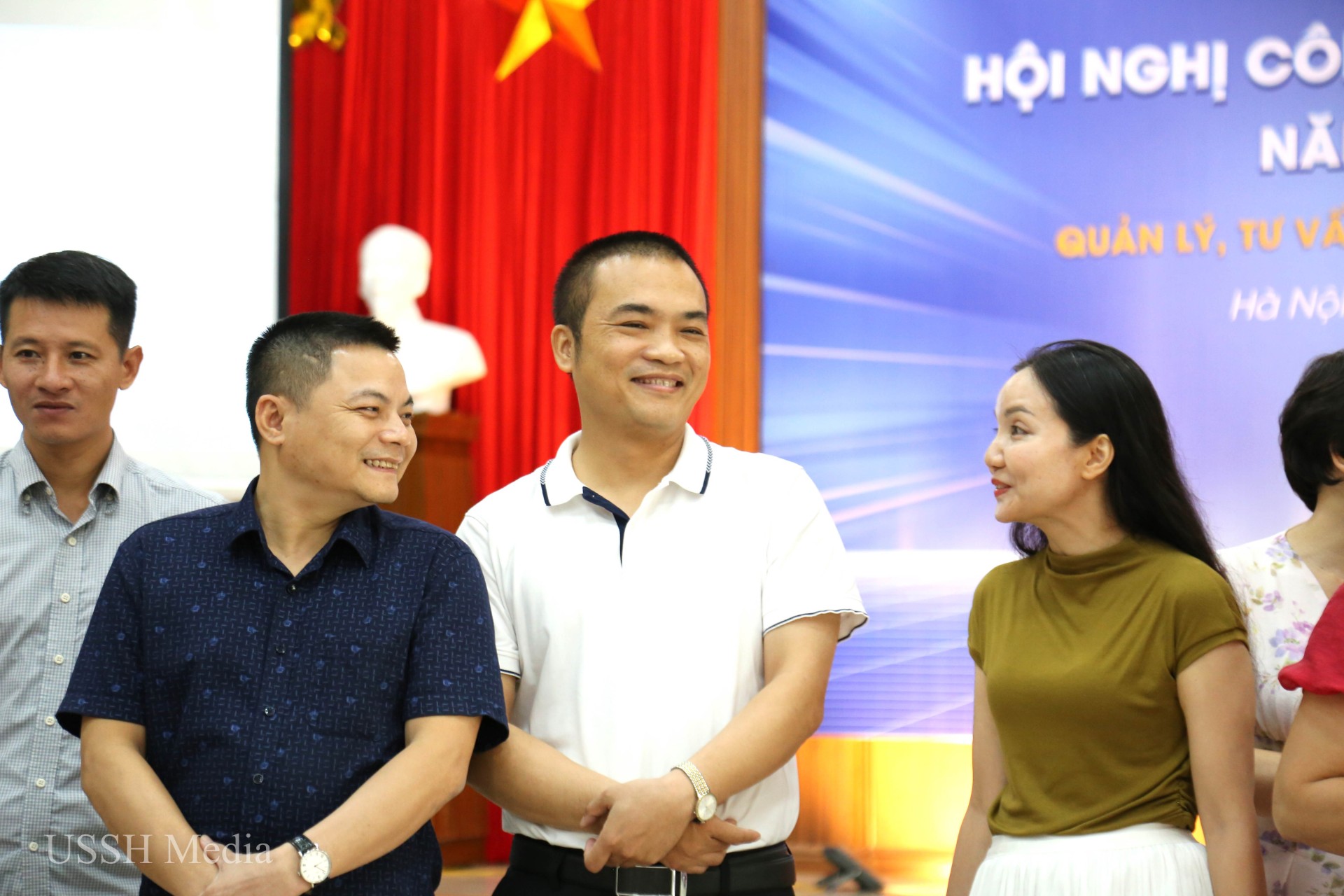
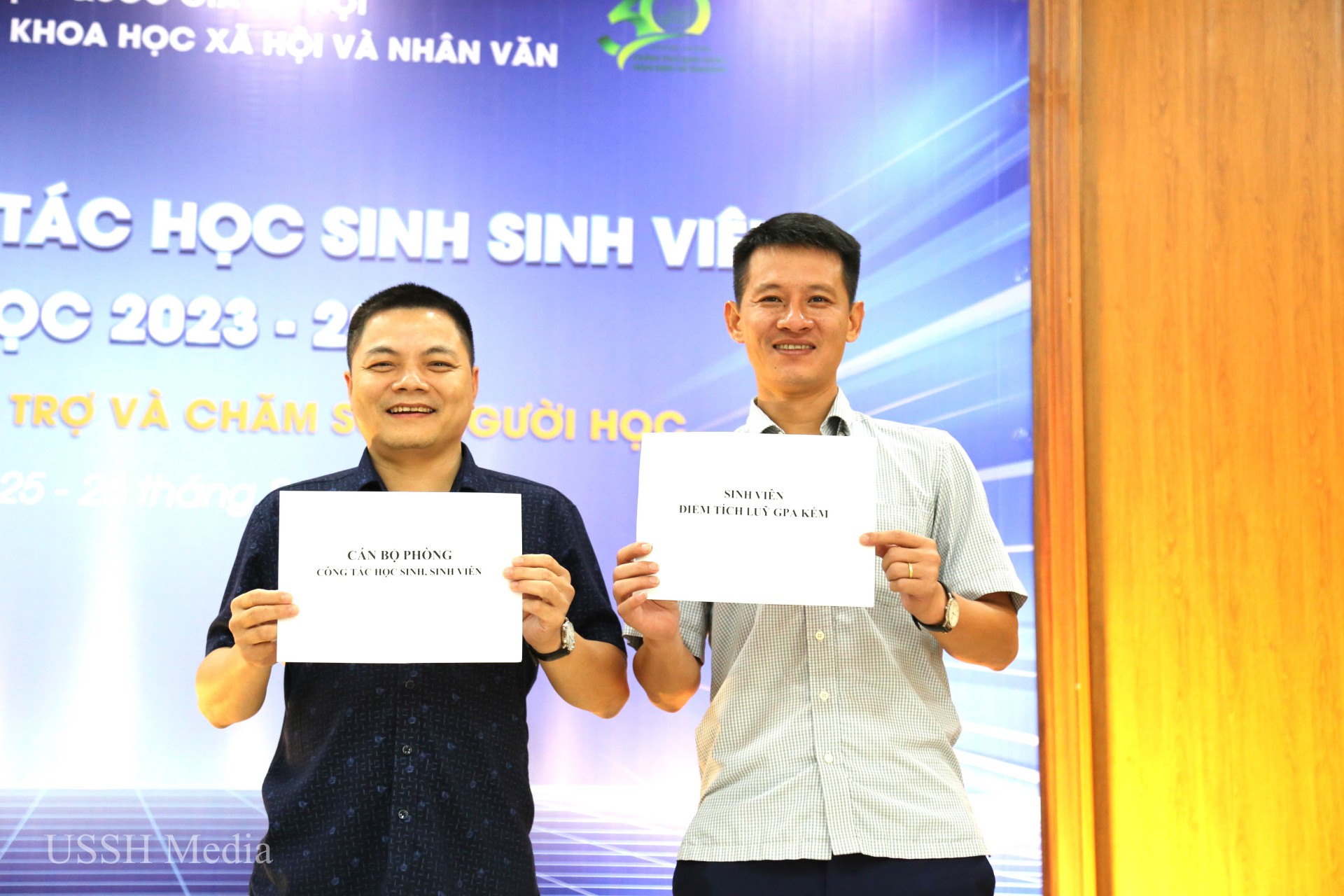
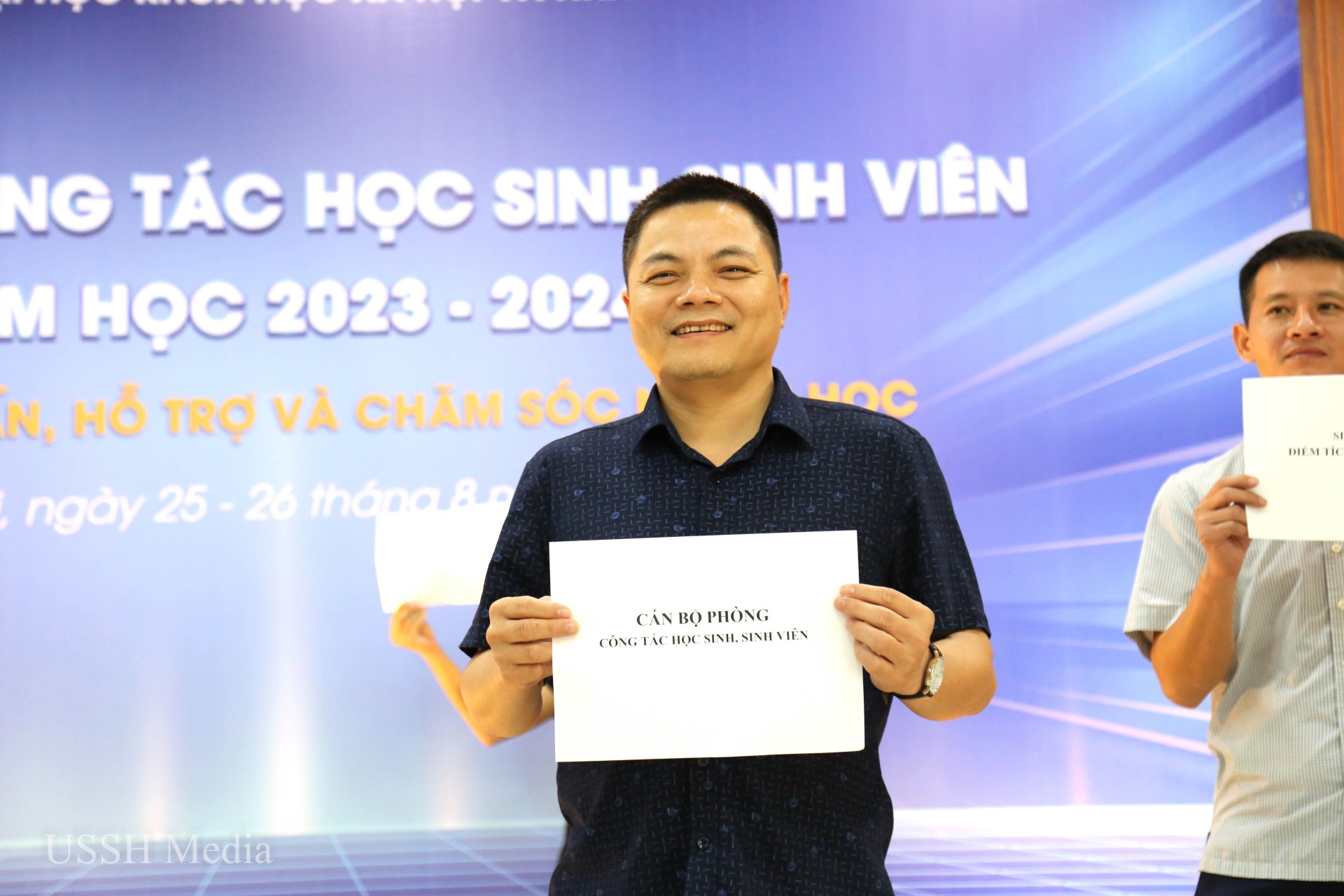
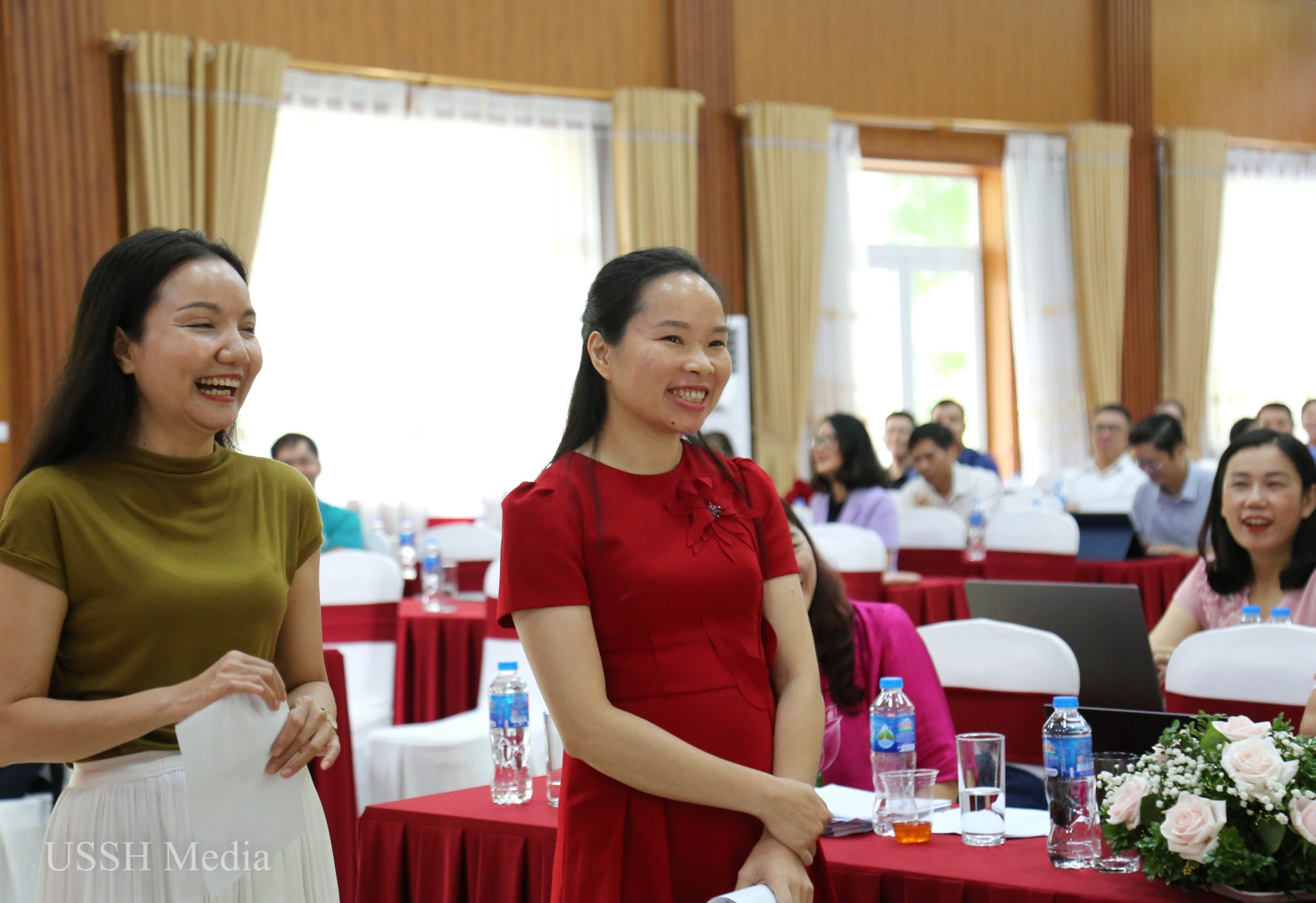
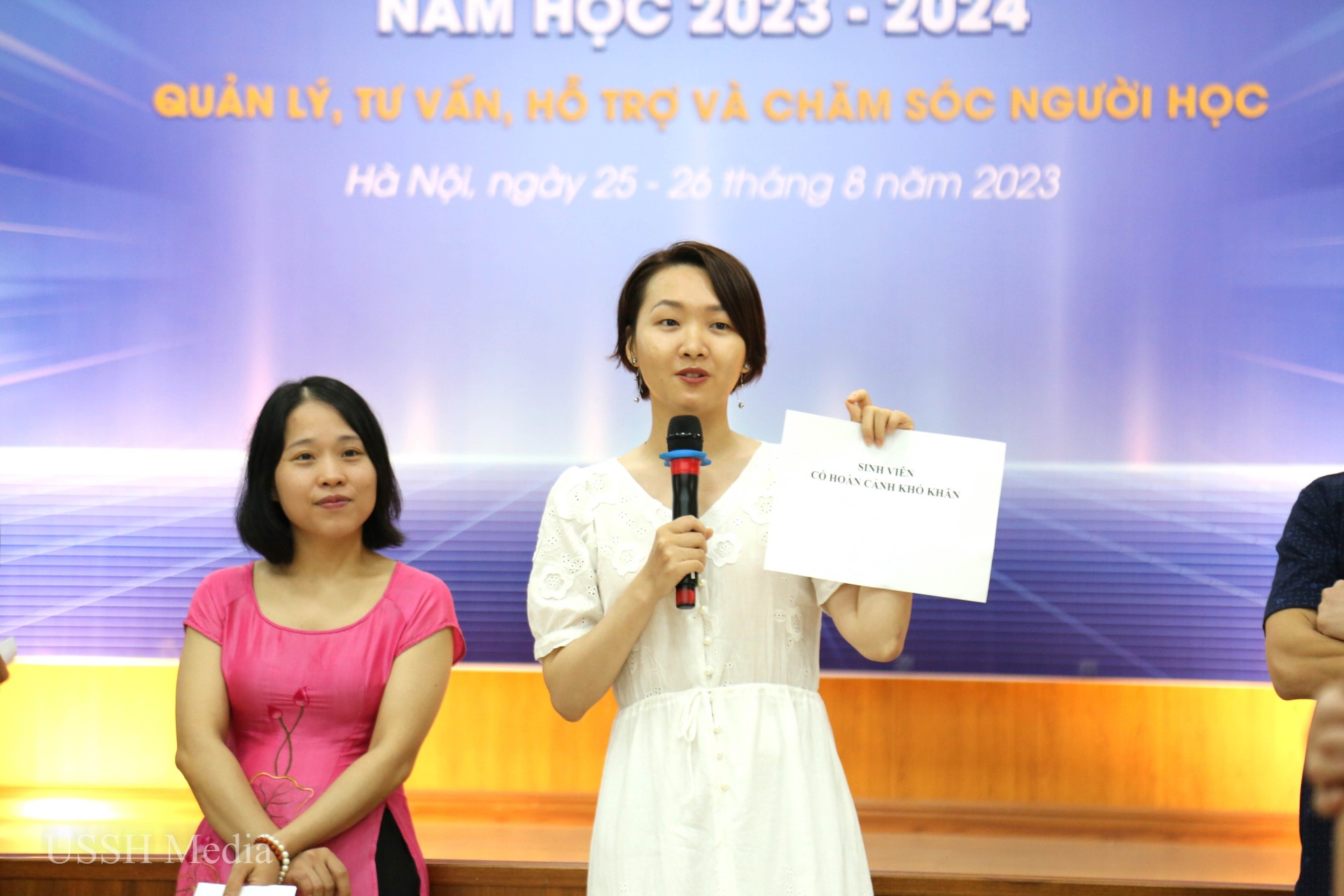
Here are some photos from the Student Affairs Conference for the 2023-2024 academic year: